


Alright – so today we’ve got the honor of introducing you to Allison Martinek. We think you’ll enjoy our conversation, we’ve shared it below.
Hi Allison, thanks for joining us today. We’d love to hear about a project that you’ve worked on that’s meant a lot to you.
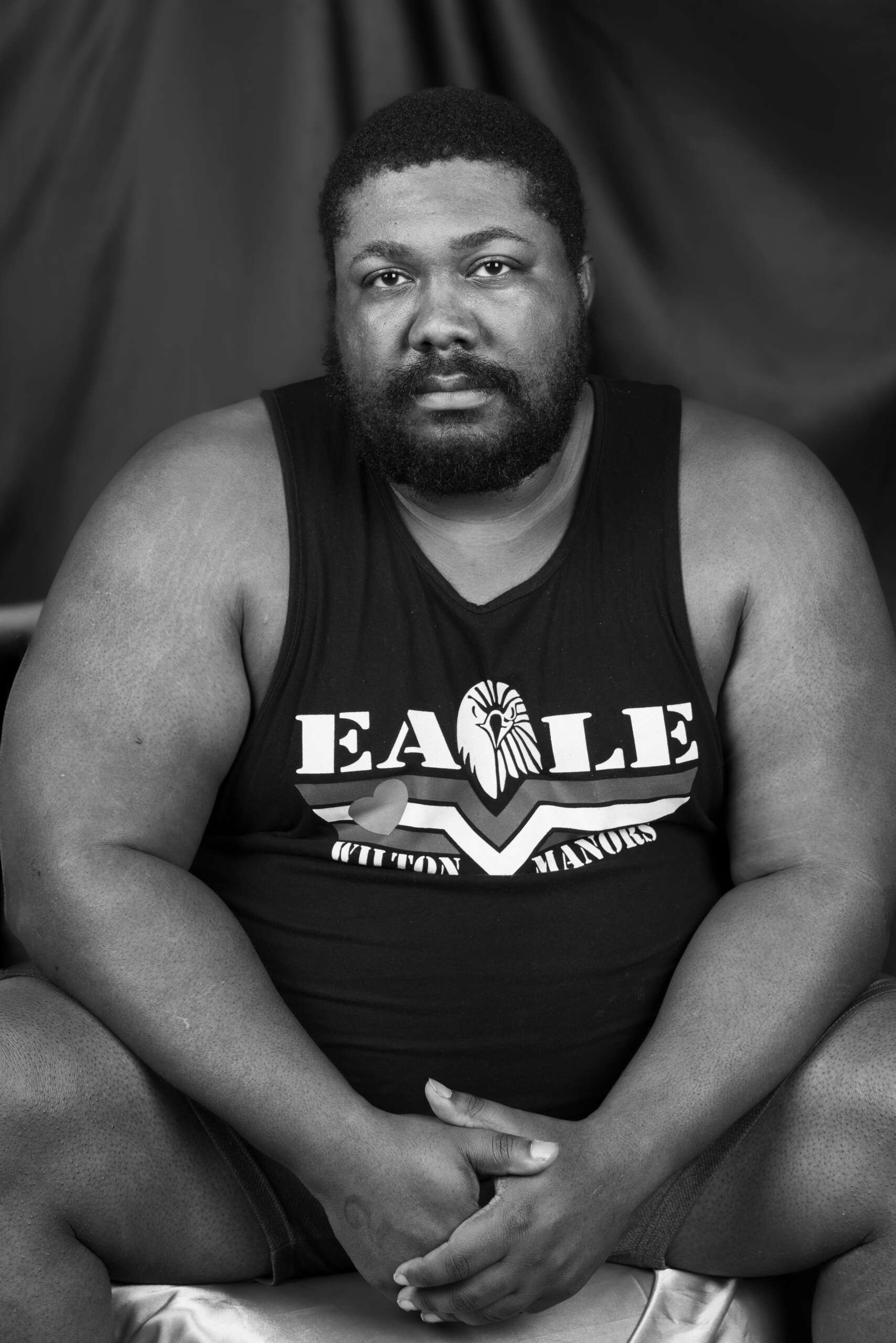
My current photo series, “Portrait Complexities: Dismantling the False Body Positivity Narrative”, is without a doubt my most meaningful project to date.
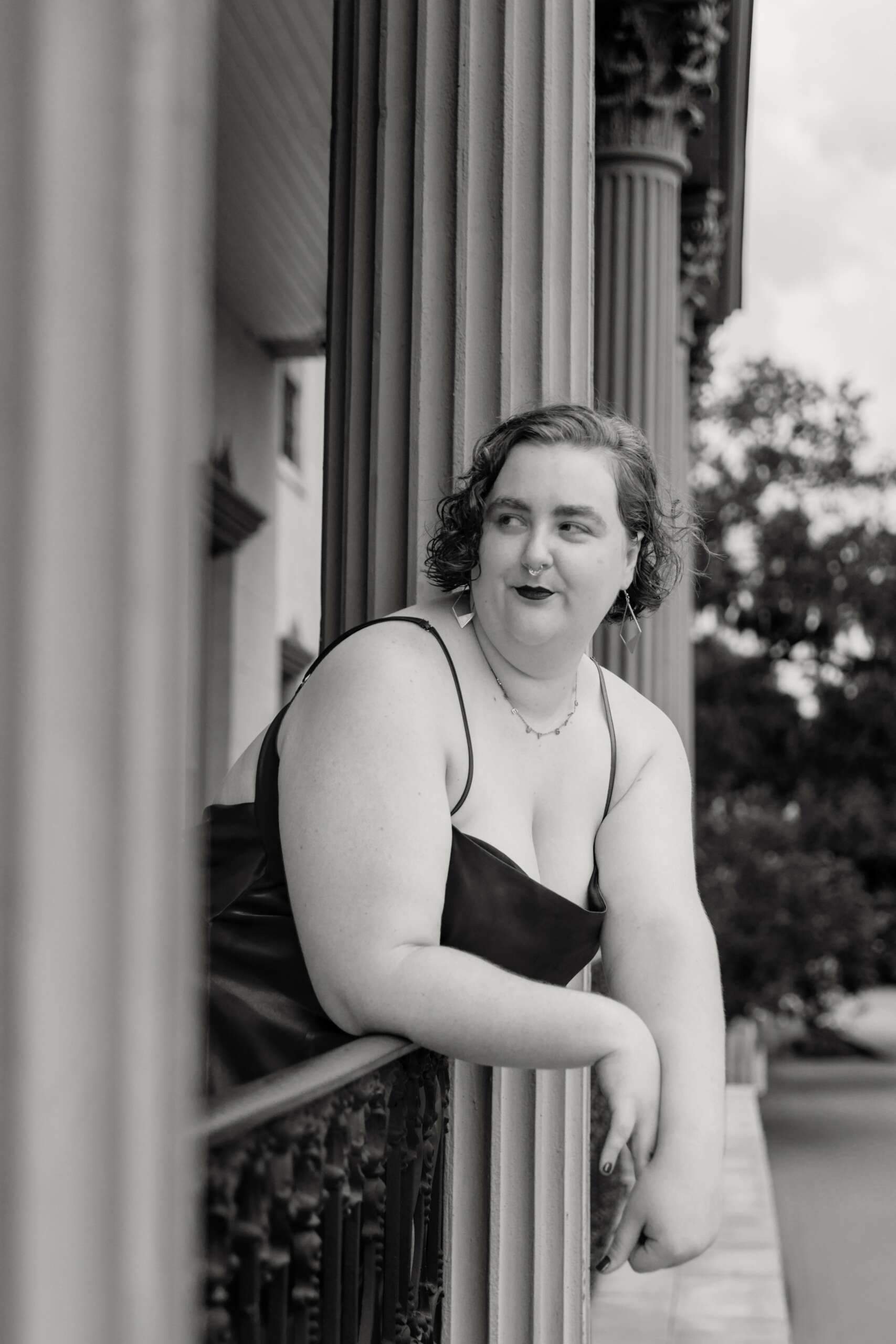
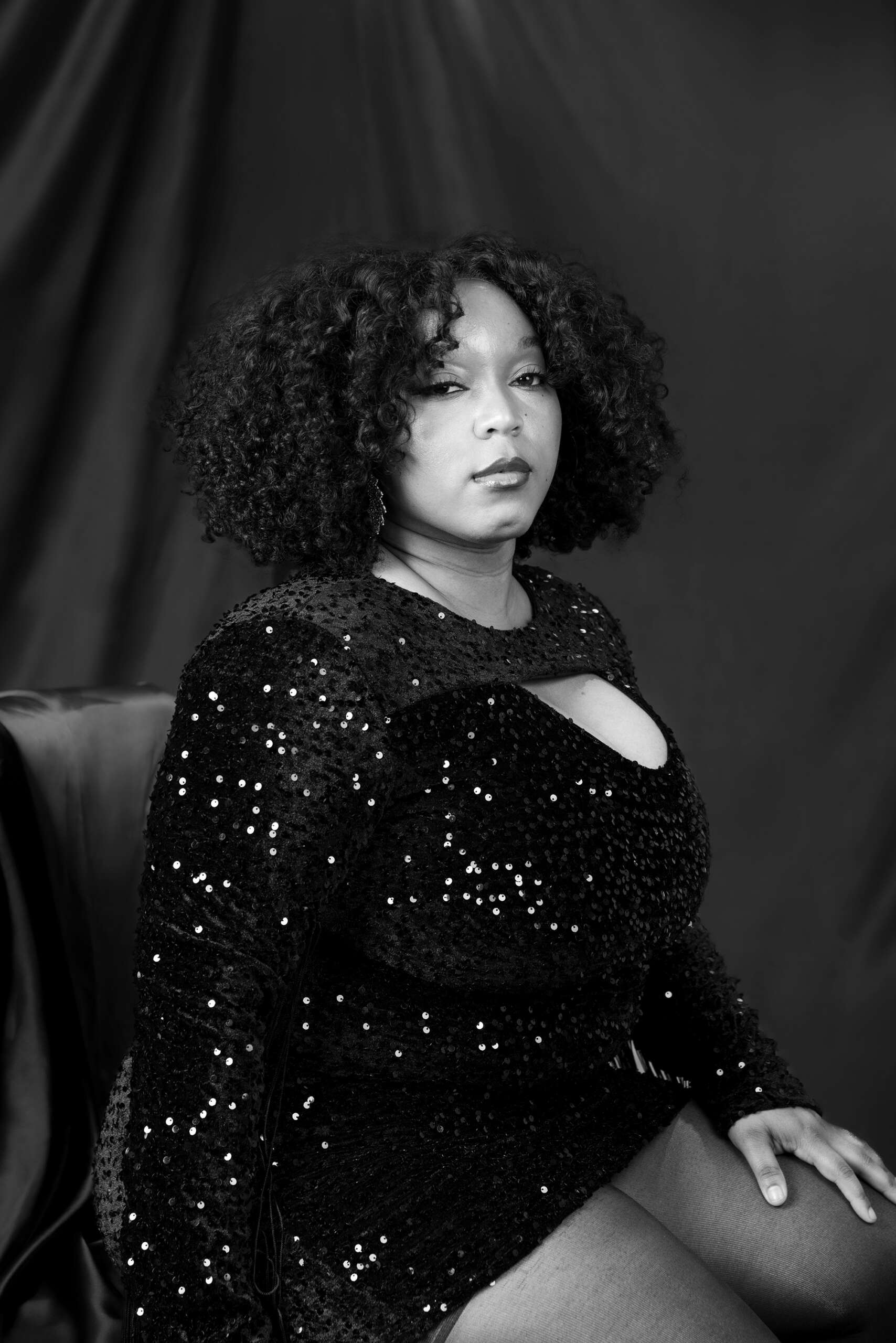
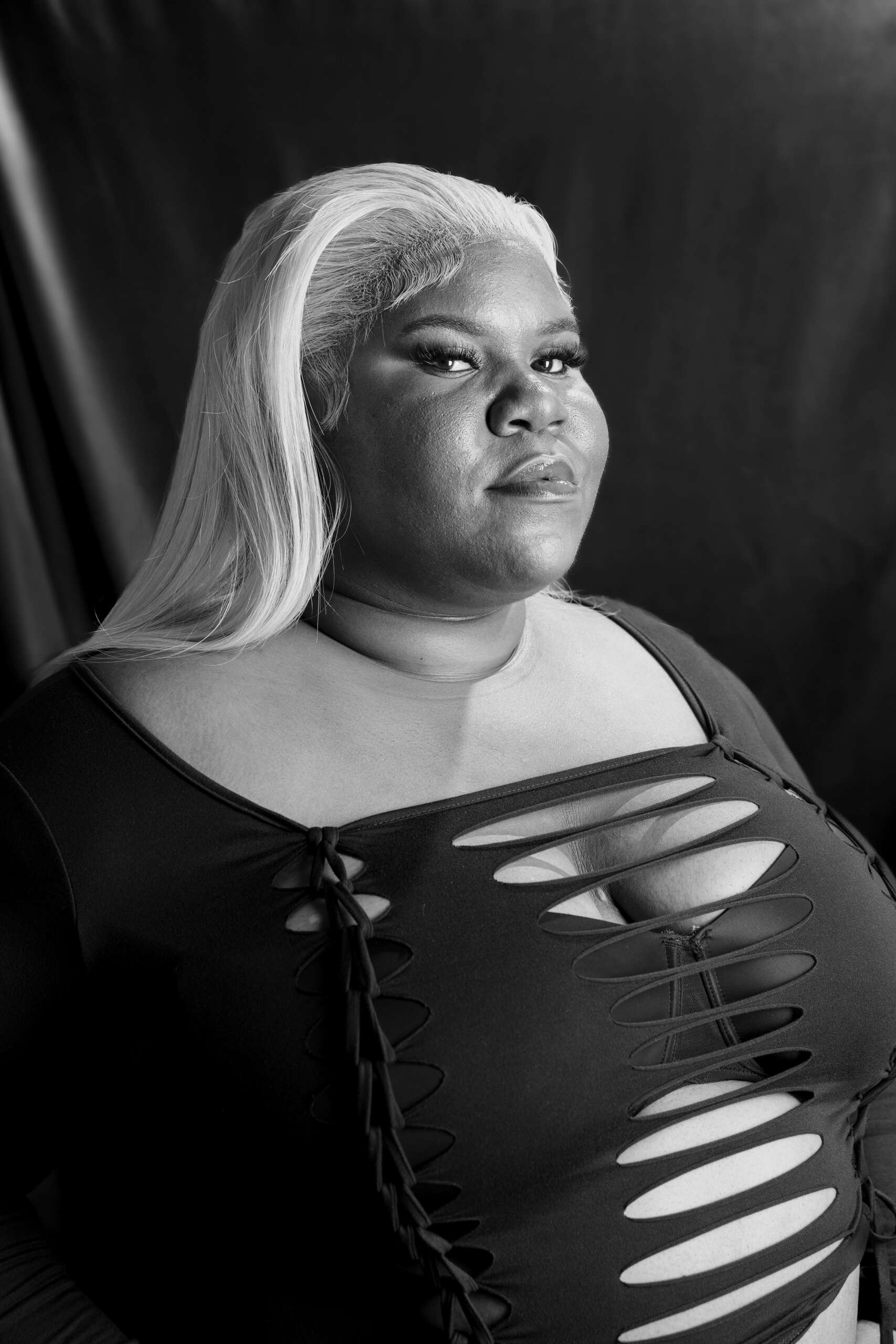
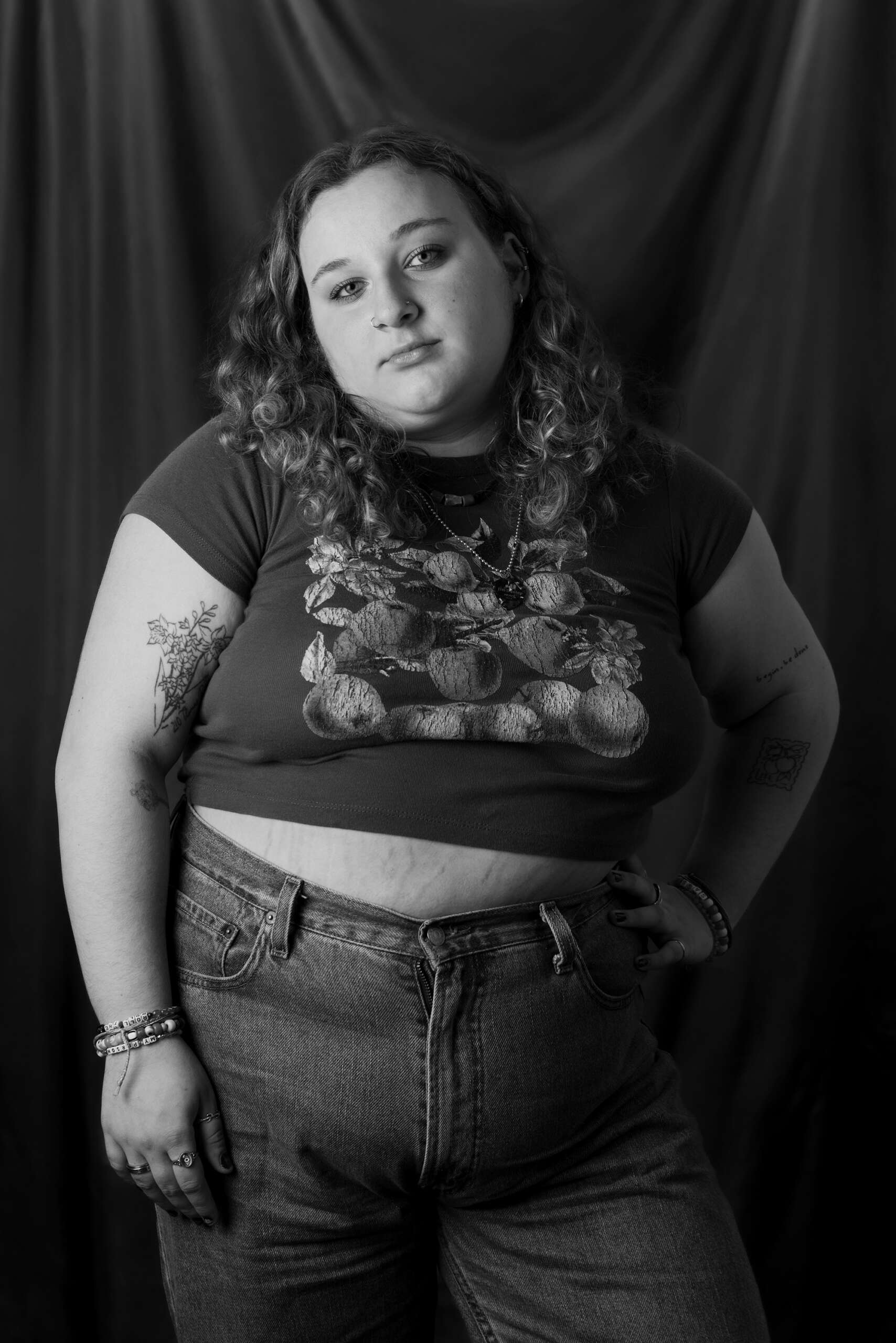
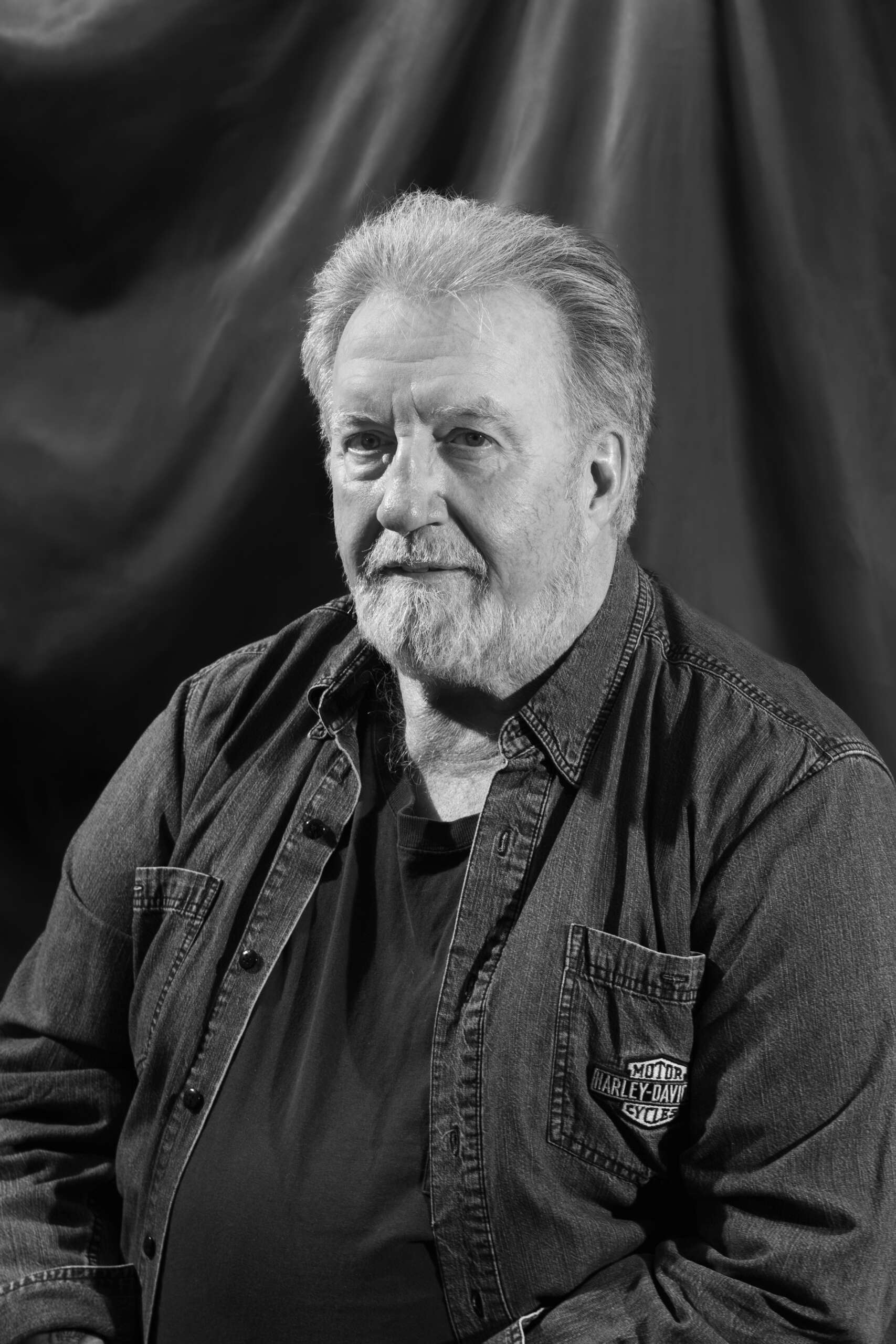
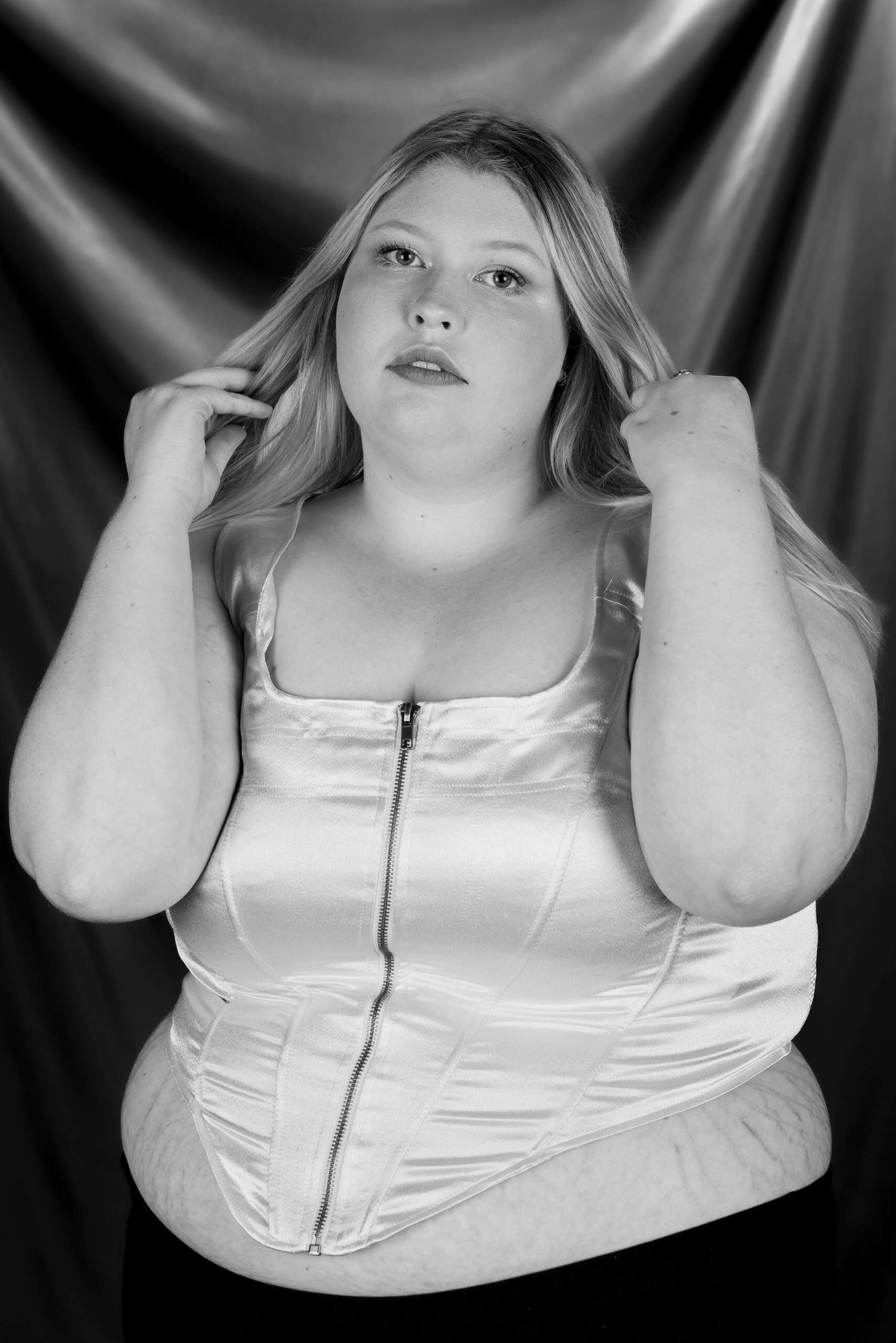
“Portrait Complexities” is a black and white photo series showcasing plus-size people in a manner beyond a generalized body positivity label. These portraits offer an intimate and authentic look into an individual’s reflection of self. The series not only provides body representation but also illustrates complex emotions, such as empowerment, vulnerability, and neutrality.
The project initially started as a response to dismissive feedback I’ve received from a previous project. The feedback was tainted with fatphobic remarks such as describing one of my models as “unflattering and not very photogenic” because you could see their stomach rolls through their dress. I was furious and a tad spiteful. So, I decided to create a new series only using plus-size models and refused to let anyone deny their beauty.
Eventually, the series grew and evolved beyond a middle finger response to fatphobic comments. The work took on a deeper meaning and explored beyond an overt confidence facade. It’s easy to get caught up in the zealousness of body positivity and believe the notion that the only way we can portray plus-size people is with unwavering confidence. However, the reality of being plus size is more complex than that. It is navigating your own and other’s emotions and interactions with your body. These emotions do not remain stagnant but rather exist on an ever-changing spectrum. Highlighting the combination of complex emotions expressed by each subject is what makes this series authentic and entrances the viewer with each portrait.
Creating this series is gratifying in many ways. I get to use my talents as a creative to bring forth stunning representation for the plus size community. The representation I so desperately wanted when I was younger. Being able to work and connect with multiple different people for this project is something that I’m eternally grateful for.
As always, we appreciate you sharing your insights and we’ve got a few more questions for you, but before we get to all of that can you take a minute to introduce yourself and give our readers some of your back background and context?
I am a photographer and artist from Cresco, IA. In 2024, I earned my BFA in Photography from Savannah College of Art and Design (SCAD). My photography centers around my passion for body inclusivity and my love of connecting with people to produce authentic portraiture.
I have always loved photographing people and engaging with them in the in-between moments of a photo shoot. It wasn’t till my final year at SCAD, that I began to find my niche working with plus-size models. This desire to work in the plus-size realm was fueled by the start of my ongoing project, “Portrait Complexities: Dismantling the False Body Positivity Narrative”. “Portrait Complexities” focuses on intimate and authentic portrayals of one sense of self for plus-size individuals.
Beyond providing plus-size representation, the project allowed me to meet and welcome many to their first photo shoot. I take tremendous pride in how I conduct my photo shoots and my ability to make the set a positive environment. I want every person on my set to feel comfortable and freely express themselves. The ultimate success of a photo shoot is when my models or clients can leave feeling happy and with a sense of confidence.
What can society do to ensure an environment that’s helpful to artists and creatives?
There are many ways people can support artists. The initial and most obvious way is to buy art directly from the artist. However, there are plenty of non-financial ways to support artists if cost is a barrier. One of the biggest hassles of being an artist today is promoting and branding yourself. Therefore, engaging in our online presence is essential. Following, sharing, liking, and commenting on our posts boost our visibility and expands our network. Thus, increasing the chances of putting our work in front of a buyer.
Lastly, supporting community-led and public art programs is critical. Especially, in an era where too many believe that art and humanity studies are non-essential. Art is culture, entertainment, preservation, education, and a reflection of current events. All of which will forever hold a place in society. I developed my passion and fundamental art skills through community-led art programs. For that, I will always be grateful, and I will continue to support these programs so that other artists may flourish.
Learning and unlearning are both critical parts of growth – can you share a story of a time when you had to unlearn a lesson?
A lesson I had to unlearn was that having a niche for your art is bad. I used to try to make my art fit into several different categories because that’s what I thought would make me the most successful. In reality, doing that deluded my art and didn’t allow for my personal style to fully shine through. Having a focus for your art, especially one you’re passionate about, will elevate the quality of your work and help to set you apart from other artists. For me, when I started to lean into my specialty of body inclusivity in my photography, that’s when I started gaining more accolades and recognition for my work. It also takes away the pressure for your art to “be everything” and check multiple boxes. Your art cannot cater to every audience nor should it. So dive into your passions and the things that make you unique, and you will find the right audience for success.
Contact Info:
- Website: https://www.allisonmartinek.com
- Instagram: https://www.instagram.com/allystudios
- Linkedin: https://www.linkedin.com/in/allison-martinek
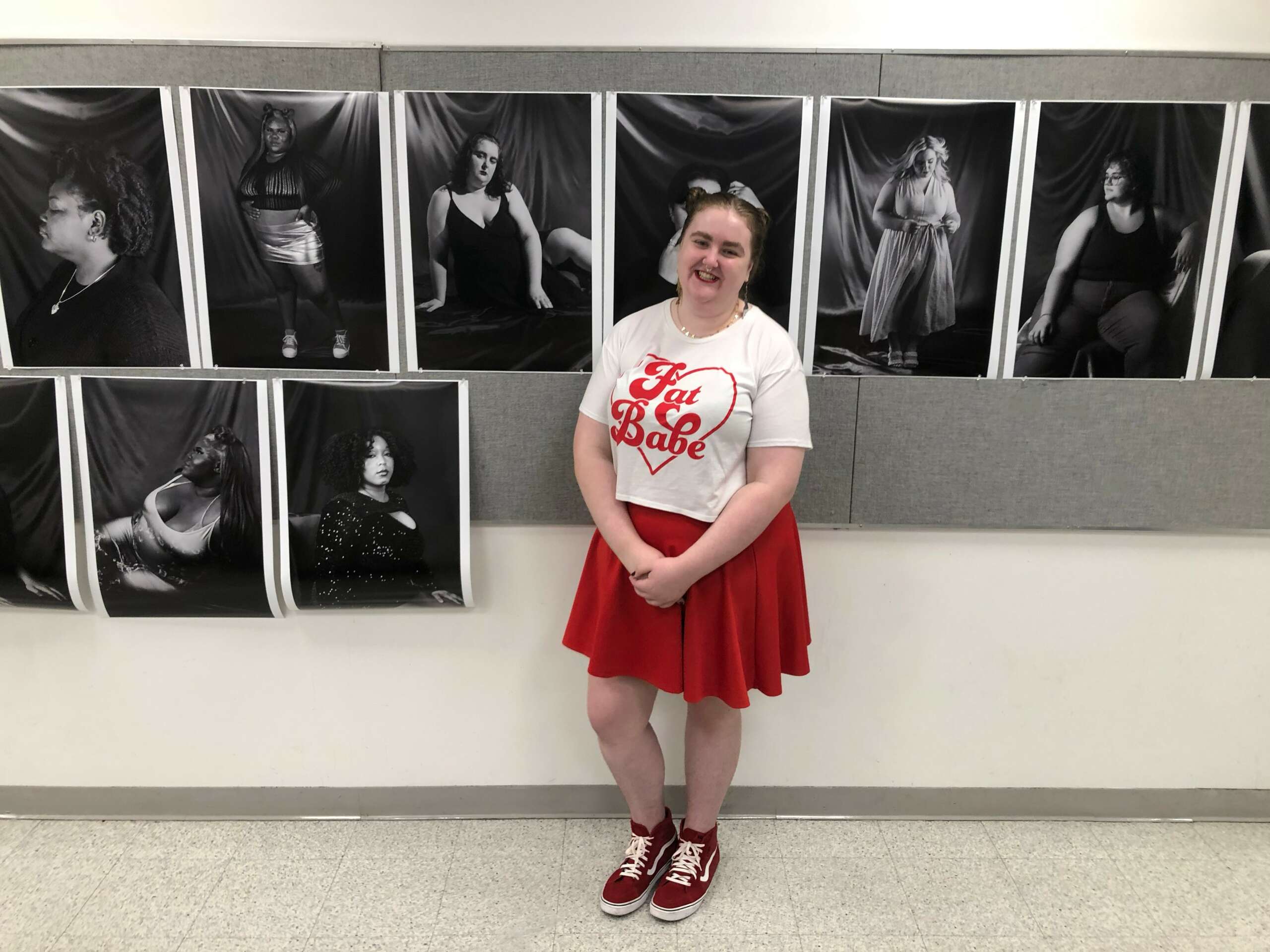
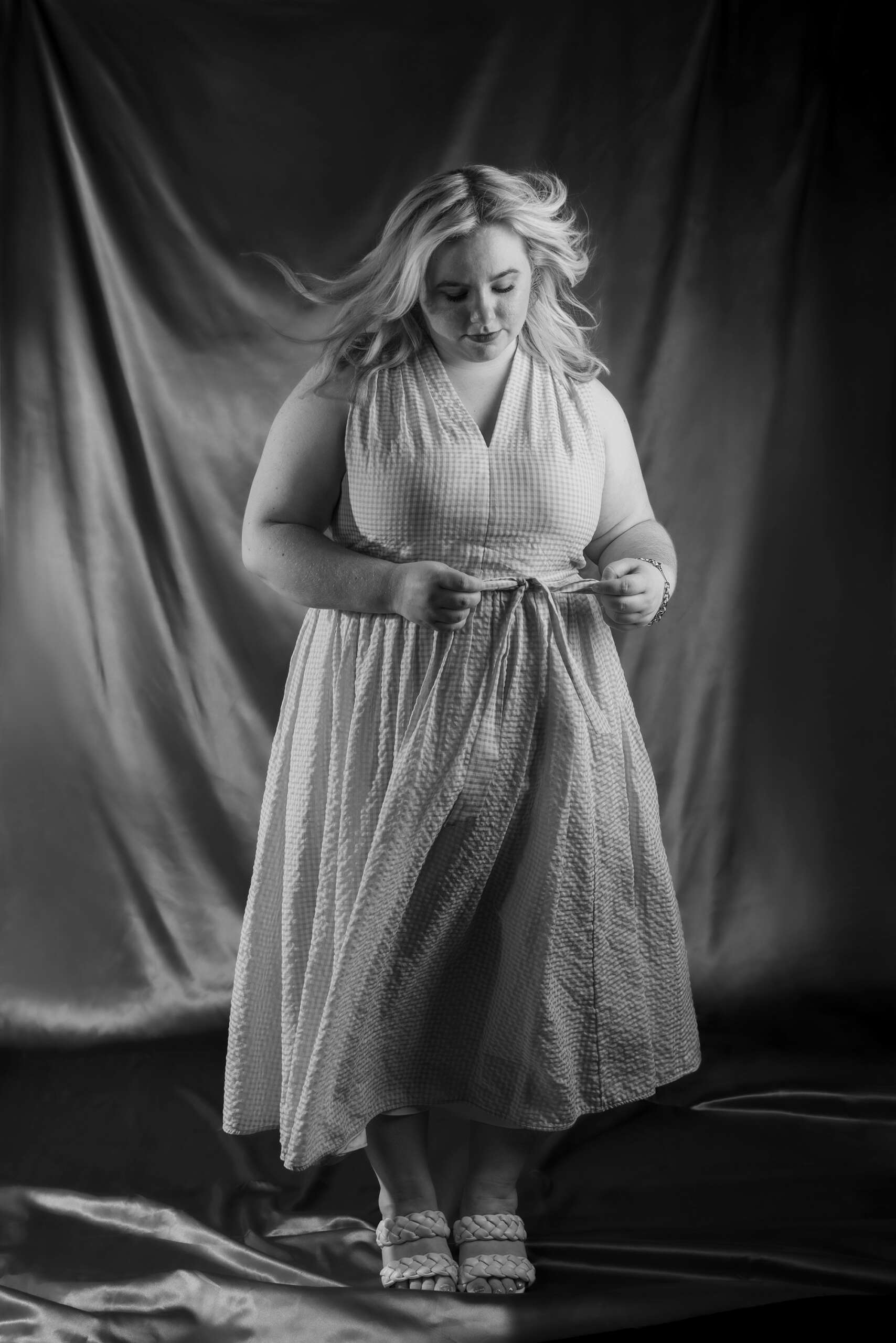
Image Credits
Peyton Zino Photography
Allison Martinek