

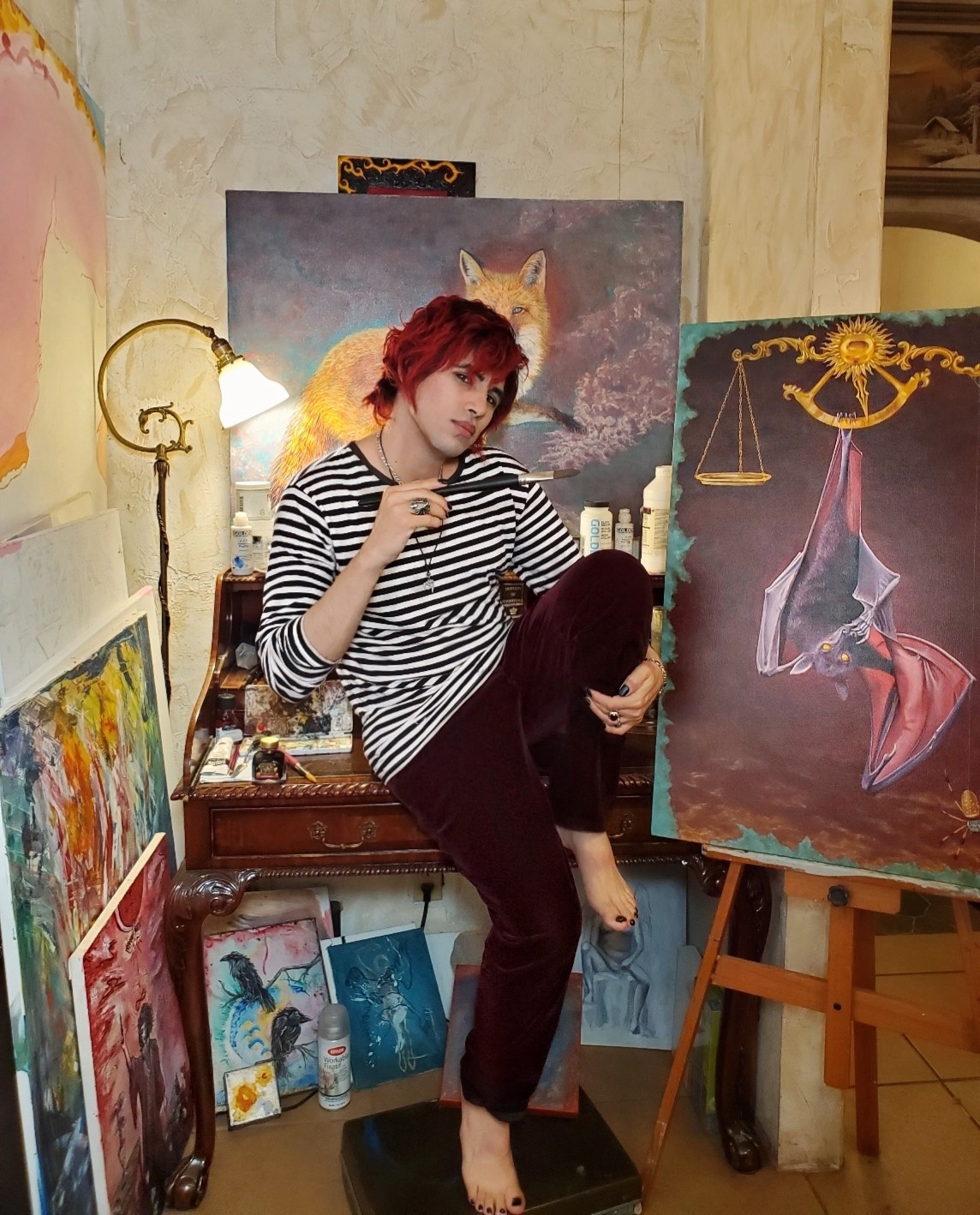

We were lucky to catch up with Allester Vinteers recently and have shared our conversation below.
Allester , thanks for taking the time to share your stories with us today Can you open up about a risk you’ve taken – what it was like taking that risk, why you took the risk and how it turned out?
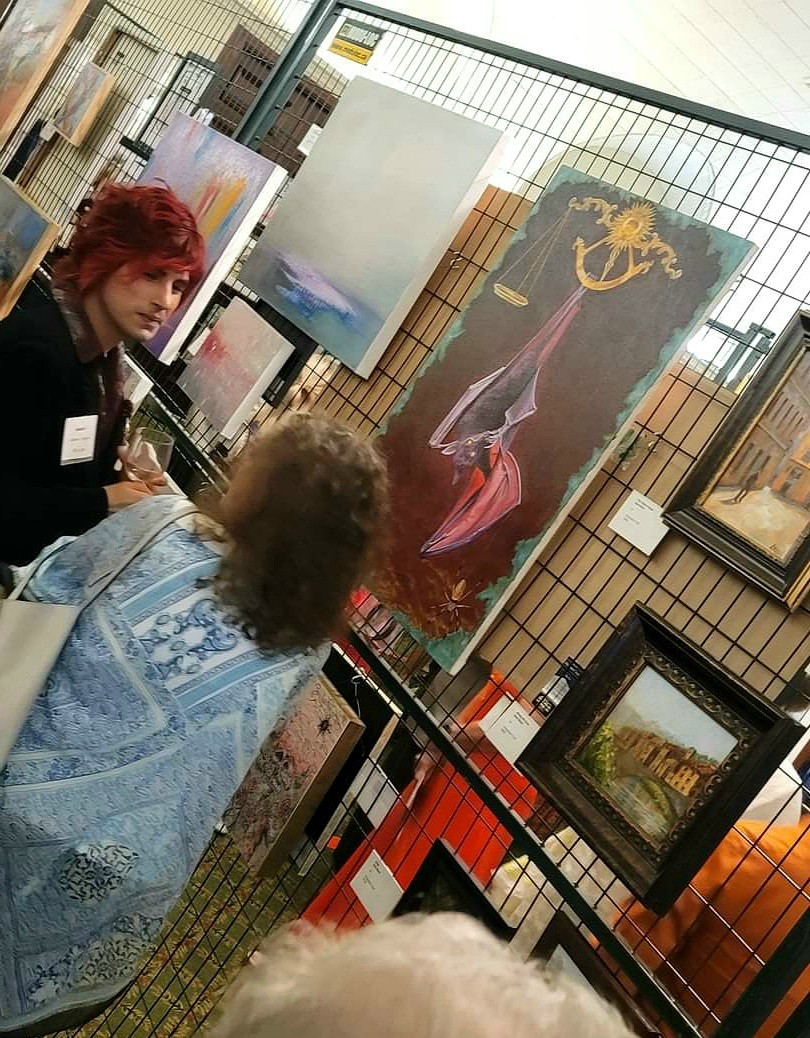
This year, I decided to try participating in an art fair for the very first time. It was a risk because I didn’t know how I would navigate, or if I would profit, that’s if I’d even get accepted to begin with. I tried my best to submit compelling applications with strong examples of my artwork to two art fairs happening in Dallas, hoping I may get accepted into one. I was accepted to both. Lots of communication, preparation, learning, and diligent work followed soon after, as well as nerves to be conquered and a self to reassure when things got rocky. My efforts paid off. My works sold to new collectors and I gained new commissions. I also learned new skills in navigating the art market, made professional connections with great people, and expanded into the Dallas art scene rather than being limited to just the opportunities in Fort Worth. I am glad I took the risk. This experience has encouraged me to continue to go beyond in my art career.
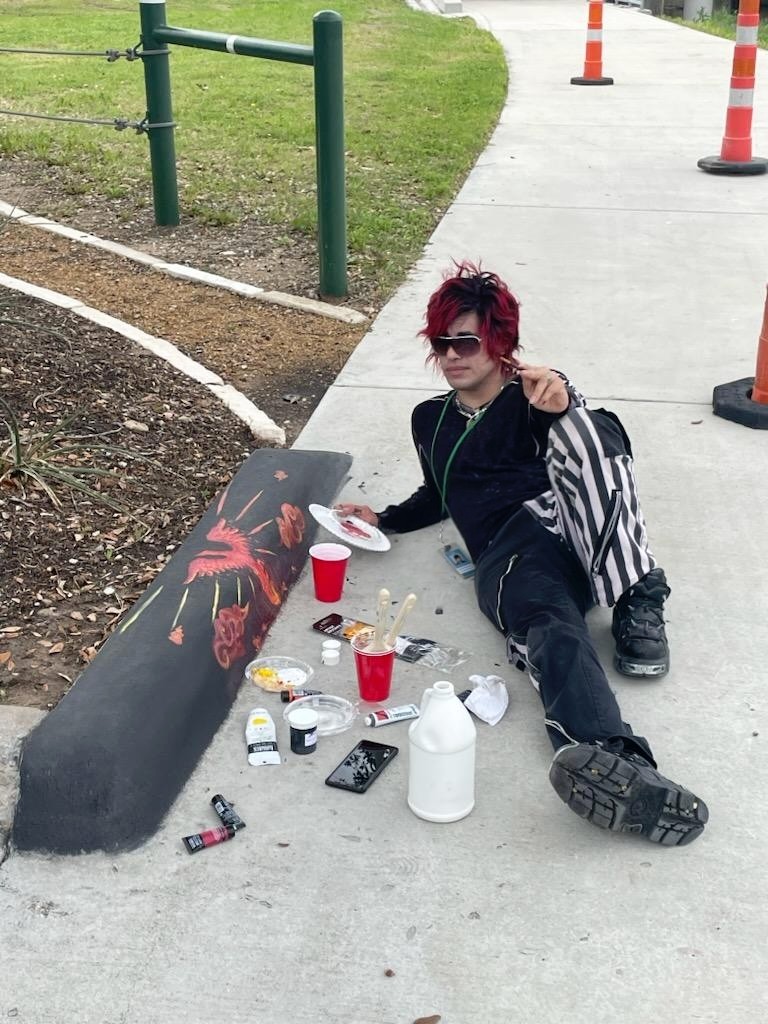
As always, we appreciate you sharing your insights and we’ve got a few more questions for you, but before we get to all of that can you take a minute to introduce yourself and give our readers some of your background and context?
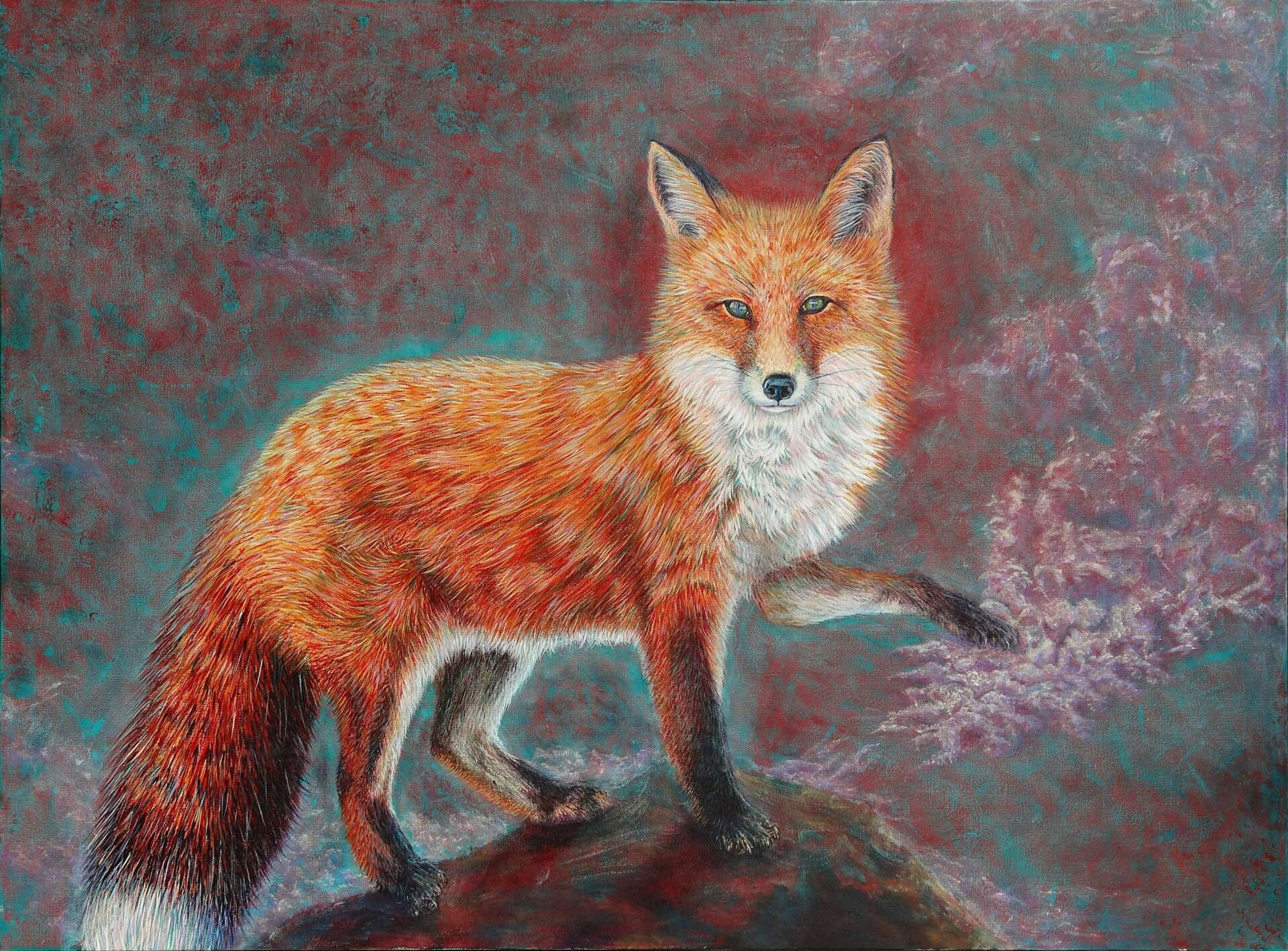
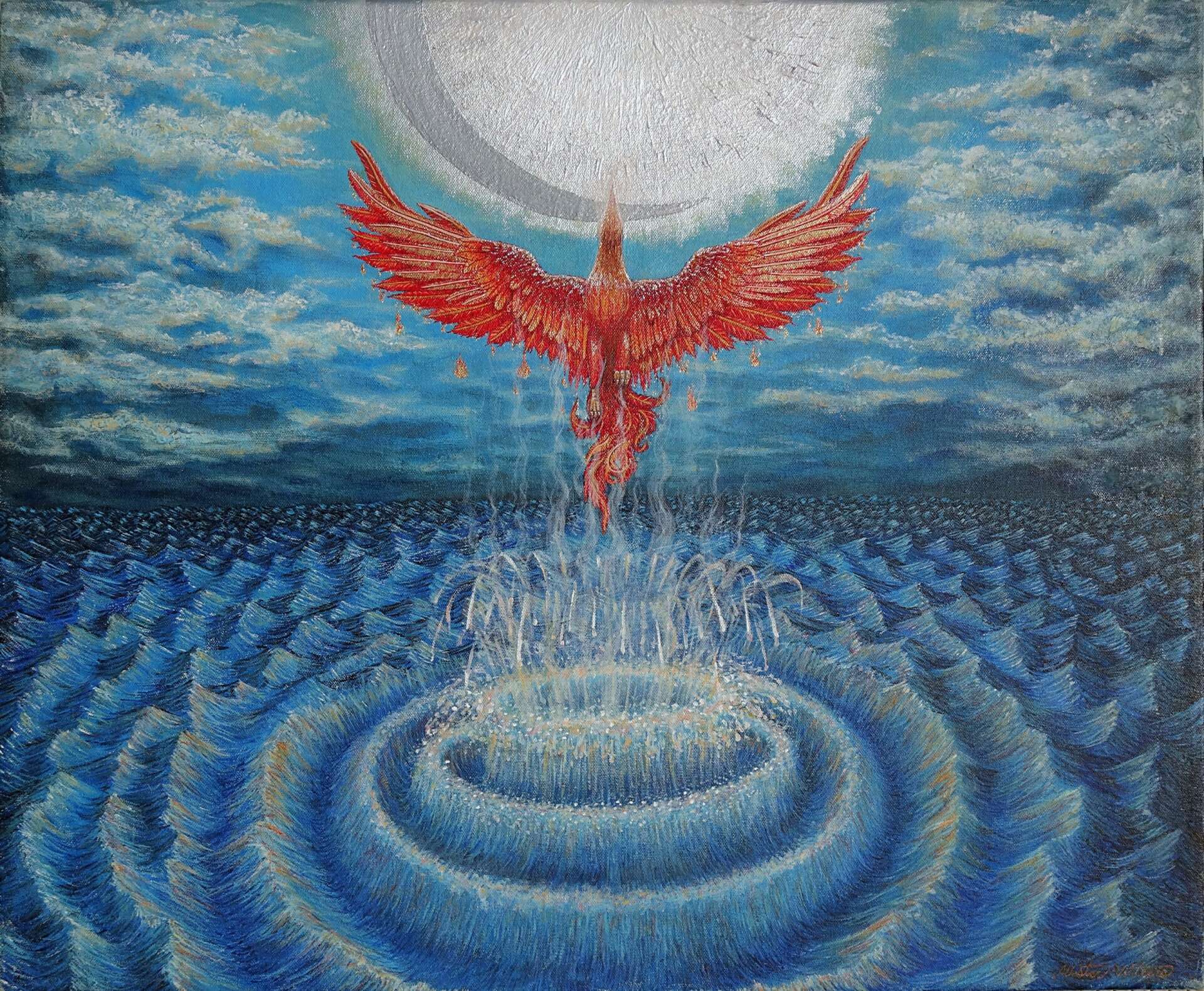
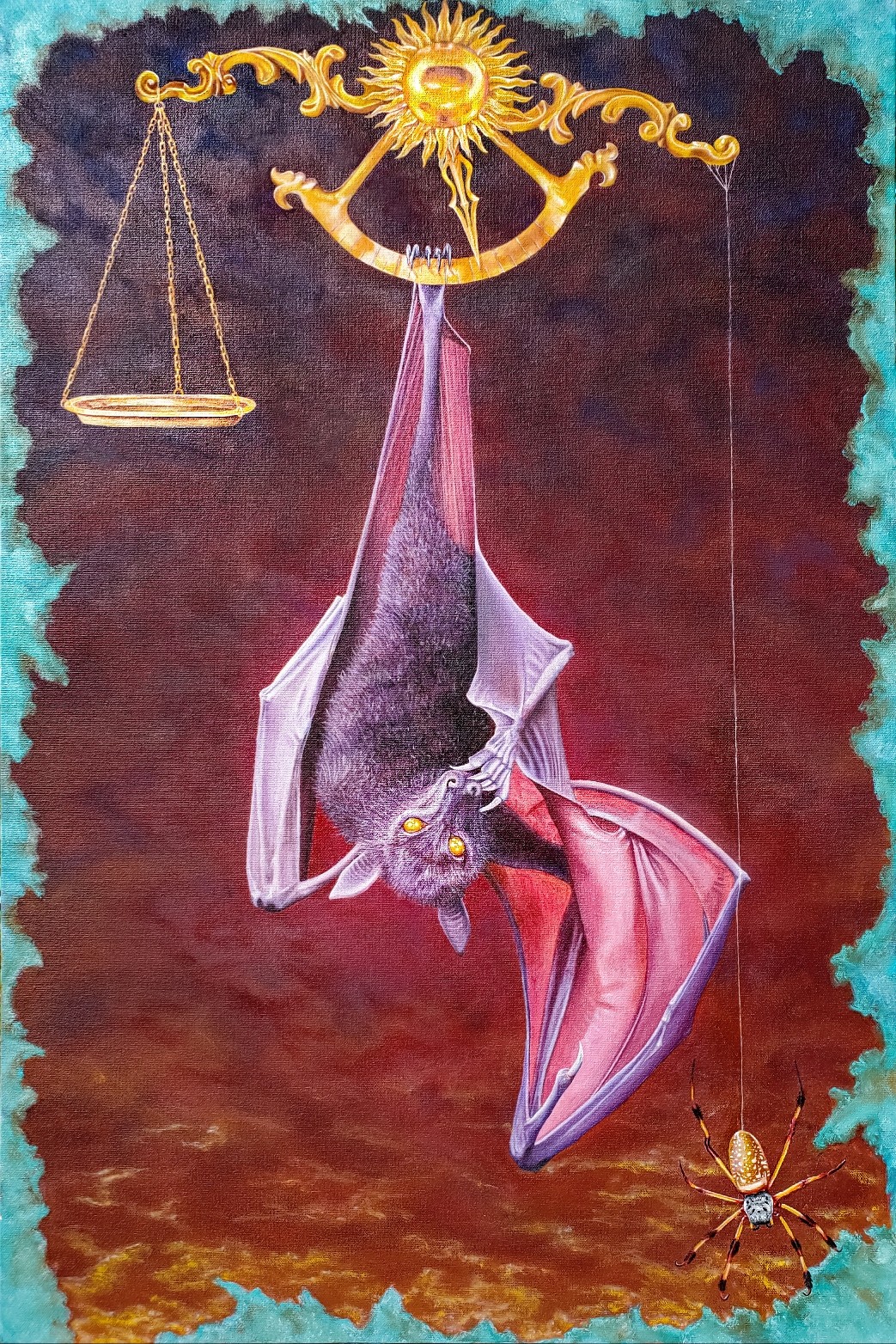
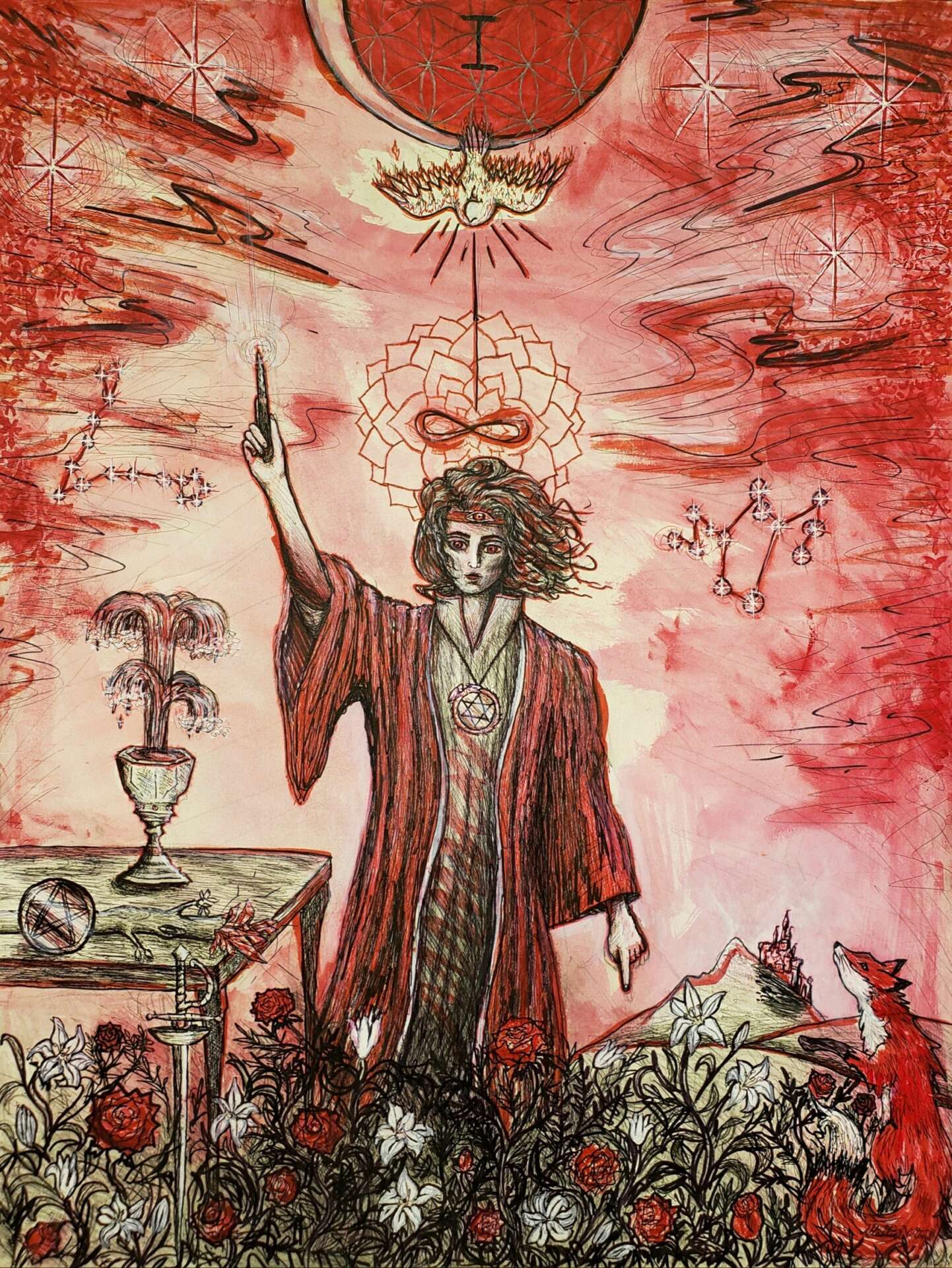
My name is Allester Vinteers. I am a visual artist with a focus on fine art and a concentration in painting. My work has been exhibited in national and international juried art exhibitions and is in the collections of public institutions as well as in several private collections. What sets my work apart is that I don’t play to the gallery so to speak. I choose instead to make work that is authentic and helps me understand myself. I tend to place a lot of my character, values, and experiences in it. I would describe my work as visually dynamic and detail-oriented, with many spiritual and metaphysical elements. One of my dreams is to earn a Master of Fine Arts degree in New York City and expand my artist career there.
We’d love to hear a story of resilience from your journey.
I hold a Bachelor of Fine Arts with a Minor in Art History from the University of North Texas. I am the first person in my family to earn a college degree, and I did this as an immigrant without many of the benefits my peers had. At first, even my parents did not support me; my father told me that sitting around making art was just a hobby for women and my mother couldn’t believe that I would not instead study to become a doctor or lawyer. I would drive 50 minutes between Fort Worth and Denton on a daily basis because I wanted to receive the excellent education that UNT’s College of Visual Arts and Design is known for, yet continue to work my way through college employed in Fort Worth’s renowned art institutions. I would often sleep in my car to save on gas and avoid driving while exhausted. Sometimes, I would even have to humble myself and beg for spare change at a gas station so I could make it to school. Despite the sacrifices, some of my fondest memories are things like constantly staying up working in the school studio at 3 in the morning with the other dedicated painters. I know the reason I was so resilient during this time is because I did something that I was passionate about and I thought of my life as adventurous. I found kinship, I grew, and I learned so much. So many opportunities have opened up to me because of this.
What can society do to ensure an environment that’s helpful to artists and creatives?
Approximately 3 million years ago, one of our ancestors discovered a Jasperite pebble that resembled his face. He brought it all the way back home from a distant body of water and held on to it until death. This pebble is considered the first artwork by historians. Art is something primordial, intrinsic, and in the very fiber of who we are as human beings. Strong societies have strong art ecosystems. We should provide better art funding for public schools so that every child can have the opportunity to grow up with an art appreciation and live a more enriched life because of it. Cities and arts organizations should focus on engaging in projects with their local artists to benefit their surrounding community. I also encourage the public to look for and attend more art events such as gallery receptions and art fairs, it’s always a fun and engaging time out. Lastly, art isn’t just for the ultra-wealthy and elite. Many artists such as myself offer small works and signed prints. I promise you will love and treasure owning a work of art by an artist more than a cheap generic wall decoration from the store or AI.
Contact Info:
- Website: www.AllesterVinteers.com
- Instagram: @allestervinteers