

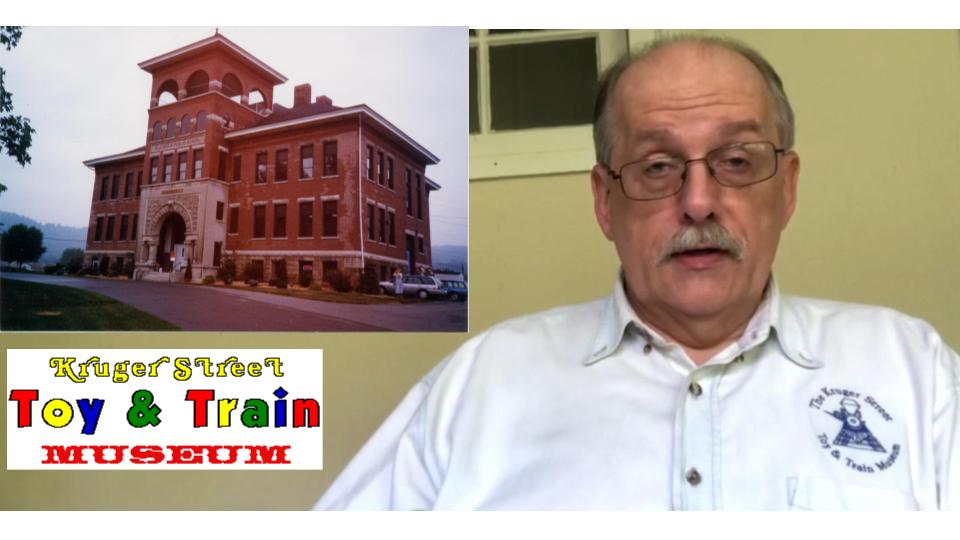

We were lucky to catch up with ALLAN MILLER recently and have shared our conversation below.
Hi ALLAN, thanks for joining us today. Alright, so you had your idea and then what happened? Can you walk us through the story of how you went from just an idea to executing on the idea
I feel that just about all collectors out there, whether they be of toys, art, antiques or what have you, have buried deep in their psyche a desire to share their collection with the world. Many have an idea of a museum bouncing around in the backs of their minds, but few actually put it into practice. And most never truly grasp the difference between a collection displayed to appeal to other enthusiasts and a museum collection displayed to appeal to the general public.
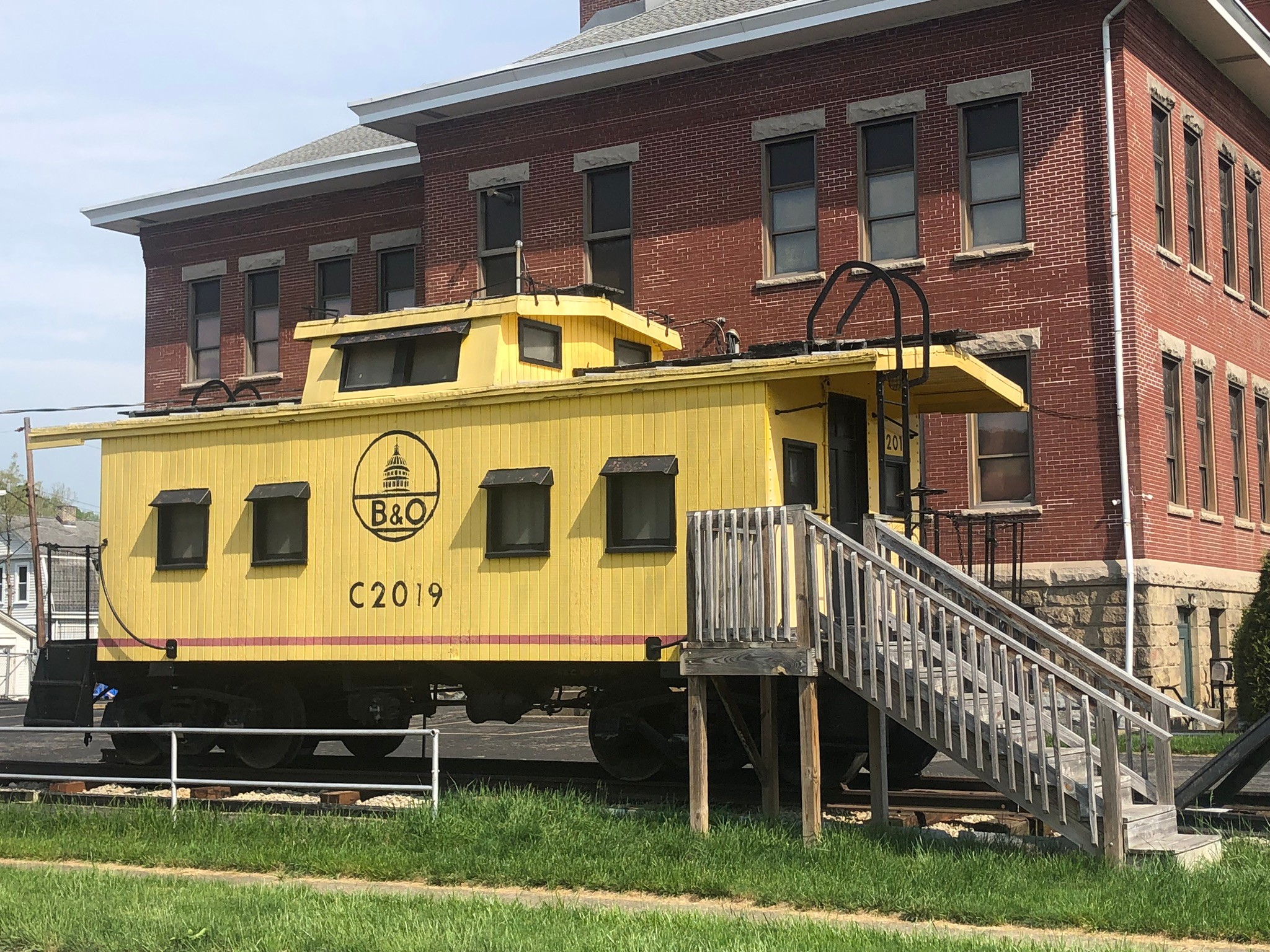
When my father and I first started seriously considering setting up what would eventually become the Kruger Street Toy & Train Museum in Wheeling, West Virginia, we were looking at small retail storefronts, empty single-story buildings, and the like. Settling on a three story, 24,000 square foot former Victorian-era schoolhouse was quite a leap for us, but in retrospect it had to happen. While at first it seemed cavernous and more space than we could ever use, we honestly could always use more space! The building just spoke to us, as it was itself a “museum piece” of sorts. Many towns in America have restored Victorian homes, but a school? Now that’s something truly unique! What better place for a toy museum, a testament of sorts to the pleasures of childhood, than in an old schoolhouse!
Our family has been blessed with the ability to be able to tackle this project. Developing and running a museum, especially on this scale, is by no means an inexpensive endeavor. But we were not only willing to put up the funding, but also more importantly the “sweat equity” to bring this dream to life. No amount of hired manpower can bring about as good a result as a few truly dedicated and emotionally involved individuals can bring about. This place isn’t a job, it’s an extension of our personalities!
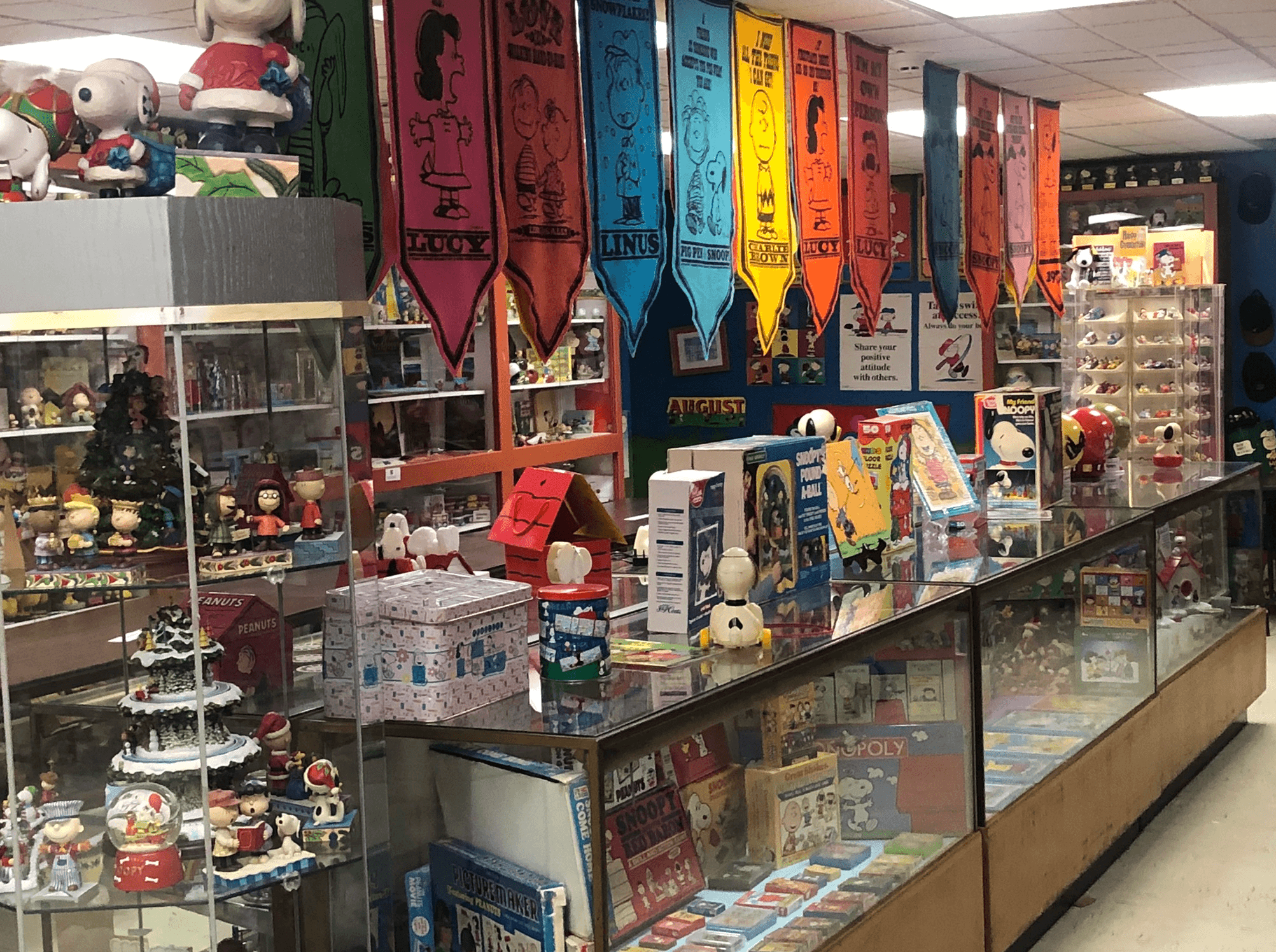
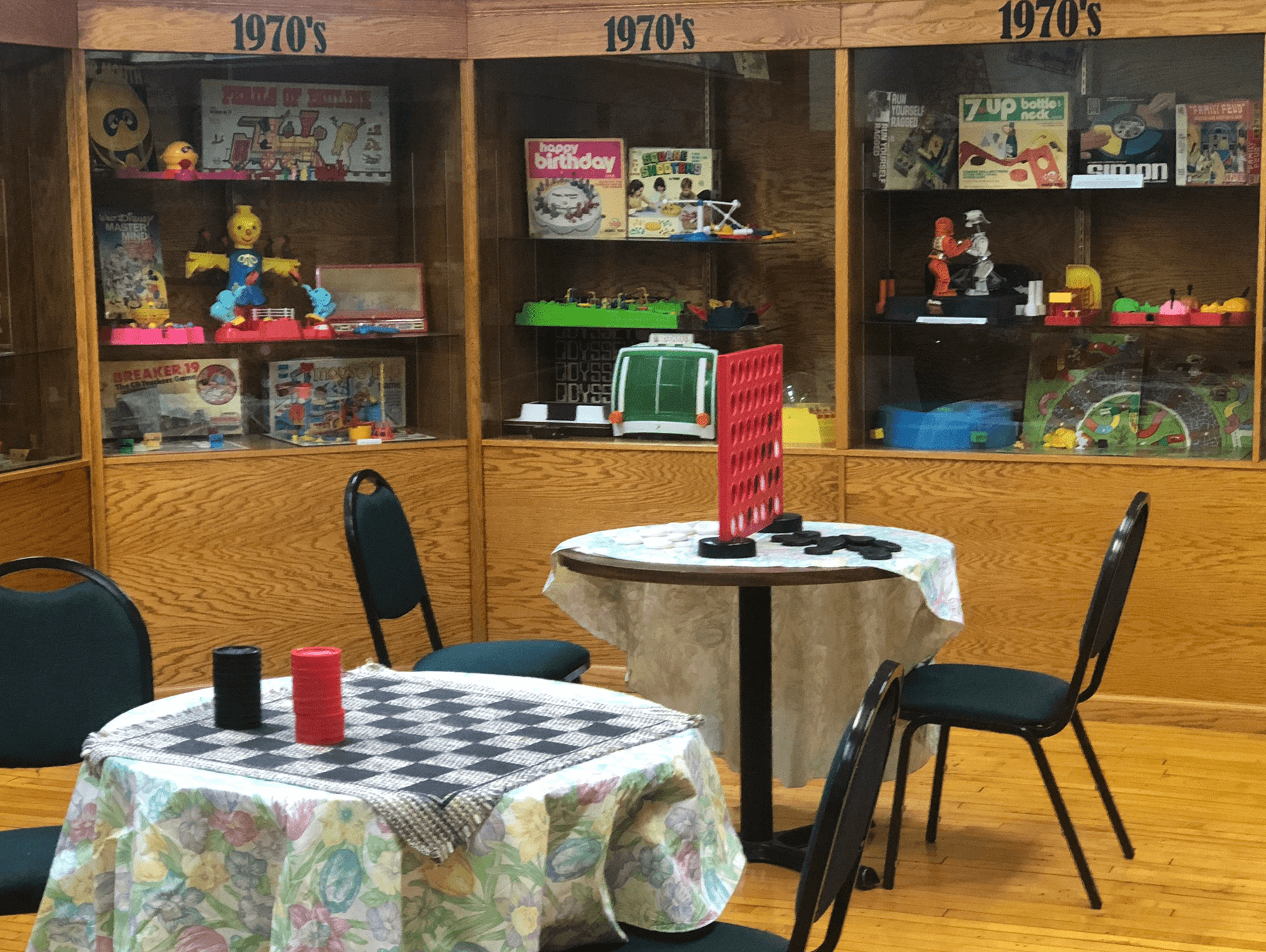
We opened in 1998, and honestly, we made many of the same mistakes most collector-established museums make. We displayed the rare, the unusual, items that collectors would view as the cornerstones of their life’s work. In all honesty, almost nobody cared! Of course, other collectors loved the chance to view rarities, but there aren’t enough of them out there to even come close to keeping a museum open. The more we gravitated towards showcasing the classic playthings of the past, the more visitors we saw! Truth is that most visitors to a toy museum don’t come to see rarities. They come to relive their OWN memories of childhood, or those of their children, or their parents. They want to see the same toy trains that they asked Santa for, not the obscurity that slipped out of the factory that is “one of three known”! Sure, we also display quite a few rarities, but it is the more popular items that brings in people. Also, we try to display toys from all eras, so that everyone finds something with a personal connection. Too many museums focus only on one generation.
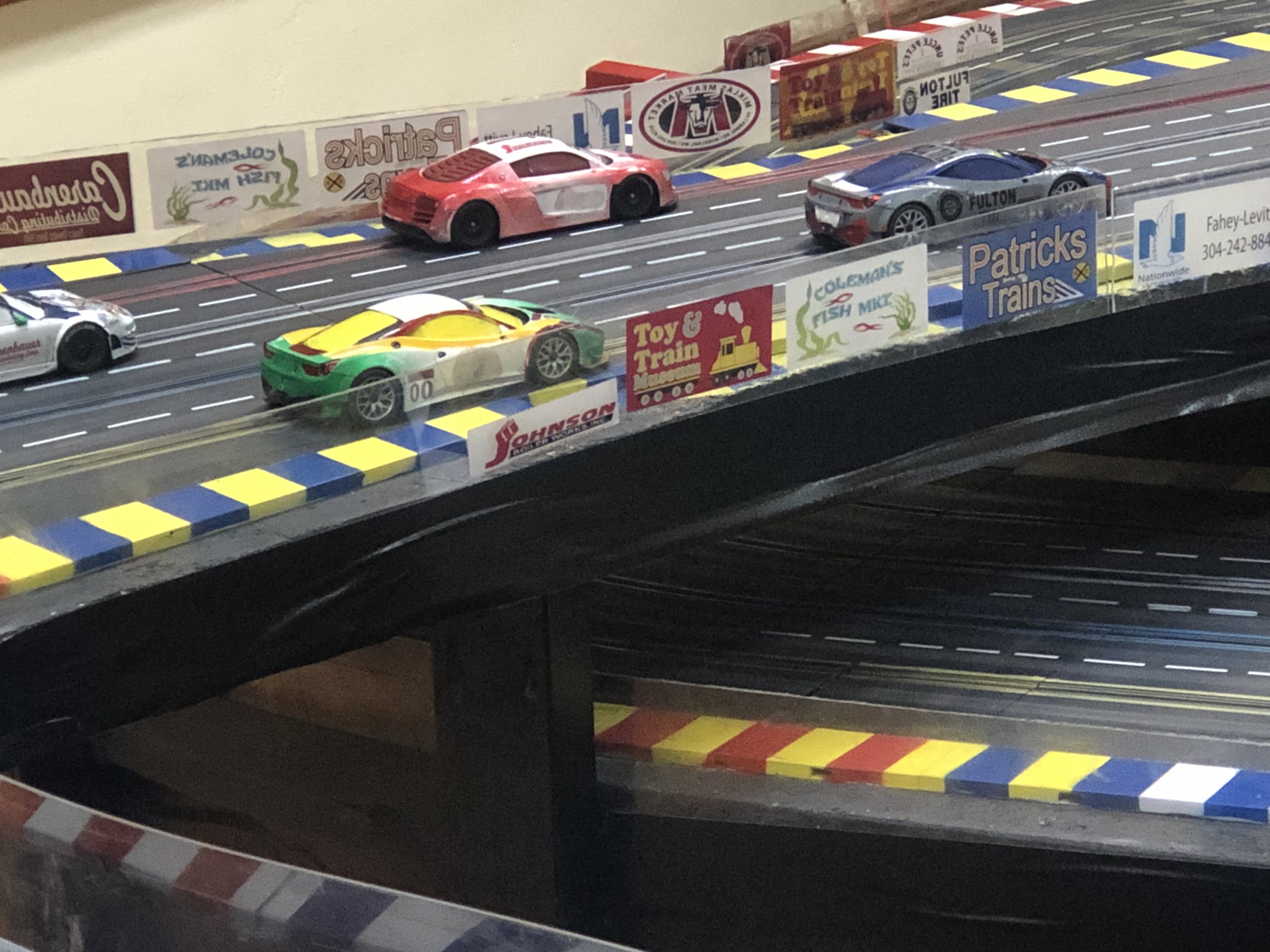
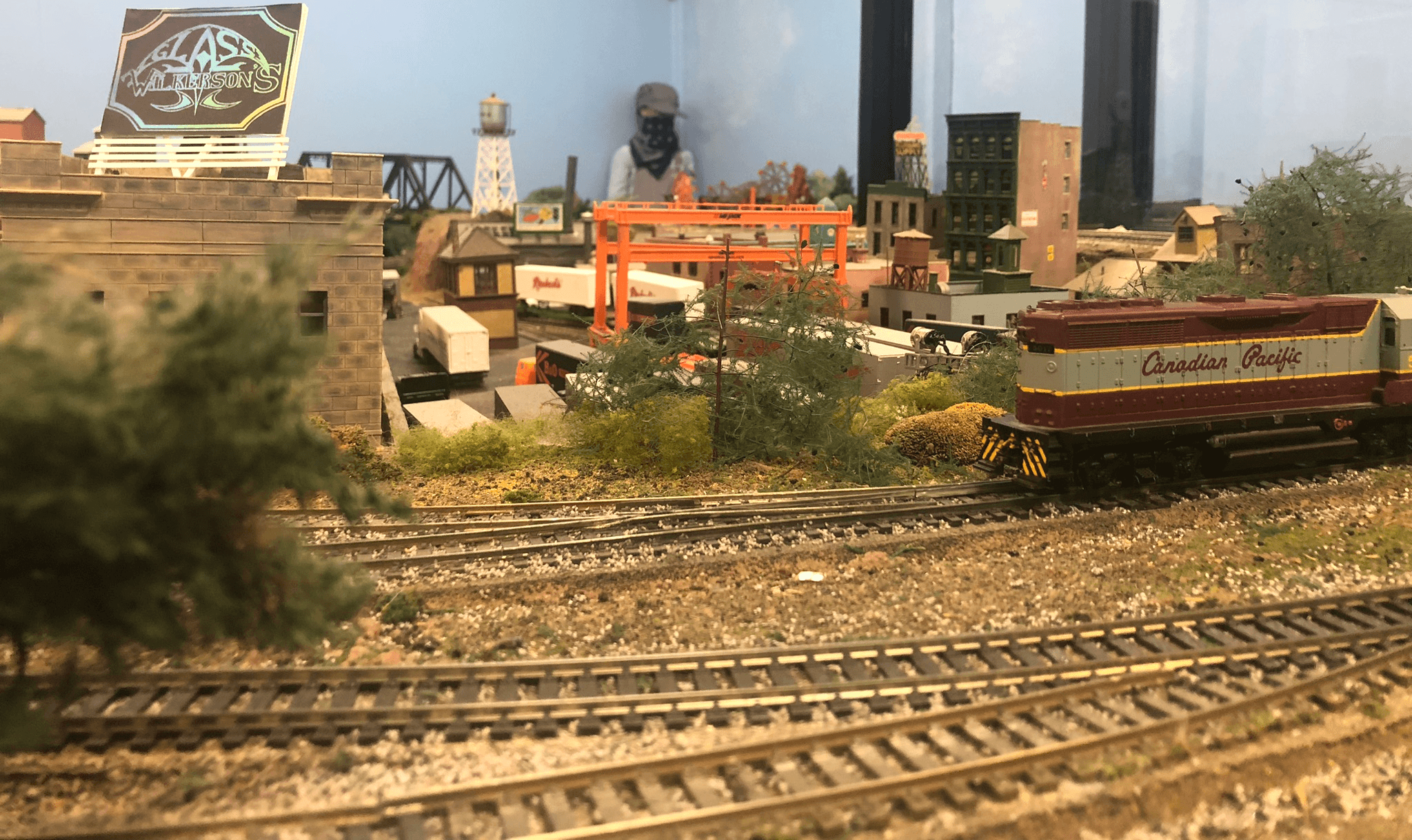
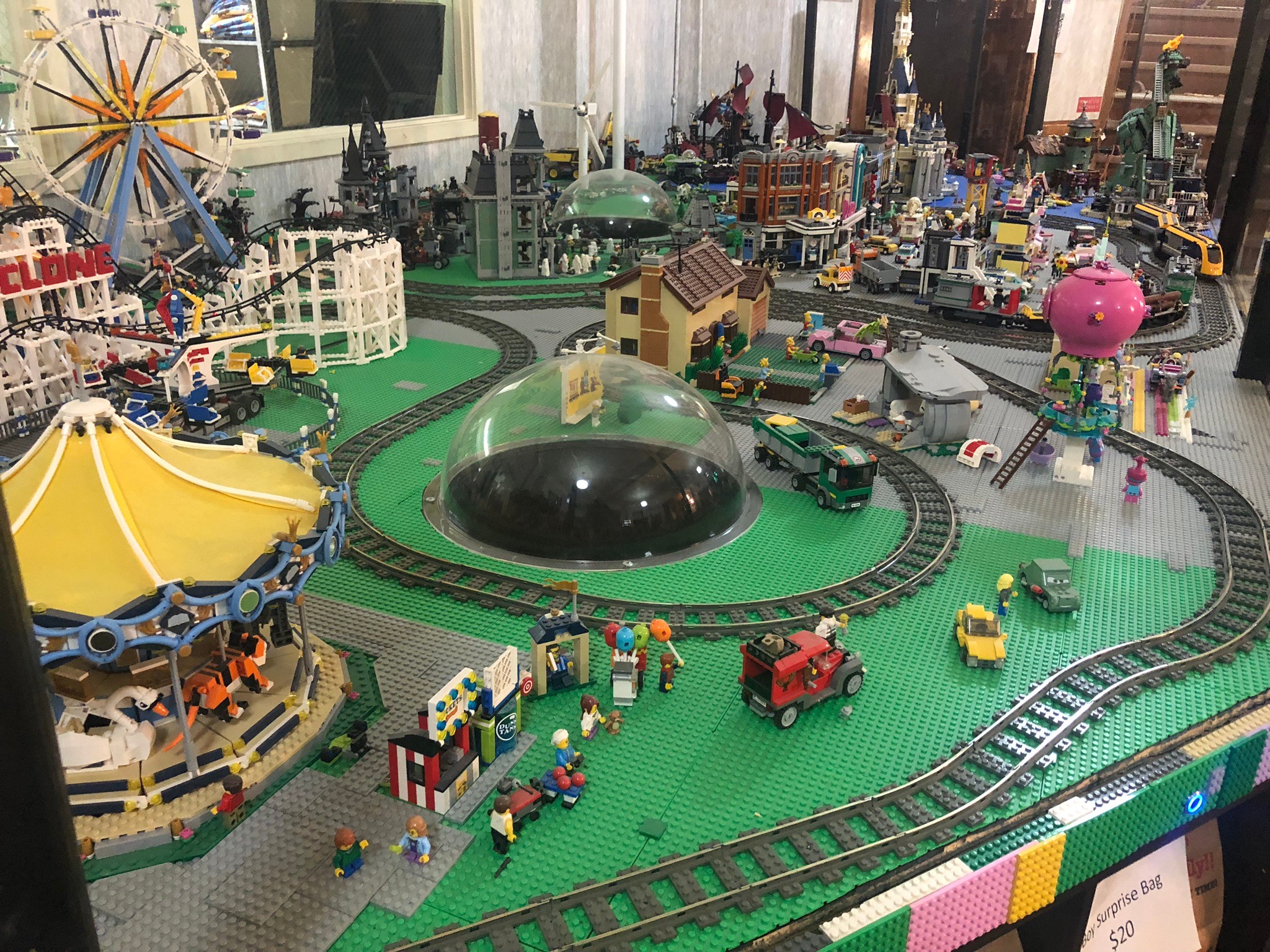
Our second big “epiphany” with the museum was the fact that today’s visitors don’t want to visit “their parents’ museum”. They don’t just want to look at artifacts behind glass. Yes, they can appreciate that, but they want to EXPERIENCE things, not just view them. The more we realized this, the more we added “hands-on” exhibits to the mix. Places where the kids can touch and play with older toys. Pushbuttons so that the visitors operate the train layouts, not the staff. Interactive methods of viewing, like scavenger hunt targets in each room for visitors to seek out – these are the things that make Kruger Street more of an experience for the whole family, and less something that you stop “to look at”. And it’s as much the adults who do this as the “kids”!
As to what we had to figure out before we launched? I am sort of glad that we DIDN’T figure out everything up front! Our museum has been evolving ever since it opened, and I hope that evolution never ends! Too many people try to figure everything out in advance, and too many never end up starting as a result. That is why so many great ideas die in the planning stages. We opened before we were really ready, and that has worked out wonderfully! Repeat visitors tell us all the time how amazed they are that, even after many visits, they always find something new!
Great, appreciate you sharing that with us. Before we ask you to share more of your insights, can you take a moment to introduce yourself and how you got to where you are today to our readers.
Our whole family, for many generations, have been collectors or accumulators of things. Maybe it comes from our German heritage. Myself, I transitioned from playing with toys to collecting them at a very early age, maybe at age ten or so. When I got a cherished toy, I saved the box and instructions and kept everything in good shape. My father was the same way. Many of the items we display are actually toys from both of our own childhoods! But once we truly set upon the desire to open a museum, that’s when the researcher in me kicked in. I began looking at what was out there. Visited hundreds of museums around the country, not all dedicated to toys or trains, but many having something to do with children. And for each one I visited, I would jot down things that I liked, ideas that I thought had promise, and also things that they did which I thought were big mistakes. Our museum developed largely by incorporating not only our own unique ideas, but also the ideas of others who had gone before us.
The main takeaway that we want for visitors is for every person to find SOMETHING in the museum that brings back good memories of their own childhood. And although I don’t necessarily get a chance to speak with EVERY visitor, here over 25 years into this project, I have not found a SINGLE visitor who left without finding at least ONE item that had some level of personal meaning for them. And since we have had visitors not just from all 50 states, but also from most countries around the world, that is truly something! I am very proud of that. That is our main goal. We offer visitors an experience, a chance to go back into not just THE past, but THEIR past! And we’re fulfilling that promise!
Beyond that, as the museum has matured, we have taken on additional roles. Many folks bring things to us because they want to see them preserved, enjoyed, and to see them live on for future generations. I’ve been amazed and what has walked through our doors and become a part of the museum’s collection. These items have true meaning to the folks who donate them, and we are the stewards who will help to preserve that meaning for others. We like to say “we give every toy a good home!”
We also feel an obligation to help to save as much of the rich history of playthings as we can for future generations. For decades, Louis Marx & Company was not only the largest toy manufacturer in the US and the world, but also one of the larger employers in the Ohio Valley, with their main toy plant in nearby Glendale, WV. The year after we opened, we established the “Marx Toy & Train Collectors National Convention”. Every year, on Father’s Day Weekend, collectors and enthusiasts from around the country descend on Wheeling to share their love of Marx toys and trains. This past summer was the 26th convention (like everyone, we lost a year to Covid), and what has been shared there still amazes me. Many of the early conventions drew former Marx toy designers, executives, and the like along with collectors, and some former “Marx folks” attend to this day. I got to know many of them personally, and we preserved their memories through interviews and talks. Lately, as fewer and fewer of them are still with us, I have been trying to preserve as much of that rich history as possible, to get out to the larger world. We started a YouTube channel for the museum called “Kruger Street Stories” to help us to further that goal of saving these memories for future generations. The internet is great, but somebody has to digitize documents and put together historical data in a digestible form. If nobody posts it, nobody can view it! I see that as one of my main personal goals moving forward, as I do not want to see all of this amazing toy history die with me. It NEEDS to live on! Thankfully, we aren’t the only facility doing this, but far too much of history in general is sitting in filing cabinets and storage boxes, slowly deteriorating while nobody sees it.
Learning and unlearning are both critical parts of growth – can you share a story of a time when you had to unlearn a lesson?
The biggest lesson I had to unlearn, and to some extent continue to wrestle with all of the time, is that I need to fully embrace our audience, not just the collector within me. I continually have to remind myself to focus on what our visitors want to see, not just what I want to see. We acquire toys that I don’t particularly like, that don’t speak to me, because they DO speak to some of our visitors. I try to look at these artifacts and see how they relate to culture and to their era. Not everything on display is a toy that I would have wanted or would have purchased for my personal collection if we didn’t have a museum. In fact, I regularly look over the collection to see if there are “holes” that I have overlooked specifically because they don’t have that personal connection for me.
This viewpoint evolved largely due to comments from our guests. We frequently have visitors tell us how much they enjoyed the museum but then add on “I was surprised that you didn’t have any ________ on display”. Many times, we’re able to point them to it, and they just hadn’t noticed it. But every so often, they’re right. And then we have to think “Is that something we should seek out, should try to add?” EVERY type of business needs to carefully listen to their customers – you’ll be surprised how much they tell you about what they actually want!
We’d love to hear about how you met your business partner.
Since my cofounder is my father, I really have known him “forever”! We evolved and changed together, in a way, as he shared his love of model railroading with me at a very early age. We started out like many families, with a train running around the Christmas tree. Each year the layout got bigger, then we finally moved the tree to a different room and built massive layouts that stayed up for months! Finally, we took over the whole basement of the house with a permanent layout and display cases for the rest of the trains. Mom was quite patient with us! It was great to bond with dad through the trains while growing up. And I found myself more and more comfortable around folks much older than myself, which was quite the useful skill when we first opened. I was only 31 when we opened but had to interact with visitors sometimes more than double my age in a way that was genuine. People tend to know whether you are sincere or not pretty quickly. Not everyone can do that, and it causes trouble for many younger entrepreneurs!
As I have gotten older, and as we have worked together now for decades on the museum, my relationship with dad has changed quite a bit. In the early days, we each had our idea of the “right” way to do things (often disagreeing) and would stand firm on our version of “correct”. Moving forward, it really has become more of a collaborative effort. He tends to be the person who throws ideas out rapid fire. I tend to be the one who critiques them, looks for flaws, tries to determine if they’re really worth pursuing. That has worked for us more often than not. It has also helped us in that we have now DECADES of ideas and rough planning to fall back upon. Some things are implemented quickly, but other efforts take years, or even decades, before they are put to use. The YouTube channel, for example, was first talked about maybe 8 or 9 years ago but wasn’t put into motion until September of last year. We’re still settling into that, but early results are promising, and it’s quite satisfying to be able to start to solidify some of that history we have gathered.
As the museum grew in size over the years, most people didn’t realize that when we would open up a new room of displays, they had often been under consideration for multiple years before they came to pass. Right now, we have several display projects in process which have been mulled over for quite a while and are just now finally taking physical form. I think that’s another way that dad and I complement one another. He comes up with an idea and wants to implement it immediately. I tend to take that idea and try to fit it into more of a long-term vision and am the one constantly reminding him “we need to finish up a few of these other projects first”. He always says that when an idea comes, he has to do something with it before it is lost, and there’s a lot of truth to that. So now we at least do the groundwork on the idea before shelving it for the future. We have a deep bench of projects to implement moving forward, so Kruger Street will remain fresh and new for decades to come!
Contact Info:
- Website: https://www.ToyAndTrain.com
- Facebook: https://www.facebook.com/ToyandTrain
- Youtube: https://www.youtube.com/@KrugerStreetStories
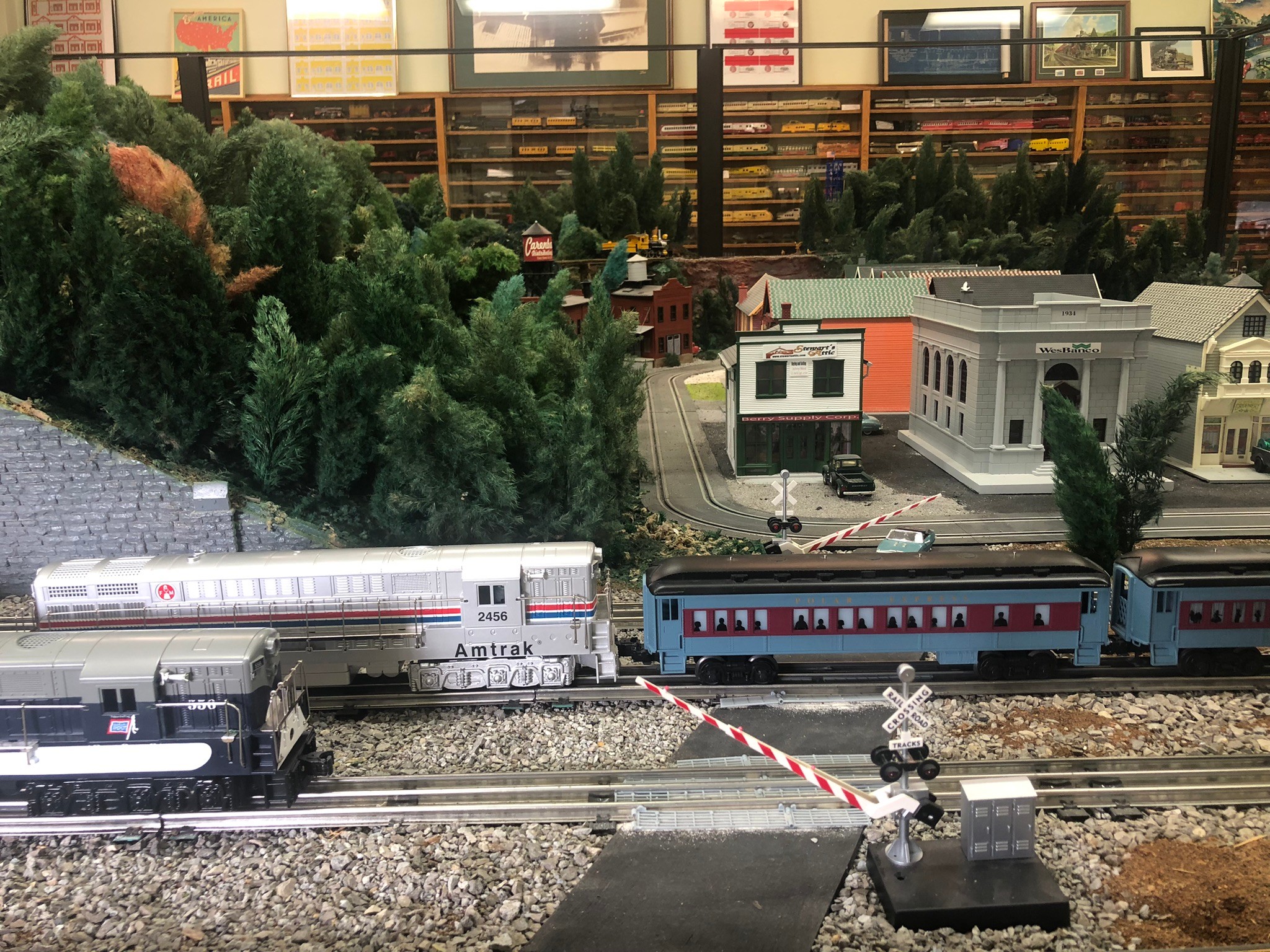
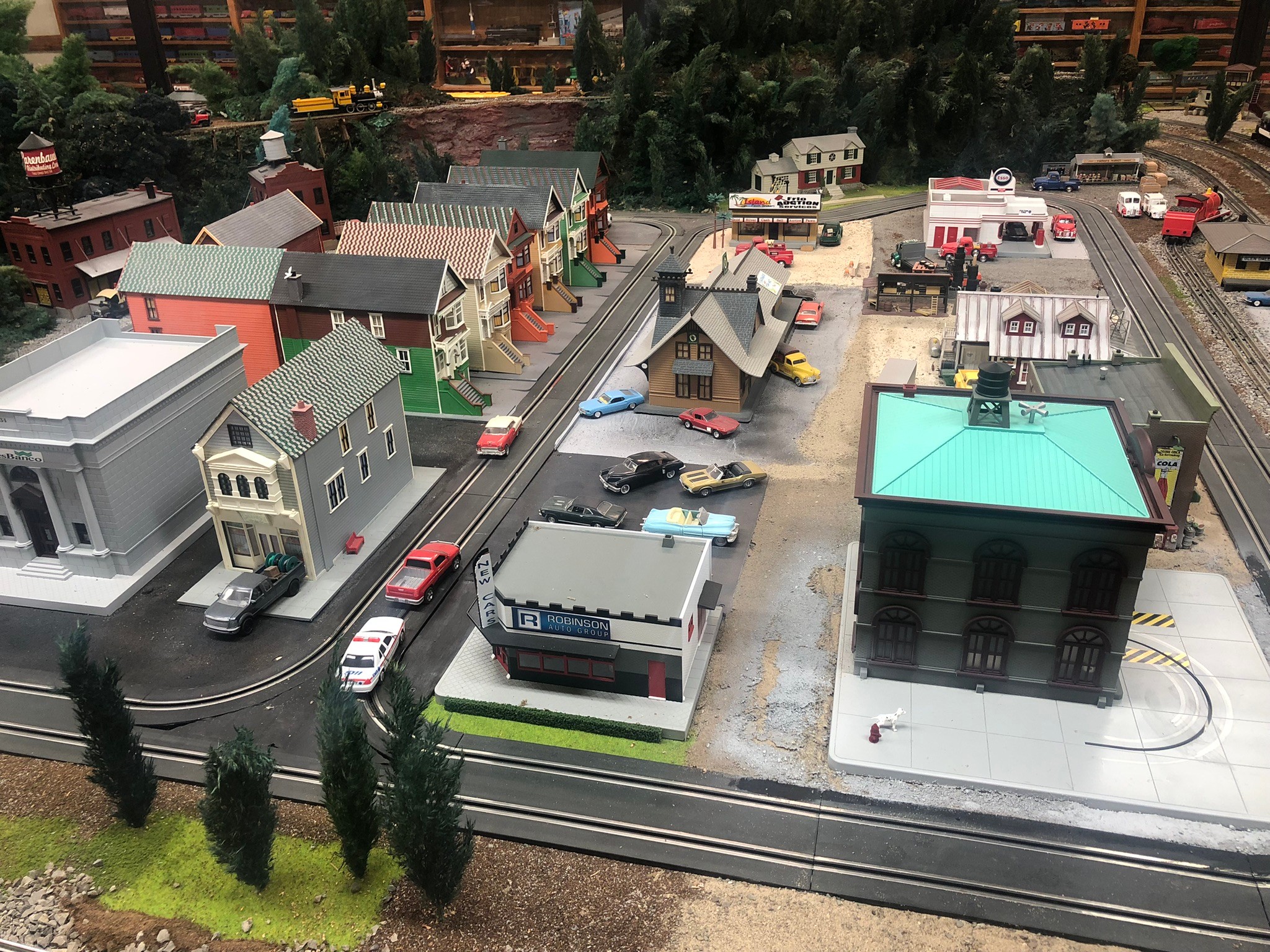
Image Credits
All photos are by Kruger Street Toy & Train Museum staff