

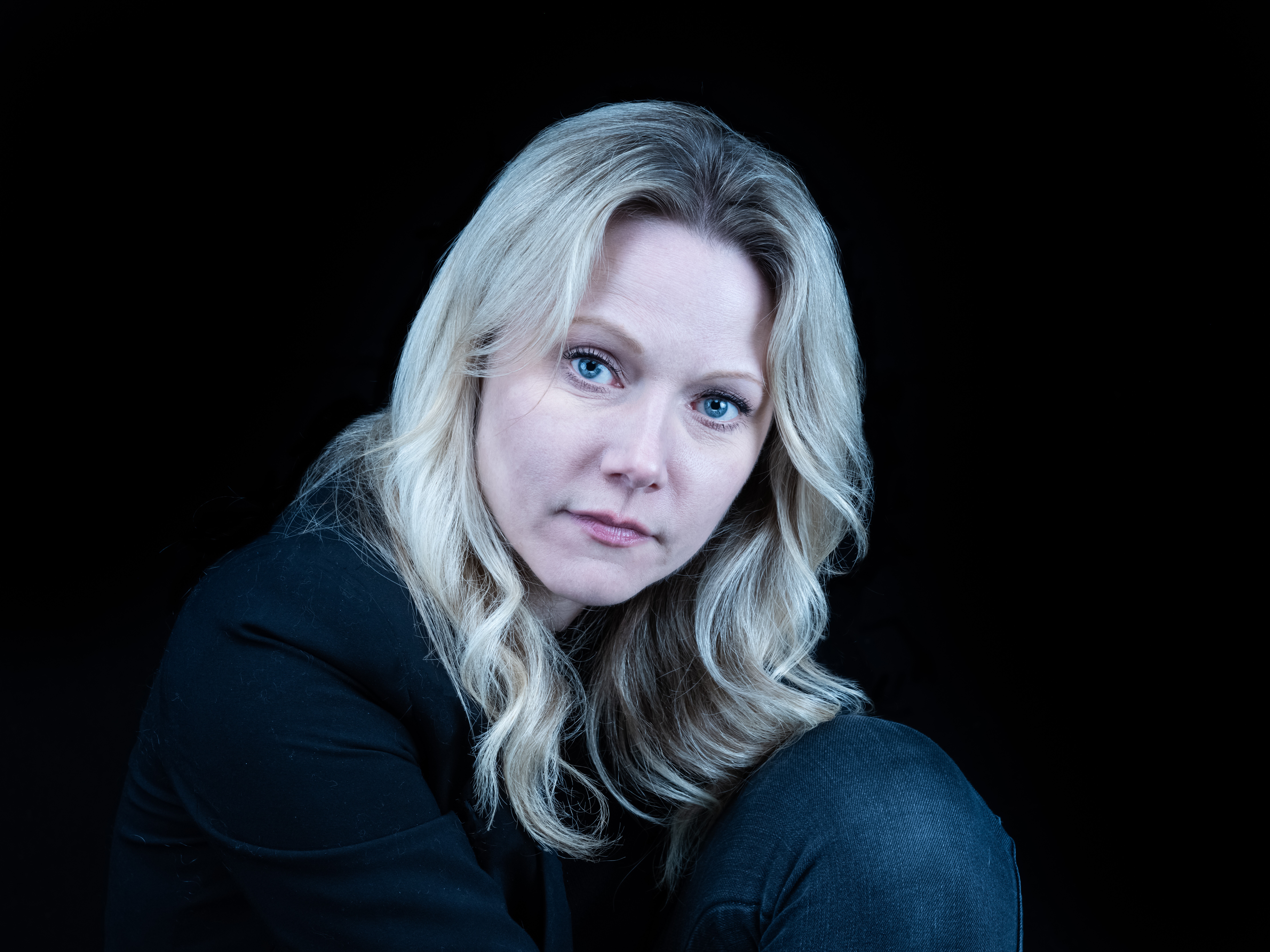

We caught up with the brilliant and insightful Alison Cook-Beatty a few weeks ago and have shared our conversation below.
Alison, thanks for taking the time to share your stories with us today Talk to us about building your team? What was it like? What were some of the key challenges and what was your process like?
No Staff, Just Vision: Building a Dance Company From the Ground Up
When I first started my dance company, it was just me.
No staff. No infrastructure. No safety net.
Just a vision—and a deep need to create.
I originally founded the company as an LLC, and after five years of growth, we became incorporated as a 501(c)(3) nonprofit. That transition marked a shift in how I approached sustainability, community impact, and long-term vision.
As a small nonprofit dance company, we still don’t have traditional employees. Instead, we work with independent contractors—our dancers, collaborators, and creative team. This structure has allowed us to remain flexible and continue creating, even as funding fluctuates. Building toward a model that supports stable employment is a key goal for the future.
In the beginning, I could only pay dancers when funding allowed. Many showed up not for the paycheck, but because they believed in the work. That created a strong sense of commitment and community, while also reinforcing my responsibility to advocate for fair pay.
Recruiting those early dancers was personal and organic. I reached out to people I had trained with, danced with, or taught. There were no formal interviews—I invited dancers into the studio.
The rehearsal room was the interview.
That’s where I learned who they were as collaborators—how they listened, supported others, and contributed to the space. That philosophy still shapes the company today.
If I were starting again, I would focus earlier on building stronger financial systems—grants, fundraising, and long-term planning—to support more consistent compensation. That said, I did make those efforts early on. I developed business models, created strategic plans, and applied for grants—but for the first five years, we didn’t receive significant funding.
It wasn’t until the pandemic, when we continued creating through uncertainty, that our resilience began to be recognized. From that point on, opportunities and funding became more consistent.
Fundraising was also something I had to grow into. It didn’t come naturally at first, but through persistence and experience, I’ve become more confident—and I’m still learning.
But I wouldn’t change how it started.
Because what we built first wasn’t a business—it was trust.
Today, we’re growing—expanding funding, increasing opportunities for our artists, and moving toward a more sustainable future.
We may not have traditional employees yet.
But we have something just as meaningful:
A community of artists building something real—together.
Awesome – so before we get into the rest of our questions, can you briefly introduce yourself to our readers.
About Me & My Work
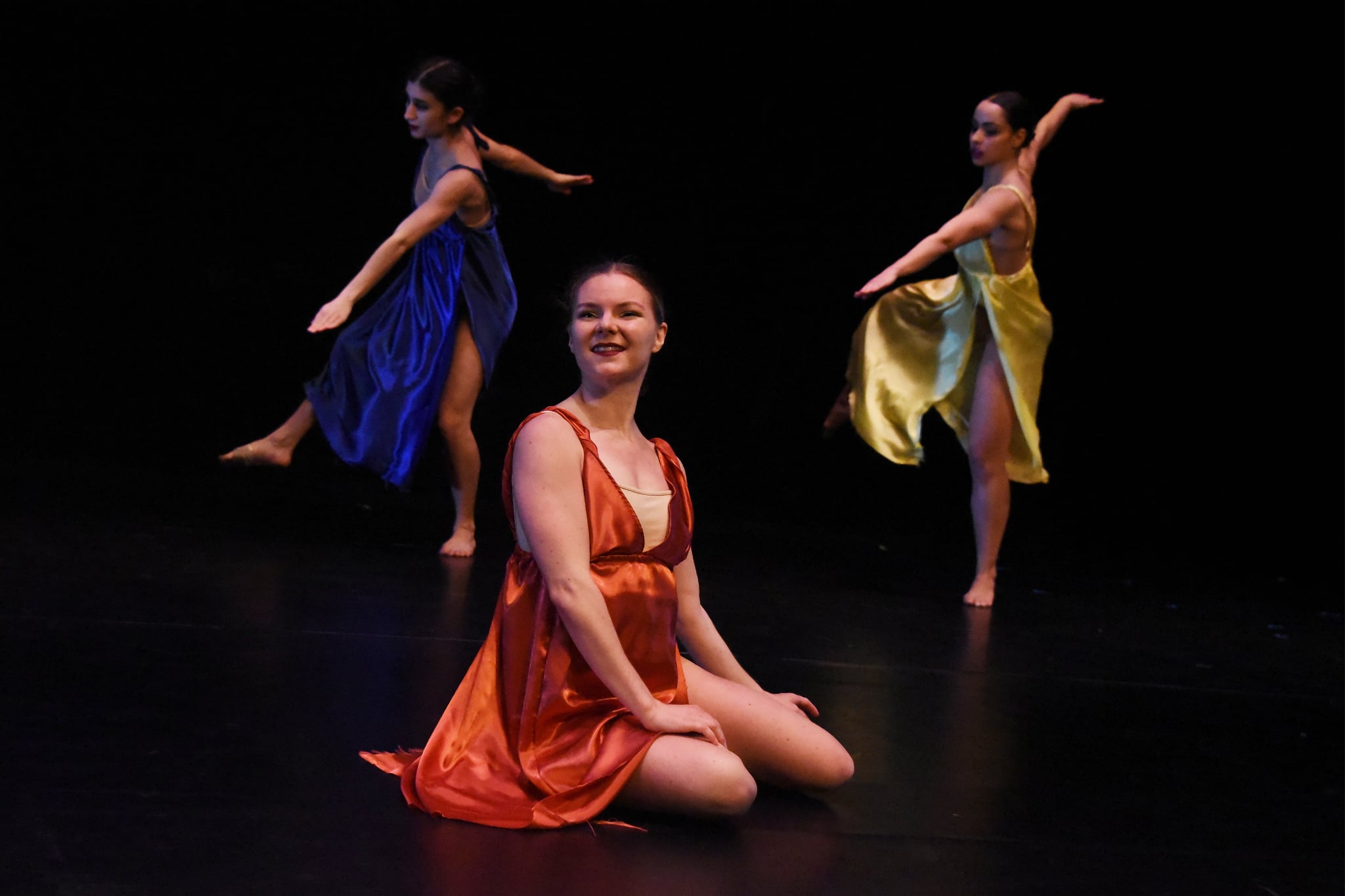
I’m a choreographer and the Founder and Artistic Director of Alison Cook Beatty Dance, a New York City–based nonprofit modern dance company.
My work is rooted in the American modern dance tradition, shaped by my time performing with companies like the Paul Taylor Dance Company and Taylor 2, and my training at The Boston Conservatory. That lineage lives deeply in my body and informs everything I create—but I’m equally interested in pushing that tradition forward in a way that feels relevant, human, and accessible today.
I started the company out of a desire to create work that speaks to the human condition—work that people can feel, connect to, and see themselves reflected in. Dance, for me, is not just about movement. It’s about storytelling, emotion, and shared experience.
Through Alison Cook Beatty Dance, we create and perform original repertory, present full seasons in New York City, and tour regionally and nationally. We also lead community outreach programs, offering classes and workshops for both youth and seniors, and collaborate with artists across disciplines—from composers to visual artists.
At its core, the company is about connection—on stage, in the studio, and in the community.
One of the things that sets our work apart is the balance between strong technical foundation and emotional accessibility. Our dancers are highly trained, but what matters most is how they communicate. I’m interested in work that resonates beyond the dance world—work that invites audiences in, rather than keeping them at a distance.
I’m also deeply committed to building a company culture rooted in collaboration, respect, and care. The way we work together matters just as much as what we create. That sense of community is something audiences can feel when they watch us perform.
What I’m most proud of is that we’ve built something sustainable and growing from very humble beginnings. There were years without funding, years of uncertainty—but we kept going. Today, we are producing full seasons, receiving grant support, touring, and expanding our reach.
I’m also proud of the opportunities we create for our artists—not just to perform, but to grow. Whether it’s supporting dancers through visa processes, offering paid opportunities whenever possible, or creating space for them to develop as artists, that investment is central to the company.
What I want people to know about my work is that it comes from a very real place. It’s honest, it’s human, and it’s created with intention. Whether you are a longtime dance audience member or seeing contemporary dance for the first time, there is something in the work for you.
Ultimately, this company is about more than performance—it’s about building something meaningful, together.
Can you share a story from your journey that illustrates your resilience?
A Story of Resilience
One of the most defining moments of resilience in my journey happened at the very start of the pandemic in March 2020.
New York City had shut down. Everything felt uncertain, and I had just heard that two major dance companies had folded. I remember thinking, I cannot let that happen to us.
So we kept going.
I brought the dancers to a baseball field in Central Park and began creating a piece called Central Park Field #4. There was no stage, no audience—just us, moving in the middle of a city that had gone quiet. I filmed it on my phone, trying to capture something—anything—that said we were still here.
At one point, I noticed an ABC News van parked nearby. I got on my bike and started circling it. I almost rode away—I was scared, unsure—but something stopped me. I turned around, rode back, knocked on the window, and said, “You should come see what we’re doing.”
An hour later, I was being interviewed.
Within a week, we were everywhere—ABC News, The Daily News, Time Out New York. Our work was featured in taxi cabs across the city. ABC News covered us multiple times. What started as a moment of uncertainty turned into a moment of visibility and connection.
That experience changed everything.
It showed me that resilience isn’t just about enduring—it’s about taking action, even when you’re afraid. It’s about choosing to move forward when there’s no clear path.
Resilience has been a constant in my life. I faced challenges early on that almost made me walk away from dance entirely. But instead of letting those moments stop me, I learned to use them—to grow from them, to push forward. To jump high!
That mindset has carried into everything I do.
When something is in the way, I find another path. If I can’t go around it, I go over it. If I can’t go over it, I find a way through. There is always a way forward.
There are still moments where I don’t know how something will come together—how we’ll find the funding, or how we’ll make the next project happen. But I’ve learned to trust the process. I say yes, I stay focused, and I keep going.
Because that’s what resilience is.
It’s showing up, again and again—and choosing not to stop. To always jump high!
Do you have any insights you can share related to maintaining high team morale?
Advice on Managing a Team & Maintaining High Morale
Managing a small, growing dance company comes with real challenges—especially when financial resources are limited. But I’ve learned that morale is built on culture first.
I lead with one core idea: we are a team. That means respect, communication, and showing up for one another. I don’t tolerate drama. I create a space where people feel supported, but also accountable.
During the pandemic, this became even more important. We had to check in, listen, and support each other as people—not just dancers. That mindset has stayed with us.
Strong teams are built on trust, consistency, and care.
When people feel connected to each other and the work, morale follows.
Contact Info:
- Website: https://www.alisoncookbeattydance.org
- Instagram: @alisoncookbeattydance
- Facebook: Alison Cook Beatty Dance
- Twitter: @acbdance
Image Credits
Sam DeRosa-Farag and Russ Haydn