

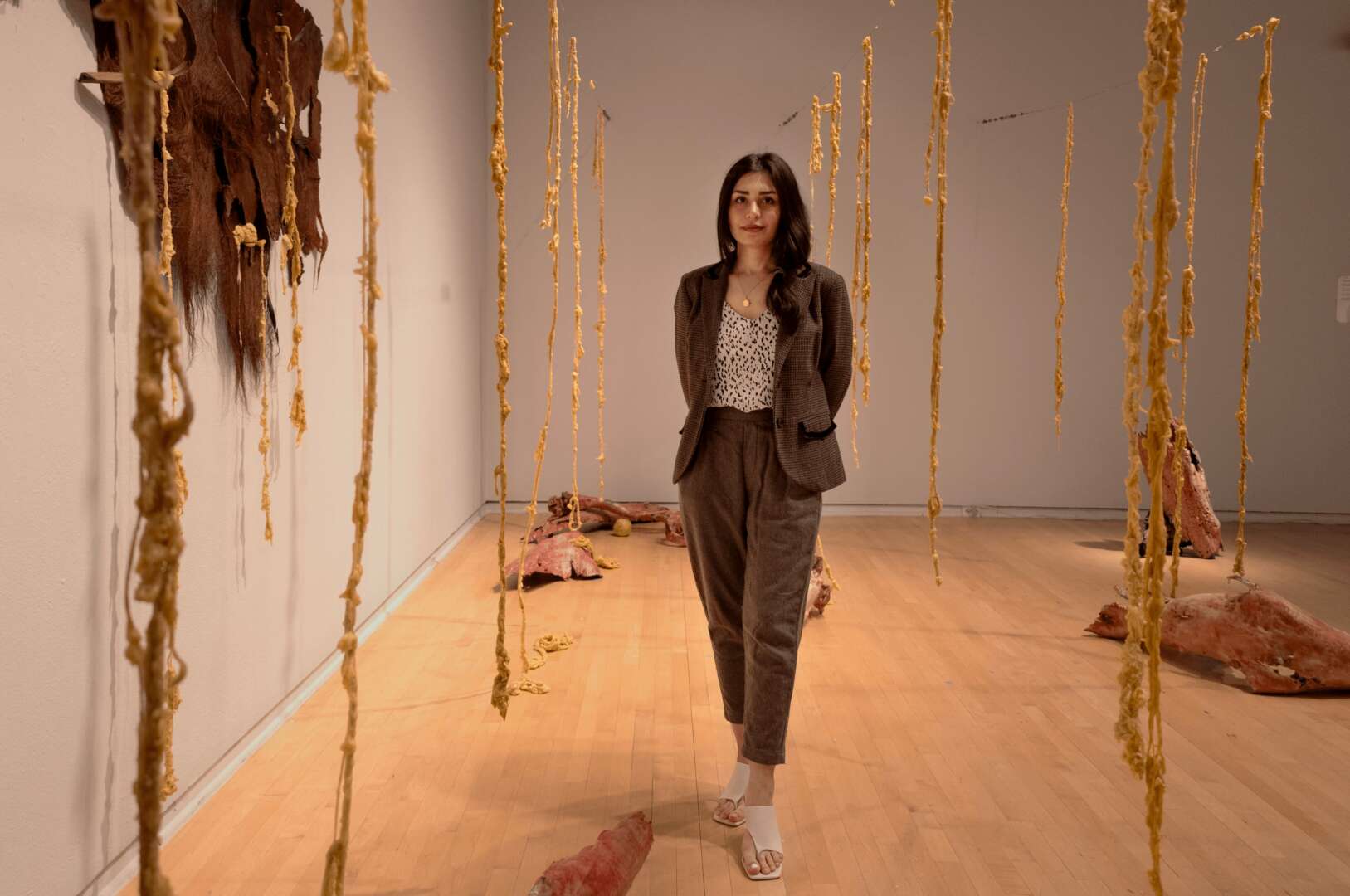

We caught up with the brilliant and insightful Alieh Rezaei a few weeks ago and have shared our conversation below.
Alieh, appreciate you joining us today. I’m sure there have been days where the challenges of being an artist or creative force you to think about what it would be like to just have a regular job. When’s the last time you felt that way? Did you have any insights from the experience?
Considering the financial and social challenges it involves, being an immigrant and living in a new community adds an additional layer of uncertainty. Not being firmly established in one place makes navigating this landscape particularly challenging. Yet, being a visual artist feels most authentic to who I am. The opportunity to explore, experiment, and reflect on the world through art, and to connect with society in this way, is a profound gift.
Human life experiences and the burden of historical trauma are heavy for everyone, regardless of their job. For me, choosing to be an artist means embracing the willingness to immerse myself in these emotions and thoughts, to confront vulnerability, and to articulate them through my work. While the emotional demands can be intense and financial instability is a real concern, this role allows me to design new ways of living and discover essential desires and aspirations that align with my core identity and the sense of agency I feel compelled to embrace.
There are times when I long for the comfort of a structured job with a predictable routine, where tasks are clear-cut and the path is well-defined. The idea of having a set schedule and performing tasks without the constant need for deep self-exploration is tempting. However, despite these ongoing desires for stability, the empathy and connections my work can foster within the community make this journey not just feasible but profoundly rewarding.
Alieh, before we move on to more of these sorts of questions, can you take some time to bring our readers up to speed on you and what you do?
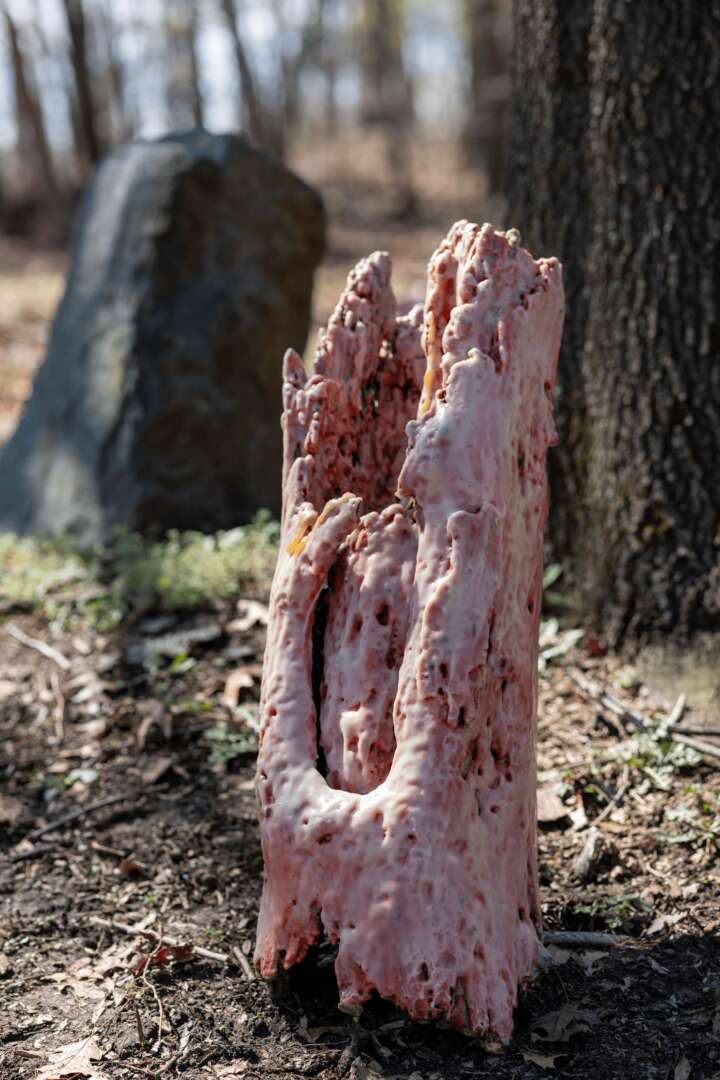
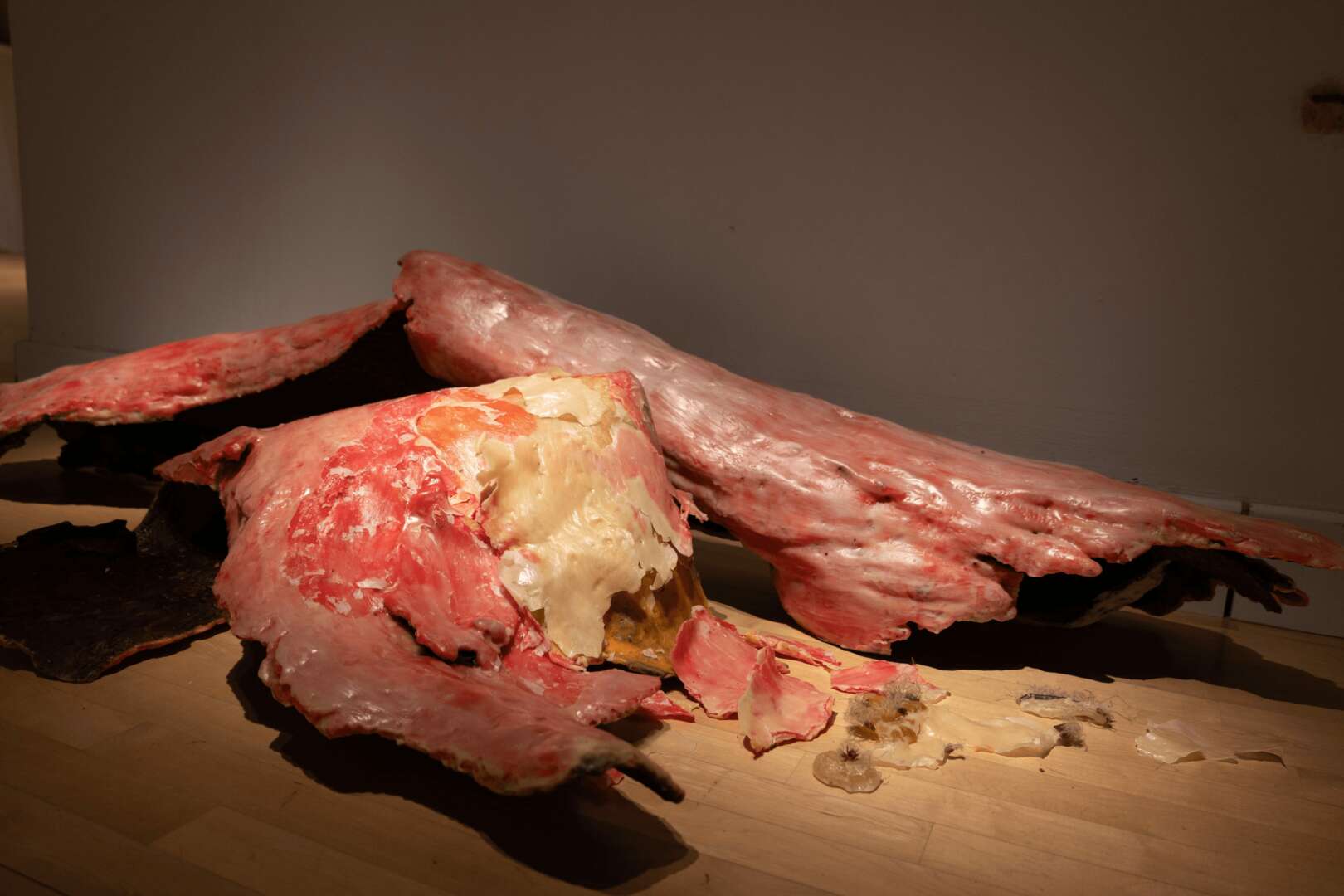
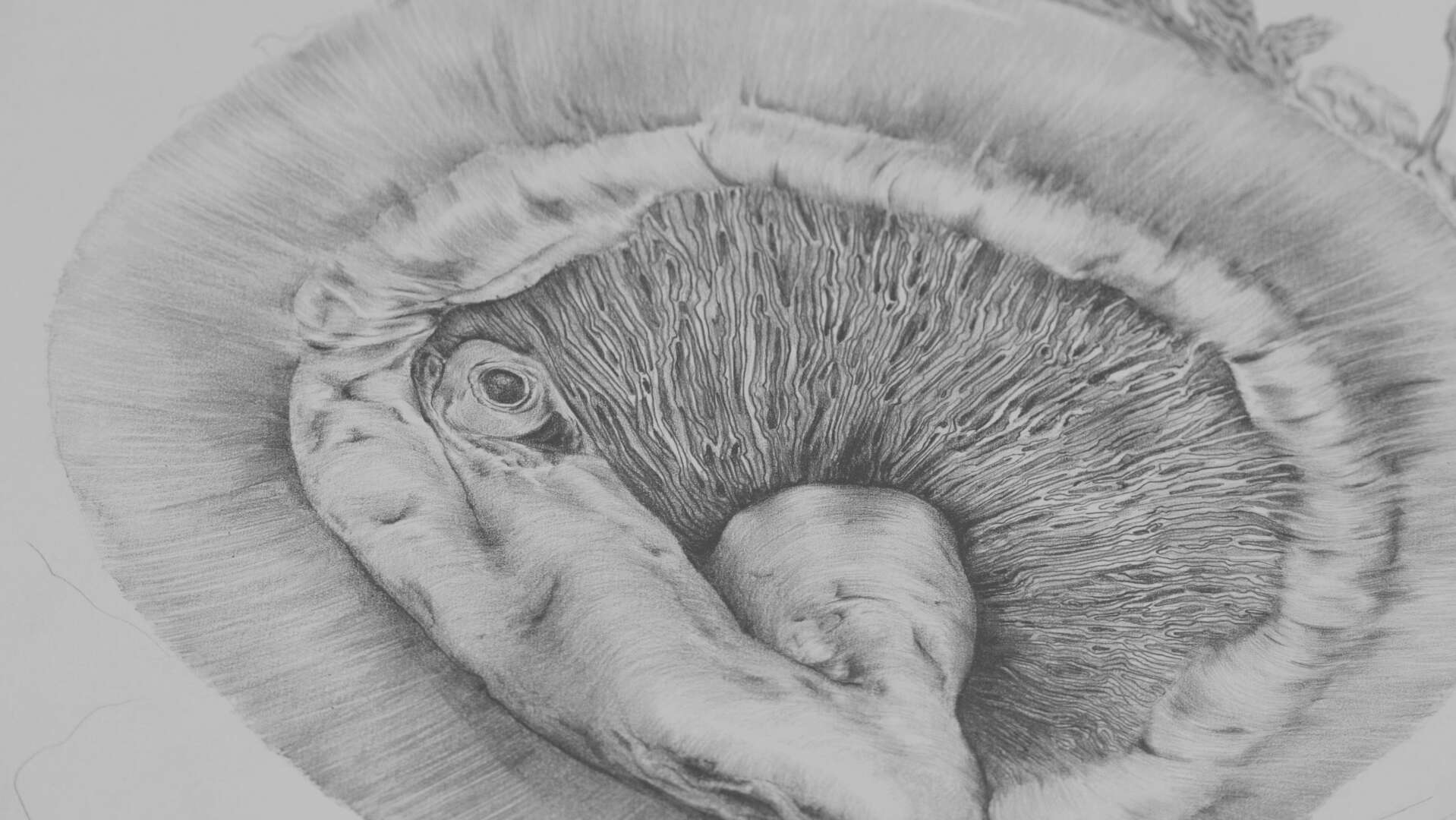
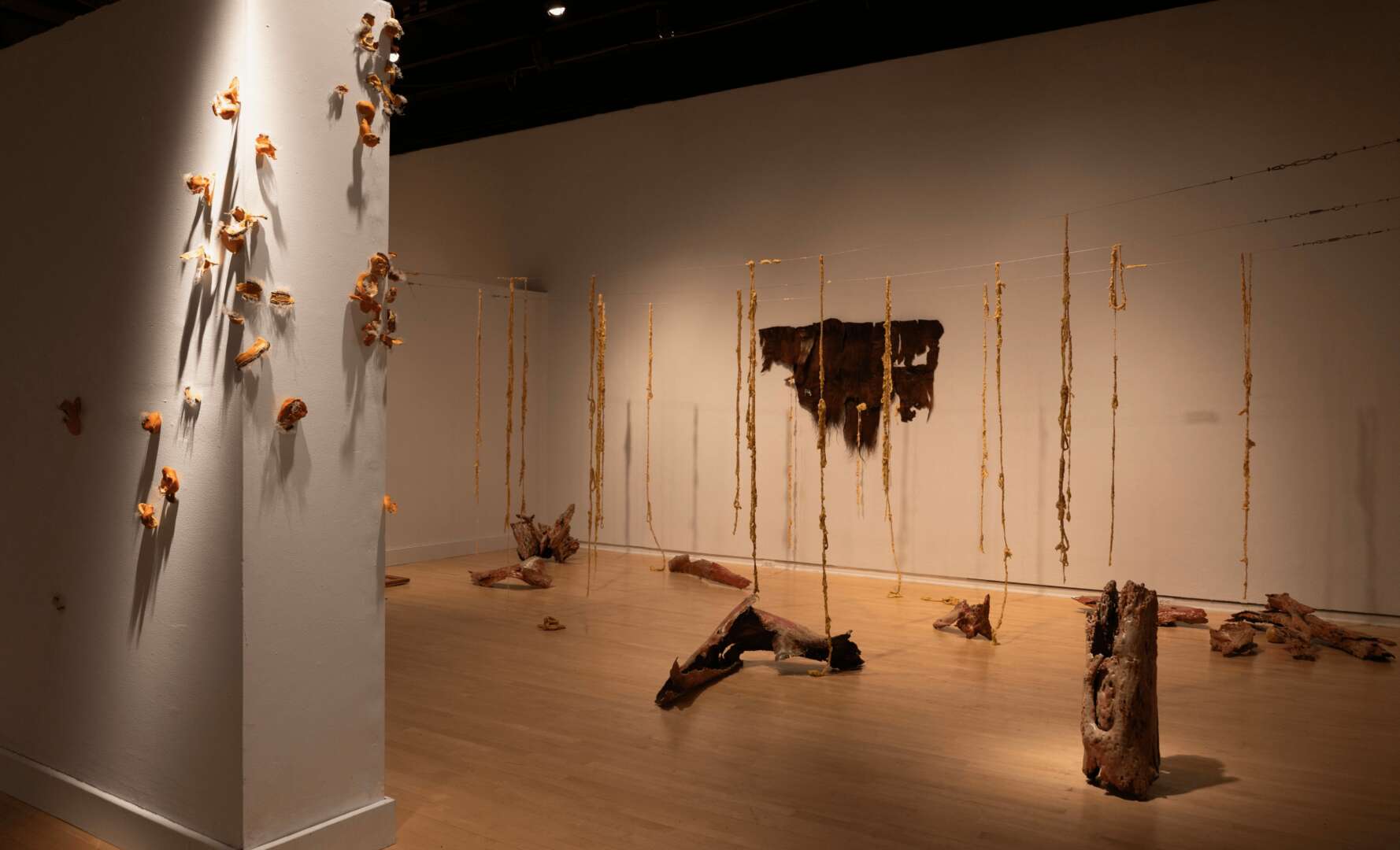
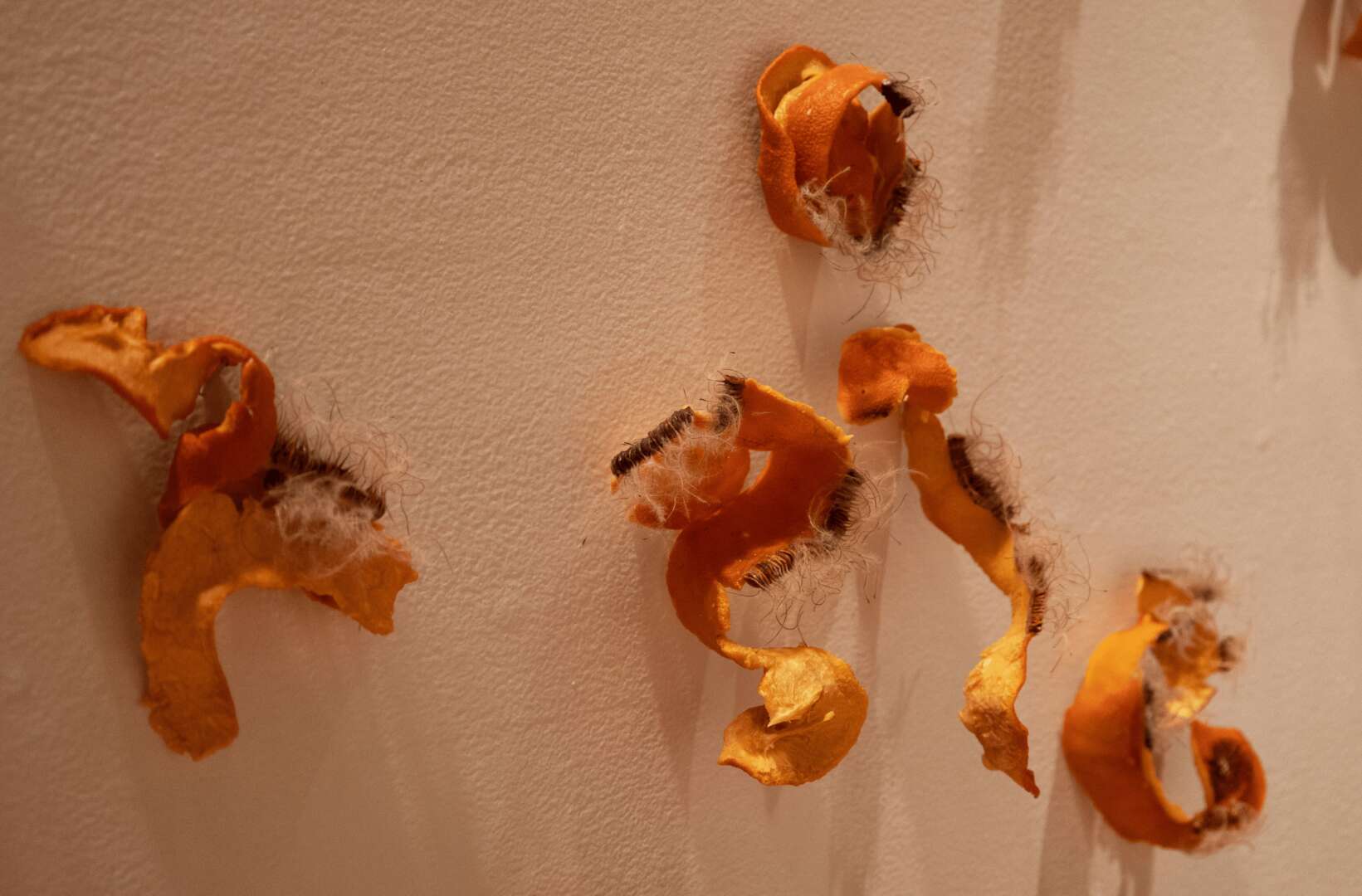
I am a visual artist originally from Iran. My artistic exploration delves deeply into the concept of the body and its cross-cultural visual language, driven by an extensive exploration of materials and processes. As a diasporic artist, my practice involves reinterpreting my Iranian linguistic and bodily experiences within my current cultural context. Through mediums such as drawing and mixed-media sculpture, I aim to transform ordinary objects into organic forms resembling biomes or microorganisms, regenerating them with a non-traditional approach toward creating. This transformation often evokes themes of the uncanny and gothic while highlighting the dynamic nature of transitional states.
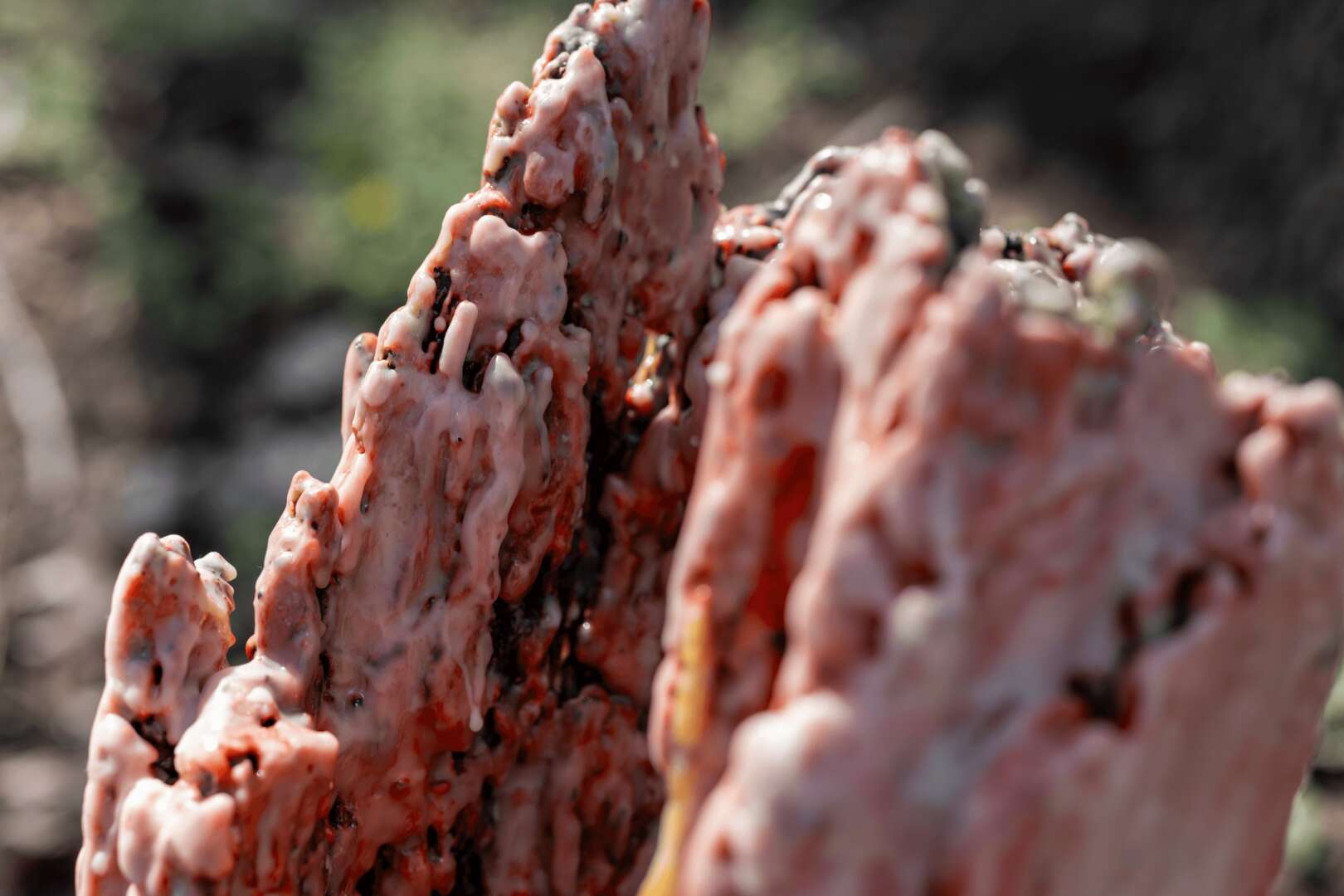
The central materials in these works are derived from natural elements native to my surroundings, including fallen tree bark, shattered wood, wind-blown seed pods, and organic waste such as fruit peels. Because of this, most of my mixed-media objects don’t last through time and recycle back to nature. I use beeswax as the primary material and, by recollecting and recycling it through multiple sets of creations, aim to reuse the same wax across all my pieces. My goal for choosing my materials is repurposing found materials while selecting them all organic as much as possible.
I earned a Master of Fine Arts degree in Intermedia and Digital Arts from University of Maryland, Baltimore County, where I deeply engaged with themes of materiality, process, and the stages of trauma and life experiences. This academic journey led me to explore the psychology of trauma and sparked my interest in art therapy, aiming to create moments that resonate with physical and psychic experiences for my viewers.
A significant aspect of my past art practice involves working with children of various mental and physical abilities. This experience provides me with a unique perspective on art as a fundamental human experience and deeply enhances my empathy. In choosing to work with children, I aimed to immerse myself in a less egoistic mode of creation, and this approach has allowed me to engage more deeply with the intrinsic creative spirit of humans and explore untapped modes of expression.
We’d love to hear a story of resilience from your journey.
My grandmother’s life experience can illustrate my approach to personal strength and, consequently, my art. Despite being illiterate, she was a knowledgeable woman who bravely raised her six children as a single mother after losing her husband at the age of 35. Growing up, I observed my grandmother’s body as a form of land art reflecting her life’s hardships. It was painful to witness the physical manifestation of her ongoing suffering. She possessed indigenous hair, a powerful link that now connects me to Native Americans on another continent. In her face, I saw traces of a bird, a flat woven pattern, a scent of freedom; yet I took on her pain as a quest to find it a home. I vividly remember her saying, “My bones will open a mouth to tell my story.” For me, her strength was evident in how her pain and physical trials echoed a broader cultural and historical experience—a lineage where the body is often perceived as a machine enduring until it can no longer function. Reflecting on her body and skin, I realized that this utilitarian perspective limits our perception of the body to its functional and productive capacities, often neglecting its intrinsic value and resilience in times of vulnerability.
In challenging traditional notions of the body’s functionality and creativity, and breaking the cycle of neglecting care and healing, I have embarked on a journey of resilience. Despite enduring chronic pain that often limits my physical strength and requires me to adapt my art’s medium and scale, I have chosen a path that redefines the body’s purpose and productivity from a broader perspective. I consciously channel inherited struggles into a process of creation and artistic expression, allowing myself to embrace healing and nurturing. This transformation occurs not just through my artistic exploration of the body but also through the reciprocal care and support I receive from my art and community. Each piece I create turns personal and familial suffering into a vibrant celebration of the body’s inherent rhythm and vitality.
Learning and unlearning are both critical parts of growth – can you share a story of a time when you had to unlearn a lesson?
Growing up in a traditional setting, many fundamental beliefs and attitudes were deeply ingrained in our identity, and unlearning these lessons has been a significant aspect of my personal and artistic development. As a visual thinker, one of the most profound lessons I had to unlearn is the pervasive sense of shame deeply rooted in traditional values and expectations about women. This shame, which targets the core of one’s existence as a female, profoundly influences how visual expressions are constructed, perceived, and constrained. The patriarchy imposes rigid standards and objectifies women’s bodies, often reducing them to mere tools for fulfilling societal expectations rather than recognizing them as autonomous and multifaceted beings. It not only projects deficiency onto the body but also resists acknowledging its vulnerabilities and empowerment. Growing up, my sense of self and my experience of living in my body had to be continually reconstructed due to the associations imposed by a fundamental and patriarchal society. I frequently became aware of gender issues too soon, before having the chance to fully explore life. The societal expectation of conformity and the objectification of women’s bodies reinforced the sense of shame. For an artist, the fear of not meeting external or self-imposed standards is particularly challenging because the act of creating inherently involves exposing one’s innermost thoughts and emotions, rather than being subject to censorship. Working through this shame has deepened my understanding of the psychological barriers I face and has become a crucial element in how I approach and engage with my work, and more importantly, with my body.
Contact Info:
- Website: https://www.aliehrezaei.com/
- Instagram: aali_zaee
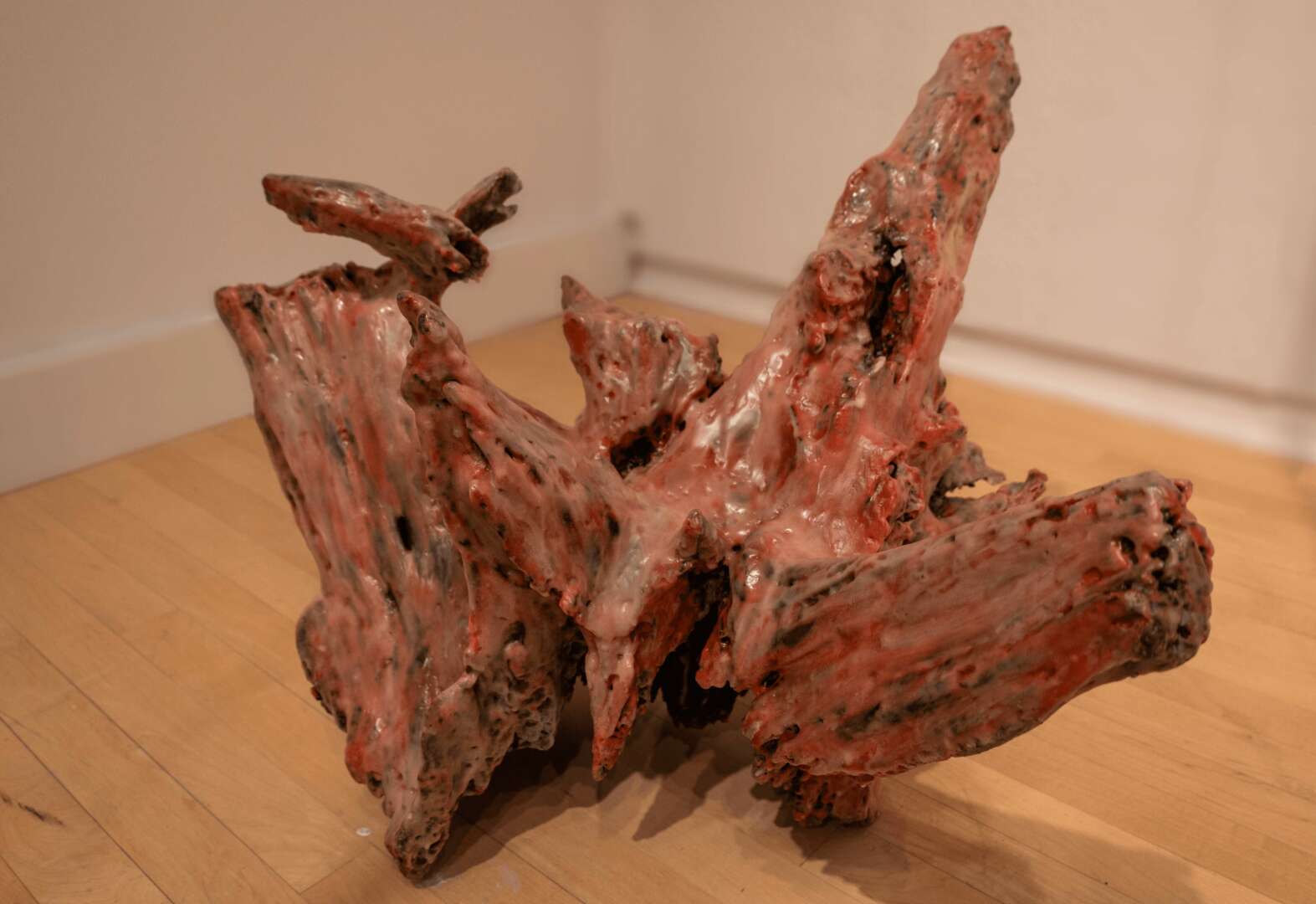
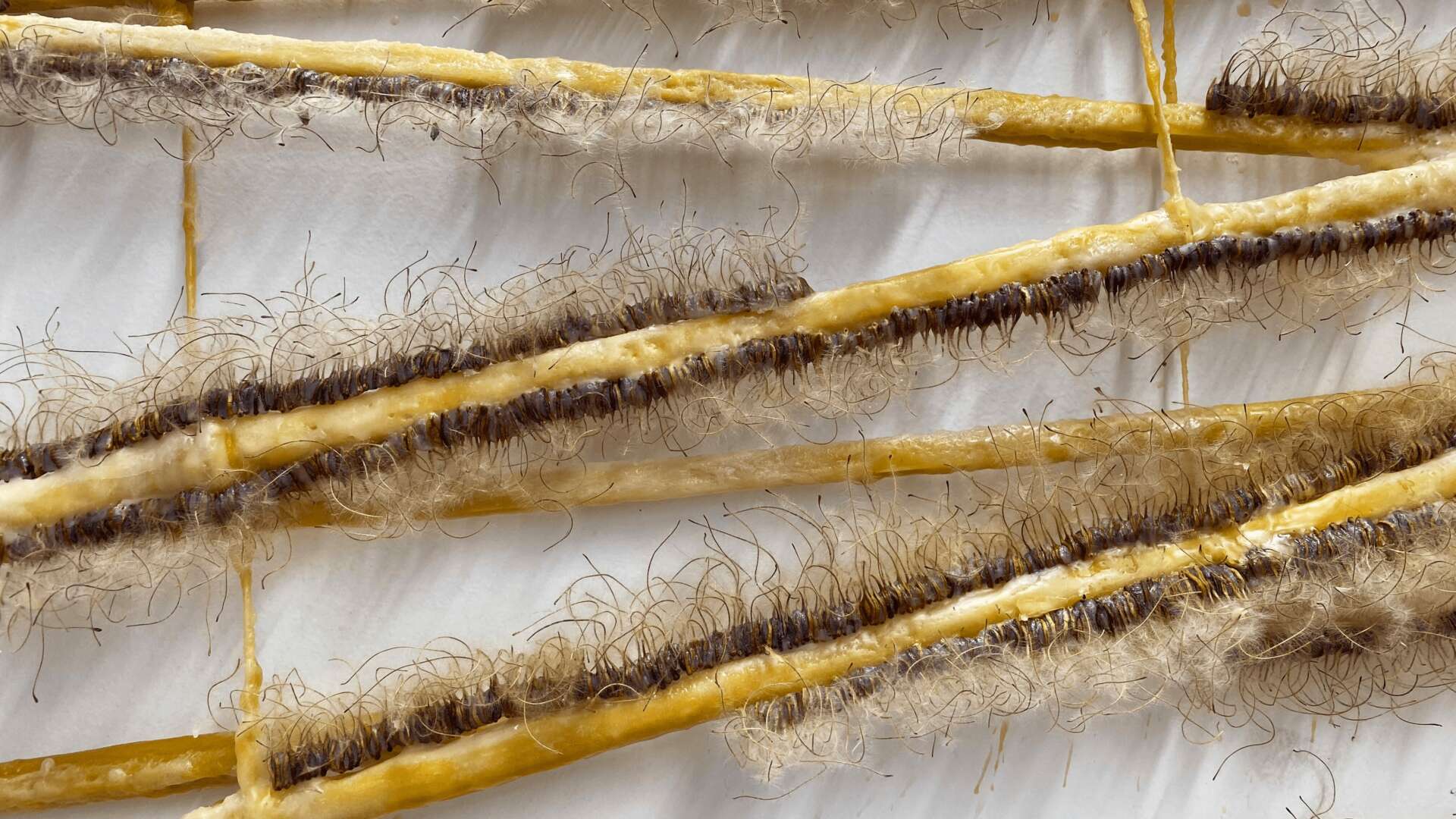
Image Credits
Alieh Rezaei