

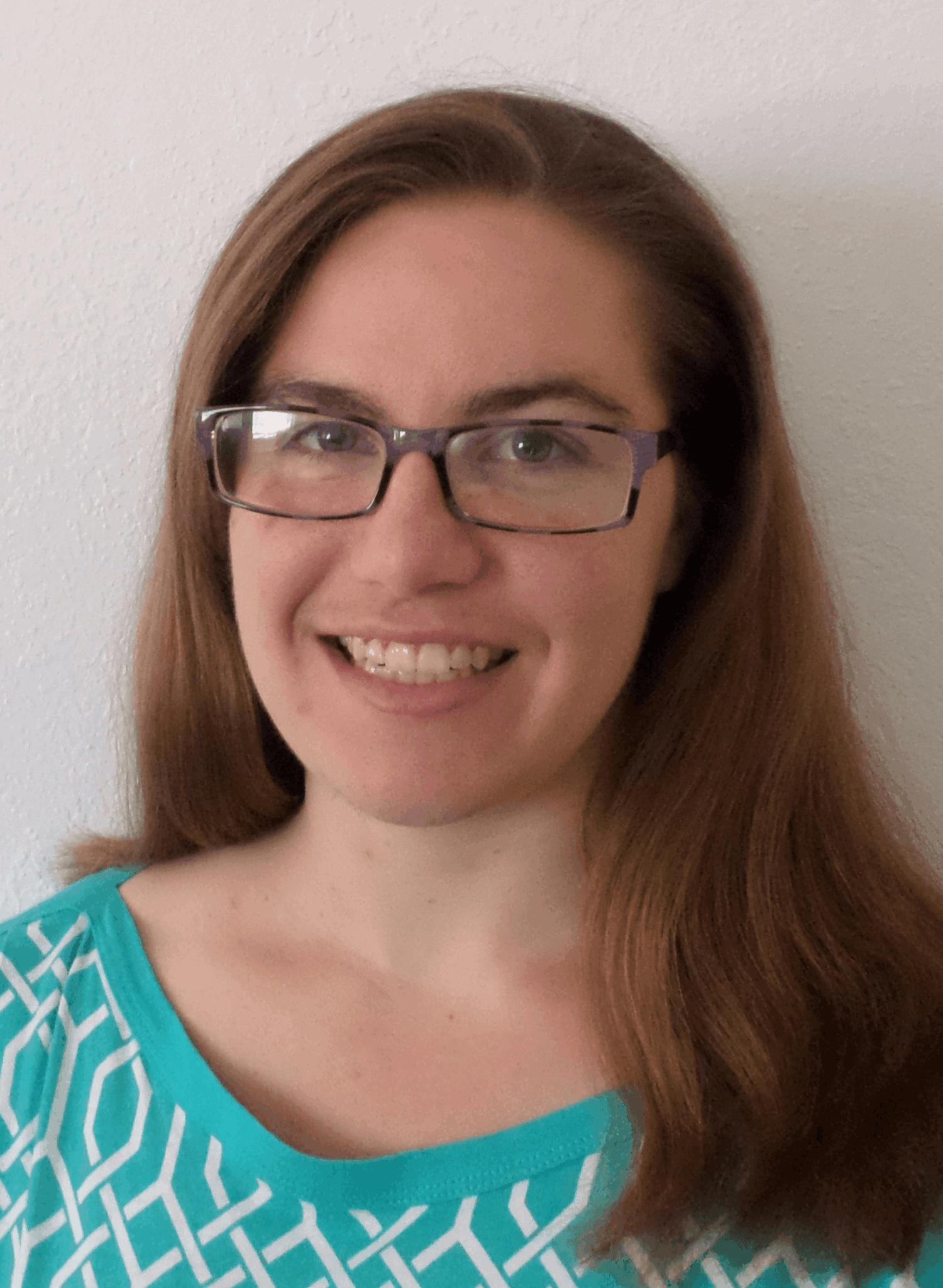

We caught up with the brilliant and insightful Alicia Quijano a few weeks ago and have shared our conversation below.
Alicia, appreciate you joining us today. We’d love to hear about when you first realized that you wanted to pursue a creative path professionally.
I knew that I wanted to be involved in the arts at a very early age. I can remember coloring with my dad at 4 or 5 years old, as he was showing me tricks to stay in the lines. My dad is a very creative person, and he was always working on a project in his spare time. His curiosity fueled mine, and I learned a lot of craft skills early on that I still incorporate into my work today. In 5th grade, I listed on a journal entry that I wanted to be a baker and an artist; I’ve stayed fairly true to that since then. By the time I was in junior high I had decided I wanted to be an artist. Growing up with parents who are musicians and educators, my love for art was not questioned but encouraged. Art classes were always listed as my electives, and my parents provided me additional opportunities to explore and create as much as possible. I dreamed of being a full-time artist solely supporting myself with my craft, but I always understood that I would most likely need to do something to support my love of art. Since completing my degree, I’ve done that; I’m privileged to work in the arts, and I make work in my free time.
As always, we appreciate you sharing your insights and we’ve got a few more questions for you, but before we get to all of that can you take a minute to introduce yourself and give our readers some of your back background and context?
When I started college at The University of Texas at Tyler, I was interested in medical illustration, but I soon discovered new three-dimensional techniques that I had never had the opportunity to learn before which changed the trajectory of my work. I focused on making sculptural pieces, learning how to weld and cast metals while also working in ceramics. As I was going through college, I decided that I wanted to be a part of the educational sector, and I knew that in order to teach in higher education, I would have to continue to graduate school. I completed my Master of Arts and Master of Fine Arts degrees at Bradley University where I learned new metal casting techniques and continued to challenge myself to make large-scale sculptural works that sometimes incorporated ceramic materials or different types of metal within a single piece. Since graduating, I have taught in higher education and have, more recently, also been involved in teaching art to children.
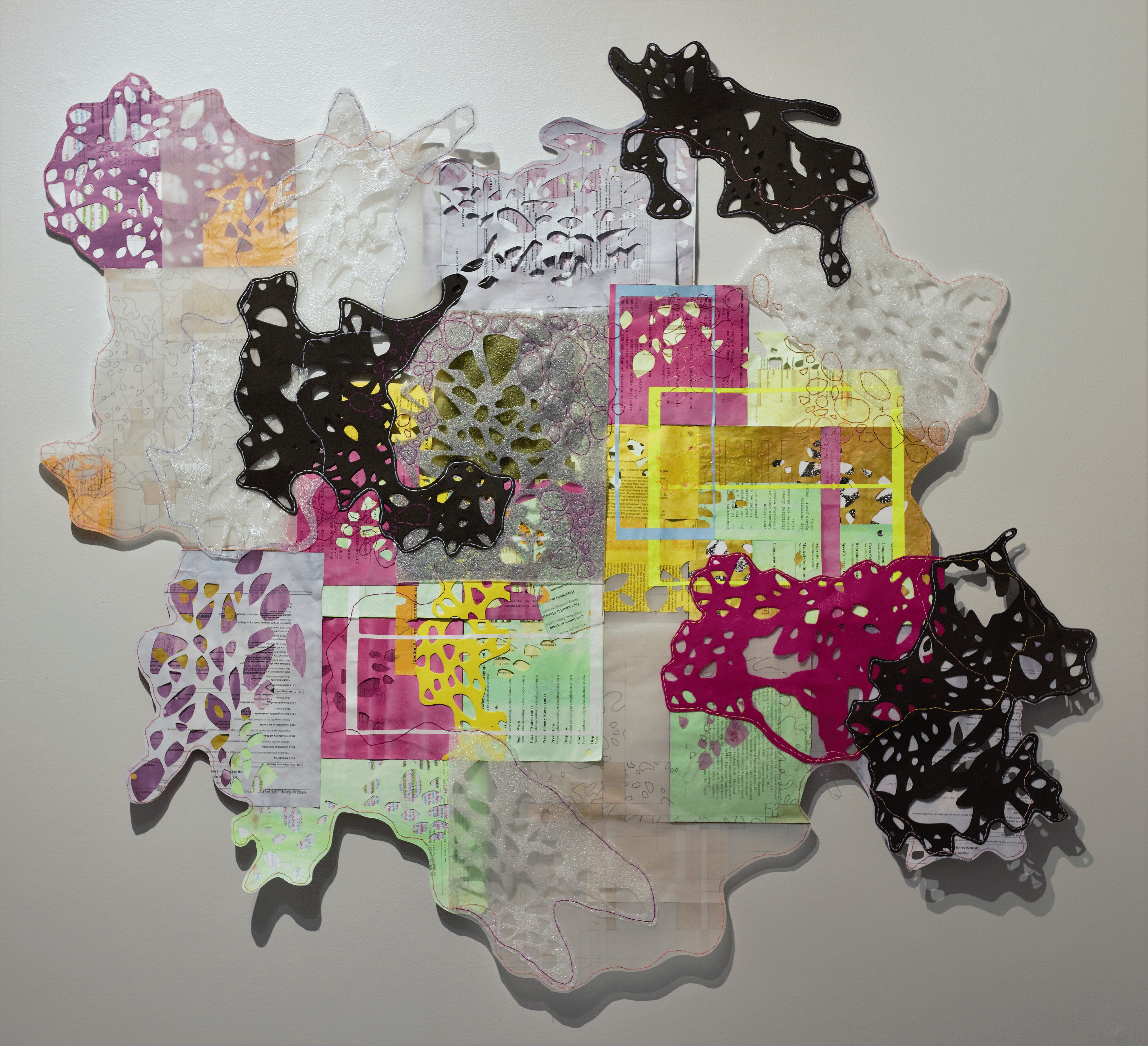
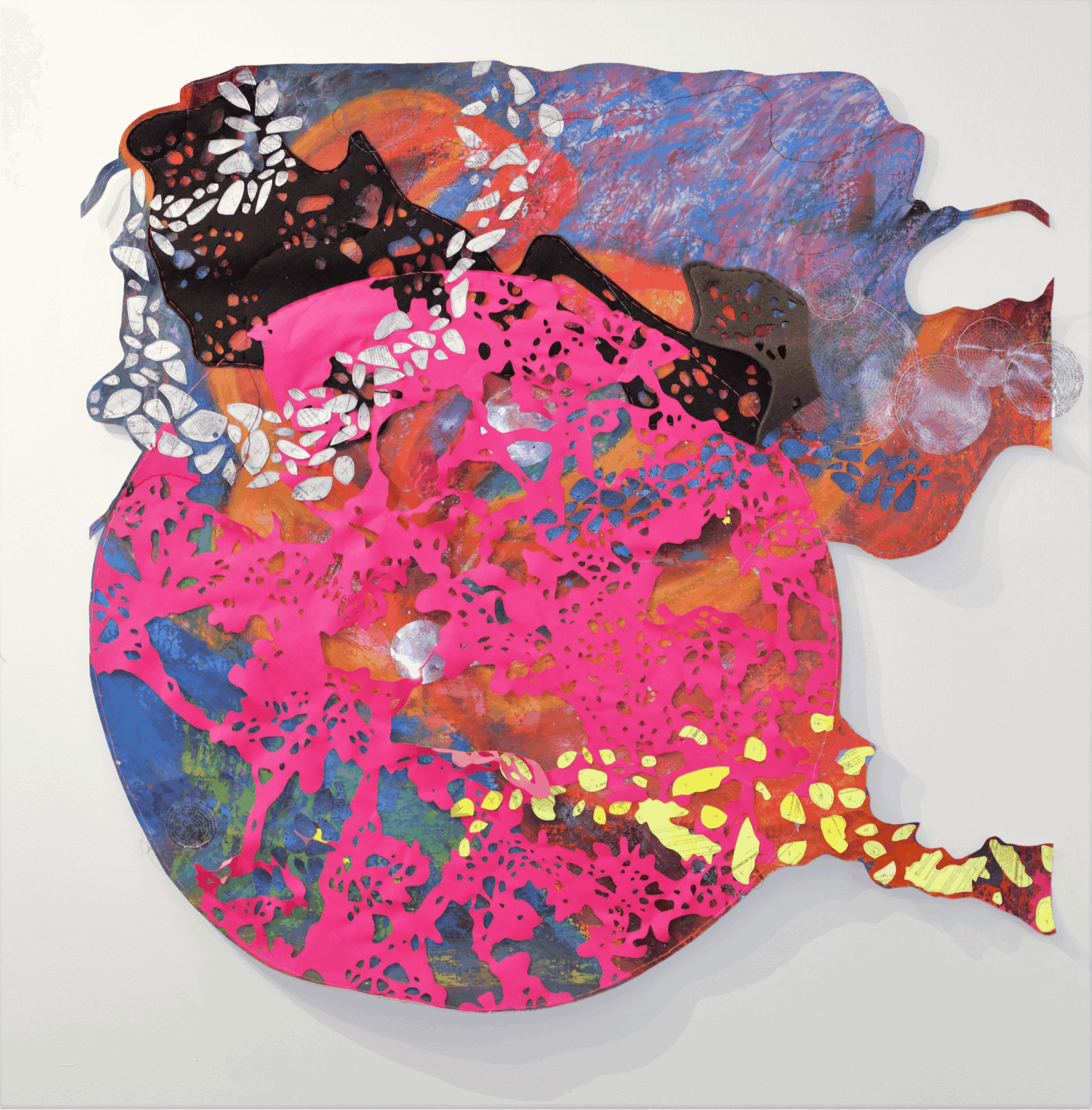
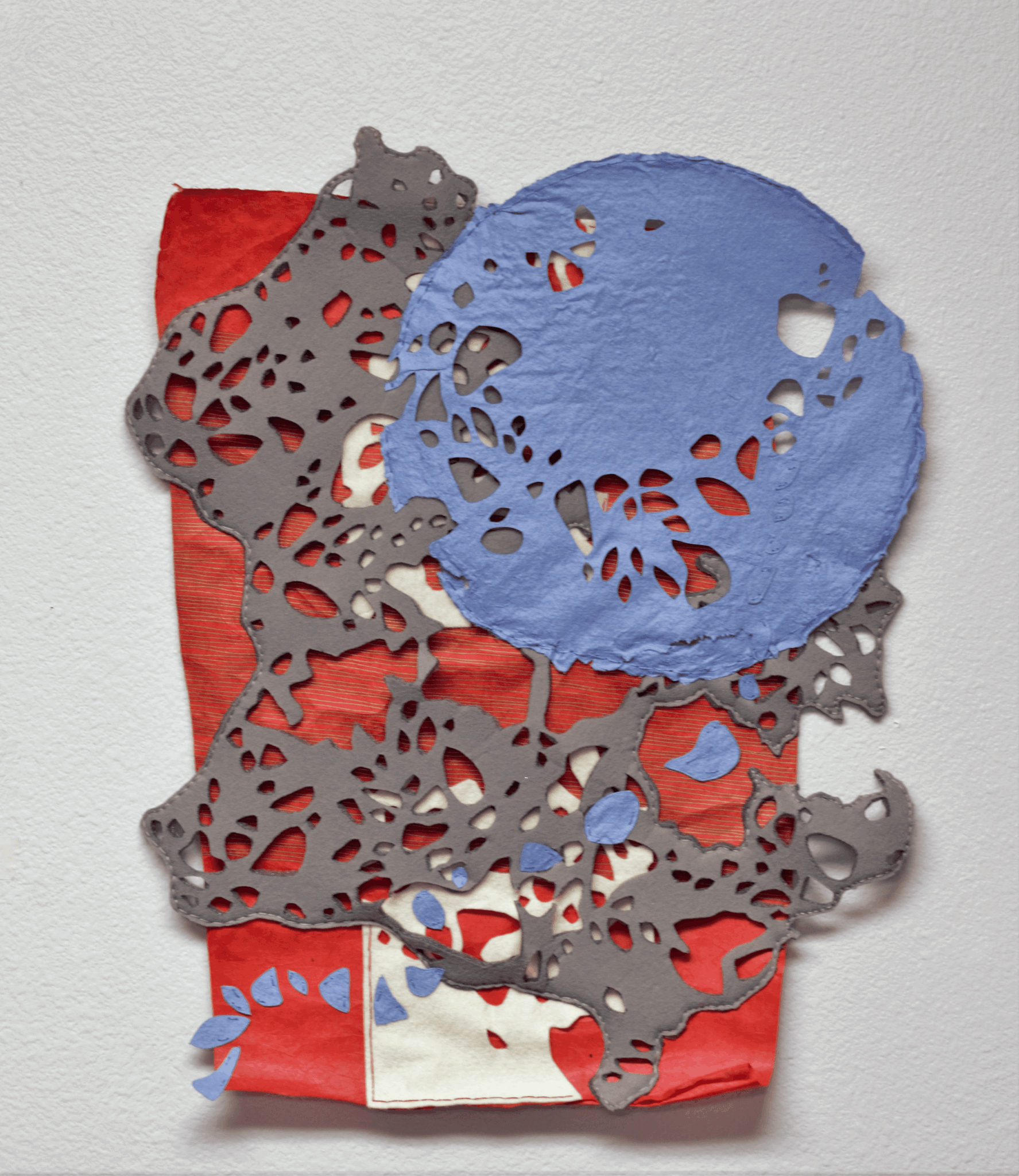
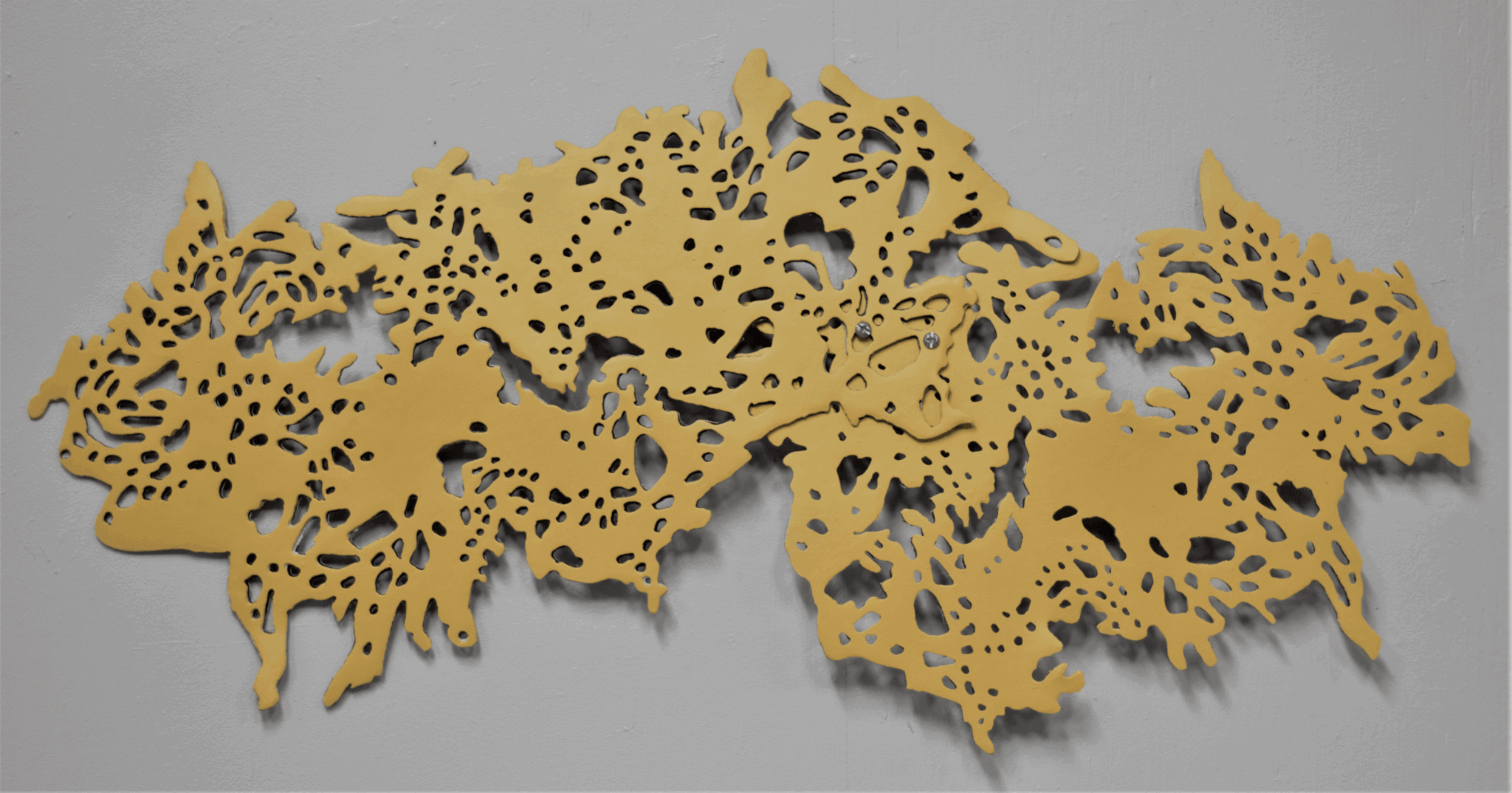
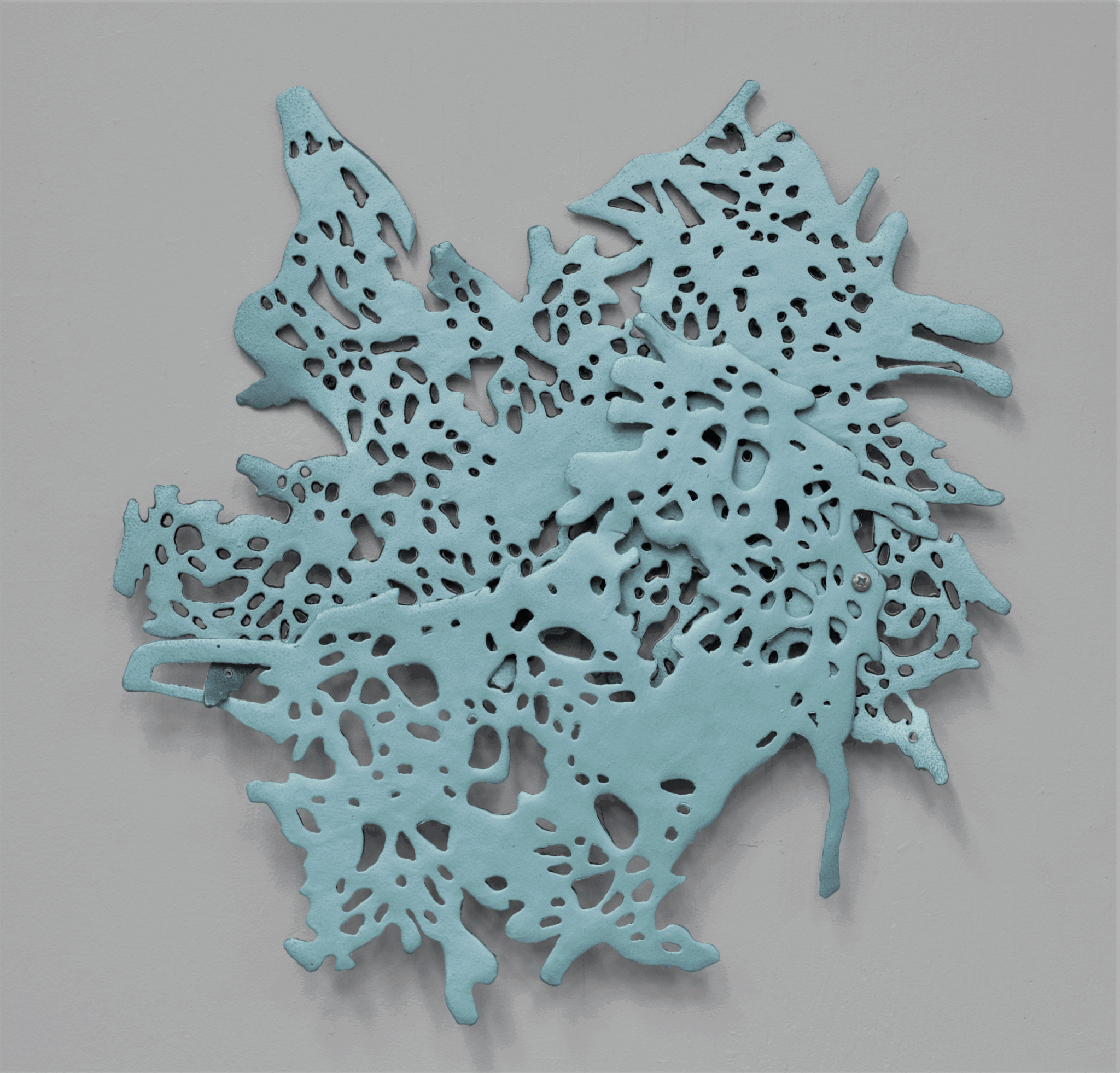
The work that I create is typically abstract and has varied from 10 foot steel sculptures to 5 x 7 inch felt pieces. In college, I was very interested in geometrical forms and the way that they can interact with each other to create interesting shadows; my early work had linear elements that often referenced grid lines. As I began studying my work in graduate school, I traced the shadows created by my cast pieces and then used the shadows as my new forms to cut out in wax. Over time, the linear pieces developed into the lacelike forms that I started cutting out of sheet steel. I began combining my shadow forms together to create larger templates that I could cut out and transfer to my final materials. As a very process-oriented perfectionist, taking myself out of the drawing process allowed me to create flowing forms that were all slightly unique and very abstract. I was also researching ocean life, specifically nudibranchs and coral reefs at the time; the patterns and shapes of their tiny bodies were fascinating to me, and I loved the range of bright colors amongst the reefs that were often jarring when placed next to one another. These patterns and colors heavily influenced the surface treatment of my work.
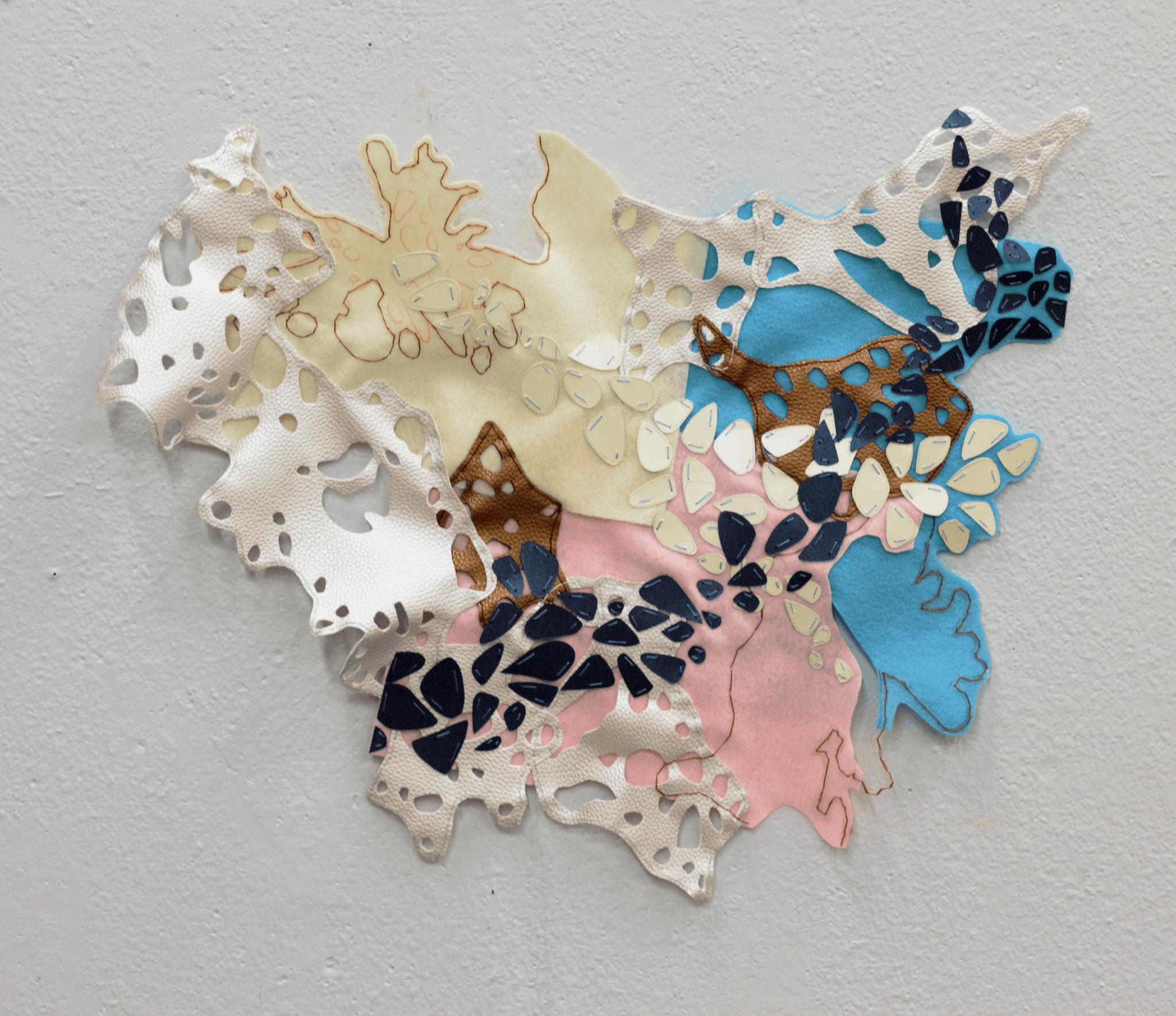
When I graduated from graduate school, the real test began as I needed to continue creating and developing my body of work while also supporting myself and my artistic interests. I began experimenting with new materials that I had on hand and could use without needing a welder or a furnace. My work has continued to transform to what it is today through my experimentation and need to adapt to my available surroundings and equipment. Currently, my work is mostly two-dimensional as I’m using materials that I can safely work with around my three young children (and often after midnight when I have spare time). Even though the final product is two-dimensional, I’m using materials that still have a three-dimensional feel to me. While subtle, there are various layers within my pieces that add to the depth of the work as well as a variety of textures to distinguish between different parts. In order to adhere the layers together, I typically sew my pieces with a needle and thread by hand. Each of my pieces, whether fabric, paper, or steel are also cut by hand (maintaining a little of that control!), so even though they are two-dimensional in the end, there is still a shadow created that can extend the piece when displayed on the wall or give a little peek to the back of my work.
For my current materials, I’m using the things around me, often scraps or discarded notes and personal papers that I would typically throw away; by dying these materials or cutting my patterns into them, only tidbits of text and information remain. My pieces have become an emotional outlet for the stresses of daily life; sometimes the text from the notes is slightly visible while other times it is through my color choice that I’m trying to evoke a certain feeling or emotion. My titles typically provide a clue to the meaning or a personal connection to the work that hopefully the viewer can connect to.
How can we best help foster a strong, supportive environment for artists and creatives?
First, I think that it is very important to keep art in schools. Being involved in the arts is more important than people might realize and is an excellent way to develop problem solving skills. There are numerous artists over the course of history that were also scientists, mathematicians, biologists, chemists, explorers, etc. It was through their artistic endeavors that some of their scientific discoveries were made and documented; by fostering this in the school system and encouraging people to just experiment and create, who knows what new discoveries and ideas could develop.
It is also important to appreciate the mark of the artist’s hand. Technology has started to take over the traditional fine arts, making it hard to distinguish how something is made. Graphical arts is an important part of our society, but there needs to be a balance where the work made by hand still has a space to thrive. Having work that is created by an artist, whether traditional or digital, rather than a computer provides society with unique insights that only a human being can provide.
Is there something you think non-creatives will struggle to understand about your journey as a creative?
Sometimes it can be hard to relay how much time and effort goes into each piece that is created. It’s not just about the cost of the materials, but the thought process and the development of an idea. Often times, I will experiment with a number of materials, and they just don’t work out; maybe the color or the texture is wrong or maybe working with it is just too hard on my hands. Even though a piece may be created and never displayed, it has still been an opportunity to learn and may create a jumping off point for a new idea.
Another aspect of my work is that I often recycle my own pieces. I don’t have the space to keep everything that I have ever created; I make space for the pieces that were really influential or a major turning point in the development of the work, but many of my pieces are recycled into new pieces if they aren’t sold. This aspect of my process has allowed me to be less attached to each piece that I create and has helped me develop a love of experimentation within my work because I don’t view each piece as priceless.
Creating is also a form of stress release for me. I don’t just create because I want to; I create because I need to. Hours of stitching or cutting out my patterns by hand is a calming activity for me. I easily get lost in the act of making, allowing my brain to rest from all of the expectations and responsibilities that I have from day to day.
Contact Info:
- Website: https://www.aliciaconwayquijano.com
- Instagram: @alicia.quijano.art
- Other: Artists Shops: https://aliciaquijano.threadless.com/
Le Galeriste: https://www.legaleriste.com/en/alicia.quijano
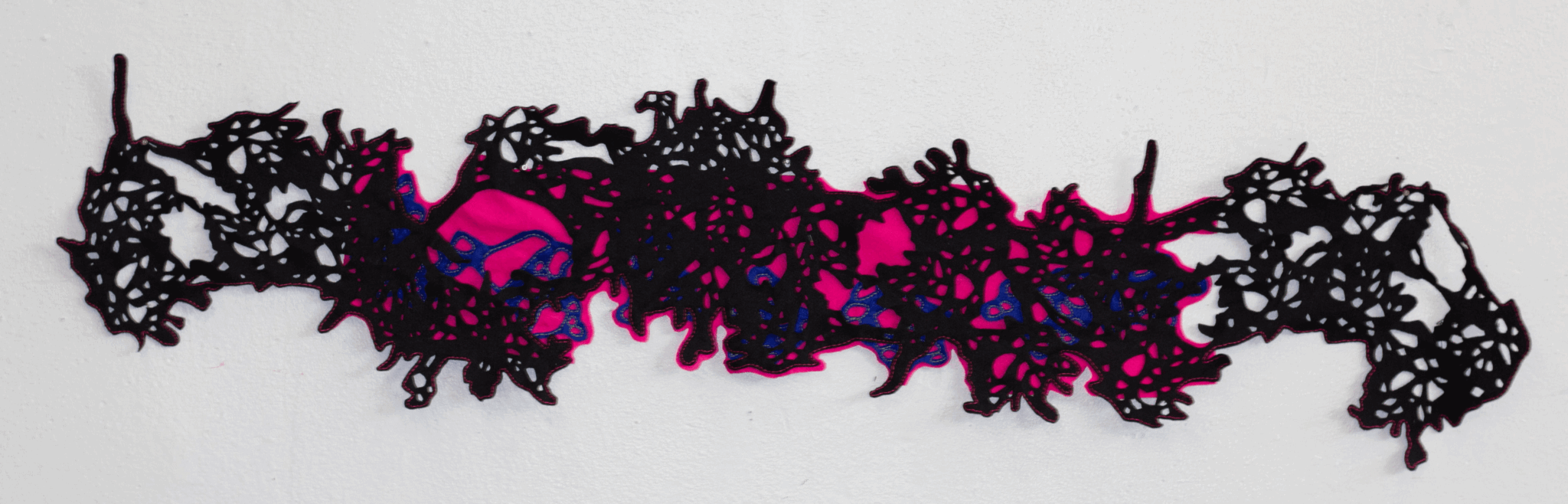
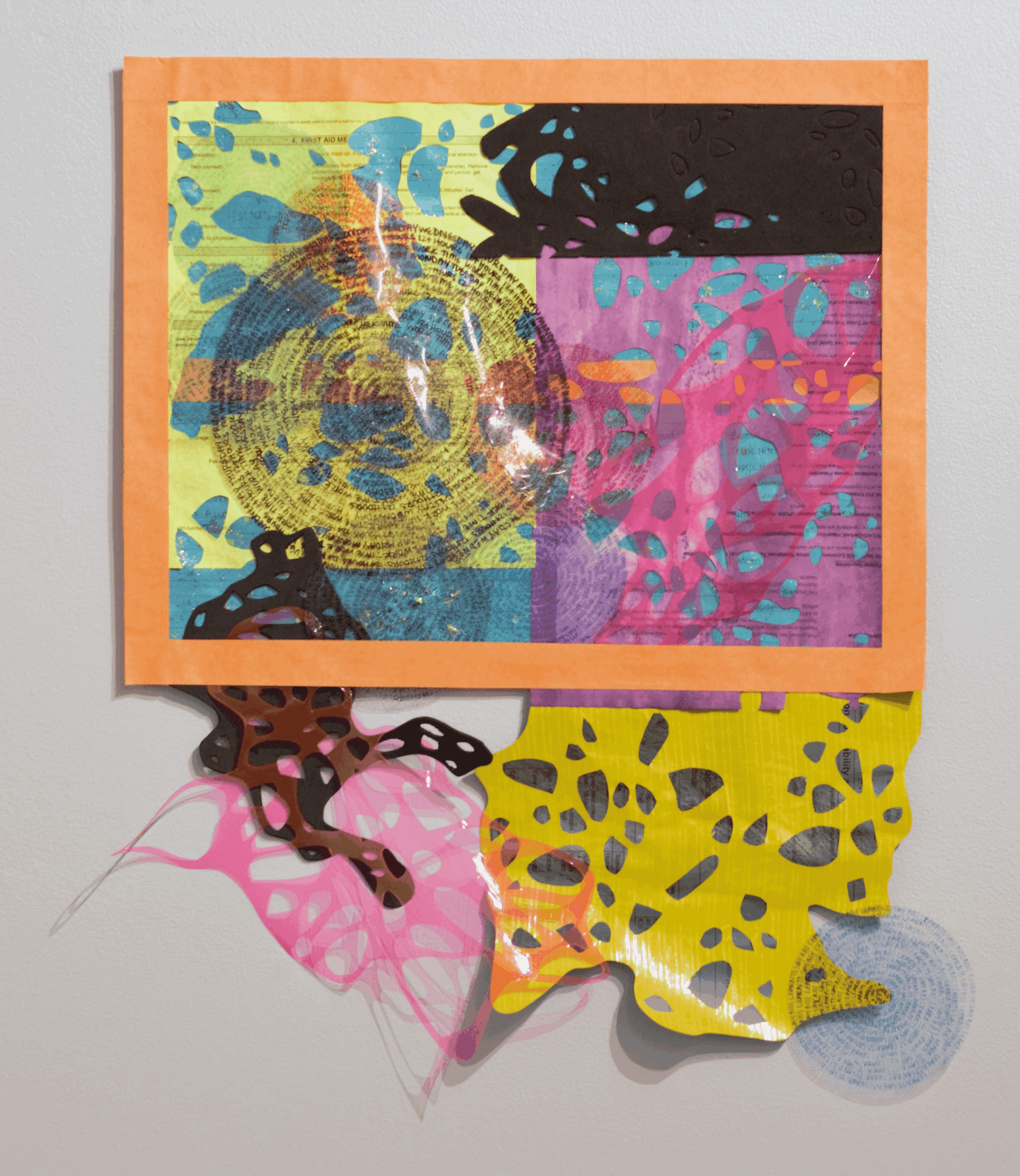
Image Credits
Alicia Quijano