

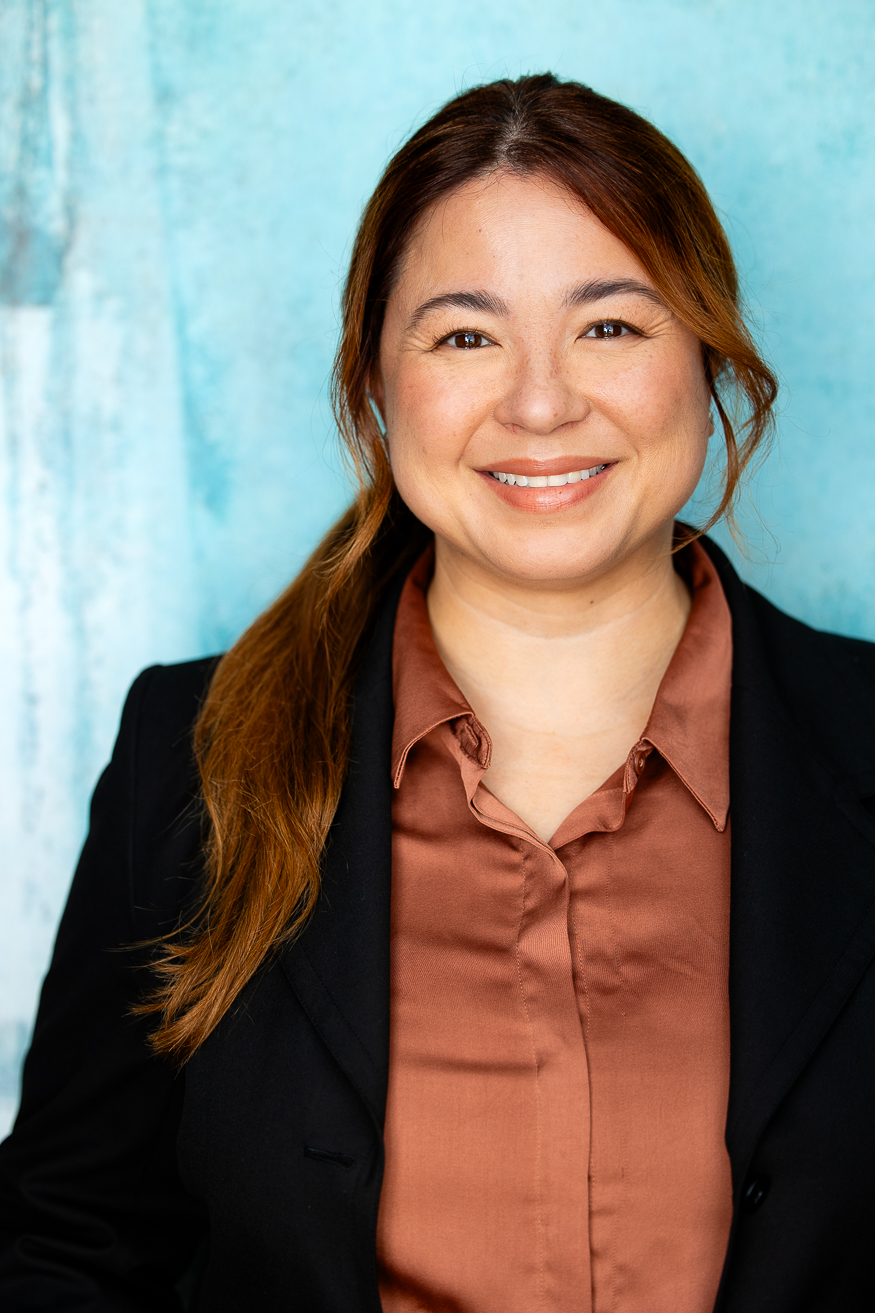

We caught up with the brilliant and insightful Alicia Borja a few weeks ago and have shared our conversation below.
Alicia, thanks for joining us, excited to have you contributing your stories and insights. We’d love to have you retell us the story behind how you came up with the idea for your business, I think our audience would really enjoy hearing the backstory.
Desert Waves started at a point in my life where I was stepping away from serving in the military and back into who I really am as a creative. I was acting again, writing, immersing myself in the film community, and what I saw in Las Vegas was undeniable talent, but not enough infrastructure to truly support and connect it.
And I’m the kind of person who, when I see a gap like that, I don’t just talk about it, I build something to fill it.
So what started as a simple idea, bringing creatives together, quickly evolved into something much bigger. I wasn’t interested in creating just another film festival. I wanted to build a platform that was accessible, community-driven, and actually useful to artists at different stages of their careers.
That’s why Desert Waves is more than screenings. It’s collaboration, it’s networking, it’s live experiences, it’s music. It’s a creative ecosystem.
And strategically, it made sense. Vegas has its own voice and energy, and instead of trying to replicate established festivals, I leaned into the vibe of the city. I built something that reflects the culture: bold, creative, and a little unconventional.
What excites me most is that it’s working. People aren’t just attending, they’re connecting, they’re creating together, they’re coming back!
That’s how I knew this wasn’t just a good idea.
It was a necessary one.
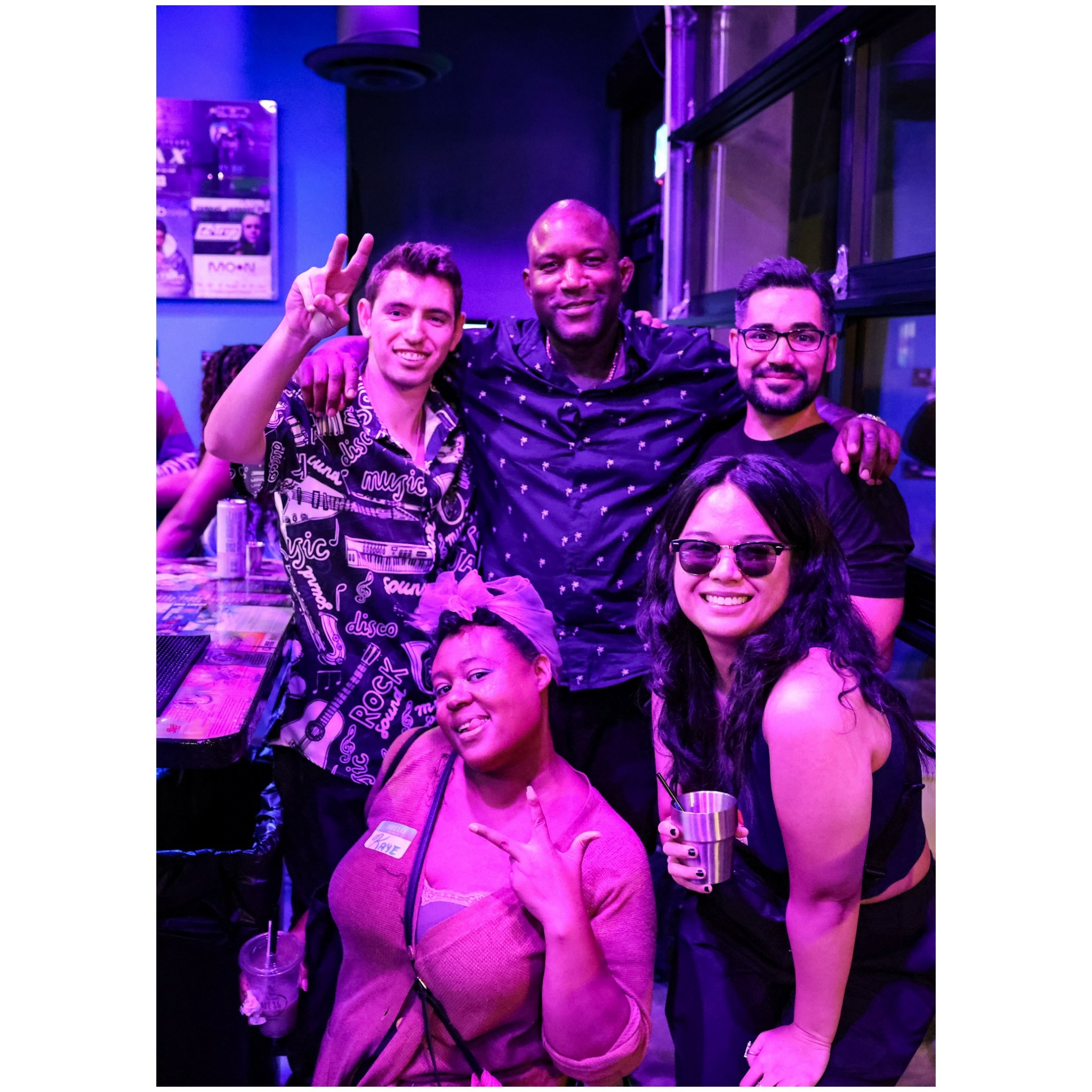
Alicia, before we move on to more of these sorts of questions, can you take some time to bring our readers up to speed on you and what you do?
I’m a filmmaker, actress, and the founder of Desert Waves Film & Music Festival. But, more than anything, I’m someone who’s always been drawn to storytelling.
My path here wasn’t linear. I spent over a decade in the military, primarily in law enforcement, and for a long time, that was my world. When I transitioned out of active duty and into the reserves, I found myself in a space where I had to really reevaluate everything. What I wanted, who I was outside of that structure, and what actually brought me joy. And for me, that kept leading back to the arts. Writing, acting, creating… it was always there; I had just pushed it onto the back burner.
Choosing to pursue that was a huge leap. There wasn’t a clear roadmap, but I trusted it and I trusted myself.
As I started building my footing in the film community here in Las Vegas, I immersed myself in everything I could, working with other creatives, attending festivals, collaborating, and I started to notice a pattern. There’s incredible talent here, but it can feel fragmented. People are creating, but they’re not always connected, and access to opportunities isn’t always easy, especially for emerging artists.
That realization stayed with me.
Desert Waves came from that space. It wasn’t just about creating a festival; it was about creating something I felt was missing. A space where creatives could not only showcase their work, but also connect, collaborate, and grow.
So what we’ve built is more than an event; it’s a creative ecosystem. We host screenings, filmmaker challenges, networking events, workshops, and we’ve expanded into music because all of these art forms naturally intersect. The goal is to give artists real opportunities to build momentum, not just have a one-time moment.
The problem we’re solving is access, connection, and infrastructure. A lot of creatives have the talent, but not always the platform or the community to support their growth. Desert Waves helps by being approachable and genuinely supportive.
I think what sets us apart is that we lead with intention. We’re not focused on exclusivity or gatekeeping. We’re focused on building something that feels genuine. There’s a strong emphasis on community over competition, while still maintaining a high standard of work. That balance matters to me.
On a personal level, I’m still creating as well. I write, act, and develop my own projects. Many of which are rooted in lived experiences. Storytelling, for me, is always about connection and truth.
What I’m most proud of is the impact we’re already seeing. When people come to the festival and leave with new collaborators, new ideas, or even just feeling more confident in themselves…that’s everything. That’s the reason this exists.
What I want people to know about me and my work is that I move with intention. I don’t create just to create, I build things that I believe in, things that serve a purpose.
And this is just the beginning.
Can you talk to us about how you funded your business?
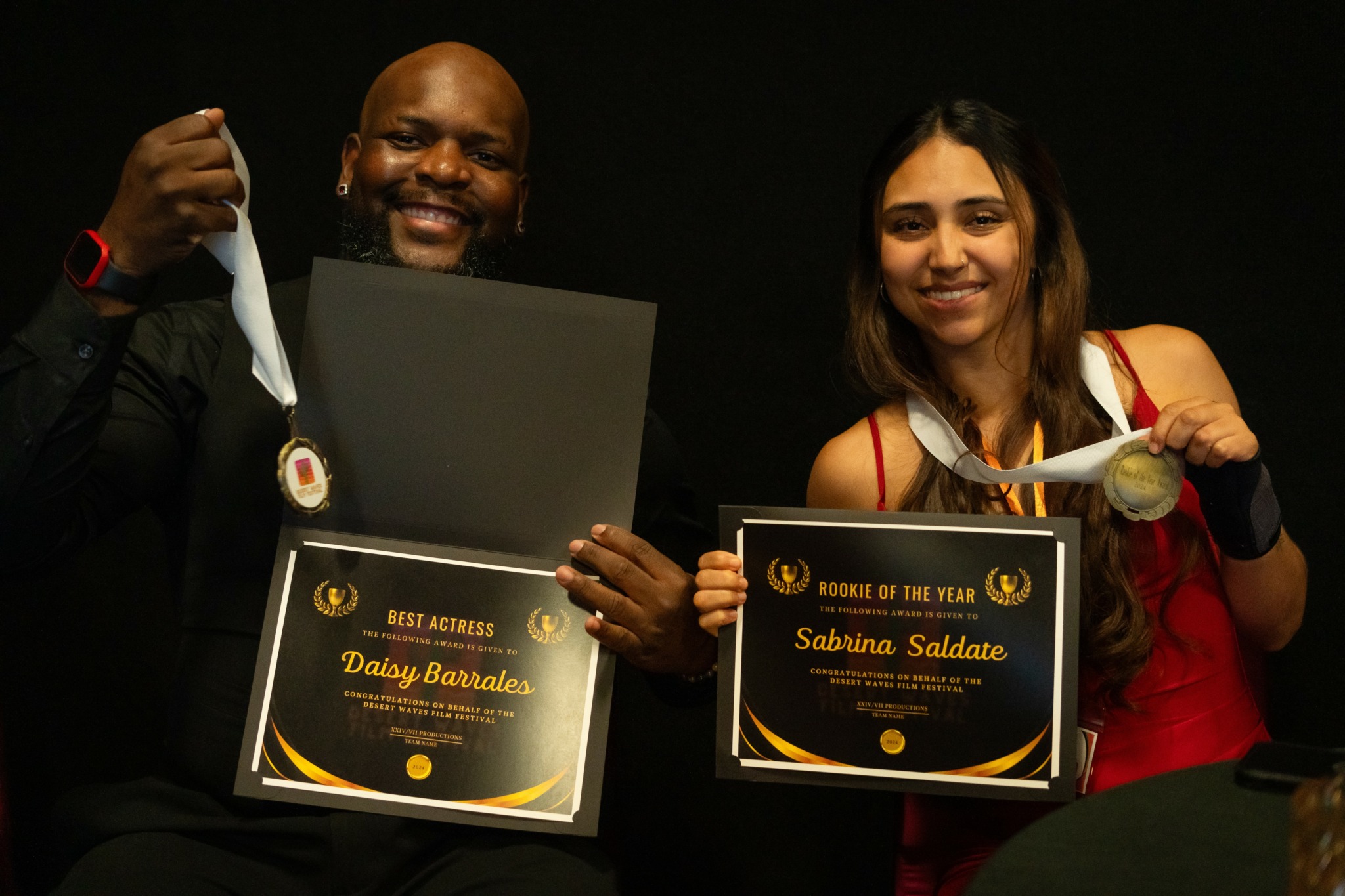
When I started Desert Waves, my team and I had zero outside funding. Literally nothing in the bank. It was just the four of us, who were passionate about creating a space for filmmakers and musicians. We each chipped in about $400 to get the festival off the ground. That was our seed money. Enough to cover the basics, and it was a real leap of faith.
The first year was all about figuring out how to make it work. We relied on submissions and ticket sales, and by the end, we had broken even. I actually offered to pay back the initial contributions. But everyone insisted it was a donation, because we were all invested in the idea, not just the money. That really set the tone for what Desert Waves would be: a labor of love first, a business second.
Since then, the festival has grown organically. Each year, we’ve been able to reinvest the proceeds from submissions and ticket sales, expanding what we offer and building a stronger community. This year marked a milestone for us. We brought in our first round of financial sponsors, which has allowed us to grow even more, offer more programming, and continue supporting local and emerging artists.
It’s been incredibly rewarding to see how something that started with four people pooling $400 each has turned into a thriving, sustainable festival. It’s proof that passion, collaboration, and smart planning can take you a long way, even when you start with almost nothing.
How did you build your audience on social media?
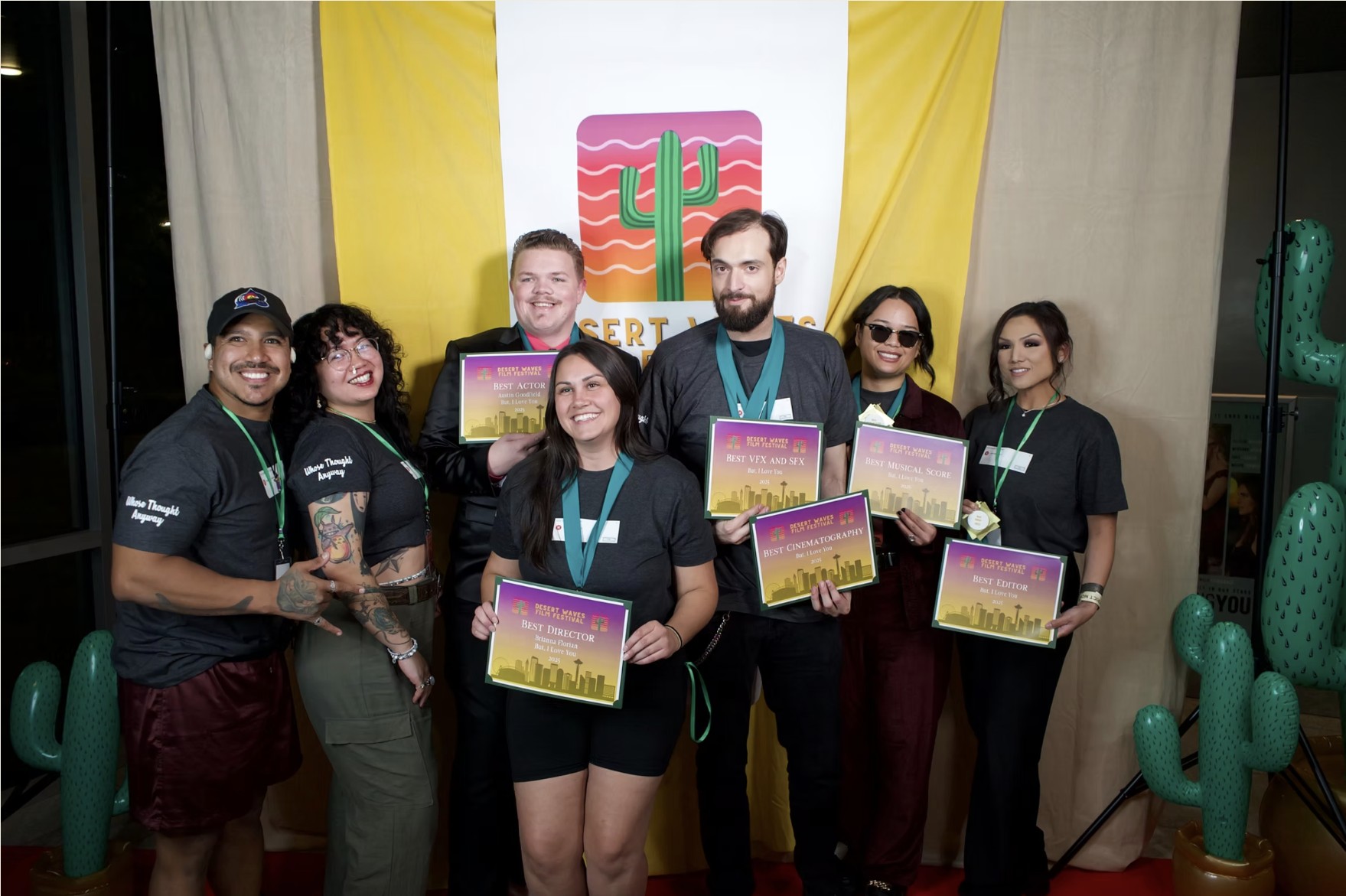
Building our audience has always been about authentic engagement. We share funny and informative skits, go live for workshops and Q&As, and host mixers and meetups that give people a real sense of community.
We also show up for other festivals and filmmakers. Sharing those experiences allows our audience to see we’re part of the larger creative world. That transparency and genuine enthusiasm really resonate.
For anyone just getting started, my advice is simple: engage before you broadcast. Provide value, celebrate others, and let your personality shine. Social media works best when it’s a conversation, not a monologue.
Contact Info:
- Website: https://www.desertwavesfilmfest.com
- Instagram: https://www.instagram.com/desertwavesfilmmusicfestival
- Facebook: https://www.facebook.com/people/Desert-Waves-Film-Festival/61562650746360/
- Youtube: @DesertWavesFest
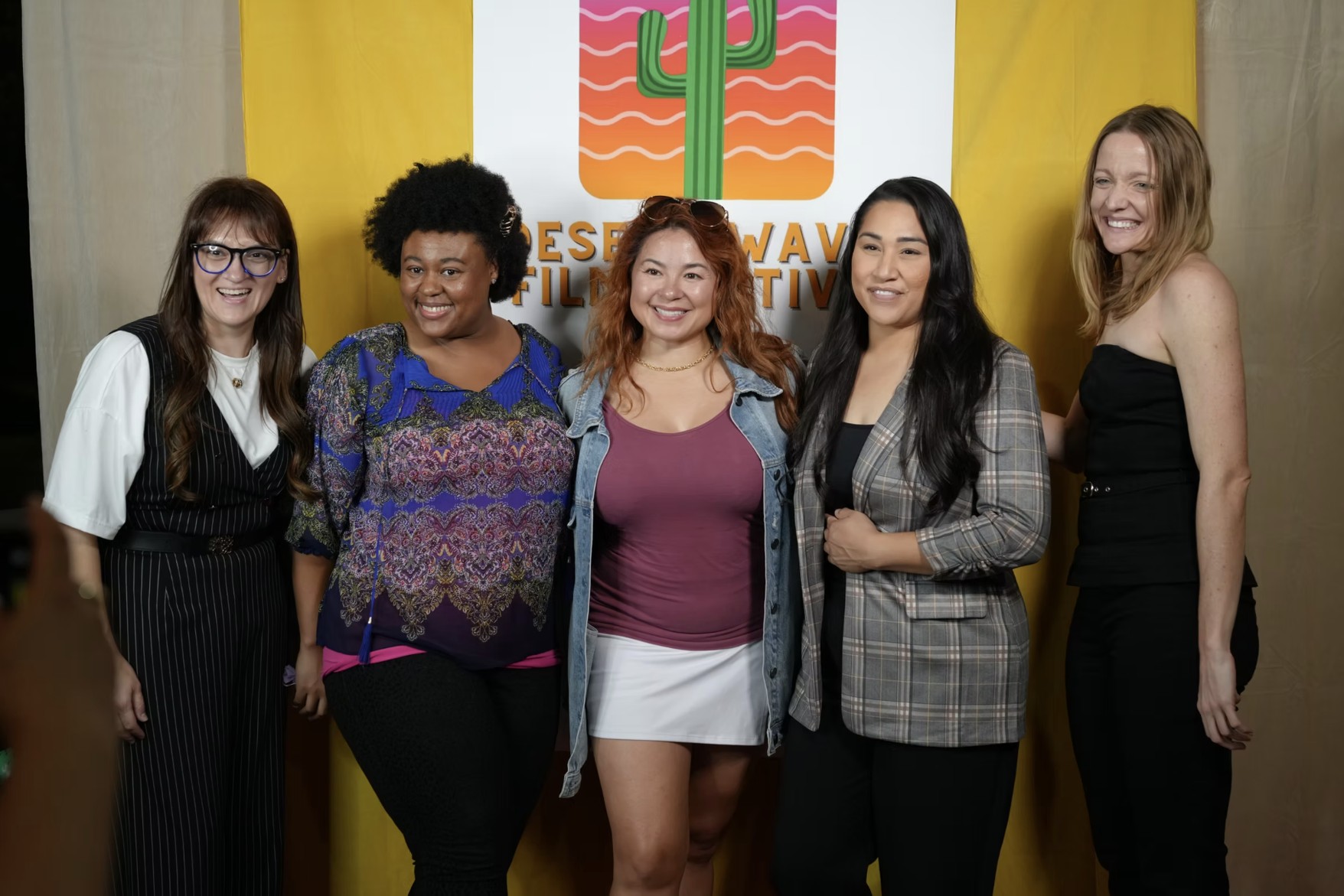
Image Credits
Image 1 was taken by Karim Singleton.
Image 2 was taken by Angel Contreras
Image 3 was taken by Angel Contreras
Image 4 was taken by Alicia Borja
Image 5 was taken by Hannah Utecht
Image 6 was taken by Hannah Utecht
Image 7 was taken by Hannah Utecht