

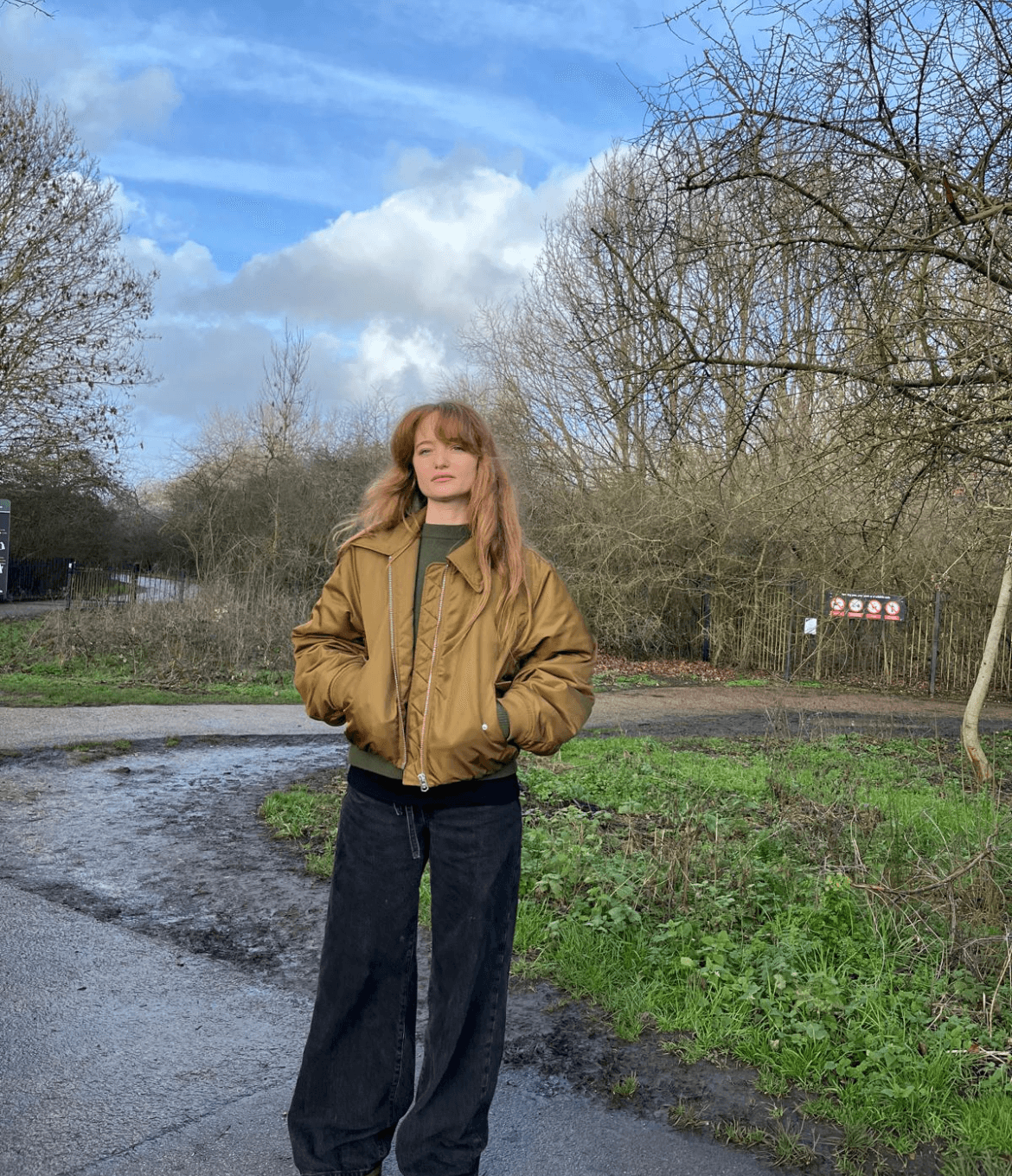

We’re excited to introduce you to the always interesting and insightful Alice Partridge. We hope you’ll enjoy our conversation with Alice below.
Alright, Alice thanks for taking the time to share your stories and insights with us today. How did you come up with the idea for your business?
I had been working as a Nanny for about ten years, from the age of 18 to 28, caring for children in many different families. Around that same time, I was also on a very personal journey of recovery and self-discovery. I had been in 12-step recovery for several years, working with a therapist, and doing a lot of inner work. Slowly, I began to notice something that, at the time, felt like a profound realization: the way I showed up in my work was directly connected to the work I was doing on myself.
One moment that stayed with me happened while I was working for the general manager of the makeup brand Charlotte Tilbury. I picked up a business book from her bookshelf and came across a passage describing the link between a person’s mental, emotional, and even spiritual wellbeing and their professional success. It struck me deeply. It validated something I had already been sensing: who we are internally shapes how we show up in every professional role we hold.
A few years later, while working for a family in Notting Hill, I had a moment that truly shifted everything. I was speaking to the three-year-old boy I cared for when I suddenly caught myself reacting exactly like my own mother used to. I became aware of it in real time, almost like waking up from autopilot. In that moment, I realized how easily unconscious childhood patterns can pass from one generation to the next, even through someone in a caregiving role like a Nanny.
At the same time, my parents had become legal guardians to my twin brother’s young children, and as adults we suddenly found ourselves watching our parents raise children again. It felt like having a front-row seat to the dynamics that had shaped our own childhood. That period was incredibly triggering and emotionally challenging, but it also deepened my understanding of how powerful and formative early caregiving relationships truly are.
Over time, all of these experiences began to weave together: my recovery, my spiritual growth, my professional work with children, and my reflections on family patterns. I started to see nannying not just as childcare, but as a role that carries enormous emotional and psychological influence. If caregivers are not aware of their own patterns, those patterns inevitably shape the children they care for.
That realization became the foundation for The Conscious Nanny. My mission is to help caregivers understand that their inner world matters, that self-awareness, healing, and emotional responsibility are essential parts of raising children. When Nannies are supported to do that inner work, they do not just become better caregivers, they help raise children in a more conscious and emotionally healthy way.
For me, this is not just an idea, it is something I have lived. The more I speak about it, the more I meet Nannies and parents who recognize the same truth. That is when I knew this was not just a personal insight, it was something that could help others too.
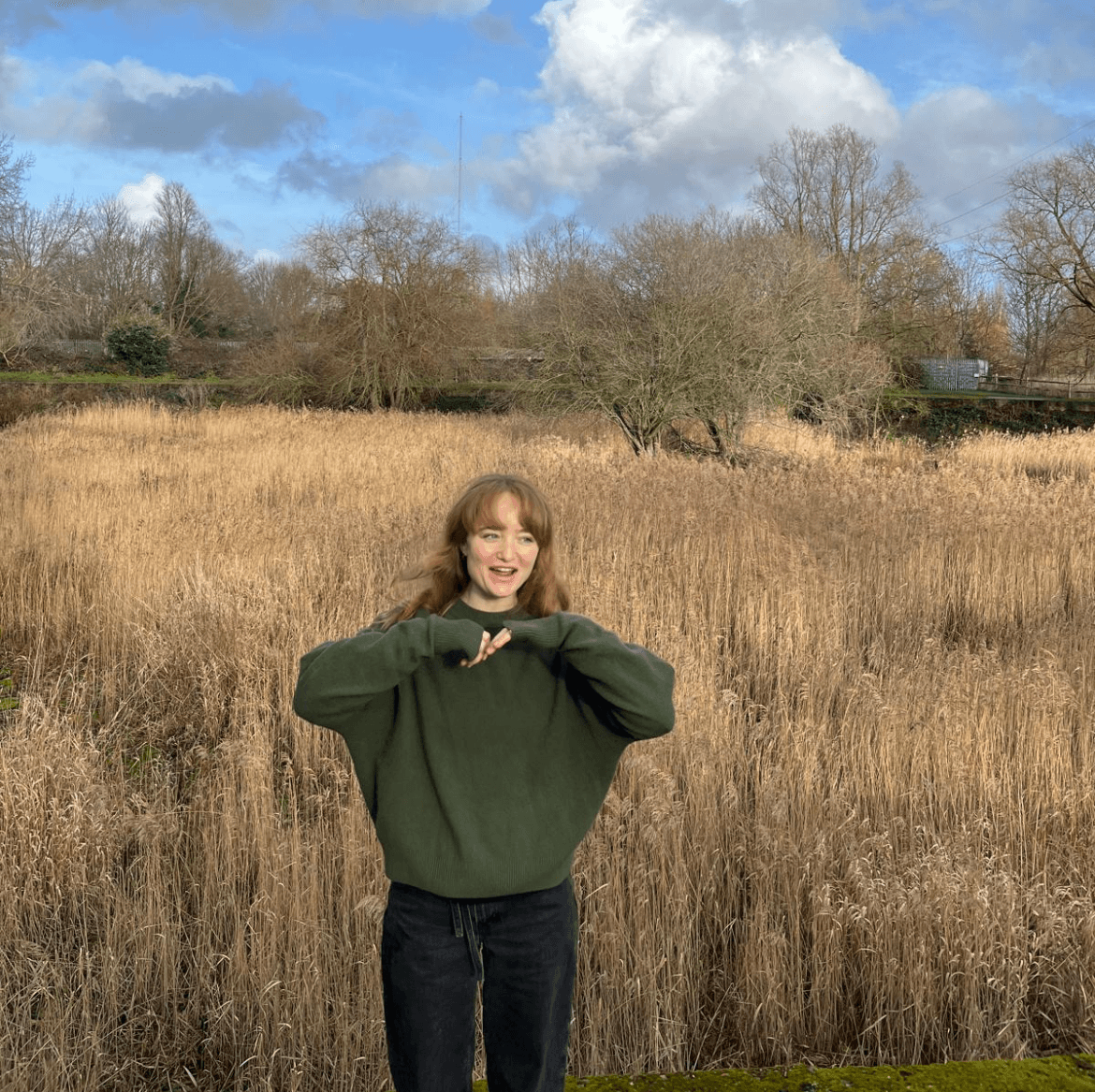
Great, appreciate you sharing that with us. Before we ask you to share more of your insights, can you take a moment to introduce yourself and how you got to where you are today to our readers.
My name is Alice Partridge, and I am the founder of The Conscious Nanny, which is now evolving into The Conscious Nanny School-the vision I have held in my heart from the very beginning. What started as a personal mission to bring greater awareness into childcare is now becoming an educational platform, philosophy, and community dedicated to helping professional Nannies understand that working with children can be one of the greatest catalysts for personal healing, growth, and societal change.
I am a 33-year-old Nanny, mentor, and advocate from the Isle of Wight, England. For the past 15 years, I have worked as a professional Nanny, caring for children across a wide range of family dynamics and environments. Alongside my professional journey, I have also undergone a profound personal transformation through therapy, self-development, and 12-step recovery. Those experiences taught me how to build a healthier relationship with myself, cultivate emotional awareness, and live with greater balance and purpose. Over time, I realized that the same principles that transformed my own life could also transform the way we care for children.
One of the most defining moments in my journey happened five years ago when my parents became legal guardians of my brother’s two young children. Overnight, my mother went from being a grandmother to becoming a full-time parent again at the age of 61. The transition was incredibly difficult, and she struggled with depression as she navigated this unexpected chapter of life.
At the time, I was working in London as a highly sought-after Nanny, caring for children in affluent households. Watching my mother struggle while I was professionally supporting other families was deeply impactful. Then one day she said something that changed everything: “I want to do it differently, Alice, and I need your help.”
That moment became the beginning of a remarkable journey of healing-not only for my mother and the children but for our entire family. Together, we began exploring healthier ways of communicating, connecting, and raising children. It required vulnerability, humility, and a willingness to reflect on generational patterns. My mother’s openness to learning and growing created space for conversations we had never been able to have before. It brought us closer together and showed me firsthand how powerful conscious caregiving can be.
That experience planted the seed for what would eventually become The Conscious Nanny School.
Today, I work with professional Nannies who are looking for guidance, support, and a deeper understanding of their role. I help them navigate everything from difficult family dynamics and misaligned parenting philosophies to professional confidence, self-worth, and career growth. I also support parents who want to create more conscious, connected relationships with their children.
What makes my work different is that I am not simply teaching childcare techniques. I am inviting caregivers to look inward. My belief is that the inner world of the adult inevitably influences the inner world of the child. The more self-aware, emotionally regulated, and healing we experience, the more we create environments where children can thrive.
The concept of “Conscious Nannying” is still new, and there are very few people exploring it in the way I do. My approach combines professional childcare expertise with emotional intelligence, personal growth, nervous system awareness, and a deep respect for the individuality of each child. I believe children are not possessions or projects to be managed. They are unique souls on their own journey, and our role is to guide, support, and nurture them-not control them.
One of the things I am most proud of is the way I relate to children. Over the years, I have developed the ability to remain curious, compassionate, and open-hearted, even in challenging situations. I do not view a child’s behaviour as “bad.” Instead, I see behaviour as communication. My first question is always: “What is this child trying to tell me?” That perspective has transformed not only my work but also the relationships I build with families.
A milestone that I am particularly proud of was being invited to deliver a keynote speech at the UK Nanny Awards. Standing on that stage and sharing my personal story-including many of the challenges and traumas that shaped me-was both terrifying and empowering. It was a moment that affirmed the importance of speaking openly about the deeper emotional realities of caregiving and personal transformation.
Ultimately, my mission is simple: I want to help raise the standard of childcare by helping raise the consciousness of the adults caring for children. I believe that when caregivers go on a healing journey, children benefit. When children benefit, families become stronger. And when families become stronger, we contribute to creating a more conscious and compassionate future generation.
If there is one thing I want people to know about me and my work, it is that I lead with heart. Everything I teach, share, and create comes from a genuine desire to help children, support caregivers, and inspire a new way of thinking about what it truly means to nurture human potential.
My mission is for The Conscious Nanny School to reach far and wide and become a movement that transforms the way professional Nannies see themselves, their work, and their impact on future generations. My goal is to positively impact one million Nannies around the world by providing education, inspiration, and a deeper understanding of conscious caregiving.
I want to bring this conversation to larger audiences through podcasts, speaking engagements, and educational platforms because I believe the role of a Nanny is far more influential than society often recognizes. Nannies are not simply caring for children; they are helping to shape the emotional, relational, and psychological foundations of future adults.
More than anything, I hope to create a lasting ripple effect. If one Nanny becomes more conscious, self-aware, and connected, that positively impacts every child in their care. Those children then carry those experiences into their own relationships, families, and communities. My vision is for The Conscious Nanny School to become something much bigger than me-a philosophy and legacy that continues to inspire caregivers long after I am gone. I want the message to live on beyond my lifetime: that raising children with awareness, compassion, and respect has the power to change the world, one relationship at a time.
Have you ever had to pivot?
One of the most significant pivots in my journey came at a time when I thought everything was finally coming together.
I had invested heavily in learning about marketing and building the foundations of The Conscious Nanny School. Through a breathwork community, I connected with a potential business partner. She was a qualified breathwork practitioner, and I had the vision and framework for The Conscious Nanny. Together, we planned to create online courses and retreats for professional Nannies that would combine conscious caregiving with breathwork and personal development.
After months of collaborating remotely, we arranged to meet in person for the first time at a three-day workshop in Arizona. I travelled from the UK, and she travelled from Peru. On paper, it seemed like the next exciting step in building something meaningful together.
However, from the moment we met, I began experiencing a profound internal shift.
I am a highly intuitive person, and throughout my life I have learned to pay attention when something feels out of alignment. As the workshop unfolded, I found myself becoming increasingly anxious and disconnected from my usual sense of clarity and creativity. Looking back, I can see that I was standing on the edge of another major transformation.
There is a saying that business is one of the greatest personal development journeys you can undertake, and I believe that to be true. Every time we expand, we are often confronted by the parts of ourselves that still need healing, strengthening, or releasing. At the time, I was learning these lessons intellectually while simultaneously living them in real time.
What became clear to me during that trip was that this was not a person I trusted to build a long-term business with.
It was an incredibly difficult realization because I had invested significant time, energy, money, and hope into the partnership. There was also a practical challenge: she possessed qualifications and expertise that I did not have, meaning some of the plans we had developed relied on her involvement.
Yet deep down, I knew I had to honour what my intuition was telling me.
Making the decision to walk away felt like a huge setback. For a period of time, I genuinely questioned whether The Conscious Nanny School would ever become a reality. I wondered whether people would understand the vision I was trying to bring into the world and whether I was capable of carrying it forward on my own.
At the same time, I was being confronted with another truth. As someone who advocates for wellbeing, emotional awareness, and self-care, I realized I was no longer fully practising what I preached. I was pushing forward despite clear signs that I needed rest, support, and healing.
The greatest pivot wasn’t actually ending the business partnership-it was choosing myself.
I stepped away from the business for several months to focus on my own wellbeing. I gave myself permission to slow down, recalibrate, and reconnect with the foundations of my physical, emotional, and spiritual health. I focused on meeting my basic needs, seeking support, and rebuilding from a place of alignment rather than pressure.
That period taught me a lesson I will carry for the rest of my life: I cannot create from emptiness. I cannot build a conscious movement while abandoning my own consciousness. The mission and the messenger must be cared for equally.
What I learned from that experience is that there is no deadline on purpose. We live in a world that constantly pushes urgency, but meaningful work often unfolds in its own timing. Sometimes the most productive thing we can do is pause, listen, and trust that what is meant for us is still unfolding behind the scenes.
The experience also helped me understand that bringing a new concept into the world will naturally be met with resistance. Not everyone will immediately understand the vision, and that’s okay. Every meaningful movement begins as an idea that only a few people can see before it becomes something larger.
Today, I look back on that chapter with gratitude. What felt like a breakdown at the time was actually an invitation to deepen my own healing and expand my capacity. It strengthened my trust in myself, reinforced the importance of alignment over ambition, and reminded me that the path to creating lasting impact is rarely linear.
Most importantly, it taught me that every challenge carries an opportunity for growth. Whenever I encounter another period of uncertainty or transformation, I no longer see it as evidence that I am on the wrong path. Instead, I see it as an invitation to evolve into the next version of myself so that I can carry my mission with greater wisdom, resilience, and heart.
How do you keep your team’s morale high?
Although I don’t manage a large corporate team, I have spent the last 15 years working within family homes, collaborating with parents, household staff, educators, and other caregivers. Through those experiences, I have learned that whether you’re leading a team, a family, or a community, people thrive when they feel seen, valued, and safe.
My biggest piece of advice for maintaining high morale is to remember that every person brings their whole self to work. Behind every role and job title is a human being with their own hopes, challenges, insecurities, and life experiences. When leaders focus solely on performance and forget the person, morale inevitably suffers.
I believe great leadership starts with curiosity rather than judgment. If a team member is struggling, my first instinct is not to ask, “What’s wrong with them?” but rather, “What might be happening for them?” That simple shift creates space for compassion, understanding, and meaningful solutions.
Communication is also essential. People want to feel heard. They want to know that their ideas matter and that their contributions are valued. Some of the strongest relationships I have witnessed, both professionally and personally, are built on honest conversations, mutual respect, and a willingness to listen.
Another important lesson I’ve learned is that leaders set the emotional tone of the environment. Whether we realize it or not, our energy, behaviour, and emotional regulation have a ripple effect on the people around us. If a leader is constantly overwhelmed, reactive, or disconnected, that energy often spreads throughout the team. Conversely, when leaders prioritize their own wellbeing and lead with a regulated nervous system, authenticity, and integrity, they create an environment where others feel safe to do the same.
I also believe that appreciation is one of the most underutilized leadership tools. People want to know that their efforts matter. Genuine recognition can have a profound impact on morale and motivation. It doesn’t have to be grand gestures; often it’s the small moments of acknowledgment that make the biggest difference.
Perhaps most importantly, I think high-performing teams are built on trust, not fear. People do their best work when they feel empowered rather than controlled. When individuals are trusted, supported, and encouraged to bring their unique strengths to the table, they become more engaged, creative, and invested in the collective vision.
At the heart of my philosophy is the belief that leadership is not about managing people; it’s about creating the conditions in which people can thrive. Whether I am working with children, supporting professional Nannies, or collaborating with adults, the principles remain the same: lead with empathy, communicate with honesty, stay curious, and never underestimate the power of making people feel genuinely seen and appreciated.
For me, maintaining morale isn’t about keeping people happy all the time. It’s about creating an environment where people feel connected to a shared purpose, supported through challenges, and inspired to grow. When people feel that sense of belonging and meaning, morale becomes a natural by-product of the culture you’ve created.
Contact Info:
- Website: https://theconsciousnanny.com/
- Instagram: https://www.instagram.com/theconsciousnannyschool?igsh=ODlidXlpcWd0ZzBp&utm_source=qr
- Facebook: https://www.facebook.com/share/195zMuzmVW/?mibextid=wwXIfr

Image Credits
Sophia Berger