

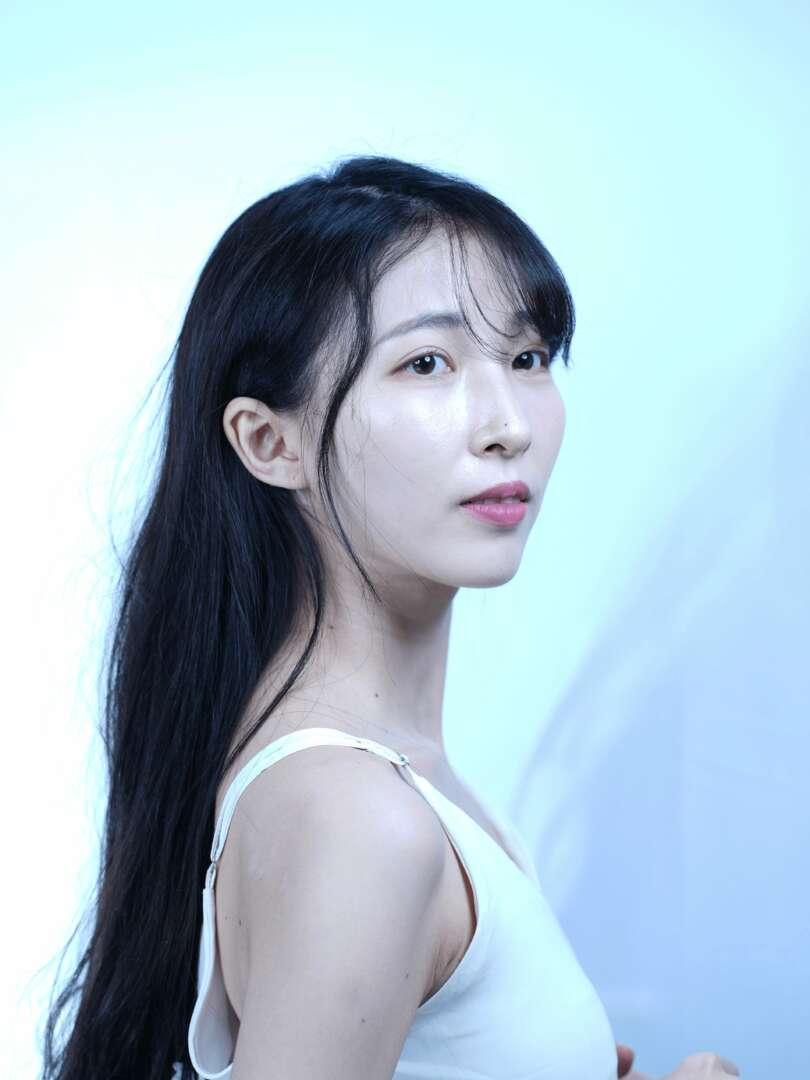

Alright – so today we’ve got the honor of introducing you to Alice Jihyun Kim. We think you’ll enjoy our conversation, we’ve shared it below.
Hi Alice Jihyun, thanks for joining us today. Can you recount a story of an unexpected problem you’ve faced along the way?
One of the most unexpected challenges I faced in my creative journey as a musical theater performer was during my debut performance as Tuptim in “The King and I” at La Commedia Theater in Ohio. Along with the usual pressures of preparing for a major role, I encountered an unexpected personal hurdle: I lost my appetite and realized that my lack of cooking skills was impacting my health and performance.
Landing the role of Tuptim was a significant milestone in my career, and I was determined to give my best performance. However, as the rehearsals intensified, I found myself so engrossed in perfecting my character that I neglected my basic needs, particularly nutrition. Being away from home and familiar food made it even harder. As someone who isn’t a good cook, I struggled to prepare meals, which led to a significant loss of appetite and energy.
The closer we got to opening night, the more my lack of proper meals began to affect me. I felt fatigued, had difficulty concentrating, and my voice wasn’t as strong as it needed to be. The stress of the upcoming performance only made it harder to eat, creating a vicious cycle.
Realizing the gravity of the situation, I decided to reconnect with my roots and learn to prepare Korean dishes that would bring back my appetite. I reached out to my family and friends back in South Korea for recipes and tips. With their guidance, I started to cook simple yet nourishing Korean meals, such as kimchi fried rice, bibimbap, and seaweed soup.
Experimenting with these recipes not only improved my cooking skills but also brought a sense of comfort and familiarity. The flavors and aromas of Korean food helped reignite my appetite and provided the necessary nutrition to sustain my energy levels.
With proper nutrition, I felt more vibrant and confident on stage. My performance as Tuptim was well-received, and I managed to hit all the right notes, both literally and figuratively. The experience of overcoming this personal challenge added depth to my character and made my debut even more memorable.
This experience taught me the importance of taking care of my body and the impact of nutrition on performance. It also highlighted the sense of community within the theater world, where colleagues support each other both on and off the stage. Overcoming this hurdle not only made me a better performer but also instilled in me the value of balanced living and the joy of reconnecting with my cultural heritage through food.
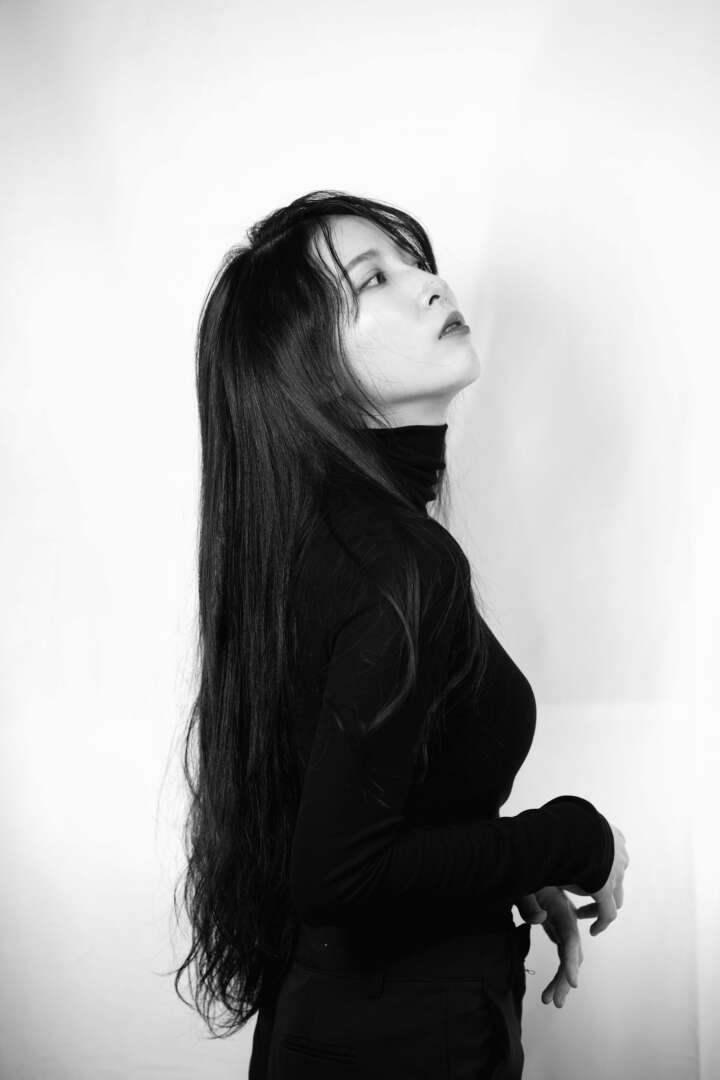
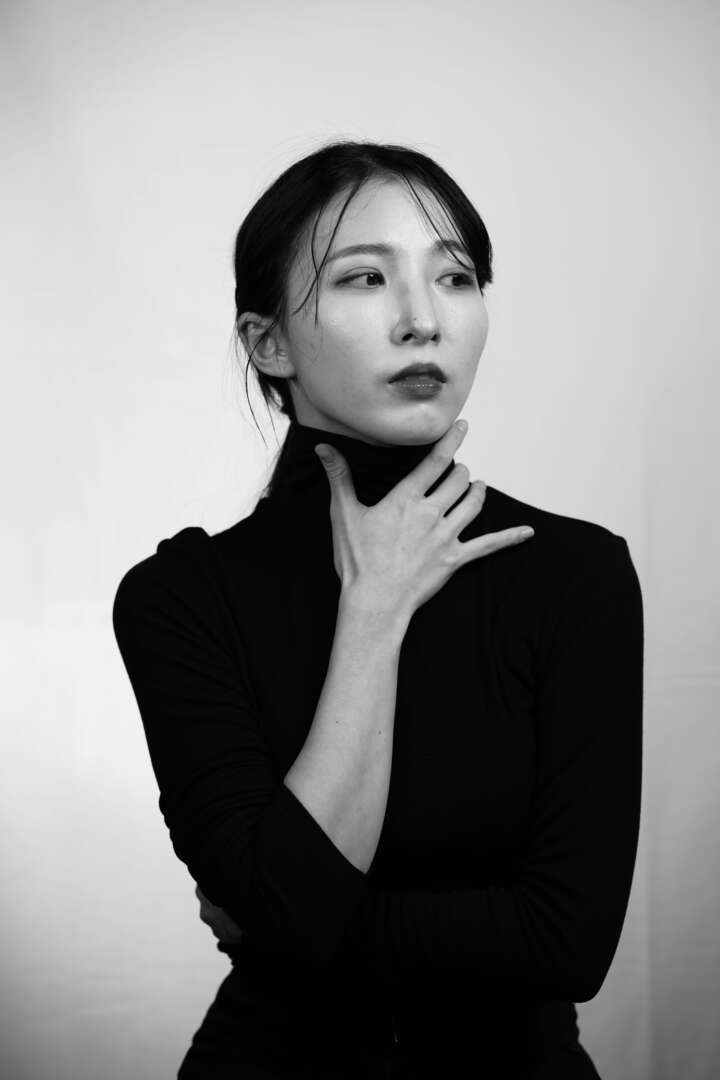
Great, appreciate you sharing that with us. Before we ask you to share more of your insights, can you take a moment to introduce yourself and how you got to where you are today to our readers.
About Me
My name is Alice Jihyun Kim, and I am a NYC-based performer and performing arts instructor. Originally from South Korea, I grew up in South Africa, which gave me a unique perspective and appreciation for diverse cultures. I specialize in teaching voice and K-Pop dance, including popular choreography such as BTS’s “Butter,” Aespa’s “Drama,” Le Sserafim’s “Perfect Night,” and Kiss of Life’s “Nobody Knows.”
Journey into Performing Arts
My journey into the performing arts was anything but conventional. I was a typical Asian girl, excelling in math and science during high school. Singing was just a fun pastime. When I was a junior in high school in South Africa, I wanted to audition for a school musical production of “Joseph and the Amazing Technicolor Dreamcoat.” Despite my Korean guardian’s disapproval, I auditioned and landed a role. On the night of my opening performance, my guardian hit me in front of everyone, a humiliating experience that solidified my resolve to pursue a career in the performing arts.
Career Highlights
Since then, I have performed in various productions, including:
Tuptim in “The King and I” in three different productions
April in “Company”
Amorette in “Holiday for Toys”
Martha in “Guys and Dolls”
Susan in “Company”
I also had the honor of singing at the New Year’s Concert at the Korean National Congress Capitol, a milestone that deeply connected me with my cultural heritage.
My passion for performing led me to NYC, where I continued to hone my craft. During the pandemic, I returned to Korea and discovered a love for teaching voice. This inspired me to pursue an M.F.A degree in musical theater vocal pedagogy at Boston Conservatory at Berklee.
What I Offer
I provide voice and K-Pop dance instruction to aspiring performers. My classes are designed to enhance vocal technique, stage presence, and dance skills, blending traditional musical theater training with contemporary K-Pop choreography. I strive to help my students find their unique voice and style, equipping them with the tools needed for a successful career in the performing arts.
My multicultural background and diverse experiences set me apart from other instructors. Having trained and performed in different parts of the world, I bring a global perspective to my teaching. I am dedicated to fostering a supportive and inclusive environment where students can explore their creativity and build confidence.
What I Am Most Proud Of
I am most proud of my resilience and determination to pursue my passion despite obstacles. The experience of being humiliated on stage only strengthened my commitment to the performing arts. I am also proud of my students’ achievements and their growth as performers. My journey is a testament to the power of perseverance and passion. Whether you are an aspiring performer or a fan of the arts, I am here to share my knowledge, experience, and love for musical theater and K-Pop. Together, we can explore the vibrant world of performing arts and create something truly special.

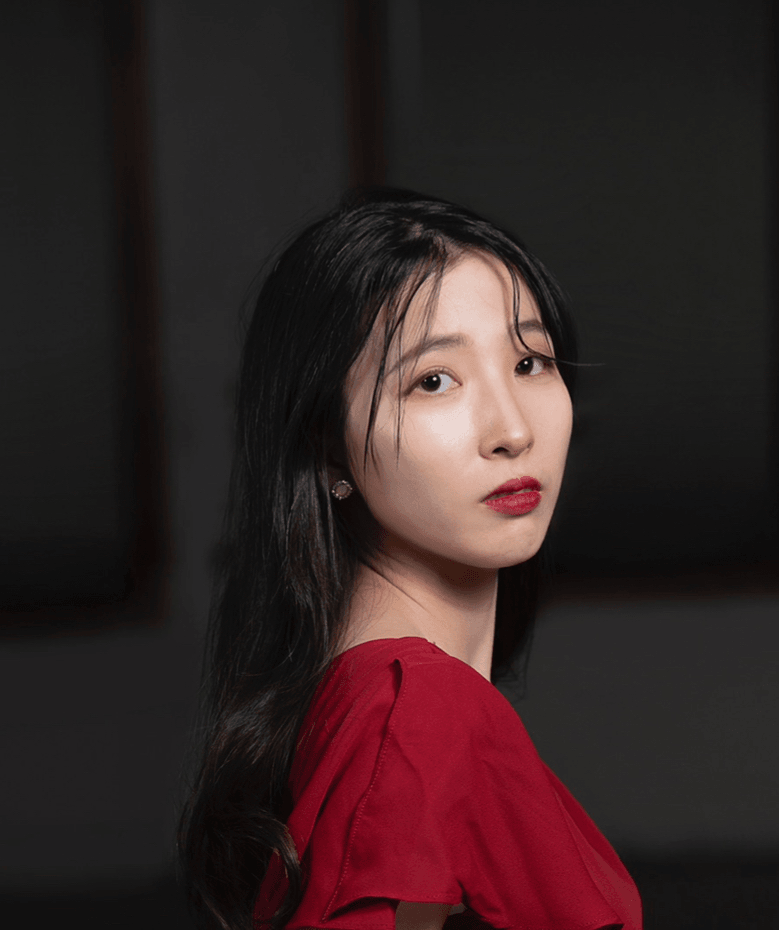
For you, what’s the most rewarding aspect of being a creative?
For me, the most rewarding aspect of being an artist and creative is the unique perspective it affords me to view the world. Being an actor allows me to step into the shoes of various characters, each with their own distinct lives, objectives, histories, and societal values. This constant shift in perspective means that my understanding of the world is always evolving and expanding.
Every role I take on challenges me to delve deeply into different human experiences and cultures. It pushes me to empathize with people from diverse backgrounds and circumstances, broadening my horizons and enriching my own life. Whether I’m portraying a historical figure, a contemporary character, or someone from a completely different cultural context, I gain insights that I might never have encountered otherwise.
This process of transformation and exploration keeps my work dynamic and engaging. It prevents me from becoming stagnant, as I am continually learning and growing. Each character teaches me something new, whether it’s about resilience, love, conflict, or the human condition. These lessons not only enhance my performances but also inform how I interact with the world and the people around me.
Additionally, working with different artists and creative teams for each show further expands my perspective. Collaborating with directors, choreographers, designers, and fellow actors exposes me to a multitude of artistic visions and approaches. Each collaboration is an opportunity to learn from others’ expertise and creativity, which enriches my own artistic practice. It also fosters a sense of community and shared purpose, as we work together to bring a story to life.
Moreover, acting allows me to communicate these diverse stories and perspectives to audiences. Through my performances, I have the opportunity to foster understanding and empathy in others, encouraging them to see the world through a different lens. This aspect of my work is incredibly fulfilling, as it underscores the power of storytelling in bridging gaps and connecting people across differences.
In essence, being an actor is a journey of perpetual discovery. It’s about continually expanding my worldview, both through the characters I portray and the creative minds I collaborate with, and sharing those discoveries with others. This constant growth and the ability to make a meaningful impact on audiences are what I find most rewarding about being an artist.


What can society do to ensure an environment that’s helpful to artists and creatives?
In my view, society can best support artists, creatives, and a thriving creative ecosystem by fostering an open-minded attitude and embracing both traditional and experimental forms of art. Here are a few key ways to do this:
Be Open-Minded
One of the most important things society can do is to be open-minded and receptive to new and diverse artistic expressions. This means being willing to step outside of comfort zones and explore different genres, styles, and perspectives that may challenge conventional norms.
Consume Experimental Theaters
Supporting new and experimental theaters is crucial. These theaters often push boundaries and introduce innovative ideas that can inspire broader societal change. By attending experimental performances, audiences can help sustain these creative spaces and encourage artists to continue exploring and innovating.
Embrace Change
Change is a constant in the arts. While it’s important to honor and preserve traditional values, it’s equally important to embrace change and evolution within the creative fields. This balance allows for a richer and more dynamic artistic landscape.
Support Artists with Positive Intentions
Supporting artists and theaters that intend to express love, kindness, and positive values is essential. Art has the power to heal, unite, and inspire, and backing those who use their creativity for good can amplify these positive effects.
Invest in the Arts
Financial support is also crucial. Governments, corporations, and individuals can contribute by funding grants, scholarships, and residencies for artists. This investment not only sustains artists’ livelihoods but also ensures the continued growth and diversity of the creative ecosystem.
Create Inclusive Spaces
Creating inclusive and accessible spaces for artists from all backgrounds is vital. Encouraging diversity in the arts enriches the cultural tapestry of society and ensures that all voices are heard and represented.
Promote Arts Education
Investing in arts education at all levels can cultivate a lifelong appreciation for the arts. Encouraging young people to engage with various art forms helps to nurture the next generation of creatives and informed audiences.
By adopting these approaches, society can create a supportive environment that allows artists to thrive and continue contributing to the cultural and emotional richness of our world.
Contact Info:


Image Credits
Hyunjae Joo