

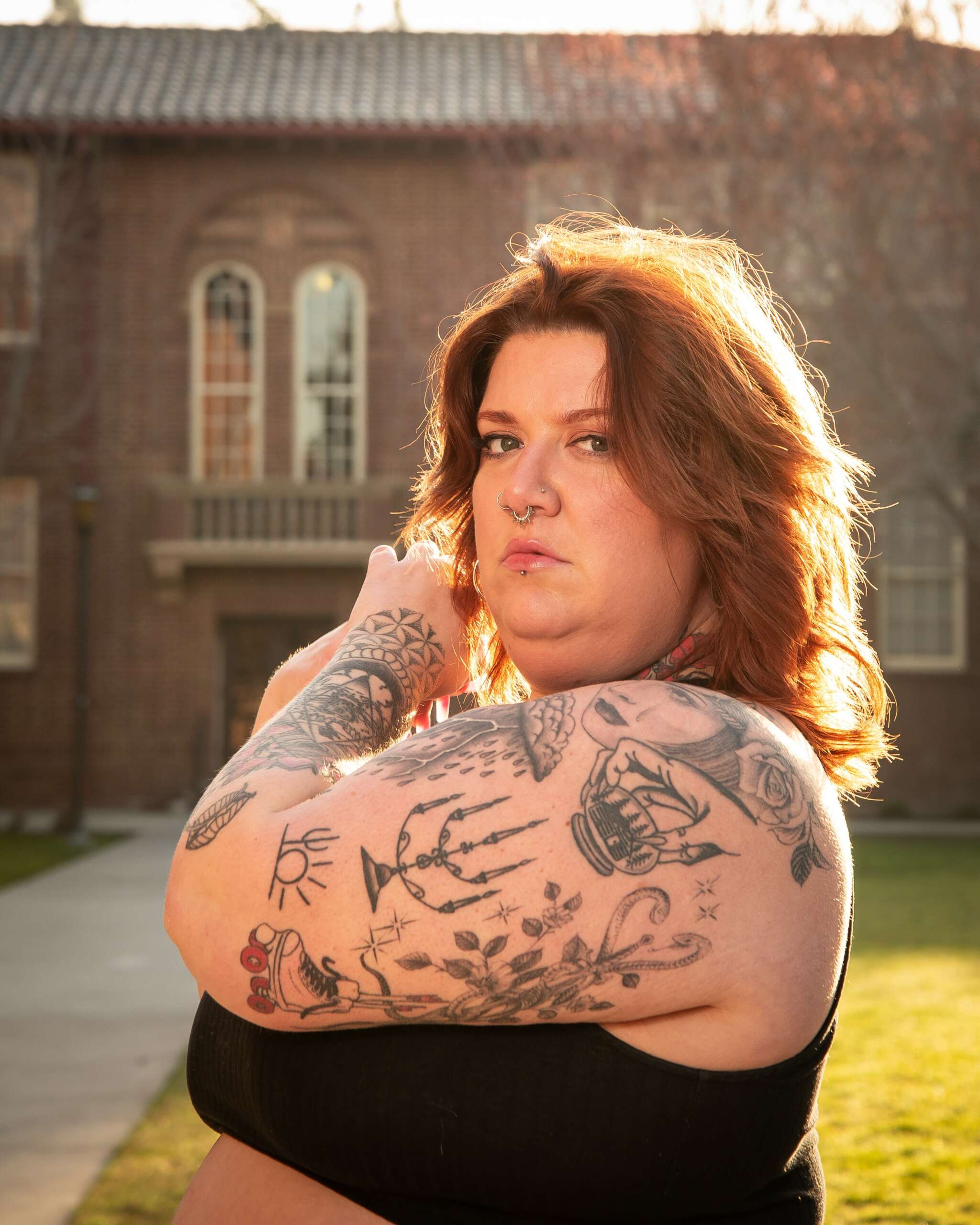

We’re excited to introduce you to the always interesting and insightful Alexandra Tiscareno. We hope you’ll enjoy our conversation with Alexandra below.
Alexandra, thanks for taking the time to share your stories with us today Can you tell us about a time that your work has been misunderstood? Why do you think it happened and did any interesting insights emerge from the experience?
When it comes to the topic of weight, I am no stranger to unsolicited thoughts and opinions regarding the size and shape of my body. Ever since I was a child, my body has been a discussion topic amongst family, teachers, and peers. I was curvier, taller, and larger than most children my age. Growing up in a family that is considered plus-sized, I was raised to know that my body was different. Throughout my life, I have spent countless hours navigating how people saw me and my body, and though I had plenty of experiences regarding my weight growing up what really launched me into a deep-seated hatred of my body was my experiences within the dance setting.
I began my rigorous dance training when I was nineteen years old in the fall of 2013, at Fresno City College in Fresno, California, and from the start my body was a topic of a lot of negative discussions. The department chair, who was also my ballet instructor and the chair of the performing group, would tell me on a daily basis that I was too fat to be a dancer. In most of his ballet classes that I was in the first year I was there, he would make fun of fat people doing ballet moves by “demonstrating” how fat dancers would look like doing them, while my peers would stand there and laugh. He would then take time to tell me that I was not welcome in that program because I was fat and until I lost the weight, I would never be taken seriously.
There were many incidents where he would tell peers to tell me how to properly starve myself before shows, the “almonds and ice” diet as they would call it. There were times when he would pull me aside and tell me that binging and purging would give me the results that I needed. And there were many times when I would lose opportunities in that program or have my eligibility threatened because I wasn’t losing the weight he thought I needed to lose.
He wasn’t the only one in that program who would make unnecessary comments about my weight. I would be told that “bigger bodies just can not look like the rest of the ensemble.” which is why I wasn’t cast in certain dance pieces. I was told “fat dancers would never be professional and that they should not be allowed in dance spaces.” and my all-time favorite from a director of a company that I was trying to get into, “fat dancers made companies look trashy”.
In 2018, I moved to the Bay Area, California for my undergrad, a move that I was very excited about because I thought this meant new beginnings. But, unfortunately, just like Fresno. I was met with a handful of fatphobic treatments. There were places where I took technique classes where the teachers would make comments about how they were shocked that I could move “so well” for my size. There were times when peers of mine would come up to me after classes and say that they could not believe that a “big girl like me could dance.” and that I was “brave” for putting myself out there. There are many times where people say “Oh, you dance? You don’t look like a dancer”. I’ve had directors tell me “Not all inclusion is good inclusion” when I ask why they don’t hire bigger dancers, and I’ve had dancers laugh in my face when I’ve gone to take advanced-level courses or shown up to auditions/workshops.
In one incident that is forever etched in my memory, during the 2020 lockdown, a director for a company that I was working for, reached out to me to discuss a situation that happened at an in-person audition she had the weekend prior. Not knowing what she meant, I immediately jumped into the meeting to assist her. She proceeded to tell me that two bigger-bodied dancers showed up to the open-call auditions she was hosting and she did not understand why they were there stating “Don’t they know this is a professional company audition?” She then asked me if “fat” dancers could do what other dancers could do, specifically saying, “They physically can’t look good, so you probably have to give them solos because they are incapable of matching the ensemble, right?”. I was in complete shock. I remember thinking to myself, “how is this conversation happening with someone who is highly revered for inclusivity within the Bay Area dance community?” so I asked her why she was asking me these questions and she said “Well, you are one of those dancers are you not?” It was at that moment that something in me snapped and I was furious.
For the next thirty minutes, I was put in a position where I was explaining to her that bigger-bodied dancers were dancers, and were capable of being a part of an ensemble. I had to tell her that just because they have bigger bodies, that did not negate them from being capable of what she needed them to do. What was a constant back and forth ended with her saying that they “just did not fit her vision.” which is something that I have heard countless times before when I was denied opportunities due to my size.
These microaggressions happen on a constant basis with people shocked and bewildered that we, bigger-bodied dancers, can actually dance. This is due to the belief that because one is bigger, one cannot be a dancer; Because one is fat, one cannot do what “normal size” dancers do. Being fat implies that one is unhealthy, unmotivated, and undesirable. Which brings to question, if one is fat and dances–how is that possible? Hence, when you have a bigger-bodied person who happens to dance, it is shocking and sometimes outrageous.
With companies and choreographers striving for more inclusive practices, very few are including/hiring bigger-bodied dancers, limiting the topic of inclusion to solely just ability. By excluding body type from the conversation of inclusion within dance, it alienates those who do not have a conventional classical body type thus hindering the advancement of inclusivity within dance in general. And, without advocating for body inclusion to be a part of the conversation, oppressive systems continue to go unchecked. And, while they keep operating with harmful standards, everyone—not just bigger bodies, suffer the consequences. Dance spaces cannot, in good faith, pride themselves in inclusion if bigger bodies are being excluded from participating within them. There is an active disconnect happening from their mission statements to actual representation.
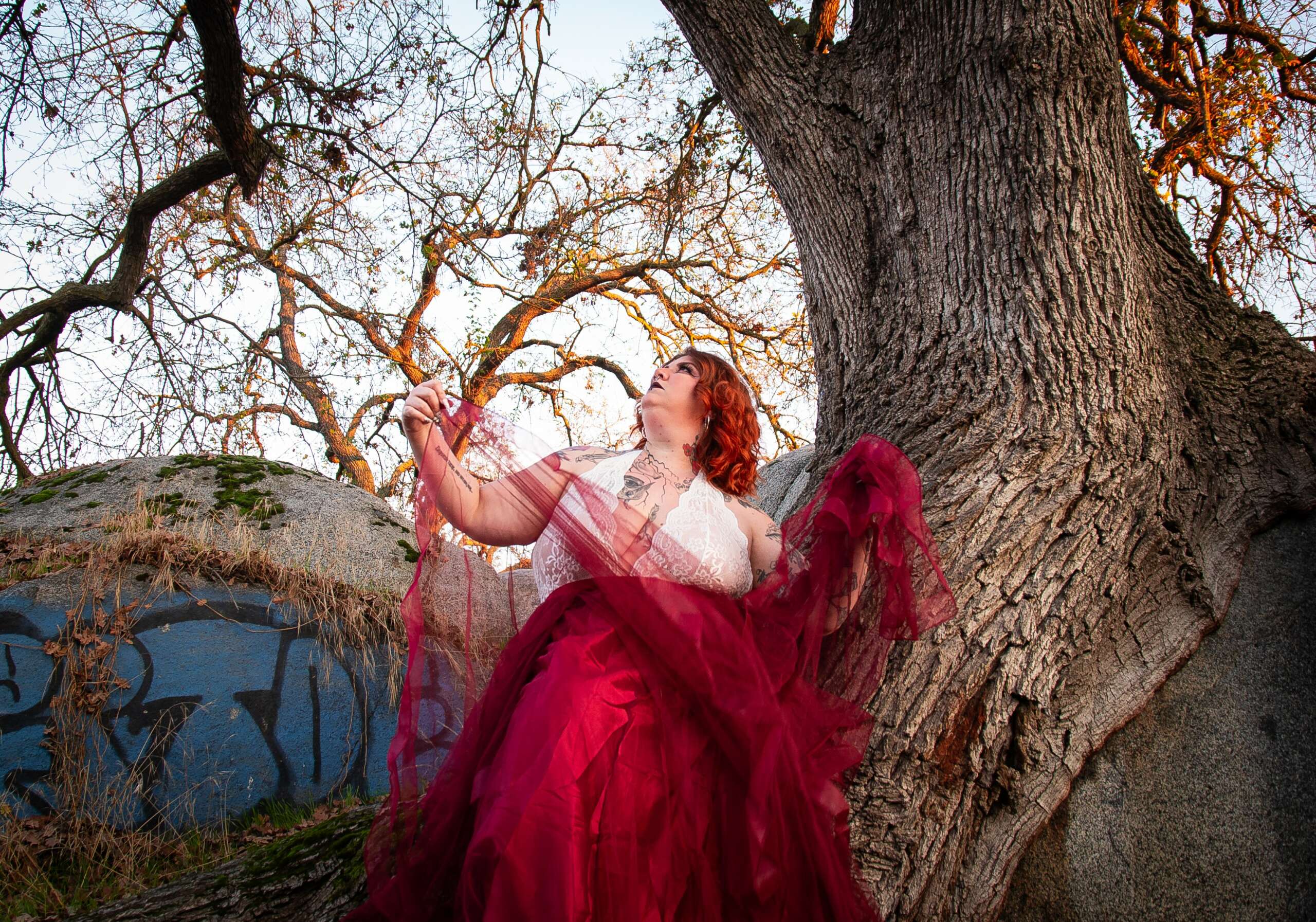
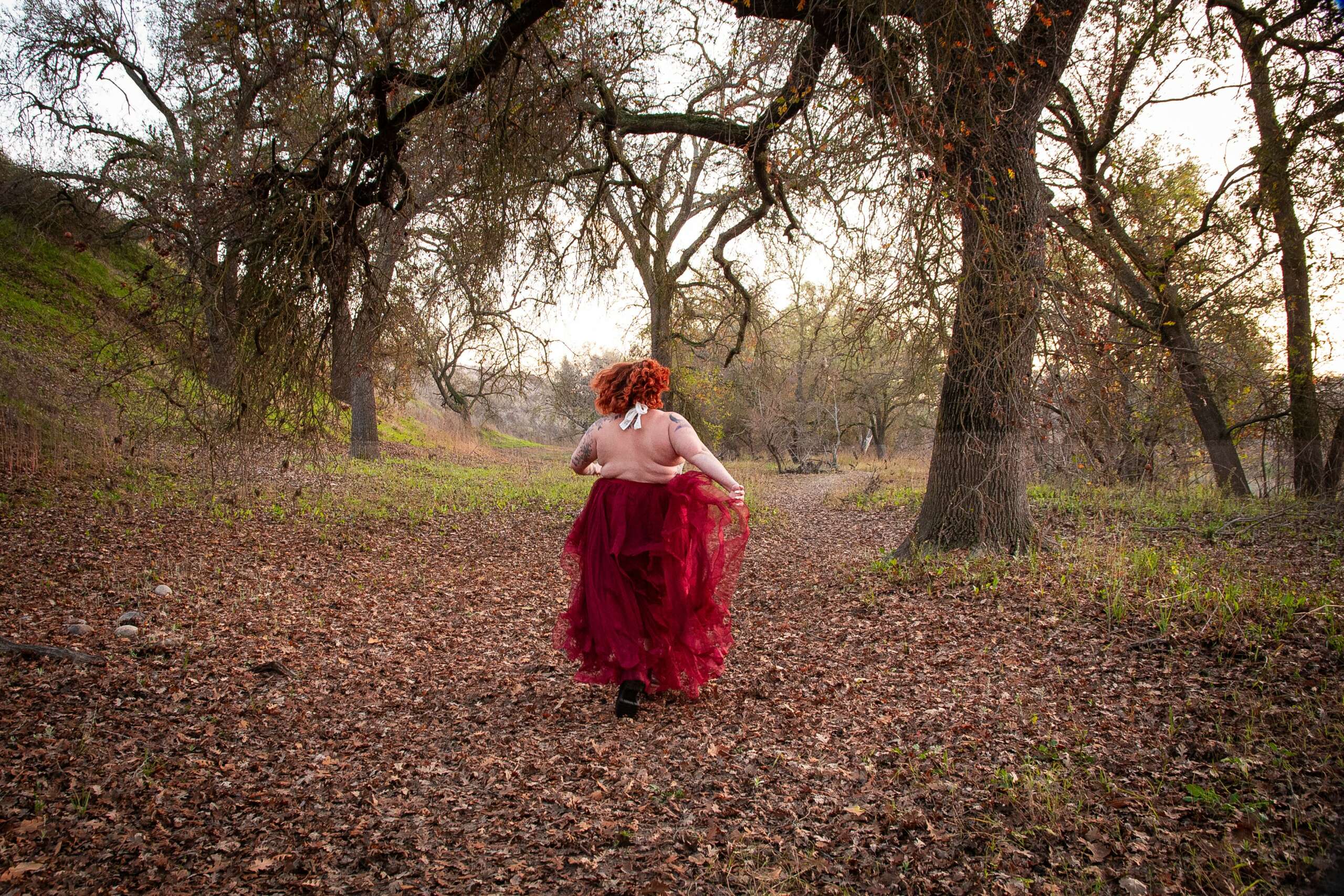
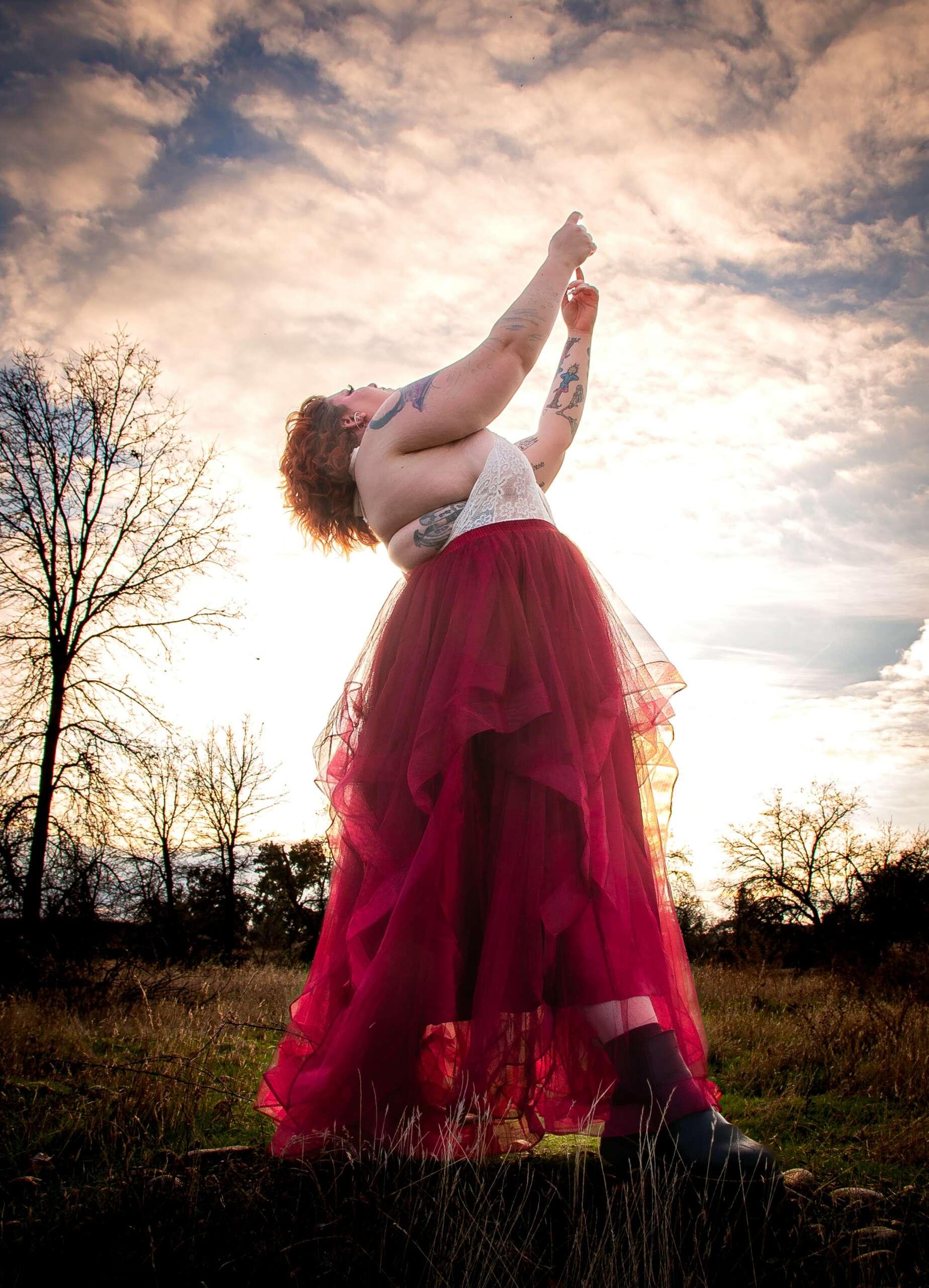
Awesome – so before we get into the rest of our questions, can you briefly introduce yourself to our readers.
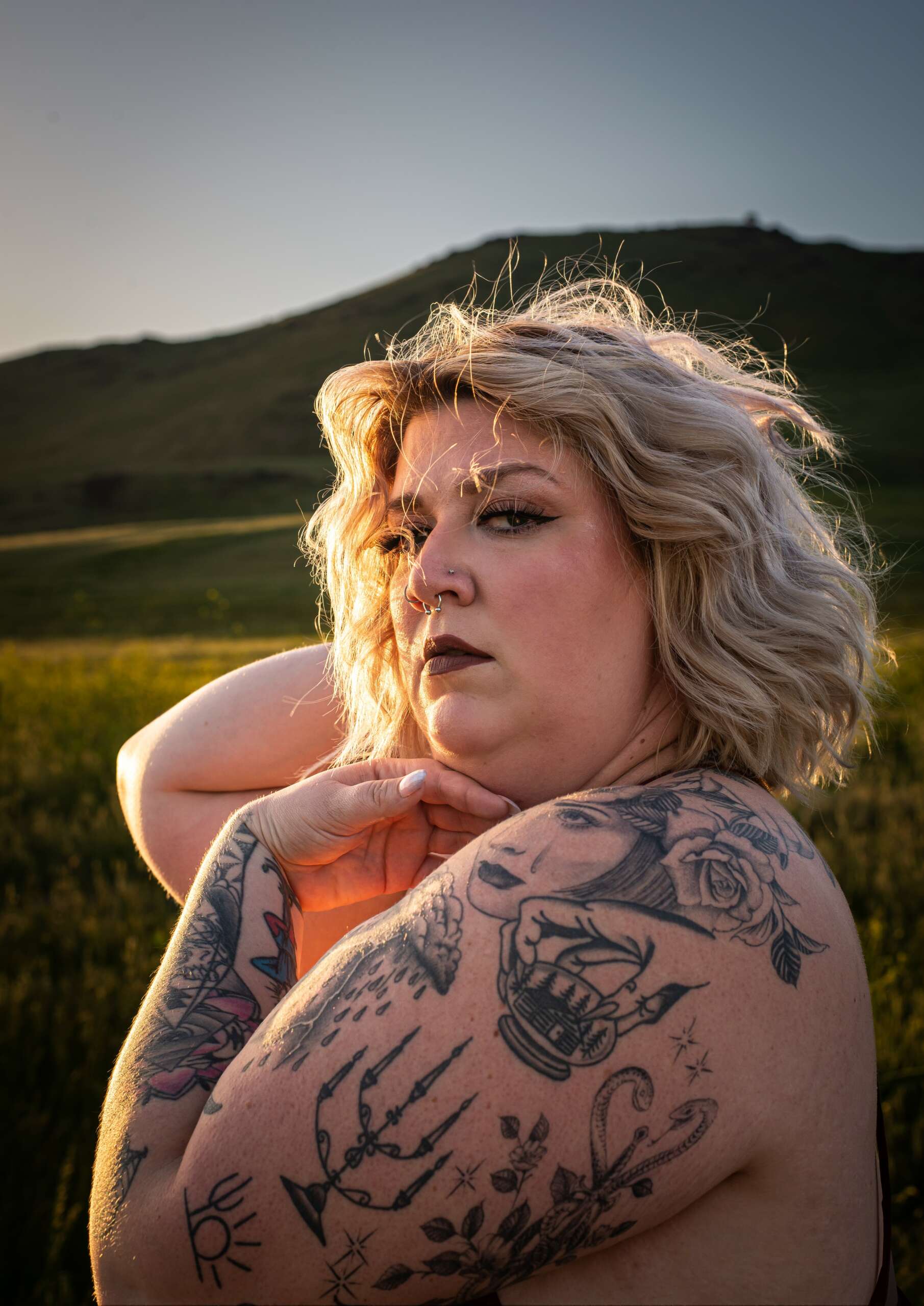
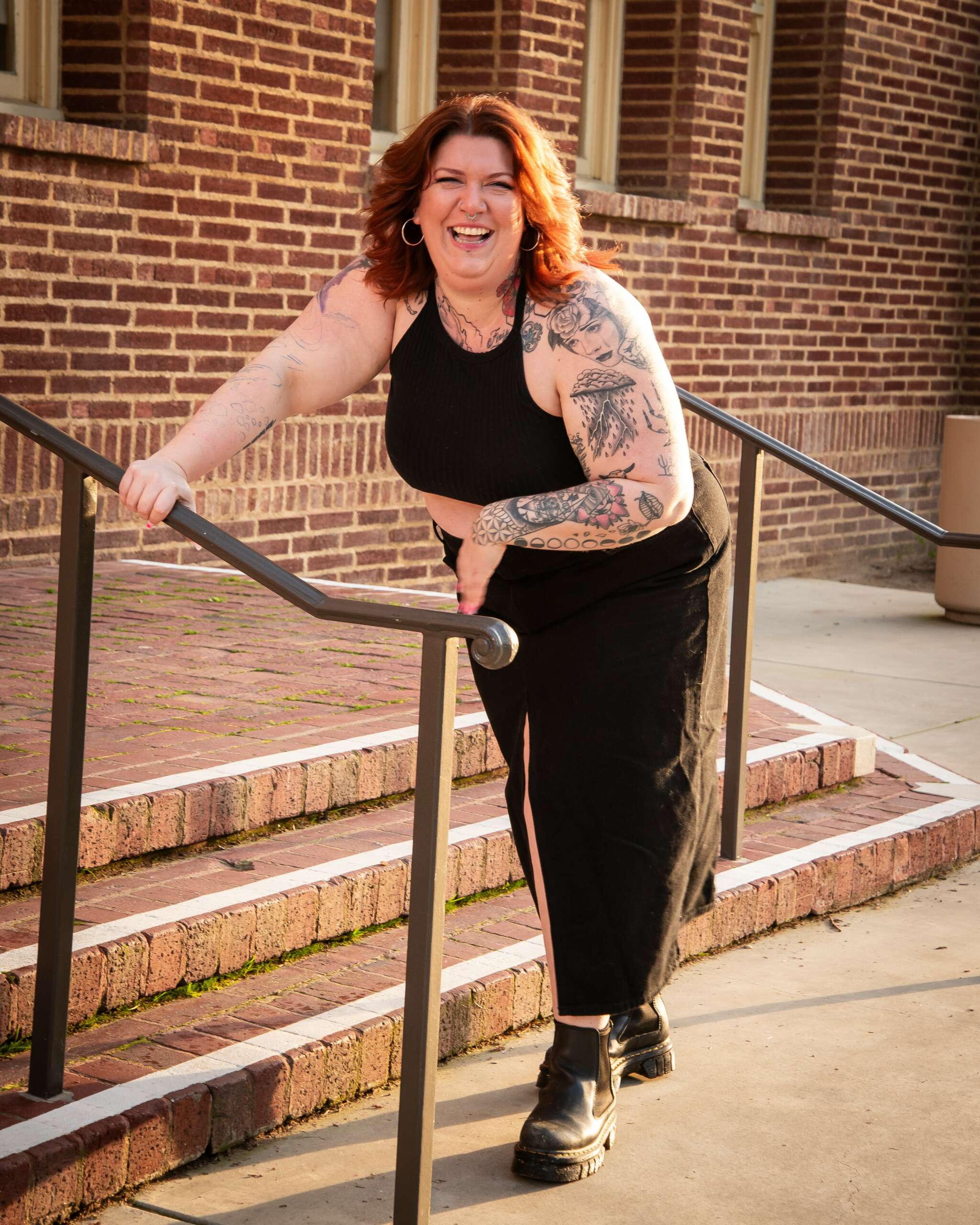
Hello everyone! My name is Alexandra Tiscareno (she/they) and I am a plus-sized dancer, choreographer, educator, administrator, and advocate based out of Fresno, California and the San Francisco Bay Area. I began my rigorous dance training in 2012 at Fresno City College studying modern, ballet, contemporary, and jazz, as well as choreography and arts administration. In 2018, I moved to the San Francisco Bay Area to continue my higher education, receiving both my BA in Dance with an Emphasis in Digital Performance from Mills College and my MFA in Dance as a Creative Practice with certificates in both Dance Management and Lighting Design from Saint Mary’s College of California. Throughout Fresno and the Bay Area, I have worked with non-profit arts organizations that brought dance to those in correctional facilities within California, brought awareness to human trafficking, and championed community outreach in underserved communities. I have choreographed and directed two dance companies, and have had opportunities to study with well-known artists such as Nick Cave, Robert Moses, Molissa Fenley, and Bonnie Bainbridge Cohen to name a few.
Throughout my time in Fresno and the Bay area, my weight was always a topic of conversation that would be brought up. I was always told I was too fat to dance, that I’d never be taken seriously, and that I would never get opportunities to dance professionally. I was encouraged to get weight loss surgery, develop disordered eating habits, and take extremely drastic measures to make myself desirable to the instructors and the audience. This constant mistreatment and judgment of my body pushed me to pursue how to deconstruct anti-fatness in dance spaces.
For the past four years, I have made it my mission to show that anyone BODY can dance regardless of size or shape. Leading classrooms from a bodily-aware space that celebrates the diversity of who is in front of me instead of focusing on what society thinks a dancer’s body should look like. I have spoken at conferences about anti-fat bias in dance and ultimately dedicated my thesis to showing how anti-fat bias is still heavily prevalent in the collegiate and professional community.

Can you share a story from your journey that illustrates your resilience?
(TW: Talks of ED and Fatphobic treatments)
I began my rigorous dance training when I was nineteen years old, in the fall of 2013, at a community college in Fresno, California. On the first day of classes, I felt excited and nervous about how the semester would go. The first class of the day was a beginning ballet class. When I walked in, I was immediately approached by the ballet instructor, who was also the department chair. He began asking a lot of questions: Who was I? Why was I there? Did I know this was ballet? As I was answering his barrage of questions, he kept insisting that I was mistaken and should not be there. After I showed him that I was enrolled in the course, he told me that he would speak with me after the class and that I should stay at the back barre.
The class went well, leaving me excited about this new journey. As soon as it was over, I approached the instructor to check in with him, as he requested. Waiting until the room cleared out of students, he turned to me and asked again why I was there. Once again, I explained that the reason I was there was to pursue dance seriously. Letting him know that I loved performing and felt that dance would allow me to grow and become the best version of myself. After finishing my answer, he paused and then asked me one final question, “Can I be very honest with you? I am a very honest man…” This made me nervous, but I did not feel that I had the option to say no. He took a breath and said, “You are too fat to be a dancer, so either lose weight or leave this class. You are not welcome here”. I am not sure what happened after that, but what I do remember is getting to my car and crying before my next class. All the excitement that I had for this new journey came crashing down at that moment and I felt crushed. I was confused, I was hurt, and I was angry—not only at him but at myself for having the body that I had.
Each ballet class I would take during that first semester got exponentially worse. There were days when we focused on jumps and during the exercise, he would stop the class, look right at me, and say, “Fat people can’t jump and can’t land gracefully.” Then, he would begin “demonstrating” what a fat person looked like doing a jump. There would be days when we would focus on turning and he would stop the class, look right at me, and say, “Fat people can’t turn, their weight prevents them from turning.” Again, “demonstrating” what a fat person looked like doing a turn. Weekly, he would pull me aside after class and reiterate that because I was fat, I was not welcome in that program. But each week, I continued to come back, assuring myself that it would get better. The final straw for me was one day, after an emotionally rough class, he pulled me aside and began describing—in graphic detail—how purging and food restriction would benefit me. He stated that my technique would get better if I was skinnier and that I had the potential to be good if I just was not “so fat”. He ended the conversation by giving me an ultimatum, to lose the weight or he would prevent me from advancing in the program.
During my time there, I was taught how to properly starve myself before shows. I was told multiple times to look into bariatric surgery, and more than once I lost opportunities because I was not losing weight fast enough or drastically enough. With each comment, my hatred and anger for myself and my body grew. Though I was constantly working hard to prove that I did belong in the space, it was never enough because my body was too much of a hindrance to see past. Ultimately, this treatment caused me to relapse back into a severe eating disorder that would follow me throughout my time at the City College.
I wish I could say that my experiences in Fresno only happened there but when I moved to the Bay Area, that was not the case. There were places where I took technique classes where the teachers would make comments about how they were shocked that I could move “so well” for my size. There were times when peers would come up to me after classes and say that they could not believe that a “big girl like me could dance” and that I was “brave” for putting myself out there. In one instance, at the American College Dance Festival in Scottsdale, Arizona, a friend of mine—who is also a bigger-bodied dancer—and I were laughed at for walking into an intermediate/advanced master class. Only after we started dancing did the people who were treating us poorly come up to us and say they were impressed.
The most violent fatphobic day in the Bay Area, that is burned into my memory, was during the summer of 2020. I was working for two Bay Area dance companies as an administrative intern, helping them navigate the pandemic with classes, workshops, shows, etc. One day, one of the directors from one of the companies, reached out to me to discuss a situation that happened at an in-person audition she had the weekend prior. Not knowing what she meant, I immediately jumped into the meeting to assist her.
She proceeded to tell me that two plus-size dancers showed up to the open-call auditions she was hosting and she did not understand why they were there, asking, “Don’t they know this is a professional company audition?” She then asked me if “fat” dancers could do what other dancers could do, specifically asking, “They physically can’t look good, so you probably have to give them solos because they are incapable of matching the ensemble, right?”.
I was in complete shock. I remember thinking to myself, “How is this conversation happening with someone who is highly revered for inclusivity within the Bay Area dance community?” To my dismay, I asked her why she was asking me these questions and she said “Well, you are one of those dancers are you not?” It was at that moment that something in me snapped and I was furious. For the next thirty minutes, I was put in a position where I was explaining to her that bigger-bodied dancers were dancers, and were capable of being a part of an ensemble. I had to tell her that just because they have bigger bodies, that did not negate them from being capable of what she needed them to do. What was a constant back and forth ended with her saying that they “just did not fit her vision.” This is something that I have heard countless times before when I was denied opportunities due to my size.
These are just a handful of stories that I and other plus-size/fat dancers have experienced in dance settings. While reading this, it is understandable to say “Why didn’t you remove yourself from this situation? Why did you endure this abuse?” And honestly, I can say that my love of dance and love for most of the people in the program caused overwhelming guilt anytime I considered leaving. As brutal as it was, this program was my home and my safe space. Even though I was experiencing this horrendous treatment regarding my body, I believed it was better than what I was experiencing in my personal life. I stayed and endured it because I truly believed that if I showed them I could withstand this treatment, they would respect me and ultimately see my value.
What do you think is the goal or mission that drives your creative journey?
As a fat woman, my experiences from city college to the present day have shown me the importance of advocacy within a dance setting. Without this advocacy, oppressive systems continue to go unchecked. If they continue operating with harmful standards, everyone—not just bigger-bodied dancers–will suffer the consequences.
Though companies and choreographers claim to strive for more inclusive practices, very few are including/hiring bigger-bodied dancers, limiting the topic of inclusion to solely just ability. Omitting body type from the conversation of inclusion within dance alienates those who do not have a conventional, classical body type, hindering the advancement of inclusivity within dance in general.
These body-size microaggressions happen constantly with people shocked and bewildered that we, bigger-bodied dancers, can dance. This is due to the belief that because one is bigger, one cannot be a dancer; because one is fat, one cannot do what “normal-sized” dancers do. Fat is equated with being unhealthy, and being unhealthy is equated with not living an active lifestyle. Therefore, when you have a bigger-bodied person who happens to dance, it is shocking and sometimes even outrageous. This idea that dancers must be thin, white, and able-bodied—which was made popular during the George Balanchine reign in ballet—permeates Western dance culture in every aspect. Whether it be from ballet to commercial dance like So You Think You Can Dance, one can see the body standards come into play. Whenever bigger dancers participate in the art form, they are constantly scorned for their bodies and told they do not belong.
With dance spaces advocating for inclusion, bigger bodies are somehow being left out of this conversation, alienating us from opportunities that others are being afforded. Dance spaces cannot, in good faith, pride themselves on inclusion if bigger bodies are being excluded from participating within them. There is an active disconnect happening from their mission statements to actual practice, which is why I have begun to fiercely advocate for this to change.
Because of this advocacy work, I have dared to reimagine this system of oppression regarding the body to radically overhaul these fatphobic beliefs by asking what inclusivity, that includes the body, would look like. By showing how inclusion would allow individuals, regardless of shape or size, to be able to participate in dance without having to worry about their body being a hindrance and ultimately daring to imagine a world where bigger-bodied dancers would be in classes, companies, and the mainstream media. Which is what, I believe, is the radical precipice of change within the dance community.
Contact Info:
- Instagram: ohwowalex
- Facebook: Alexandra Beth Tiscareno
Image Credits
Alenya Joy Photography