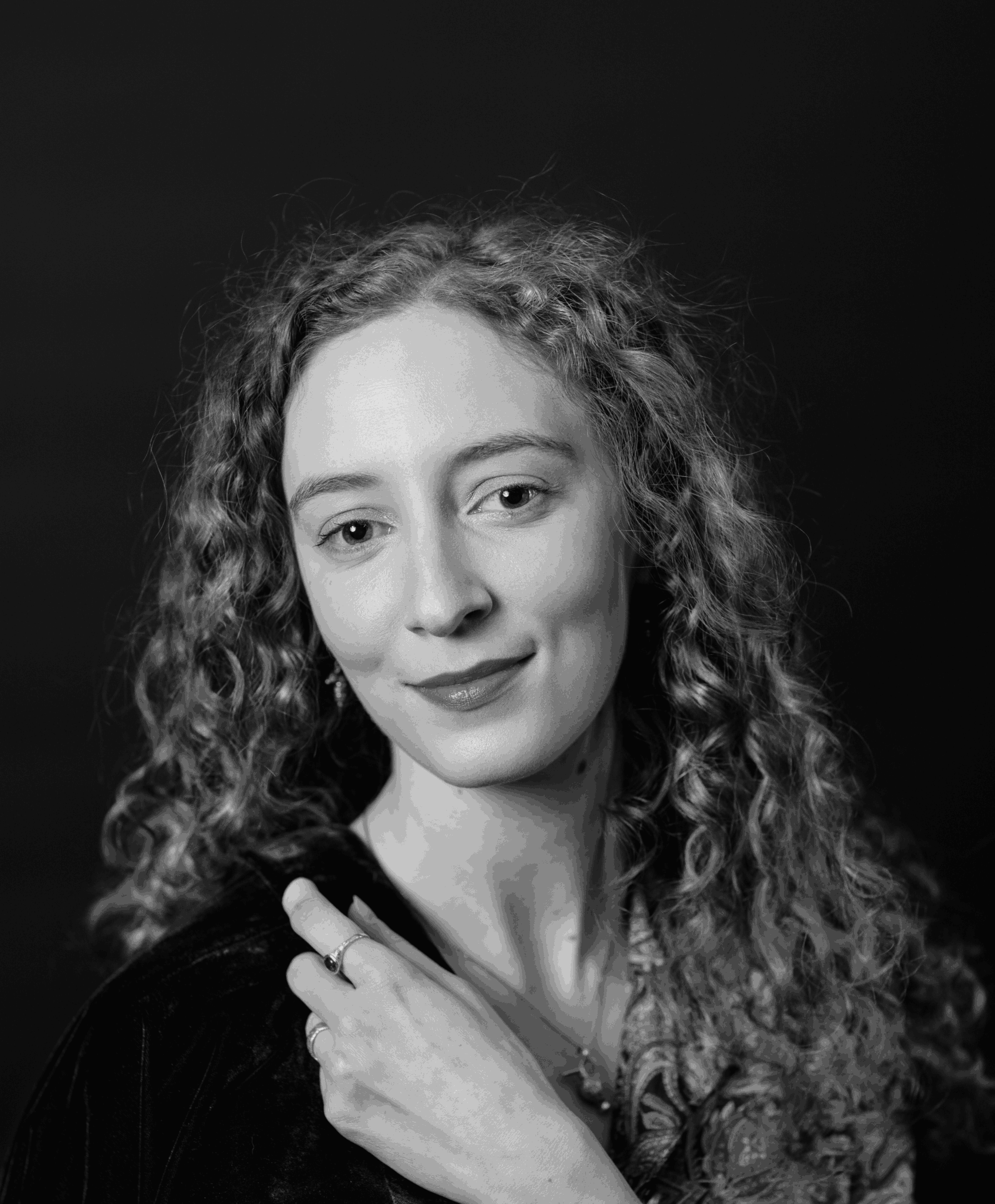

We’re excited to introduce you to the always interesting and insightful Alexandra Janowski. We hope you’ll enjoy our conversation with Alexandra below.
Alright, Alexandra thanks for taking the time to share your stories and insights with us today. When did you first know you wanted to pursue a creative/artistic path professionally?
Art has always been something I’ve naturally gravitated toward a space where I felt genuinely encouraged, even from a young age. Growing up, I faced challenges that made it difficult to stay grounded. A learning disability, frequent moves, and ongoing instability often left me feeling like I was always a step behind everyone else. But even in the midst of that, I was drawn to the beauty of design to the way humans express ourselves through visual and emotional language. That connection felt deeply personal. Making things with my hands, things I found beautiful became a source of comfort when little else made sense.
I can pinpoint the moment I truly knew I wanted to pursue art as a life path during my final two years of high school. For most of my teenage years and even before, I had become disconnected from creativity. I was overwhelmed by academic struggles and vulnerable parts of myself I didn’t yet know how to face. I want to speak to that part of my story, because it’s not something often written about. Losing yourself during those crucial years of development is a real and painful experience but one that many young people go through. I hope someone out there reads this and knows: it’s never too late to discover what you’re meant to do in life, even if it takes longer, even if you feel behind. Even at the age of twenty-seven I still feel like this at times.
It was in that high school art class where I began to reconnect with the creative part of myself I thought I’d lost. We had a small student exhibit, and I remember showing my work unsure, nervous, uncertain how it would be received. What came next was something I hadn’t experienced before: people genuinely connected with what I made. Even though my technical skills weren’t perfect, and I was simply painting what felt fun or imaginative, I received real encouragement not only from classmates and visitors, but especially from my art teachers.
Those teachers took the time to nurture my ideas, and they made me feel like my perspective had value. That support made a huge impact. For the first time, I felt like I was doing something right. I wasn’t trying to impress anyone I was simply creating
from instinct. And it resonated.
That experience showed me where I truly belong: in a space that’s socially creative, emotionally expressive, and visually impactful. Art isn’t just something I enjoy it’s something that brings me back to myself. It’s a space I feel sure I belong in.
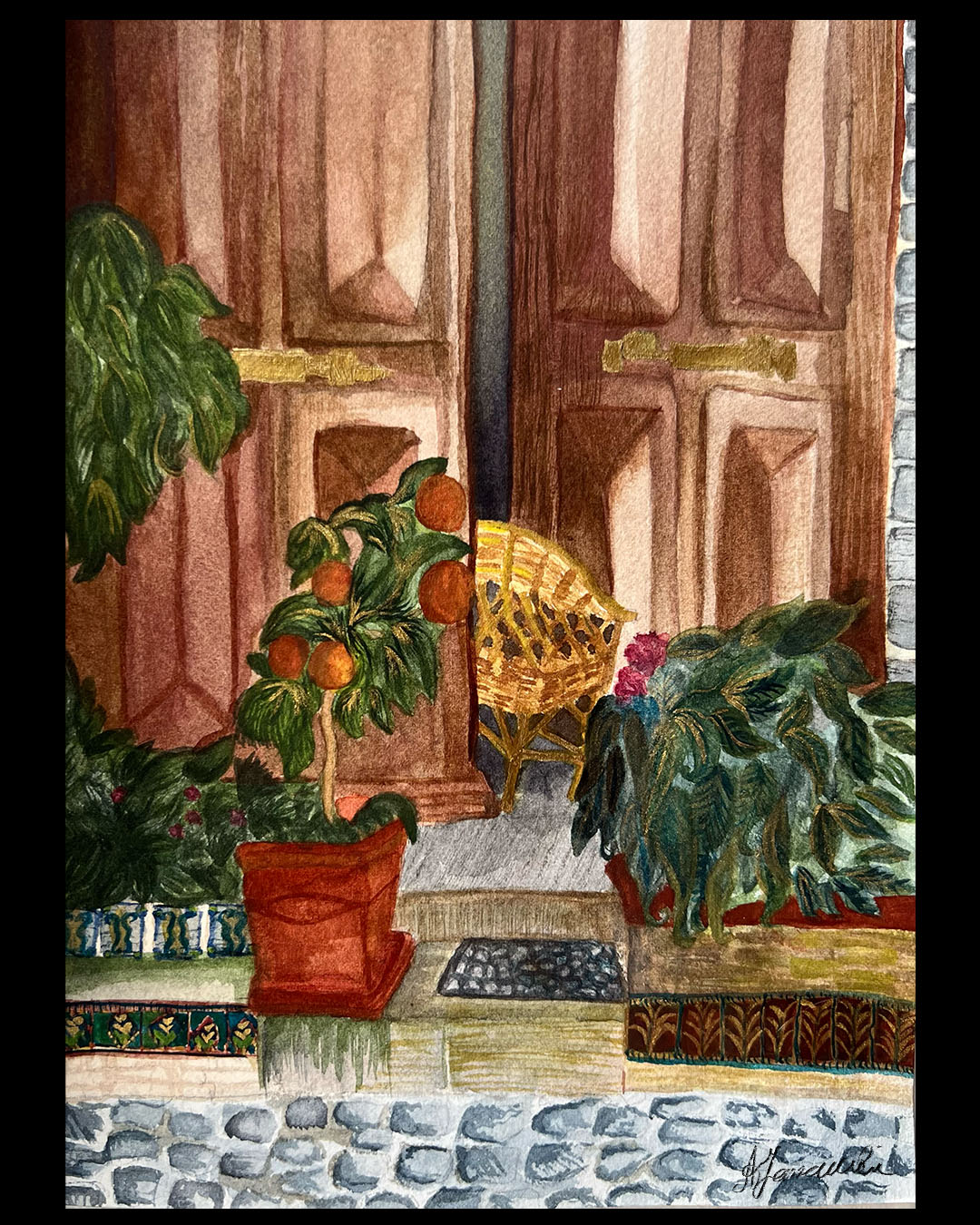
Alexandra, before we move on to more of these sorts of questions, can you take some time to bring our readers up to speed on you and what you do?
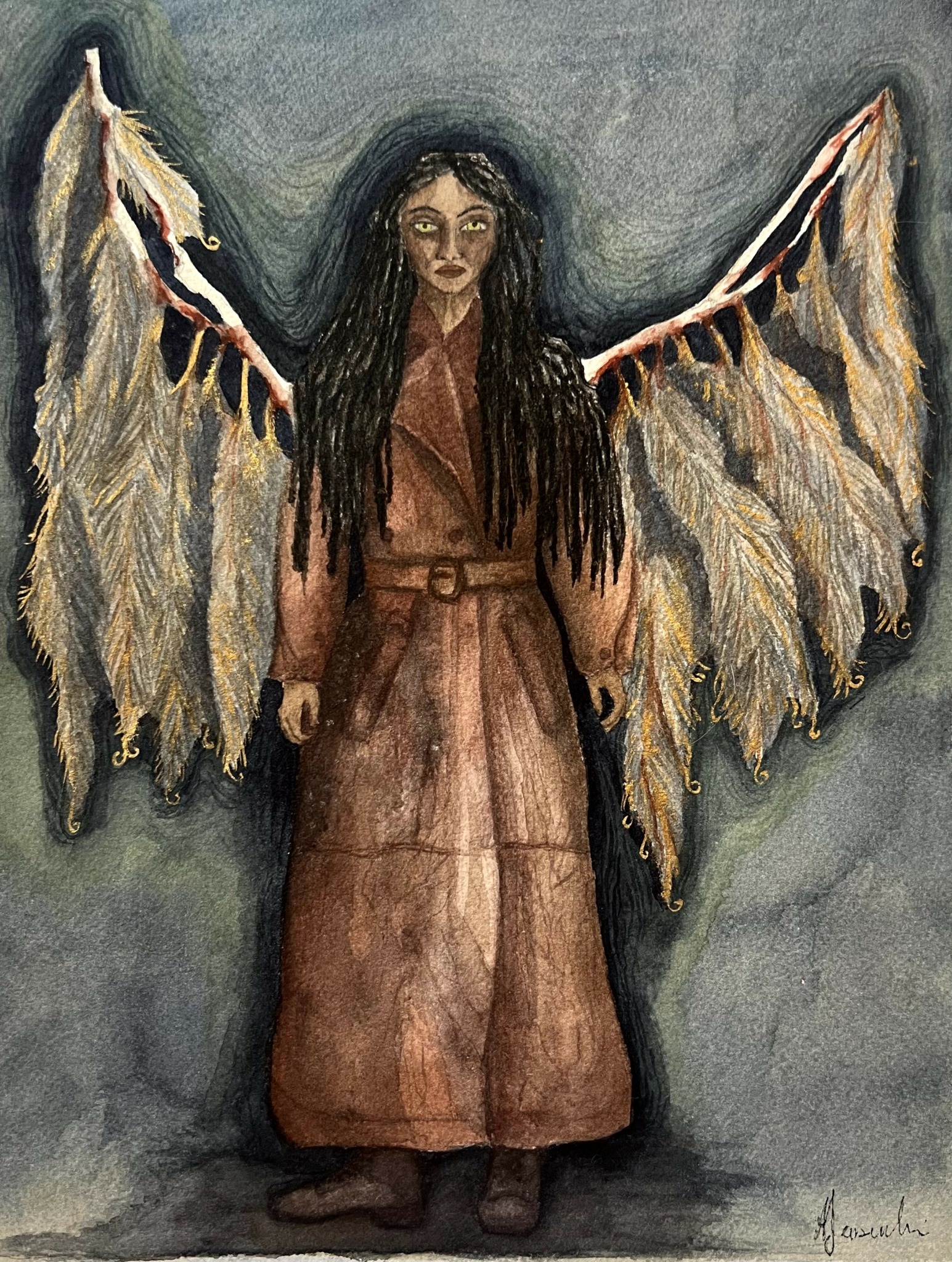
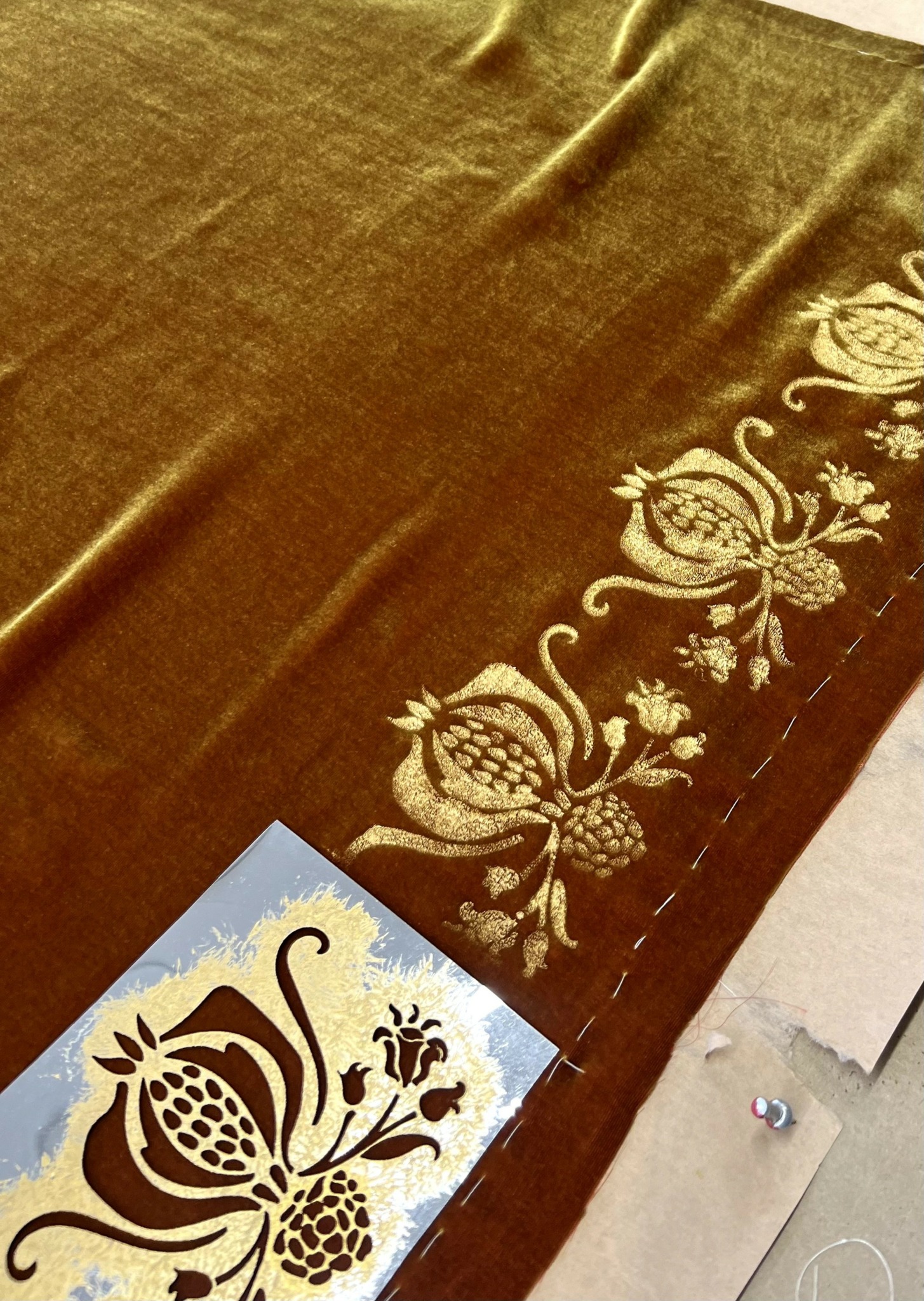
I recently graduated from the NYU Design for Stage and Film program with a concentration in costume design. I started off at Parsons School of Design with an undergraduate degree in fashion design and then decided that telling stories was what I wanted to do. During the COVID-19 pandemic, in the midst of writing my thesis, I pulled inspiration from One Hundred Years of Solitude by Gabriel García Márquez. This novel ignited something in me, and the next thing I knew, I was making dresses and embroidering on the floors of a small room in the Upper East Side, watching my vision come to life.
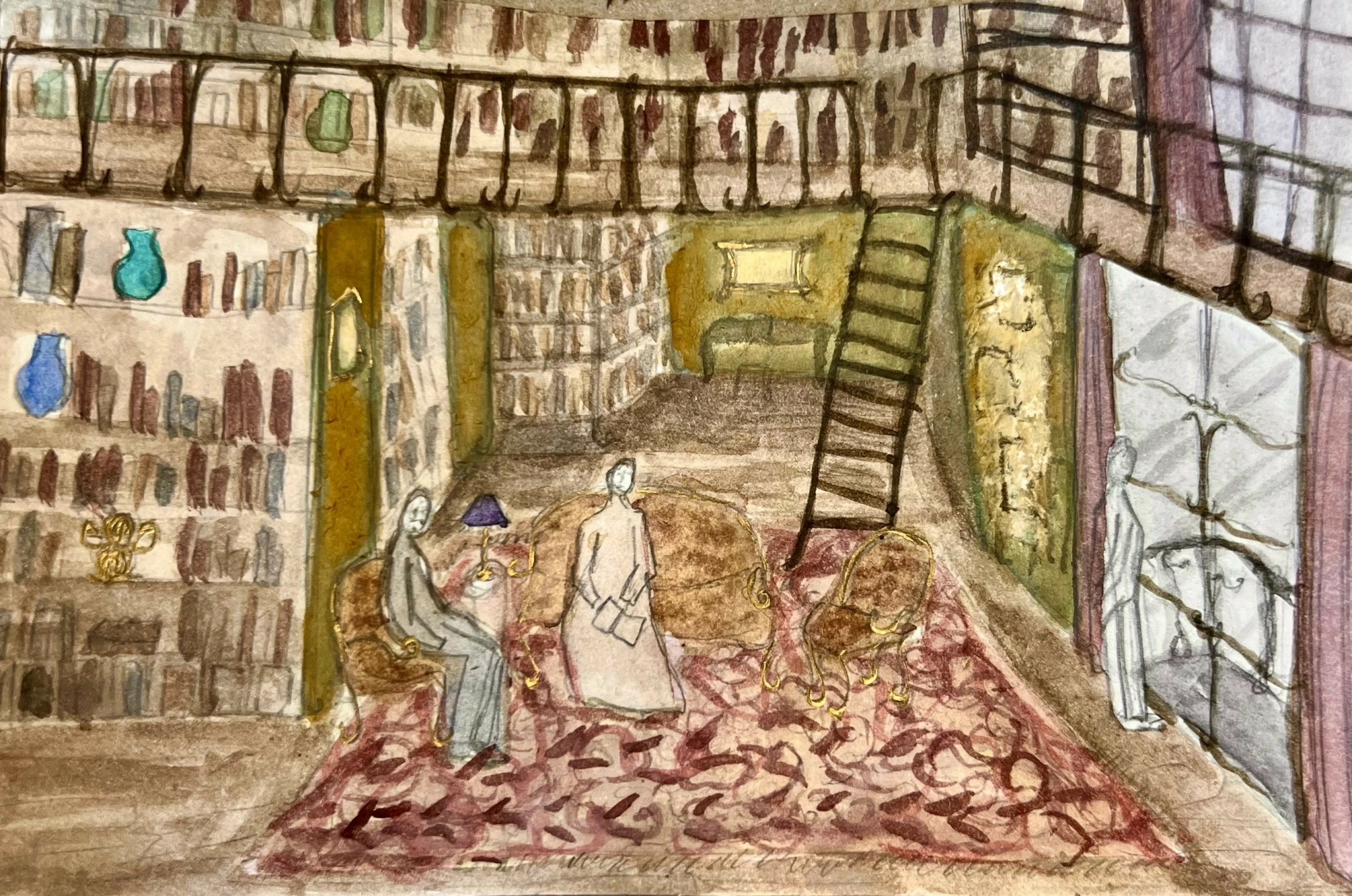
I found that dissecting characters and making an effort to understand their unique perspectives and personalities is fascinating to me. Watching these characters come to life is a beautiful feeling. In my costume design class, we are encouraged to design not only the costumes but the entire world and dramaturgy in a story. Doing this, I have realized how much I loved designing the locations in which a story takes place as well as the costumes. With the encouragement of my professors, I have pushed the boundaries of this further in every project, understanding how to tell a story using symbolism, character development, and characteristics of a fictional world.
What I would love people to know about my work is that I really make an effort to research the world of the characters. In a recent film I designed I needed to costume a doorman in New York City. I live in the upper east side so it became a goal of mind to speak to the doormen of the area who could tell me their stories and more about their uniforms. One of the joys of this profession is being able to speak to people in all walks of life to better understand how to respectfully present their stories to the world. Something else I find important in designing a costume is figuring out all of the details that a character carries in their clothing. What pendant or pocket watch to they have? Is their clothing aged and used and how does that change the way they are perceived? I continue to emphasize these elements in my design because I believe it is one of the ways that can make the audience feel more towards a character and their story.
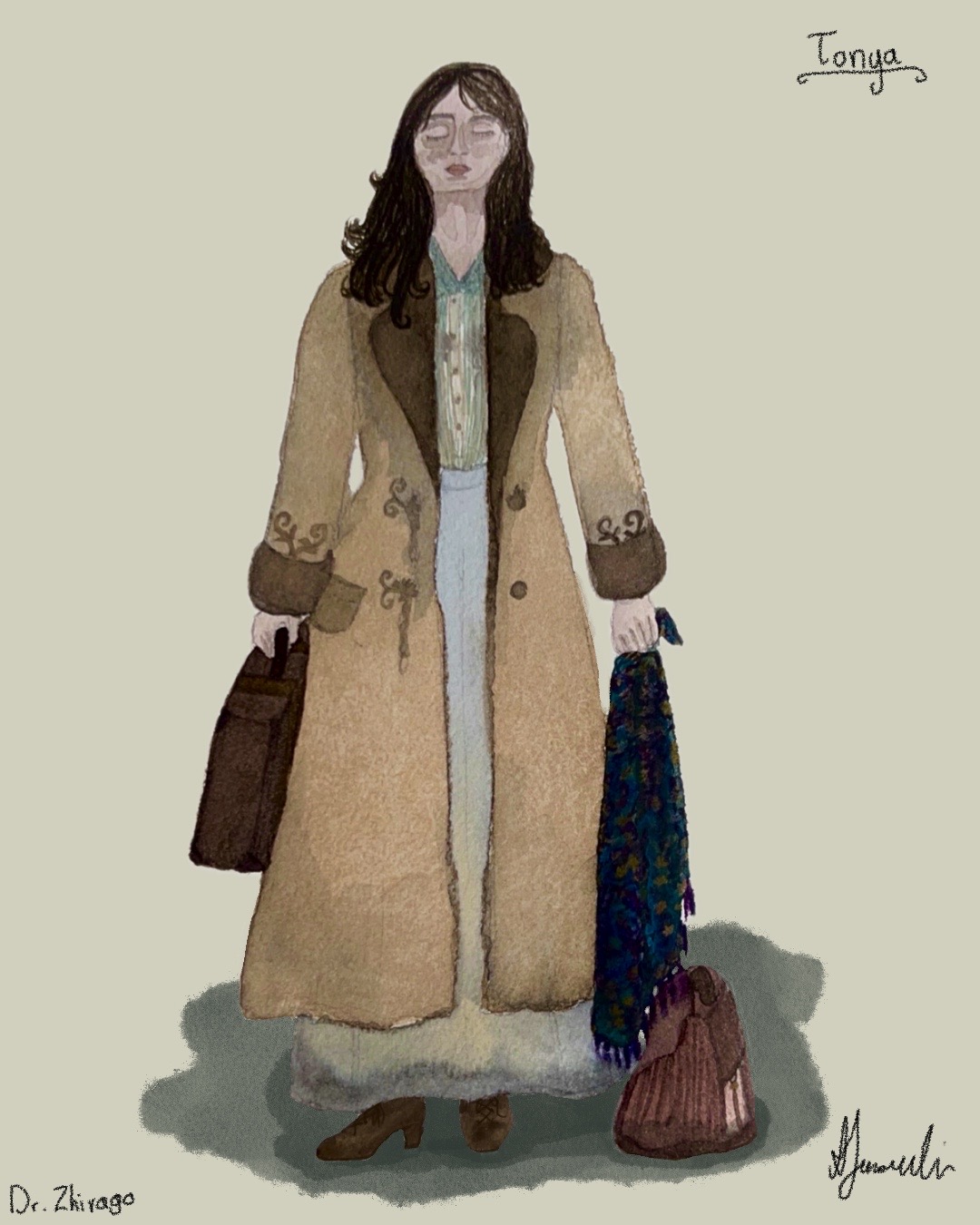
For you, what’s the most rewarding aspect of being a creative?
What I love most about being a creative is that you get to be part of something beautiful. As a costume designer, you’re contributing to a larger effort to move people through storytelling. You’re helping to build a world that an audience can feel something in and that’s incredibly rewarding.
What’s also exciting is how costume design, as a craft, opens you up to so many other aspects of art and design. The training, understanding character, world-building, symbolism, and emotion naturally leads to an interest in things like set or interior design, illustration, and other creative disciplines.
I’ve found that once you begin thinking like a designer, it’s hard not to be curious about other art forms. That curiosity is something I encourage others to follow. It doesn’t mean you’re unfocused it means you’re allowing yourself to explore, and in that exploration, you may find more of who you are.
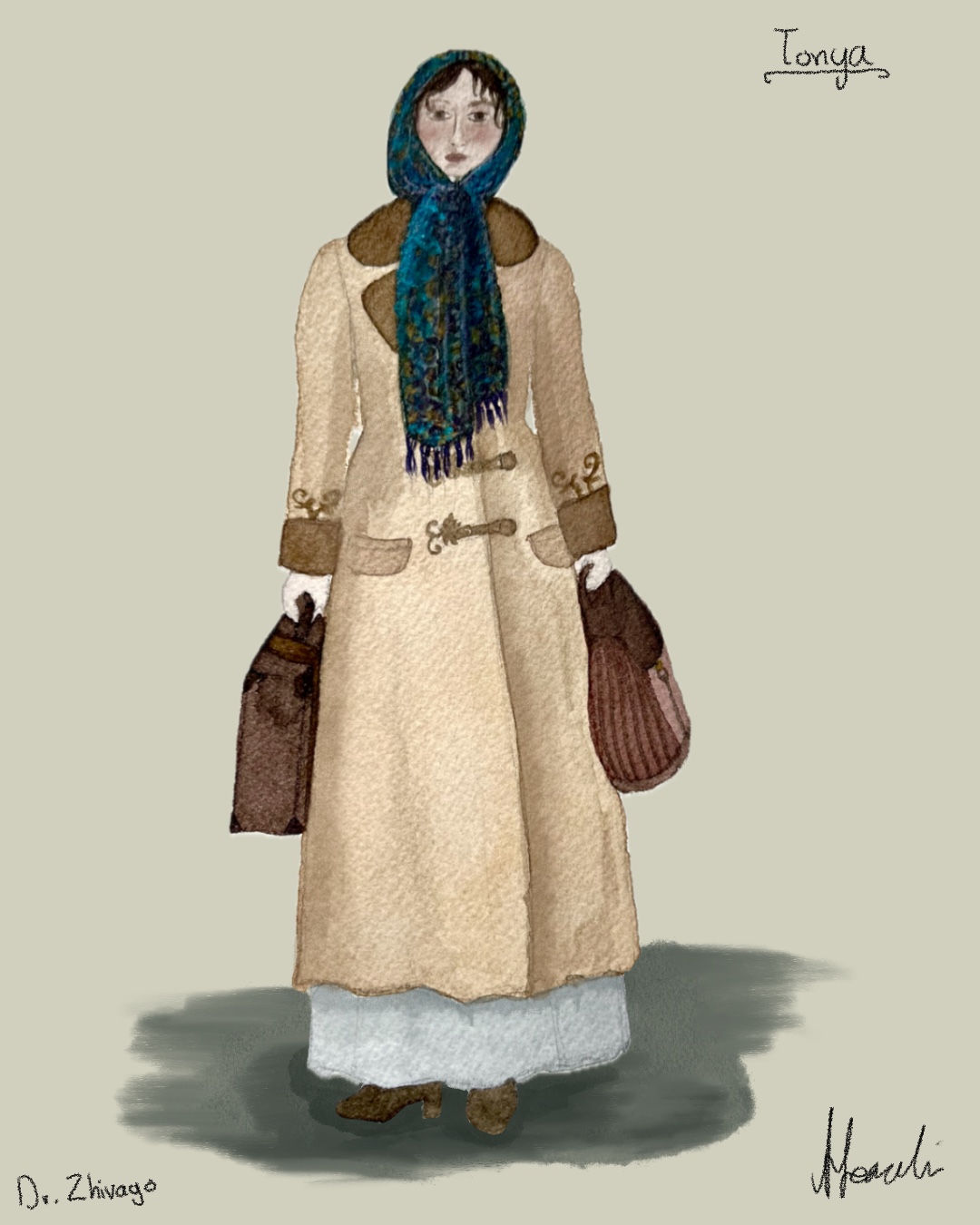
What’s a lesson you had to unlearn and what’s the backstory?
A lesson I’ve had to unlearn and am still working to unlearn is perfectionism. It’s something that gets talked about a lot, but I want to reiterate that it can genuinely slow you down, especially as a creative.
When I interviewed for NYU’s Design for Stage and Film program, I remember being told that I needed to show more process in my work that the final sketch or product wasn’t the ultimate goal. At the time, I didn’t fully understand what they meant. I was so focused on making everything look “finished” and polished that I was afraid to show the messy, in-progress stages.
But over the course of my time in school, it finally clicked that design is about exploration. It’s about the journey the trial and error, the questions, the risks not just the clean result at the end.
I’ll admit, perfectionism is deeply rooted in me, and it’s something I still actively work to counter. But I’ve learned that it is possible to push back against it. The more aware I become of it, the more intentional I am about taking creative risks, allowing failure and being okay with not knowing everything upfront.
One practical tool that’s helped me is setting a timer for a sketch. I give myself a short window to sketch or brainstorm freely, without overthinking and I return to it later with fresh eyes. It’s surprising how often those quick, messy drafts turn out to hold my strongest ideas.
Unlearning perfectionism isn’t easy. But the moment you accept that your work might look “ugly” or unresolved at first and that this is not only okay, but necessary is when you can really start creating something meaningful.
Contact Info:
- Website: https://alexandrajanowskicostumedesign.com
- Instagram: goldenromanticthings