

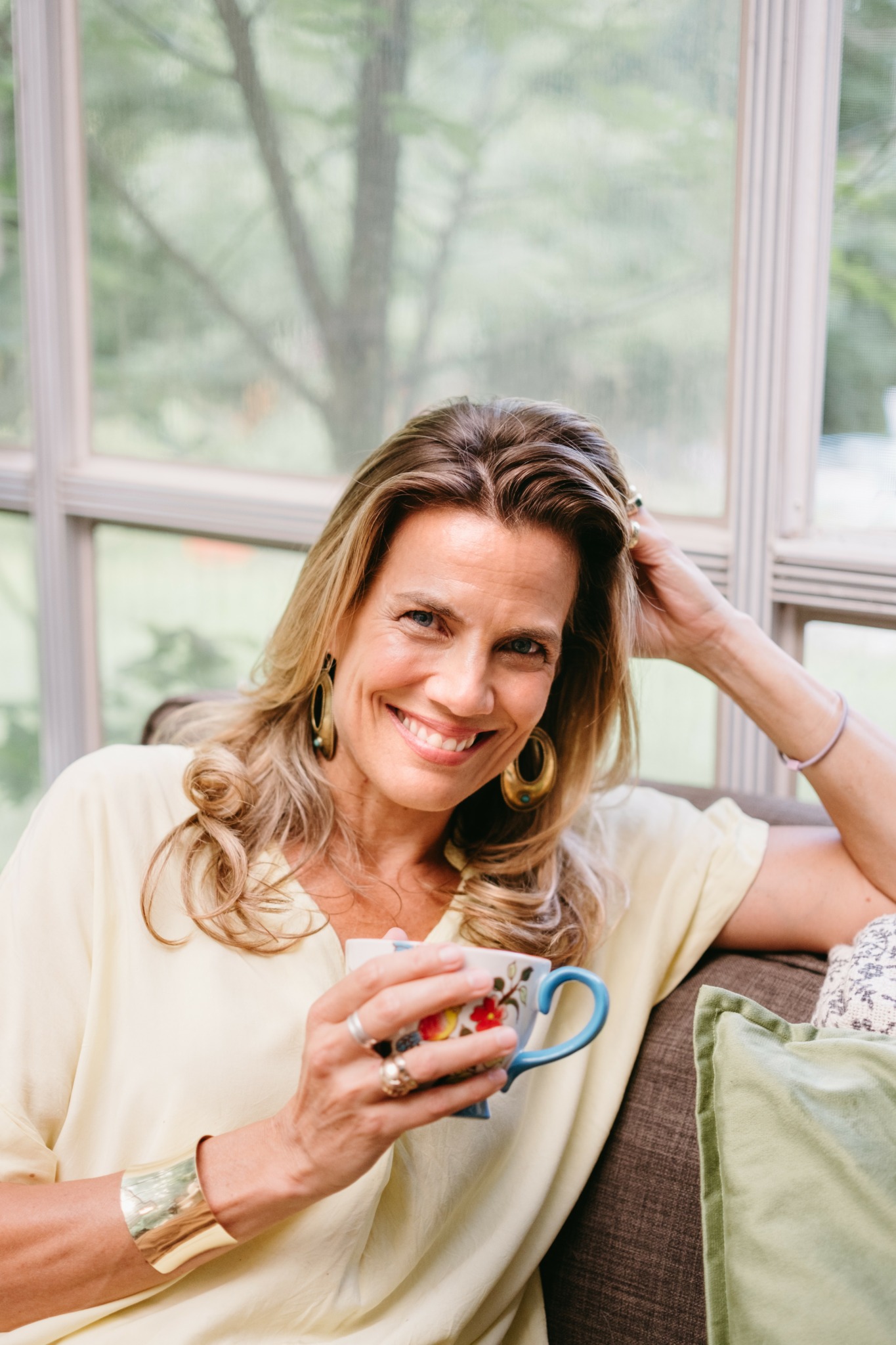

Alright – so today we’ve got the honor of introducing you to Alexandra Howard. We think you’ll enjoy our conversation, we’ve shared it below.
Alexandra, appreciate you joining us today. Do you think your parents have had a meaningful impact on you and your journey?
My parents taught me how to move through the world with both feet on the ground and a fire in my heart.
My dad was the steady one – conservative, steady, a deep believer in hard work and humility. My mom was the risk-taker – creative, mission-driven, the one who’d say yes to the wild idea before the plan was fully formed. Together, they raised us in motion.
Because of my dad’s work in the hotel industry, we moved often – from the Caribbean to the Middle East to Europe and Canada. That kind of upbringing could’ve felt unmoored. But instead, it felt expansive. They kept us rooted, not in place, but in values.
We were taught to respect everyone we met. To stay curious about different cultures and people. To contribute where we could.
And to love the world – not fear it.
Later, when my mom started a grassroots project in Kenya that would go on to support over 150 vulnerable children, I saw that ethos come to life: If you have the energy, the vision, and the heart to help – you step in. That spirit of service, adventure, and responsibility shaped everything about who I am and how I lead.
My work today – as a speaker, coach, and creator of the Zone of Aliveness™ – is deeply informed by that early mix: Rootedness and risk. Discipline and daring. Kindness as currency. And a quiet, unwavering belief that how you show up in the world matters.
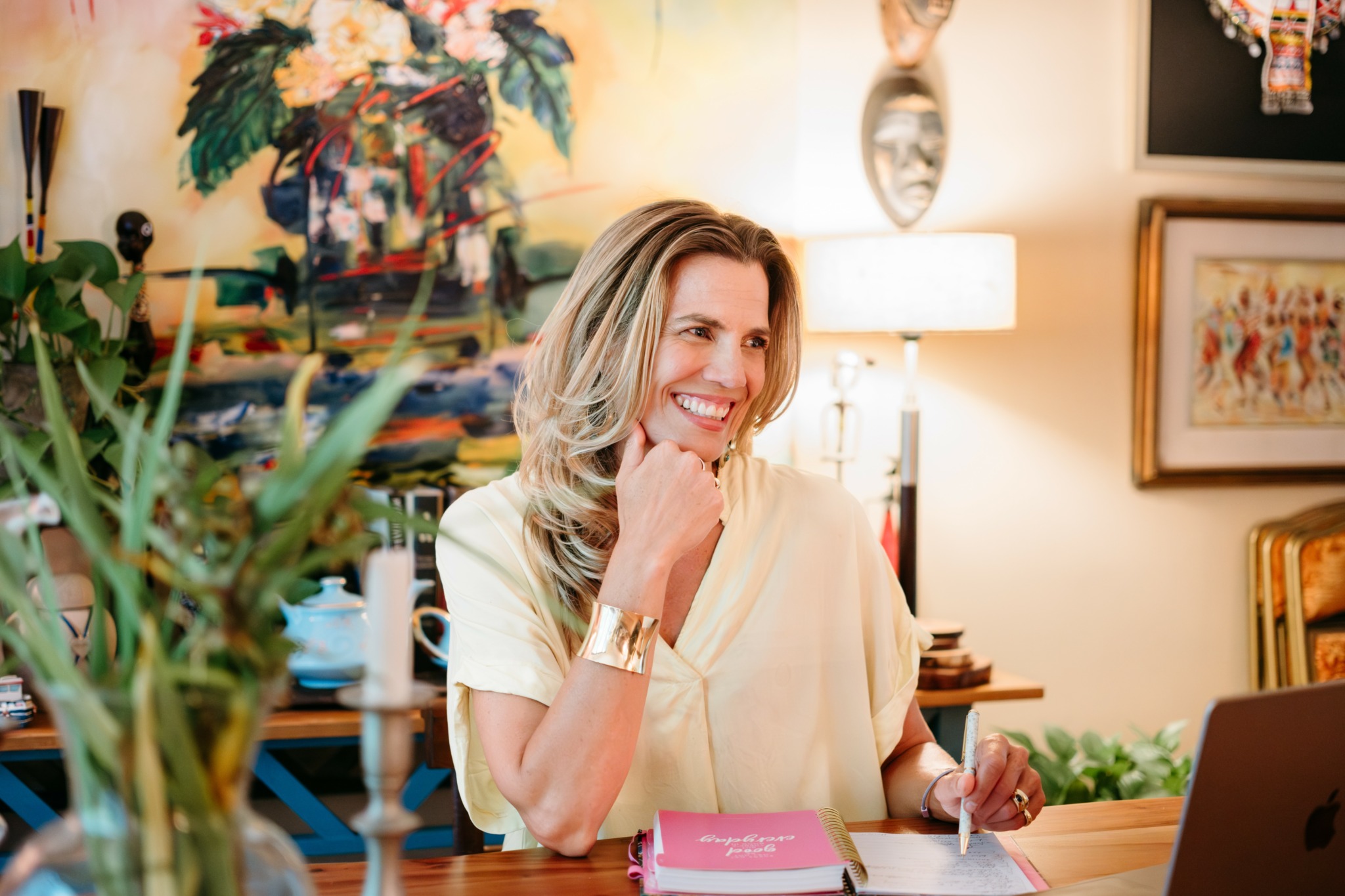
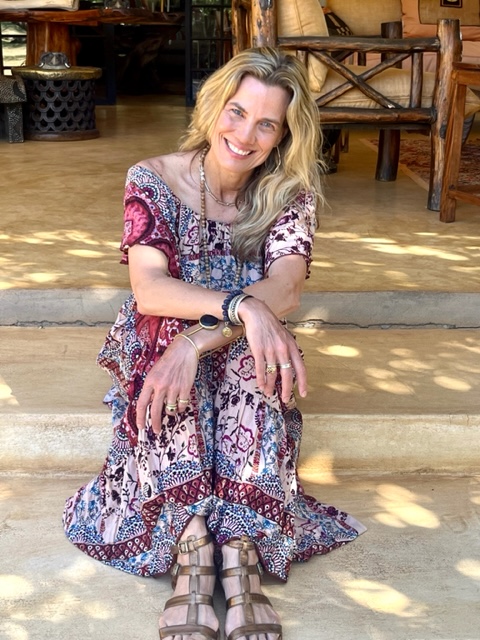
Great, appreciate you sharing that with us. Before we ask you to share more of your insights, can you take a moment to introduce yourself and how you got to where you are today to our readers.
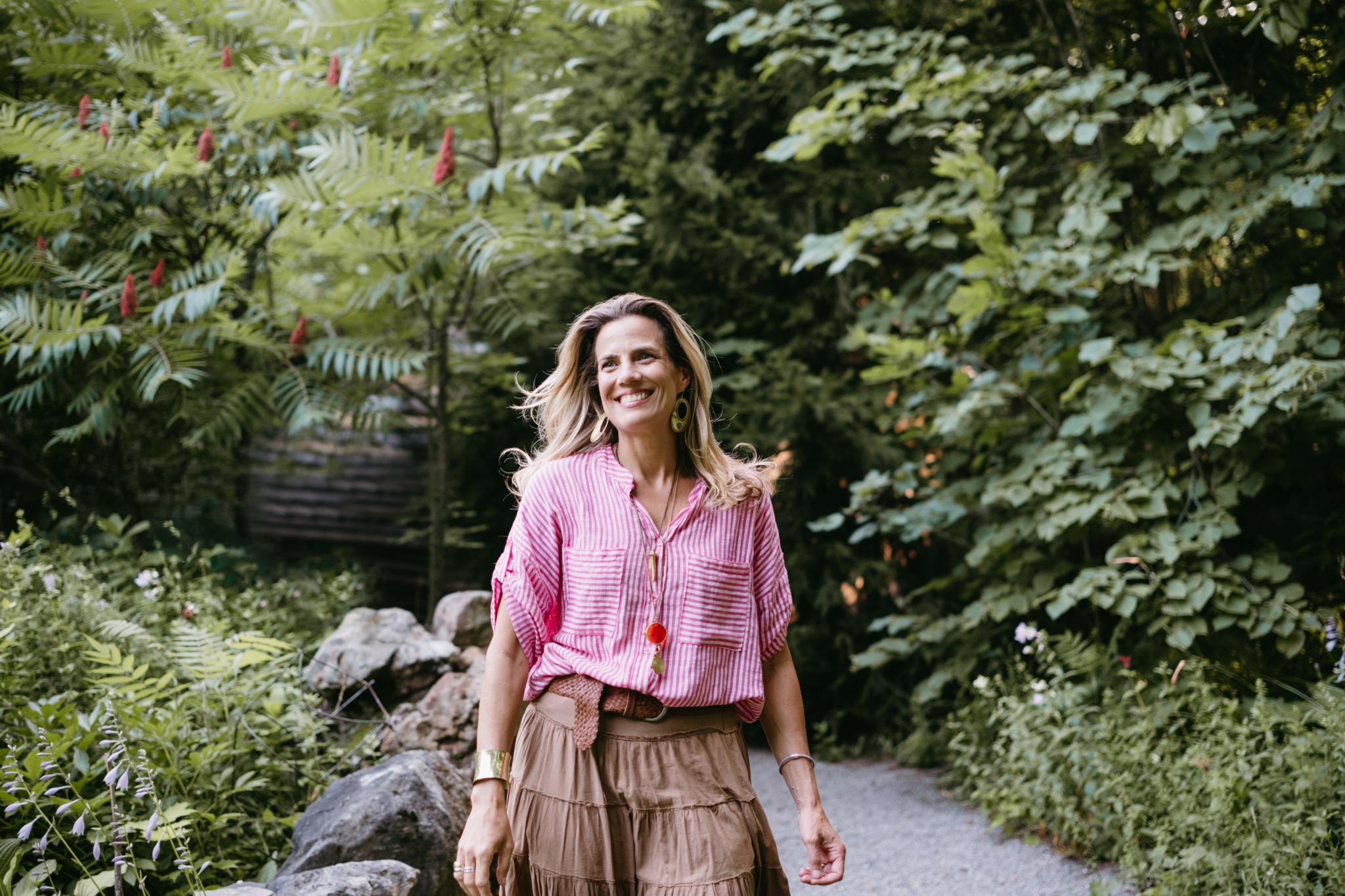
I’m Alexandra Howard – a transformational coach, speaker, and creator of the Zone of Aliveness™. I work with high-functioning humans who look like they have it all together…but feel half-alive on the inside. They’re succeeding on paper, but silently struggling to stay connected – to their energy, their voice, their relationships, and most of all, themselves.
I help people come back to life in a way that’s real, grounded, and sustainable.
My path into this work wasn’t exactly strategic. I didn’t wake up with a business plan or a five-year vision. I just woke up tired. Bone-deep tired from over-functioning and always performing. And from quietly disappearing under the weight of who I thought I had to be to stay chosen and loved in the world.
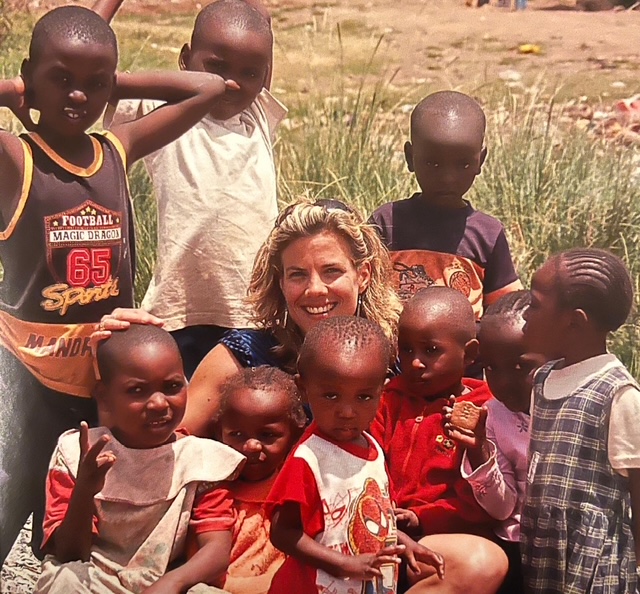
The roots of my work go way back – to 2007, in one of Nairobi Kenya’s slums. My mom had started a grassroots project there to support vulnerable kids through quality education. With two young boys myself, I decided to jump in beside her – and together with generous souls around the world, we grew that initiative from the ground up into a high-impact program. That was almost 20 years ago.
For two decades, we’ve helped more than 150 orphaned and at-risk children rise – not just out of poverty, but into real, thriving purpose-led lives.
That’s where I first learned what disconnection really looks like. Right there, in that slum. Kids would arrive at our gates blank, shut down and emaciated. Eyes glazed over. Nervous systems locked in survival.
But I also saw what happens when people are nourished, seen, and invested in – not just for a moment, but over time. Those same children came alive. They laughed. They healed. They learned. They became nurses, engineers, entrepreneurs, and parents. They built lives of meaning and contribution.
That experience cracked something open in me. It rearranged my understanding of aliveness. Without knowing it then, it planted the seed for everything I do now.
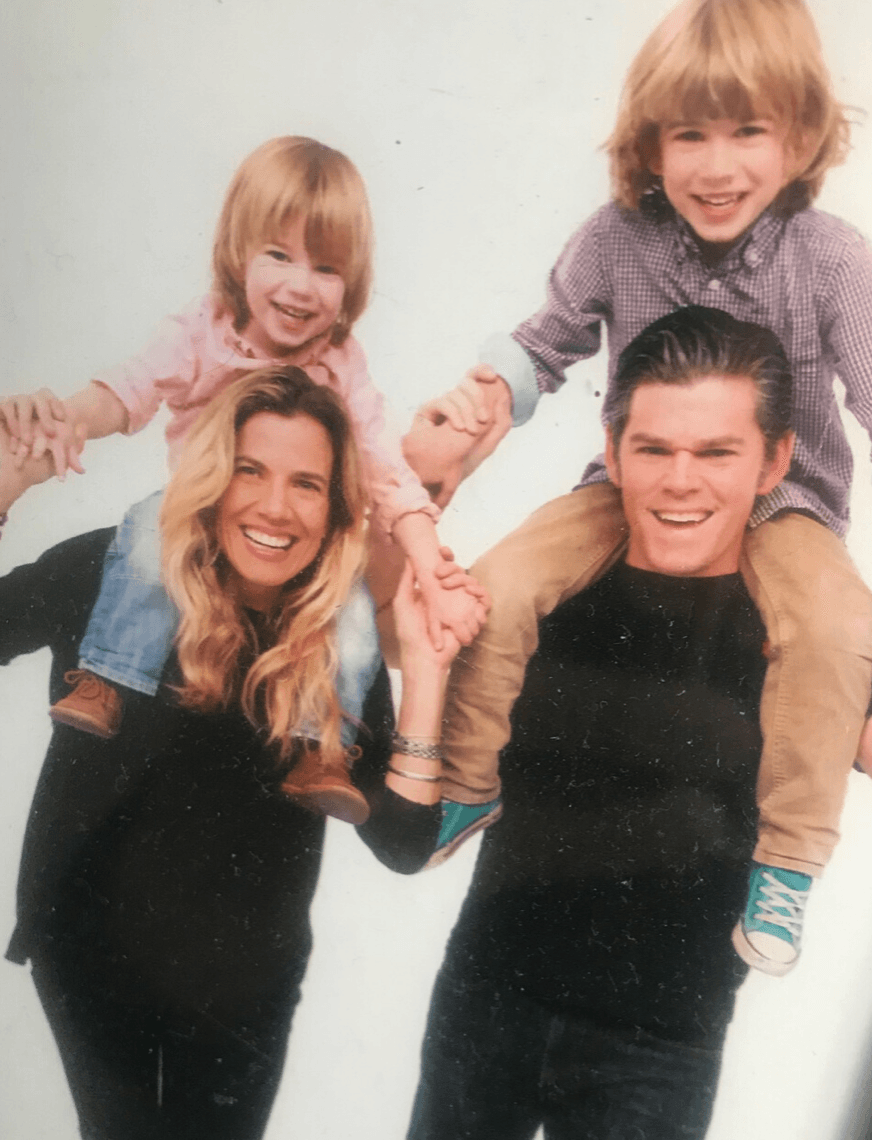
The integration came years later, during my own quiet storm. I had two young boys, a marriage on the edge, and a nervous system in collapse.
And one morning, a knowing rose up in me: I didn’t need a new life. I needed to feel alive in the one I already had – and have the same guts those kids in Kenya had, to lead it.
This moment of reclamation catalyzed a deep transformation – personally and professionally.
Today I run Mind, Mood ALIVE!, a trusted global coaching practice rooted in one core belief: You don’t need to blow up your life. You just need to feel alive inside it, and lead it like you mean it.
Through private coaching, keynotes, immersive retreats, and my signature Zone of Aliveness™ method, I help people regulate their energy, reclaim their voice, and lead from presence – so that they can stop outsourcing their worth, energy and relationships, and come home to themselves. Fully.
What sets me apart? I work from the nervous system up – and the mind in. I’m not here for trends, hacks, or hype. I teach rhythm. I teach truth. I go deep. And I offer grounded, doable tools that help people enjoy their lives – and come alive inside the ones they’ve built. For good.
What I’m most proud of? The quiet, powerful transformations I get to witness every day: When a woman stops apologizing for her voice. When a leader finally leads from alignment. When someone remembers what it feels like to trust their own body again.
Because this work isn’t just about personal growth. It’s about changing the way we live, lead, and relate – in a world that’s taught us to perform success while quietly abandoning ourselves. When one person comes back to life, they ripple that aliveness into every room they enter.
That’s the deeper revolution I’m here for.
So if you’re someone who’s quietly holding it all together… while quietly falling apart – know this: You don’t need to burn it all down. You don’t need to wait for a breakdown. You just need a rhythm you can return to – until it becomes your new default. One you trust enough to live from.
That’s what I offer.
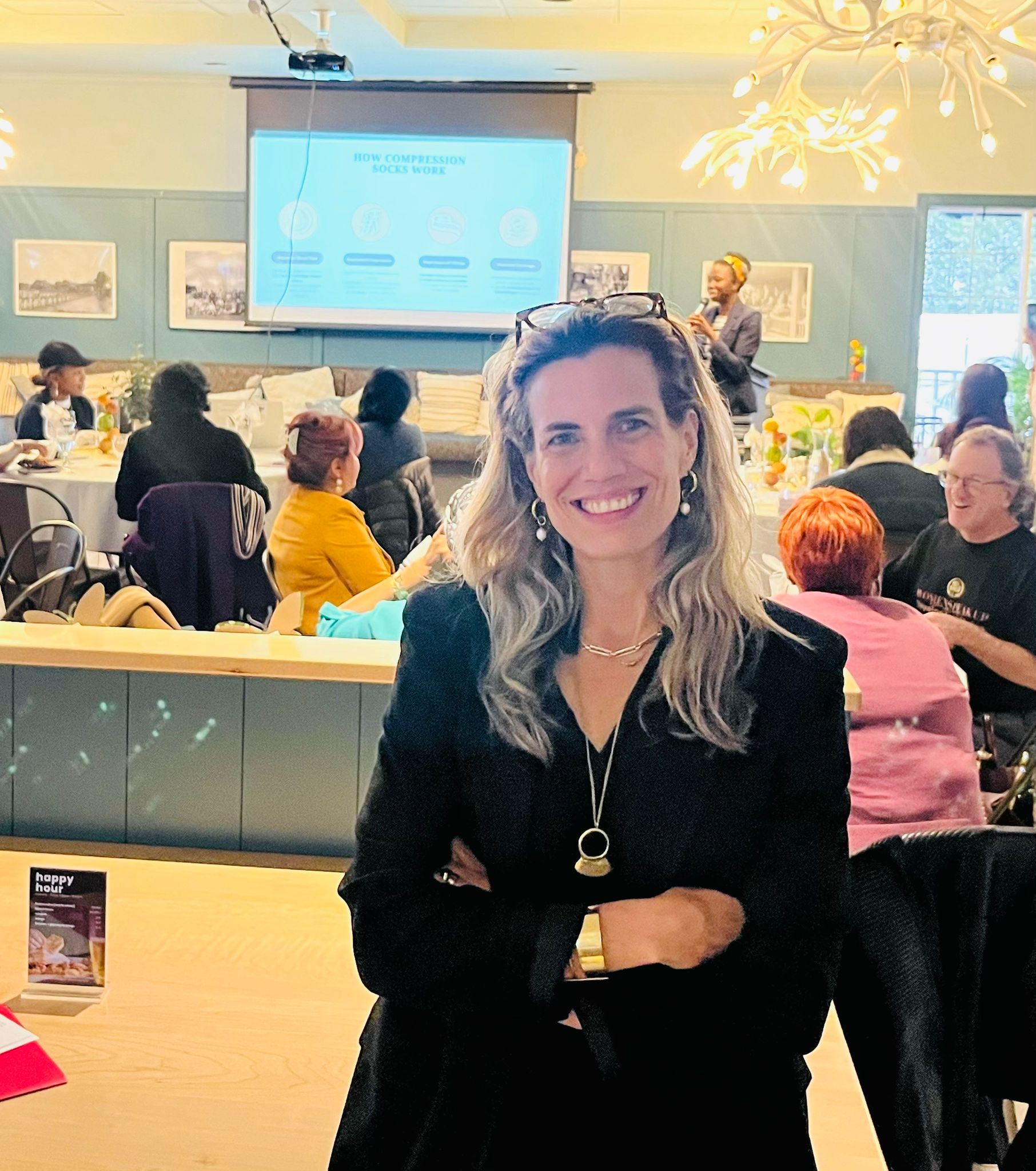
What’s a lesson you had to unlearn and what’s the backstory?
A lesson I had to unlearn? That compassion means rescuing.
For a long time, I believed being compassionate meant stepping in, softening the blow, and carrying the load – especially for the people I loved. If someone was hurting, I’d twist myself in knots trying to fix it… even if it meant abandoning myself in the process. The more I sacrificed, the more loving I thought I was.
I wore the role of emotional caretaker like it was my job – in relationships, in family, even professionally. I didn’t just support people. I tried to save them. And I called it love.
But looking back, I see what it really was: fear. Fear of disconnection. Fear of being too much or not enough. Fear of no longer being needed – or being seen as cold or uncaring if I didn’t step in.
What’s interesting is that even though I spent years co-leading a grassroots project in Kenya that supported vulnerable children – and saw firsthand how powerful it is to believe in people’s capacity – I still hadn’t applied that same belief to the people closest to me. Or to myself.
Those children didn’t need rescuing. They needed safety. Consistency. Nourishment. Encouragement. They needed to be seen, believed in, and given space to rise. And they did.
But I had to learn that lesson all over again – in my own home.
The turning point came during the most strained chapter in my marriage. My husband was in his own spiral, and I had just made the decision to stop disappearing from my own life. And I remember this quiet moment of clarity: If I kept trying to fix him, I wasn’t just denying his capacity – I was draining mine.
That’s when I redefined compassion.
I realized that compassion doesn’t mean rescuing or absorbing. It means staying present – without shrinking. It’s being able to say, “I see your pain. And I trust you to face it.” And just as importantly: “I can still love you, even when I choose myself.”
That shift changed everything. It taught me that real empathy doesn’t collapse boundaries – it honours them. Now I know: it’s okay to be okay, even if someone else isn’t.
Whether I’m coaching a client, parenting my own kids, mentoring the Kenyan kids, or navigating hard truths with someone I love, I carry that with me: We are all capable of surviving our own big emotions. My job isn’t to protect people from the hard – it’s to stay rooted beside them, without losing myself in the process.
That’s the kind of compassion that changes relationships. And most importantly, it’s the kind that heals you.
What’s been the most effective strategy for growing your clientele?
Rapport. Trust. Real connection. That’s it.
I didn’t grow my business with funnels, flashy ads, or perfectly-optimized campaigns. I built it through honest conversations. One client at a time.
From the beginning, my focus has been simple: Create real, meaningful change for people and let that speak for itself.
Every offer I’ve created, every keynote I’ve given, every coaching container I’ve held…it’s all designed to meet people where they are and help them come home to themselves in a way that sticks.
And when that happens? People talk. They refer. They return. Not because they’re incentivized, but because something real happened. My business has grown through word of mouth, reputation and resonance.
I treat every interaction – whether it’s a session, a meet-up, a retreat, or a single post on LinkedIn – as a chance to connect by being real, grounded, and genuinely useful.
And in an industry that can feel bloated with overpromising and performance, being real is disruptive – and memorable.
So that’s the strategy: Do work that matters. Deliver on it. Let people feel seen. And let your business grow at the speed of trust.
Contact Info:
- Website: https://www.mindmoodalive.com
- Instagram: https://www.instagram.com/mindmoodalive
- Facebook: https://www.facebook.com/mindmoodalive
- Linkedin: https://www.linkedin.com/in/howardalexandra
- Youtube: https://www.youtube.com/@mindmoodalive9892
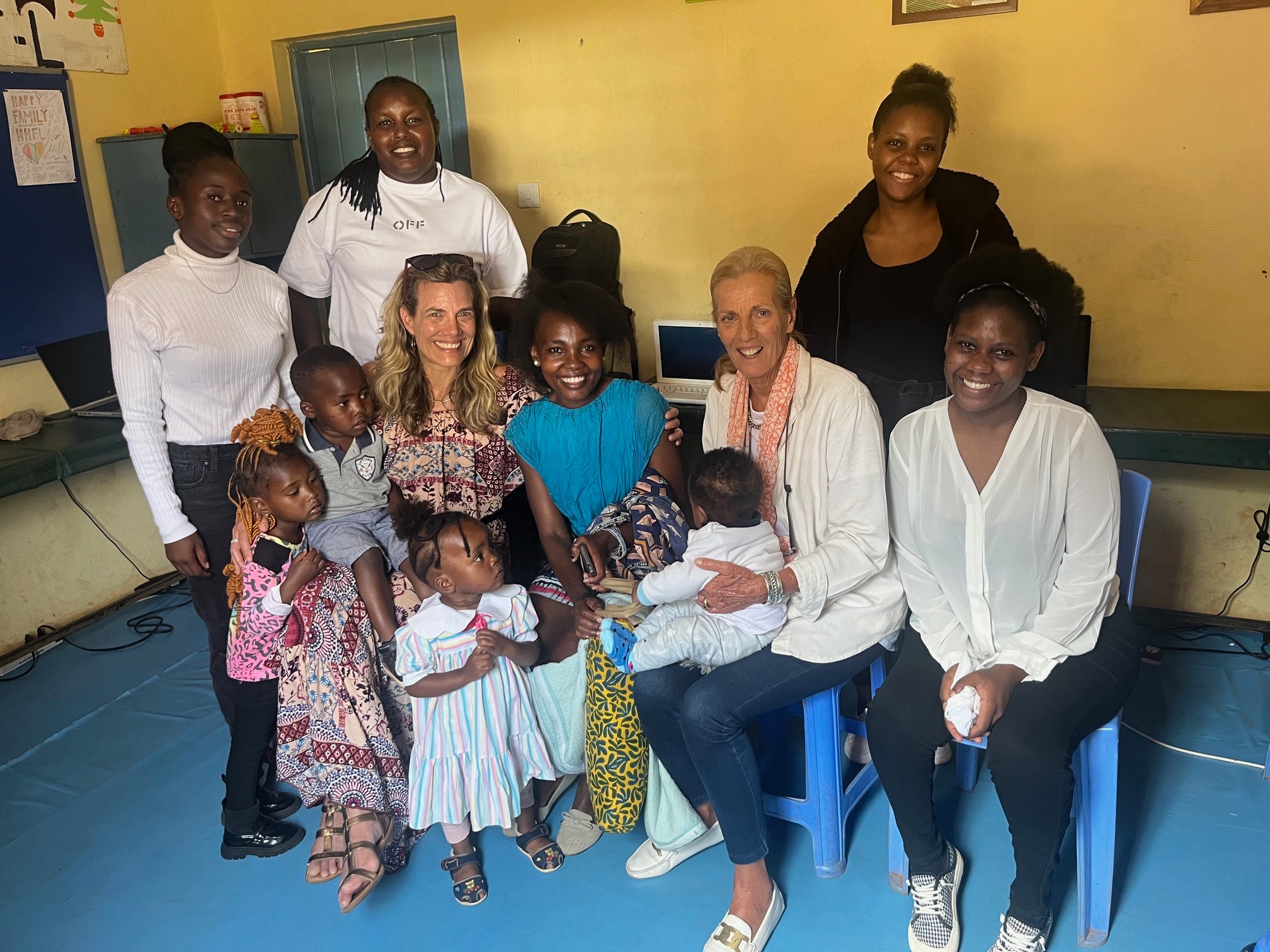
Image Credits
Melanie Mathieu