
We were lucky to catch up with Alexander Figueroa recently and have shared our conversation below.
Alexander, thanks for joining us, excited to have you contributing your stories and insights. Can you talk to us about how you learned to do what you do?
Growing up, I began doodling in elementary school. Tracing simple character designs and logos (ie the batman logo) in order to become more invested. As I became more comfortable with tracing, I began drawing little things like animals, grassy fields with the squiggly V shaped birds in the sky. It helped that every two weeks, one of my teachers asked us to decorate a brown paper bag that we used for our good-boy/girl rewards for doing well in class. Around middle school, I was doing my best in copying my favourite video game characters. I would look at those pictures and try to make a replica. It was never close to perfect, but I was really engaged. I also became friends with a few other passionate classmates, so we kinda had a rivalry that was never really spoken. When I arrived at my first year in college, I took up my first graphic arts class which taught us how to use Adobe Illustrator. I would transfer my hand-drawn pictures and, using a mouse, would vector the lines (or smooth the lines) as well as add basic colours and gradients. The following year I attended both a digital modeling class as well as a colour theory class. The modeling class was where I was introduced to using a Wacom digital tablet. It looks like a black slab with a few buttons on the side, and it comes with a black “pen” that mimics an actual pen or pencil. Pressure sensitivity, tip placement, and the ability to erase your mistakes just like a real pencil are just some of the benefits that came with it. Using Adobe Photoshop and the tablet, I was able to draw directly on the application. Skipping the hand-drawing, scanning, and cleaning phases was a blessing in disguise! I, then, decided to combine both the applications in my art: I would begin sketching rough drafts on Photoshop, transfer to Illustrator to vector the lines and fill with solid colours, then go back to photoshop again to add highlights, shadows, gradients, and any other bells and whistles that I can think of. If there was an effect that I needed to learn, I will then go to Youtube for a quick tutorial. It came in handy as to when I wanted to draw a soap bubble and wanted it to look more believable, or add specific textures to pieces of clothing on a simplified art piece to really make it pop!
Alexander, before we move on to more of these sorts of questions, can you take some time to bring our readers up to speed on you and what you do?
So my name is Alexander Figueroa. I was born and raised in Philadelphia, PA and I am of Puerto Rican descent. Growing up, I have always appreciated different types of art, whether it be music, performing, traditional paintings, etc. I remember fond memories where as a child of about 5 or 6 years, I would wander off to a neighbor’s house and spend time there. I don’t remember him much, but I do remember he was an elderly gentleman who always played 30’s and 40’s classic music on his phonograph. Moments like those really solidified my love for the uncommon. As I grew older, I became exposed to other forms of television shows than the classic 80’s and 90’s kids animated shows. Japanese animations were being introduced in the western world, and it was taking over the animation field by storm. That was when I had my first mind explosion with shows like Dragon Ball Z, Sailor Moon, and the all well-known Pokemon. My art style began mimicking their style for the majority of the time I spend doodling and sketching. Years later, after being exposed to Anime Conventions, I was able to see and admire other artists’ different styles. In order to improve, I learned to pick up what I liked about other artists and try to incorporate it in my works. Now it isn’t like stealing their works. For example: I was always used to drawing huge round anime eyes. Then I saw a piece of fan art with the characters having their eyes thinner, narrower, almost intimate looking. Then I try to imitate it after looking at it and I use my own tricks to make it more my own. It is almost like the phrase: mimicry is a form of flattery. Observing and attempting to do it myself really gives me a deeper sense of appreciation and awe towards other fellow artists, and it helps to better my own skills.
Making digital and graphic art is my passion, and yet, it is also my hobby. I really didn’t do much with my art while I was attending grade school, and even in my first few years of college. Two things drove me into deciding to sell my art. The first was being introduced to one of my best friends and fellow Art Convention partner, Tori K. Roman, a.k.a. Tokaro. I really owe her so much for introducing me to the world of conventions as well as the “chibi” art style (a style where characters are no more than three heads tall give or take). The second was reading the book “Rich Dad, Poor Dad” for my micro economics class. I do not consider myself to be an avid reader, but that book sparked something in me that made me become more confident in myself when displaying my works of art out for the world to see.
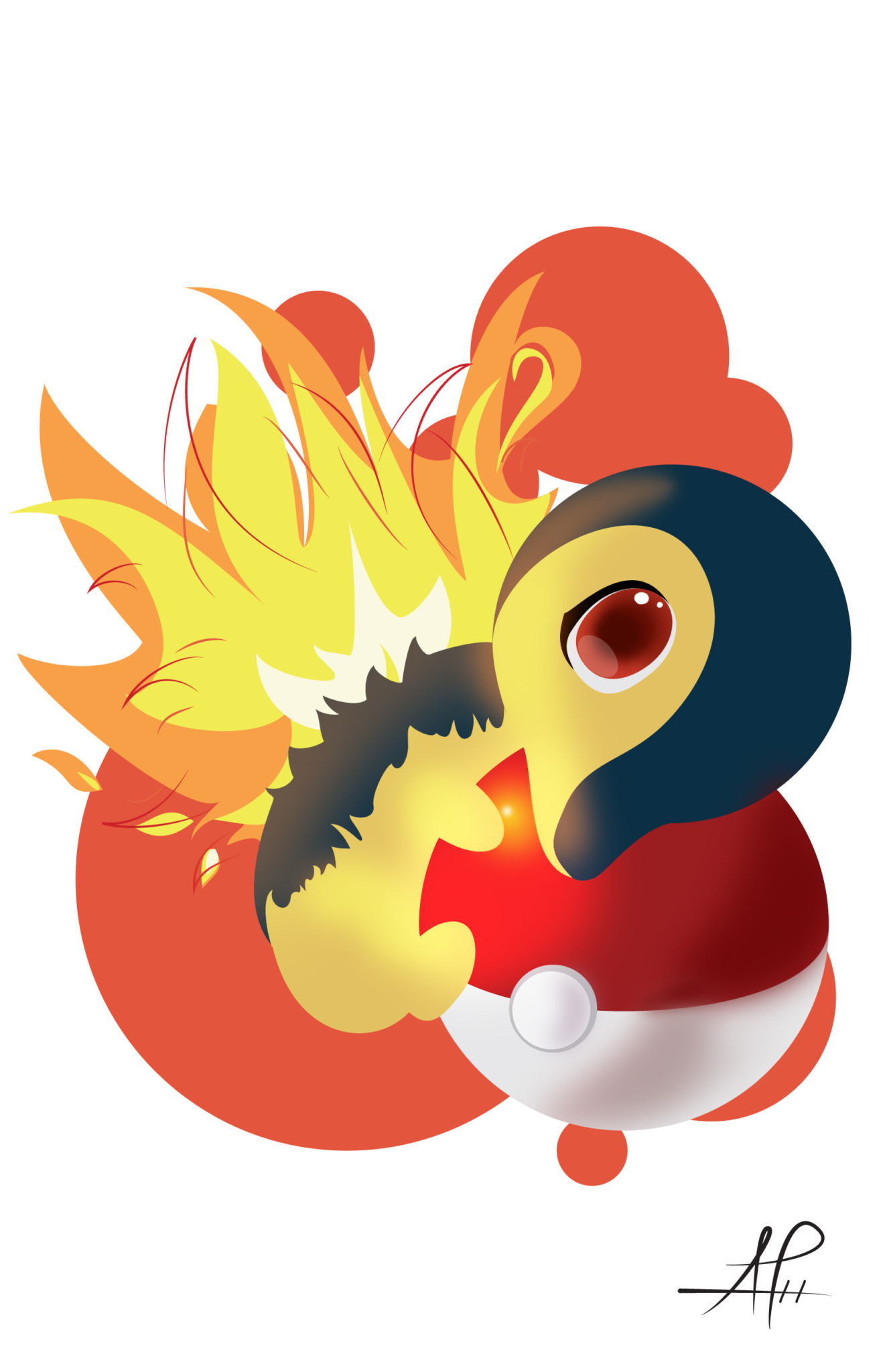
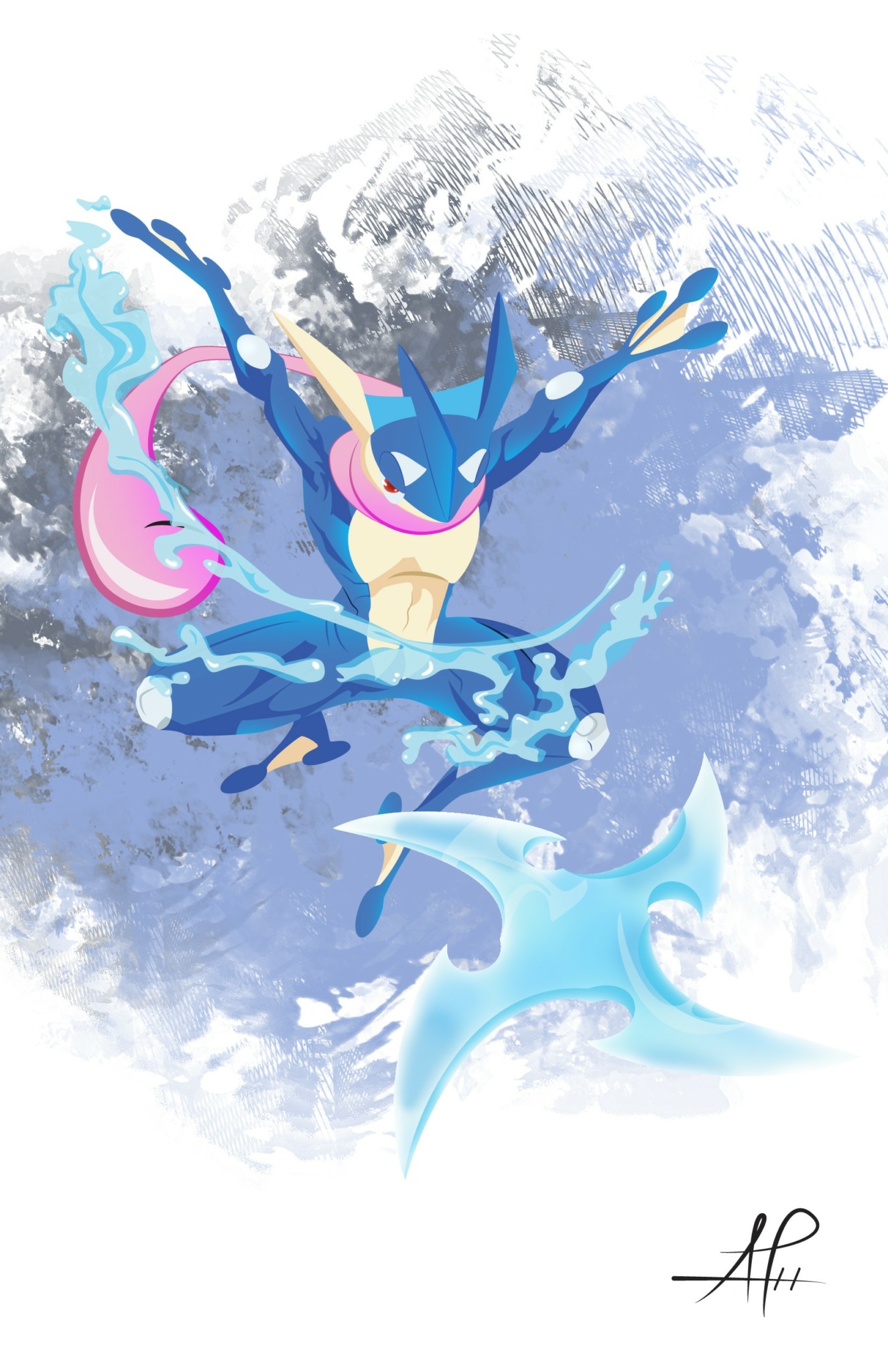
When Tori asked me if I were interested in sharing an artist alley table at Megacon back in 2012 or 2013, I was thrilled! At that time I didn’t have any idea of what to make in order to grab people’s attention. We decided on the simple concept of fanart, and then I decided to focus on making Pokemon pictures. At that time, I was still developing my style, but it was definitely cute/chibi genre. We would spend hours in the evening preparing and critiquing each other during our Skype and Sketch sessions. When the convention finally came around, it was overwhelming in many ways! Not knowing how to prepare a table, worrying about competition, the mass crowds, anxiety were just some of the concerns I can think of right off the bat. Even though there was a lot of pressure to break even from the expenses, those thoughts stopped persisting whenever I would see people get excited for my pieces. Those moments filled me with so much joy!
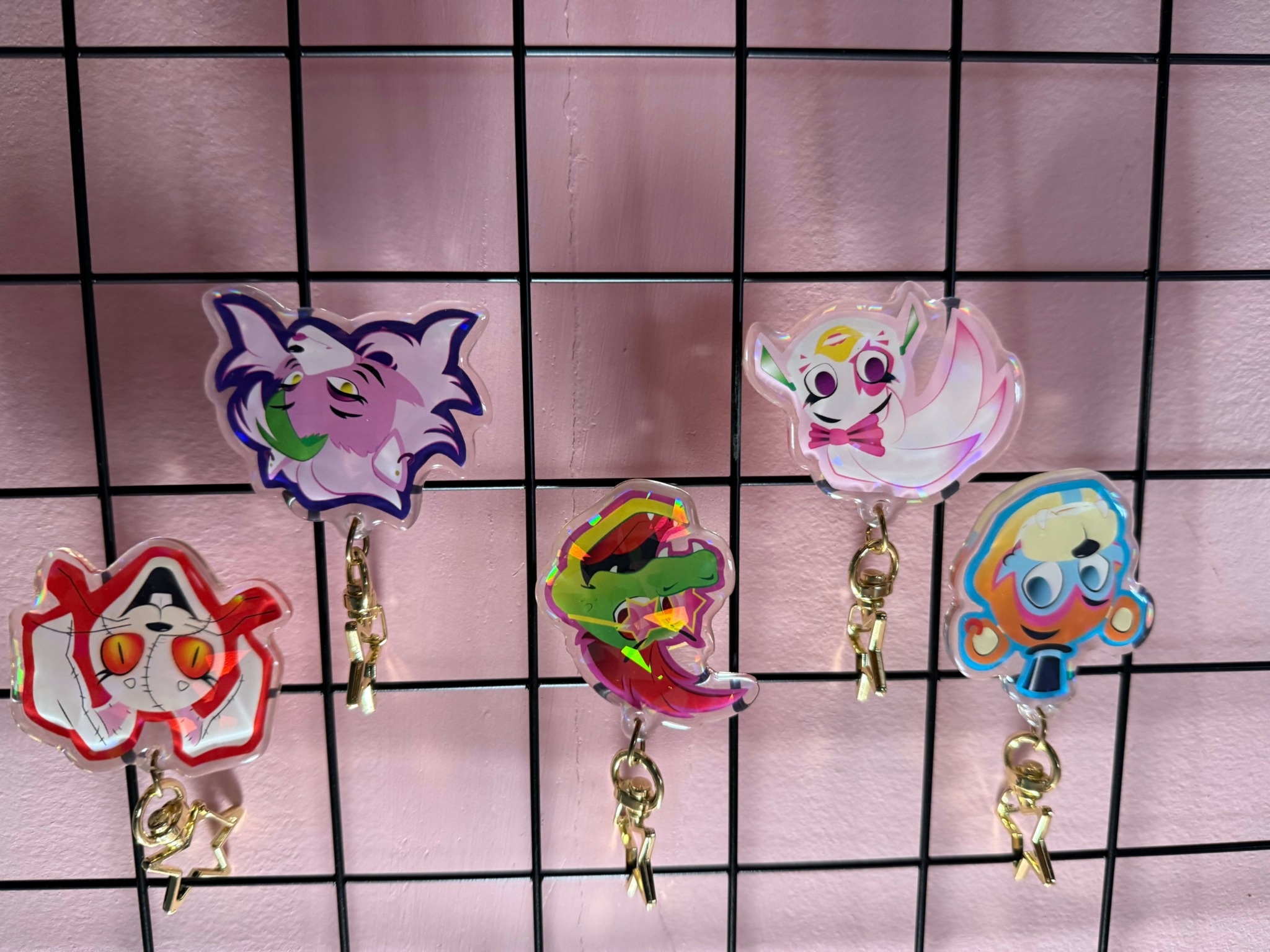
Years would go by, and I would occasionally attend other conventions. Lately, I realized that my prints don’t sell well anymore, so now I decided to design keychains. Noticing the changes in the market and reacting to it, in my opinion, is key to keeping a business afloat. Now I’m not saying that it is the only thing to worry about; there are other factors that come in play such as trends, marketing, innovation, consistency, transparency and honesty, etc. What I meant to say is now I believe I get to start all over again in making and creating something new. Sure, I can use some of my old prints and reuse them as keychains, and I’m sure I’ll make a few of them, but I want to explore other characters, styles, and concepts while I’m at it.
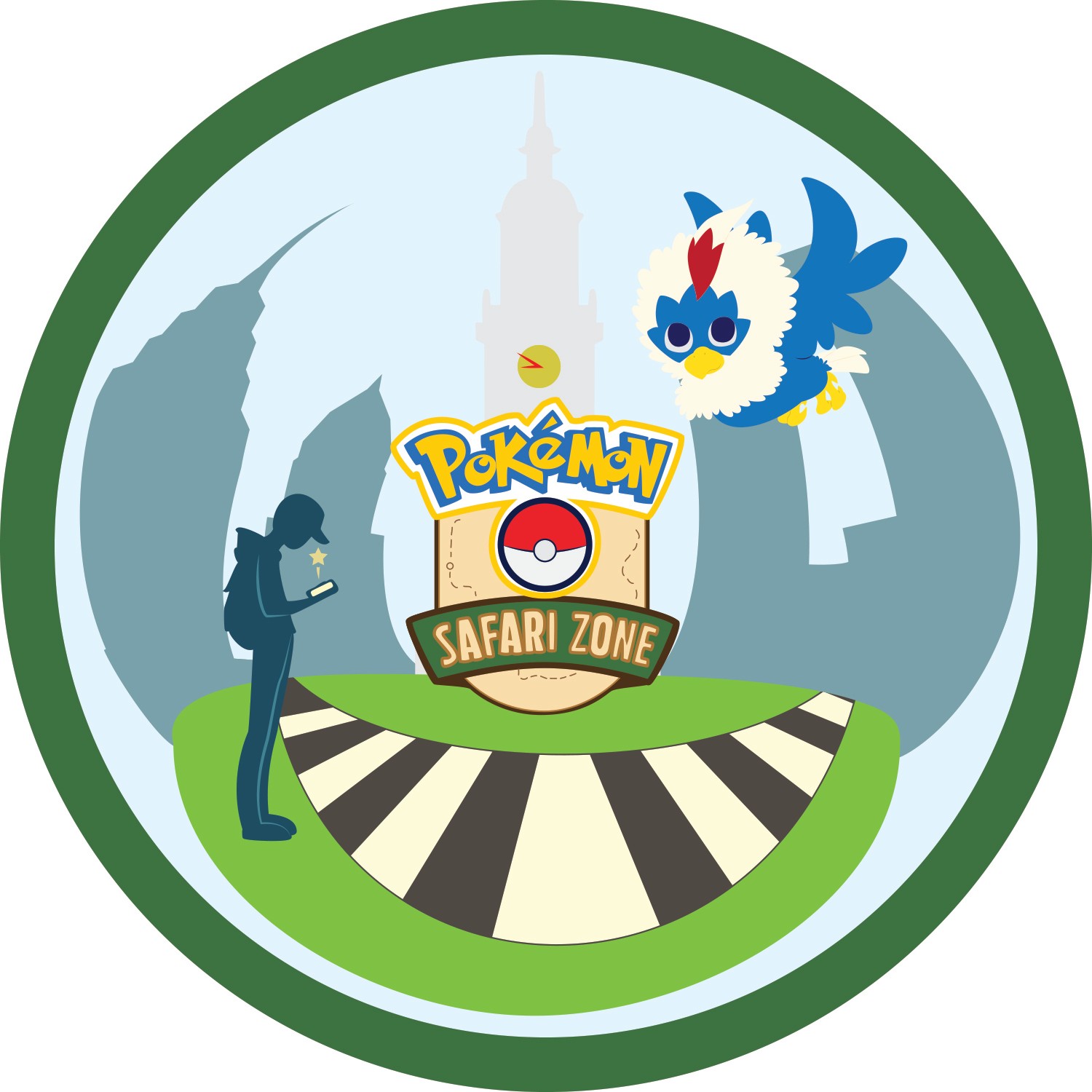
In July of 2016, the Pokemon Go app was released on the mobile devices. Over the years, I have made so many wonderful friends over those amazing interactions. Some of them decided to design “Community Day badges”. Community day is a day in the month where a specific Pokemon will be spawning everywhere and they have a higher chance of being altered in colour. They designed and made the orders using their own funds just because it brought joy to the other players. In Arpil of 2020, the same group of people asked if I could help design a badge for the “Safari Event” which is relatively similar to the regular Community Day. It was an emergency request since their original artist wouldn’t be able to do it, so I believe I had 2-3 days to brainstorm, design, fix errors, and send the file over to be printed. It was difficult since I was working 10-11 hour shifts at work, and exhaustion would get the better of me in the evening. I don’t fully remember what happened next, but I think there were complications with the order, so the badges arrived late. Nonetheless, they were distributed to everyone eventually.
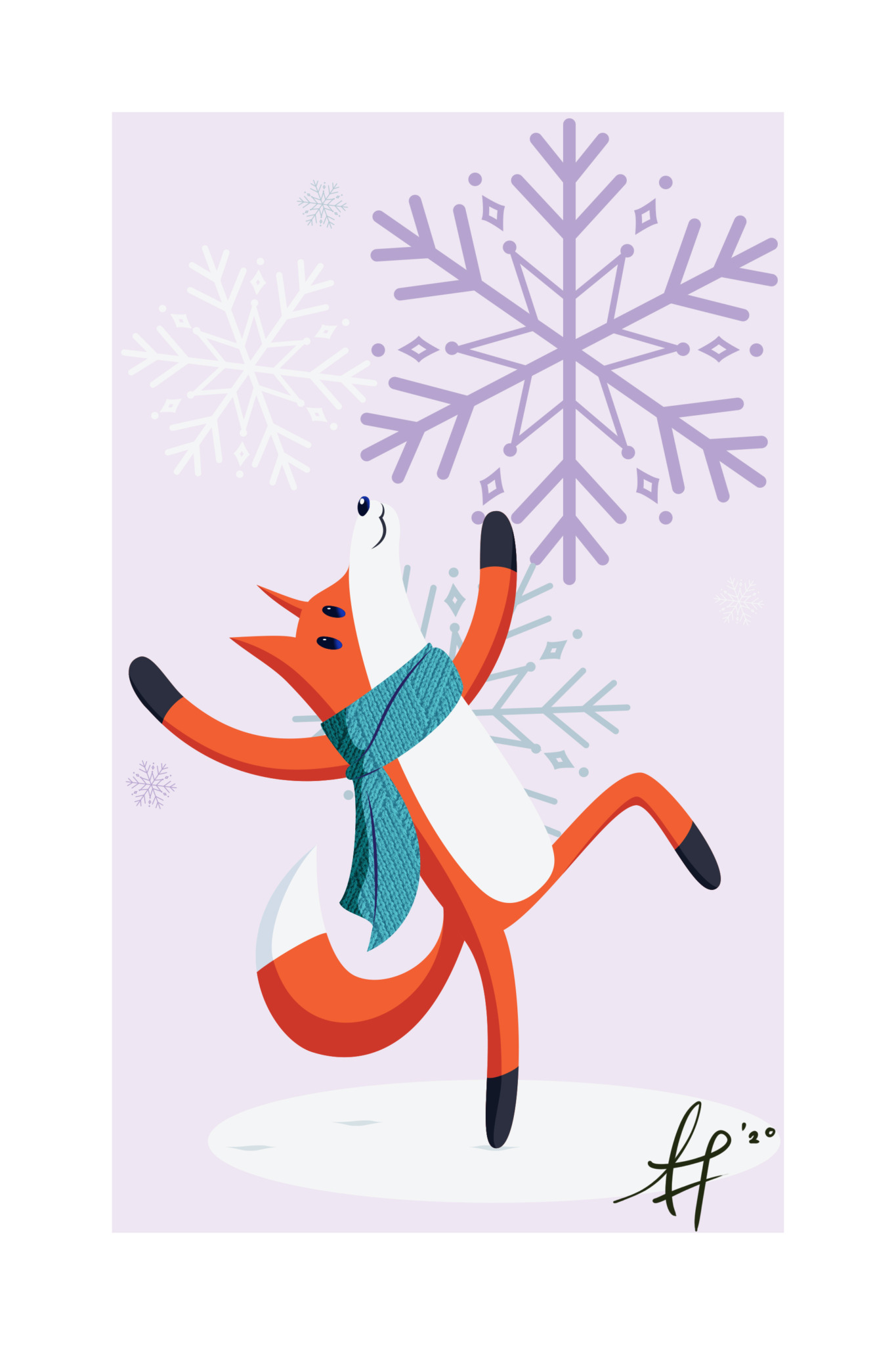
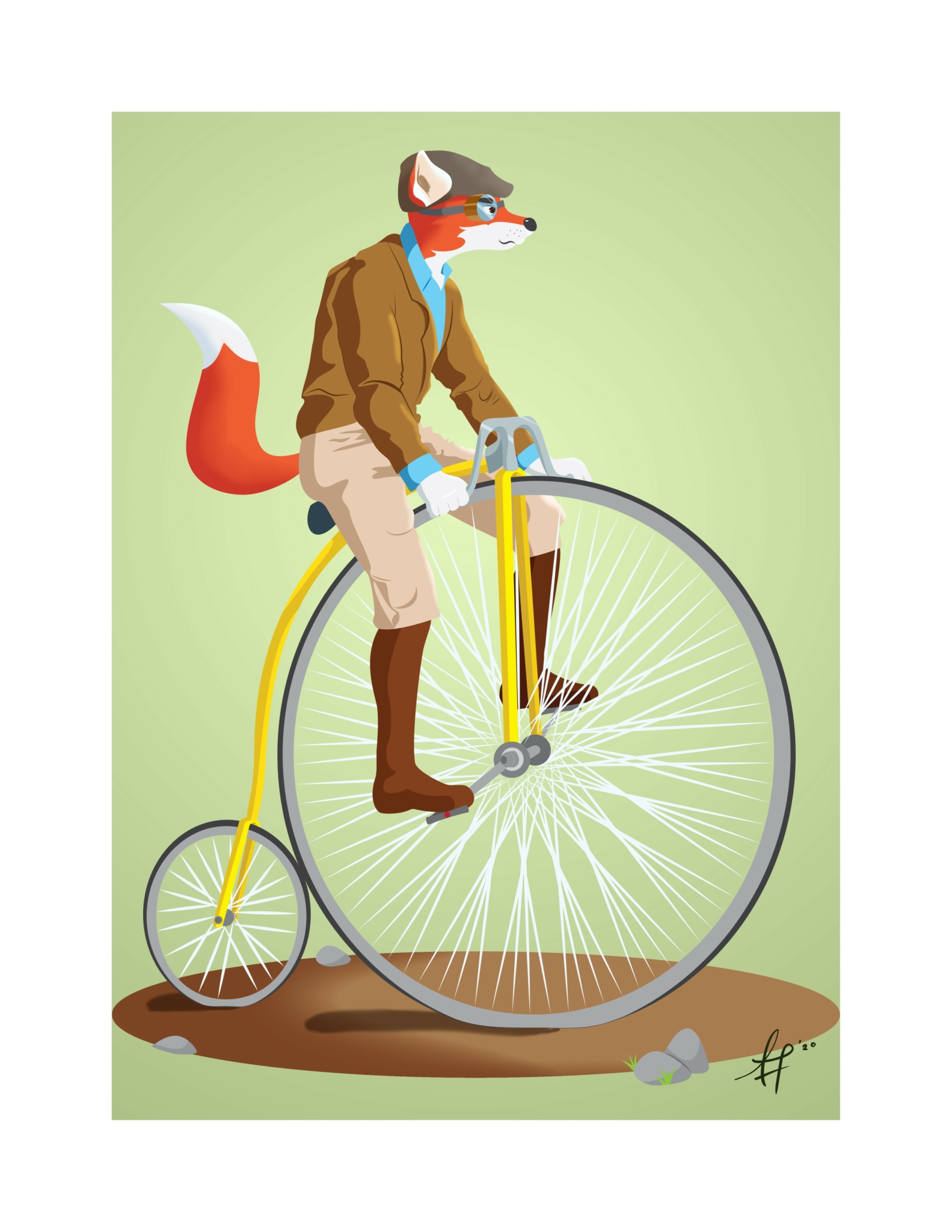
There is a piece of art that made me proud of my accomplishments. Around 2015, I remember seeing a “Fantastic Mr. Fox” riding a bicycle print on an online marketplace website. I did not save the link to purchase it in the future, but when I was finally ready to make the purchase, it was no where to be found. Around Fall of 2020, I decided it was time for me to make my own from memory. I used several references for the design and I spent about two weeks streaming my progress on social media. I was so excited to see the finished product. Sure it wasn’t a replica, but that piece pushed my limits beyond what I thought I could make. It was the first of two pictures that I decided to print and hang on my bathroom wall. That print was the only print that someone reached out to me to place an order. It was a friend of a friend who was interested, but nothing like that ever happened before!
How can we best help foster a strong, supportive environment for artists and creatives?
In my opinion, being surrounded by fellow artists that wish the best for you as you do for them as well is one of the most important things to have. I am fortunate enough to have close friends who always push me to do a little better. Unfortunately, I have seen issues occur to other artists on social media platforms where people berate artists and, at the same time, promote their own art. No community deserves that kind of energy. It hurts other artists on a personal level, whether emotional or economical, and it places bad faith on those who are being unjust and unfair. Don’t be quick to judge when your emotions are controlling you. Step back and think logically, just like you would do when looking at a painting.
Also, if there is a piece of art or video that you love, please give credit to the artists when reposting. This really helps out the artists gain the recognition they deserve. It would be unfair for you to make a creative piece of art only to have someone else steal your glory and pretend they made it.
What’s the most rewarding aspect of being a creative in your experience?
I enrolled in a video editing class as an elective, and our professor told us on day one: “You will most likely hate me by the end of this semester because you will never be able to fully enjoy movies like everyone else. …you will notice editing mistakes, inconsistencies, poor choice of camera placements and angles…” To be fair, he wasn’t lying about not being able to turn off my brain when watching movies, but I don’t hate him. He showed us an example of what an artist can see that others normally cannot. I really appreciate these lessons since they can enrich my experiences in life even more.
Contact Info:
- Instagram: DA_Figgy