

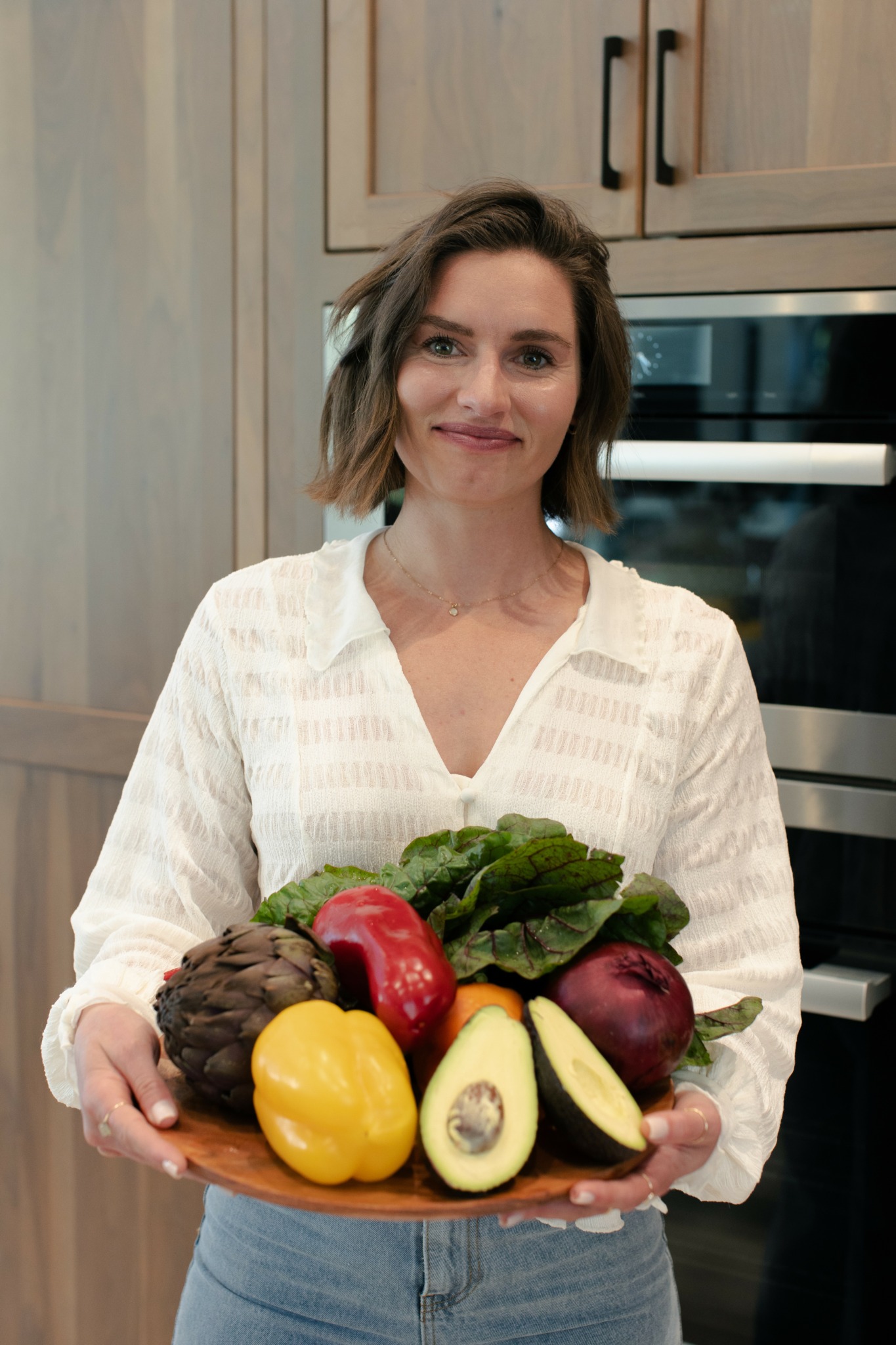

We recently connected with Alexa Heathorn and have shared our conversation below.
Alright, Alexa thanks for taking the time to share your stories and insights with us today. Looking back at internships and apprenticeships can be interesting, because there is so much variety in people’s experiences – and often those experiences inform our own leadership style. Do you have an interesting story from that stage of your career that you can share with us?
One of the most pivotal and formative experiences I had as an apprentice was working alongside one of my graduate school professors—someone who not only taught me the science of nutrition analysis but also invited me to co-author a book on Metabolic Syndrome (Mets).
What began as a classroom connection quickly turned into a deeply meaningful mentorship. Together, we wrote a comprehensive guide for both healthcare professionals and the general public that broke down the complexity of MetS into understandable, actionable steps—covering everything from physiology and lab markers to nutritional interventions and recipes.
Through the process of researching, writing, and organizing the book, I gained a profound understanding of the interconnectedness of the body. I learned how even a subtle dysfunction in one system can ripple through and disrupt the entire internal ecosystem. More importantly, I learned to see symptoms not as isolated issues, but as a language—a form of communication that, when understood correctly, points us toward the root cause of disease.
This experience completely shaped the way I practice medical nutrition therapy today. It gave me the lens I now use with every client: one that sees patterns, connections, and root causes—not just symptoms. It also showed me how empowering it is to bring clarity to someone’s health journey, to help them connect the dots and finally feel like they have answers. That’s where my excitement lies: in solving the puzzle and helping people take back control of their health.
Looking back, I realize this apprenticeship didn’t just teach me clinical insights—it shaped my leadership style, my values, and the way I guide others through their healing.
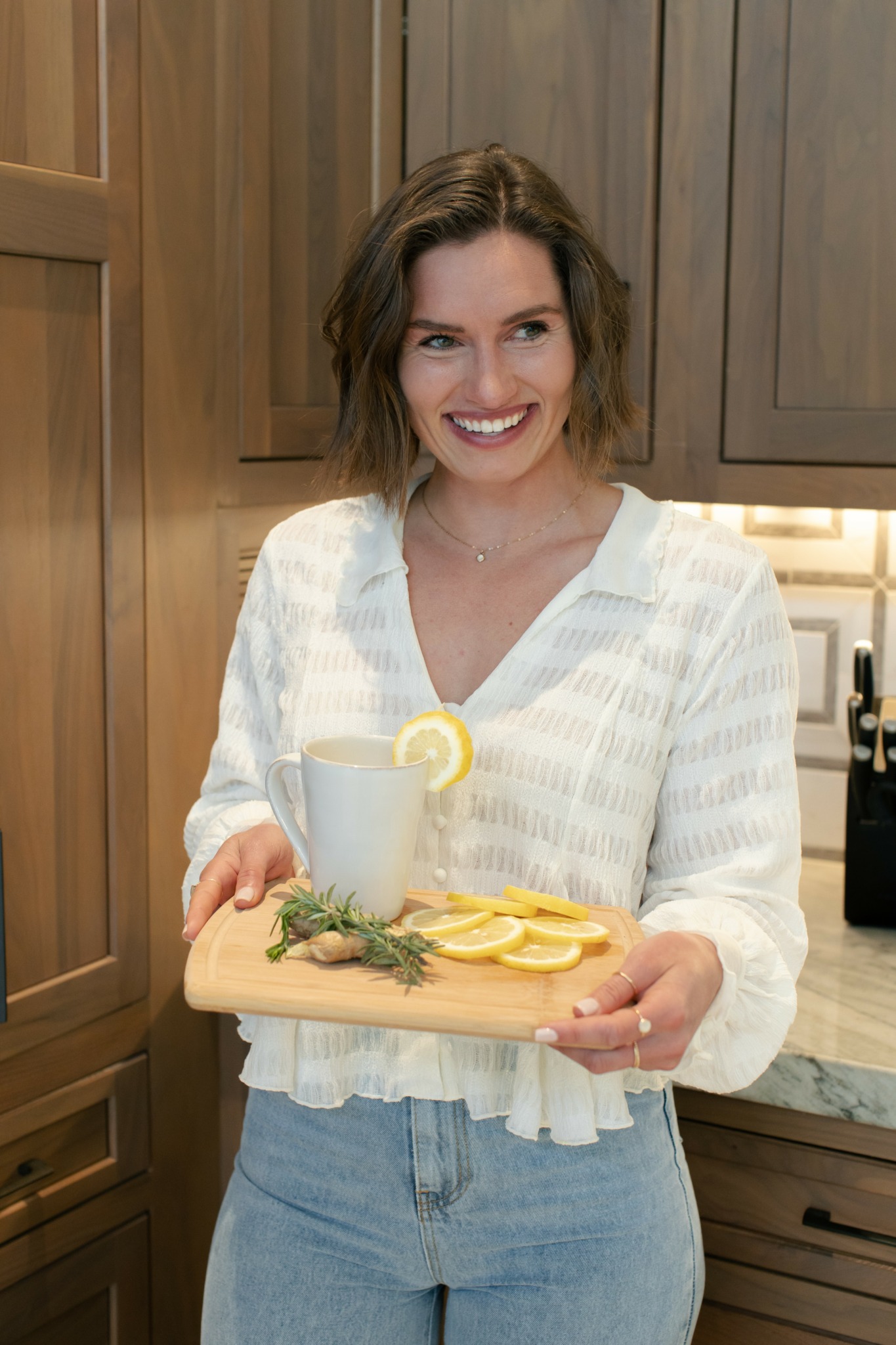
As always, we appreciate you sharing your insights and we’ve got a few more questions for you, but before we get to all of that can you take a minute to introduce yourself and give our readers some of your back background and context?
I’m a functional nutritionist specializing in women’s health, and I help women get to the root of stubborn, confusing symptoms that traditional medicine often overlooks. Through 1-on-1 personalized coaching, I guide my clients using functional medical nutrition therapy—where we combine clinical lab testing with the body’s own language (signs and symptoms) to map out a customized path to healing.
My journey into this field is deeply personal. I spent most of my early life navigating complex physical, mental, and emotional health issues—ranging from unresolved trauma and chronic symptoms to eating disorders that left lasting imprints on my body and mind. I remember what it felt like to be dismissed, given medications without explanation, and told that everything “looked fine” on paper while I was falling apart inside.
When the medical system had no more answers for me, I chose to become the expert in my own body—and ultimately, in the science of healing. I studied clinical nutrition, biochemistry, physiology, and functional medicine. I experimented. I cried. I healed. I rebuilt my metabolism, my hormones, my relationship with food, and most importantly—myself.
That transformation gave me a mission: to help other women reclaim their health, their confidence, and their freedom.
Now, I work with women struggling with gut issues, hormone imbalances, metabolic dysfunction, fatigue, emotional eating, body image challenges, and more. I don’t believe in one-size-fits-all protocols. We look at your labs, your story, your symptoms—and build a plan that works with your body, not against it. We use food as medicine, herbs, lifestyle shifts, mindset work, nervous system regulation, and practical, evidence-based tools to support the whole you.
What sets my work apart is how deeply personalized, strategic, and compassionate it is. I’m not here to “fix” you—I’m here to help you listen to your body, understand its messages, and finally feel empowered in your healing.
What I’m most proud of? The women I’ve watched light up with energy again. Who no longer fear food. Who get their cycles back, sleep through the night, lift weights with confidence, and smile in photos again. That’s the kind of ripple effect I want my work to have.
Whether you’re dealing with persistent symptoms that no one’s been able to explain, or you’re simply ready to feel vibrant and at home in your body again—I’m here to help you find your way back to yourself.
What’s a lesson you had to unlearn and what’s the backstory?
For most of my life, I believed that being smaller meant being healthier, more lovable, more worthy. I was surrounded by women whose only goal was to shrink—to be petite, delicate, beautiful. I internalized that message so deeply that I built my entire identity around it. I chased it until it nearly killed me—multiple times.
I was addicted to the routine: the restriction, the running, the measuring. Even as my health collapsed, even as my body begged me to stop, I clung to it. My body simply couldn’t keep up anymore. I was faced with a choice—keep spiraling, or try something radically different.
That’s when someone came into my life and introduced me to powerlifting. For the first time, I was invited to think about growing—in strength, in food, in self. I learned how to lift. I learned how to eat. I learned how to live in a body that was fueled instead of starved. And slowly, my mindset began to shift from “how small can I be?” to “how strong can I become?”
I’ll never forget the moment I realized I was healing. I had stopped running and had been lifting consistently for a few months. One day, someone accidentally bumped into me—and I didn’t fall over. I was solid. Unshakeable. That simple moment gave me more confidence than years of chasing thinness ever did. I felt powerful in my presence. Like I could hold my ground—not just physically, but in life.
As I kept building muscle, I began to understand its role in overall health—hormones, metabolism, energy, resilience. Ironically, even though I had gained 20 pounds, I was the healthiest and happiest I had ever been. And my body composition finally aligned with what I had been striving for all those years—except now it came from nourishment, not punishment.
What I unlearned was this: Shrinking doesn’t make you powerful. Strength does. And strength gave me more than just a healthy body—it gave me a voice, an identity, and a deep-rooted confidence I’d never known.
One of the most defining moments of resilience in my journey came when I was around 22 years old.
At that point, I was technically “recovered” from clinical anorexia and exercise bulimia. I had restored enough weight to avoid hospitalization. I was no longer in acute crisis. But what no one tells you is how long disordered behaviors and thought patterns can linger beneath the surface—quiet but persistent, like ghosts in the body.
I was still running 8–12 miles a day, chasing the high of depletion. I lifted light weights—not to build strength, but to chase the illusion of “toned” arms. I ate a strict vegan diet, not for ethics or digestion, but because I believed it would make me smaller. I tracked every calorie and refused to go over 1,000 a day. If I did, I would spiral into shame and wake up feeling “fat”—a word that had come to mean failure, loss of control, and fear of being seen. I took videos of myself in a bikini weekly to check my “progress,” pinching at imaginary fat and picking apart my reflection. I feared rest. I feared nourishment. I feared softness. And I believed that if I deviated from my routine even slightly, I’d unravel.
Eventually, I did.
That belief system—rooted in control, scarcity, and self-rejection—pushed my body into total collapse. It didn’t happen overnight. At first, it was subtle: fatigue I couldn’t shake, constant bloating, dizziness, mood swings. But soon my entire system began to shut down. I entered a full-blown health crisis with severe HPA axis dysregulation, adrenal exhaustion, and inflammation that left me in relentless pain. I couldn’t walk from my bed to the bathroom without crawling. I would cry the whole way there—not from sadness, but because it physically hurt.
My gut couldn’t tolerate food. My hormones were dysfunctional—I developed PCOS so severe I couldn’t stand upright from the pain during half the month. My periods were violent and unmanageable. I had to wear a super-plus tampon, a disc, and a pad just to leave the house. My immune system crashed. I caught every infection. I couldn’t think straight, couldn’t sleep, and my mental health crumbled. I was flushed, sweating, breaking out, and so bloated I felt like a stranger in my own body. The final blows? A blood clot at 23, appendicitis, and early-stage liver failure.
Still, no one took me seriously. I was bounced from specialist to specialist, each one prescribing a new medication without investigating why my body was screaming. I was told I was too young to be that sick. That it was just stress. That it was “probably in my head.”
But I knew my body wasn’t lying. I knew something deeper was wrong. That’s when something in me snapped—but in the best way.
I decided to become the expert I couldn’t find.
I started studying biochemistry, human physiology, and the mechanisms of disease. I tracked every symptom, every food, every pattern. I experimented with nutrient therapy—targeting blood sugar control, hormone signaling, and liver detoxification. I built and adjusted protocols daily based on what my body was telling me. And slowly—painfully—I began to heal.
I started building a relationship with my body that wasn’t based on control, but communication. I started listening instead of punishing. I stopped treating symptoms as problems to suppress and started seeing them as messages to decode. I learned the language of my body—and it changed everything.
As I healed, I brought my findings to the doctors I had once begged for answers. I showed them my research. My results. My data. Most brushed me off. A few told me I was reaching. Only one ever really listened. But I didn’t need their validation anymore. I had found something they had missed: the power of root-cause healing, the intelligence of the body, and the incredible impact of personalized nutrition and lifestyle medicine.
That’s what drove me to apply to graduate school to study Clinical Nutrition. That’s what led me to earn my CNS credential. That’s what built the foundation of my practice today.
Resilience, for me, wasn’t just surviving illness. It was surviving being ignored. It was surviving being gaslit, being told I was too dramatic, too sensitive, too much. It was surviving the shame I carried in silence. And then turning that survival into service.
Today, I work with women who feel like I once did—dismissed, misunderstood, and disconnected from their bodies. I help them get answers, feel seen, and find freedom. Because when you’ve been through the dark, you don’t just want to escape it—you want to light the way for someone else.
Contact Info:
- Website: https://www.bloomedwellness.com
- Instagram: @_alexaheathorn
- Facebook: https://www.facebook.com/profile.php?id=100011702806682
- Linkedin: https://www.linkedin.com/in/alexa-heathorn/
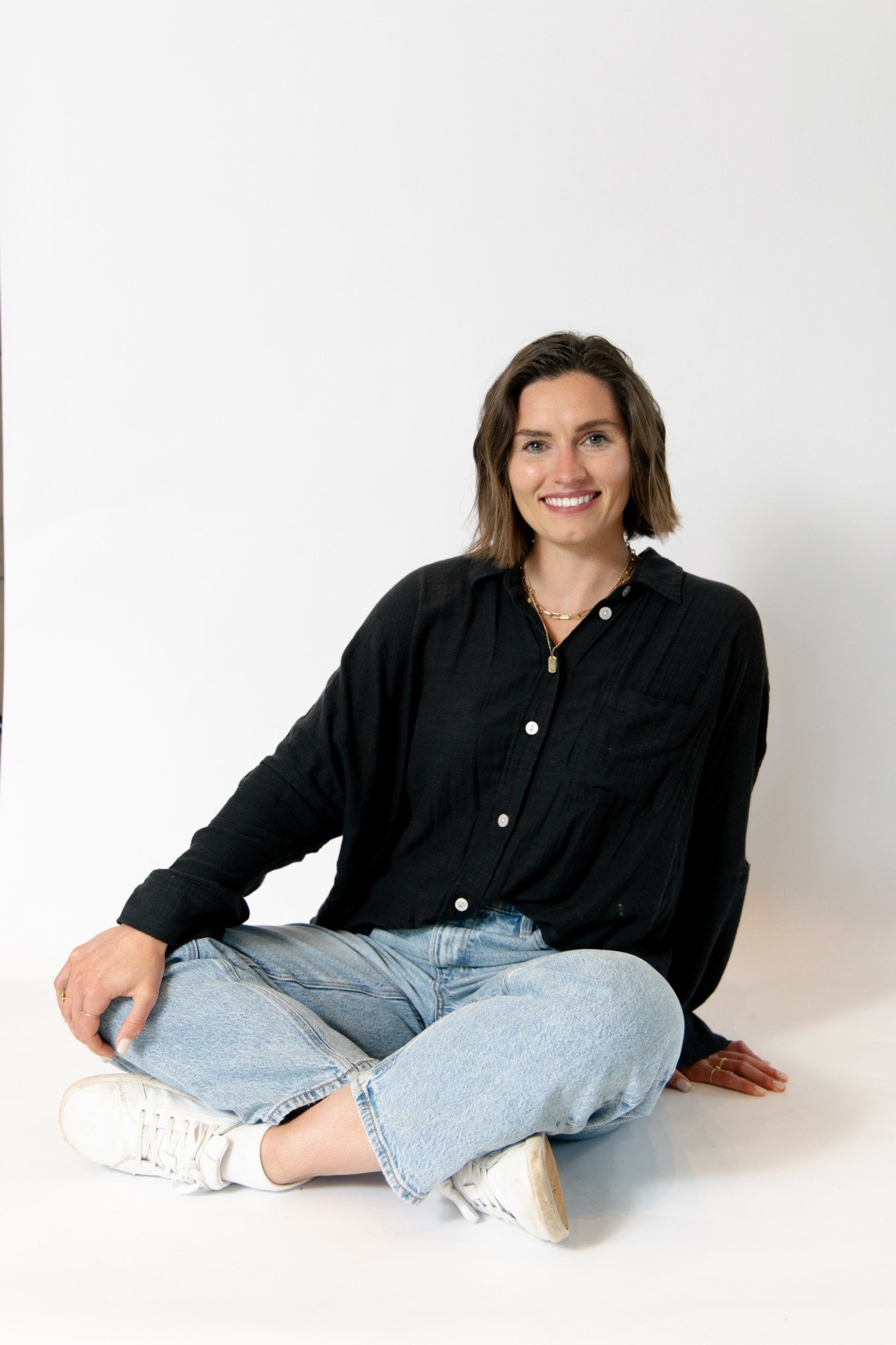
Image Credits
Bryn Powers