


We were lucky to catch up with Alex Sparrow recently and have shared our conversation below.
Alright, Alex thanks for taking the time to share your stories and insights with us today. How’s you first get into your field – what was your first job in this field?
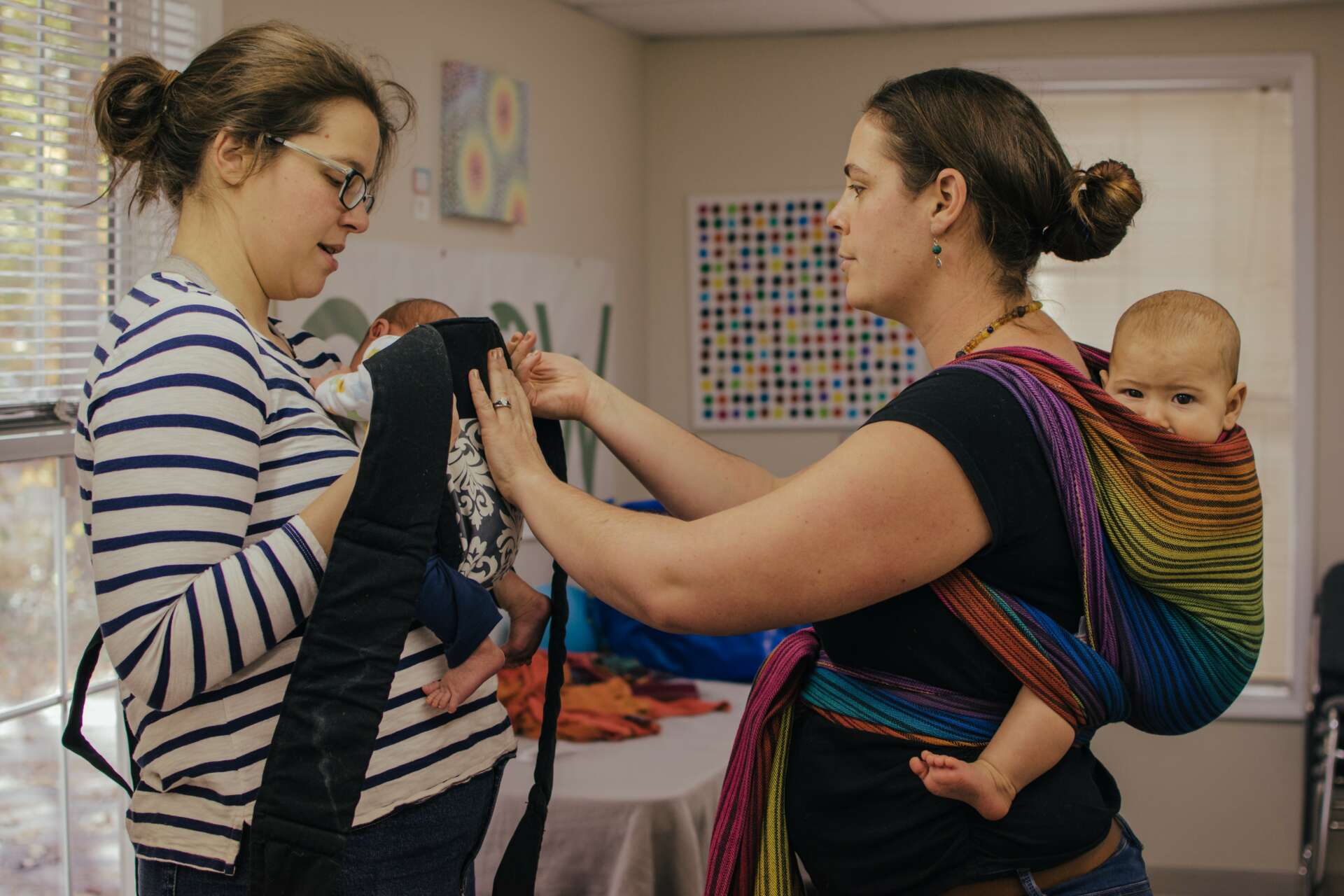
Ironically, I got my first job as a referral from a competitior; someone who I had taken my training with. We had just completed our training about a month before, and she didn’t feel ready to start teaching. I didn’t really have a set plan either but I know I could help this caregiver, and that it would be learning process, together.
My client was extremely gracious, and looking back I appreciate that so much. I probably talked more than I listened because I was so excited. I did teach her how to use a meh dai with her infant and sold her a carrier to use, so it was a successful consultation. I even got a referral from her for one of her friends. Knowing a skill and teaching a skill are two different things, and it takes experience to know the difference, and how to actively listen.
I mention the referral for this appointment because the reality is, in the perinatal education field, most of your business comes from one: word of mouth or two: a referral from another perinatal professional. Just like I received my first appointment 8 years ago, my business now continues to rely on referrals and the confidence from other perinatal providers that I am the best one to help my clients with their postpartum needs.
Great, appreciate you sharing that with us. Before we ask you to share more of your insights, can you take a moment to introduce yourself and how you got to where you are today to our readers.
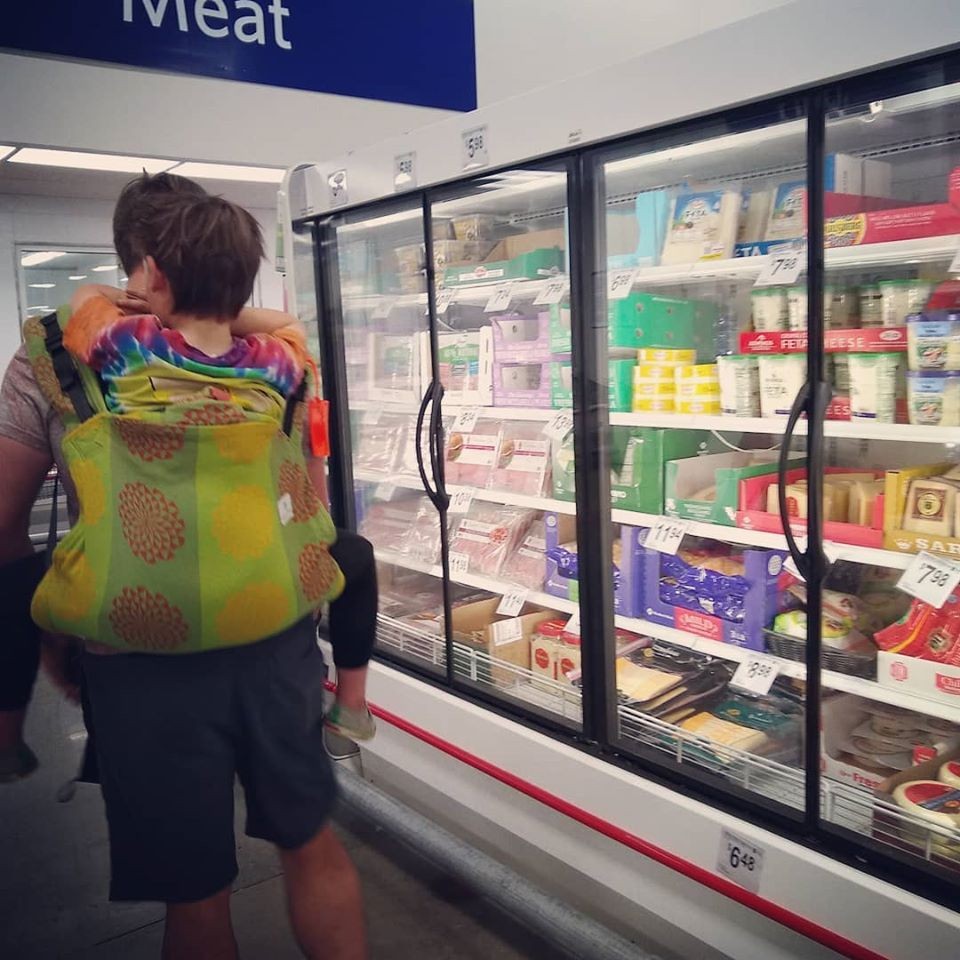
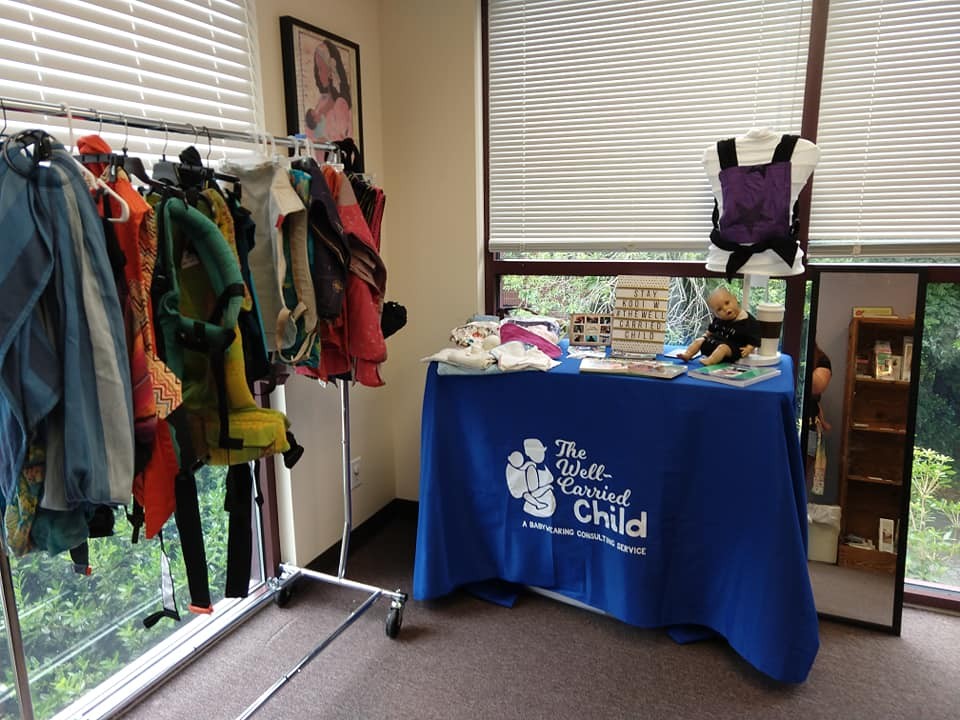
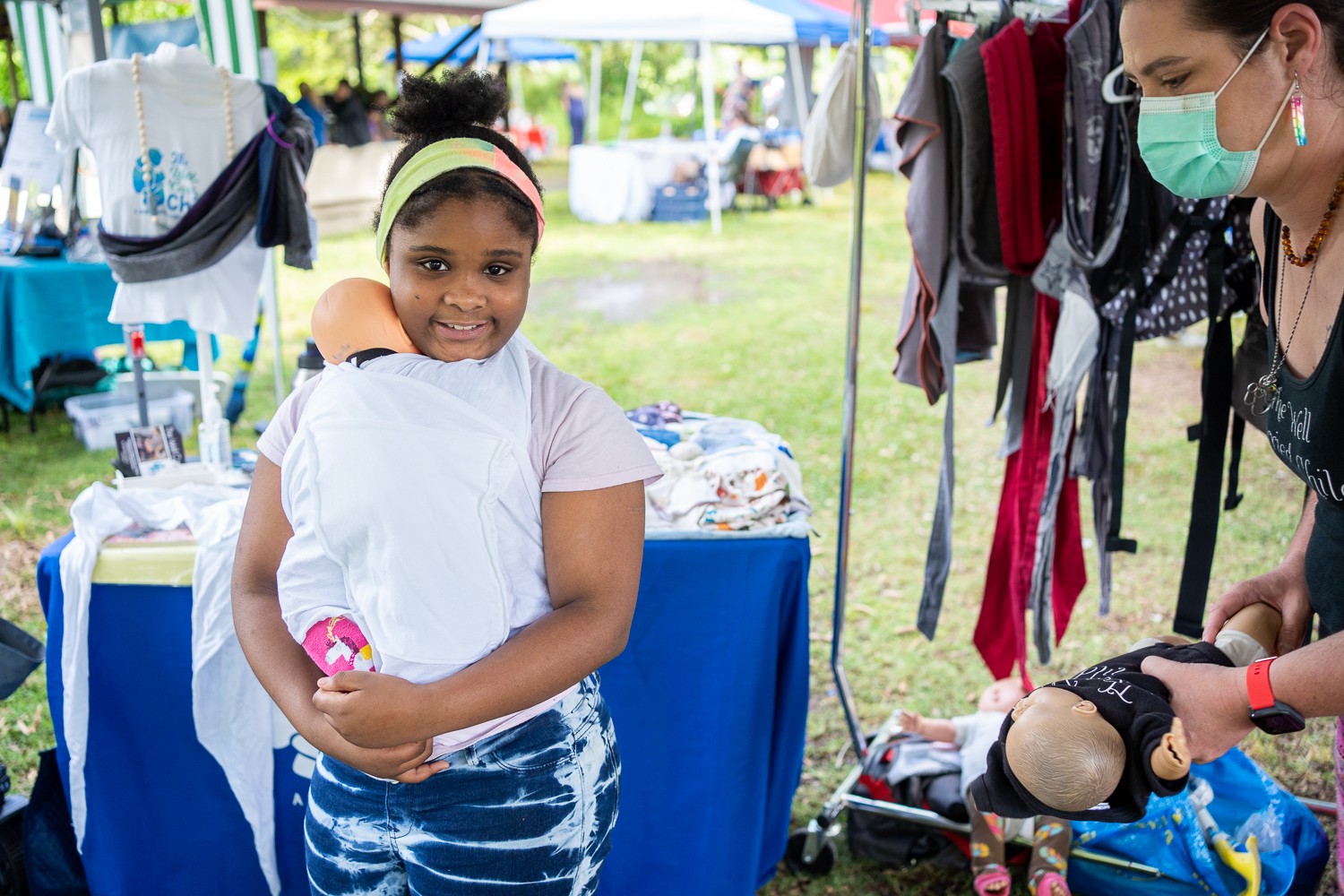
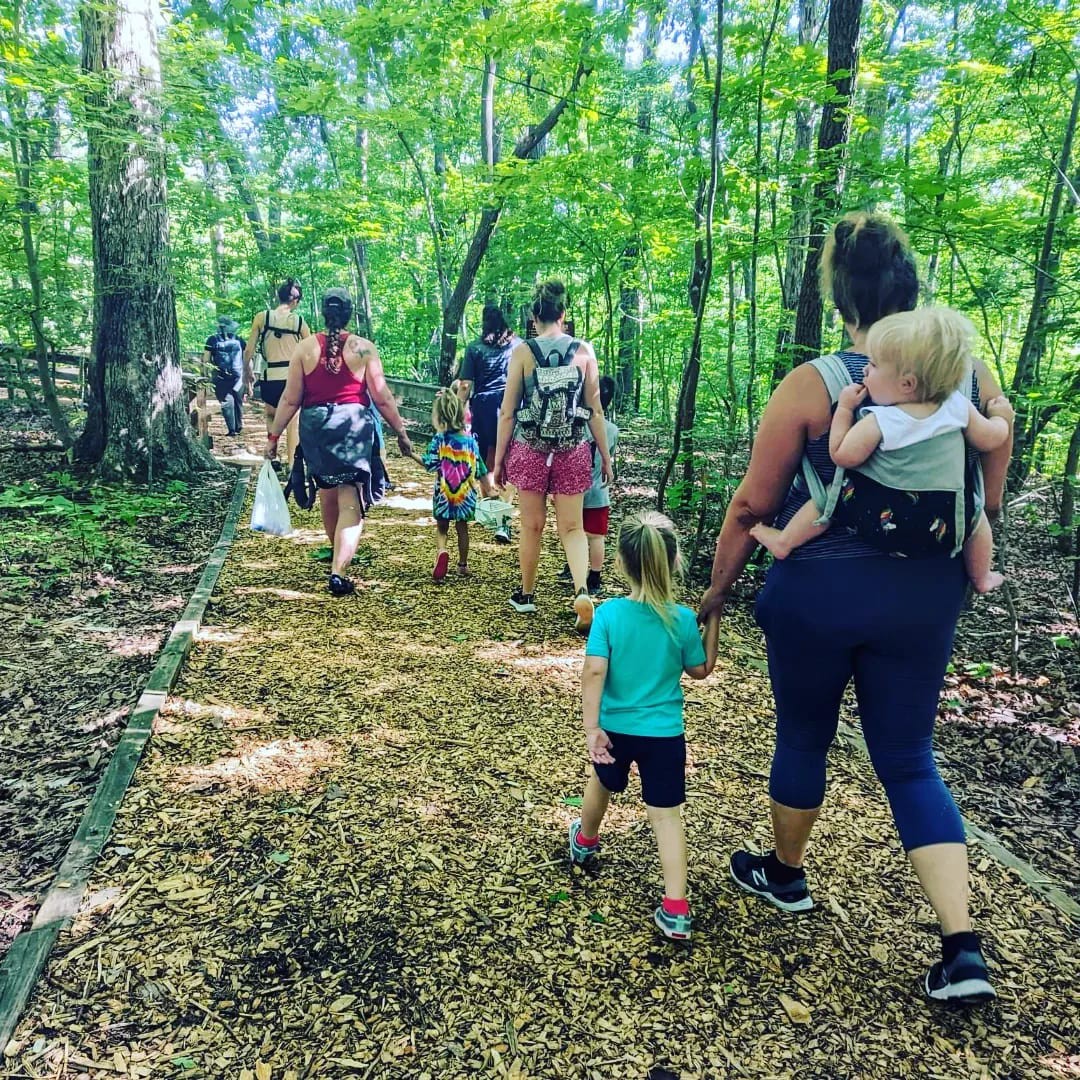
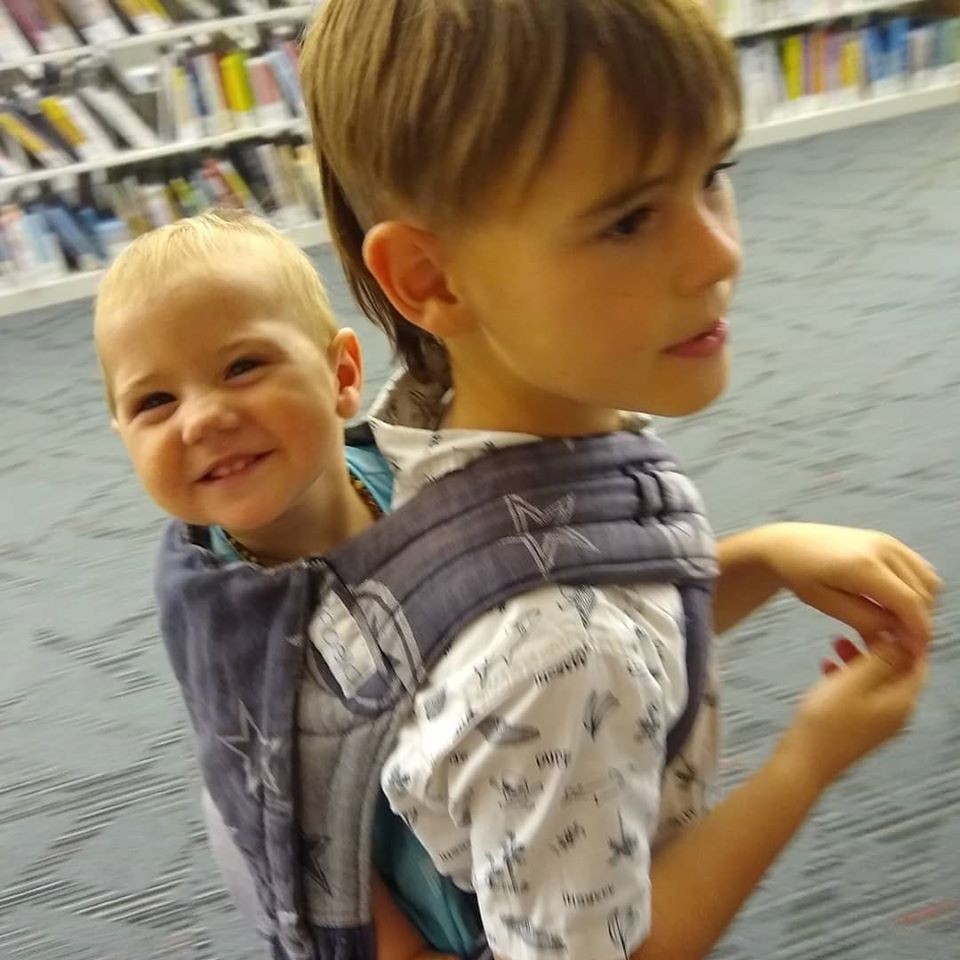
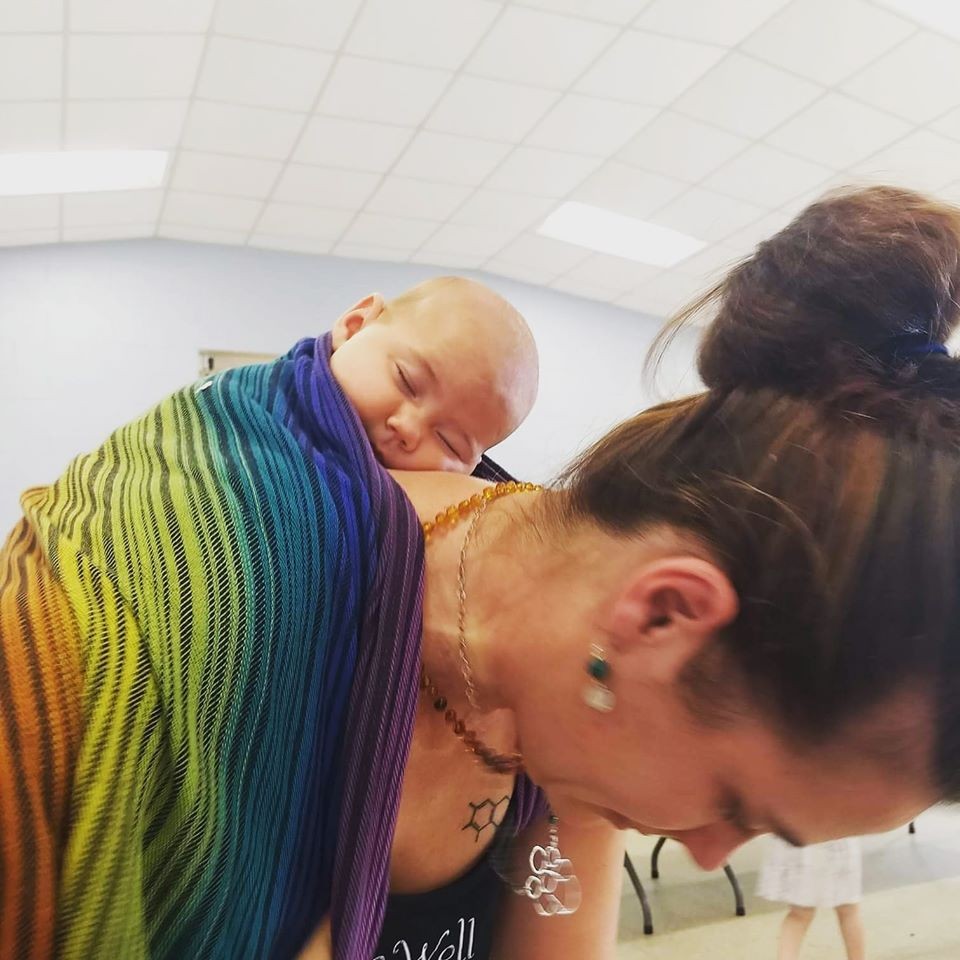
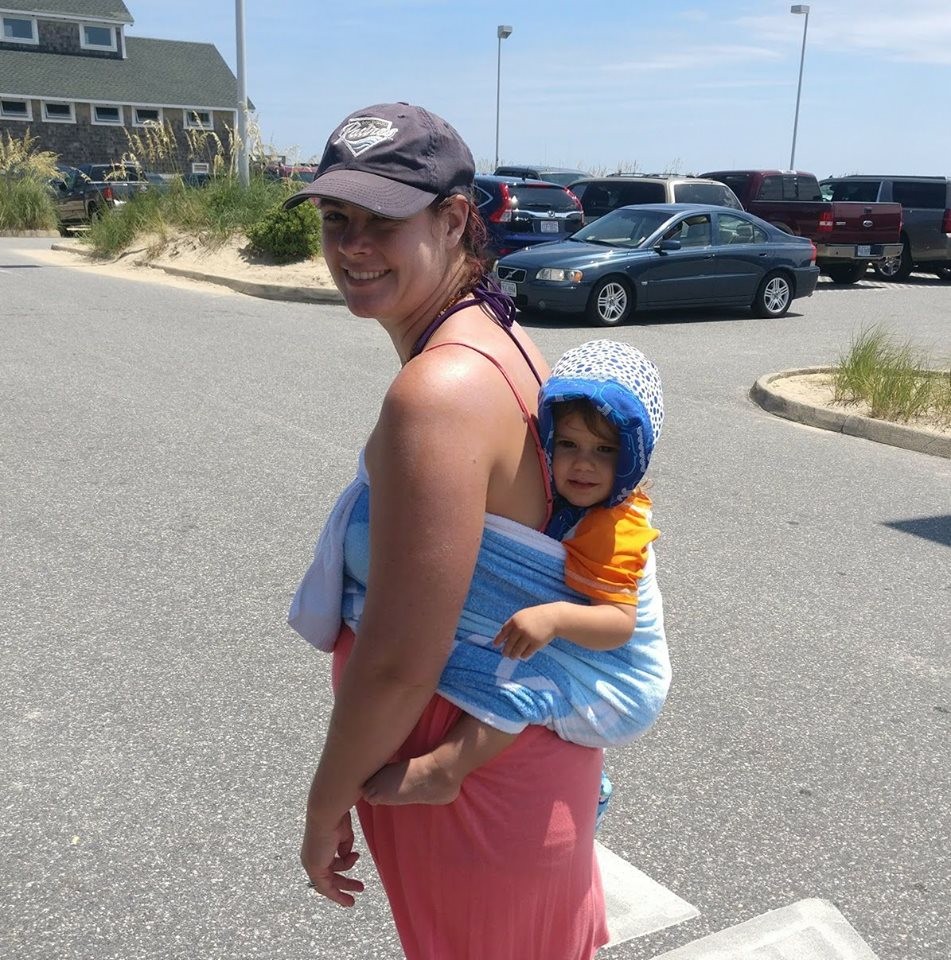
I am a Perinatal Educator with The Well Carried Child: A Perinatal Support Service. I focus on three specific services: Babywearing, Cloth Diapering and Postpartum Planning. My certifications are Certified Babywearing Consultant (Center for Babywearing Studies) and Certified Postpartum Doula (ProDoula). I offer virtual and hands on consultations to help caregivers learn these skills and birth workers learn how to teach these skills on a basic level.
When people have a baby, it is different than it looks on social media. It can be a big shock to have to care for this fragile new human being. A lot of times families lack a complete support system. I am invited into someone’s home during this vulnerable time of transition. I get to listen, validate and offer support in a extremely unique way. My expertise may be limited to teaching a client how to use a specific carrier, but my experience, as an educator and a mother of three, can help me provide the right support for each family I work with. It is a very personalized service.
Sometimes support looks like setting up a meal train, other times it is connecting the caregiver to other postpartum services or a peer support group. I never know what support each family is going to need. The good thing is if I can’t help them, I usually know someone who can. I am most proud when I see my families really thrive.
Training and knowledge matter of course, but beyond that what do you think matters most in terms of succeeding in your field?
Being able to actively listen is just as important as an any training for helping postpartum families. Not just listening to my clients’ words, but also to the emotions and experiences that have led them to the space where they are currently living. Being an external observer, I can see the things that trigger them or moments that make them shine. Being an invited guest, I get to give my feedback, and hopefully make their lives better.
The other experience that helps me succeed is being a mother. No amount of training can provide the same hands on knowledge as taking care of your own children. Having been in the same places as many of my clients, the easy and the hard places, gives me the empathy to understand what my clients might be feeling when we are working together.

Do you think you’d choose a different profession or specialty if you were starting now?
I’ve always been a teacher, even if it hasn’t been with babies and families. Before becoming a perinatal educator, I worked as a research assistant in a science lab. Sharing knowledge with others is one of my joys. It is a skill that can be applied to so many fields of work. For example, if I am working with a Pelvic Floor Physical Therapist or a set of Chiropractors, I will use different resources, peer reviewed resources, than if I am working with a group of first time caregivers.
I particularly love working with a vulnerable population, like postpartum caregivers, because such small actions can have hugely positive impacts on their lives. Working with mommas and babies has different challenges than being in a lab for sure. I love doing both things, but right now, this is the work that fits my own family’s needs, and fills my personal bucket more.
Contact Info:
- Website: http://thewellcarriedchild.com
- Instagram: @thewellcarriedchild
- Facebook: http://www.facebook.com/thewellcarriedchild/