

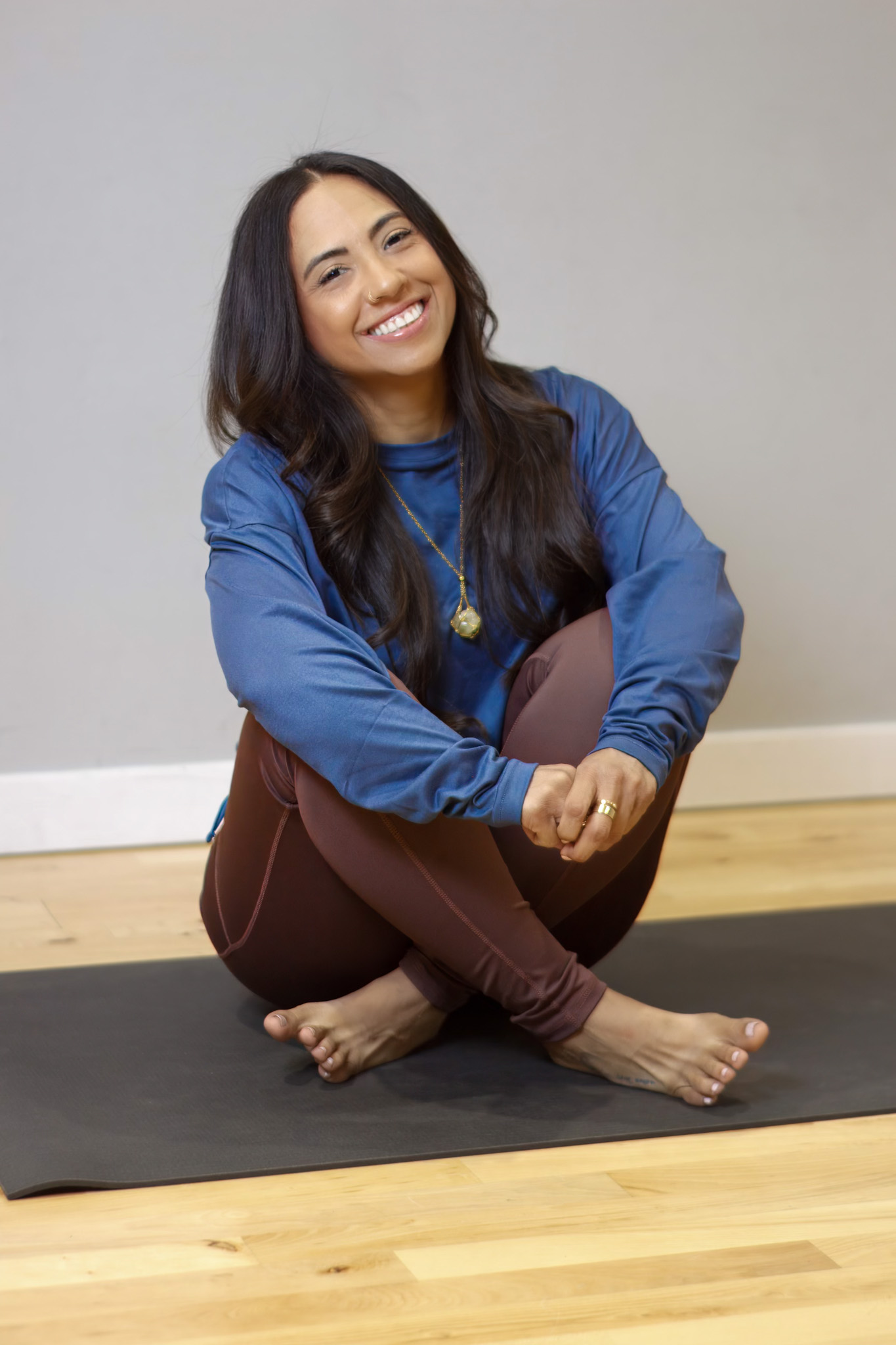

We’re excited to introduce you to the always interesting and insightful Alex Rodriguez. We hope you’ll enjoy our conversation with Alex below.
Alex, looking forward to hearing all of your stories today. We’d love to hear about the best advice you’ve ever given to a client? (Please note this response is for education/entertainment purposes only and shouldn’t be construed as advice for the reader)
One of the best pieces of advice I offer my students—whether they’re just starting out or have been practicing yoga for years—is to focus on their posture. Maintaining good posture is key to overall health and well-being. When we aren’t aware of how we hold ourselves, our bodies can become more prone to imbalances over time, which can lead to discomfort in areas like the neck, back, or hips.
Now, when I say “posture,” I’m not just talking about standing up straight. Good posture is about how different parts of your body align and work together. One of the first things I teach my students is how to find a neutral pelvis. The pelvis plays a key role in your posture because its alignment affects everything else—from how you stand to how you move. For some people, finding neutral means bending the knees slightly or tilting the pelvis differently. For others, it’s about learning to engage the core correctly.
Mountain Pose (Tadasana) is a great example of this. Most people think standing still should be easy, but true Mountain Pose requires a lot of muscle engagement and awareness. To stand properly, imagine aligning your sacrum, shoulder blades, and the back of your skull in one straight line. From there, micro-adjustments—like engaging the core or softening the knees—bring everything into balance. But these adjustments are unique to each person, which is why one-on-one guidance can be so helpful. We all have different imbalances and strengths that shape how we hold ourselves.
I always remind my students that posture is something to be mindful of beyond the yoga mat. Consistent awareness of how you hold your body throughout the day is key to making lasting improvements. Mountain Pose isn’t just a yoga pose—it’s a metaphor for how you carry yourself in life. Standing tall represents confidence, power, and conscious awareness, and applying this mindset daily can bring about real change in how you feel.
That’s why I believe there’s real value in personalized sessions. General advice is great, but working one-on-one allows me to focus on your specific needs and body mechanics. Even one session can make a huge difference in addressing imbalances and setting you up for long-term success.
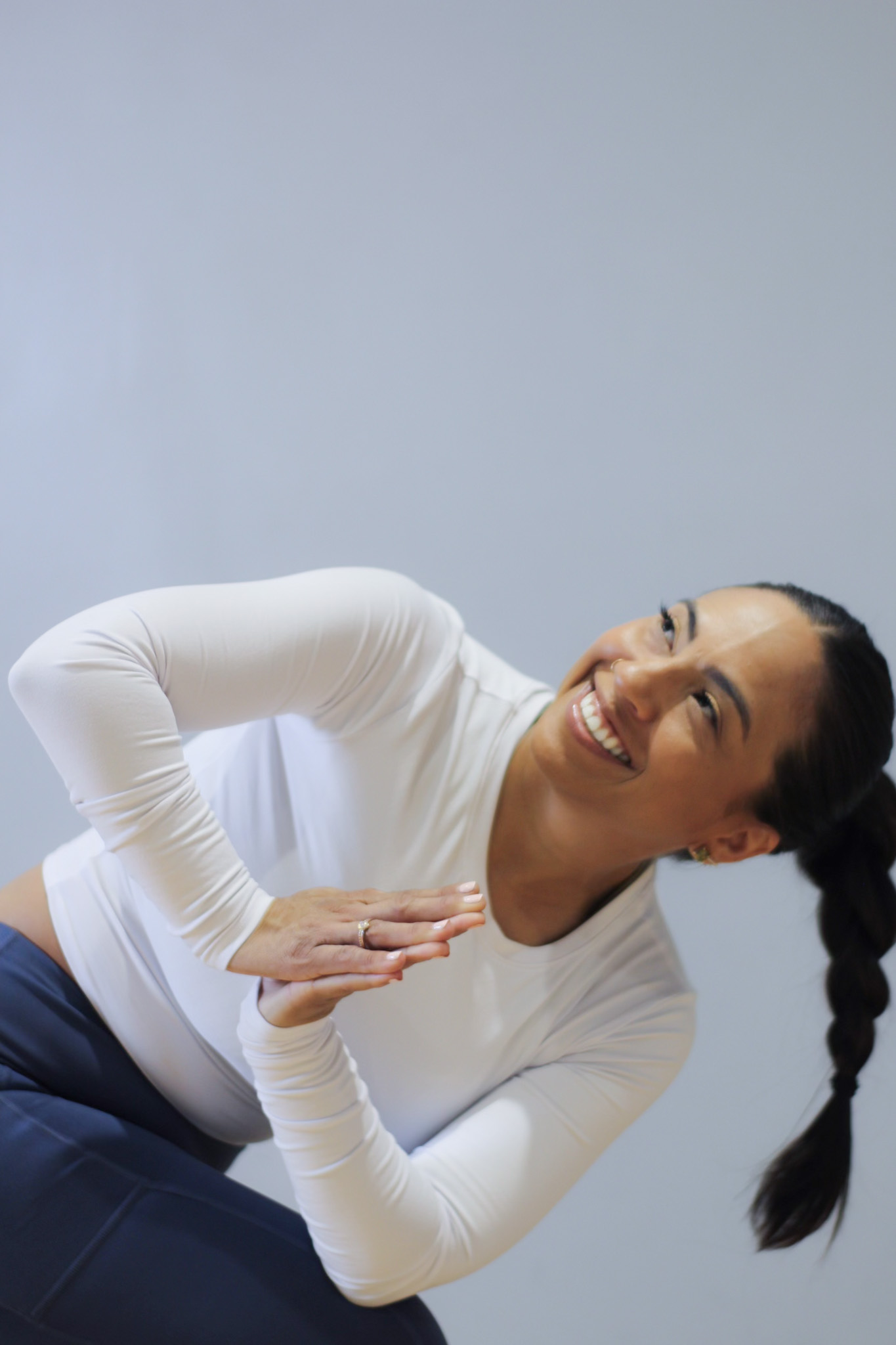
Alex, before we move on to more of these sorts of questions, can you take some time to bring our readers up to speed on you and what you do?
Yoga first entered my life as part of a college course, but it became a vital practice for me years later, transforming the way I viewed my health and well-being. Since then, I’ve spent the last eight years teaching and refining my approach to yoga, drawing from my own experience to help others feel more connected to their bodies and minds.
I practice and teach the LYT Method, a physical therapy-based approach that focuses on functional movement, alignment, and building strength. My classes are accessible to all levels, designed to offer simple yet powerful sequences that improve balance, stability, and overall well-being. I believe that yoga is for everyone, and my goal is to help students move with more awareness and feel more comfortable in their own bodies.
Right now, I’m offering community-based yoga classes in the LA area and bilingual meditations on Insight Timer, which are a great way to stay connected to your practice no matter where you are. Insight Timer is a free platform where you can access guided meditations, and even just 10 minutes of meditation a day has been shown to reduce stress, improve focus, and increase overall well-being. Studies have shown that regular meditation can increase gray matter in areas of the brain related to learning, memory, and emotional regulation. It’s a simple and effective tool to support mental clarity and calm.
I also offer private sessions, where we can work together one-on-one to address your unique needs and goals. Whether you’re looking to improve posture, manage stress, or just deepen your practice, private sessions offer a personalized experience to support your wellness journey. If you’re interested, you can find more information about my classes and services on my website.
Let’s talk about resilience next – do you have a story you can share with us?
Ever since I was a kid, people would point out my wrists. My bones stick out in a way that most people aren’t used to seeing, and while I always knew they were unusual, I didn’t think much of it. My dad has the same wrist structure, so I just assumed it was something we both shared – a quirky trait rather than a problem.
It wasn’t until I started practicing yoga that I began to notice how my wrists were actually limiting me. When doing weight-bearing poses, like plank or crow, I struggled. Unlike others, I couldn’t hold my wrist at a 90-degree angle, which made these postures painful and frustrating. Still, I shrugged it off. Even as I began teaching yoga, I accepted my wrist limitations as something I’d always have to work around.
During a 200-hour yoga training program, which focused on anatomy and physical therapy based movement, I finally took a closer look at the structure of my body and realized it’s called Madelung’s deformity. A condition where the bones in the wrist don’t grow properly, causing abnormal development and alignment. It can lead to pain, limited range of motion, and other complications.
Now that I know more about my condition, I’m coming to terms with the fact that I need to be more protective of my wrists, especially as I age. The long-term effects of wrist bending aren’t entirely clear—even doctors aren’t sure what may happen down the road. To manage this, I use special yoga blocks that allow me to keep my hands in a vertical position rather than bending at the wrists, which reduces strain.
There’s often pressure on yoga teachers to be able to perform every pose perfectly, but that’s not what yoga is truly about. Yoga isn’t acrobatics or gymnastics—it’s about functional movement that supports our overall well-being, no matter what stage of life we’re in. I’ve learned that adapting my practice to my body’s needs is not only acceptable, it’s essential. My journey with Madelung’s deformity has taught me to listen to my body, honor its limits, and create a sustainable practice that works for me.
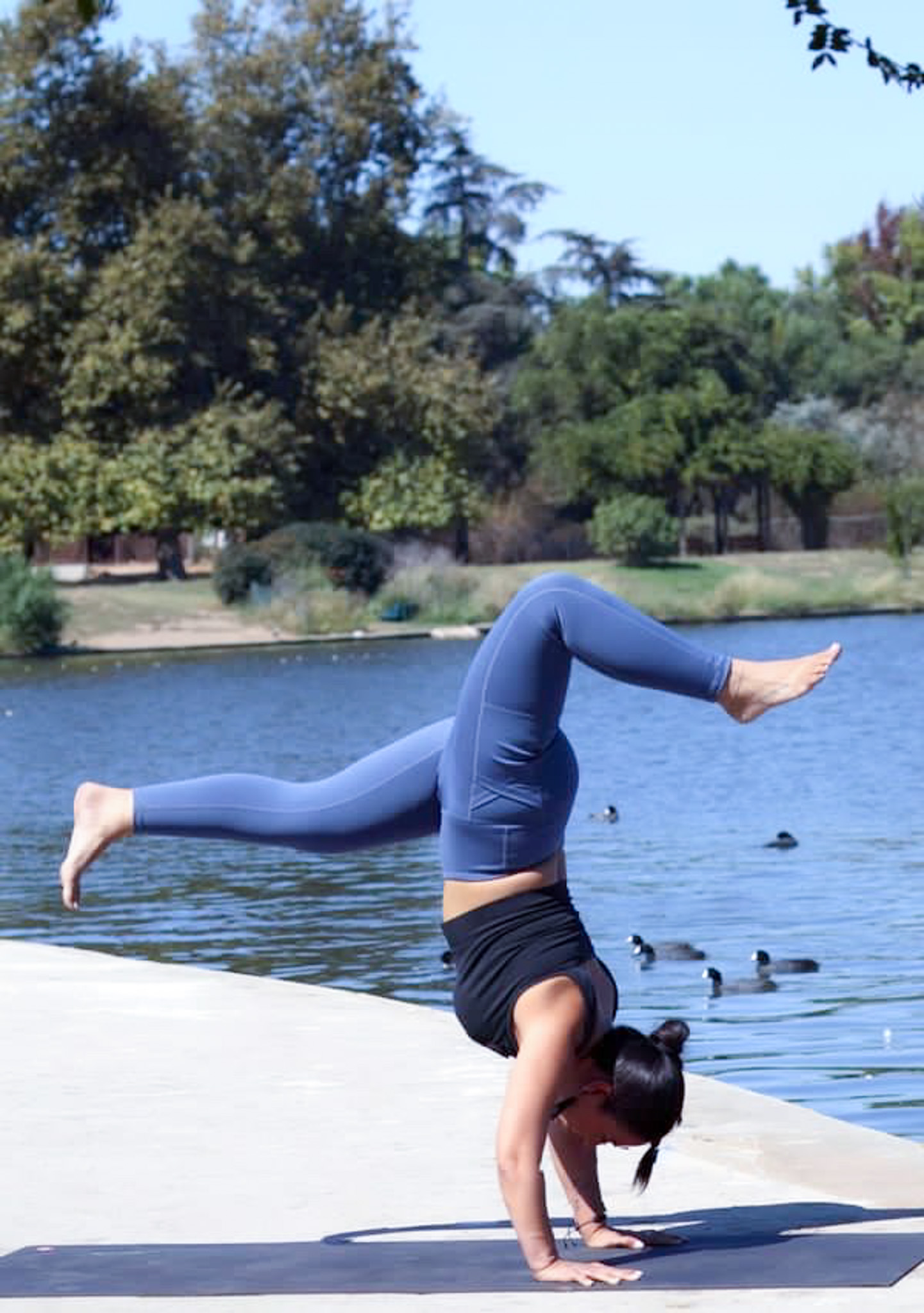
For the longest time, I accepted that I’d never be able to hold a handstand. I told myself it just wasn’t possible, and that was frustrating. It almost makes you feel like giving up when you know your body can’t do certain things. But recently, something happened that completely surprised me. I was doing a photoshoot with a photographer, and I started messing around—just hopping my legs in the air, not expecting much. Then I saw the photo, and there I was: fully in a handstand, even if it was just for a second. I couldn’t believe it!
That moment made me realize that I shouldn’t put limitations on myself. Sure, it’s still questionable whether I’ll ever hold a perfect handstand, but that’s not the point. I’m learning to enjoy the ride and be open to what my body can do. It was a reminder of how we’re always growing and evolving in this practice, and every now and then, we get these little moments of photographic confirmation that we’re progressing.
It’s a beautiful thing to see how achievements on the mat can translate into how you feel off the mat. Yoga is about more than physical poses—it’s about learning to be resilient, to keep showing up, and to embrace growth, even when it doesn’t look the way you imagined.
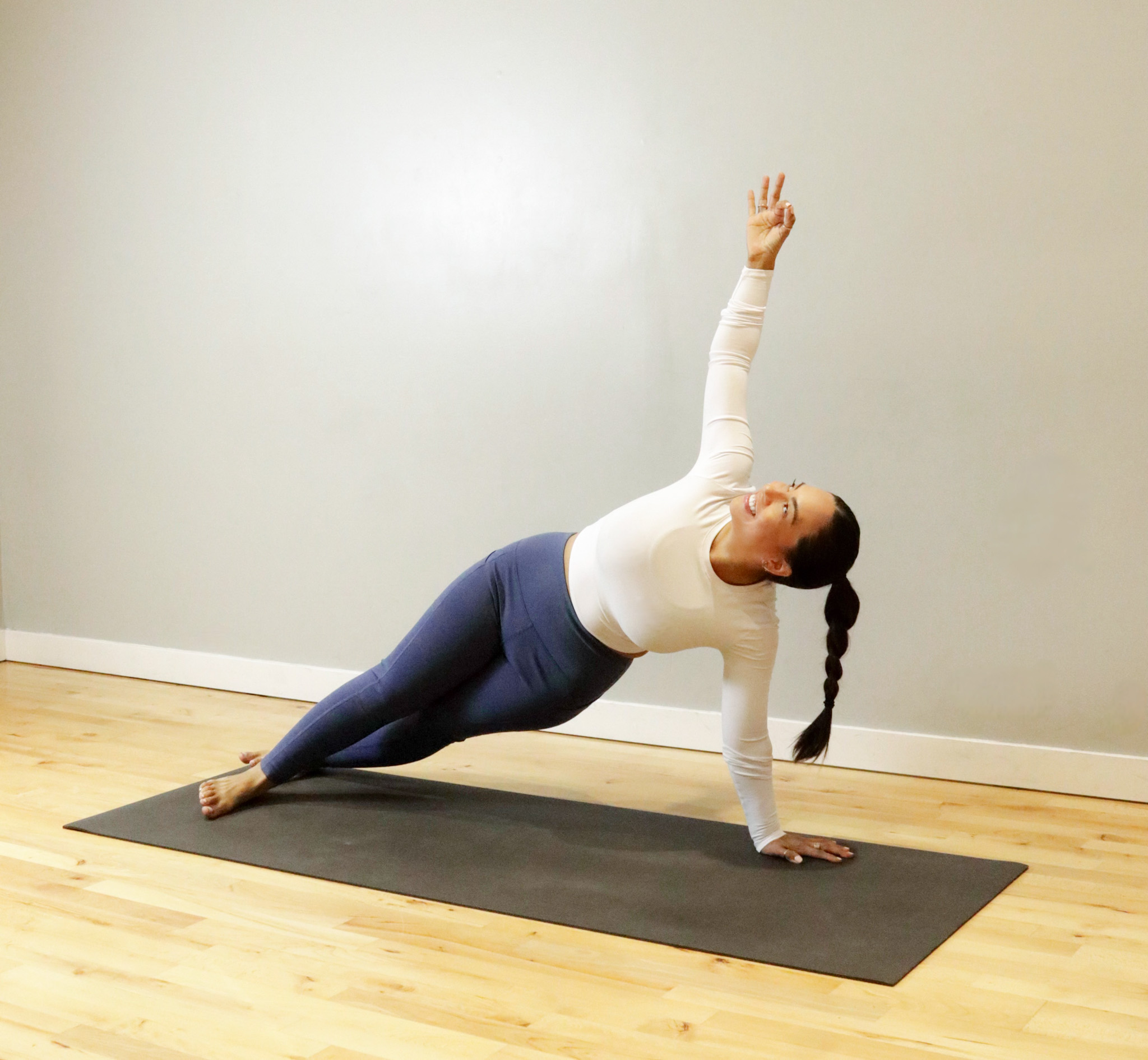
Can you tell us about what’s worked well for you in terms of growing your clientele?
The most effective strategy for growing my clientele has been focusing on quality over quantity. For me, it’s about building real relationships with my students and creating a space where they feel comfortable and supported. I believe in offering a welcoming environment that’s inclusive, accessible, and community-driven.
Offering classes in both English and Spanish has been one way to foster that inclusivity. Language can be a barrier in wellness spaces, and being bilingual helps me connect with a more diverse group of students. This small step makes people feel seen and welcome, no matter their background, and helps create a space where everyone belongs.
More than anything, it’s the authentic connection that keeps people coming back. My classes are about more than poses—they’re about creating a supportive community where students feel valued. I love seeing students bring their friends and family, helping our community grow naturally. Word-of-mouth has been the most powerful tool for my growth, and it’s always rewarding when students share their positive experiences.
If you’ve enjoyed your time in class, I always encourage students to invite friends and family. When we bring the people around us into the experience, we strengthen the community. By sharing what we love, we not only grow our own practice but also support the well-being of others. It’s this sense of belonging that makes our practice together so special.
Contact Info:
- Website: https://www.alexrodriguezyoga.com
- Instagram: @alexrodriguezyoga
- Facebook: @alexrodriguezyoga
- Linkedin: https://www.linkedin.com/in/hirealexrodriguez/
- Youtube: https://www.youtube.com/channel/UCumL0RTF3NWtid0ob6XvWzg
- Other: TikTok @alignedwithalex
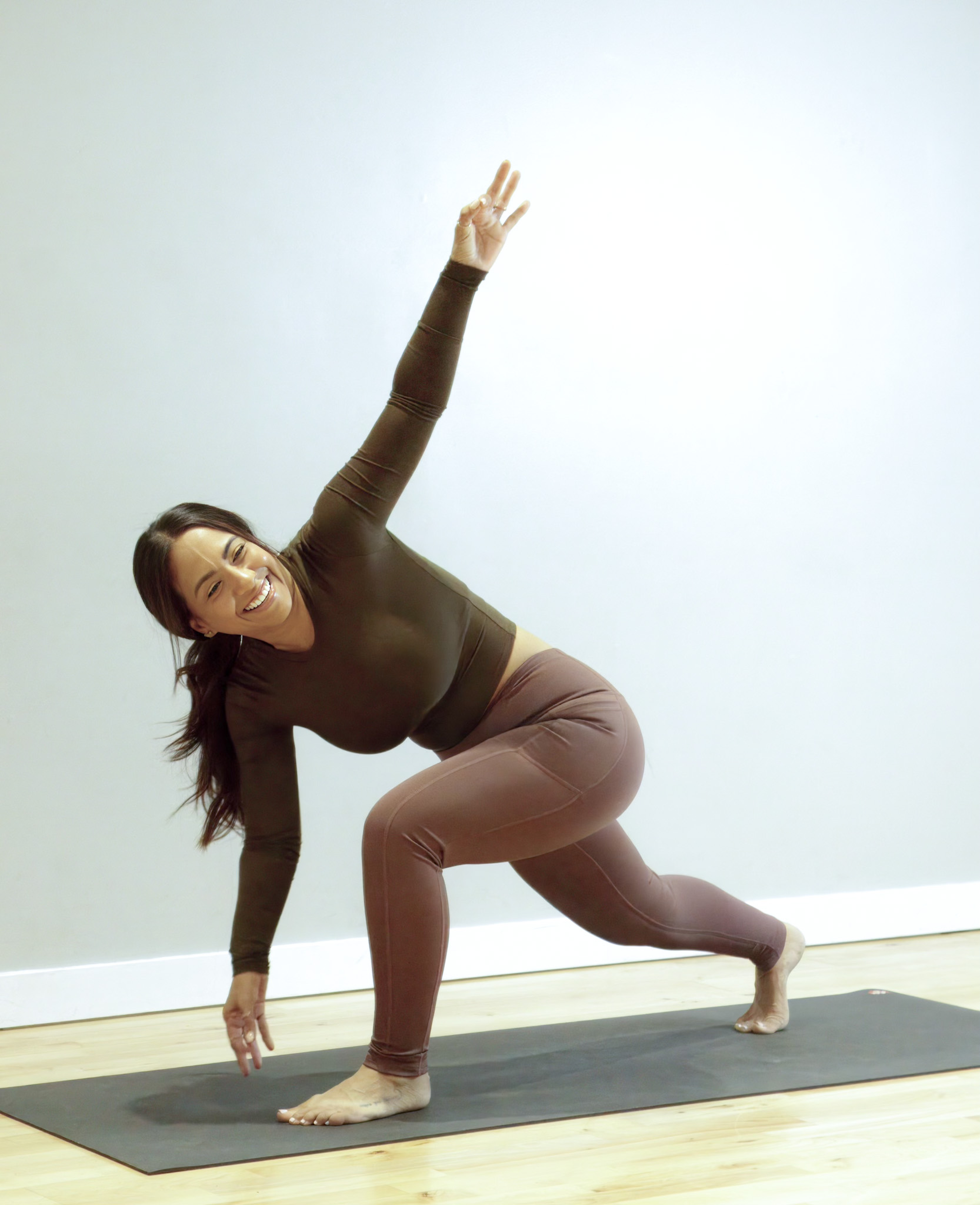
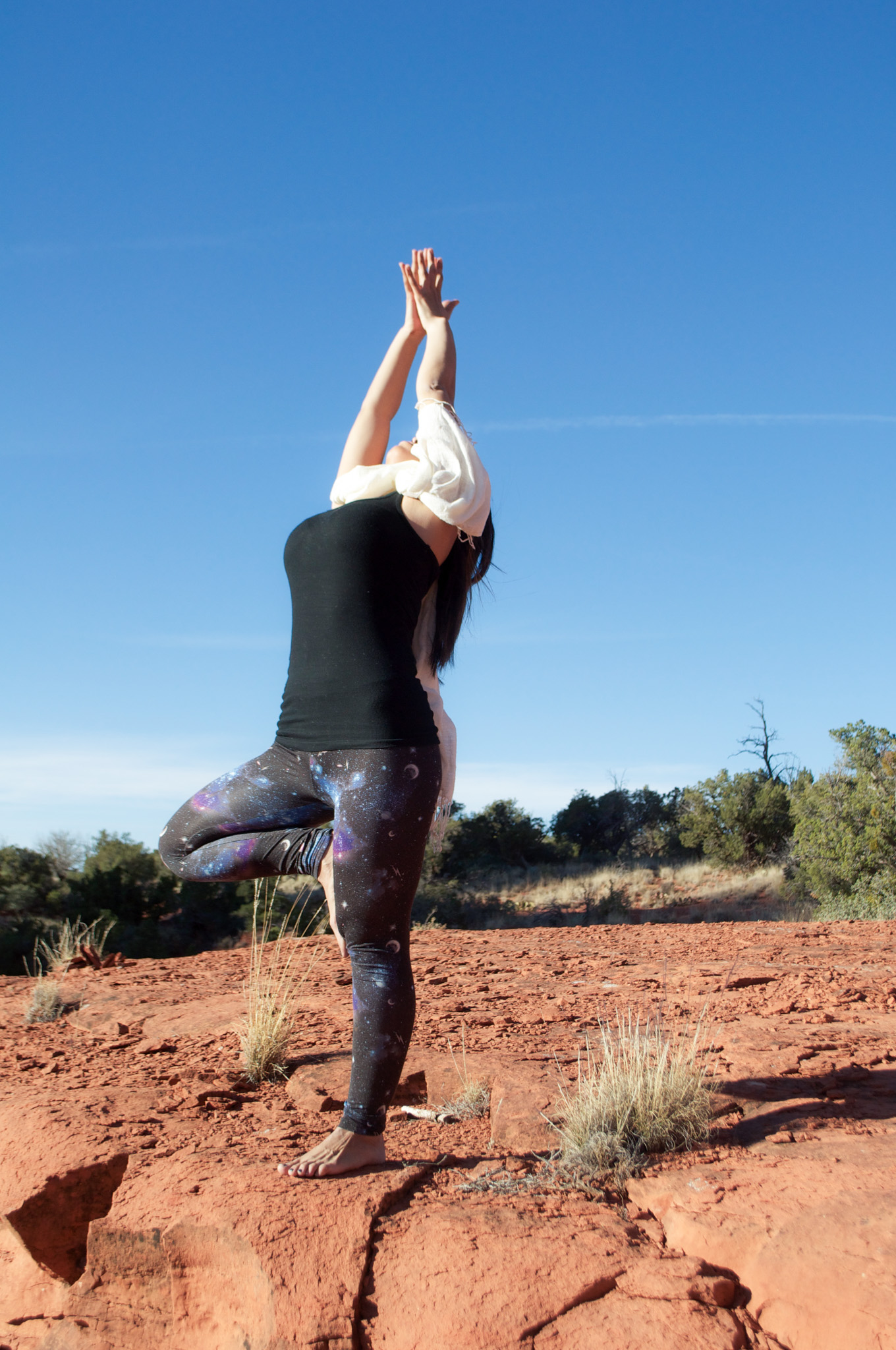
Image Credits
Jennifer Stafford Photography