


We recently connected with Alex Gardner and have shared our conversation below.
Alex, looking forward to hearing all of your stories today. Can you talk to us about a project that’s meant a lot to you?
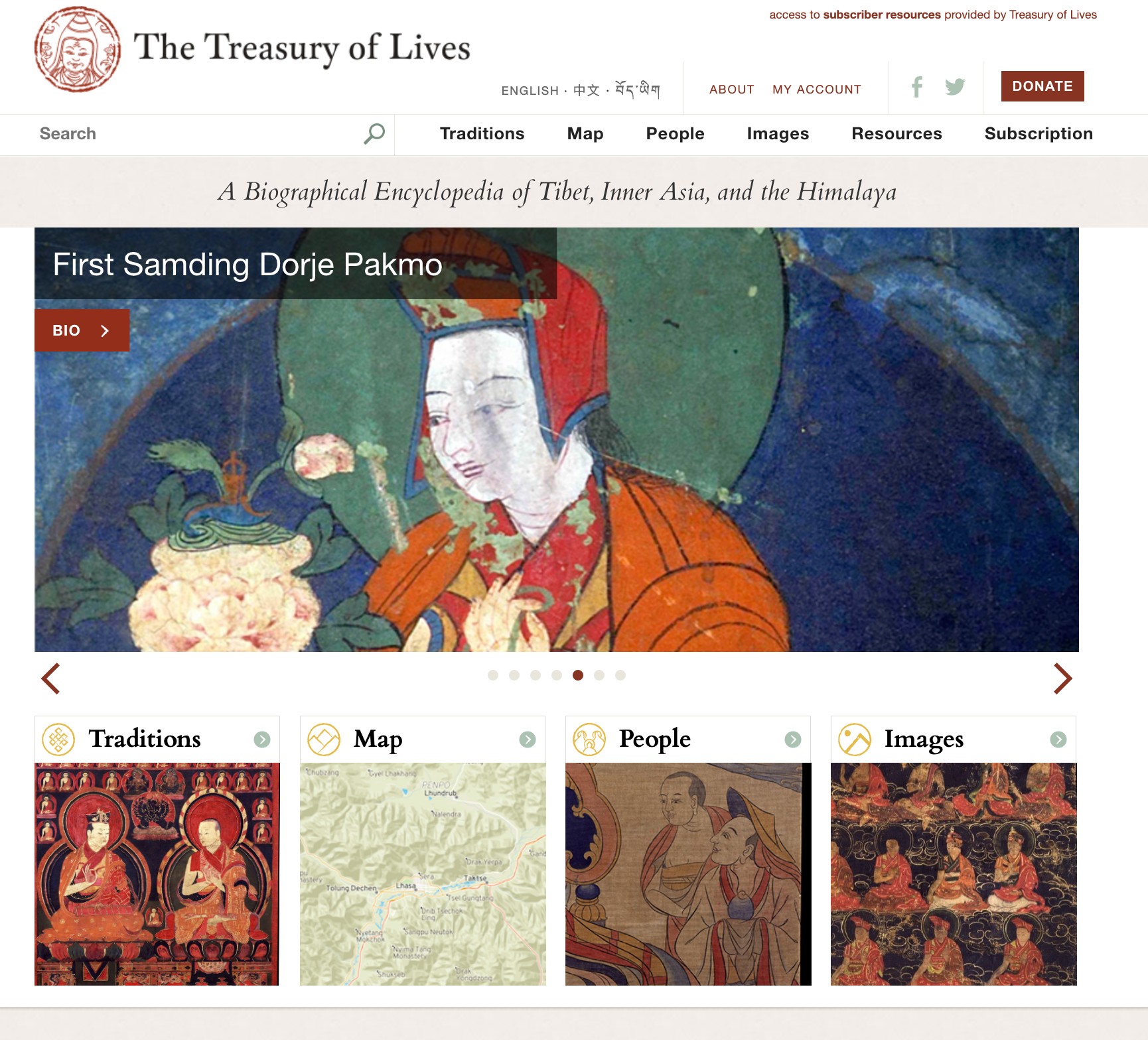
To tell a short story: I created and run an online biographical encyclopedia of Tibet, Inner Asia, and the Himalaya. The vast majority of the biographies are of religious teachers (lamas). Scholars from around the world contribute the essays, and the site had a large audience. In late 2022 my colleague Katie Tsuji, also a scholar of Buddhism, and I were invited to a small conference at Northwestern University on the topic of Women in Tibetan literature. In thinking of what we might offer the conference, we came face to face with the fact that of the 1300 or so biographies we had published at that point, only about 4% were of women. This was painful to acknowledge, but we leaned into it and this year launched an initiative to increase the representation of women on the site. We can ascribe the paucity of biographies of women to historical biases—Tibetan literature was controlled by men, and women were ignored. Tibetan Buddhism is patriarchal, and women have traditionally been excluded from positions of authority. Western academics who first wrote about Tibet and Buddhism reflected their own gender bias and overlooked women. All of this is true, but for the past few decades amazing scholarship has been done foregrounding women, and the fact is that one sees what one looks for, and doesn’t see what one assumes is not present. We’ve had a fantastic response to the Women Initiative from authors and readers alike and expect it to continue to be a main focus of our work.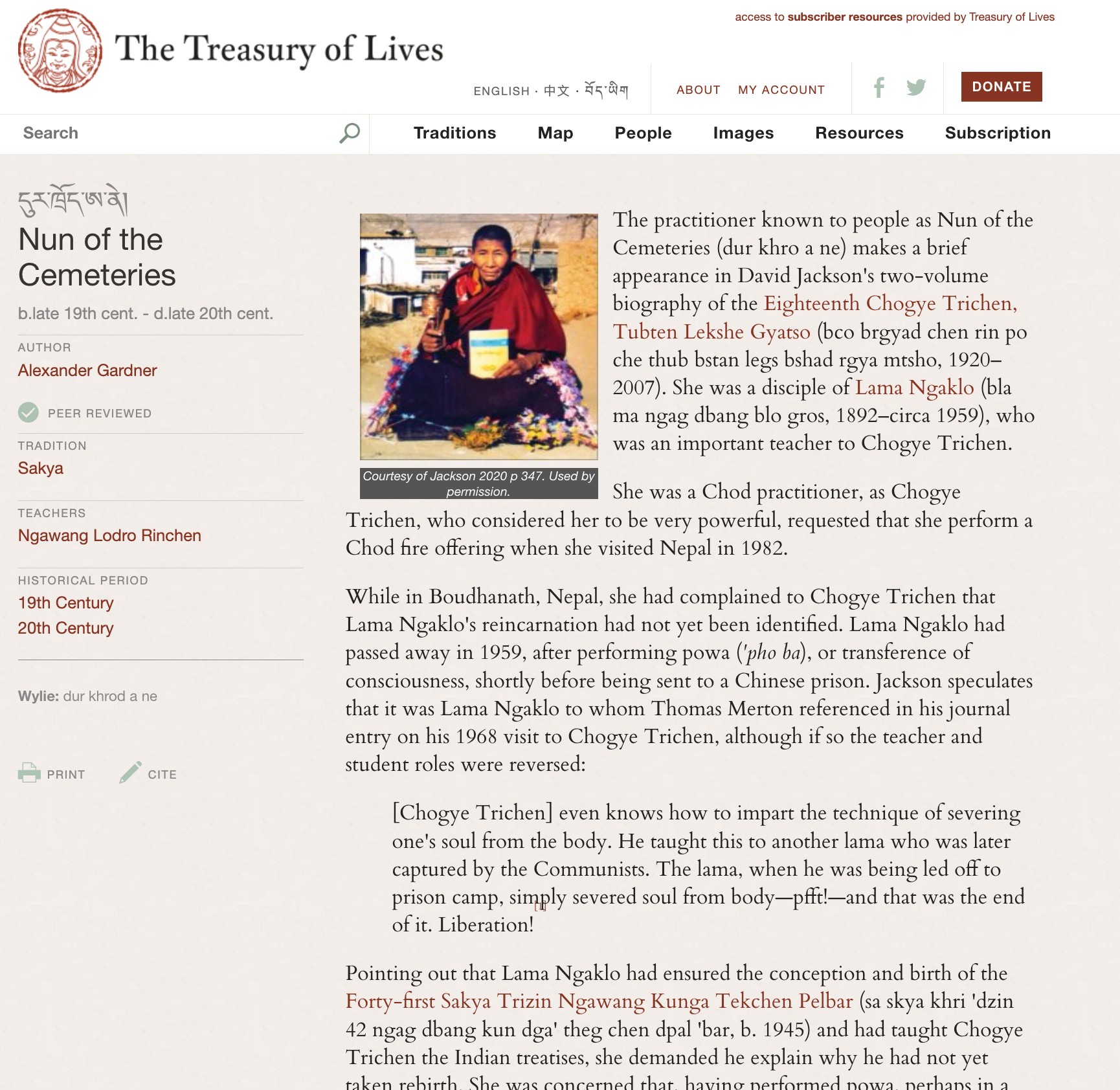
Great, appreciate you sharing that with us. Before we ask you to share more of your insights, can you take a moment to introduce yourself and how you got to where you are today to our readers.
I trained as an academic at the University of Michigan, with the expectation that I would be a college professor in Religion or Asian Studies. I do love teaching, but after adjuncting for a years at New York City colleges, I took a job in a private foundation managing Tibet- and Himalayan-related grants. After about ten years I was running the foundation. My boss was an art collector, and he wanted me to create a website that would help people understand Tibetan art. I inherited a prototype that had a broad scope approach to explaining Tibetan Buddhism, and transformed it into The Treasury of Lives, with a focus on biographies. When the foundation shifted its activities we spun off The Treasury of Lives as an independent nonprofit. We’ve relied on grants from the National Endowment for the Humanities and other funders for the last six years. Our audience includes both academics, the faithful, and curious readers who chance upon us. Digital Humanities project tend to exist for about a decade before vanishing from the web, but we’ve built a wide foundation of interested players—authors, readers, funders—who have kept us growing. Collaboration is definitely the key to longevity in new-media research and publishing.
In your view, what can society to do to best support artists, creatives and a thriving creative ecosystem?
I would like people to understand that freely available content on the internet is not actually free. I believe strongly in open access publishing, in which all content is free to all readers. But research, writing, and publishing cost money. The people who create it need to earn a living. Wikipedia’s occasional ask for small donations is a model that I would like to see become standard. Subscription models such as Netflix or Spotify are also valuable. I would like to see people budget money for annual subscriptions to the websites they access regularly, including sites such as The Treasury of Lives.
Is there mission driving your creative journey?
Biographies are valued in Buddhism because they provide a model for an ethical life. They are inspirational in that they tell the life stories of a revered saint or teacher, but they also serve to show readers how they too can live ethically, with intention and consideration of others. In Buddhism no one is born enlightened. All the great saints, including the Buddha, started out as ordinary people who (in the language of Buddhism) strove for liberation from suffering for the benefit of all beings. The methods they used are available to all people. This carries the message that all of us are capable of transforming ourselves, of gaining peace and contentment in life, and of helping others. The biographies as a whole reveal that each person does this a little differently, so no one need ever feel incapable. 
Contact Info:
- Website: treasuryoflives.org
- Facebook: https://www.facebook.com/treasuryoflives
- Twitter: @treasuryoflives
Image Credits
Eric Bondoc (headshot)