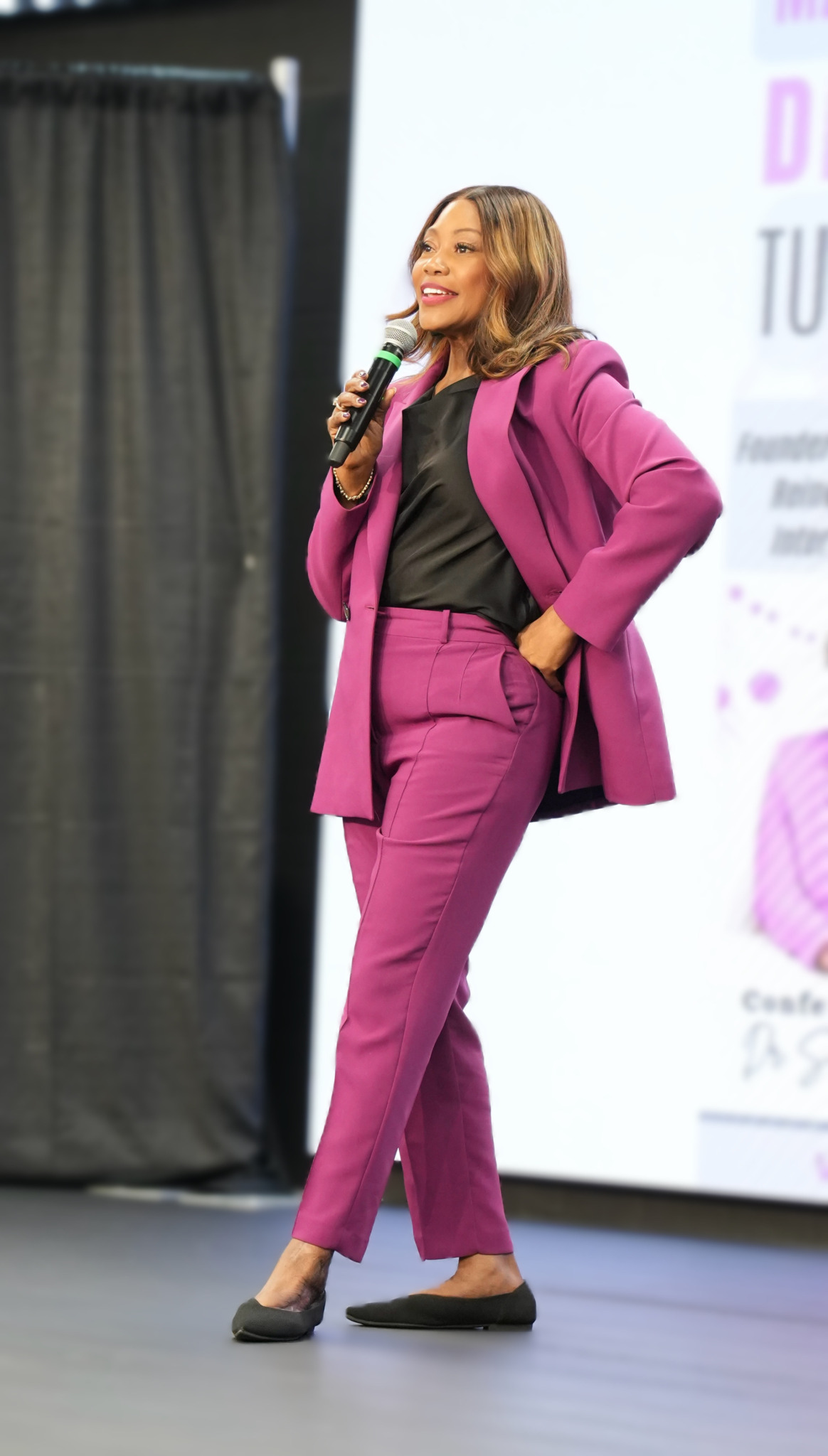
We caught up with the brilliant and insightful Alethia Tucker a few weeks ago and have shared our conversation below.
Alethia, looking forward to hearing all of your stories today. Parents play a huge role in our development as youngsters and sometimes that impact follows us into adulthood and into our lives and careers. Looking back, what’s something you think you parents did right?
My parents taught me lessons that have stayed with me my entire life. Both of them came from very humble beginnings and because of that, they never forgot what it felt like to need help, support, encouragement, or someone to believe in you.
As far back as I can remember, they were always willing to help others. I can think of countless times when my father gave advice, guidance, and support to people who were buying property, trying to make difficult decisions, or simply needed someone they could trust. My mother had such a giving heart. She would often go above and beyond to help meet a need, whether it was food, clothing, money, or simply a kind word of encouragement when someone was going through a hard time.
They taught me to have faith even when I could not see the outcome. They taught me to treat people with kindness, respect, and compassion because you never know what someone else may be carrying. They taught me that giving up is not an option, even when life gets difficult or things do not go as planned. Most importantly, they taught me that helping others is one of the greatest things you can do in life.
Those lessons shaped who I am as a woman, a leader, a mother, a coach, and a business owner. They are at the center of how I live, how I serve, and how I show up for others every day.

Awesome – so before we get into the rest of our questions, can you briefly introduce yourself to our readers.
I am a Reinvention Strategist, speaker, coach, author, publisher, and entrepreneur who helps women, especially women 40 and older, reinvent their lives so they can live with more purpose, confidence, authenticity, and impact.
My work is deeply personal because it was born out of my own experiences. Like many women, I have experienced seasons where I felt stuck, uncertain, overlooked, or like I was carrying the weight of everyone else while losing sight of myself. I know what it feels like to battle limiting beliefs, question your worth, wonder if it is too late to start over, or struggle to find the courage to pursue what is really in your heart. Through my own reinvention, I realized that so many women are walking around with gifts, dreams, talents, and ideas that have been buried under fear, exhaustion, disappointment, or the expectations of others.
That realization led me to build a business centered around helping women get clear on who they are, what they want, and what needs to change so they can live a life that truly reflects who they were created to be.
Through Jolease Enterprises, I provide coaching programs, workshops, speaking engagements, conferences, books, publishing support, and personal development experiences that help women rebuild confidence, overcome imposter syndrome, strengthen their mindset, identify their purpose, and take action toward the lives and careers they truly want. I also help women become more visible by supporting them in writing books, building brands, speaking on stages, and stepping into leadership roles.
In addition to my coaching and business work, I am also the host of Leveling Up the Podcast with Alethia Tucker, where I share practical strategies, inspiration, and conversations that help people grow personally and professionally. I also serve as President of Ms. Corporate America Maryland, where I have the opportunity to support, celebrate, and elevate women in leadership, business, and community service.
What sets me apart is that I do not just teach reinvention, I have lived it. I understand the emotional side of change just as much as the strategic side. I know that reinvention is not only about changing careers, businesses, relationships, or habits. It is also about changing the way you see yourself. It is about healing, letting go, becoming more confident, creating boundaries, and finally giving yourself permission to want more.
I believe that people do not just need information. They need support, accountability, encouragement, and someone who truly sees them. My goal is always to help women feel empowered enough to stop settling, stop shrinking, and stop waiting for permission to become who they were meant to be.
What I am most proud of is the impact that my work has had on other people. I am proud of the women who have gone from being stuck to starting businesses, writing books, changing careers, speaking on stages, prioritizing themselves, and finally believing in their own value. I am proud that my story, my voice, and my experiences have been able to help someone else feel less alone and more hopeful about what is possible for their life.
I want people to know that my brand is not about perfection. It is about transformation. It is about helping people understand that it is never too late to change, to grow, to heal, to dream bigger, or to create a life that feels more aligned with who they really

We’d love to hear a story of resilience from your journey.
One of the greatest examples of resilience in my life came after I was hit by a school bus while walking.
It was one of the most difficult seasons I have ever faced. At first, the question was whether I would even be able to save my foot. Then it became whether I would ever be able to walk again. After that, I was told that even if I did walk, I would likely have a severe limp for the rest of my life.
That summer, I went through six surgeries on my foot. When it was all over, I had a large scar on the left side of my foot, pain every time I walked, and at first, I did have a limp. I remember feeling sorry for myself for a while because I did not know what my future would look like. I did not know if life would ever feel normal again.
Then one day, I decided to stop focusing on what everyone said I might never do and start focusing on what I could do. I decided to see what would happen if I simply tried.
The first day, I walked to the edge of the sidewalk outside my house. The next day, I walked a little further. The day after that, a little further still. Within about three months, I was able to walk from my house to the end of the street and back.
It was not easy. It was painful. My foot would swell. Sometimes I would have to sit down and elevate it after walking. There were many days when it would have been easier to quit, but I kept going.
About a year after the accident, I had done what many people thought I would never do. I was not only walking, I was jogging.
That experience taught me so much about resilience. It taught me that pain can bend you, but it does not have to break you. It taught me not to let other people determine my possibilities. So many people doubted whether I would walk again, and for a while, I started to believe them. But one decision, one small step, and one act of faith changed everything.
It also taught me the importance of paying attention to what is behind you. The accident happened because something came up behind me unexpectedly. From that point on, I learned to always be aware of what is behind me, not so that I live in fear, but so that I can move forward wiser, stronger, and more prepared.
That experience showed me that resilience is not about never hurting. It is about refusing to stay broken.

How do you keep your team’s morale high?
Managing a team and maintaining high morale starts with understanding that people are not just employees. They are individuals with lives, responsibilities, stress, goals, and challenges outside of the workplace. For more than 20 years in human resources, I have seen firsthand how much workplace culture, communication, and leadership can impact how people feel, perform, and engage.
Over the years, we have all had to navigate difficult things. The economy, political tension, changes in the way the world operates, staffing shortages, heavier workloads, and changing job requirements can all create stress in everyday life and in the workplace. When people are asked to do more with less, morale can suffer if leaders are not intentional about staying connected.
One of the best ways to keep morale high is through communication. Employees want to feel seen, heard, and valued. It is important to frequently ask questions, check in, and find out what people need in order to do their jobs well and in the most efficient way possible. People need to know that leadership cares about their concerns and is willing to listen.
It is also important to make sure employees are maintaining a healthy work life balance. Burnout is real, and when people feel like they are constantly running on empty, morale and productivity begin to decline. Strong leaders pay attention to the signs and create an environment where people feel supported, respected, and encouraged to take care of themselves.
Another important way to boost morale is to create opportunities for people to connect outside of the normal work environment. Off site activities, networking opportunities, team building events, appreciation initiatives, and small moments of downtime can help strengthen relationships and remind people that work is not only about tasks and deadlines. It is also about community.
Finally, leaders have to be willing to think outside of the box. Sometimes the ordinary approaches are not enough. People remember the meaningful things. They remember when leaders show appreciation in personal ways, create growth opportunities, recognize hard work, and invest in things that make employees feel like more than just a number.
At the end of the day, people will always work harder and stay more engaged when they know they are valued.
Contact Info:
- Website: https://joleaseenterprises.com
- Instagram: alethiaatucker
- Facebook: Alethia Tucker
- Linkedin: Coach Alethia Tucker
- Youtube: https://www.youtube.com/@alethiatucker