

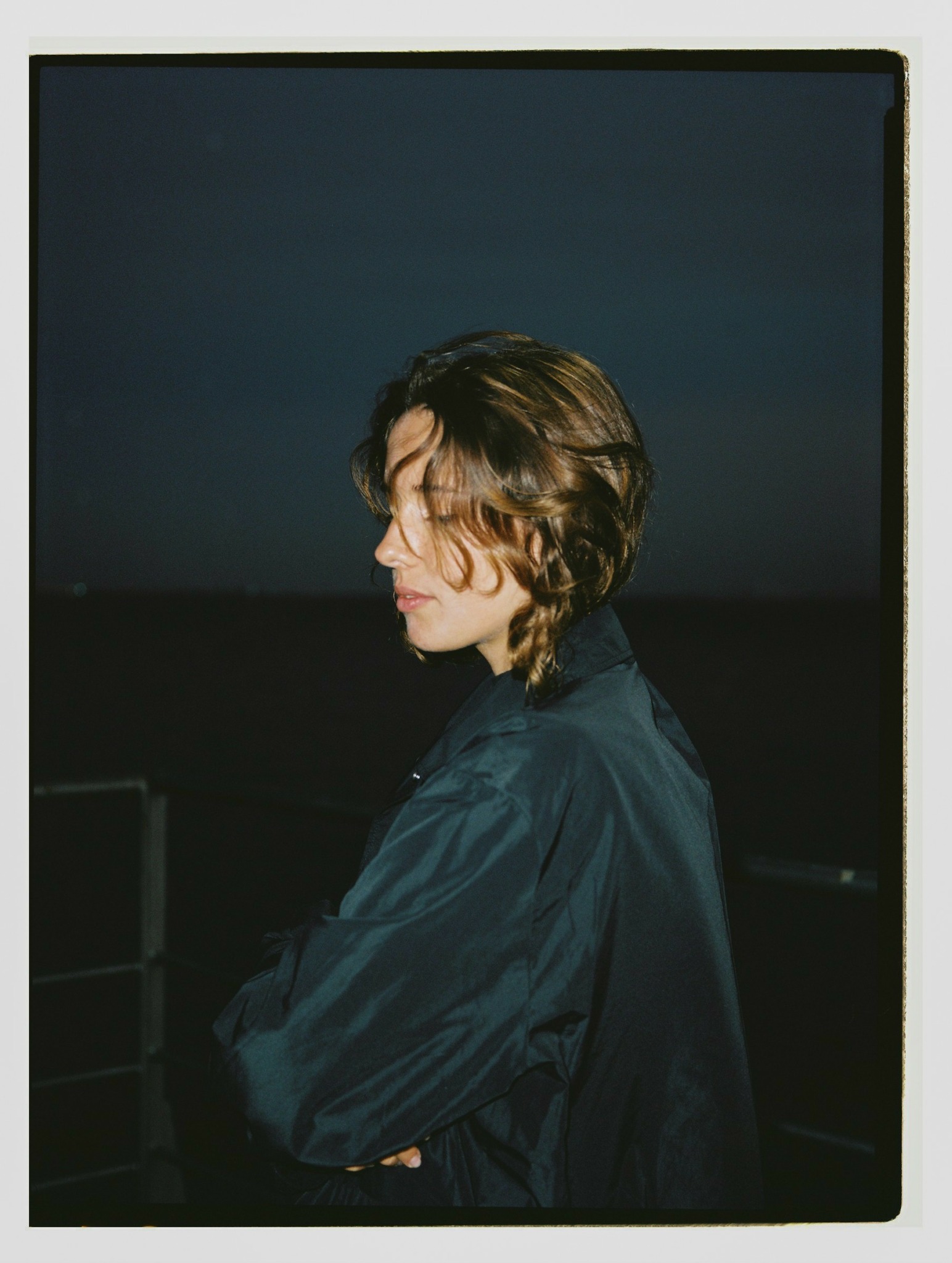

We’re excited to introduce you to the always interesting and insightful Alesandra Álvarez. We hope you’ll enjoy our conversation with Alesandra below.
Hi Alesandra, thanks for joining us today. Learning the craft is often a unique journey from every creative – we’d love to hear about your journey and if knowing what you know now, you would have done anything differently to speed up the learning process.
1. How did you learn to do what you do?
I think much of how I learned to do what I do stems from the way I was raised. Growing up in the countryside with my siblings where it was all about discovery, understanding the world and ourselves through experience. That kind of upbringing taught me to sit with the unknown, embrace it, and even find beauty in it. It’s about connecting the visible with the invisible, the tangible with what lies beneath the surface.
When it came to acting, that sense of freedom naturally shaped my approach to the craft. It’s not about control or striving for perfection—it’s about exploring the depths and allowing those emotions to flow freely. My parents often said that art is a way of making sense of the messiness of being alive, and that idea resonates deeply in every role I take on.
Production, on the other hand, was a more grounded and hands-on learning experience. It meant stepping into the organized chaos of a set and figuring things out as I went. Each project has been its own teacher, and I’ve been fortunate to work alongside remarkable people who generously shared their knowledge and insights with me.
At its core, whether in acting or production, it’s about holding space for the intangible—finding a way to bring it into focus and share it with others. That’s where the magic truly happens.
2. Knowing what you know now, what could you have done to speed up your learning process?
Honestly, looking back, I don’t think I would have rushed the process, even if I could. There’s something sacred about the time it takes to grow into yourself as an artist. If I’d tried to speed things up, I think I might have missed the deeper lessons—the ones that only come with patience and experience. Acting, for me, is about connecting with our complex humanity, and that connection takes time to develop. You can’t force it.
That said, If I could go back, I’d tell myself to let go of the need for validation and just dive into the work without fear. To explore, to fail, and to learn without the constant pressure of trying to be perfect.
Also, I think I would have watched more—more films, more performances, more life. There’s so much you can learn just by observing, by seeing how others bring truth to their work. But even then, I think the slow, organic process of discovering this craft is what makes it so meaningful. Some things can’t be rushed, and maybe they shouldn’t be.
3. What skills do you think were most essential?
For acting, being present in the moment is absolutely essential—it’s about stepping into a character’s truth without hesitation. One of my biggest obstacles was losing the fear of jumping into the unknown. Acting can feel like stepping off a cliff—you’re diving into someone else’s world, their emotions, their truth, and that can be terrifying. Over time, though, this fear has transformed into one of my greatest skills. Losing the fear of exploring a character, and learning to embrace the vulnerability that comes with it, has become a key part of my craft. It’s something I continue to work on, as there are still moments when embodying a character and reaching the depth of a truth that, for a brief moment, becomes your own, feels intimidating. But the ability to connect deeply with the material and the people you’re working with is vital. Trust in both the process and yourself is essential. There will be moments of doubt, but having the confidence to embrace vulnerability and explore the character what truly allows the performance to come alive.
For production, problem-solving and organizational skills are critical, combined with the human and creative aspect of constantly working with people. Making decisions, staying focused, and adapting are all essential. You’re dealing with so many moving parts, and the ability to stay calm and focused is what allows a creative vision to come to life.
4. What obstacles stood in the way of learning more?
One of the biggest obstacles was access—or, more accurately, the lack of it. Growing up in small mountain villages, far from the cities where most opportunities were, I didn’t have access to the industry. At a certain point, I began to feel limited by my surroundings and knew I needed to seek new opportunities, continue growing, and keep learning. Moving to Barcelona, my first big city, was a huge challenge—financially, emotionally, in every sense. I remember working three different jobs to save money and leave my town when I was 18. It was intimidating to step into a world that felt so distant from the one I had known.
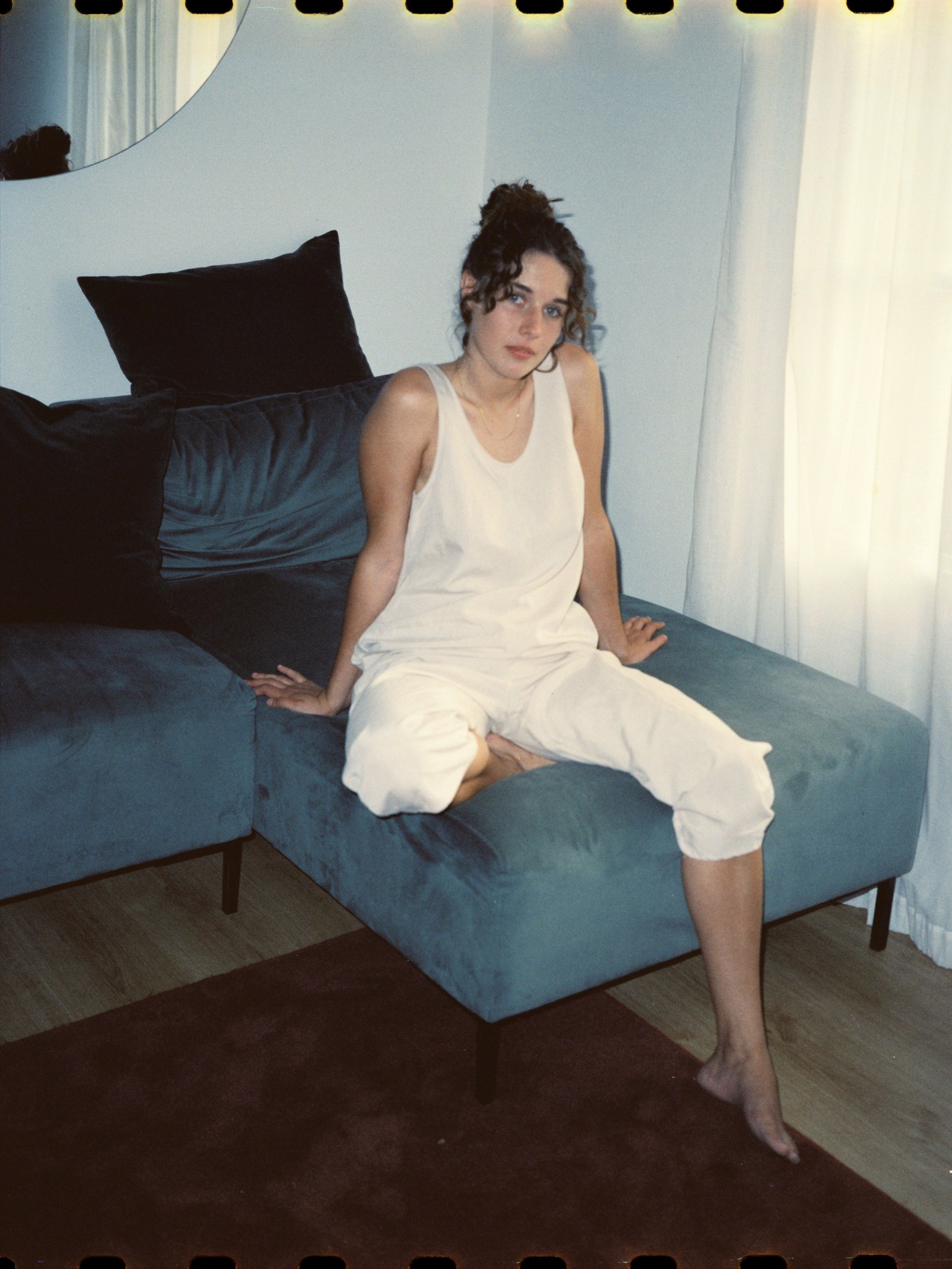
Great, appreciate you sharing that with us. Before we ask you to share more of your insights, can you take a moment to introduce yourself and how you got to where you are today to our readers.
My path into the acting and production industry started quite unconventionally. Initially, I was homeschooled, which allowed me a lot of freedom to explore and learn at my own pace. This experience was followed by time at a small alternative school in the middle of nature. It was an environment that nurtured my creativity and curiosity in a very unique way.
Transitioning later into a traditional school system was a fascinating shift for me. It was quite hard at the beginning but became very enriching after having experienced both scenarios. I hadn’t been exposed to exams or structured memorization before, and surprisingly, I found I really enjoyed the challenge. It was fun, and it turned out to be a great preparation for memorizing scripts later on, which is a big part of my job now. This mechanical process of memorization actually frees me up to be more emotional and present when performing—it’s a sort of freedom within structure.
When I decided to pursue a career in acting, my curiosity was overflowing. I wanted to understand how our instincts work and I was eager to really learn the craft.
Reading, drawing inspiration from my surroundings, nourishing myself from the masters and the peers I met along the way—those with whom I grew together—each played a crucial role in my development as an actor.
In terms of production, I started from the very bottom. I reached out proactively, knocked on doors, and took every opportunity to assist and learn. Starting from the bottom and gradually working my way up in production taught me the ins and outs of the field, which has been invaluable.
Have any books or other resources had a big impact on you?
In both my personal life and my professional journey, I’ve found a lot of value in the teachings of Eckhart Tolle. It can be incredibly grounding. One of my go-to reads is his book “Stillness Speaks.” I love having it around because I can pick it up, flip to any page, and find something that shifts my perspective.
Everything I engage with, be it reading, watching, or listening—somehow ties me back to acting. Not long ago, I was diving into “Thinking Architecture” by Peter Zumthor while also re-reading “Building a Character” by Constantin Stanislavski. It struck me deeply how all forms of art, much like acting, weave together both talent and technique. These books, though they cover very different realms, both underscore the importance of technique in sculpting the raw material of talent into something tangible and impactful.
Sanford Meisner’s analogy always resonates with me—he said that talent is like water, and technique is the vessel that holds it. This belief in the necessity of honing one’s craft and laying down a solid foundation
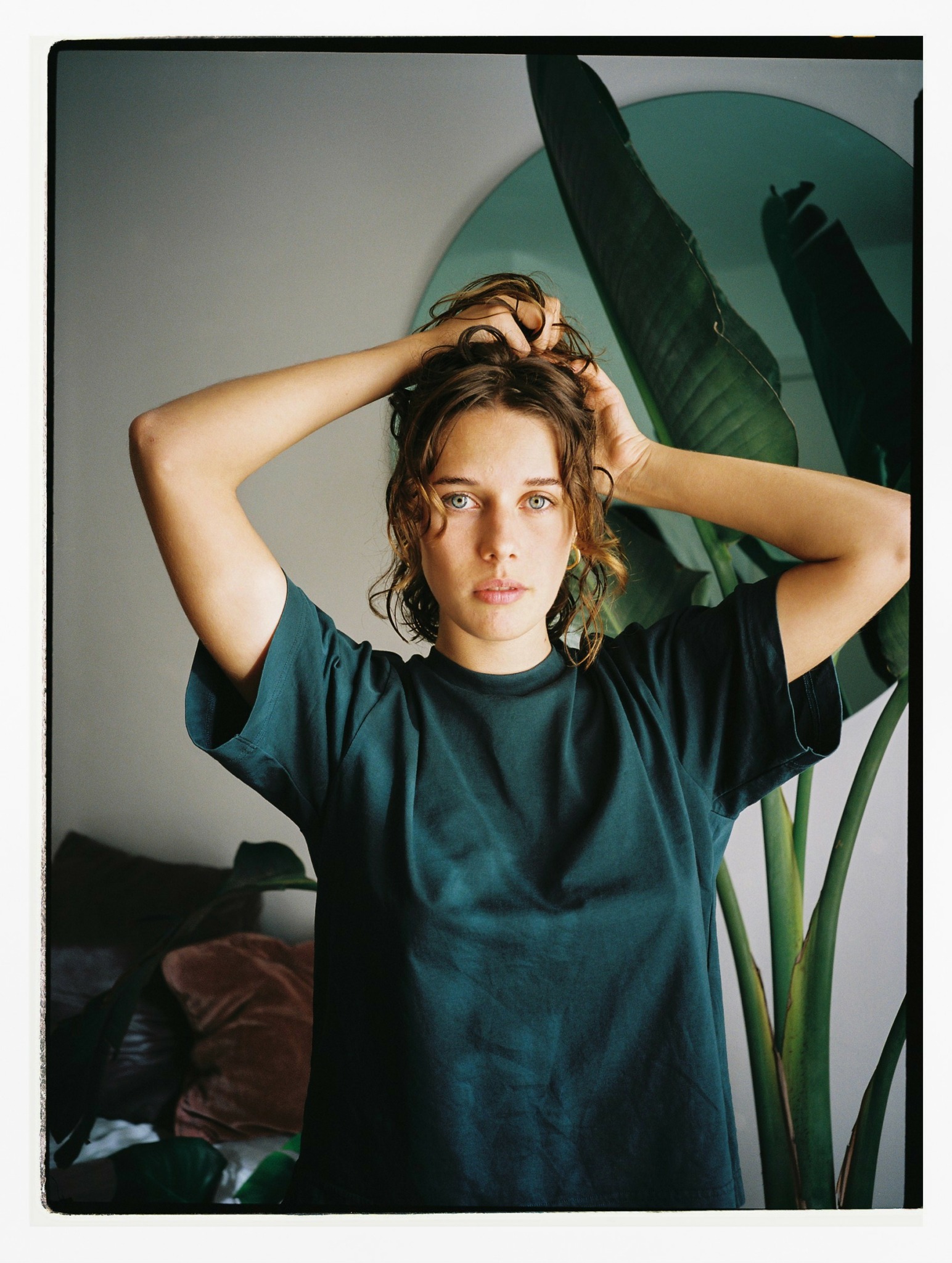
Learning and unlearning are both critical parts of growth – can you share a story of a time when you had to unlearn a lesson?
One significant lesson I had to unlearn was the idea that I was too sensitive. When I was in high school, I felt a strong pressure to always appear in control and unshakeable. I thought my sensitivity was a liability. However, as I delved deeper into the craft, I quickly realized that the true strength of a performer lies in their ability to be vulnerable. Embracing my own sensitivity allowed me to tap into deeper emotional depths within my characters. A teacher once told me, “it is a beautiful curse,” and over time, I’ve come to see what he meant.
Contact Info:
- Instagram: https://www.instagram.com/alesandra_alvarez/
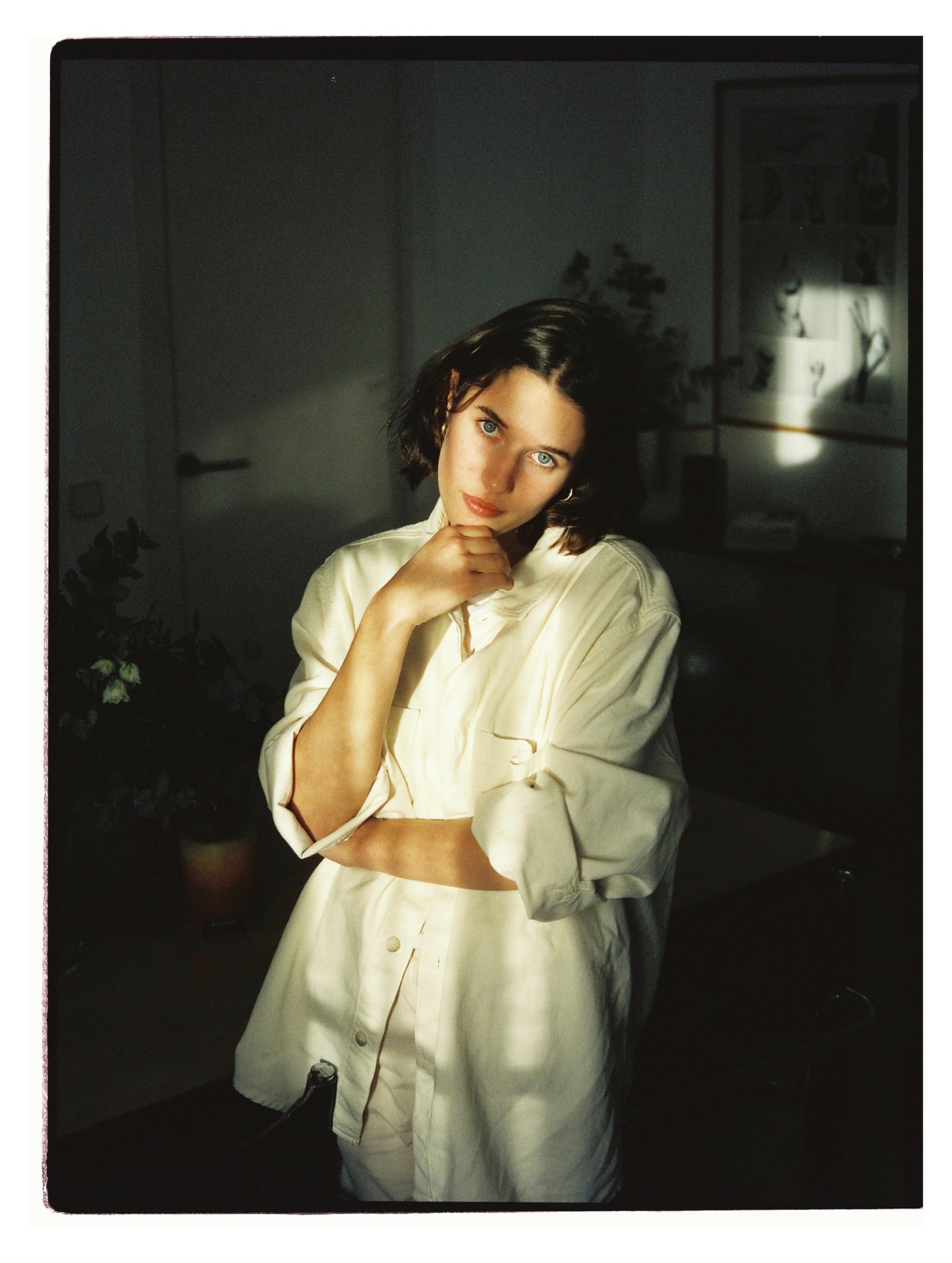
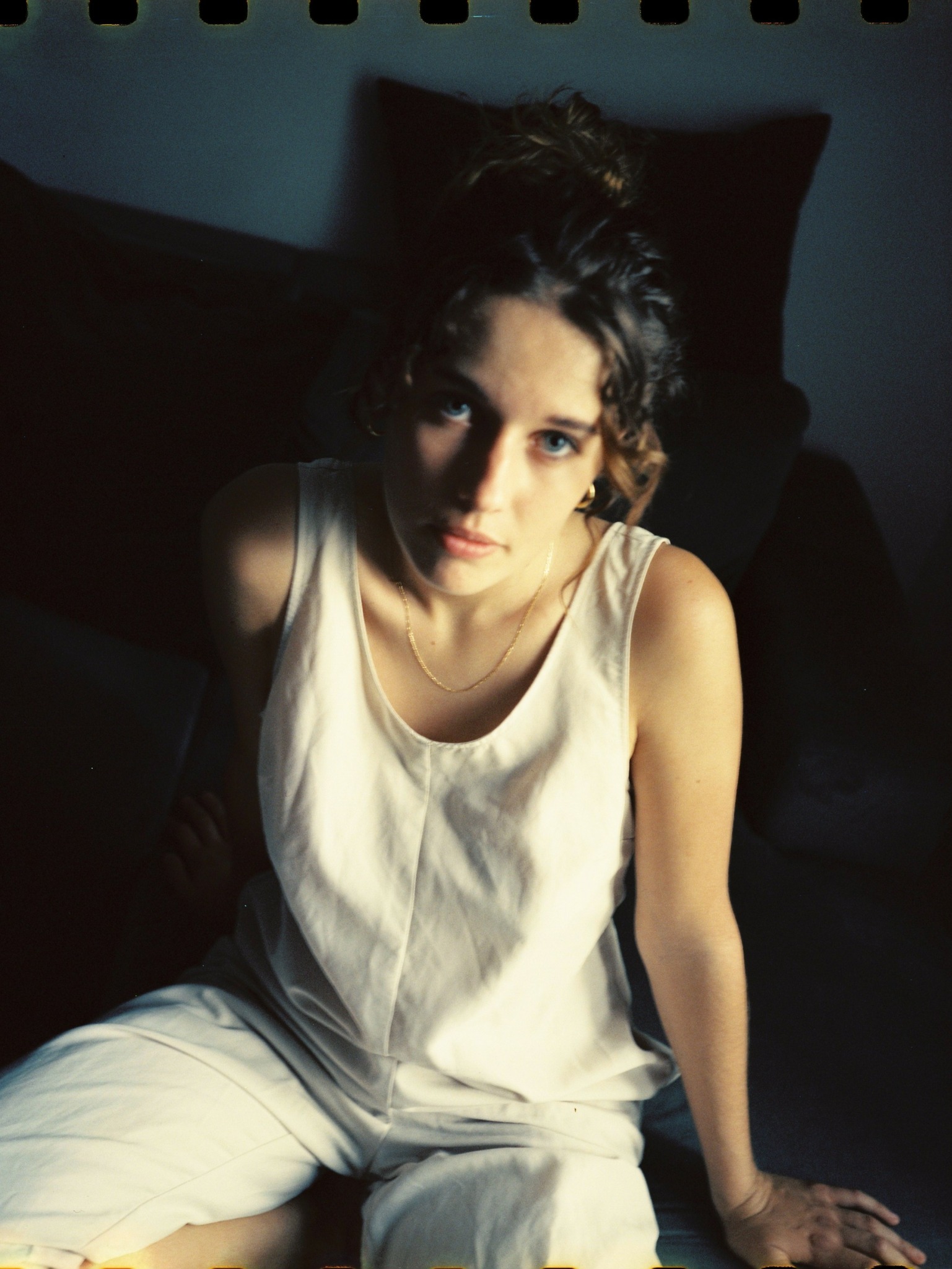
Image Credits
None