

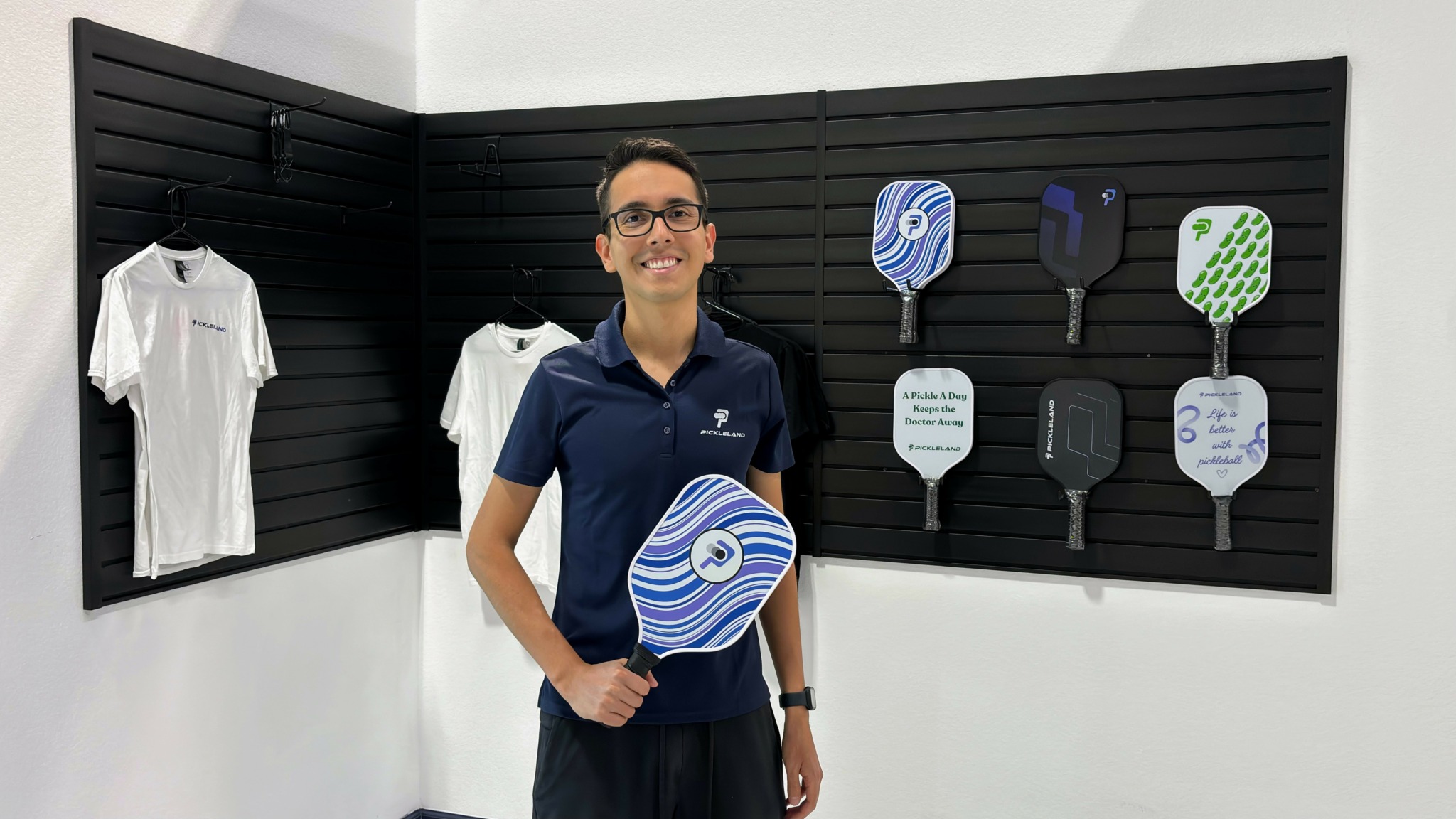

We were lucky to catch up with Alejandro Rioja recently and have shared our conversation below.
Tell us the story of a risk you’ve taken – it could be a big, life changing risk or a small risk. Either way, paint the picture for us, tell us the backstory and all the relevant details so we can fully understand the context and circumstances around when and why you took the risk and tell us how it turned out.
After my sophomore year in college, I was running out of savings to continue my education at UCLA. Needing to come up with $50k/yr for my next 2 years in college (international tuition), I launched a portable charger company (called Flux Chargers) in the summer of 2015 between my sophomore and junior years.
I originally sold these chargers in the streets of Santa Monica’s Promenade. I found that market sort of by mistake. I just wanted to be far enough from UCLA that I wouldn’t run into my college friends often but still be in a widely trafficked area.
It turned out that people who were visiting west LA were taking lots of pictures/videos and their phones were running out of battery in just a few hours. (Phone batteries in 2015 were not as good as they are now). Our batteries priced at just $20 were a great solution for those desperate tourists who wanted to continue enjoying their trip without interruptions.
Seeing that this was a relatively easy sale (we were solving a pain that our customers had), I started to study how to make this sale more efficient from my time investment (i.e. how could I sell more chargers in a given afternoon). I started to create a sales script to perfect the way I spoke about the features (ability to fit in your pocket, built-in cables for Android and iPhone, etc) and started to track how many sales I would make.
Through word of mouth (and people returning from their trip and sharing the Flux Charger with their friends), our sales started to grow nationally and internationally and we finally had money to properly start an ecommerce brand with a website, and proper acquisition channels (SEO, social media and ads).
In under a year, we went from $0 in sales to over $100k/mo in sales, following a great review from Yahoo Tech and Digital Trends that put our charger as the #1 charger in the world. We then worked with brands such as Coachella, 21 Century Fox, and others to provide branded chargers for their events and as corporate gifts.
I learned a lot from this experience and it shaped me as an entrepreneur for the future businesses I would end up creating.
Alejandro, love having you share your insights with us. Before we ask you more questions, maybe you can take a moment to introduce yourself to our readers who might have missed our earlier conversations?
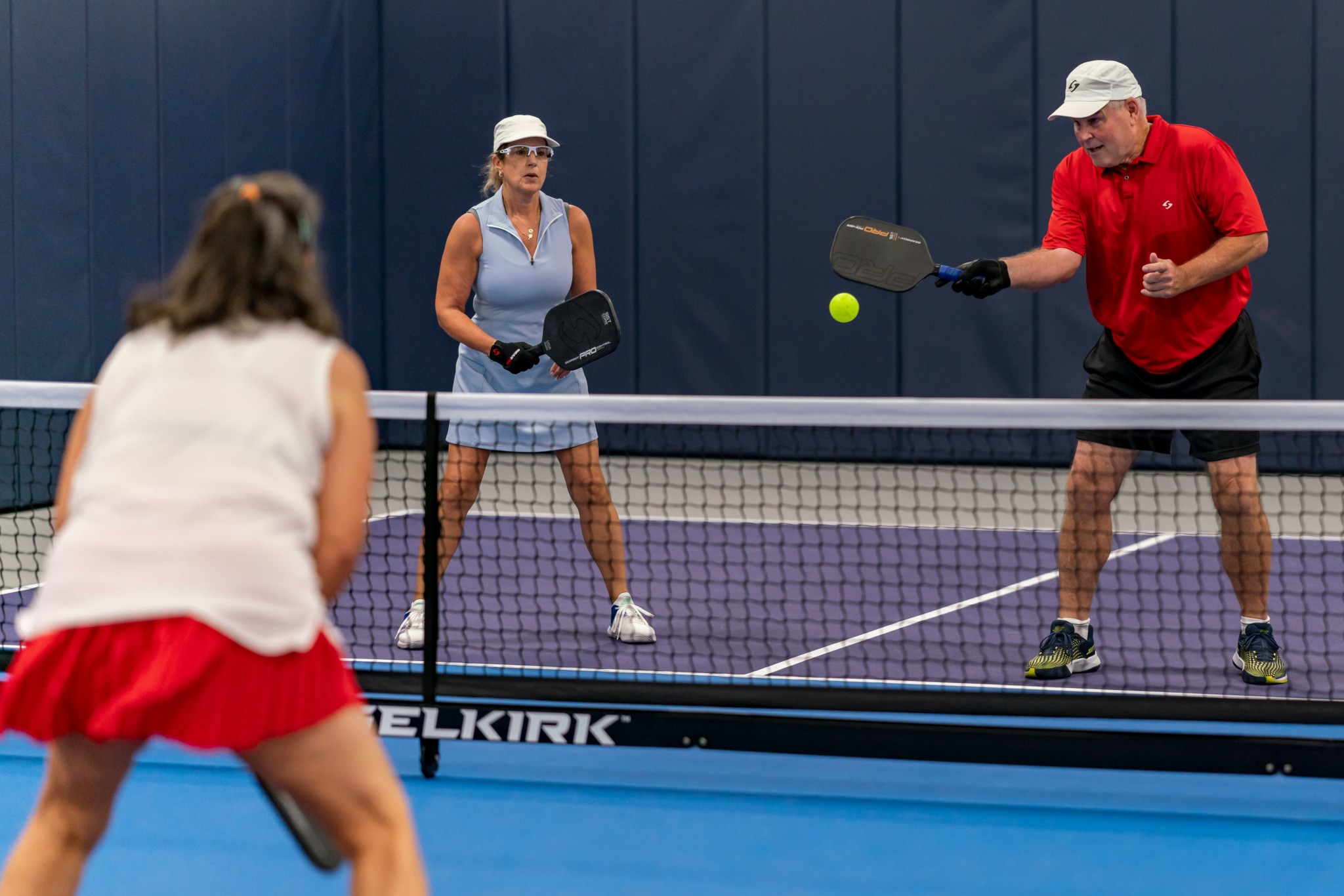
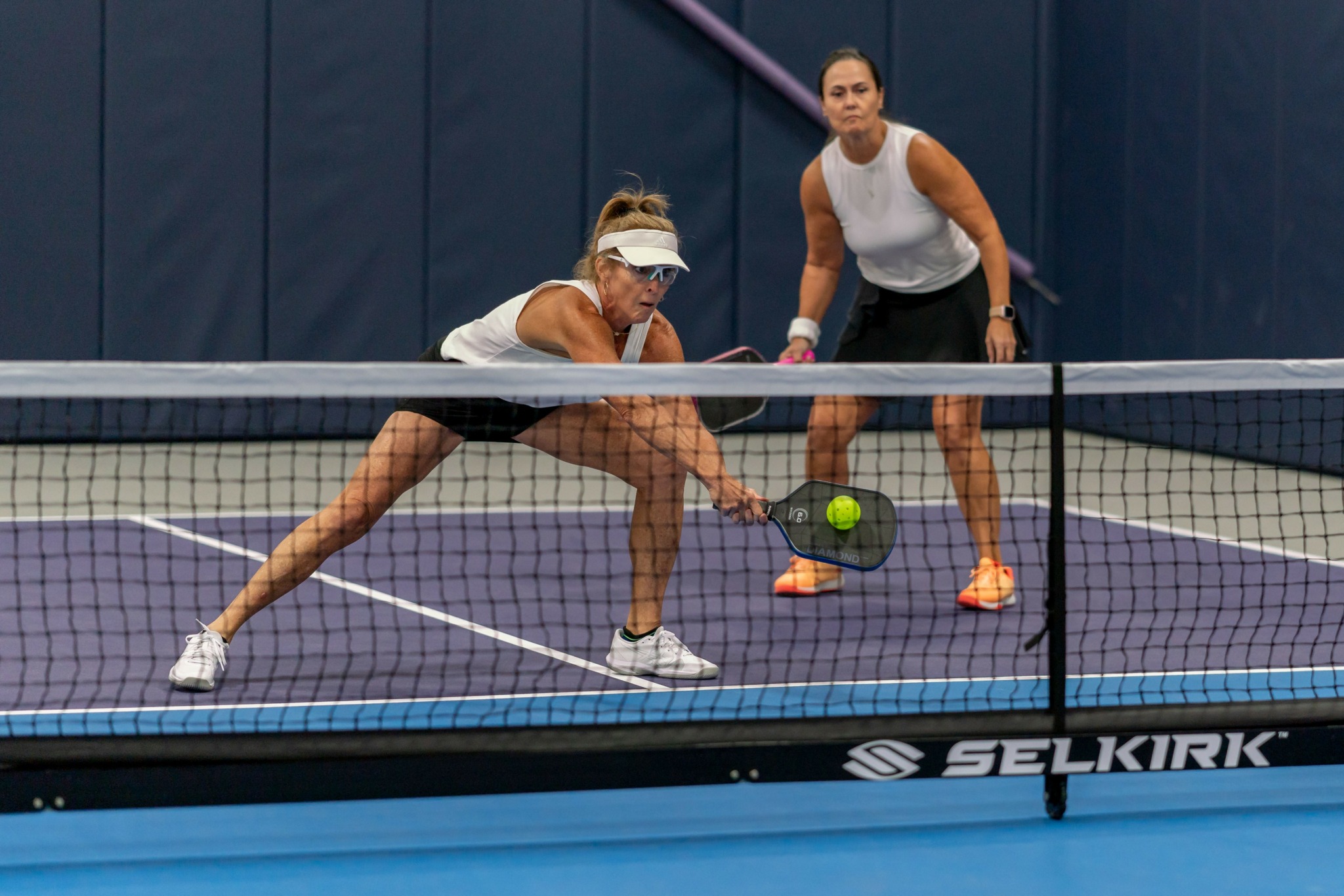
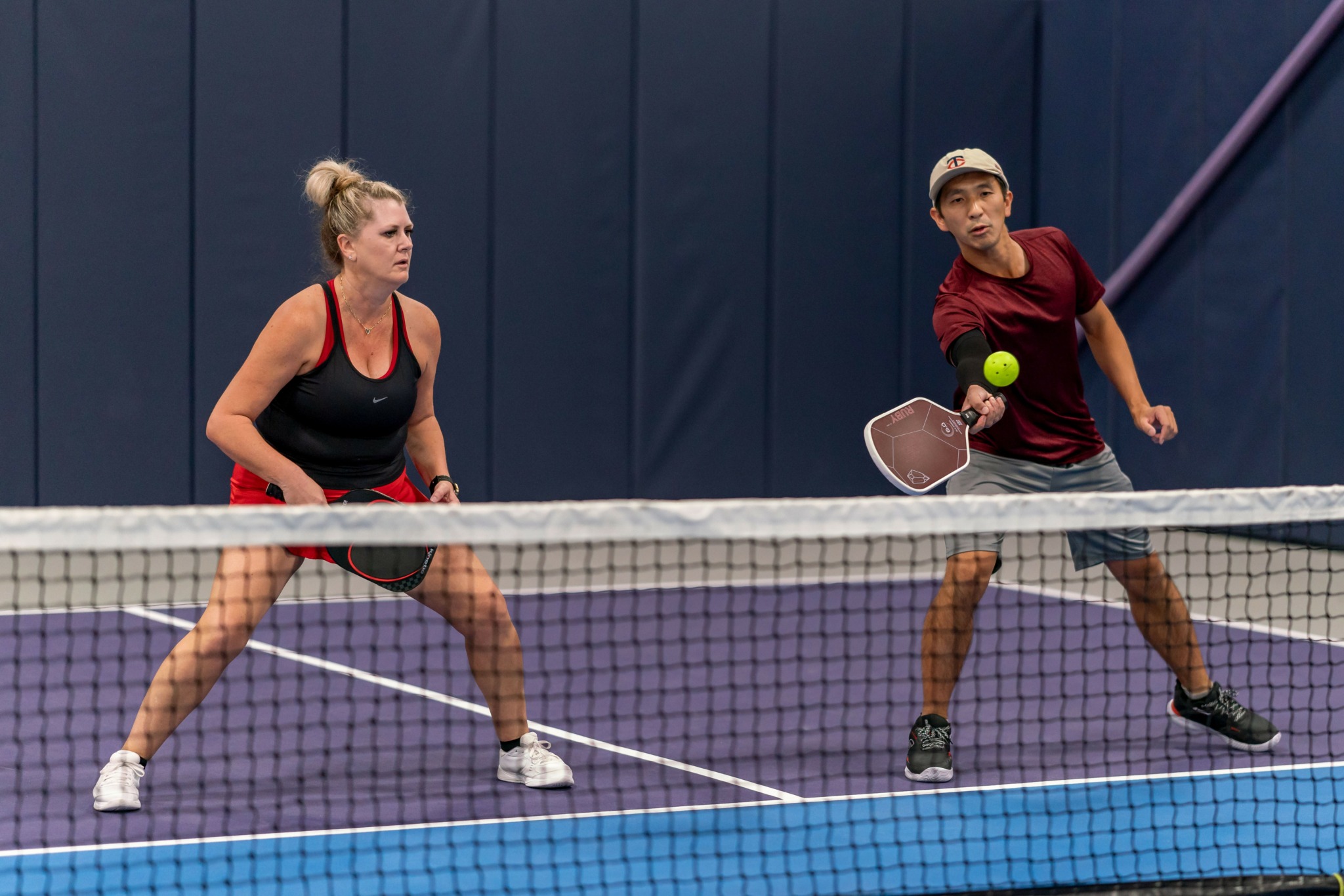
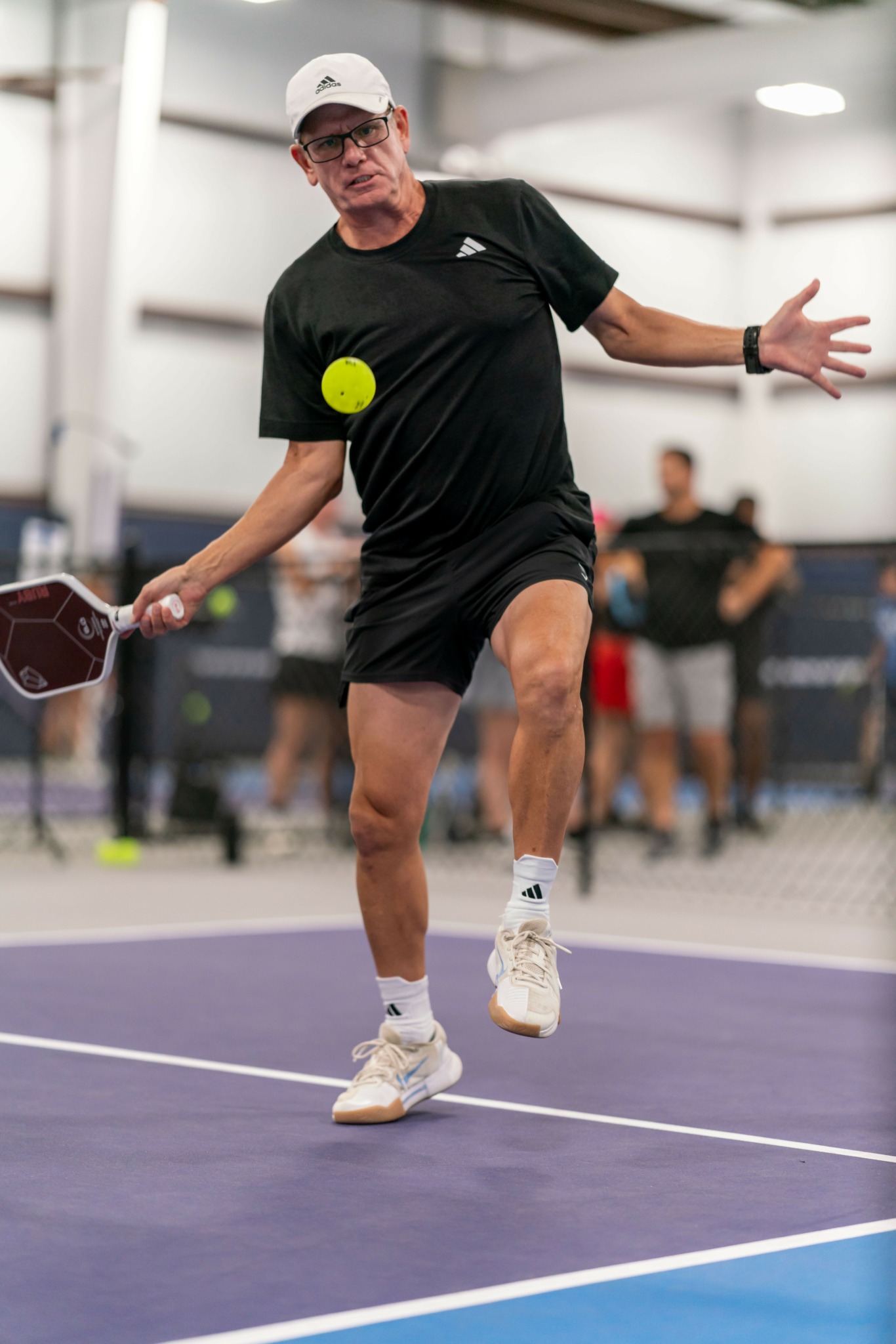
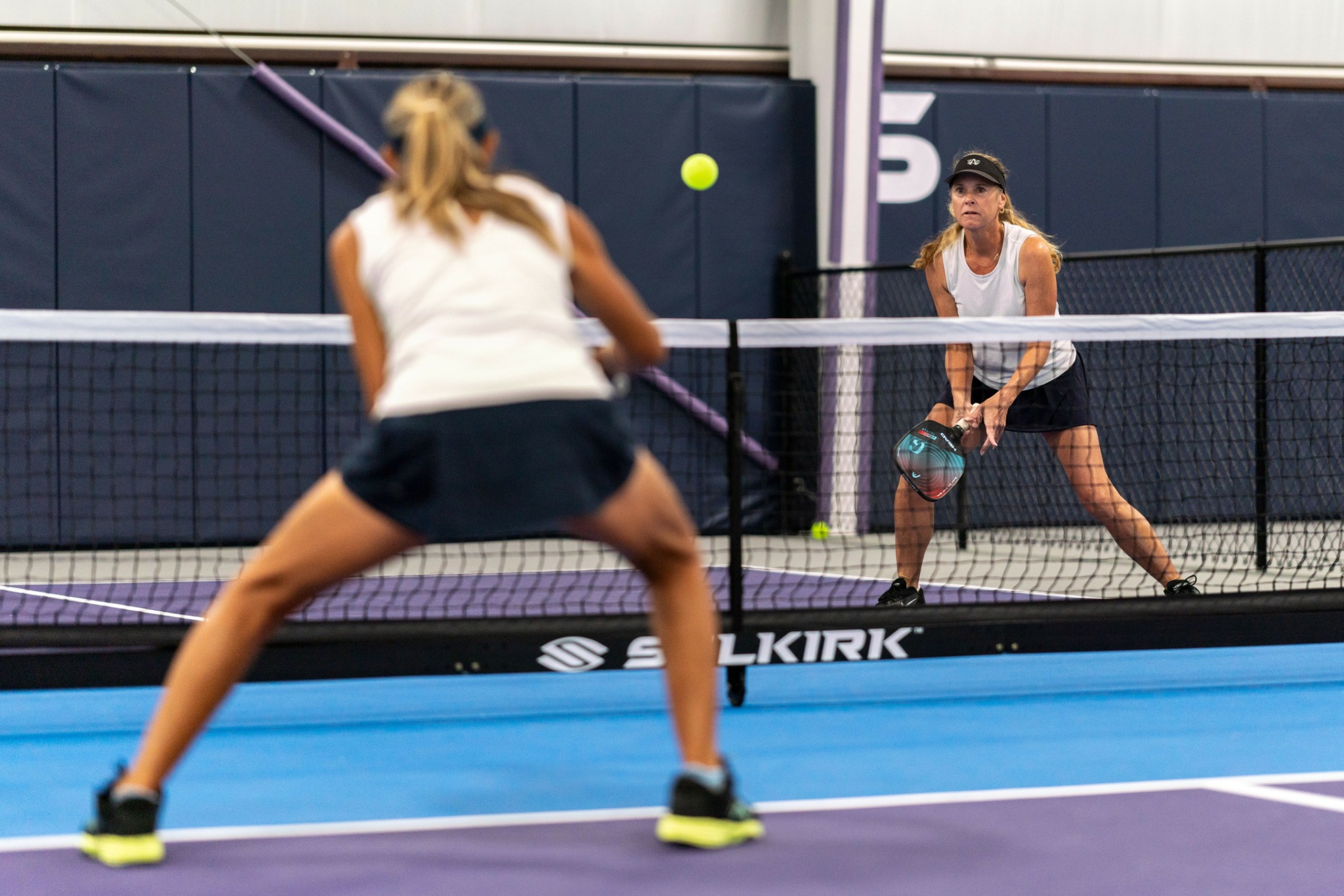
My current project is Pickleland, an indoor pickleball facility in Austin, TX.
Before building Pickleland, I interviewed 100s of players at the places I played at with the goal of understanding what was important for players. I spoke with pros and avid players and as well complete beginners who had picked up a paddle for the first time. I also flew around the US and played at the best pickleball facilities and talked to some of the owners to learn from their advice.
This “build-for-the-customer” attitude and continuous feedback loop has now transformed into a 1100-person Focus Group on Slack where I post questions daily on certain decisions we are making at Pickleland to get feedback directly from our customers.
How did you get into pickleball?
I had heard sporadically about pickleball throughout the pandemic and first tried it in March of 2023. I played it with some coworkers and instantly loved it. Despite not having touched a racket in over 10 years, coming from a tennis background, it was an easy sport to pick up.
Like many people, I quickly got addicted to the game (and the huge social component of it) and started playing almost daily.
After 3-4 months of playing, I started making a spreadsheet to keep track of all the places in Austin I could play and the hours they opened.
Given that most of my play was at recreation centers and public courts, every place was extremely crowded, so I was waiting 20-30+ min for a game (at a subpar basketball court with confusing lines).
A few paid courts/clubs started popping in my radar but I felt like they were either too expensive, or didn’t provide a great court experience (slanted, tight courts, no fencing) that warranted becoming a member.
I had been looking to start a business for a year or two at this point (circa Sept 2023) but none of my previous ideas excited me or were compelling enough. When I came across the idea of building a pickleball facility, it energized me so I started digging.
I studied different business models (such as the eatertainment model which relies heavily on food and beverage, as well as the pure courts model) and ultimately decided to go with the sports facility model as that was the fastest to construct and could be replicated easily across different towns if done well.
Did you have to take any risks with this pickleball business?
Yes. The biggest one was signing a ~$2M lease that I have to personally guarantee. I took a leap of faith and signed the lease before getting any investors or customers (though I had certainly done a lot of research and financial projections to determine if this was a good idea). I wanted to move fast and I knew people would want to be a part of it (as investors, customers, partners) once it was in motion, so it didn’t make sense to wait to have all those pieces in place as I might have never started.
I’m excited to have opened our doors in August of 2024. The support and turnout of the community has been amazing. If you are reading this and want to visit, please check out https://pickleland.com/visit/
Let’s talk about resilience next – do you have a story you can share with us?
As with any construction of this size, there have been setbacks and decisions we’ve needed to make on the fly.
One interesting one was the addition of a firewall that splits our building in half (along with fire-rated windows and shutters). This was requested by the fire department and added almost $200k to the buildout.
Though at first it was a major setback in terms of timeline delays, costs and use of space, we’ve been able to make the most of it by redesigning the space to make the best use of that wall. For example, that wall allows us to close off one section of the facility when it’s not in use, lowering our electricity costs. It also serves as a great separator of sound between the north and south courts. In the future we might even paint a mural on that wall to add the unique Keep Austin Weird vibe.
Are there any books, videos or other content that you feel have meaningfully impacted your thinking?
“The Lean Startup” by Eric Ries fundamentally shaped my approach to building businesses, emphasizing the importance of iterative development and validated learning. Peter Thiel’s “Zero to One” provided invaluable insights into creating innovative companies and how you can dominate a market. Lastly, I’ve been blessed with having a great mentor (George Bonaci) and a great investor (Joe Zhou) who are among the smartest people I know who have provided invaluable feedback and support throughout this journey.
I’ve wrote about a few of these on my blog: and on my site Future Sharks Contact Info:
- Website: https://pickleland.com/
- Instagram: https://www.instagram.com/picklelandatx/
- Facebook: https://facebook.com/picklelandatx/
- Linkedin: https://www.linkedin.com/company/pickleland
- Twitter: https://twitter.com/picklelandATX
- Youtube: https://www.youtube.com/@picklelandATX
- Yelp: https://www.yelp.com/biz/pickleland-pflugerville
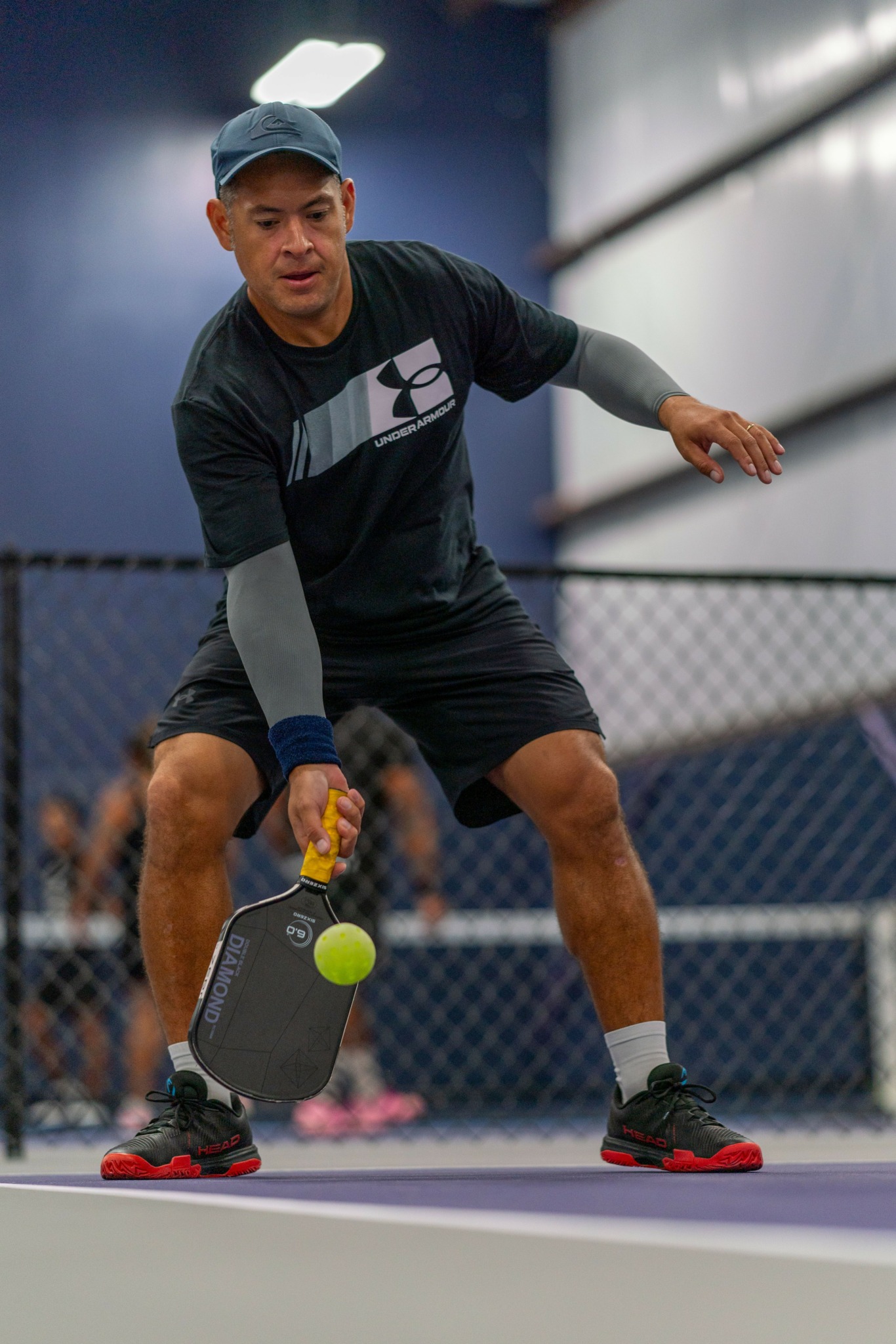

Image Credits
Phil Warner. https://www.instagram.com/aboveinteractive