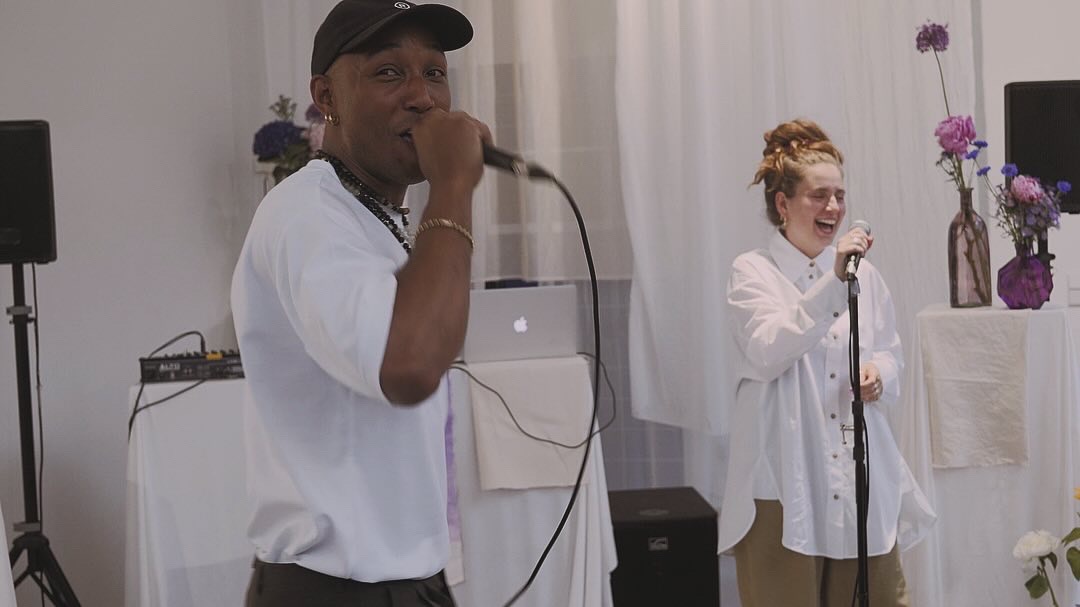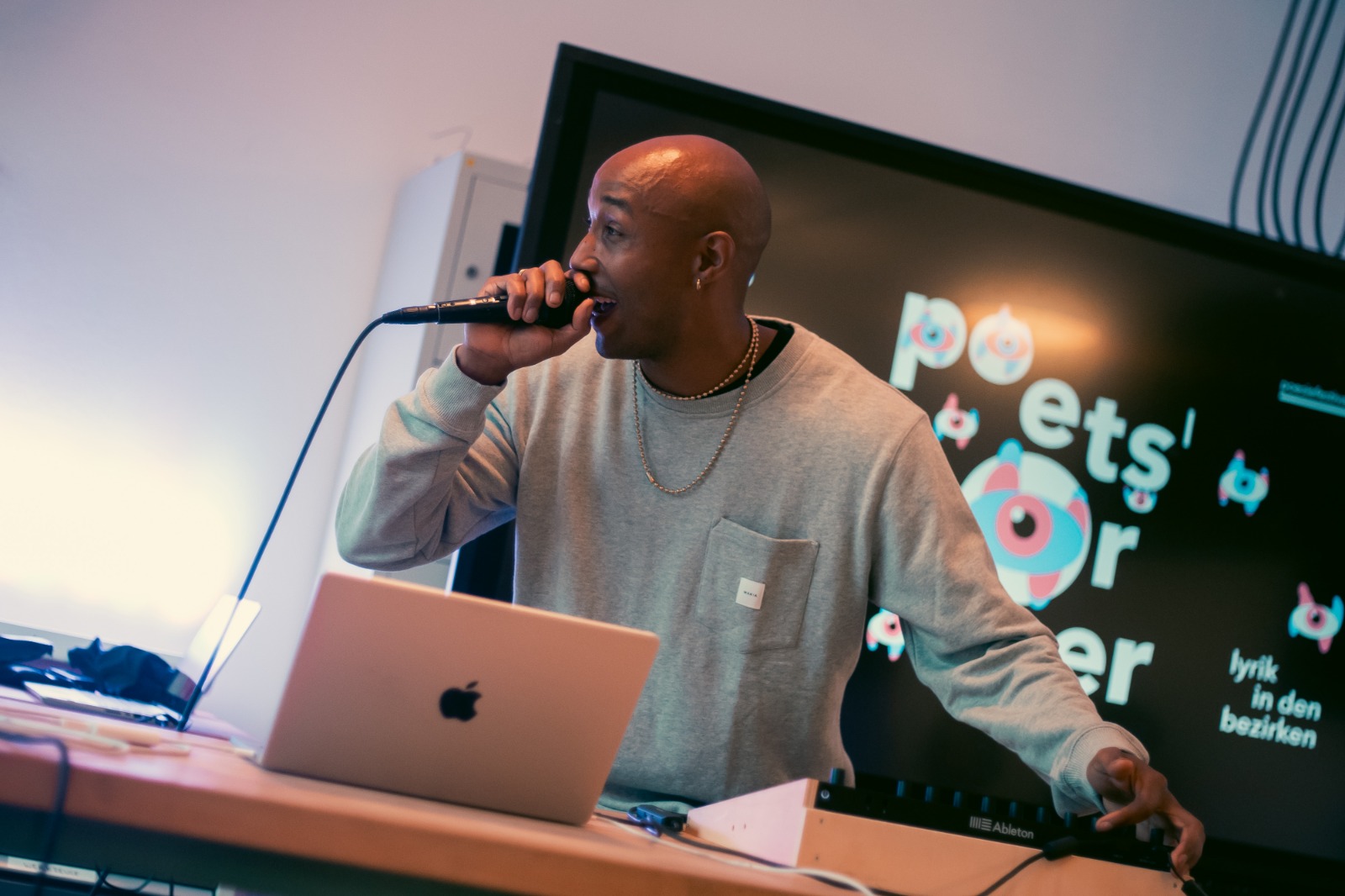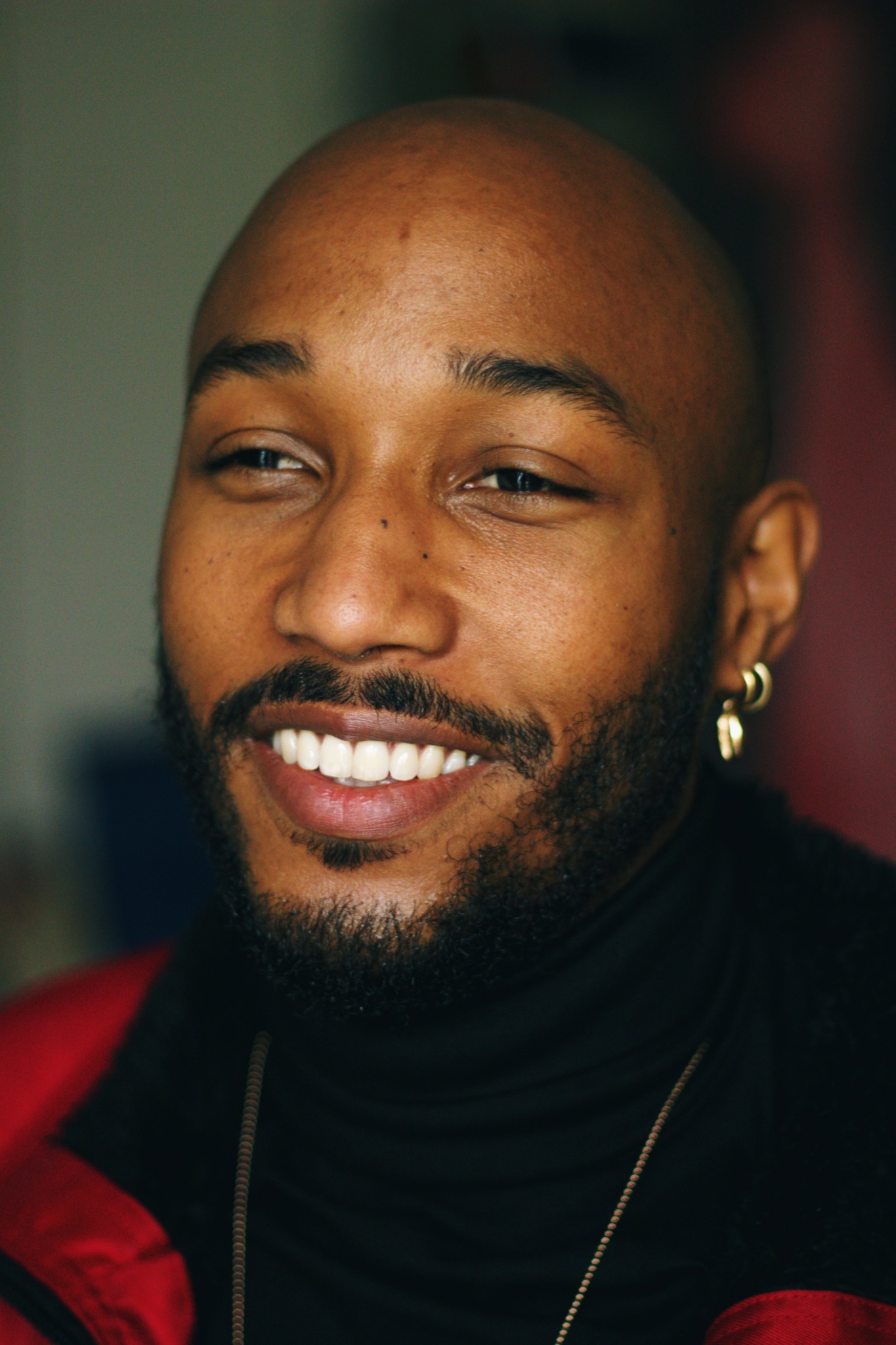

We’re excited to introduce you to the always interesting and insightful Alejandro Isasi Diaz. We hope you’ll enjoy our conversation with Alejandro below.
Hi Alejandro , thanks for joining us today. Did you always know you wanted to pursue a creative or artistic career? When did you first know?
Here’s a more polished and natural-sounding version of your response, tailored for an interview:
I’ve always had a special connection with music, particularly with sounds derived from electronic equipment—not necessarily electronic music like techno or house, but more Latin rhythms like reggaeton and dancehall. One of my earliest memories is sneaking out of elementary school classes just to listen to the school cooks play the radio while they worked.
Growing up, my family’s financial situation didn’t allow me to pursue music seriously, so I focused on sports, which was also a passion of mine. It wasn’t until I moved to Berlin, more than 20 years later, that I finally had the independence and maturity to revisit my love for music. I made a few attempts, but it remained just a hobby because my life had taken many turns by then.
When I turned 23, my wife gifted me a MIDI keyboard. At the time, I had no idea how to use it, and it ended up collecting dust for a few years. Then, at 27, during a major house cleanup, I found the keyboard and decided to give it one last try. I connected it, found a step-by-step tutorial on YouTube, and suddenly, almost 10 hours passed in what felt like a heartbeat. For the first time in years, I felt pure joy, like a child again. That moment sparked something in me, and since then, I haven’t looked back—I’ve been working on music every day, and it’s become an integral part of my life.
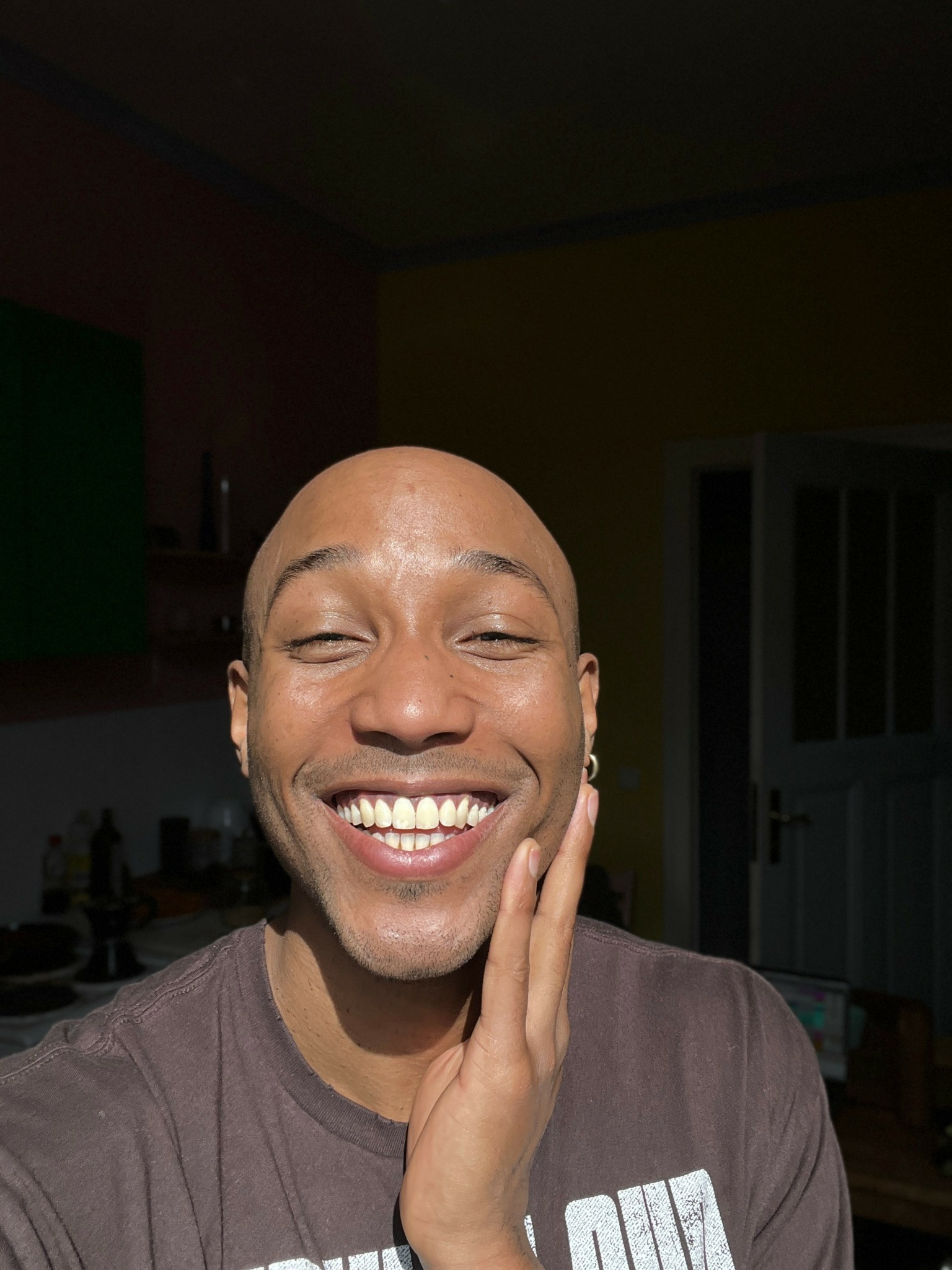
Awesome – so before we get into the rest of our questions, can you briefly introduce yourself to our readers.
In Spanish, we use the word “profesión” to describe what you do for a living. But when I think about that word, it takes me back to its roots: “profesión” as “prophecy,” something you’re destined for. In my case, I feel like my destiny has always been tied to music. I’ve had many jobs and walked various paths, but there’s always been something bigger than me that pulls me towards music.
When I make music, I have no limits. I’m interested in almost any project, regardless of the genre or the task. What matters most to me is who I’m working with and spending my time with. For me, creating is a very intimate process that works best when there’s vulnerability and sensitivity. That’s why, when someone offers me a collaboration or asks for help with a project, the first thing I consider is who’s on the other side.
My specialty is empathy, putting myself in my clients’ shoes, and connecting on a deeper level to help them create something unique. I want what we make together to express their feelings, energy, and emotions. A song that comes from that place will always resonate with people. I see myself as a therapist, and the music we create is the therapy.
I’ve received countless audio messages and thank-you notes from clients who tell me they’ve never felt so comfortable creating with anyone else. I didn’t just help them with music; I helped them grow as people. For me, trust and transparency are essential in this business. We know this is an industry that has suffered a lot of abuse from big bosses and companies, and to change that, I believe we have to be the example that shows there are other ways to do business.
How can we best help foster a strong, supportive environment for artists and creatives?
Right now, most musicians are struggling to earn even a few cents, as major companies like Spotify and Apple Music pay only a tiny fraction of what a song generates—between $0.003 and $0.005 per stream. Plus, you need a minimum of 1,000 streams for each of your songs for the platform to even consider paying you. The average earnings for an artist on these platforms are around $12 a month. Given all the costs involved in producing and promoting a song, it’s incredibly difficult for many artists to build a decent career. This forces many to take on additional jobs to fund their passion or seek less legitimate alternatives, like buying streams.
What’s happening now is quite severe because, in the streaming world, there is very little protection for artists. My appeal to consumers is to find ways to support their favorite artists. There are many ways to do this: buy their music directly from their websites (Bandcamp) , purchase merchandise, and support their crowdfunding campaigns. You can also subscribe to services that offer better compensation for artists
This situation persists partly because consumers are not fully aware of the issue. Information and education are crucial tools in addressing it. Music and the arts are professions like any other—no less or more important—and they need to operate under fair conditions to thrive.
One of the most painful aspects is dealing with dismissive comments like “change your job,” “that’s not a real job,” or “simply don’t upload your music to Spotify.” The list of such negative comments is long, and it’s disheartening that people still think this way. I hope that perception changes over time.
What’s the most rewarding aspect of being a creative in your experience?
The idea of leaving a mark on the world is something that, I believe, fascinates everyone at some point in their lives. There’s something profoundly inspiring about knowing that even after our time on Earth, what we’ve created can continue to resonate and have an impact. In the case of music, this sense of transcendence is especially powerful.
The thought that, after we’re gone, our music might still be heard and appreciated by future generations is truly mind-blowing. It doesn’t matter if our creations reach thousands or just a few people; the fact that something that didn’t exist before has been brought to life and can endure through time is what most attracts me to being a music creator.
Creating music is like planting a seed that can grow and blossom long after we’re no longer around. Each note, each chord, each lyric is a part of us that remains etched in time, offering a connection to those who listen. This ability to immortalize our feelings, thoughts, and experiences through music is a way to leave a personal mark on the world that goes beyond our physical existence.
Moreover, the impact that a musical work can have on someone’s life, even on a small scale, is a powerful reminder that our contributions, however modest, can have a lasting effect. Every song I compose, every project I work on, is an opportunity to build something that might endure, influence, and touch people I might never meet, but who will connect with my art in a personal and intimate way.
Ultimately, the true beauty of being a music creator lies in this ability to transcend and leave a legacy that continues to live through the notes and melodies we once brought to life. This possibility of affecting the world, even after we’re gone, is what makes the act of creating music one of the most deeply meaningful and motivating experiences.
Contact Info:
- Instagram: @isasi.isasi