

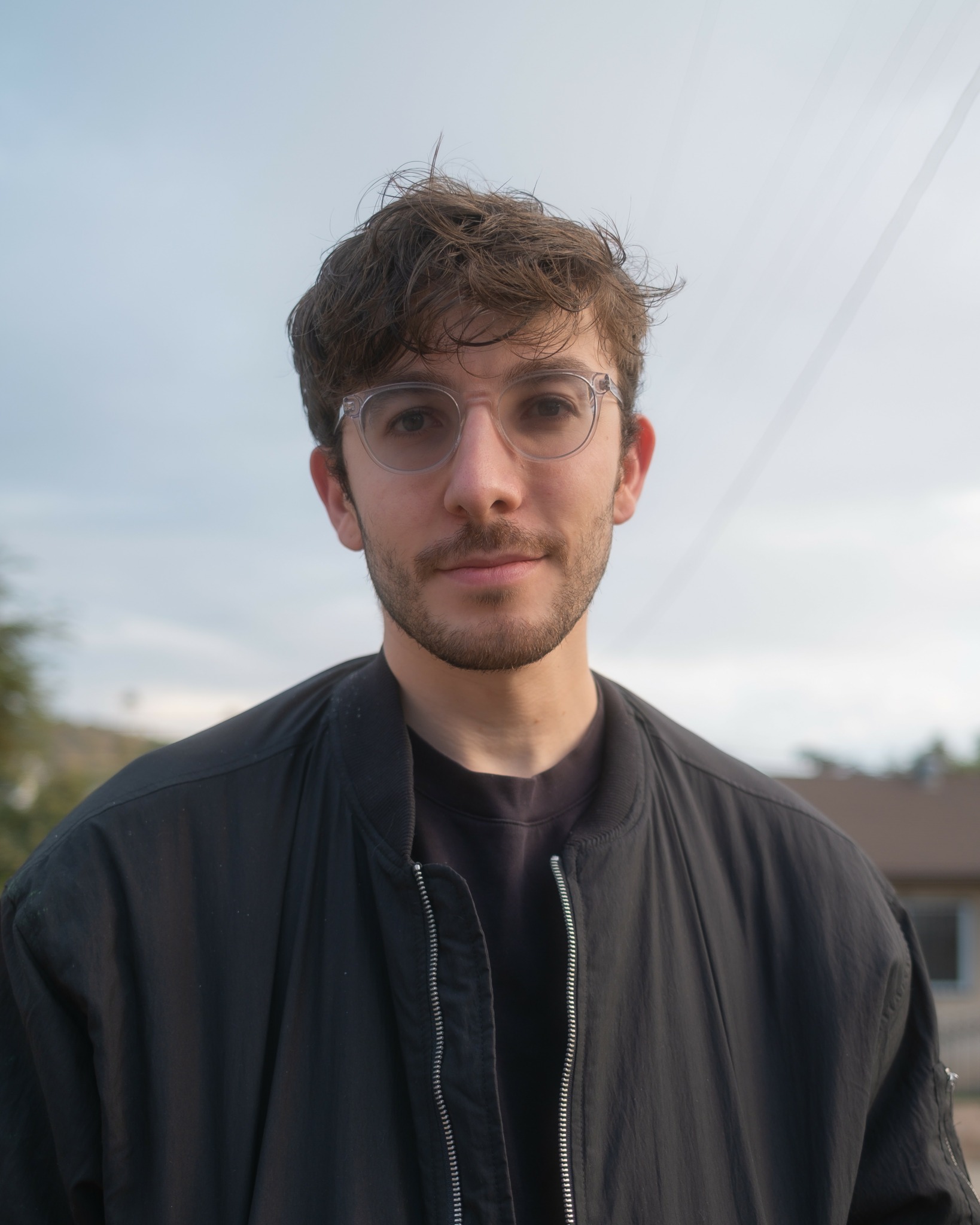

Alright – so today we’ve got the honor of introducing you to Alec Septien. We think you’ll enjoy our conversation, we’ve shared it below.
Alec, appreciate you joining us today. We’d love to have you retell us the story behind how you came up with the idea for your business, I think our audience would really enjoy hearing the backstory.
My story wasn’t some lightning bolt moment. It was more of a slow accumulation of “oh… this actually makes sense” stacked up on top of years of working in different corners of social media.
I’ve spent the last five years helping creators, artists, and brands get billions of views and eventually, brand deals. And for a while, I thought that was the goal. Get people views. Grow the audience. Do what every “expert” says matters.
But the more I got into it, the more obvious it became that views were half the job. Views don’t solve the real problem. Views don’t build a career. Views don’t build trust. And they definitely don’t build die-hard fans — the kind who actually buy things or care about what you’re doing.
So a couple years ago, I started asking a different question:
How do you help someone build something sustainable?
Not just viral. Not just loud. But sustainable.
That question led me deep into copywriting, psychology, traditional marketing frameworks, and honestly, a bunch of trial and error during the TikTok/Reels/Shorts boom. That’s also when I reconnected with my friend and former co-worker, Debjit, who had been thinking about the same problems from a different angle.
We kept talking, comparing notes, and eventually realized we were circling the exact same idea:
People don’t need more content… they need content that makes people care.
And that’s how BLUEPRINT happened. It wasn’t some “let’s start an agency” moment. It was a very slow, very intentional realization that if we actually want to help people grow, we have to solve the deeper problem: trust, consistency, and conversion.
Awesome – so before we get into the rest of our questions, can you briefly introduce yourself to our readers.
I got into social media almost by accident. Five years ago, I was working in music and trying to move into marketing. A friend of mine, who had a YouTube background, wanted to break into music. I wanted to learn marketing. So we traded. I helped him with music and he taught me the fundamentals of YouTube and content. That was my first real taste of social.
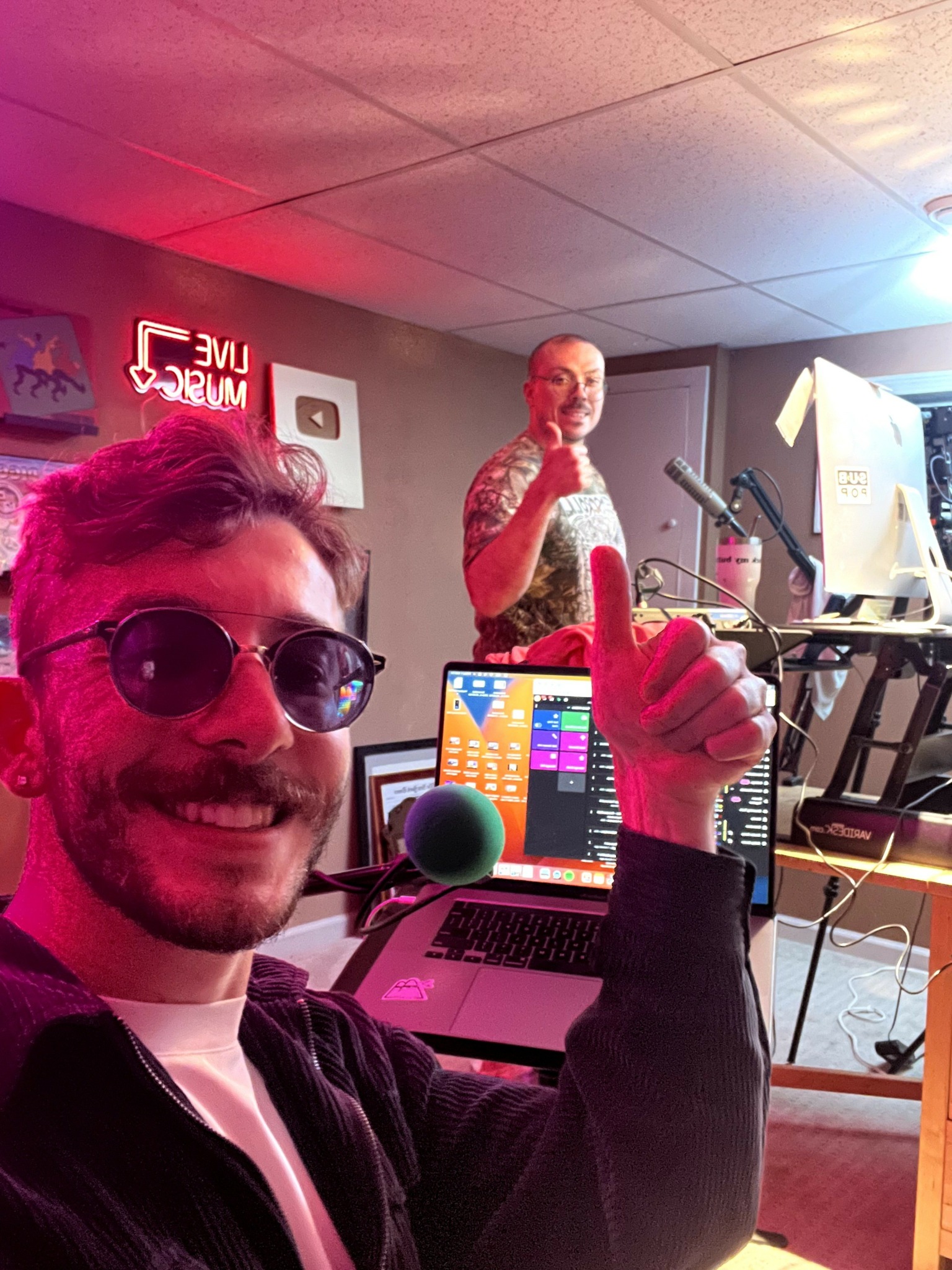
From there, I started picking up gigs. One of the early contracts was working with Anthony Fantano, helping him grow on TikTok. That experience has been my sandbox for the last four and a half years. Honestly, the first year and a half of my career was just stacked with little sandbox moments. Different clients. Different platforms. A lot of “try something, break something, learn something.”
From there I pulled back a bit. Not from the work, I kept working, but from the noise. I went deep into what actually works. Copywriting. Old-school marketing frameworks. Funnels. Consumer psychology. All of it. The thing that kept showing up over and over again was this:
Marketing hasn’t changed, the platforms just look different.
Around 2023–2024 things started to click. I began working with bigger brands, Warby Parker, Bombas, Factor, and on the freelance side, one of my consulting clients went from 100k to 25M streams in just a few months. I worked political cycles, managed fan pages, edited for agencies, helped creators monetize, got flown to festivals for content… it was a weird, chaotic mix of experiences that all taught me something different.
But the biggest shift happened in 2024, when the impostor syndrome finally started dying out. I wasn’t “trying” things anymore. I knew what I was doing. And the more I learned, the clearer the real problem became:
Most people don’t need help posting more. They need help actually liking the process.
They need someone to walk them through the discomfort, the strategy, and the psychology.
They need someone who understands that social media is a tool, not an identity.
I’ve always been interested in how you get someone who hates marketing themselves to not only do it, but actually enjoy it. That’s what I’m good at. That’s what keeps me curious. And that’s ultimately why I built BLUEPRINT. Not to chase clout or play into the “growth hacker” stuff. But to help people build an audience that actually converts (without burning themselves out in the process).
The thing I’m proud of most isn’t the numbers, it’s the transformation.
Watching someone go from scattered and overwhelmed to confident, consistent, and strategic. That’s the part that actually matters.
What I want people to know is this:
There’s no magic sound, trend, or hack. There’s no shortcut. There’s just understanding your value, creating the right system, and building trust over time. And if you can do that, the views, the leads, the sales becomes a byproduct.
Where do you think you get most of your clients from?
Honestly? Word of mouth. And I don’t say that in a cute, fake-humble way, I mean it literally.
Every good client I’ve ever gotten came from someone else saying, “Hey, this person actually knows what they’re doing.”
When you think about it, it makes complete sense. This industry is full of noise… people overpromising, selling templates, claiming they have “the secret.” People are tired of being burned. So when someone sees a friend or another artist get real results that trust transfers instantly.
Word of mouth works because trust works. People trust people more than they trust an ad.
The other reason it’s been my strongest pipeline is because referrals filter everything out. The people who come in through word of mouth already understand the value, the expectations, and the way I work. They’re aligned. They’re ready. And they’re usually the ones who get the best results.
Now, I’m making the switch to organic social (which I believe is the second best way of reaching people) in terms of creating awareness and building trust over time.
What’s a lesson you had to unlearn and what’s the backstory?
One of the biggest lessons I had to unlearn (and honestly, it took me way too long) is the idea that more content automatically equals more success.
When you spend years in the trenches of social media, especially during the TikTok boom, the message you hear over and over again is:
“Just post more.”
“Post daily.”
“Quantity over quality.”
For a while, I believed it. I thought the people posting the most were the ones who were winning. But the more I worked with people (and the more I actually saw the backend of their numbers, their burnout, their frustration) the clearer it became that this was not the way.
People don’t fail because they post too little.
They fail because they post without a strategy.
Most people don’t have a creativity problem. They have a clarity problem. They have no system, no structure, no funnel, no sense of how their content ties to trust, and how that trust ties to sales. So they just post every day hoping something sticks… and then wonder why nothing changes.
I had to unlearn the idea that “consistency” means volume.
It doesn’t.
Consistency means direction. It means alignment. It means understanding why you’re posting in the first place.
When I finally let go of the “post daily” mindset, my entire approach changed. I started caring less about chasing the algorithm and more about creating content that actually reflected who the creator was. That’s when everything got easier. That’s when clients grew faster. That’s when people started trusting the process.
Burnout isn’t a requirement for growth.
Posting every day isn’t a requirement for growth.
Being everywhere all the time isn’t a requirement for growth.
The thing I had to unlearn was this:
Volume isn’t the answer. Systems are.
Once I understood that, everything clicked.
Contact Info:
- Instagram: @alecseptien
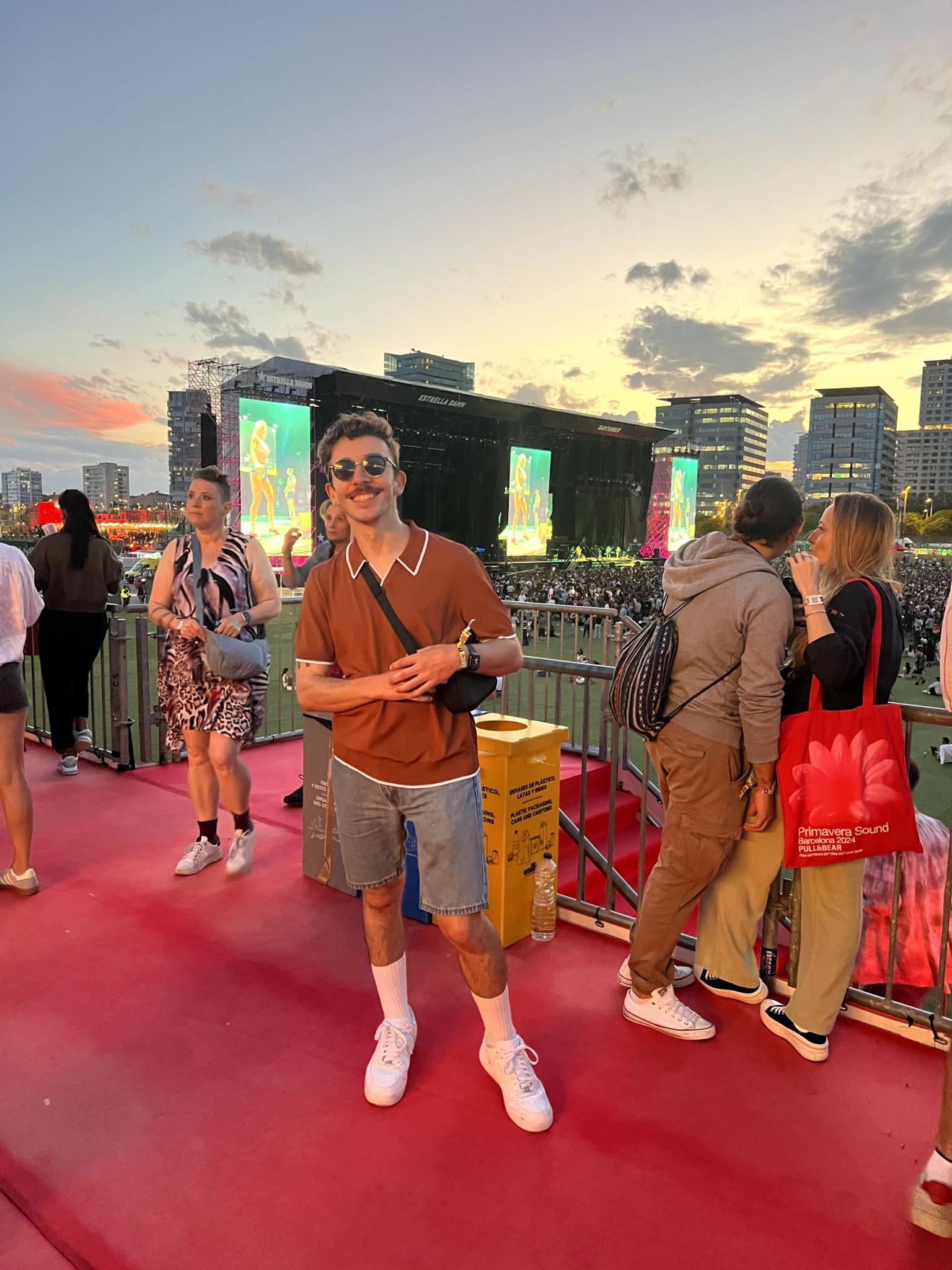
Image Credits
Hudson Ratzlaff