

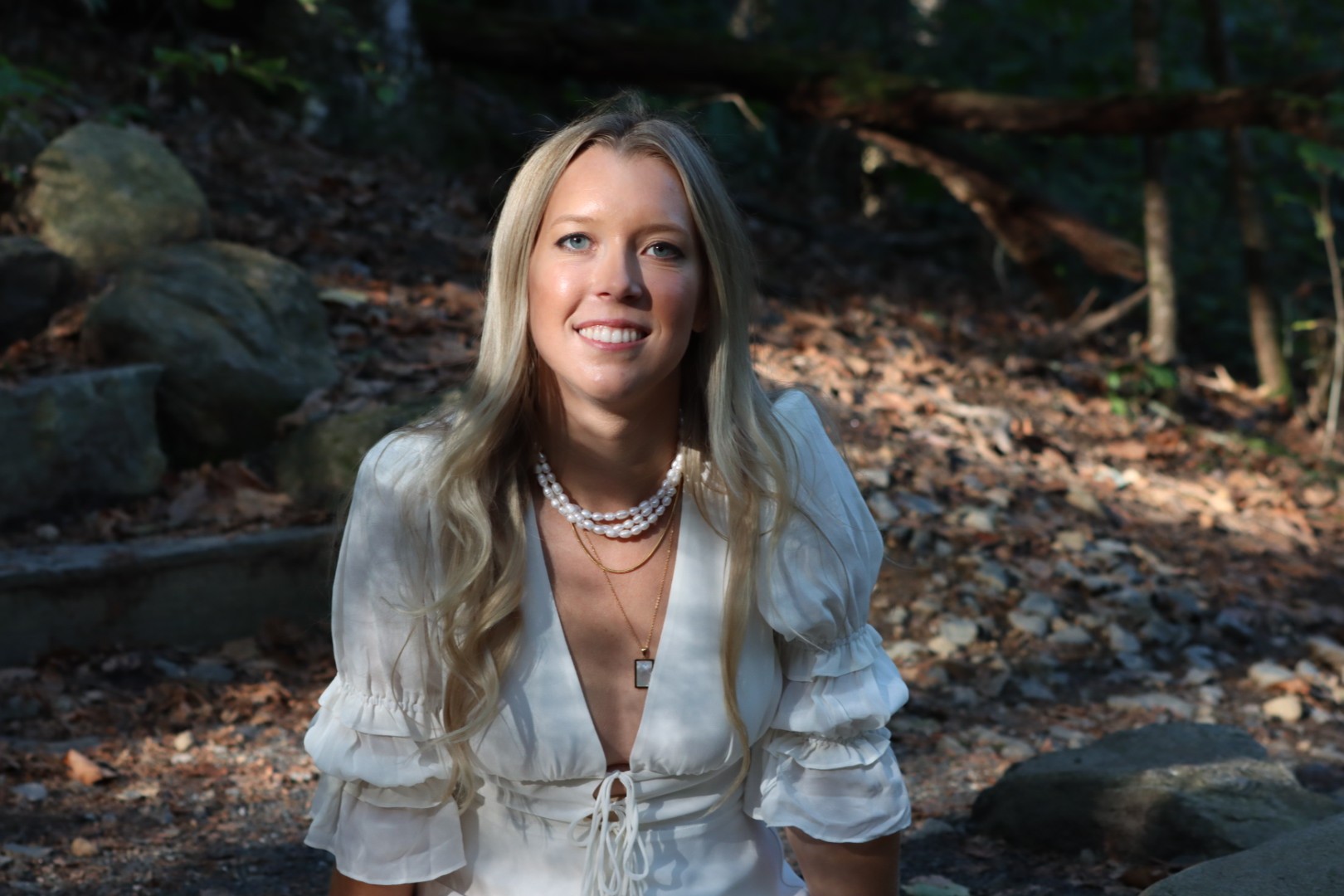

We’re excited to introduce you to the always interesting and insightful Alanna Mnich. We hope you’ll enjoy our conversation with Alanna below.
Alanna, thanks for joining us, excited to have you contributing your stories and insights. Do you think folks should manage their own social media or hire a professional? What do you do?
Even though social media isn’t my day job, I do manage my own science communication social channels. I think it can be really helpful to communicate science by becoming a voice that the public can interact with and trust. Something that feels so common today is distrust of scientists, and many people don’t know a scientist personally that they can talk to. Even though we may never meet in person, I hope to connect with the public and let them get to know me so that they can feel comfortable in learning about the science and research I share. So far it has been a very positive experience, with genuinely curious people reaching out. I think using social media is a great way for scientists to interact with the public and share their scientific opinions in a more personal way.
Great, appreciate you sharing that with us. Before we ask you to share more of your insights, can you take a moment to introduce yourself and how you got to where you are today to our readers.
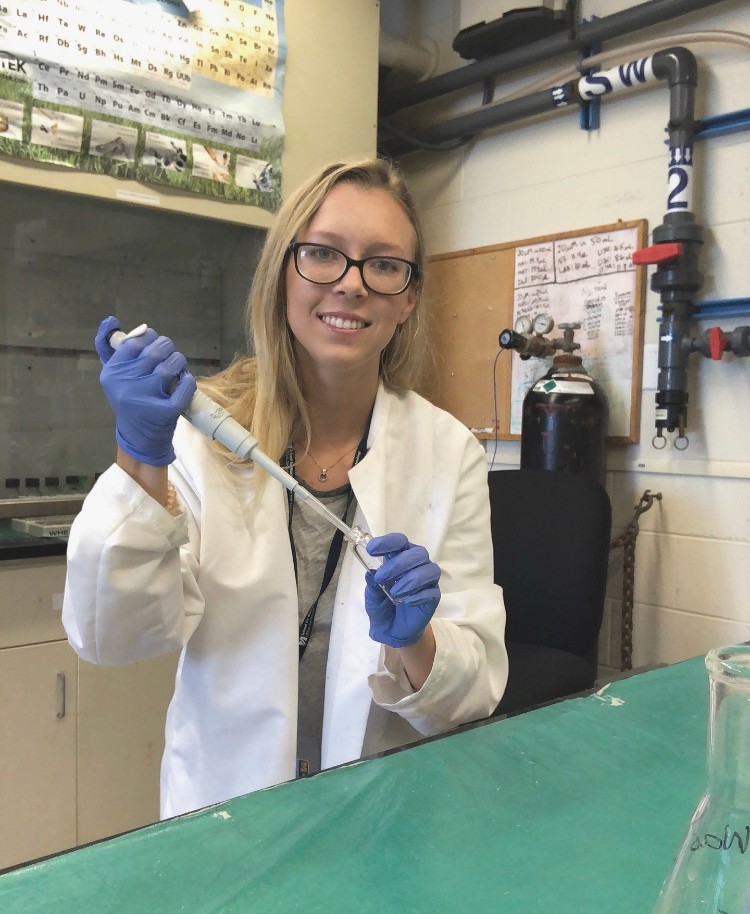
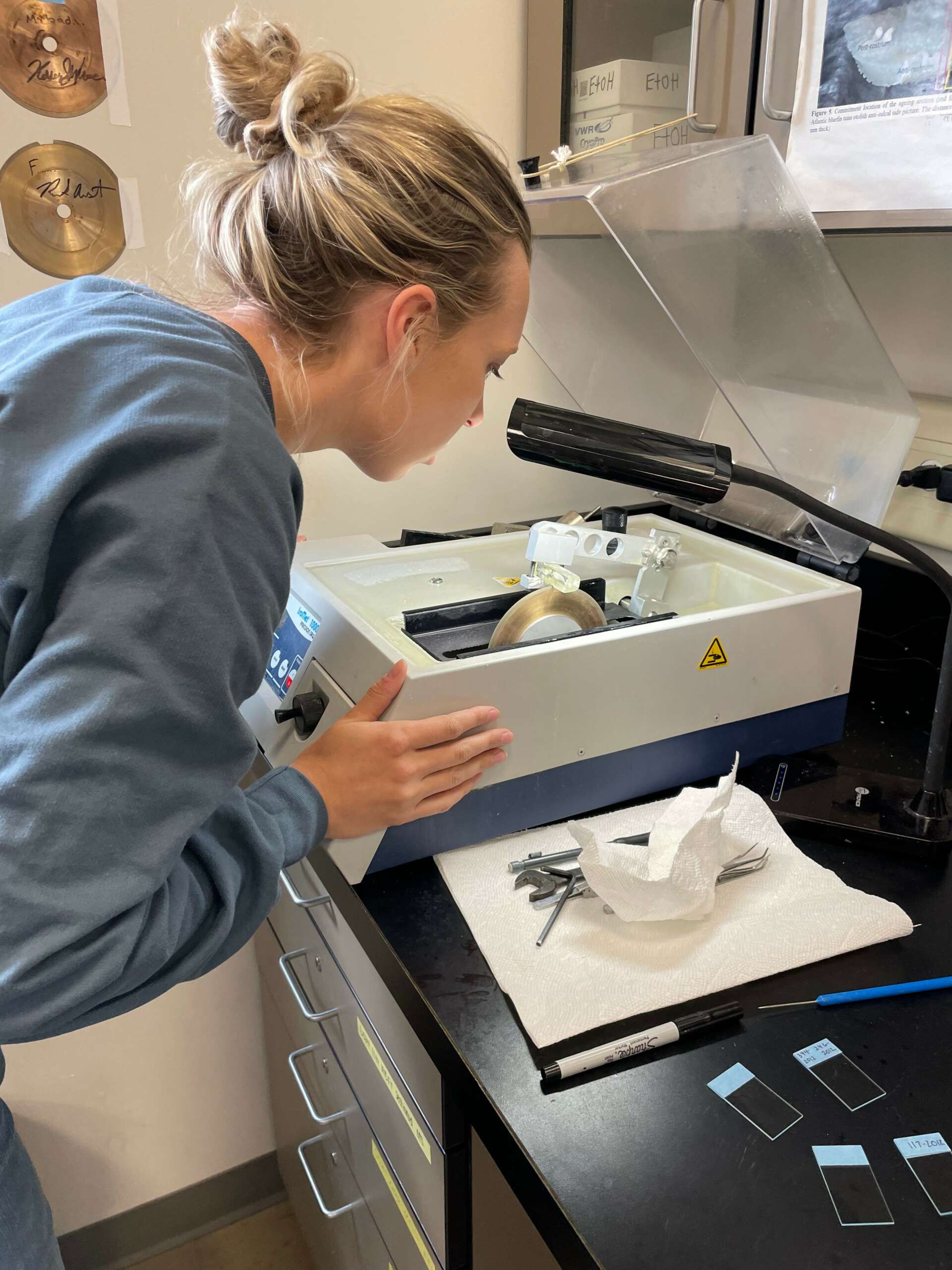
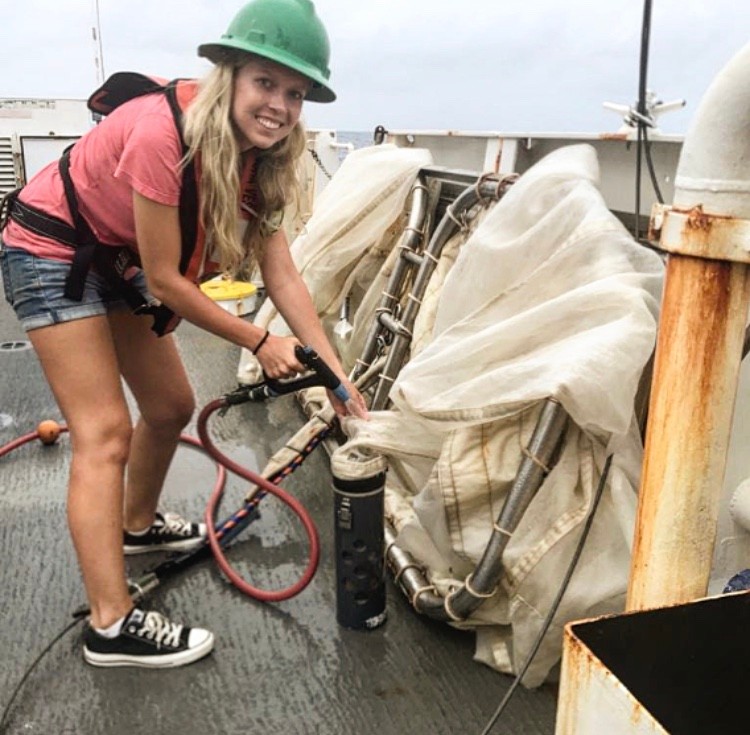
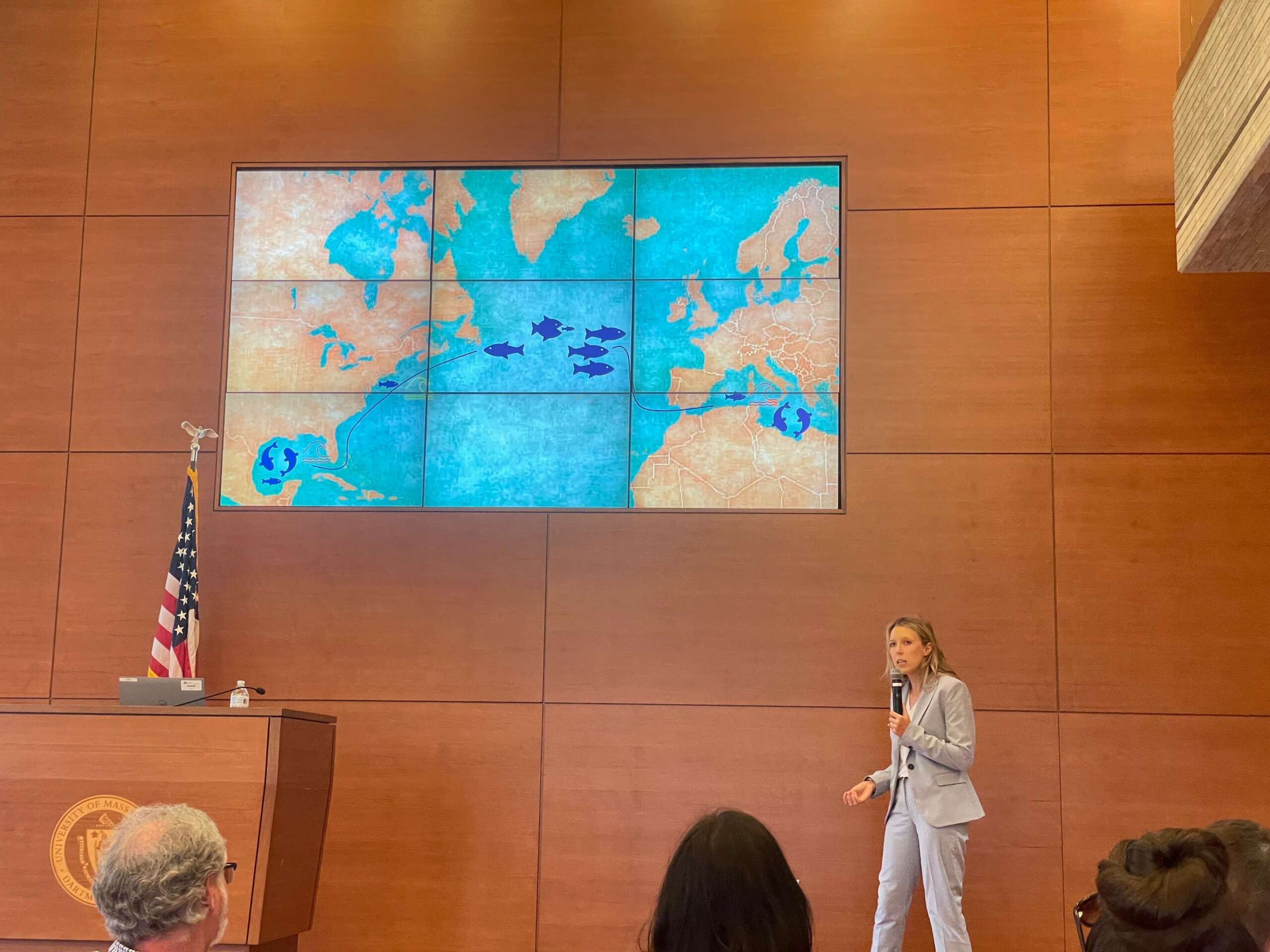
I am a marine scientist focused on using chemistry to study fish populations. For my PhD, I have used isotope signatures in fish ear bones and soft tissues to learn about where they were spawned, where they’ve migrated, and what they feed on. Sometimes my work brings me on research cruises, which can involve month-long trips to the middle of the ocean. I got involved in science communication after a number of these cruises. While the research I was involved in seemed second nature to me after a while, trips back home reminded me that most people don’t take any science classes after finishing high school, and they often don’t know where to get good scientific information. I decided to use social media, which is free and used by billions of people worldwide, to talk about my research, what I do and why I do it, as well as what non-scientists can do to help the oceans. While there are many facets of my research that I am extremely proud of, I am also very grateful for the opportunity to renew the love of science and curiosity in people that may not have had that interest in a long time. It’s always nice to hear that people are making sustainable seafood choices, or avoiding single use plastic, or trying to minimize their carbon footprint because of information I’ve shared.
How did you build your audience on social media?
My primary platform on social media is instagram, so I’ll stick to talking about that site. At the time, instagram was a great place for organic growth by connecting with people and creating a real community. I did the basics, like use hashtags and try to post at the right times, but I think most of my growth has been because of genuine connection with curious members of the public as well as peers and colleagues. It’s a little more different now, with a changing algorithm. For those just starting out, I would still say to prioritize authentic engagement. Like and comment on posts you find interesting or inspiring. Add to the conversation with interesting content, and respond when people comment or message you. Build a real community that wants to hear from you. Post often – this is the easiest pitfall for me, as I’m in the final stages of my PhD. Posting every other day or so will really help your content be seen. Utilize tools like stories, highlights, reels, trending audio, and hashtags. Collaborate with other accounts, which will help your reach and allow new people to find you more easily.
Do you think there is something that non-creatives might struggle to understand about your journey as a creative? Maybe you can shed some light?
I’m not sure identifying as a “creative” is the right term for me, or “non-creative” as the right term for scientists who aren’t interested in science communication, because the vast majority of scientists do not do public science communication. Traditionally scientists share their work by publishing articles in scientific journals. These journals are subscription based, and other scientists will have access through their workplace or university, but the access to the public has historically been very limited. I like sharing my work with the public because I think it benefits everyone to live in a more educated society. I think people can make better decisions when they are better informed. I also think that traditional methods, such as journals, don’t get enough information to the public. Lots of scientists feel that their job is to do the science, and it is the job of journals or the media to communicate that information to the public. I do agree with that to an extent, because scientists are often very consumed by their work. But I think approaching science communication from all angles can only improve our science literacy as a society, and that’s an important cause. It doesn’t take up that much of my time, and if people are benefiting from it I think it’s worthwhile. Not to mention, as an early career scientist, I benefit from my research reaching a greater audience and it’s an outlet where I am able to grow my professional network.
Contact Info:
- Website: www.alannamnich.com
- Instagram: @ocean.alanna
- Linkedin: Alanna Mnich