


We were lucky to catch up with Ajaya recently and have shared our conversation below.
Ajaya, appreciate you joining us today. Did you always know you wanted to pursue a creative or artistic career? When did you first know?
Oh I think it was in 10th grade in high school!
I have always been involved in arts and crafts in one way or another for as long as I can remember, and the biggest credit for that goes to my family, especially my mother. I remember her painting in watercolors when I was very little, and I also remember seeing different paintings and embroidery works that she and her sisters made hanging on the walls at my grandparents’ place when we used to go to visit them. That was my first exposure to art.
When I wasn’t even 10 years old, my mom enrolled me in art classes and, every weekend, our art instructor would come home and teach my sister and me how to draw and color. At that time, I remember the only color medium I knew was plastic crayons, but I enjoyed them nevertheless.
As I got older, I got more and more involved in the art scene at my school, and my favorite place to spend time became our school’s art room. By the time I got to high school, I was spending most of my time there. I even skipped other subject classes—that I didn’t enjoy as much—just to sit in the art room and make paintings.
In India, at the end of 10th grade, all students have to pick a stream to pursue for the final two years of high school before graduating. You have options to pick from Science, Commerce, Art and Humanities, etc. I love art, so of course I picked Humanities and Liberal Arts as my stream. Picking the subjects was not hard for me at all because it was very clear to me what brought me the most happiness and what I wanted to study and make my career in. When I picked Humanities, I knew that Arts was the field that I wanted to go into. I love art galleries and museums, I love paintings and sculptures, I love meeting other artists and getting to know about their art practice, so I just knew that fine art is the world that I am meant to be a part of.
After that, in my final two years of high school, I got a lot of support from my family and my teachers in school—more than I could’ve asked for. We used to have around eight classes every day, and sometimes I would spend four to six out of the eight classes out of the classroom, working on art projects. I never had to sneak out of a class or hide what I was doing when I was not sitting in the classroom because everyone knew that I was in the art room, painting. I am sure my teachers were not happy with me skipping their classes and being gone for hours, but most of them did not have a lot of problems with it either because I think everybody knew that this is what I really wanted to do and that I wanted to become an artist. And I think that is what gave me the last bit of assurance I needed—that I was making the right choice by choosing to become an artist.
Ajaya, before we move on to more of these sorts of questions, can you take some time to bring our readers up to speed on you and what you do?
Absolutely! So I am a mixed media artist based out of San Francisco, but I was born and brought up in New Delhi, India. I moved to the Bay Area from New Delhi in 2021 to pursue my Bachelor of Fine Arts in Individualized Studies, focusing on painting and sculpture, from California College of the Arts. While I’ve always been involved in art in one way or another, I fully and actively got involved in the art world after joining CCA.
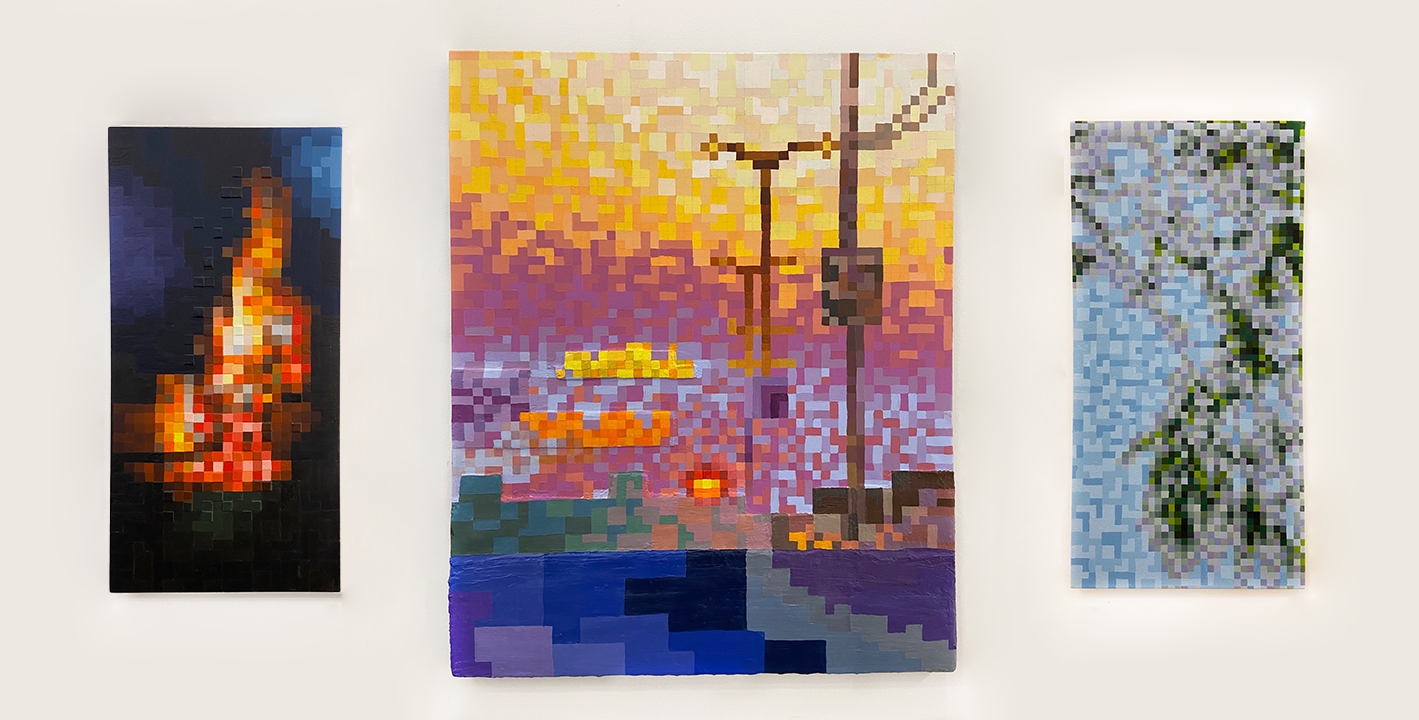
I have two different styles of art that I work with, and each focuses on different themes and ideas. The first one is what I call “pixelated paintings.” For these paintings, I reference photographs that I took many years ago while spending time with my family. I use pixelation to represent our dependence on technology for things as simple as our own memories. From my own example, I like to show that these memories—which are so simple and generated from my day-to-day activities—would’ve been lost if it wasn’t for these photographs. Furthermore, these photos could’ve very easily been lost or deleted, because there was nothing “special” about them at first glance, and the memories attached to them would also fade away slowly. This body of work is my way of reliving and re-experiencing precious memories from my past, and also a way for me to encourage my audience to relate to these paintings in their own way and think about what they are losing by depending on technology. One of the pieces, titled Bonfire at Grandma’s, was also displayed at the de Young Museum in 2023.
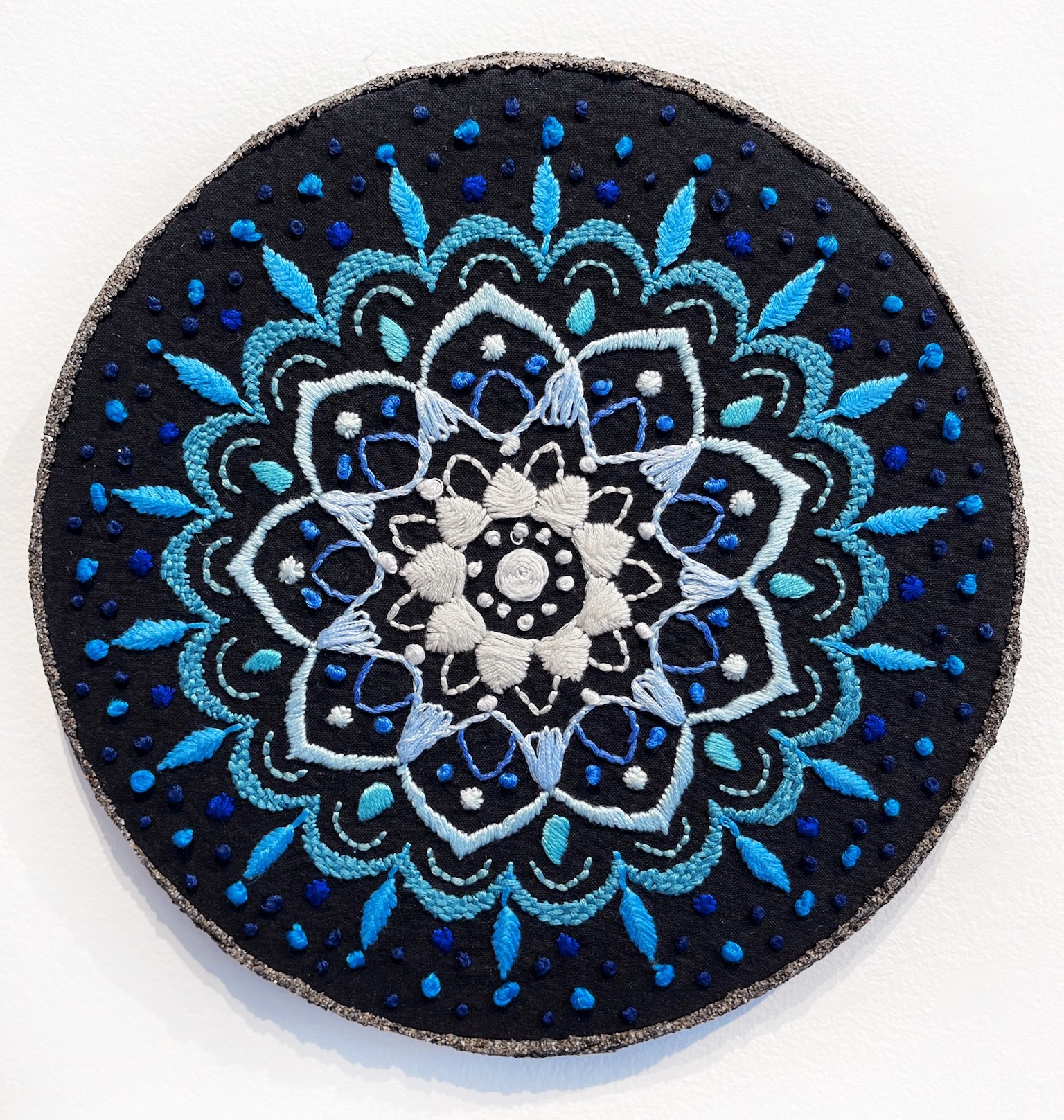
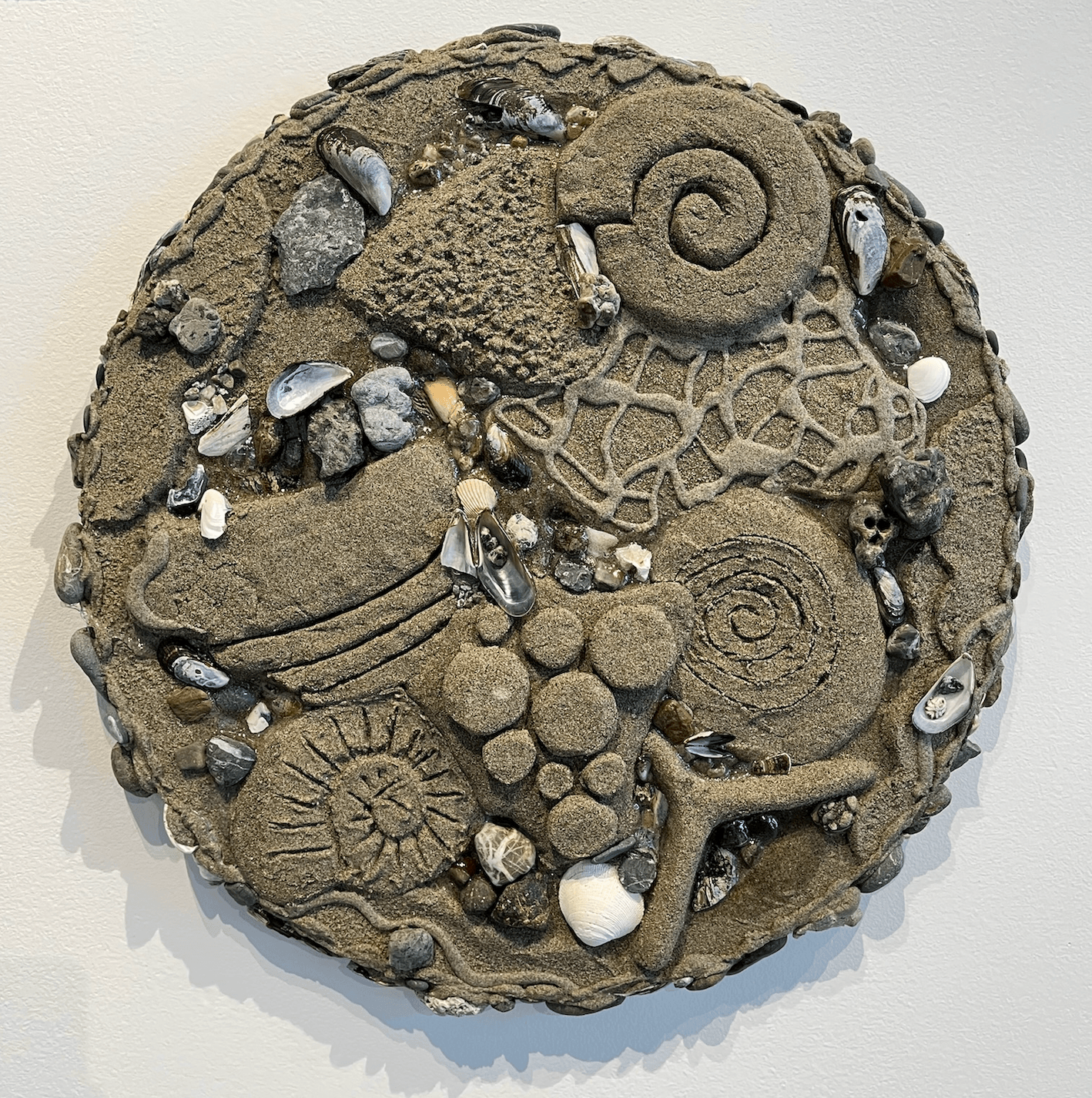
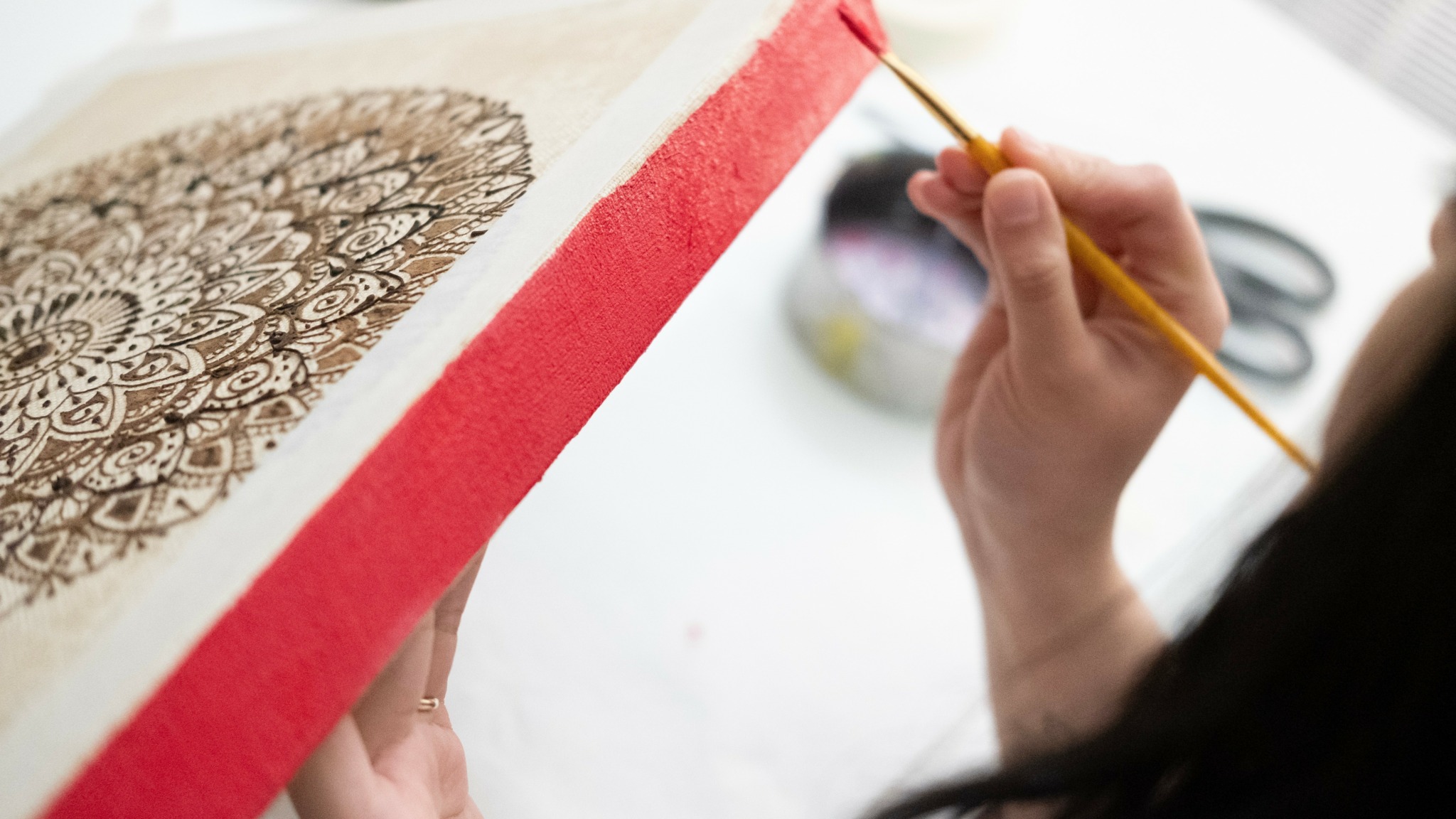
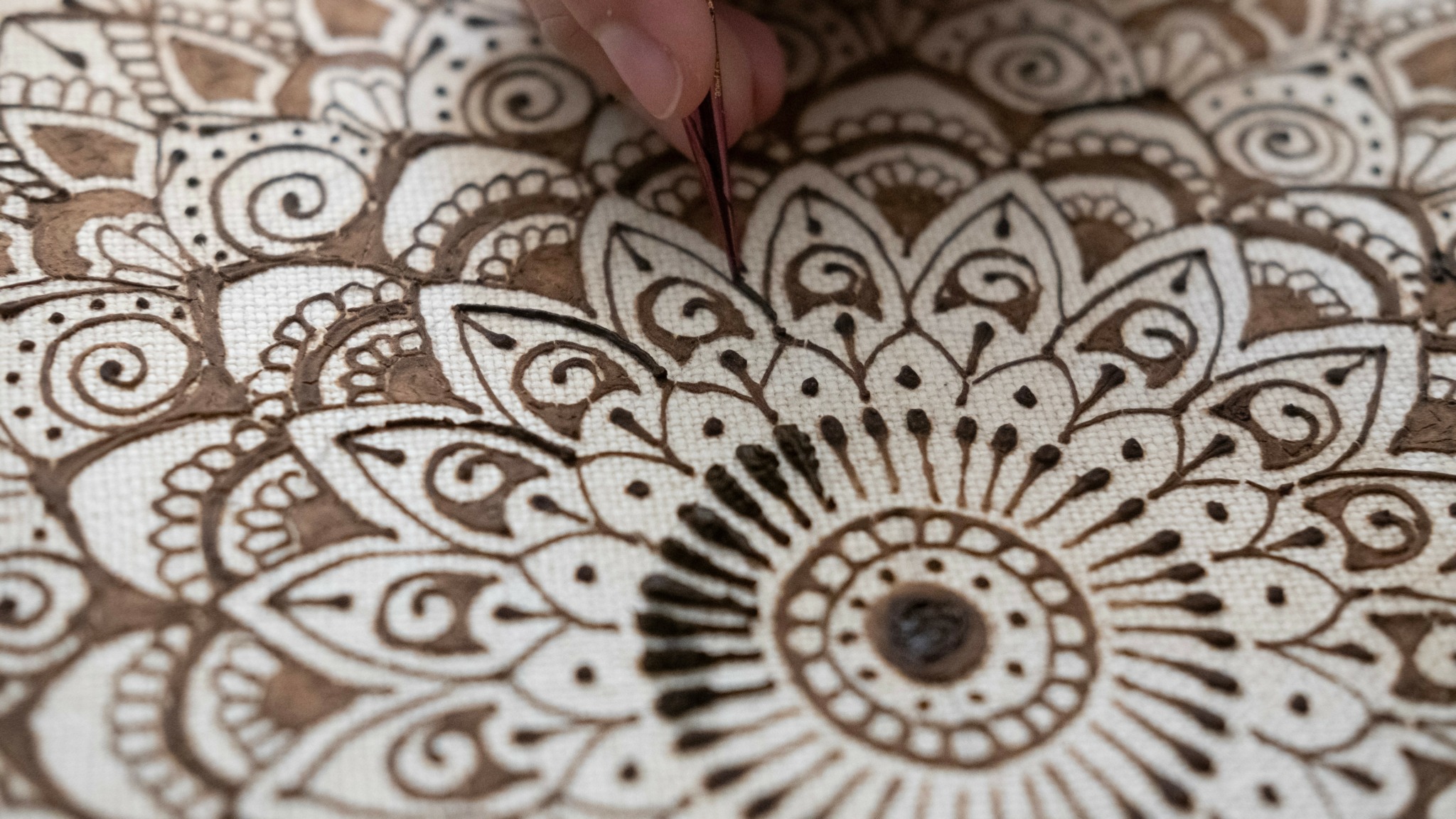
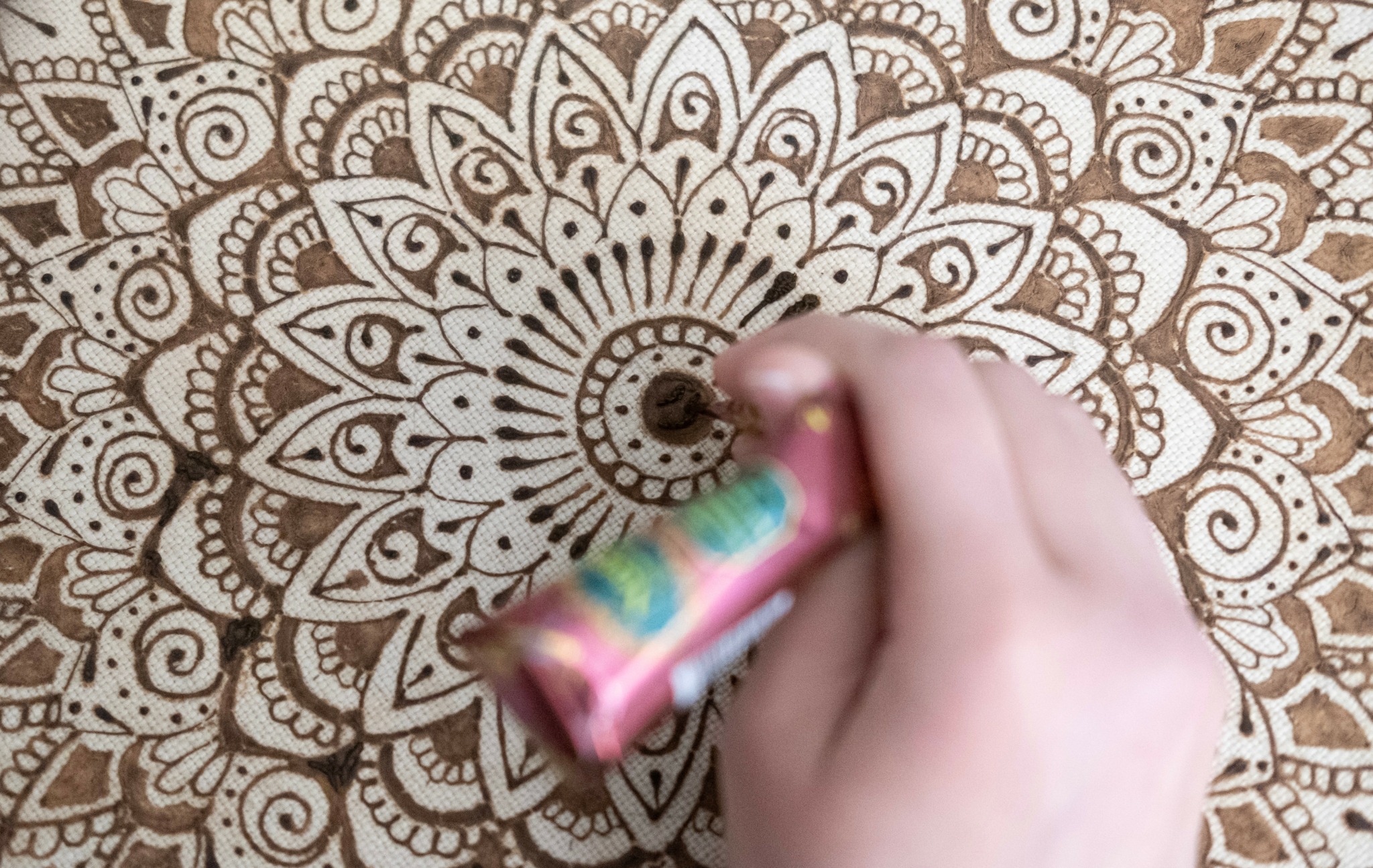
While I use oil and acrylic paints to make the pixelated paintings, my second style of art relies heavily on mixed media and non-traditional mediums. The pixel pieces focus on my life back in India while growing up, while the mixed media work focuses on my life since the move to the United States. It encapsulates my experiences here in the US, and each piece is a creative representation of these memories and experiences depicted through abstract imagery. Through the use of different materials, which are either sourced from locations represented in the work or carefully selected through a trial-and-error process, I experiment with creating works that touch on different subjects, like homesickness, coping mechanisms, double identity, adjusting to a new place, finding a sense of belonging, etc. The pieces in this style of work focus on both happy and challenging experiences. For one such piece, I used materials from a beach – Crissy Field – where I met my friends for the first time. In another piece, I highlighted a practice I picked up to help cope with homesickness and made a piece of art about that. For two of my paintings from this body of work, I also received a San Francisco Friends of the Estuary Creative Achievement Award this year in October 2025.
While these two practices are very different, they are both equally important to me.
Through my art practice, I try to help my audience and clients see and experience my art in their own personal way. I hope that maybe a pixelated painting would remind them of an old memory that got buried, but now they can connect to the piece in their own way and re-experience it through my work. Or maybe a coping mechanism I used (such as gardening or embroidery) could come in handy for someone else struggling with similar challenges. My art practice is very therapeutic for me, and I want it to be therapeutic for my audience as well.
I think my obsession with trying to include as many senses into my art as possible—like sight, touch, smell, and sometimes even sound—is what sets me apart. Each sense unlocks a different memory and experience, and leaves a stronger impact on the audience.
For you, what’s the most rewarding aspect of being a creative?
For me, the most rewarding aspect of being an artist is not knowing anything about what the final result or the finished version of the piece that I am working on is going to look like.
I have met many artists who know exactly what the final product of their work is going to be, but I’ve also met many artists who start a painting or sculpture with something in mind, and by the time the piece is finished, it looks completely different and goes in a direction that they didn’t even think of in the beginning.
I love not knowing what the final piece is going to be like, and I enjoy playing with that idea in my own work. I have stopped starting a painting or a mixed media work with the final look in mind. At most, I will think of the shapes or thoughts that I want to work with. More often than not, I end up changing my original idea while working on the art piece and end up with something that looks completely different from what I had envisioned or expected.
The end result in these cases, for me, is absolutely amazing. I just give myself completely to the process and open and allow myself to feel any and all emotions and thoughts freely, process them, and let them guide my work. For me, yes, of course it is important that the final product looks good and appealing, but it is equally important for me to use my art practice as an outlet to process and share my thoughts, memories, experiences, and ideas.
Another very rewarding and special thing for me is looking at my audience’s experience and watching them interact with my work. I love a completely open and honest interpretation about my art with no explanations from me. This often lets people see my work in ways that I would have never imagined. It is fascinating to see how different people bring in different perspectives and offer a new direction for me to look at my own art from
In your view, what can society to do to best support artists, creatives and a thriving creative ecosystem?
Third spaces! The best way for society to support artists, and for artists to support each other and the artistic community, is to build more “third spaces.” You can never have too many.
Third spaces have also been the greatest resource for me. They have given me an opportunity to meet other people and other artists, learn about their art practice, and find out about artistic opportunities, open calls, and exhibitions that are happening around San Francisco, the Bay Area, and beyond. It is my favorite way of making meaningful connections with others in the same profession and community. These spaces enable everyone to grow together!
They are also great locations to find really cool opportunities to collaborate with other artists in ways you might not have thought of before and to get feedback on your work from other artists, designers, musicians, etc. The amount and quality of feedback you can get from people in different creative fields on your work is unmatched!
Third spaces can provide people with a lot of support and help emotionally and mentally as well. When I moved to San Francisco from India, meeting fellow artists at critiques, exhibitions, art events, galleries, and museums helped me cope with homesickness and allowed me to find a sense of belonging in a new city and a new country. I met so many people who had either gone through or were going through similar struggles and challenges as I was. These spaces gave me an opportunity and a platform to share my experiences and struggles with others to receive help, and also provide support to others who were in need. My friend circle and connections grew exponentially after I started attending more and more art and creative events. For me, Third spaces have been very helpful as both a resource and a support system.
Contact Info:
- Website: https://www.ajayabhatnagar.com
- Instagram: ajaya.art
- Linkedin: Ajaya Bhatnagar
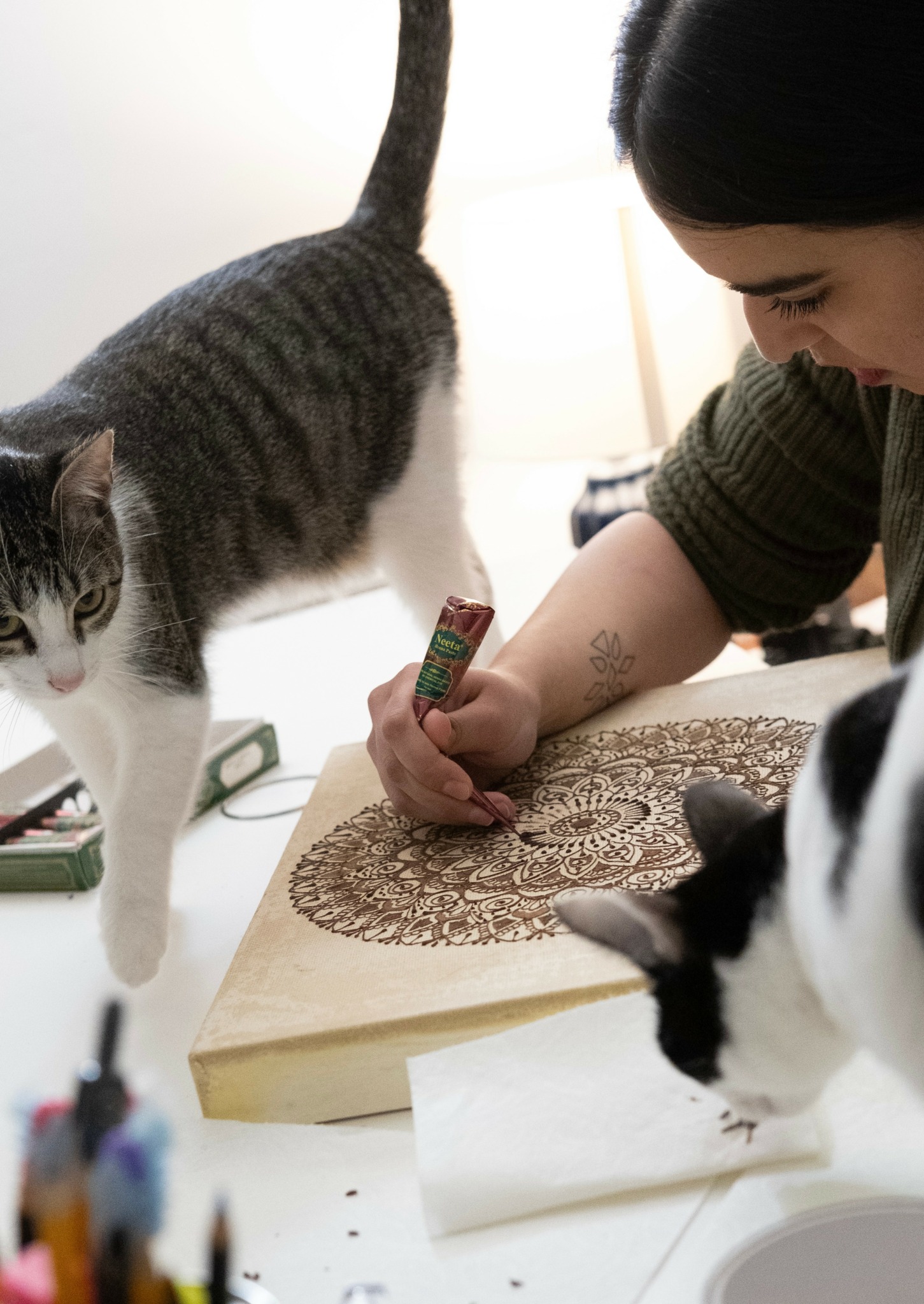
Image Credits
Walden Makoto Smith
https://www.waldenmakotosmith.com/
[email protected]