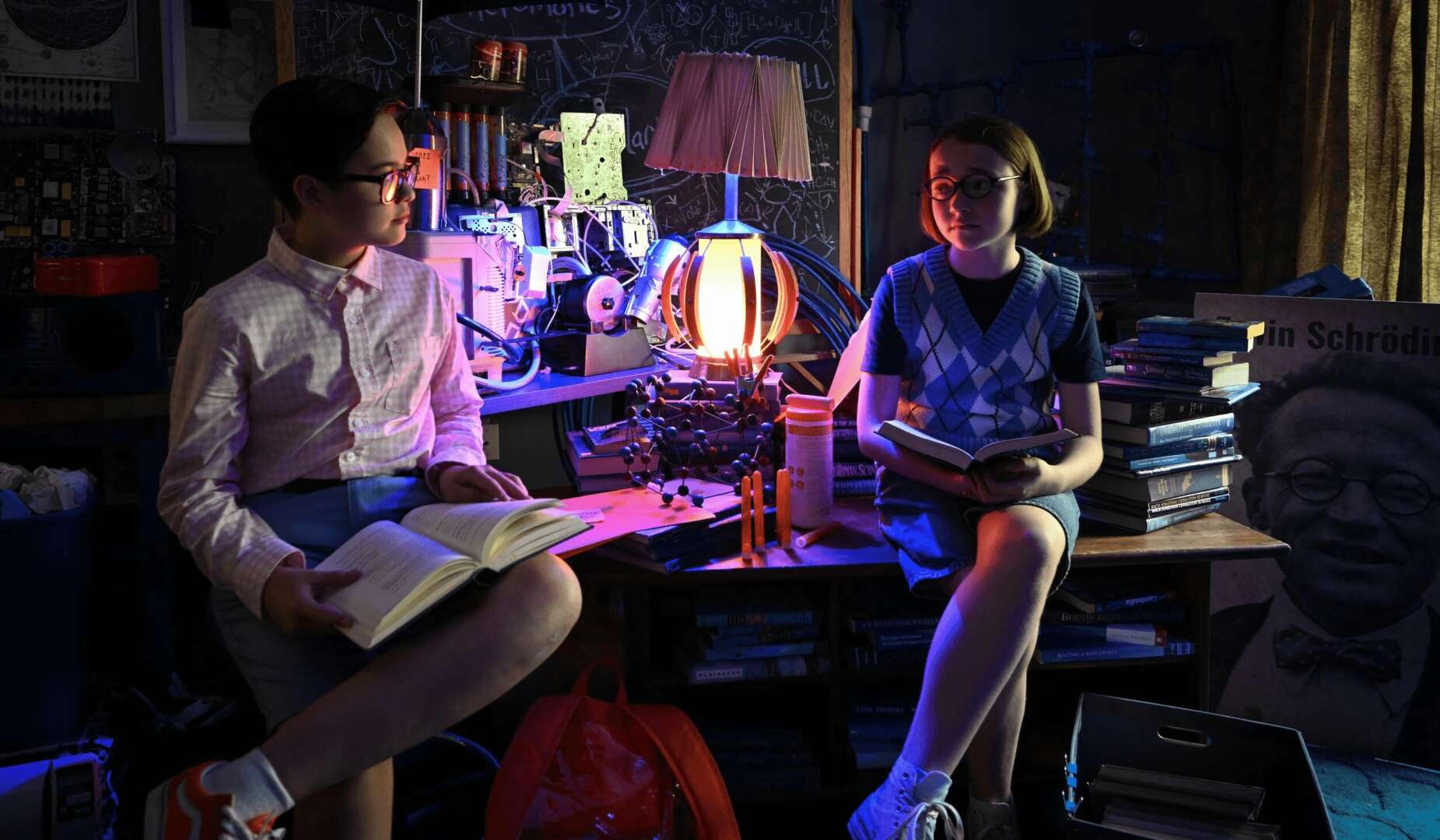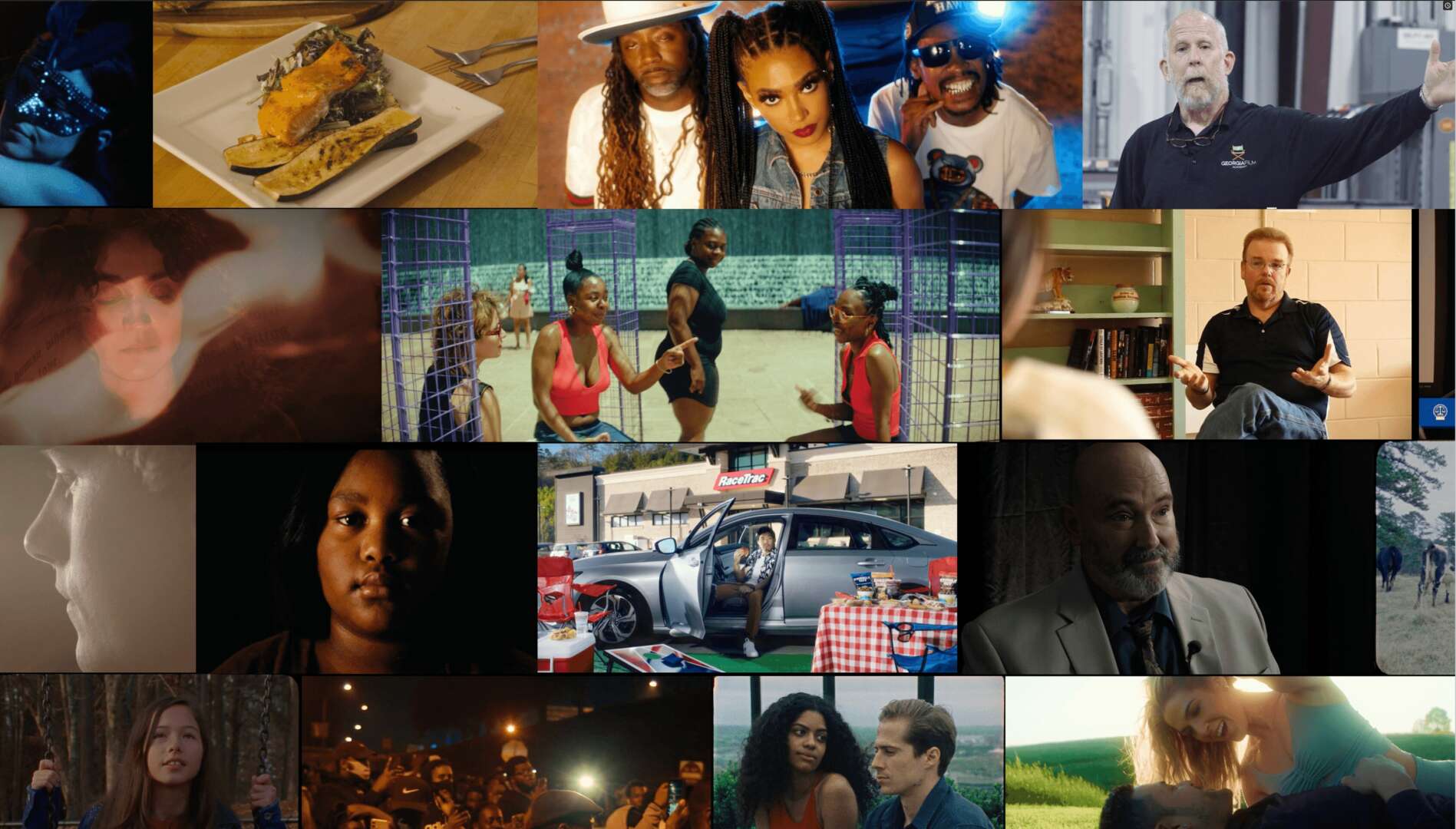

We were lucky to catch up with Aidan Guthrie recently and have shared our conversation below.
Hi Aidan, thanks for joining us today. We’d love to hear about when you first realized that you wanted to pursue a creative path professionally.
I’ve always had the desire to go into the film industry. It’s a bug I picked up when I was young. In my family, you can roughly divide everyone’s careers into one of three paths: finance, engineering, and filmmaking. At Christmas every year, I’d spend my time creating home movies with professional actresses, casting directors, ADs, gaffers, and directors. I see this as the start of my film education and made the dream of being a filmmaker feel more practical. Soon enough, I would frequently spend my time daydreaming about having my own production company, drafting ideas for movies, and rattling off all of my “divisions” for different genres.
And despite going into a creative field, lessons learned from family in those “other” career paths would prove fundamental for producing and managing productions. It takes a certain skill set to make an interesting creative idea come to life. It takes business sense, logistics, planning, and inventive problem-solving to make it real. It’s a truly thoughtful pursuit, something I’ve always obsessed over.
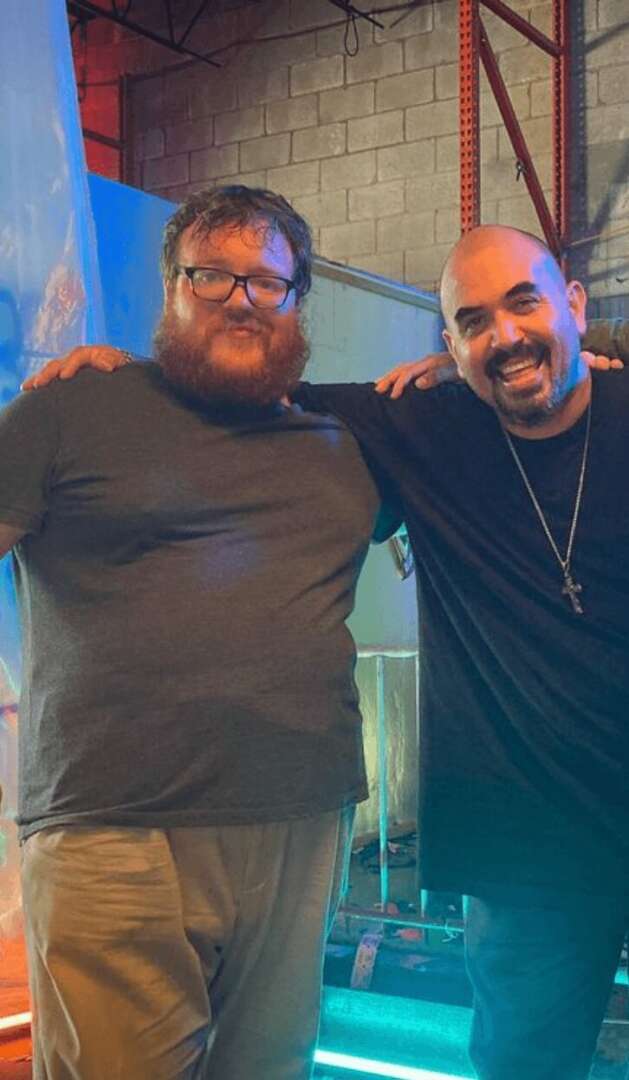
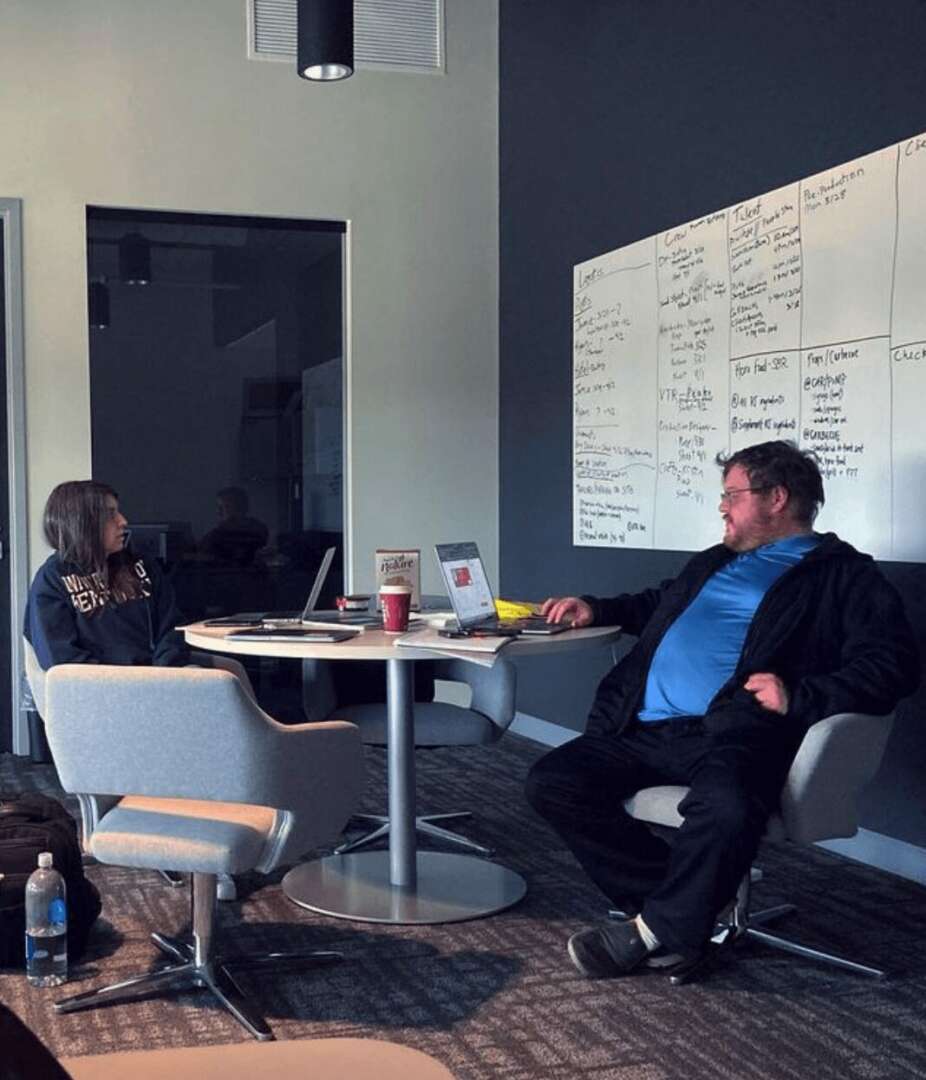
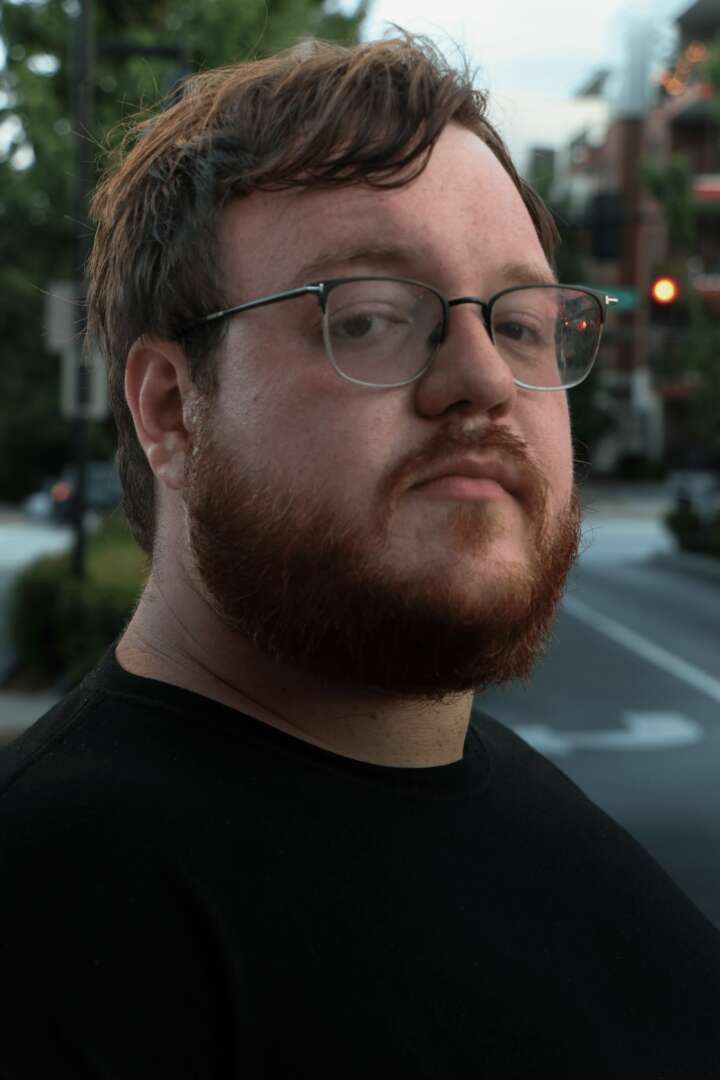
Aidan, love having you share your insights with us. Before we ask you more questions, maybe you can take a moment to introduce yourself to our readers who might have missed our earlier conversations?
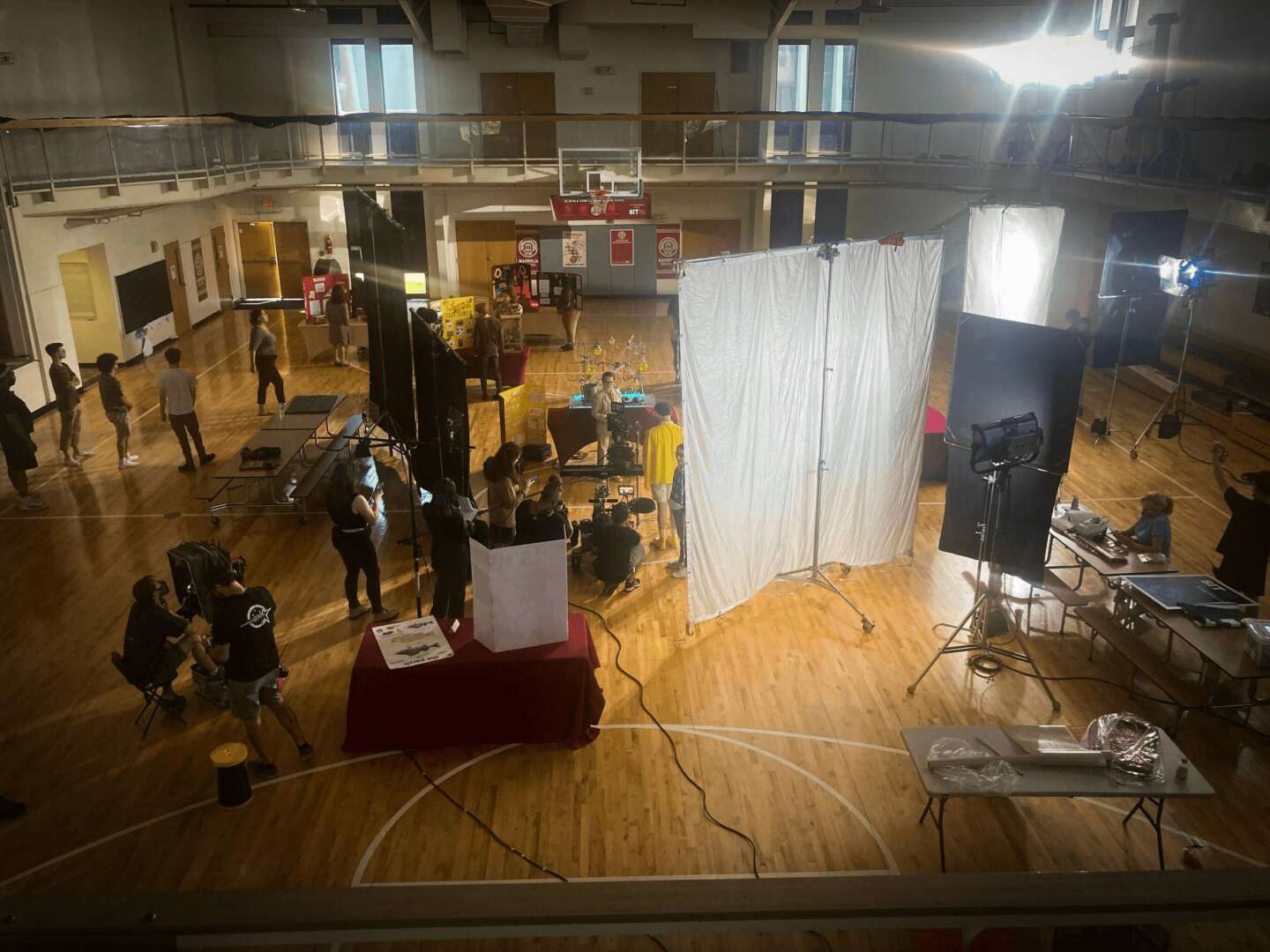
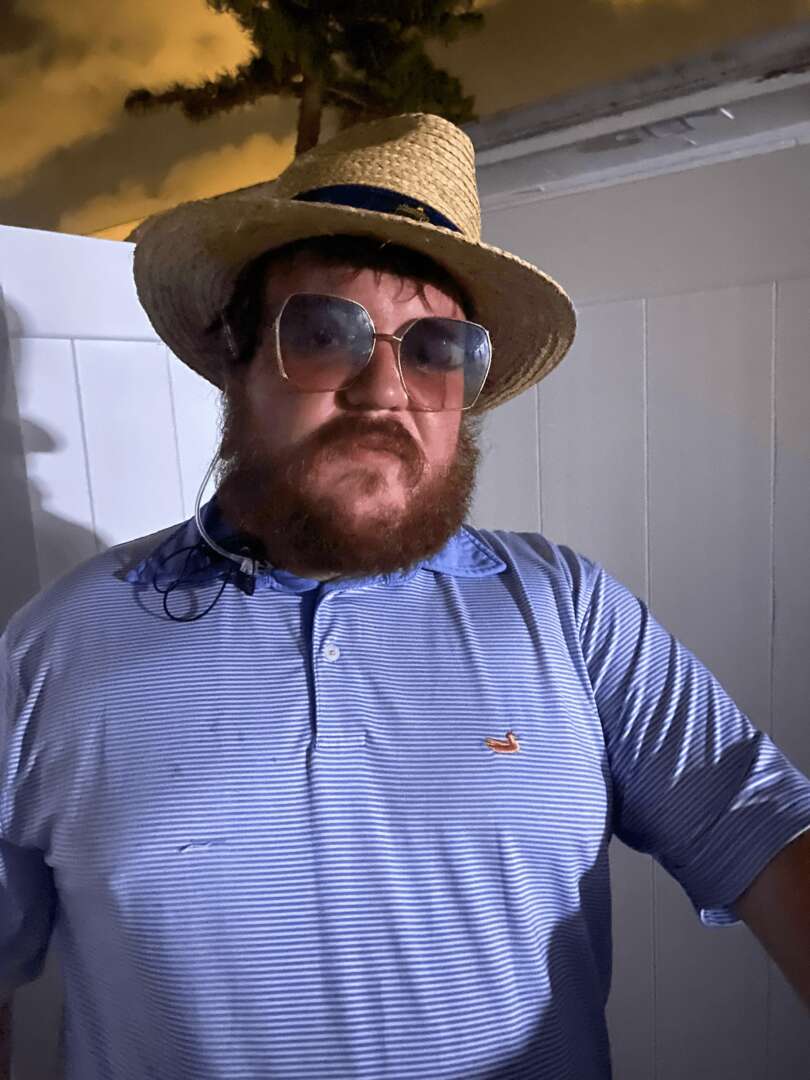
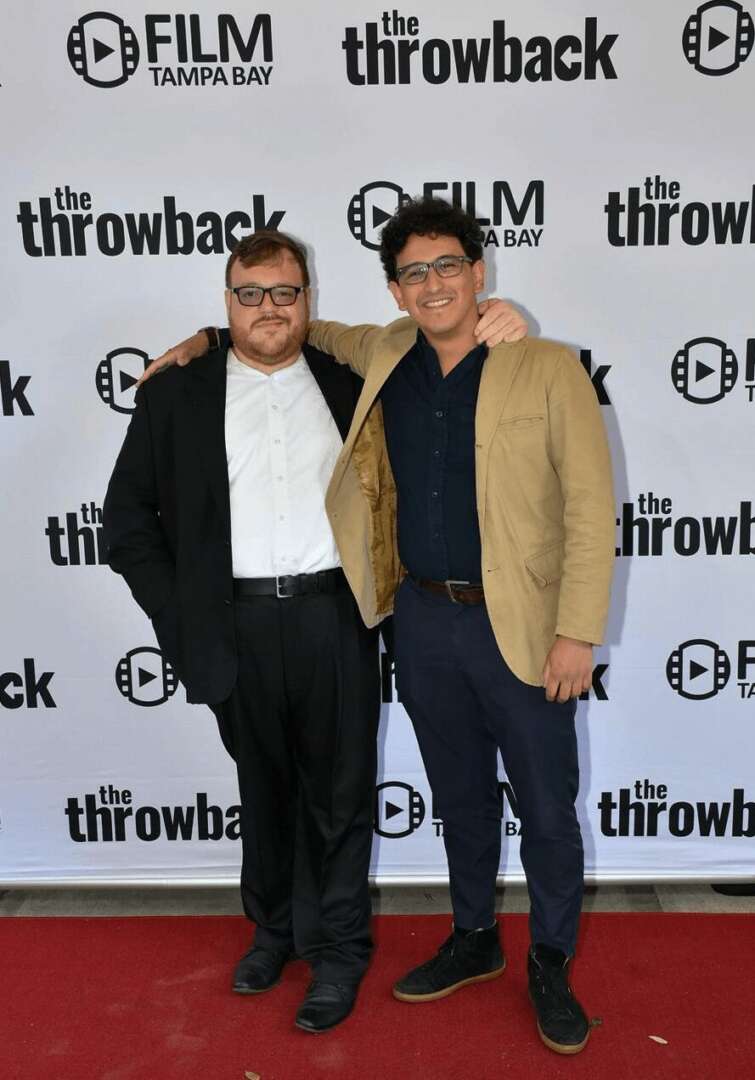
My name is Aidan Guthrie. I’m a Producer with CineAstra, an Atlanta-based production company. Through CineAstra, I’ve produced indie features such as Popular Theory (Cheryl Hines), along with co-productions such as The Throwback (Justina Machado, Will Sasso). My career began as any other, PAing and mentoring under other producers in office and set roles, while taking on work as a script doctor and producing my friends’ short films. Through these experiences, I learned how to get a production off the ground and running, and how to work with different creative voices to form a cohesive film in the end. That’s what gives me the most pride; having a great concept that taps into a unique audience, and finding a way to hone that vision in and deliver a film worth watching.

What can society do to ensure an environment that’s helpful to artists and creatives?
The key word here is “ecosystem”: artists need to have a community of emotional and intellectual stimulation to thrive in. Having multiple disciplines, from stage to screen to gallery, collaborating and interacting encourages a community of art and aesthetic appreciation. Likewise, fostering a culture of intellectual challenge benefits creativity. The more we take on challenging new ideas about how the world works, the more discussion that leads to great art. I think that’s something that our own community can continue and foster in greater amounts, encouraging one another not only to try with our art but to push our art to its limits and thrive.
I also think that looking at an even more macro scale, we need to properly incentivize art and artists.. The societies with the best art are those who place value on their artists, so that the artists may further study their craft and push their medium. In America, art has always existed within the lens of commerce, and currently, we’re in the most media-saturated culture the world has ever seen. Continuing to find new ways for artists to make their passions viable as careers encourages more diligent artists and a larger creative economy.
Despite this, the “contentification” of art and media is something we should push against. It shifts the financial, cultural, and authorial power from the artist who creates the art to the platform that hosts it, commodifying our media. More effort should be made as consumers and curators to encourage consuming art and media as enrichment, rather than as passive distractions.
Is there a particular goal or mission driving your creative journey?
As a producer, I have a simple mission: to tell the most emotionally impactful stories possible. I’ve always been a fan of loud music and theme park rides. I want to be thrilled for a short time, then go back to my life. Likewise, I have a life long obsession with finding ways to make others feel thrilled as well. I also want to share stories that are authentic and insightful. As someone who has always had a curious mind, I’ve wanted to make art that keeps others curious as well. There’s no gimmick, it’s just something I have a passion for.
Of course, there’s a paradox to it. Because of the medium’s logistical challenges. all films must mitigate the risk of selling a new story to an audience with familiarity, Unless you have a massive amount of cash to burn on a personal project, you see the same genres told again and again, with the same stars, with the same styles and conventions. You need people to grasp what the idea of the film is to buy a ticket. However, the formulaic is the death of authenticity. An overly familiar story will keep me from suspending my disbelief and emotionally responding authentically. So my real mission is to find a particular type of story: a story that audiences can latch onto, but create the thrills and stakes of something unpredictable. That’s why I pursue the field I pursue.
Contact Info:
- Website: https://cineastra.com
- Instagram: https://www.instagram.com/aidancineastra/
- Linkedin: https://www.linkedin.com/in/aidan-guthrie-5b2ab6124/