



We’re excited to introduce you to the always interesting and insightful Agnes Oteng. We hope you’ll enjoy our conversation with Agnes below.
Agnes, appreciate you joining us today. Let’s kick things off with your mission – what is it and what’s the story behind why it’s your mission?
For many years, I’ve been dedicated to uncovering and sharing the stories that matter most to our communities. As a journalist, my mission goes beyond reporting the news; it’s about giving a voice to those whose stories might otherwise go unheard.
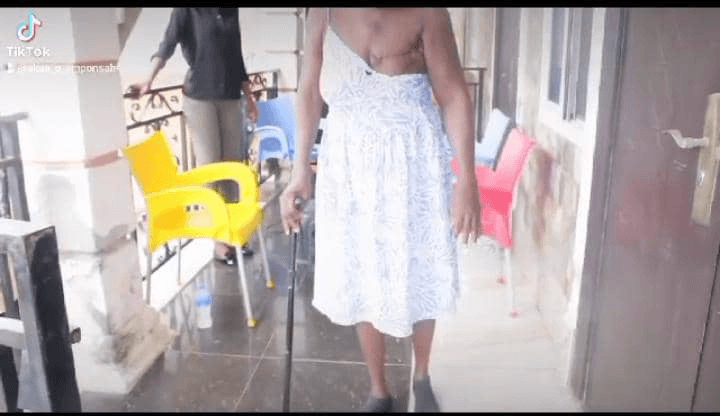
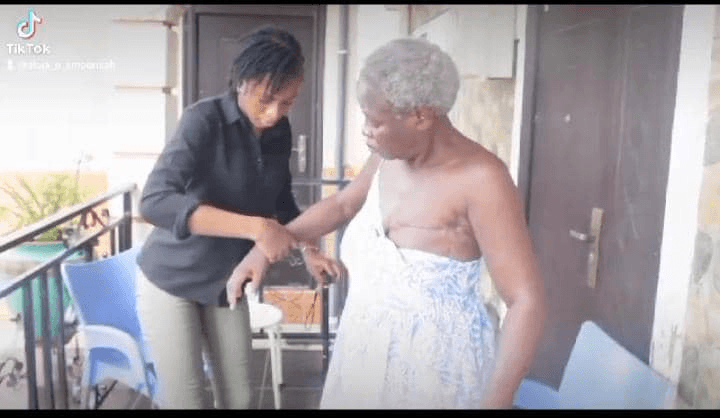
One of the most profound experiences in my career began when I encountered the story of Madam Victoria Huno, a retired teacher whose life took a tragic turn. After 36 years of impacting lives through education and earning numerous accolades, Madam Victoria’s dream of continuing to support children in her community as a home teacher was derailed by a severe battle with breast cancer.
In her 63rd year, Victoria faced a relentless struggle with the disease, which began with a persistent pain in her left breast. Despite her best efforts and initial negative test results, her condition was eventually diagnosed as breast cancer during a visit to Breast Care International in Kumasi in 2018. Her subsequent treatments included chemotherapy, a mastectomy, and ongoing medical care.
However, Victoria’s financial resources, once sufficient during her teaching career, were now inadequate to cover her medical expenses. This, coupled with her additional health challenges, including diabetes and sickle cell disease, left her in a dire situation. Despite efforts to secure assistance from the Ghana National Association of Teachers (GNAT) and support from her community, the financial burden remained overwhelming.
Determined to shed light on Victoria’s plight and advocate for her, I traveled from Accra to Afienya to meet her. My aim was to capture her story not just as a personal account but as a broader issue affecting many retired educators and individuals battling similar health crises. Through my reporting, I hope to mobilize support from the Ministry of Education, cancer support organizations, and compassionate individuals who can provide the much-needed assistance.
My mission is to ensure that stories like Victoria’s are not just reported, but also acted upon. By bringing these issues to the forefront, I strive to foster a deeper understanding and inspire tangible change in the lives of those who need it most.
This narrative reflects my commitment to journalism as a tool for advocacy and change, emphasizing the impact of my work on individuals and communities.
As always, we appreciate you sharing your insights and we’ve got a few more questions for you, but before we get to all of that can you take a minute to introduce yourself and give our readers some of your back background and context?
I’m Agnes Oteng, also known as Akua Oteng Amponsah on radio, a Ghanaian journalist with a multifaceted career spanning news anchoring, producing, scriptwriting, and reporting. Born into a family of five, I developed a strong educational foundation from a young age, attending Blessed Home, He Cares Academy, and Kwaku Ridge Secondary School. My Christian values and passion for helping others drove me to hold leadership roles in high school, earning recognition for my dedication to supporting the underprivileged. After completing high school, I gained work experience before pursuing a diploma in Journalism at GH Media School, where I received job offers before graduation. Currently, I work with Kasapa FM and Agoo TV under the EIB Network while furthering my education with a diploma in Communication. Additionally, I’ve honed my commercial skills through work with Lexbert Multimedia, collaborating with notable brands and contributing to projects like “Brothers” and “Irreplaceable.” With persistence and hard work, I aim to make a positive impact in my community and beyond.
We’d love to hear a story of resilience from your journey.
I was given the task of covering a significant political demonstration against poor roads in a distant area recognized for its challenging topography in the early years of my journalism career in Ghana. I was determined to make a big difference with my reporting and went into it knowing full well that there would be obstacles in my way.
It was anything but a simple journey. The protest site’s roads were badly maintained, and my car kept breaking down, leaving me stuck in the middle of unpaved areas. Every failure put my resolve to the test, but I didn’t let it stop me. It was able to find other ways to get around, such as walking through the muddy trails or hitching rides with nearby residents.
Once I got to the protest location, I ran across further difficulties. Information gathering was challenging because of the tense atmosphere and the access controls enforced by the authorities. But my inventiveness came through. I developed a good relationship and gained the trust of the locals, which enabled me to get insightful information and first-hand recollections of the events.
In spite of these challenges, I was able to write a compelling and thorough report that effectively conveyed the spirit of the demonstration. In addition to being factual, my narrative was also quite compelling, highlighting the voices of people involved and illuminating the underlying problems.
This project served as evidence of my tenacity and commitment as a journalist. My capacity to overcome major obstacles and tell a compelling story proved my steadfast dedication to my work and my enthusiasm for raising awareness of crucial topics.
This version emphasizes my willpower and the particular difficulties I encountered and overcome, demonstrating my tenacity throughout my journalism career.
What do you think helped you build your reputation within your market?
My tale highlights various important variables that contributed to the development of my reputation in the media industry.
First and foremost, perseverance and determination: my capacity to handle trying circumstances, such rough terrain and car problems, demonstrated my resolve to complete the narrative no matter what. Resilience is an essential quality for a journalist, particularly in challenging reporting situations.
Second, resourcefulness: I showed my inventiveness and problem-solving abilities by figuring out alternate modes of transportation and adjusting to the circumstances, whether by hitching rides or going on foot. In journalism, this quick thinking is highly regarded.
Furthermore, establishing relationships and trust will come next. Notwithstanding the constraints, I was able to obtain important information by gaining the confidence of local sources and communicating with them in an efficient manner. My capacity for rapport-building and interpersonal abilities with sources enhanced the breadth and genuineness of my reporting.
Moreover, I believe that excellent reporting will be the following topic. My journalistic abilities were demonstrated by creating an engaging and perceptive report that effectively conveyed the main points of the demonstration. Creating interesting, well-researched articles helped me establish a solid reputation as an influential, trustworthy journalist.
Courage and ethical commitment are the final two. My willingness to report on important topics, even when it’s tough or hazardous, and my ethical dedication to journalism are demonstrated by the risks and challenges I take to deliver a story.
These qualities together allowed me to establish a solid name for myself in the media industry and shown my commitment, ability, and honesty.
Contact Info:
- Instagram: akua O ampomsah
- Facebook: akua oteng amponsah
- Youtube: Akua Oteng Amponsah
- Other: Akua Oteng Anponsah @Tiktok

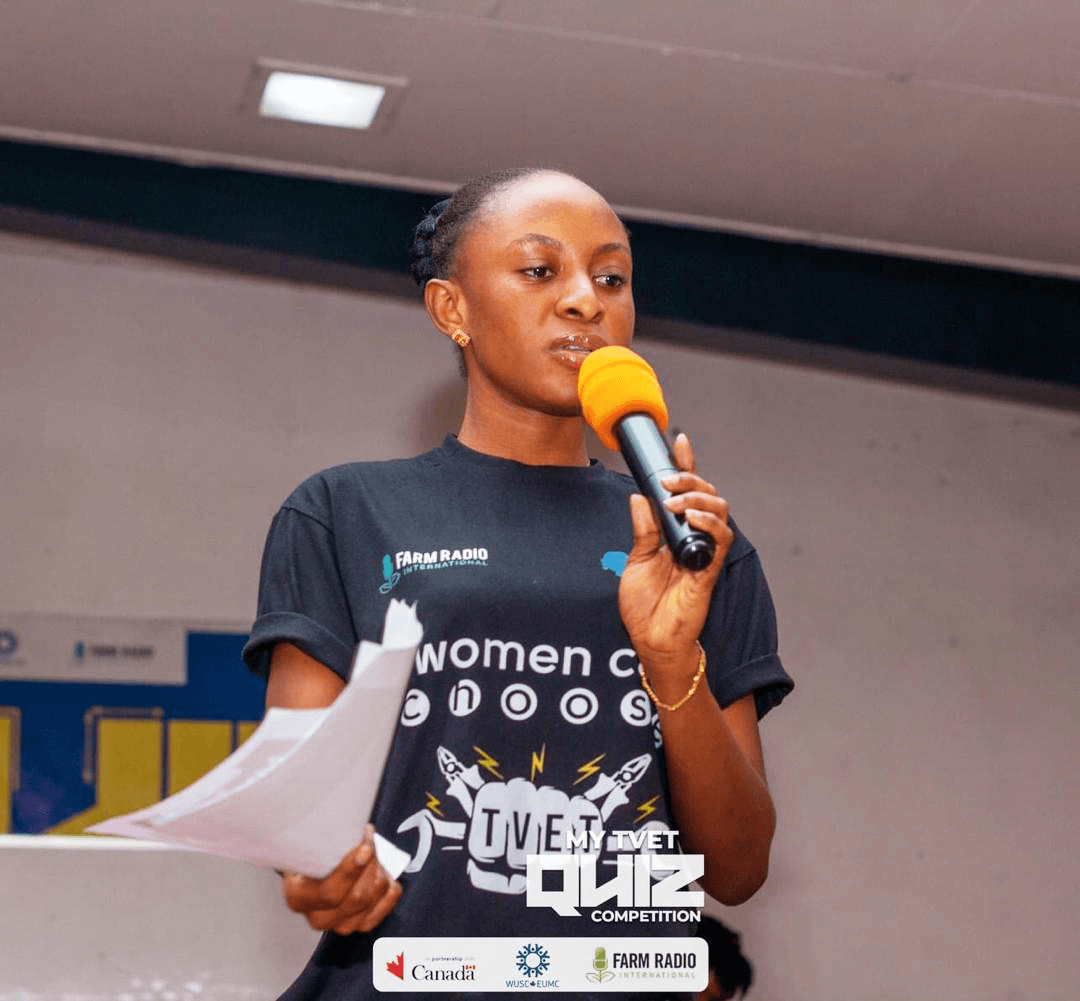
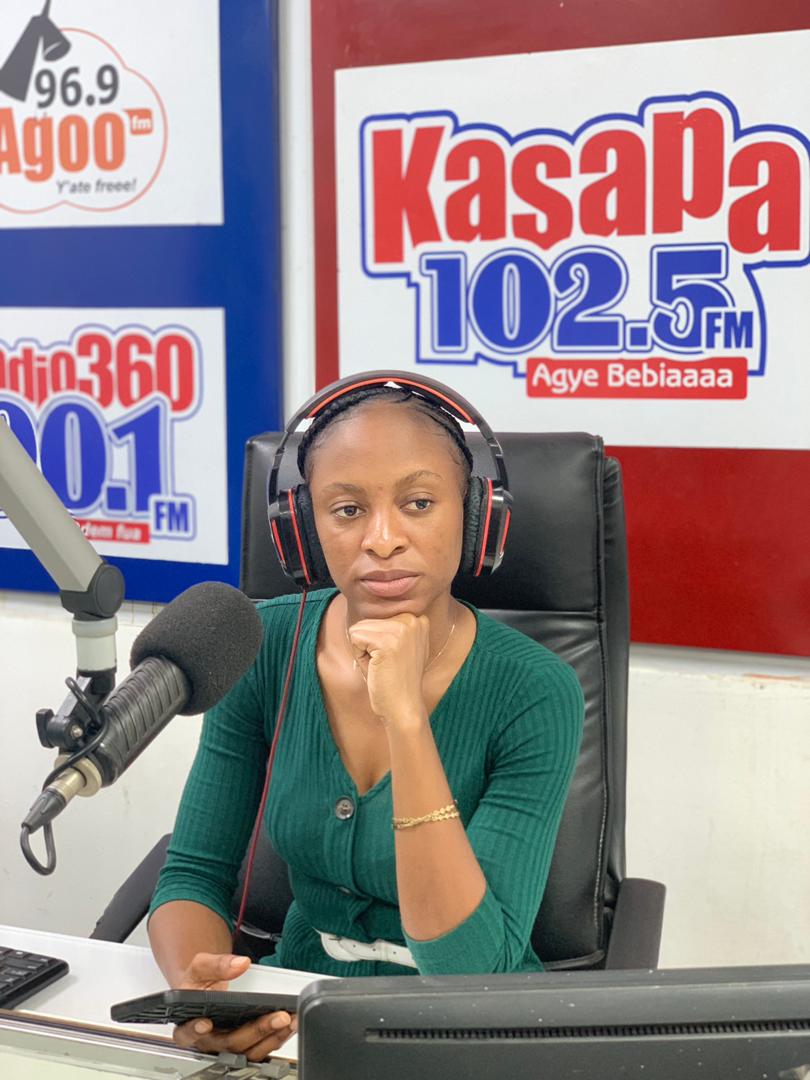


Image Credits
Akua Oteng Amponsah