



We caught up with the brilliant and insightful Adriane Moreno a few weeks ago and have shared our conversation below.
Adriane, thanks for taking the time to share your stories with us today Can you talk to us about how you learned to do what you do?
I learned most of what I do for my design process through watching others and then mirroring and experimenting. One of the most essential skills I learned early on was to trust my creative taste, to go towards intuitive associations and references that are sparkly to me. I learned this in an acting class with an incredible teacher, Maria Dizzia, who taught us to treat associations as strange, beautiful gifts from the subconscious world and not try to overthink or reject them by coming up with a clever conceptual idea. She led us to practice a playful, conspiring reverence for the imaginary space that offers inspiration.
A primary obstacle in starting in the art department for film is that there isn’t one prescriptive way to find work. Projects often crew up through word of mouth and recommendations, so much of one’s community and future work opportunity is made while on set, while collaborating with many departments. I moved cities in the middle of my career growth, and compounded with the industry strikes, it took years to build a new network. I’m inspired by people who reach out to me for advice and ask to meet up to ask questions about set decoration and design. I wish I’d had the courage to cold message designers when I was beginning because it feels so rewarding to share the things I’ve learned and recommend and hire new people for on-set work. Being brave enough to really be a beginner and show interest in someone else’s work can absolutely speed up the learning process, because much of art department work is learned through hands on experience and mentoring.

Adriane, love having you share your insights with us. Before we ask you more questions, maybe you can take a moment to introduce yourself to our readers who might have missed our earlier conversations?
I’m a production designer and set decorator for narrative film, tv, art installations and commercials, which means I create a unified visual world for each project and deliver fully realized sets through research, concepts and sourcing. I fabricate props and custom set pieces and collaborate with a talented network of local vendors and crew.
I discovered this work after a decade of living in New York as an actress, performing in immersive and devised theater. I studied at NYU Tisch and worked a variety of service jobs to support my life of auditions and creative projects. These experiences enriched my understanding of making imaginary worlds, and my acting background informs character-driven design choices in conversation with narrative.
The production designer’s mind requires an ability to toggle between a bird’s eye scope of an entire project: the budget, labor team and fabrication needs, the fast timing and coordination of thousands of physical elements, and also a zoomed-in eye for detail and harmony, the tone and color, the interplay of objects in the camera’s frame. It’s a coexistence of chaos and order, and when everything comes together, it’s a set that feels emotionally layered and alive. This is the creative mind space I love to be in, relying on in-the-moment solves, always adapting to the new and familiar, in collaboration and integral to inviting people someplace that wasn’t there before.
How about pivoting – can you share the story of a time you’ve had to pivot?
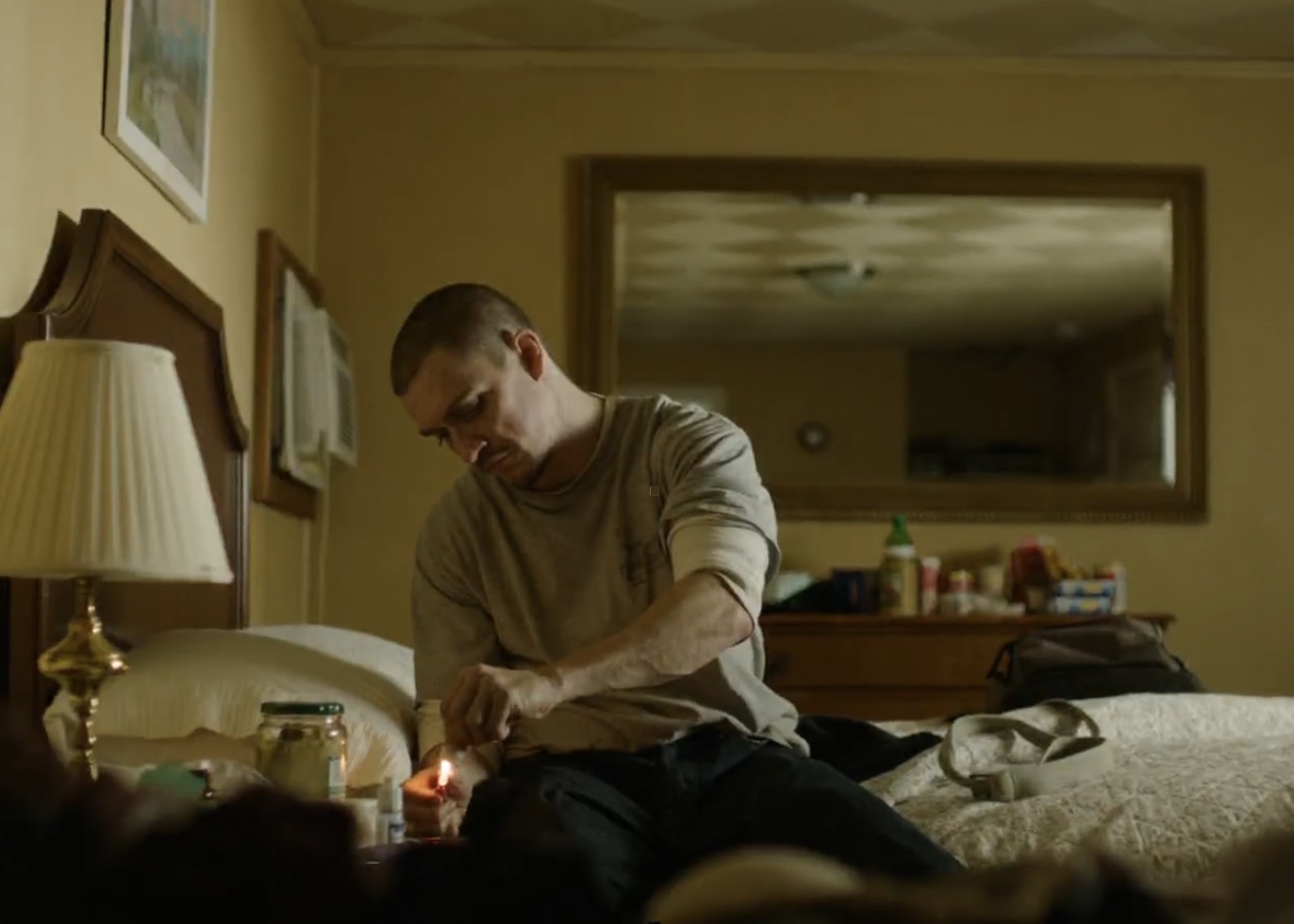
The month before I left New York, I had finally been cast in an original off-broadway play. Each night I would walk through the West Village to the theater, the same streets I walked a decade earlier when I was 18 and imagining my life as an actress, having just moved to the city for theater school. Instead of the elation I thought I would feel from the easeful routine of doing the show every night, being paid for my art, the pride of the reviews from the New York Times and New Yorker, I had something like stage fright for the first time in my life. I felt dissociative and vulnerable, like the audience could see through my skin and know everything about me. Someone had asked me the familiar actor’s question “Can you cry on command?” and, deadpan, I nodded yes, “Lately.” Something in my creative life plan was askew. I had started to think of the exchange of money like a heart valve: waitressing shift, money in (whoosh), rent, money out (whoosh). While I kept my schedule flexible for auditions, rehearsals, and shoots, the majority of my time in New York was spent making other people’s lives easier, in service. I worked as a nanny, a server, a hostess, a reservationist, I worked retail and I stuffed confetti as fast as I could at an artisanal paper goods company. Despite the years of effort and craft, I felt my foundation was constantly disappearing underneath me, like I wasn’t building anything. Now that it had amounted to something and I was supposedly doing the thing I most wanted, I was coming to terms with a trade that no longer made sense, and not because I didn’t love acting, but because I was burnt out. I had no reserve to create from, and this made everything an unknown. I left New York 4 months before the pandemic, and moved in with my parents in New Hampshire. It took forever to slow down, to reinterpret what felt like a deep failure, but about a year later, I got my first art PA job. Now, the time I had as an actress brings an immense level of detail to my design thinking, to making emotions visual and merging the blisteringly real with a compassionate imaginary.

What do you think is the goal or mission that drives your creative journey?
I think of my creative journey like a cloud or a soup, a non-linear space where everything exists in tandem, where every idea talks to each other. I think my work aims to create places of belonging. When designing sets for film, I’m imagining the inner lives of the characters and also thinking about the actors that will play them. In a recent feature I designed, “Cotton Fever,” I collected coupon catalogs and put them with scissors on a night table as background set dressing. When the actress climbed into the bed for the scene, she immediately began cutting the coupons and this comfortable agency made the set truly feel like her bedroom, an unscripted discovery. For my “Cotton Candy Post Office” immersive installation, I created an experience where a magical mail carrier invited guests to write and mail love letters, while enjoying freshly swirled cotton candy. I installed 60 lbs of hand-dyed pink and blue polyfil floor-to-ceiling, so the space looked fluffy and cloudlike. Mail carriers delivered the post to festival goers throughout an immersive mansion party. The playful piece aimed to spark connection and offer gestures of care through small moments of giving and receiving.
Contact Info:
- Website: https://www.adrianemoreno.com
- Instagram: @adrianexmoreno
- Linkedin: https://www.linkedin.com/in/adriane-moreno/
- Other: https://www.imdb.com/name/nm7036706/?ref_=nv_sr_srsg_0_tt_0_nm_8_in_0_q_adriane%2520moreno

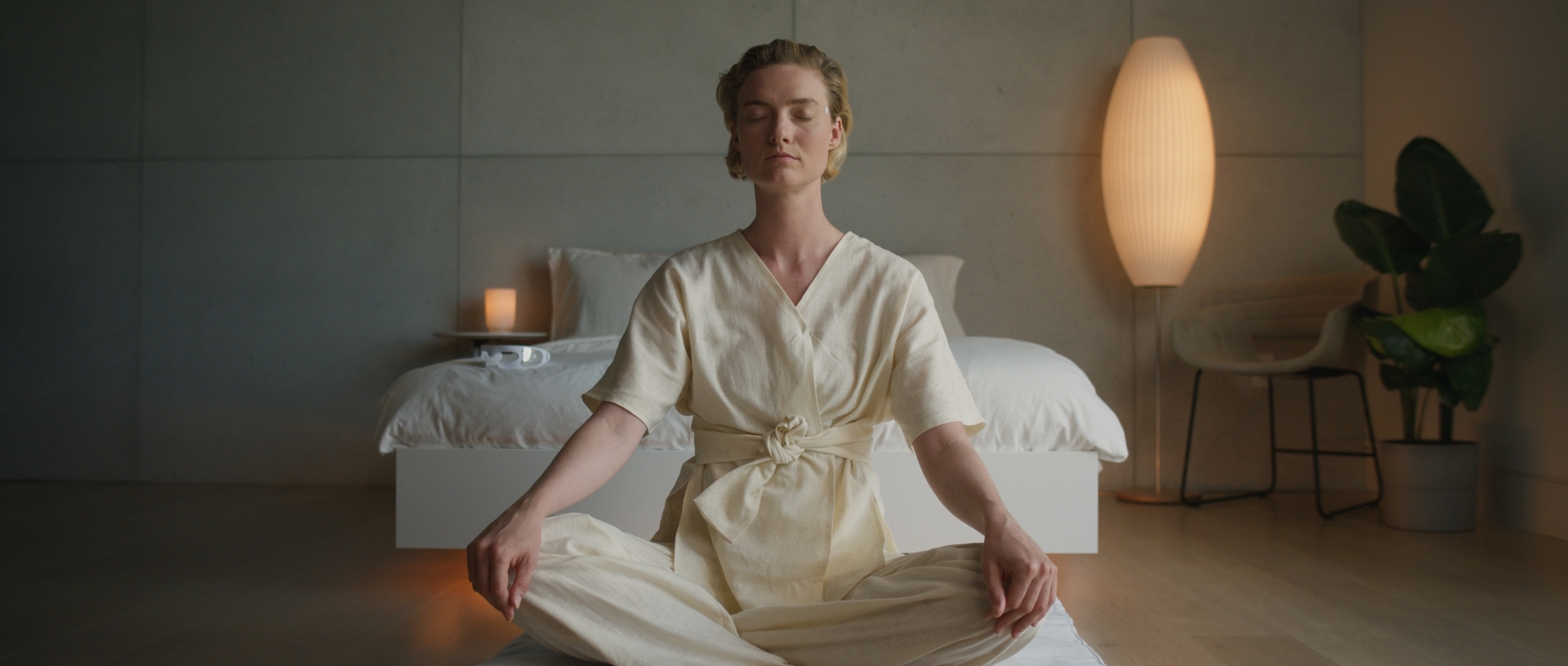
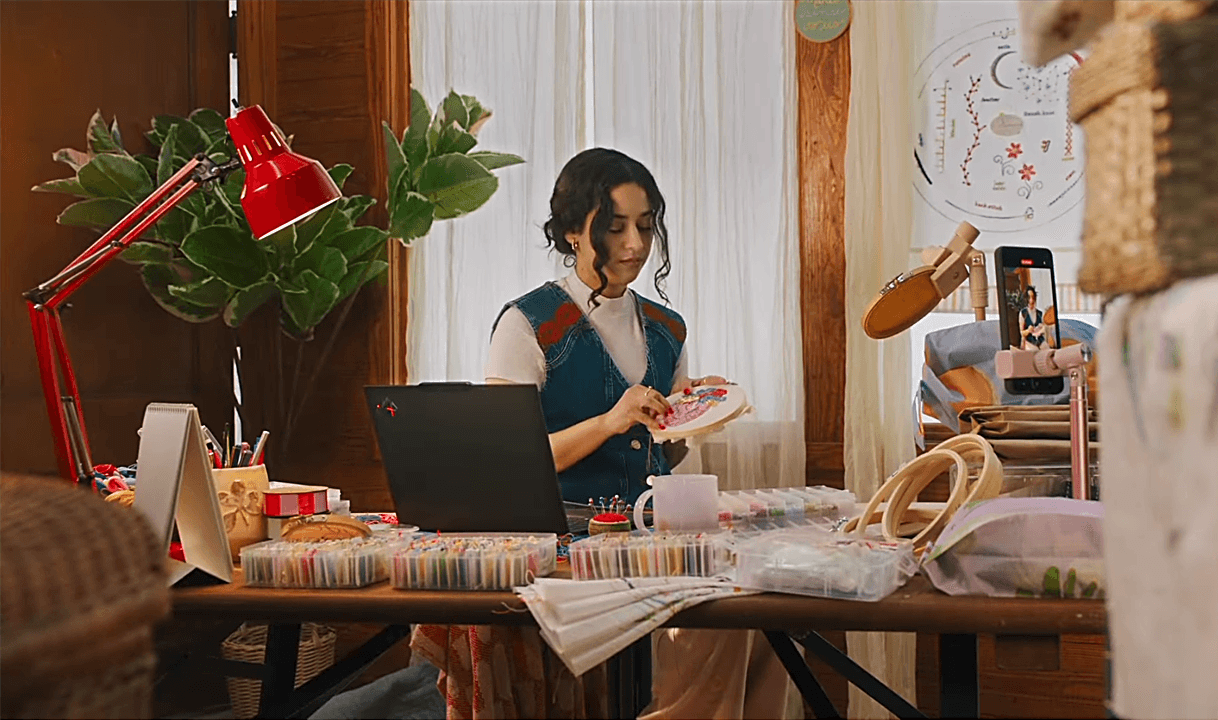

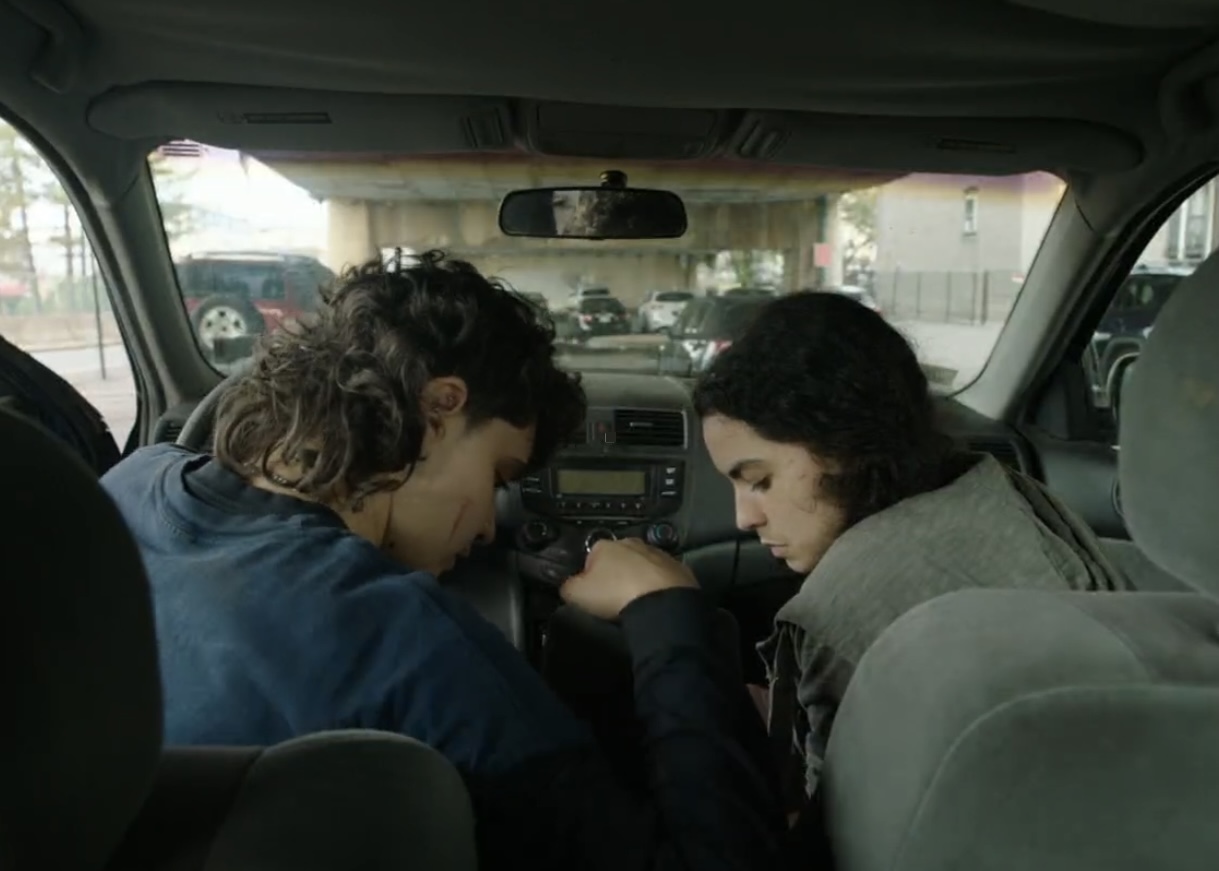
Image Credits
Madison Van Wylen