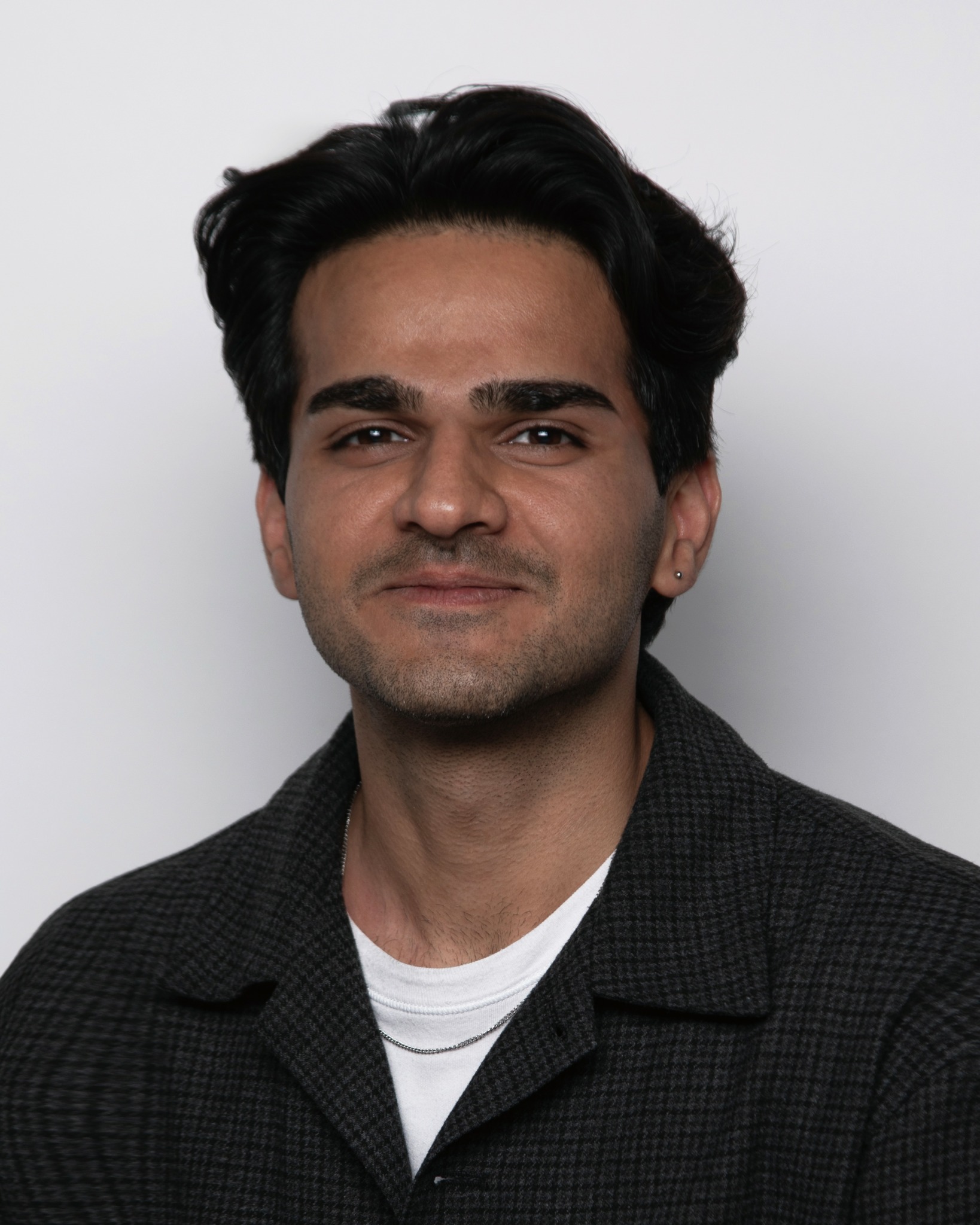

We were lucky to catch up with Adit Poonia recently and have shared our conversation below.
Adit, thanks for taking the time to share your stories with us today Have you ever had an amazing boss, mentor or leader leading you? Can you us a story or anecdote that helps illustrate why this person was such a great leader and the impact they had on you or their team?
I’ve only had one boss so far in my career as an architect — Alok Shetty at Bhumiputra Architecture — but I feel lucky that it was him. The firm is young, ambitious, and full of momentum, and that energy flowed directly from him to the entire team. The ethos was always about shaking the status quo and going above and beyond what was expected, and that mindset pushed all of us to work harder and think bigger.
He saw potential in me early on and threw me into the deep end — I found myself helping lead a 7-acre school project alongside a fantastic team of young architects. The experience was completely transformative. Every day came with a new challenge, and I soaked up everything I could. We were working with contractors and vendors with decades more experience than us, but the trust and confidence he placed in us — along with the support of the studio — meant we never backed down.
Looking back, I’m incredibly proud of what we built. The school has aged beautifully, and I’m grateful I could be part of something so meaningful, so early in my career.
Great, appreciate you sharing that with us. Before we ask you to share more of your insights, can you take a moment to introduce yourself and how you got to where you are today to our readers.
I’m an architect by training, currently completing my MA in Furniture Design at Central Saint Martins. I decided quite early on—perhaps a little romantically—that architecture was what I wanted to pursue. My creative inclinations during school only strengthened that instinct. I’ve spent almost four years working in architectural practice, which gave me a strong foundation in designing at larger scales. But along the way, I found myself drawn to the objects within those spaces—their scale, tactility, and potential to carry personal meaning.
This relationship to furniture also runs deeper. At my ancestral home in Punjab, there’s a pair of colonial planter chairs that belonged to my great-great-grandfather. Another set of simple cane chairs—commonplace in many homes—was transformed, through years of ritual and daily use, into my grandfather’s personal throne. That quiet transformation, from object to artefact, always stayed with me. My father shares this love for furniture, and through him, I developed a deep respect for objects that hold memory.
That curiosity eventually led me toward furniture design. A collaborative project with Vernacular Modern in Bengaluru allowed me to explore object-making through upcycled materials, and I realised how much I enjoyed working at that scale—with my hands, with materials, and with time.
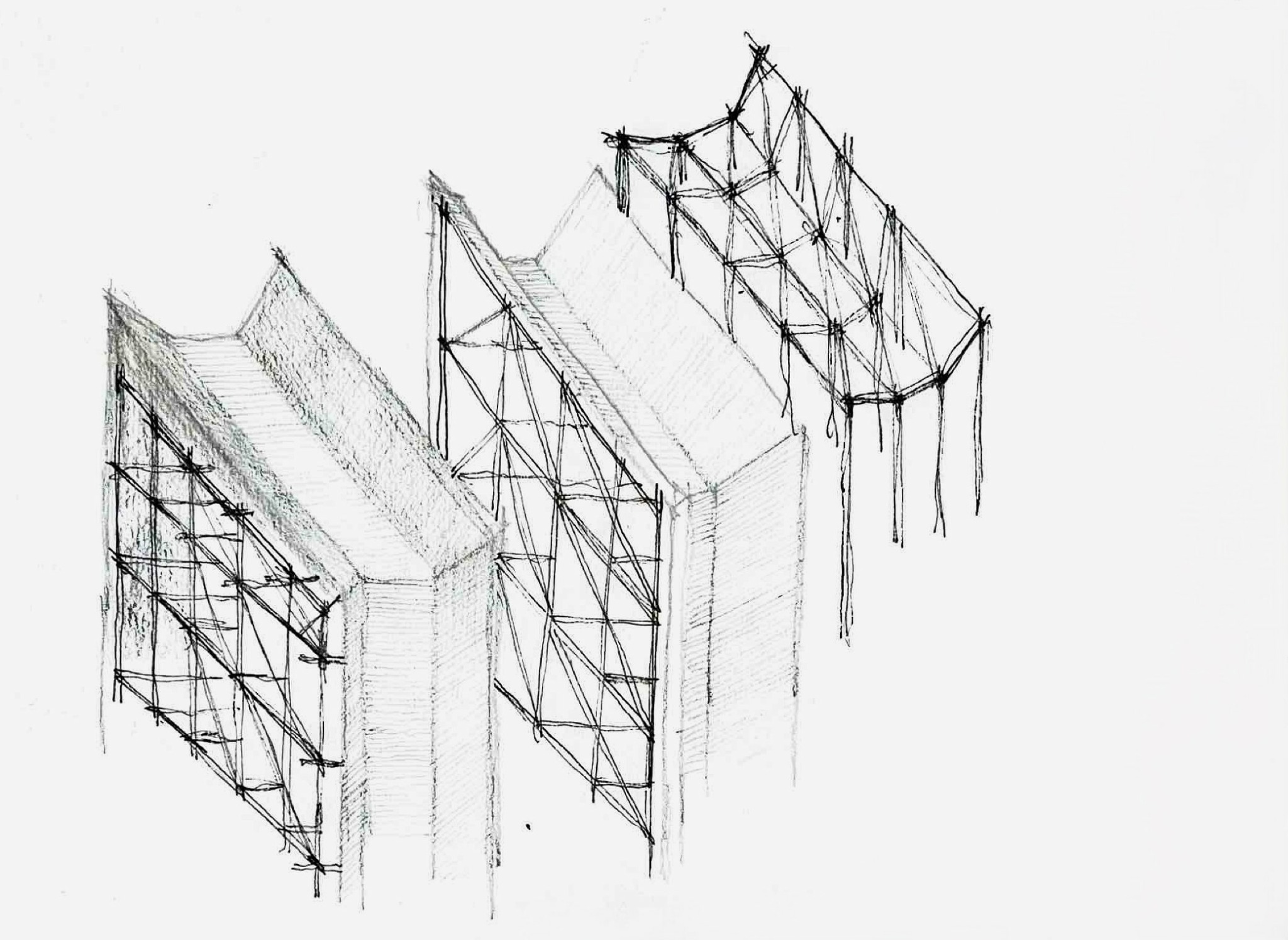
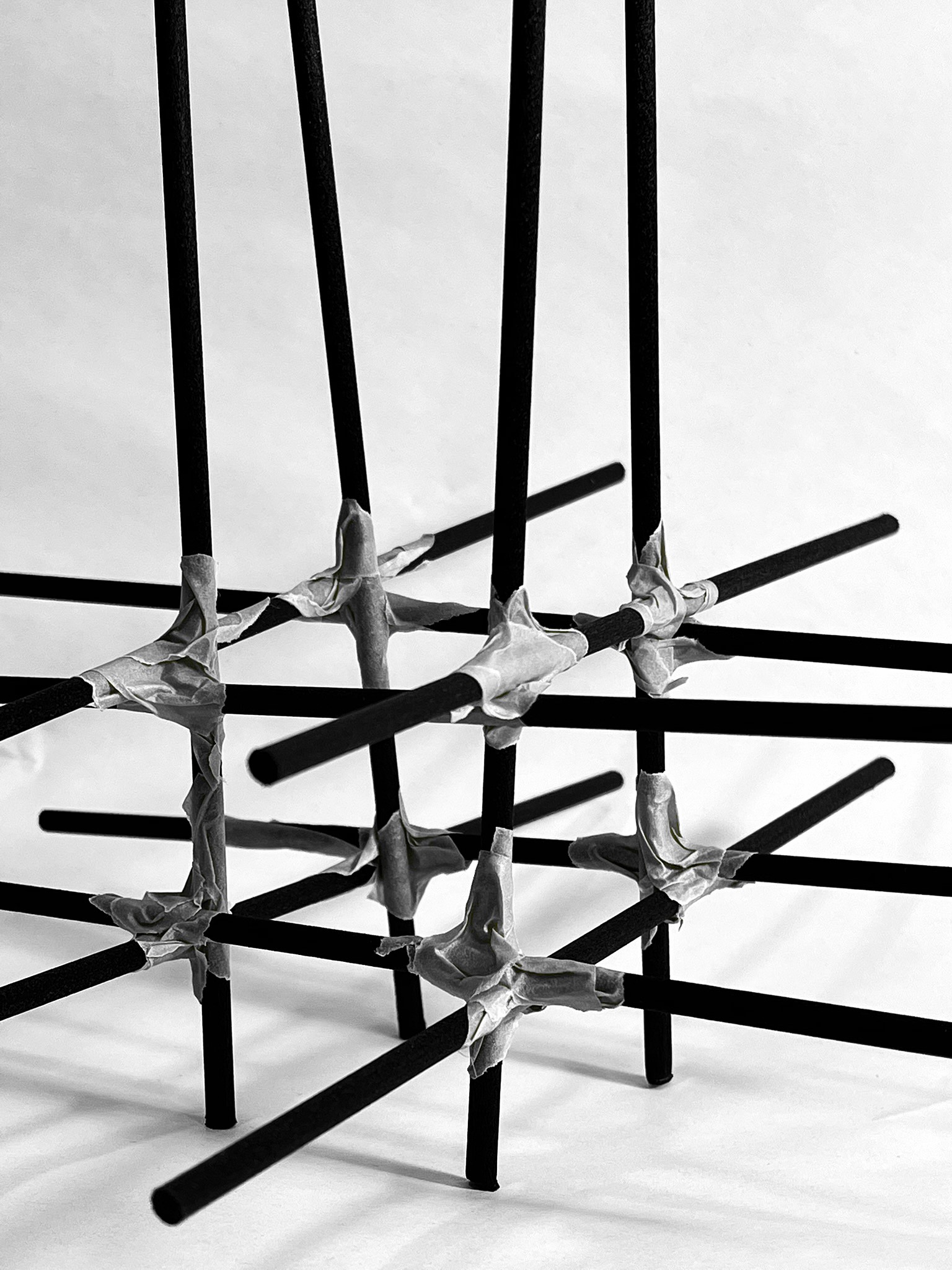
My practice today sits between architecture and furniture. I hope to build a multidisciplinary studio that works across these scales—where the principles remain constant: an emphasis on process, an intuitive relationship with materials, and a belief that design is most powerful when it’s personal and grounded.
Rather than being rooted in craft traditions for the sake of nostalgia, I work with materials and methods that feel alive—materials that respond to the maker’s hand. I’m especially interested in how making becomes a form of storytelling: how time, care, and repetition leave behind traces that become part of an object’s identity. My work doesn’t strive for mechanical perfection—it embraces variation, subtlety, and presence.
Peter Zumthor once said that the things he designs are shaped by childhood memories of architecture—memories experienced before he had words for them. I return to that often. Our personal experiences—of space, of touch, of ritual—shape our instincts as designers. My hope is that through these experiences, and through the process of making, I continue to build a practice with its own voice—one that prioritizes emotional clarity over aesthetic trends.
What do you find most rewarding about being a creative?
For me, the most rewarding aspect of being a creative is watching an emotion take on a tangible form. Every object, every detail—whether it’s a structural decision or a subtle curve—is rooted in a feeling, a memory, an instinct. To see something that began as a loose idea in your head evolve through process, material, and making, and eventually exist as a real, physical object—that transformation is deeply fulfilling. It’s like giving form to something invisible, and letting it speak in ways words can’t.
Another equally rewarding part is what happens after the making—when you’re prompted to speak about your work or answer specific questions. That post-rationalisation often reveals ideas or motivations that were subconsciously guiding you all along. You start to see patterns, decisions, and instincts in a new light. In a way, it becomes a process of discovering things about yourself you didn’t even know were there. And that’s a kind of learning I deeply value.
How can we best help foster a strong, supportive environment for artists and creatives?
Listen to us, give us a platform, and let us express ourselves—without expectation or prescription. Where I come from, in India, the design dialogue is still evolving. It often tends to focus on surface—how something looks, or how impressive it appears to others—rather than how it makes you feel, or what it means to you personally. That deeper engagement with design as experience, not just aesthetic, is something we as a society need to nurture.
And above all, trust us. Creatives often carry a vision that may not be immediately obvious, but with the right support—be it thoughtful clients, engaged audiences, or institutional backing—that vision can unfold into something truly meaningful. A thriving ecosystem begins with belief.
Contact Info:
- Instagram: @aditpoonia
- Linkedin: https://www.linkedin.com/in/adit-poonia/