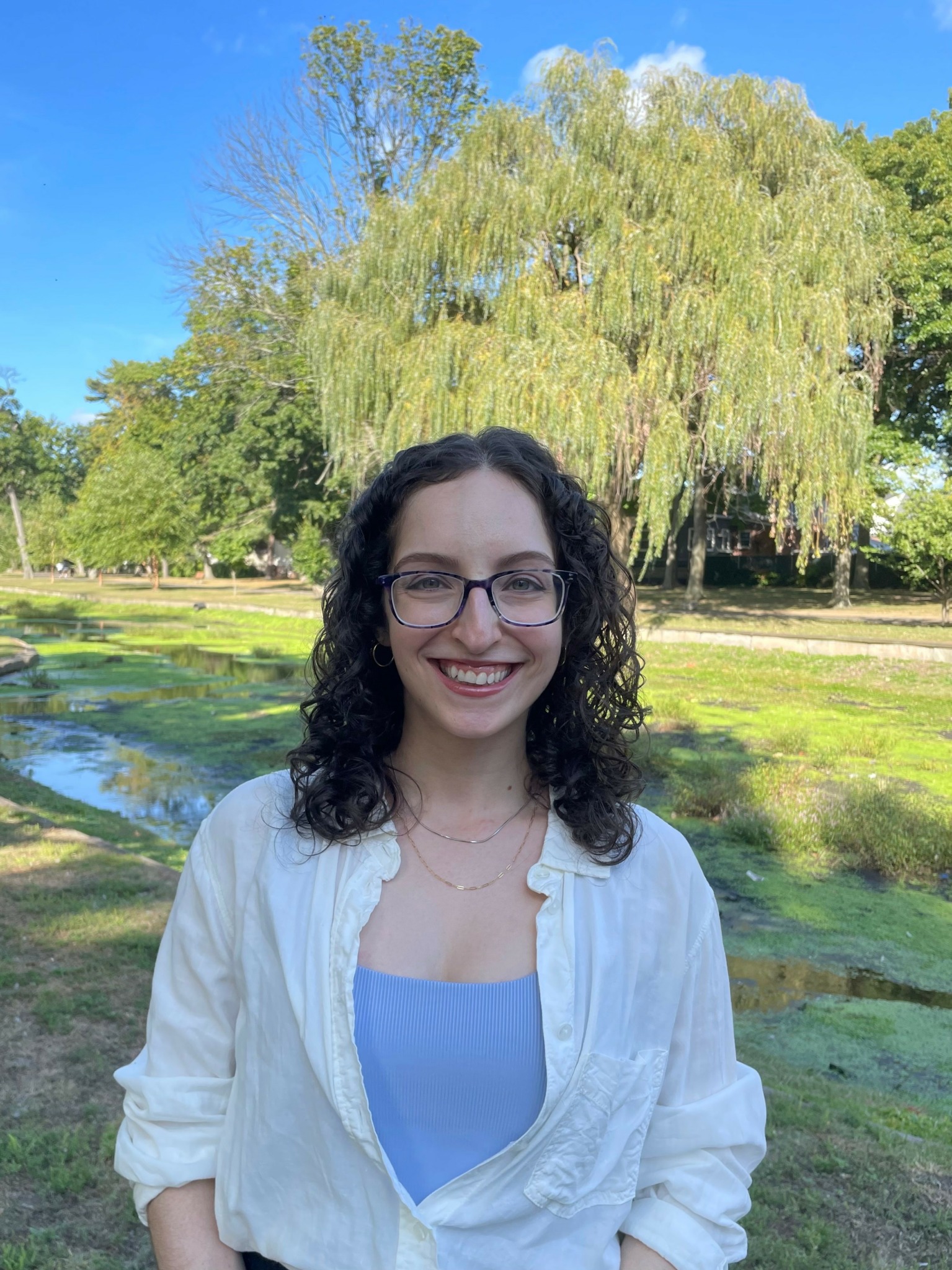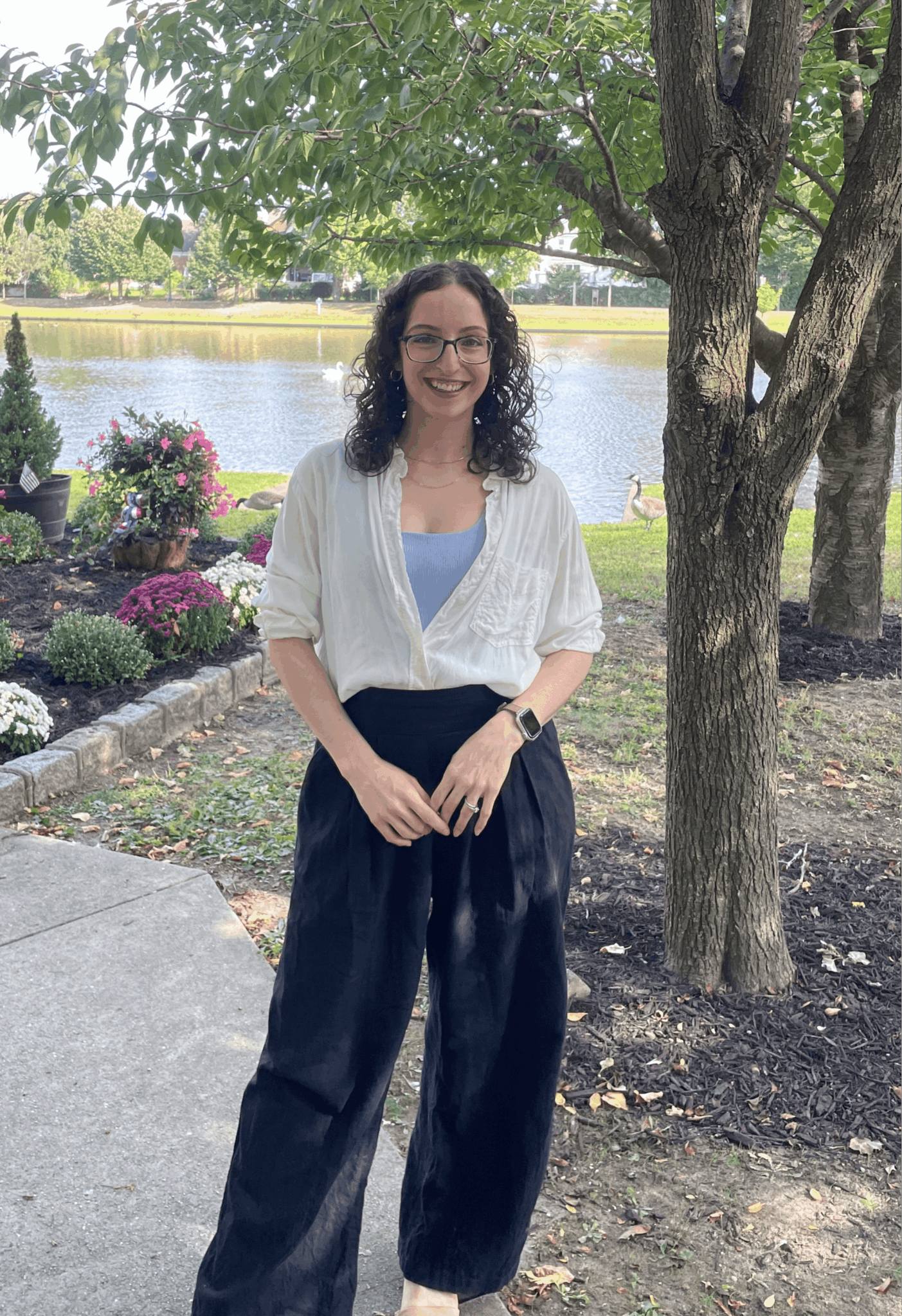

We recently connected with Adina Babad and have shared our conversation below.
Adina, appreciate you joining us today. Do you think your parents have had a meaningful impact on you and your journey?
Our families profoundly shape who we become. My parents, like all of us, made their share of mistakes but also did so many things right that have deeply impacted my life and career. Their unwavering support, assurance, and guidance gave me a strong sense of safety, which showed me the importance of having a reliable support system. Since they’re both in the mental health field, it’s no surprise that I ended up here too, even if it wasn’t my initial plan.
I have vivid memories of sitting with my dad late into the night, discussing everything from psychology to politics. These conversations, often well past bedtime, were not only bonding moments but also shaped my way of thinking—a framework I now use both in my personal life and with my clients.
With my mom, it was her willingness to listen and show genuine interest in my experiences. Despite her busy schedule, she always found a way to show up for me, teaching me the importance of truly caring for others. Her genuine belief in me and her support, especially when I took the leap into private practice, has been invaluable. Both of my parents showed me that perfection isn’t necessary to be impactful; rather, it’s the consistent presence and empathy that truly make a difference.
Their example has been a powerful lesson in how to hold space for difficult emotions and support growth, both personally and professionally.
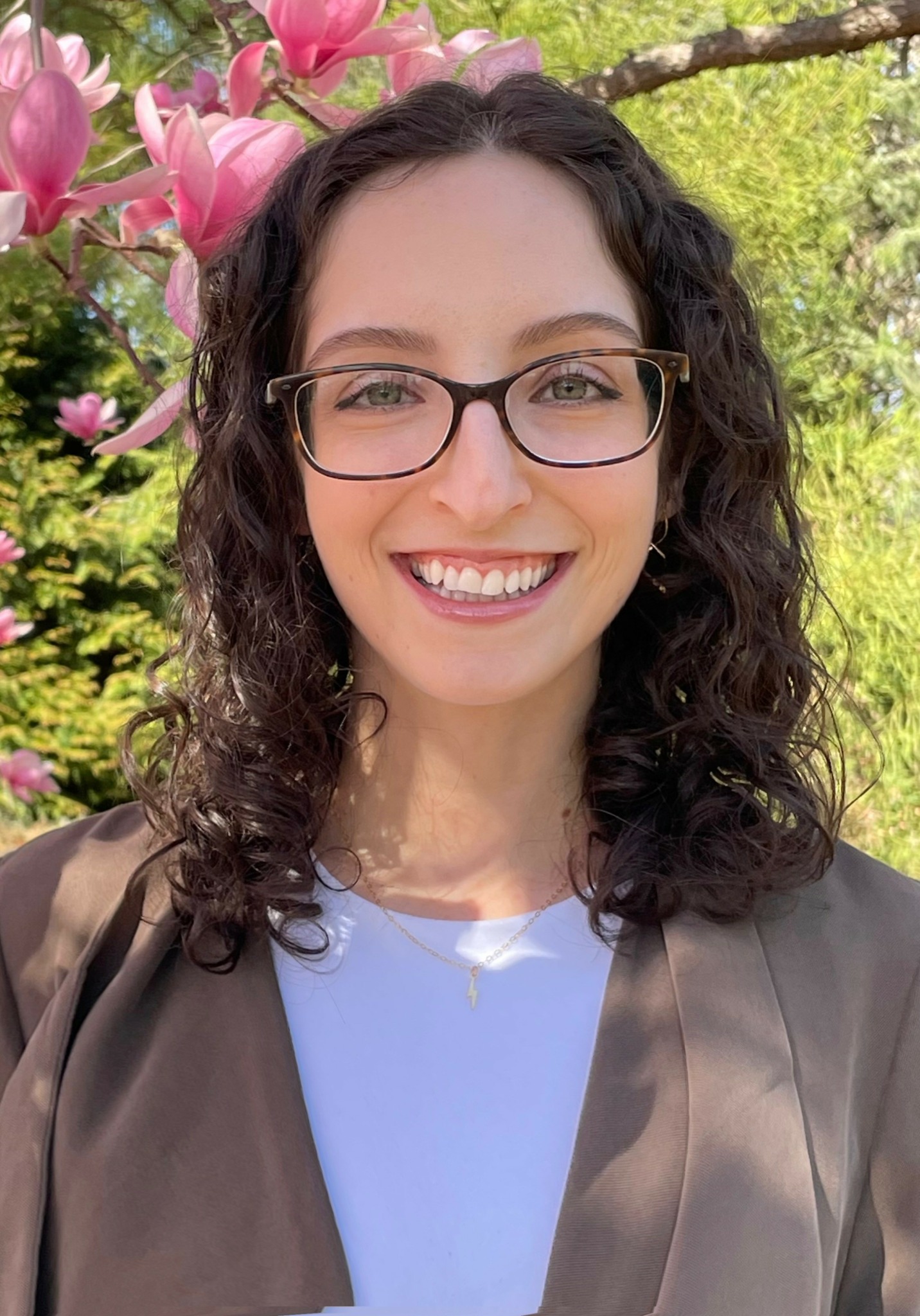
Great, appreciate you sharing that with us. Before we ask you to share more of your insights, can you take a moment to introduce yourself and how you got to where you are today to our readers.
I’m a Licensed Mental Health Counselor (LMHC) who’s really passionate about helping people break free from anxiety, burnout, and people-pleasing–challenges that often overlap quite a bit. My journey to becoming a therapist started from personal experience. Growing up, I saw loved ones who, despite their kindness, often struggled with anxiety and self-doubt while giving so much to others but not as much to themselves. I recognized many of those same patterns in myself, which fueled my drive to help others uncover their strengths and create lives filled with more balance and meaning.
In my virtual private practice based in New York, I specialize in working with women who are struggling with these same patterns. My clients tend to be insightful and empathetic but find it difficult to translate self-awareness into actionable change. I support them in working through these patterns, learning to treat themselves with compassion, and setting healthy boundaries while retaining their kindness. I also help them build confidence in their ability to handle difficult things in their lives, whether that’s specific experiences or unpleasant emotions. My approach is all about blending different therapy techniques to fit each person’s unique needs, with a mix of warmth, practical feedback, and a touch of humor.
One thing I’m especially proud of is taking the leap into private practice—a dream I’ve had since I was a teenager. It was definitely a bit scary stepping out of my comfort zone, but it’s felt worth it because I’m doing something I’m truly passionate about (plus I’m getting lots of chances to practice the skills I teach my clients!). In my practice, clients often share that they appreciate the genuine connections we build and the way I blend creativity, empathy, and practical strategies. I’d say my style is pretty modern and flexible—more about making therapy engaging and effective rather than sticking only with the traditional approach.
If you could go back, would you choose the same profession, specialty, etc.?
Absolutely, I’d choose the same profession and specialty if I could go back! I’m passionate about what I do and truly believe in the impact of this work. That said, if I could go back I’d adjust a few things along the way. Given how common burnout is in the helping professions, I’d probably focus more on preventing and managing it better from the start. I’d also tackle some of my self-doubt and fears about starting a private practice earlier on, which could have made the journey a bit smoother. But overall, my experiences have been incredibly valuable, and I’m confident this is the right path for me.
I’m constantly reminded of why I love this work when I see my clients not just using but also recognizing their strengths, practicing new skills, and making meaningful changes in their lives. I’m proud of both the work I do and the hard work my clients put in. I’m grateful for the chance to be part of their journey, hear their stories, and get such an intimate view into the human experience.
Other than training/knowledge, what do you think is most helpful for succeeding in your field?
There’s so much more to succeeding in this field than just training and knowledge. While those are crucial, having a strong support system is equally important. Connecting with other therapists regularly for case consultation, practice-building advice, or simply to share experiences can be incredibly valuable. Having colleagues who understand the unique challenges of this work can make a big difference. I’ve also found it really helpful to have loved ones—whether a partner, close friends, or family—who truly get it and offer patience and support.
I also believe that having a genuine passion for what we do is so important. This work can be more challenging than it seems from the outside, and navigating those difficulties is a lot easier (and much more worth it) if you genuinely love what you do. Empathy for others, a belief in their ability to grow, and a willingness to keep learning are essential. Being open to feedback and constantly refining your skills means setting aside your ego and staying committed to your personal and professional development. It’s also important for therapists to engage in their own therapy—this not only provides personal insight but also helps us relate to our clients’ experiences on a deeper level. Additionally, finding some level of work-life balance—what one of my clients cleverly calls life-work balance—is important for maintaining your well-being and effectiveness. Patience is another crucial trait, both with clients and with yourself, as growth and progress often take time.
Contact Info: