

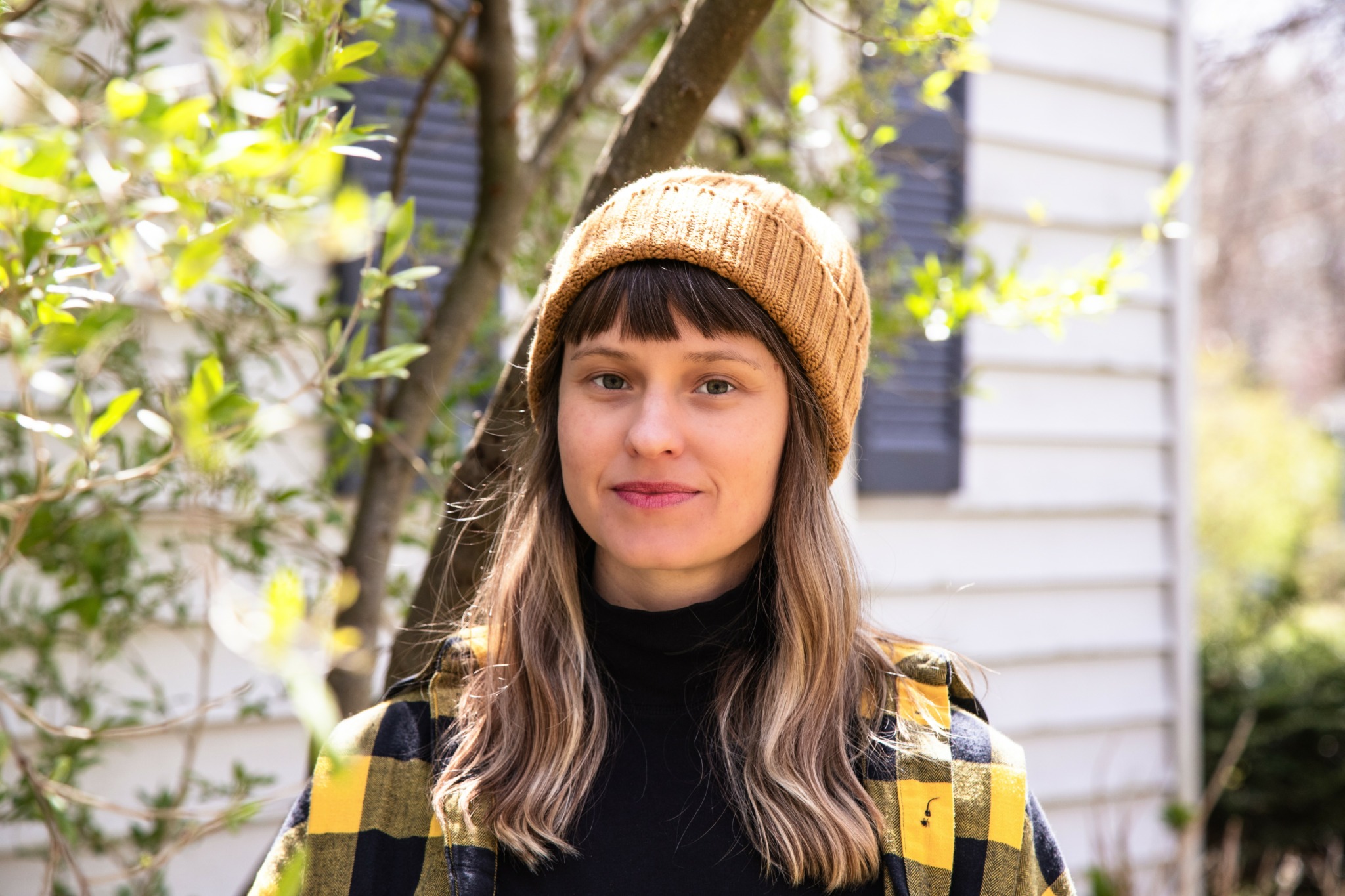

We’re excited to introduce you to the always interesting and insightful Adele Fournet. We hope you’ll enjoy our conversation with Adele below.
Adele, appreciate you joining us today. Can you talk to us about how you learned to do what you do?
I learned how to create recorded music through many years of trial and error. I started by recording on a cassette recorder my dad had, little songs I wrote with friends or sometimes experimental vocal performances in the bathroom. I then eventually graduated to using a DAW and just wrote and recorded as many songs and with as many collaborators as I could. Knowing what I know now – that it IS possible to learn the craft of recorded music – I would advise my younger self to trust my abilities and try to let go of the insecurities and impostor syndrome sooner. (Easier said than done of course!) The most essential skill I’ve learned so far is to trust my ears and trust my taste – if I like it, then it’s good. The biggest obstacle that stood in my way was my own insecurity that I wasn’t good enough or didn’t know enough.
Awesome – so before we get into the rest of our questions, can you briefly introduce yourself to our readers.
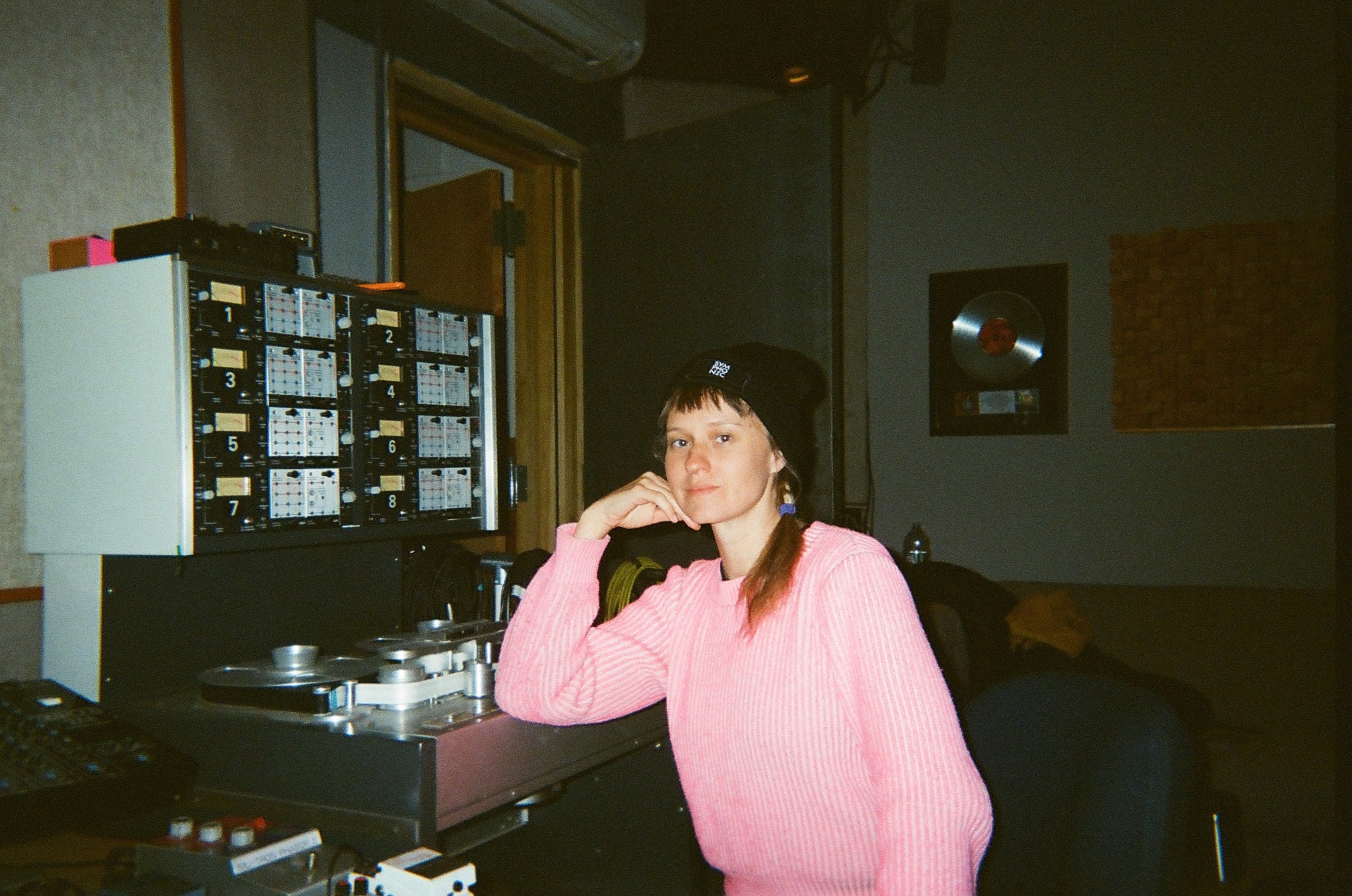
Adele Fournet is a music producer and video artist. She is also a music scholar and holds a PhD in music from New York University. She writes about the intersections of gender, technology, labor, and aesthetics in popular music production with a geographic focus on the Americas. Adele has received support for her research from Fulbright, the NYU McCracken Foundation, Humanities New York, and the NYU Center for the Humanities. She has performed her original music at cultural institutions including Lincoln Center and the Kennedy Center while also participating in and celebrating independent and DIY music spaces.
Adele has an audio and video production company called Bit Rosie. The Bit Rosie web series (www.bitrosie.com) features female and gender expansive music producers and is an inaugural component of the NYU library’s first music-related video streaming web archive. Her films have been screened on PBS New York, the NYC Independent Film Festival, and Cine Las Americas Film Festival, among others. Current personal music projects include Tipa Tipo and La Banda Chuska.
What do you think is the goal or mission that drives your creative journey?
Right now I’m thinking a lot about the future of creative jobs and creative industries with the emergence and eventual takeover of AI. What is inherently human when it comes to creativity and work that cannot be automated or replaced by AI? I’m coming to the conclusion that working in community and working collaboratively with other humans, with more and more face-to-face and embodied interaction, is a big priority. How can we share knowledge and provide mutual aid within creative communities, as opposed to feeling like we’re all in it alone, interfacing with international social media and music industry companies to carve out online audiences and build numbers. There’s something that feels a bit soulless about that, so I want to pivot towards more and more community-oriented goals.
What’s the most rewarding aspect of being a creative in your experience?
I think that having work that constantly puts me in touch with new people is what I love the most. It feels like I’m living in a constantly evolving constellation of individuals and communities who also value creativity as a way of life.
Contact Info:
- Website: https://www.adelefournet.com
- Instagram: @adelefournet
- Youtube: https://www.youtube.com/tipatipomusic
- Other: Spotify: https://open.spotify.com/artist/0xfUzLC0QSL3SQLrKoud24?si=grPOH8GuS5ajC3F61W9aZw
Image Credits
Jenn O’Malia