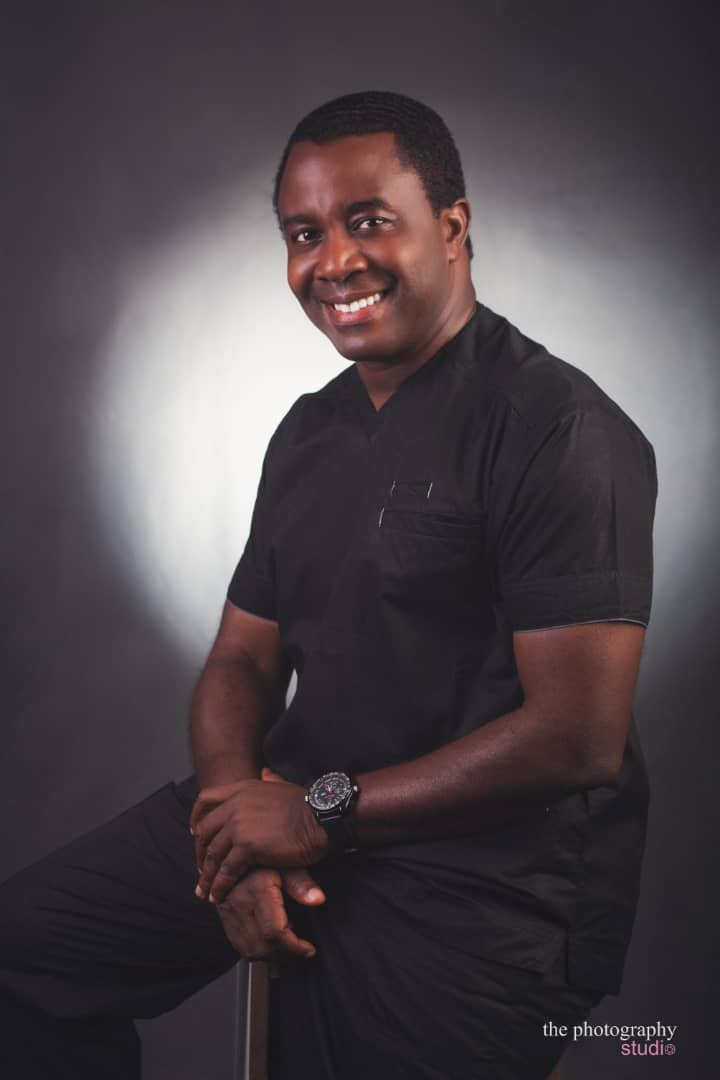

We’re excited to introduce you to the always interesting and insightful Adedayo David Ajibade. We hope you’ll enjoy our conversation with Adedayo David below.
Adedayo David, thanks for joining us, excited to have you contributing your stories and insights. Can you share an anecdote or story from your schooling/training that you feel illustrates what the overall experience was like?
During my time in medical school, I noticed that many psychiatry and neurology patients despite receiving excellent professional medical care did not experience significant improvement in their conditions. That was both challenging and disheartening.
Another memory from that period involves our lecture notes, particularly in neurology. There would be pages upon pages describing various neurological conditions like Parkinson’s disease or dementia in great detail. However, when it came to the treatment or management sections, there were only a few lines usually limited to supportive care. That was very frustrating for me. I felt there had to be more that could be done. But it also revealed just how limited modern medicine was in the face of certain neurological disorders.
That experience planted a seed of dissatisfaction in me with the conventional medical approach to brain-related conditions and pushed me to look beyond traditional solutions.
My defining moment came when I discovered the power of nutrients, how specific nutrients, given in the right amounts, at the right times, could help the brain recover. I clearly remember the moment that insight struck me; it felt like a true revelation. I realized that if we could identify and use the right kinds of nutrients, we might be able to address many complex brain challenges that had long puzzled the medical community.
Great, appreciate you sharing that with us. Before we ask you to share more of your insights, can you take a moment to introduce yourself and how you got to where you are today to our readers.
I am a physician who became dissatisfied with the conventional approach and the outcomes we were seeing, particularly in treating brain conditions and other so-called “untreatable” health challenges. At the time, I didn’t know what alternative approach to take or how to address my dissatisfaction. However, that sense of discontent sparked a journey that has lasted over two decades, one driven by the desire to find effective solutions and methods that align with my skills and passions.
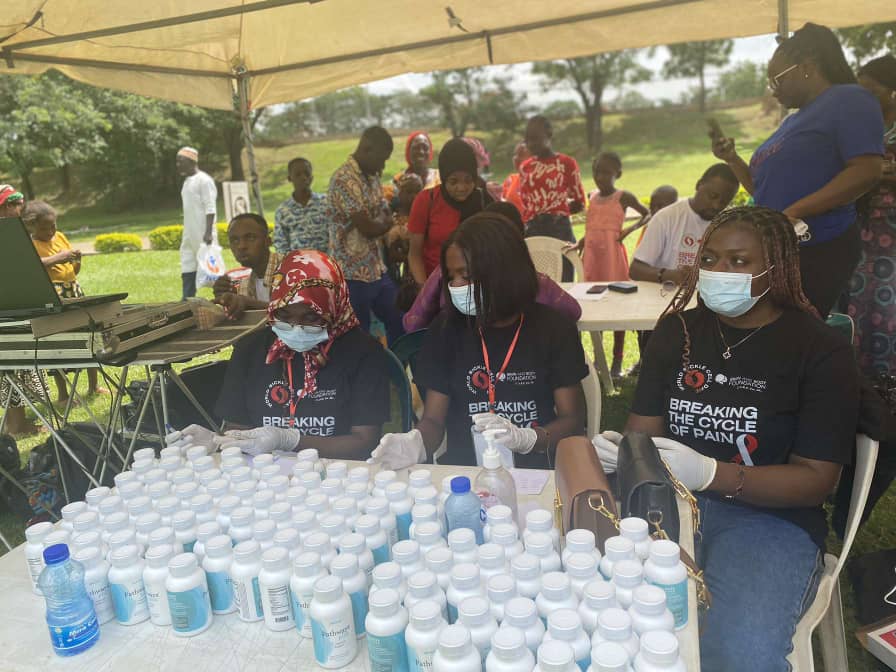
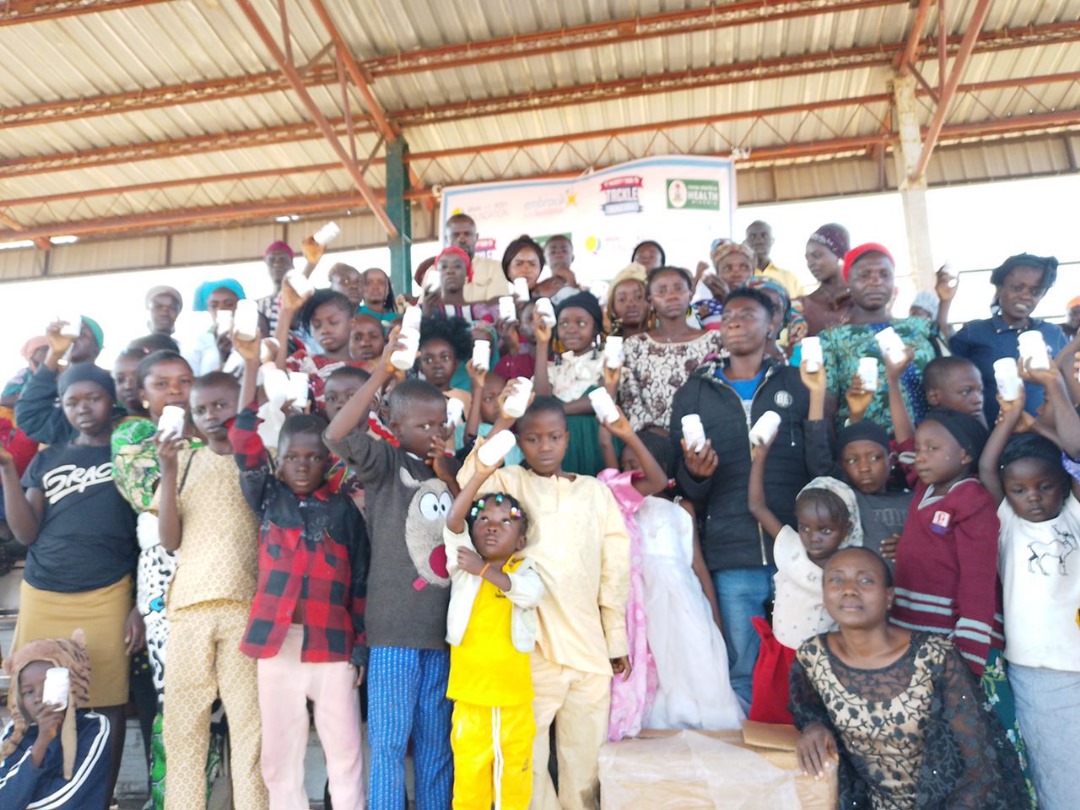
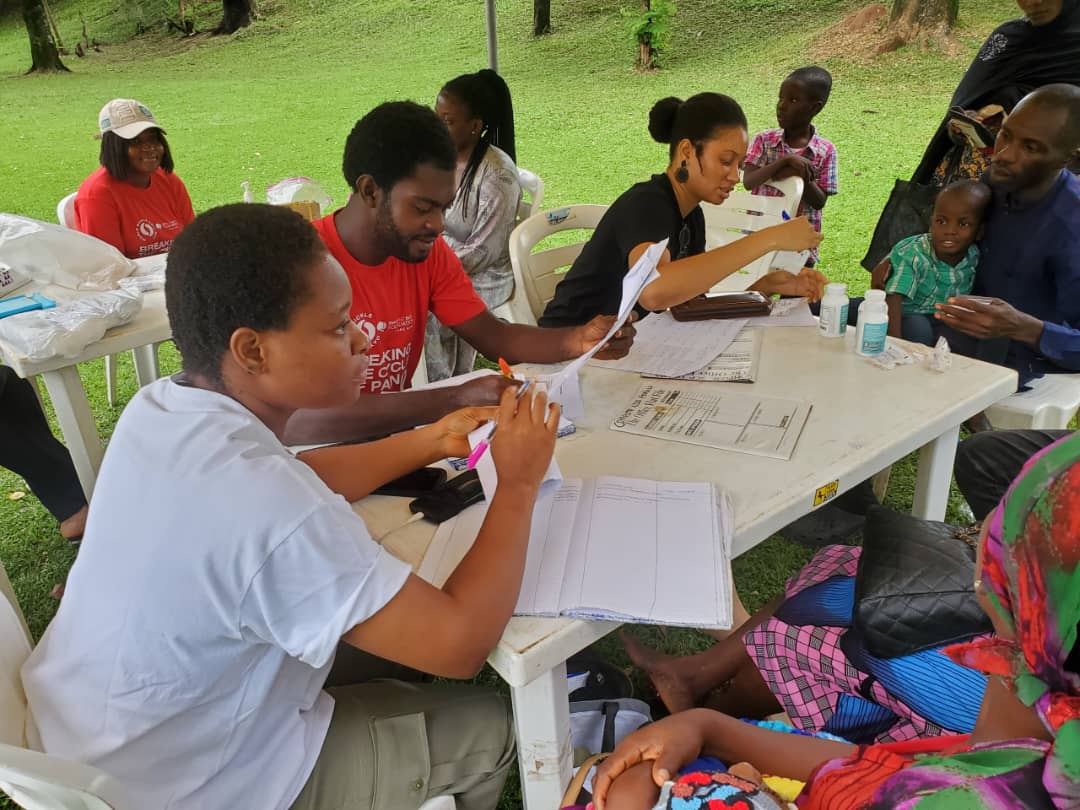
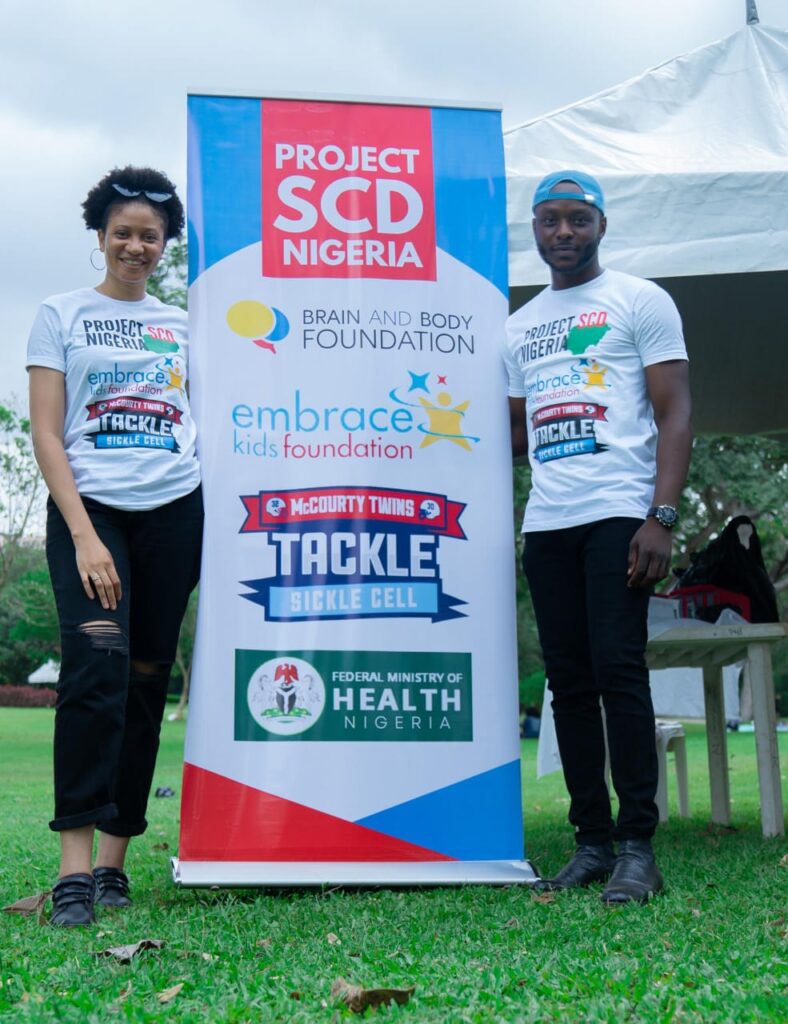
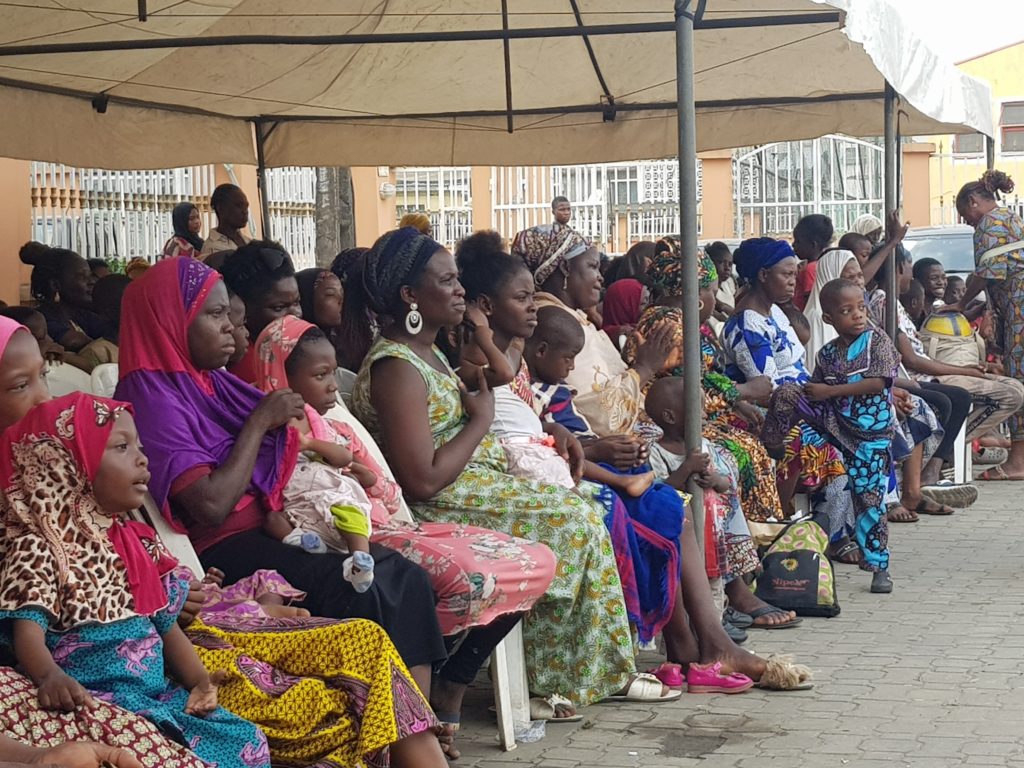
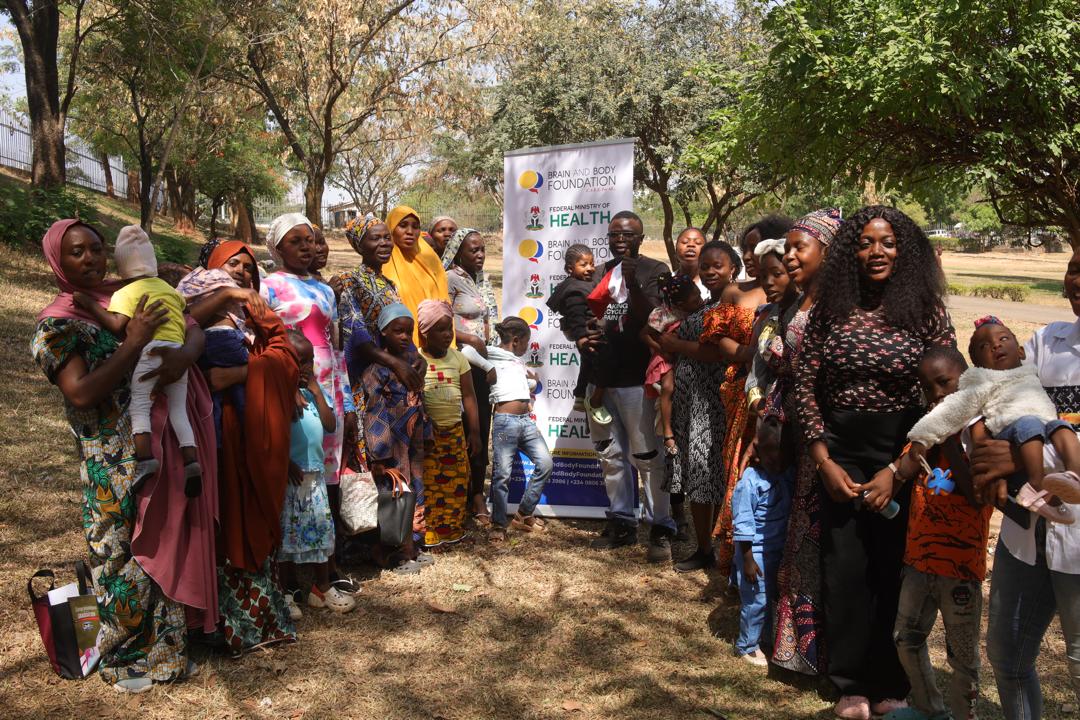
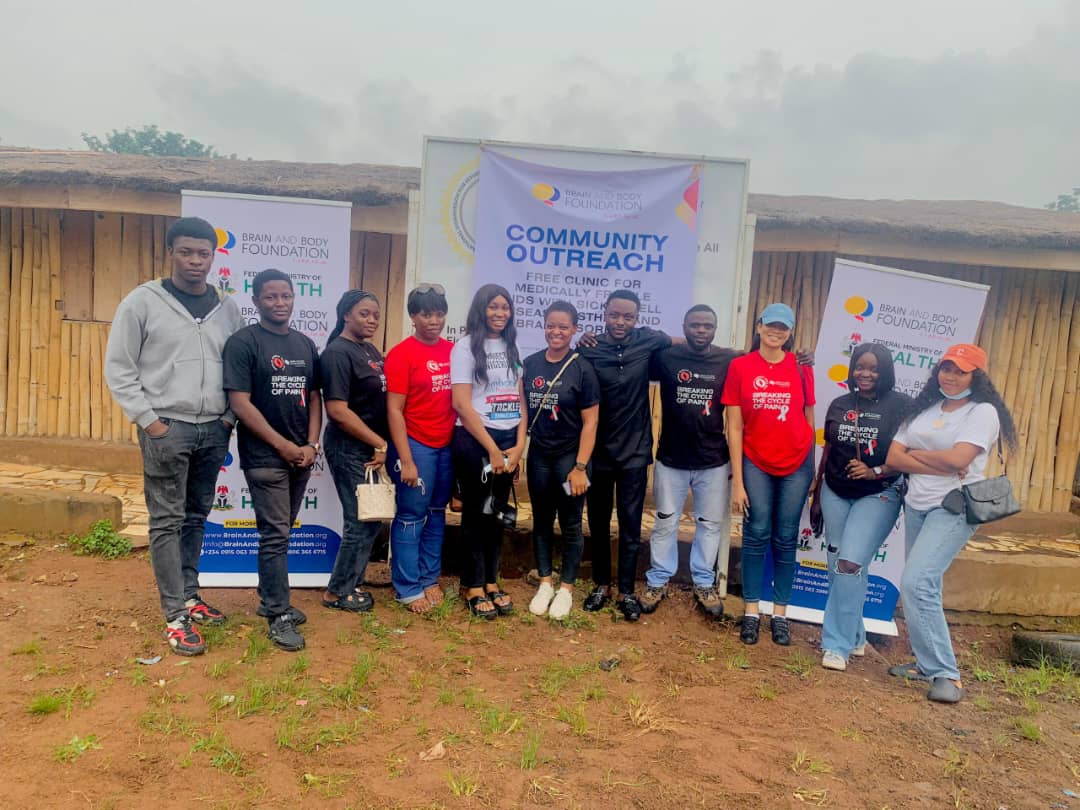
At the Brain and Body Foundation clinic, what truly sets us apart is our approach: we do not use medications at all. Yet, we consistently achieve remarkable results for patients with brain disorders.
One story that stands out is about a girl with severe cerebral palsy. Her twin sister was developing normally, but she was not. After we began administering high doses of omega-3, many aspects of her condition improved significantly. She gained eight additional teeth, catching up to her sister who had 16. The squint in her eyes corrected itself, and she began to show much better muscle control, balance, and neck stability, all within the span of a month. That was a huge breakthrough.
We also saw remarkable changes in children with severe autism. Some began to pay attention to their parents and started listening, rather than shouting and screaming, often within just a few weeks to months of simply introducing the right nutrients.
Can you share a story from your journey that illustrates your resilience?
We faced several challenges along the way. One was funding, especially the need for money to purchase various nutrients, as our approach often required combining multiple treatments.
In the beginning, we didn’t make any money at all, for almost five years. I had to take on a second job to supplement my income and poured all my profits and resources into building the clinic and the center. Eventually, we began receiving paying patients, which helped us stay afloat.
Another major hurdle was obtaining government approval to treat certain conditions using our methods, which differed from the standard medical approach.
Additionally, gaining access to government hospitals and collaborating with doctors proved difficult. Many were suspicious of us and hesitant to partner or even consider our approach.
Other than training/knowledge, what do you think is most helpful for succeeding in your field?
One of the most important factors was knowing the right people, those who could guide and direct me.
Another key factor was the ability to think independently, to have confidence in the conclusions I arrived at, and to be willing to test and experiment to see if my theories or hypotheses could work in the real world.
As for what my parents did right, they instilled in me a love for knowledge and a deep dissatisfaction with being average.
Contact Info:
- Website: https://brainandbodyfoundation.org
- Instagram: https://www.instagram.com/brainandbodyfoundation?igsh=bmF5bzc2bm80Nmpj
- Facebook: https://www.facebook.com/share/1UpXF6Bj5r/
- Linkedin: https://ng.linkedin.com/company/brain-and-body-foundation
- Twitter: https://x.com/brainandbodyng?t=12MIkLTCi67gRtPtlPpqog&s=09
- Youtube: https://youtube.com/@brainandbodyfoundation?si=tmB2wmwxLlvqGLAj