


Alright – so today we’ve got the honor of introducing you to Addie Boswell. We think you’ll enjoy our conversation, we’ve shared it below.
Addie, thanks for joining us, excited to have you contributing your stories and insights. Let’s jump right into the heart of things. Outsiders often think businesses or industries have much larger profit margins than they actually do – the reason is that outsiders are often unaware of the biggest challenges to profitability in various industries – what’s the biggest challenge to profitability in your industry?
All creative arts jobs are subject to the larger economic trends, and I have seen some major changes in my two industries of public art and publishing. One big change in the last twenty years is the growth of ‘percent for art’ programs that many cities have instituted. This means that a small amount (1-2%) of all new construction projects is reserved for artist projects, and it has introduced a much bigger pool of money. While there is still a lot of competition for these projects, it gives artists another avenue besides the gallery route and outside of limited public funding. So this side of my business has become more stable. At the same time, the explosion in the publishing world (especially through Amazon and self-publishing), and the growth of AI, has made it much harder to make an income from writing. So which projects are profitable seem to flip year to year, and I’m not sure there is any way to predict the future.
Addie, before we move on to more of these sorts of questions, can you take some time to bring our readers up to speed on you and what you do?
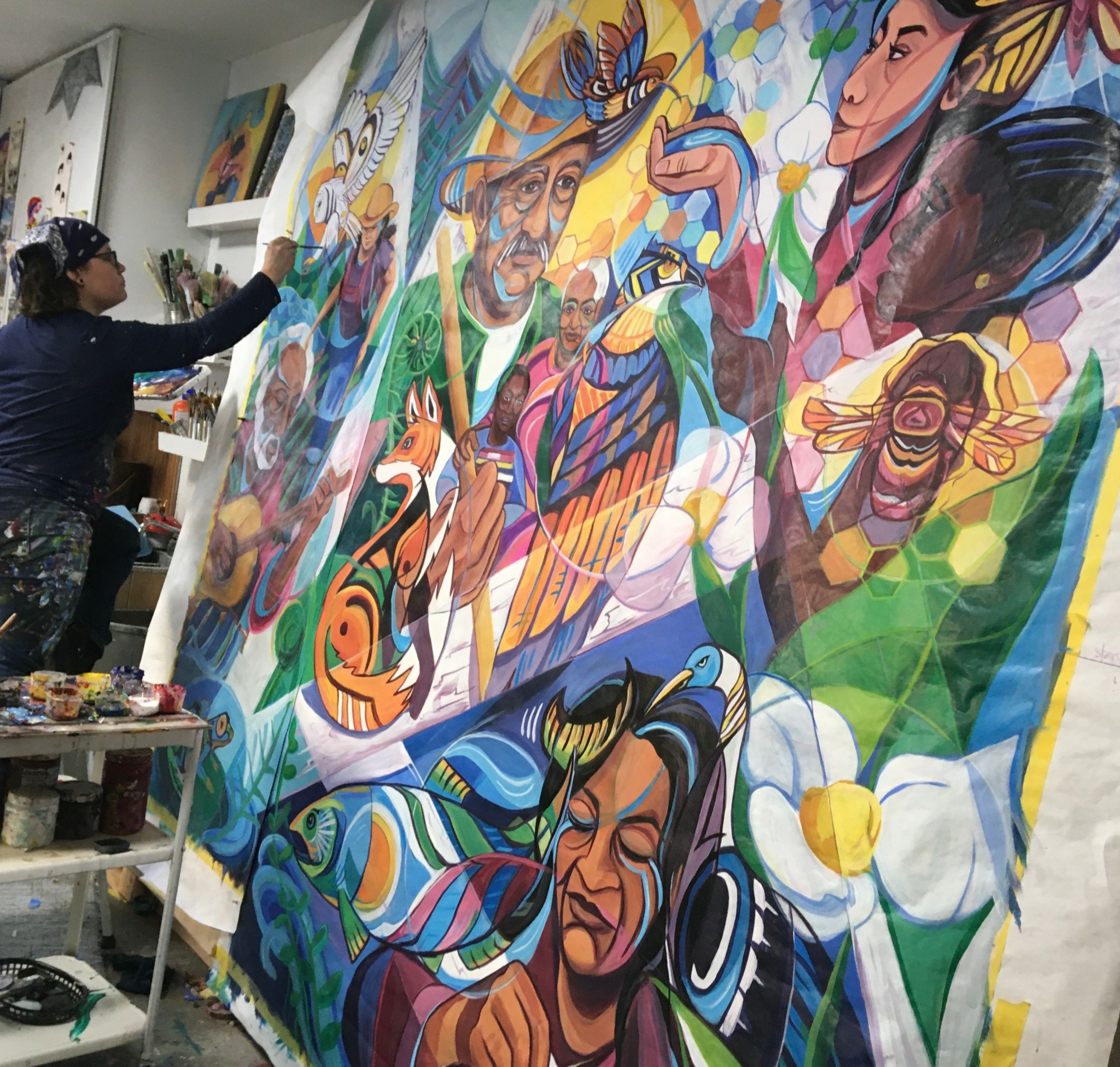
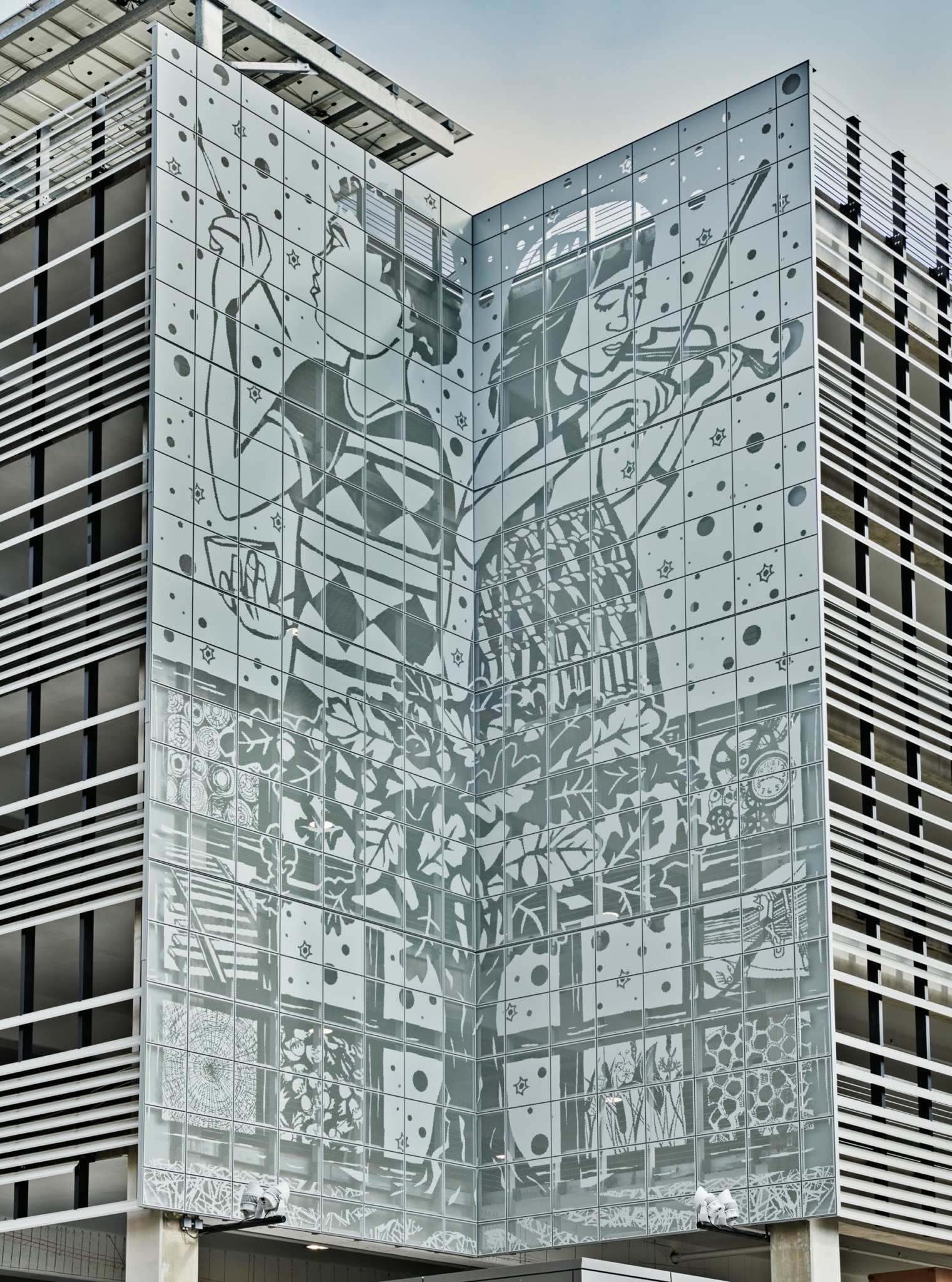
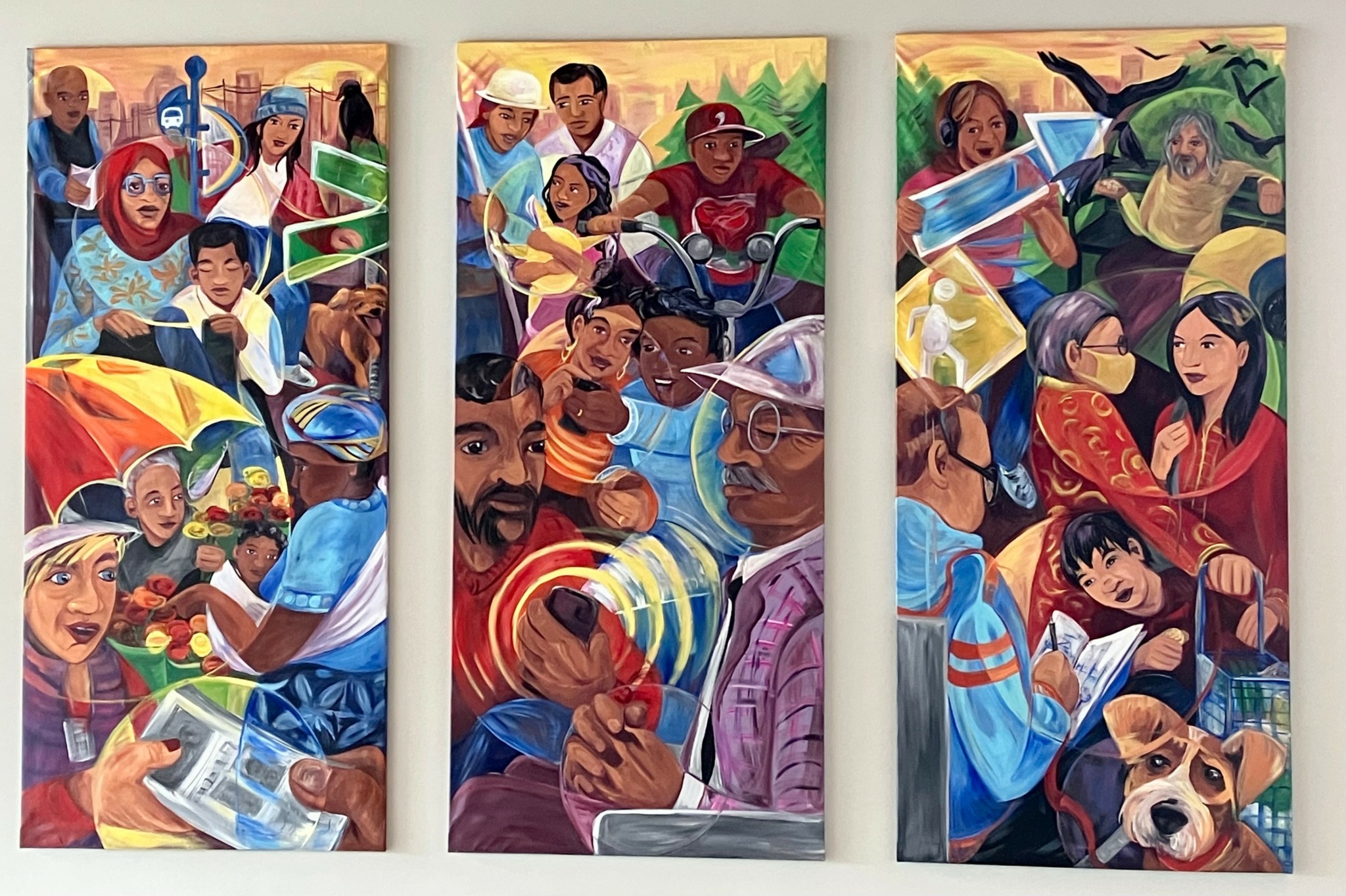
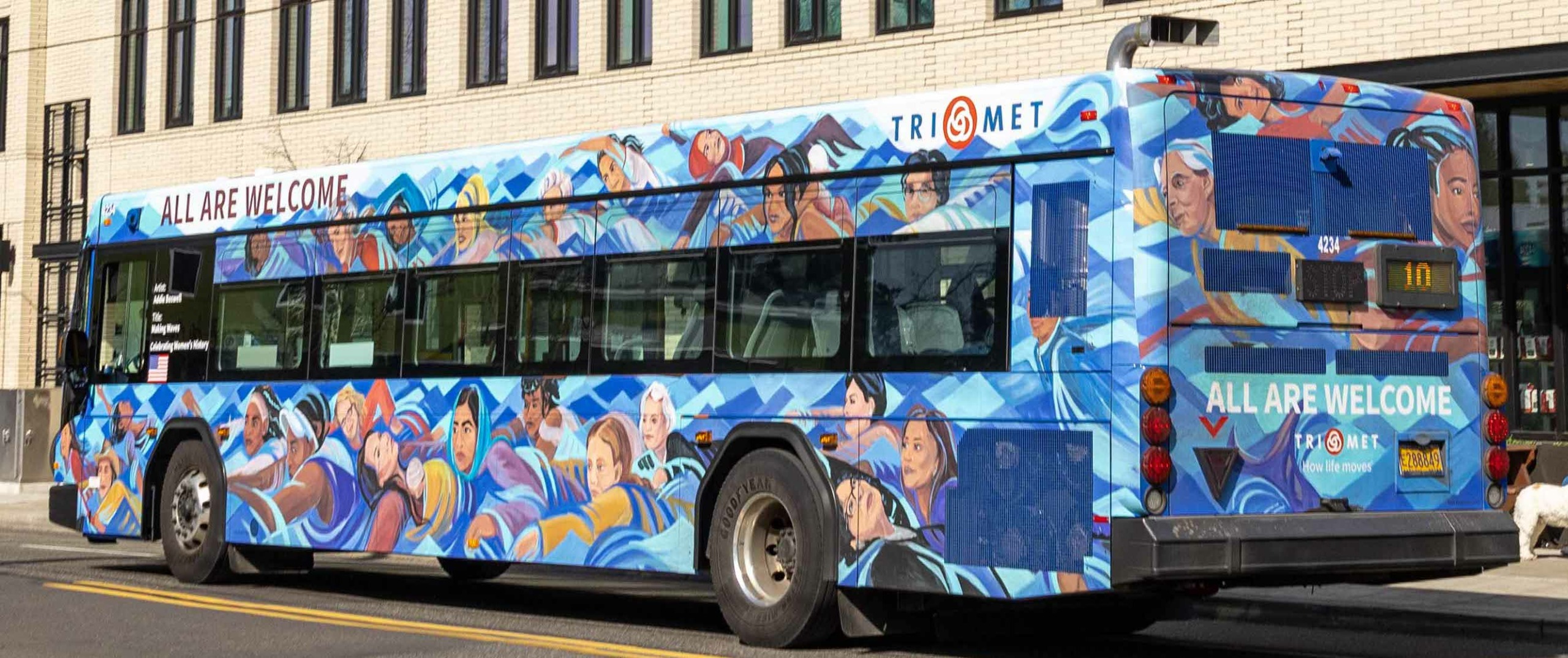
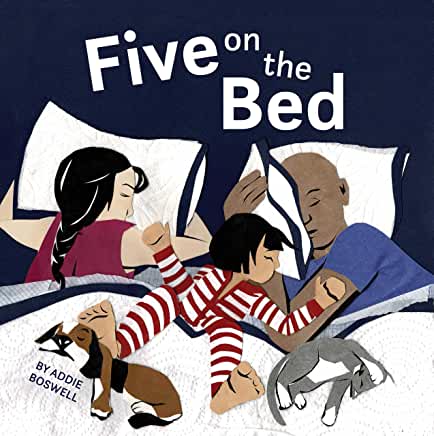
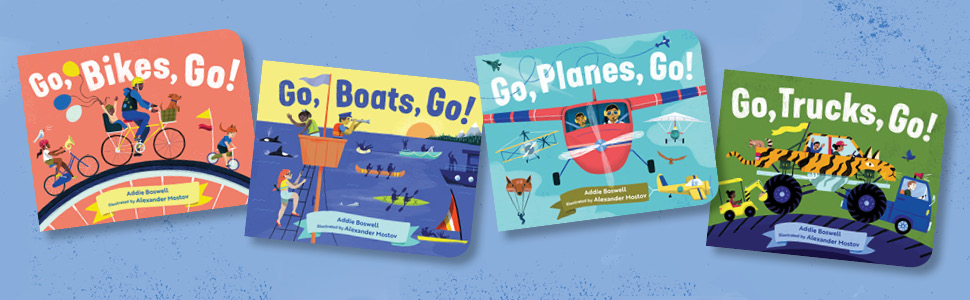
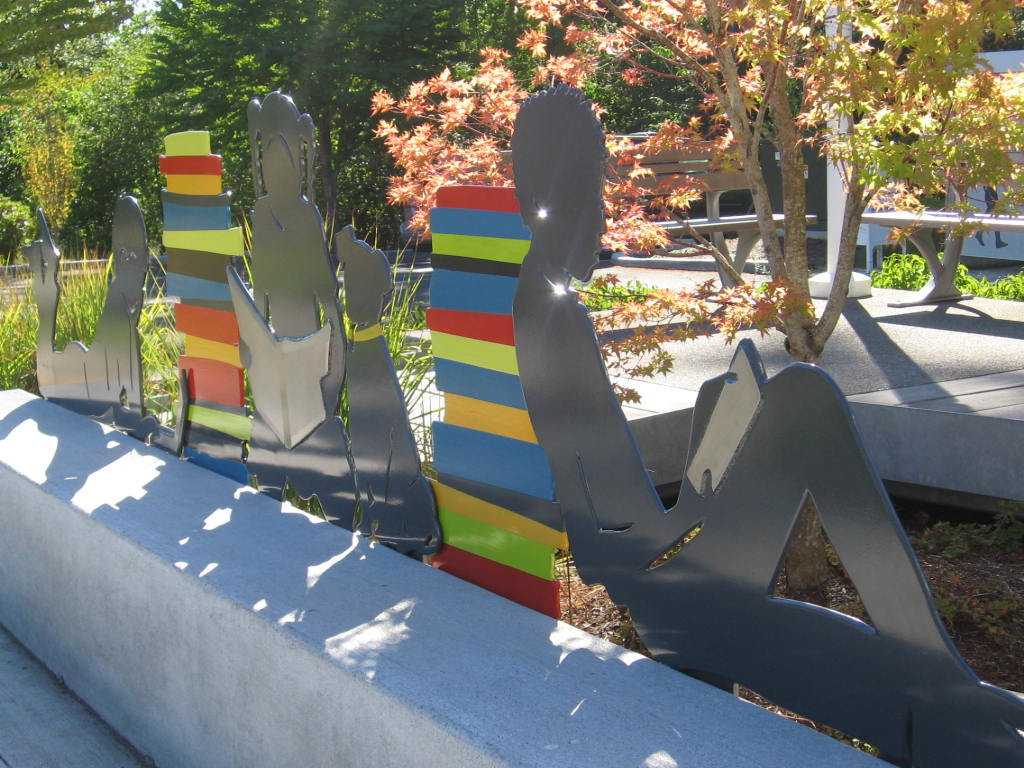
As an artist and writer, my specialty is collaborative public art that tells a story. Stories revolve around shared work and a sense of place or season, and always reference real and specific communities with strong lines and vivid color. No matter the theme, my mission is to capture the inherent beauty of regular days and the inherent dignity of ordinary citizens. My work is the public is community-based , which means I work with lots of people when creating a mural or sculptural piece. I work with committees, organize local artists, and hold workshops and drop-in painting sessions. As a visiting artist, my philosophy is “more hands on the wall,” as I have found that the impact of public art relates directly to the ownership your citizens have over it.
I always felt uncomfortable in the ‘fine art’ world of galleries and sales, so I am proud that I have found a way to create that also serves the public good. I lift other artists up with me as I grow my business.
Can you tell us about a time you’ve had to pivot?
For the first fifteen years that I was working as a freelance artist, I supplemented my income with the more stable form of teaching. I would teach at after-school programs, libraries, writing conferences, and other places that weren’t a typical 9-5. I would often feel burnt-out and think ‘maybe it’s time I quit teaching’ and commit to art full-time, but was scared to take the financial plunge. Then the pandemic. All of my teaching work dried up and there was a very uncertain year, where I was able to get the pandemic unemployment. But I also took it as a sign that it was time to stop teaching, and turned down the offers to start back up. Around that time, I won some public art projects that were bigger and more personally fulfilling than ever. One mural, in particular, was about Resilience, and I featured all the amazing Oregonians that I admired along with our resilient ecology, which was fighting through forest fires. So the pandemic forced me to finally stop the teaching work and I haven’t gone back.
We often hear about learning lessons – but just as important is unlearning lessons. Have you ever had to unlearn a lesson?
This is maybe not a lesson but a cultural norm that I have had to fight back against. When I first started out as a freelancer, I was big into the planning and organizing. I wrote a business plan and had spreadsheets for my marketing and felt guilty if I didn’t work a regular 9-5 day. There is still a feeling even now that I’m ‘getting away with something’ by being an artist and doing something I love. A lot of creating is just sitting and thinking, and gathering inspiration, and it doesn’t look like ‘working’ to a lot of the world. But the older I get, the more I try to fight against this. There are plenty of downsides to this job–especially the lack of consistency and the small financial returns. If I am to embrace the hard parts I should also embrace the good parts — like the fact that I don’t have to start work at 8:00, and nobody is going to die if I don’t open my email today. So when I have downtime between projects, or when my energy is shot, I try to allow myself to stay in bed all day and read, or take myself to the library to be re-inspired. And I also surround myself with other creatives, because they get it.
Contact Info:
- Website: https://www.addieboswell.com
- Instagram: @addiekboswell
- Linkedin: Addie Boswell
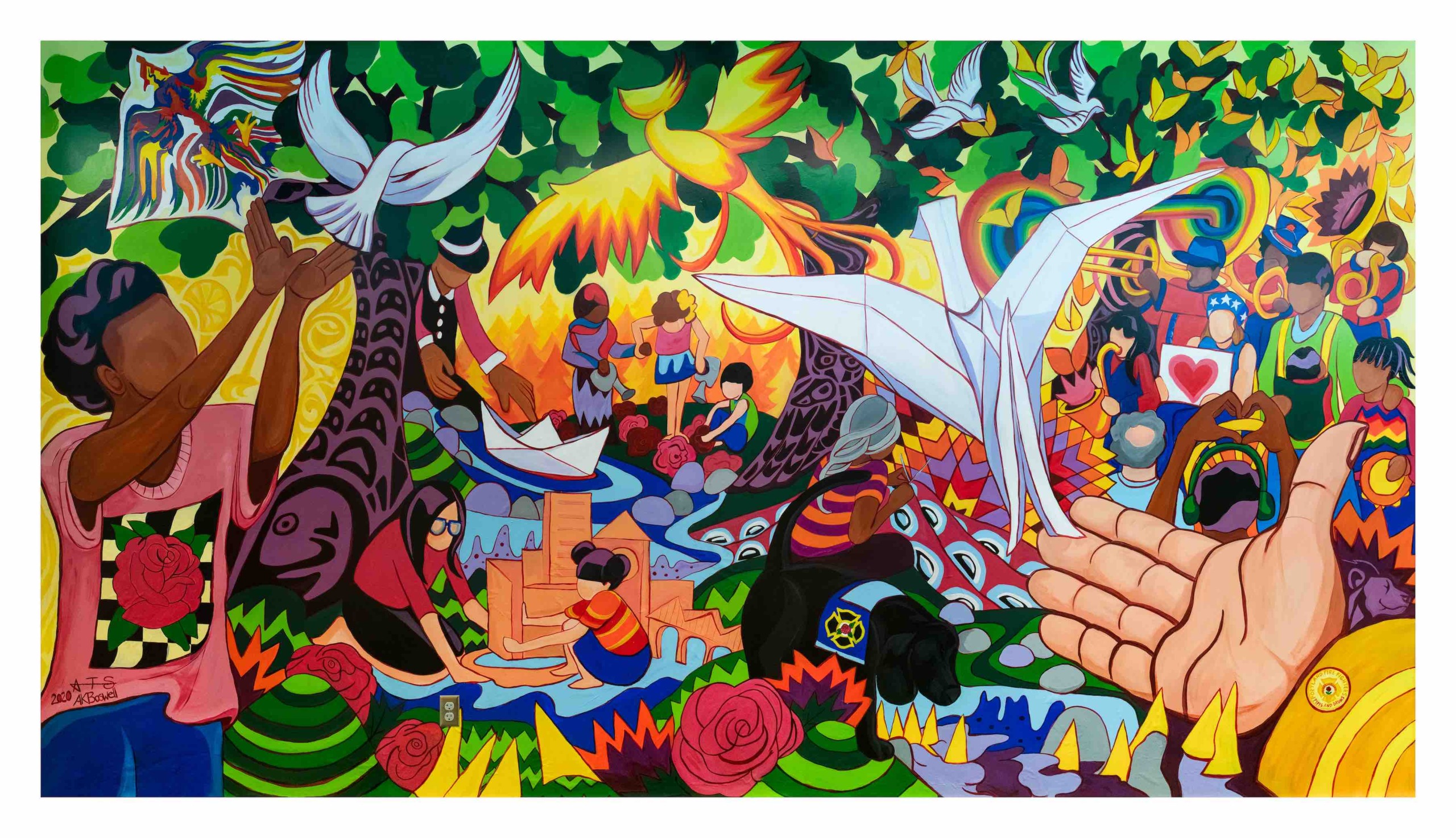
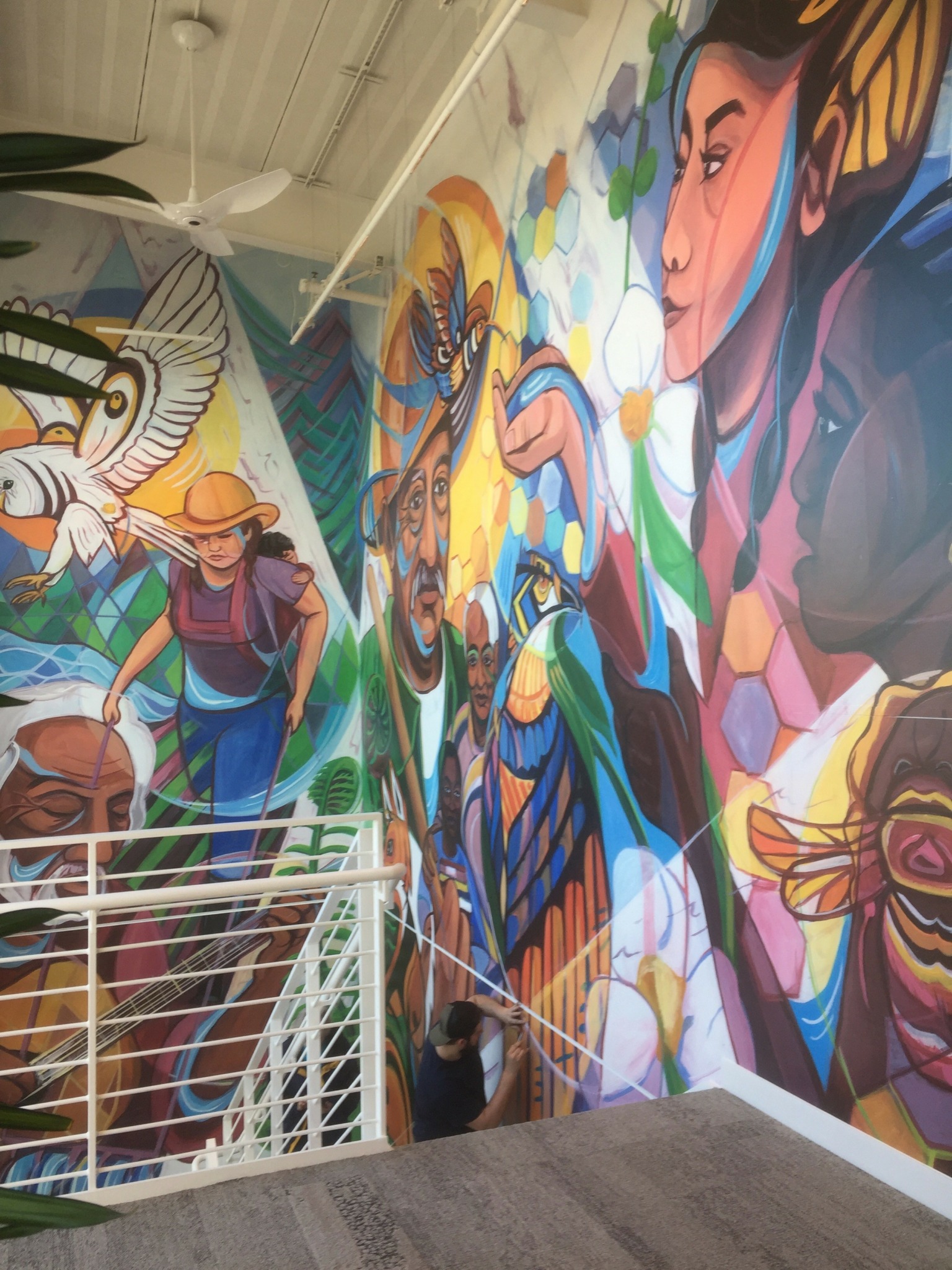
Image Credits
Abbie Crane, Addie Boswell