

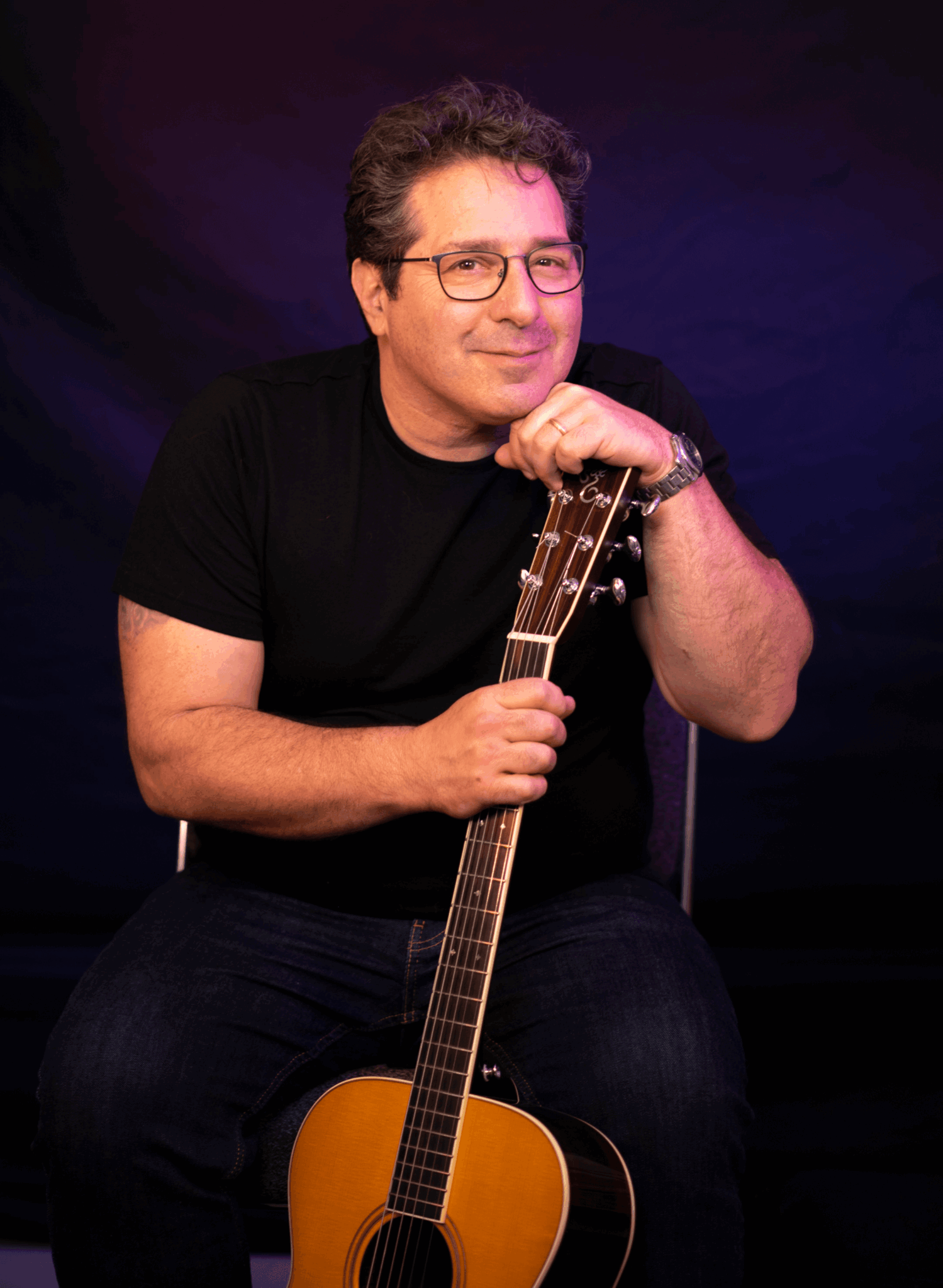

We caught up with the brilliant and insightful Adam Traum a few weeks ago and have shared our conversation below.
Hi Adam, thanks for joining us today. We’d love to hear the backstory behind a risk you’ve taken – whether big or small, walk us through what it was like and how it ultimately turned out.
I was a photojournalist for newspapers, magazines and agencies for eighteen years. I loved the work, but the news business changed from when I started. I suppose I also changed. The pressures of of making a living as a freelance photographer grew more and more intense due the emergence of digital cameras bringing more photographers into the market, combined with a shrinking news hole.
I hd played music from a young age, and did side gigs for beer money and strings from when I was in college. In 2006 I started to transition to being a full-time musician. My wife encouraged me to go out and book more gigs since the photo work had slowed down, and I was getting calls to teach and play. My father was a well-known artist and impressed on me how fickle the music business is. Even with that knowledge I was undeterred.
It started with hustling whatever gigs I could get to support my budding family. I would work long days teaching during the day, then run off to play a gig into the wee hours of the night. Then I’d get up to make breakfast for my son. I didn’t get much sleep in the early years of my music career.
Prior to my son being born I was starting to tour, but after he was born I decided to keep most of my work regional so I could be home. I felt it was important to bond with him from an early age. Now that he is almost out of the house I’m traveling more for shows.
There were definitely days where I asked myself what I was doing, and why didn’t I get a day job? The answer was always “I’m not ready to give up on my dreams.” Very occasionally I have those moments but they are few and far between. I teach, and produce lessons for online consumption, but my steady trajectory as an artist continues to grow.
As a songwriter I became more consistent in the quality of my work. As a player I’m more confident. As an artist I know who I am and what I am capable of. While I haven’t seen the big financial reward we all strive for as artists, I am making a living as an musician. I’m proud that my hard work is paying off. The quality of my shows keeps improving as I gain more traction as an artist.
Once I fully committed to my work as a musician, I saw my skills rise exponentially, my creative ideas bloomed, and pride in my accomplishments were a payoff for the risk I took.
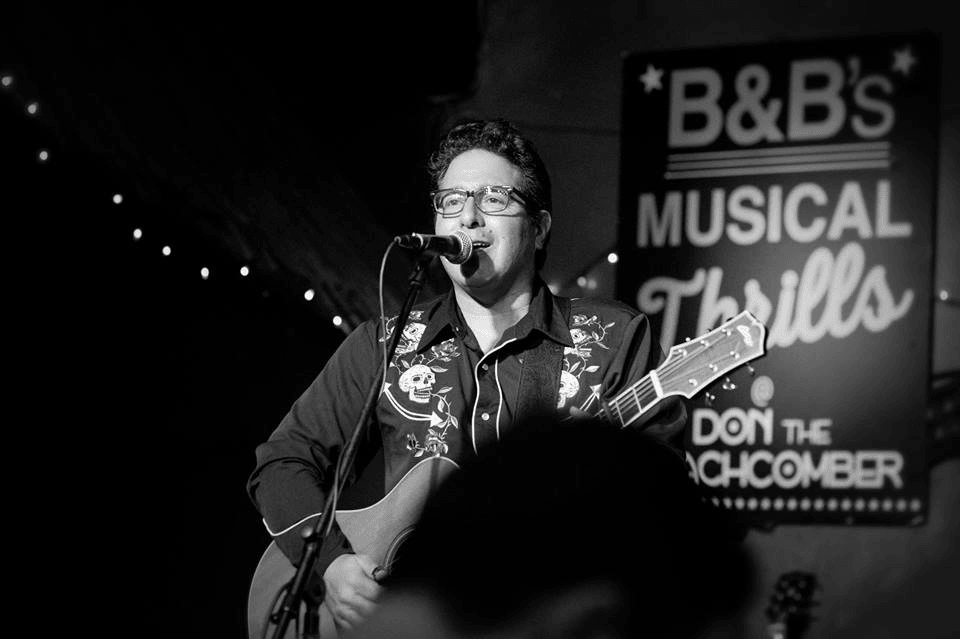
Adam, love having you share your insights with us. Before we ask you more questions, maybe you can take a moment to introduce yourself to our readers who might have missed our earlier conversations?
I grew up in a musical family where my father and uncle were well-regarded recording artists. There were lots of great musicians around the house who always encouraged me. I was invited to play in song circles as a kid once I learned a few songs worth of chords. I played in bands starting in high school and always played music after that.
In 1989 I graduated from Ithaca College with a degree in photography. I managed to get work at newspapers on both East and West Coasts. It was a great career where I got to do some interesting and historic work like shooting the Olympics and photographing the first Middle East peace agreement between Arafat and Rabin. But making music was a love affair that I couldn’t shake.
In 2003 when photo work sputtered during that recession my wife encouraged me to pivot to being a professional musician. The counsel of my dad and uncle along with their talented friends gave me great advice when I needed it. Although both my dad and uncle have passed, I still call on family friends when I need advice.
After a few years of hard work my skills improved. I got more confident in my abilities and started understanding who I was as an artist and the role an entertainer plays in other people’s lives.
In the years since I made that major change in my life I haven’t regretted a single day. Yes, there have been challenges, setbacks, and times that were really difficult. But the highs have been worth all the struggles. The people I have had the honor to play with and the friendships through music are worth every second of struggle.
I am proud to be a working musician. An artist friend coined the term “magic is my day job,” which I believe to be true. I see my work as essential to the spiritual well-being of the world as music connects us all.
What’s a lesson you had to unlearn and what’s the backstory?
When I was starting out I bought into the idea needing to suffer for your art. Once I flipped the script and began to value my creative work, things started to change. Unfortunately, that misnomer still exists and impacts working journeymen artists like me. But having said that, valuing my skills has had a direct correlation to making a better living.
To be a working artist is really tough. It’s filled with rejection, disappointment and frustration. But that makes the professional rewards so much sweeter. I believe the more artists who embrace our importance and value of our contributions to the world, the better everyone’s world will be.
In your view, what can society to do to best support artists, creatives and a thriving creative ecosystem?
I am going to talk about supporting independent artists in particular.
If you see someone pouring their heart out at a local pub drop a little money in their tip bucket. Buying merch from a working musician is probably the best way to support them. Yes, you can find the same music on Spotify or iTunes, but buying from them directly does more than a million streams! Literally.
Hiring live musicians for your parties and events is a great way support musicians. Not to slight DJs, but a good live performer will be an added asset to any gathering.
Last but not least, understand how many thousands of hours it took for someone to learn to play and sing. We put a lot of money into sounding good. Recording, good instruments, PA systems, cables, gas and strings all cost money. If people truly appreciated how much money and time goes into any one gig they would realize by dropping a $20 into the kitty, they are still getting a bargain.
Contact Info:
- Website: https://adamtraumguitar.com
- Instagram: @adam_traum
- Facebook: @adam traum
- Linkedin: Adam Traum
- Youtube: @adamtraum
- Soundcloud: adamtraumusic
Image Credits
Mike Lounibos,