



We caught up with the brilliant and insightful Adam Odsess-Rubin a few weeks ago and have shared our conversation below.
Adam, appreciate you joining us today. How did you learn to do what you do? Knowing what you know now, what could you have done to speed up your learning process? What skills do you think were most essential? What obstacles stood in the way of learning more?
Growing up as a queer kid, my school’s theater program was a refuge where I could express myself and make friends with other outcasts like myself. I loved performing on stage and understanding how a passionate team put a show together to entertain and provoke audiences. In high school I was cast in a LGBT-themed show called ‘The Laramie Project’ where I not only saw myself reflected on stage for the first time, but saw the impact the show had on the rest of the school and how it built tolerance through storytelling. That experience unlocked something for me as a teenager- I felt pride for the first time. I knew from opening night that I wanted to help share that experience with other queer kids like me, or anyone who was ever made to feel different and less-than.
I started National Queer Theater in 2018 in New York City to try to give back to the LGBTQ community what I received as a teen. To do that, I had to combine skills I had acquired through the years in theater production, community organizing, and arts administration. With a spirit of entrepreneurship, these skills, my passion for the mission, and the help of a lot of incredible volunteers, I was able to give birth to a small nonprofit with a big vision. The theater production skills came through years of working as a freelance actor and director in San Francisco, often performing late nights in a bar in a seedy part of town. In small theaters in the Bay Area, everyone did a bit of everything. I learned about community organizing from Cleve Jones, my old boss and mentor who assisted LGBT Rights pioneer Harvey Milk in the 1970s, and founded the AIDS Memorial Quilt. Lastly I gained skills in arts administration from the many ‘day jobs’ I’d held over the years while I performed at night, working in the offices of theaters and other arts-related nonprofits. I don’t think National Queer Theater would be possible without these experiences, each one giving me the skills needed to not only keep a nonprofit functioning, but to attract and cultivate artists and donors around a central mission rooted in social justice.
Adam, before we move on to more of these sorts of questions, can you take some time to bring our readers up to speed on you and what you do?
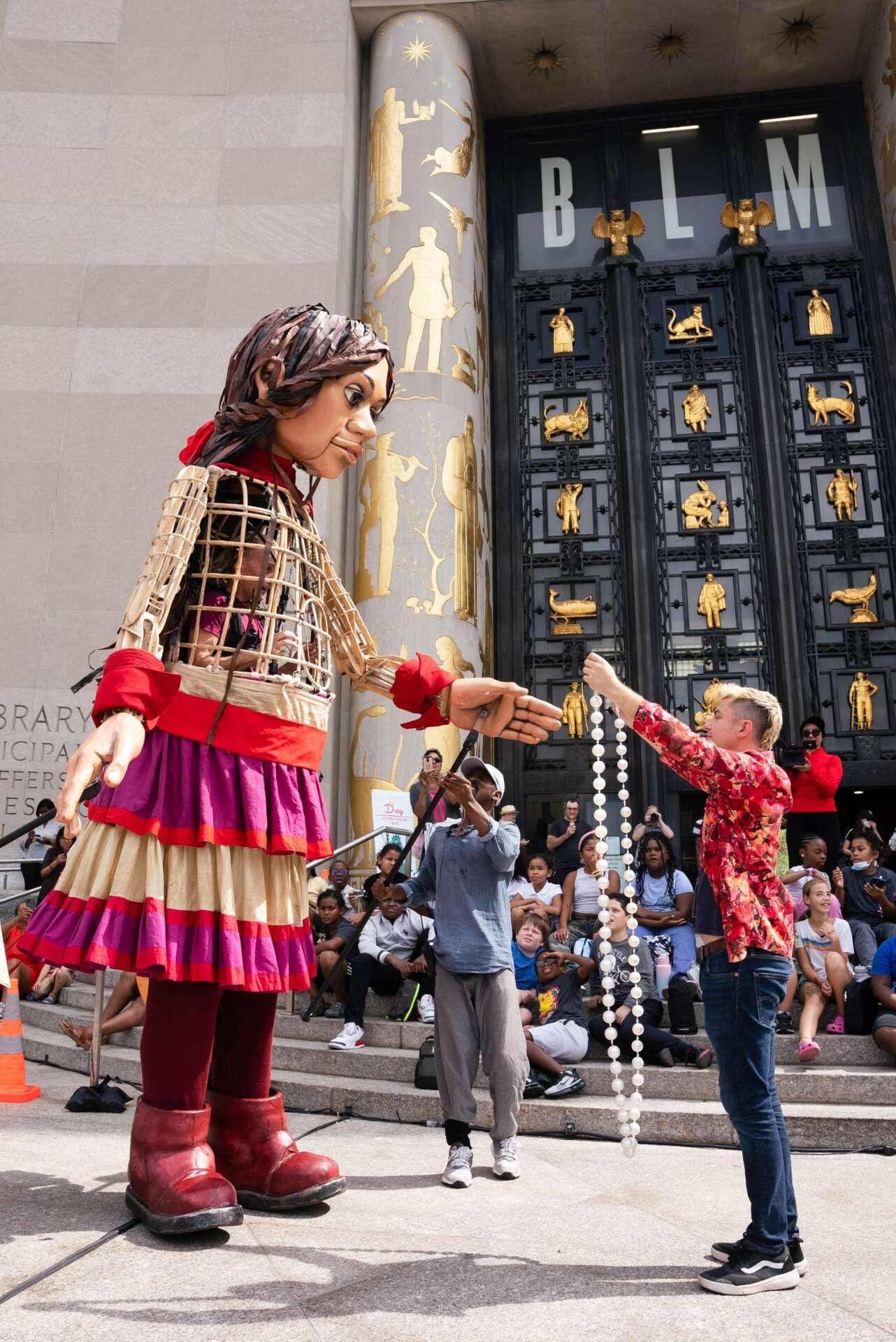
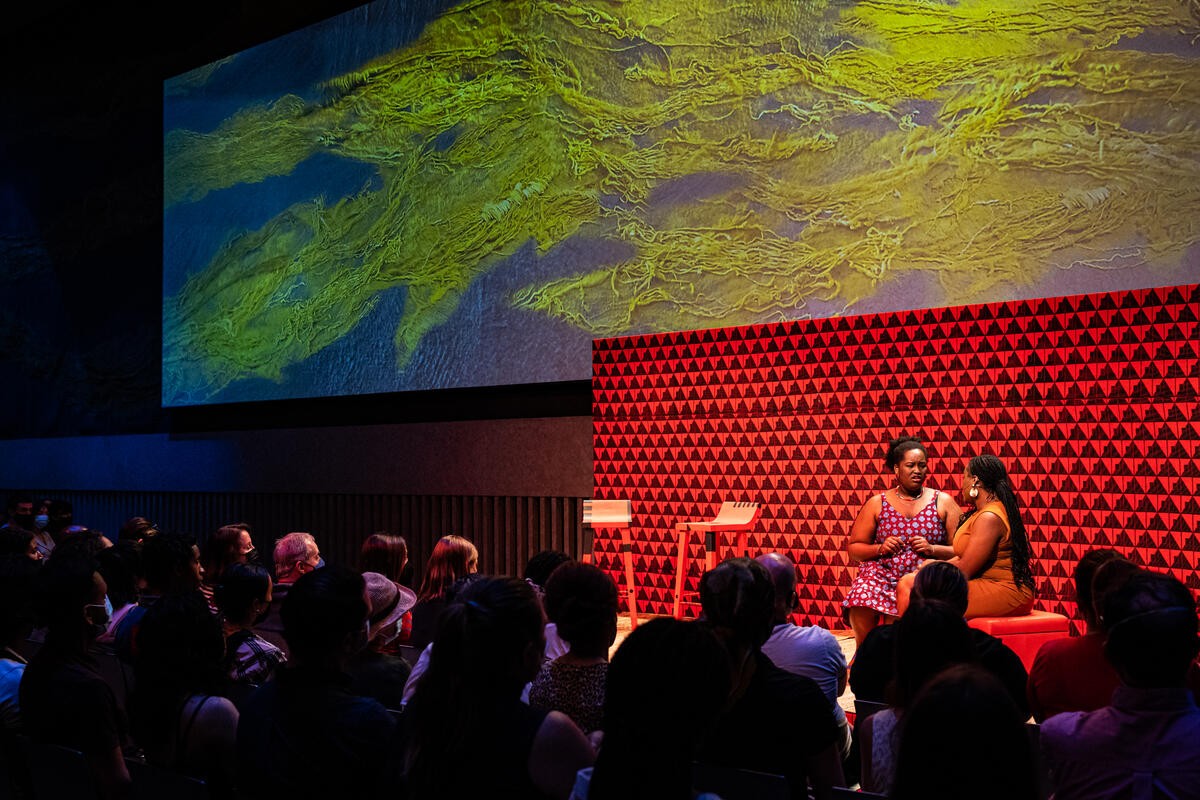
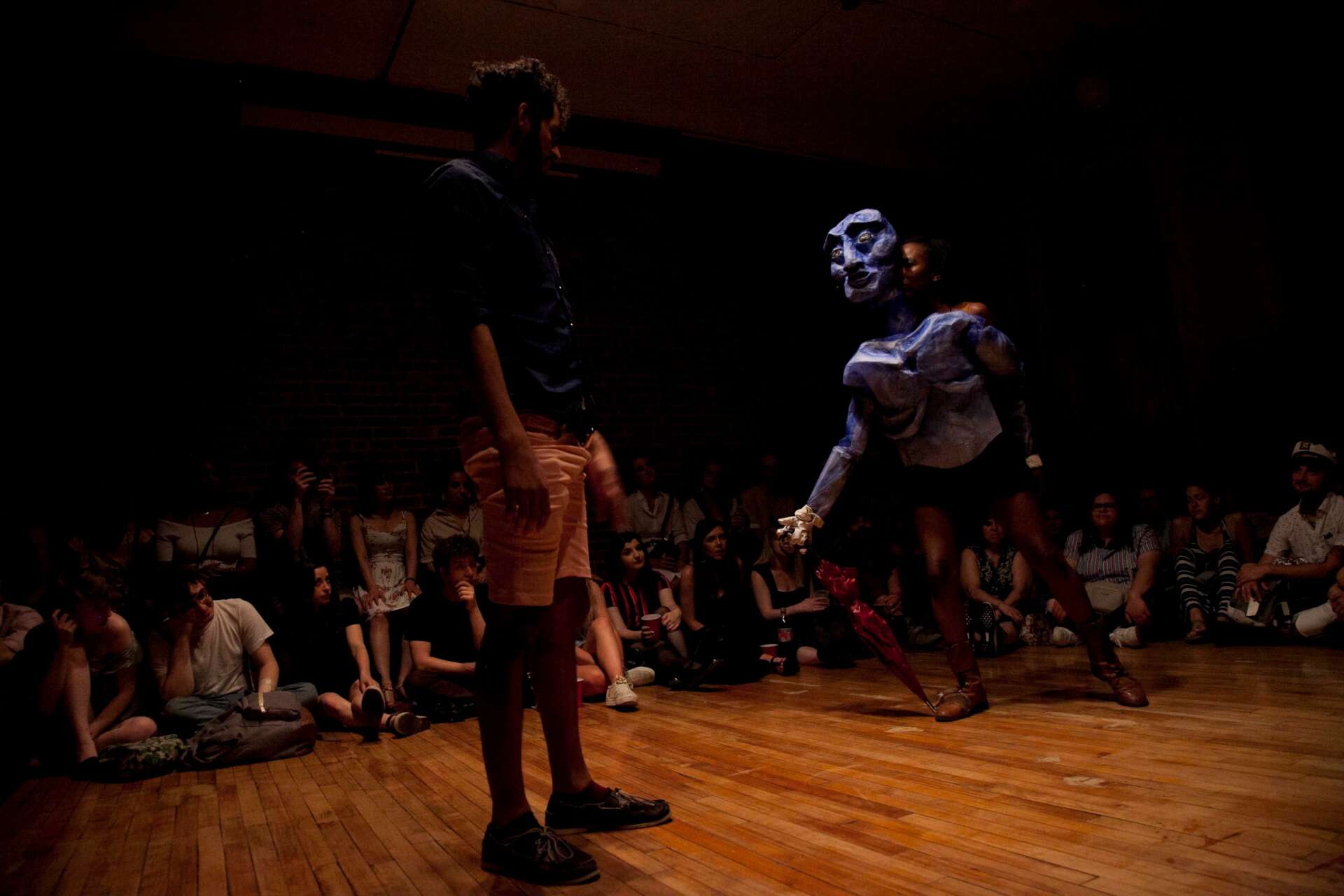
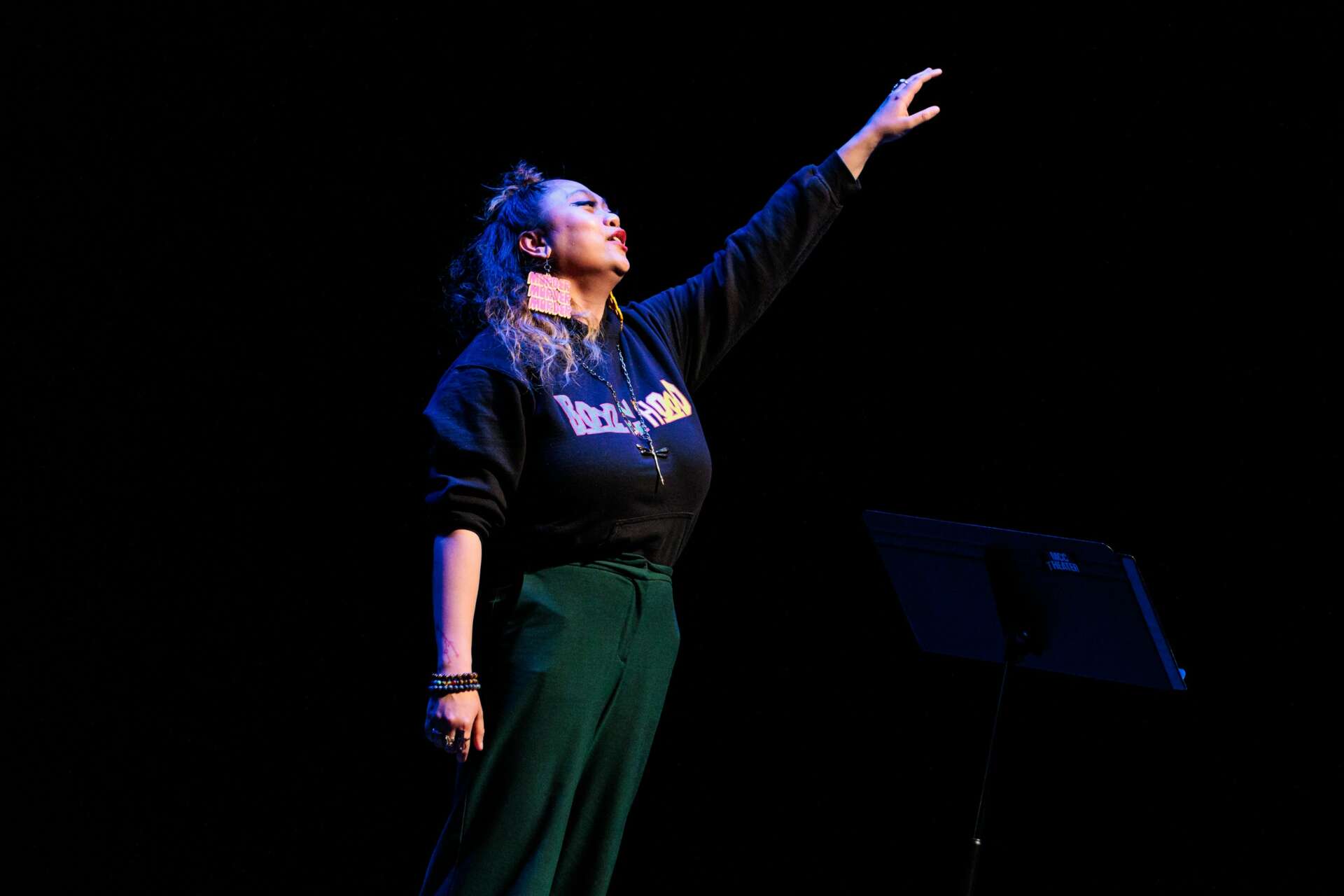
I founded National Queer Theater with the idea that theater can transform the way people think, feel, and move through the world. At NQT, we produce new plays by, for, and about the LGBTQ community and offer free community classes for marginalized members of our diverse community from playwriting classes for people living with HIV, to a fellowship for Black trans and gender non-conforming artists. Working with top LGBTQ artists from all disciplines, our productions and programs are not only about queer issues, but they are made with a queer aesthetic by those these issues are most impacting. We cast LGBTQ actors in LGBTQ roles not because straight actors can’t ‘act’ queer, but because queer people bring authenticity and passion to these rare opportunities for positive representation. We can tell our own stories. The work we do in classrooms and community centers is not just to build new audiences. We believe that artists have a critical role to play in empowering LGBTQ people, and can give non-artists the gift of creativity and free expression. We have partnered with senior centers, homeless shelters, and immigrant rights groups to ensure that everyone in our community has access to high-quality art and arts education. Perhaps we’re best known for the Criminal Queerness Festival, a theater festival every June showcasing and celebrating LGBTQ artists from countries that criminalize or censor queer people. In 70 countries, being gay is illegal. If you are a queer or trans playwright in one of these countries, it is nearly impossible for you to do your work without the threat of violence or censorship. Some artists self-censor to avoid repercussions of LGBTQ-themed work. Others leave their home countries as refugees or asylees seeking safety in places like Canada or the United States, where they are still heavily stigmatized and discriminated against. It feels like a blessing to be able to produce their plays here in New York City at venues like Lincoln Center, but the very need for a festival like this underscores the harassment and violence members of my community face every day around the world. As conservatism here in the United States aims to criminalize drag queens or ban inclusive education like with Florida’s ‘Don’t Say Gay’ law, I feel more motivated to expand National Queer Theater’s platform promoting LGBTQ stories.
In your view, what can society to do to best support artists, creatives and a thriving creative ecosystem?
We need government funding for the arts. American arts funding pales in comparison to what artists can expect in Canada or Europe. Without federal funds, struggling nonprofit arts organizations are left to fend for themselves raising money from individual donors and private foundations. We spend much of our time fundraising, time which could be used towards providing services towards vulnerable members of our community. Individual artists struggle even more financially. Most freelance artists depend on stipends from these organizations to pay for rent and healthcare, often taking on multiple other survival jobs just to get by. During the pandemic, we saw how government support programs could be transformative for artists and nonprofit arts organizations, but that relief money has dried up. Clearly there is means to continue providing this kind of support, but not the political will or prioritization. We need a federal department of arts and culture, and at least 1% of federal, state, and municipal budgets directed towards funding the arts. Live theater and performance makes New York City a top destination for travelers around the world, bringing millions to Times Square and Lower Manhattan each year. Our government officials need to invest in artists to build a thriving economy and make our cities enjoyable to live in.
Have any books or other resources had a big impact on you?
A book that’s had a profound impact on me is ‘The Revolution Will Not Be Funded: Beyond the Non-Profit Industrial Complex.’ I was assigned this book at UC Santa Cruz by one of my Community Studies professors, and it opened my eyes to the ways in which we need to operate outside of existing systems to create change. While nonprofits are responsible for creating tremendous positive impacts in all manners of social services and culture-building, they are ultimately placeholders for services that should be offered by government. When these social services are dependent on tax-evading donations from large donors who are disproportionately beneficiaries of inherited wealth (read: white) and private foundations with extensive limitations and requirements, outcomes are hamstrung by fundraising needs. I worked at a theater in California where a wealthy board member pulled their annual donation because they were asked to be part of a board diversity training. The theater scrambled, and ultimately let the board member exit the organization, but it was troubling to see how conservative funders or donors can negatively influence progressive organizations. As a nonprofit director, I’m complicit in the issues expressed by authors in this book. But I understand my organization’s limits to creating radical change. National Queer Theater can create powerful art, and teach inspiring arts classes, but the movement for queer liberation will ultimately win in the streets, at the ballot box, and in our hearts.
Contact Info:
- Website: www.nationalqueertheater.org
- Instagram: @nationalqueertheater
- Facebook: https://www.facebook.com/nationalqueertheater/
- Linkedin: https://www.linkedin.com/in/aodsessrubin/
- Twitter: https://twitter.com/queertheater
- Youtube: https://www.youtube.com/channel/UCGYV2VV-7Vd7zgggmGafpcA
Image Credits
Demond Picotte, Respective Collective, Sachyn Mital, Arts on Site