


We recently connected with Adam Morrisey and have shared our conversation below.
Adam, thanks for joining us, excited to have you contributing your stories and insights. Can you tell us about an important lesson you learned in school and why that lesson is important to you?
I’ve always been fascinated about how people make decisions, and mentorship has been a very important part of my journey, both through direct relationships and through books.
So in college I started asking successful people a question, beginning with then KPMG CEO John Veihmeyer in Miami University’s Farmer School of Business main auditorium in front of 500 other students.
I said from the back of the upper deck:
“John, you’ve been really successful. So assuming since you’ve been successful at this you must have had other things you could have done. How did you evaluate opportunities and ultimately choose the right path for you?”
And beginning with John I got a series of answers that weren’t satisfying to my 20 year-old self. Stuff like “I just kept learning”, or “I never got a better opportunity”.
It wasn’t until 5 or so years later when I was speaking with a SVP of Legal at one of my consulting clients where I got an answer that really resonated.
“To be honest I don’t believe that I critically evaluated opportunities, and if I could do it again, I would more fully evaluate the opportunities that crossed my path…
I also wouldn’t have looked at things so long term, but rather in 2 – 3 year time slots to learn something new about myself and the world…
and if I would have done that I would have had a much more interesting path”.
While I don’t necessarily believe this advice suggests that you should change careers or jobs, every few years, it has been a helpful frame for me to get present and focus on more actionable time periods.
One of my mentors speaks a lot about the concept of being a “master craftsman” which inherently implies a long game, but often involves spending dedicated time developing a combination of skills and experience that is uniquely valuable, and that’s something I aspire to do.

Adam, before we move on to more of these sorts of questions, can you take some time to bring our readers up to speed on you and what you do?
Up until my mid-20s I followed a fairly direct path. I went to school at Miami University in Ohio, studied accounting, got a CPA license and started my career at PwC in Cincinnati.
I liked the professional environment and learning about how businesses work both financially and operationally. I was traveling a lot for work at ended up moving to Dallas where I felt my life opened up professionally and personally.
I switched groups at PwC into a fairly elite M&A management consulting group typically reserved for post-MBA professionals, and then ultimately moved over to a family office investment firm.
It was during this time, where I began looking more inward, immersing myself in books related to emotional-spiritual growth and found counselors, mentors and teachers that helped me develop more of my person.
I got involved in the Dallas non-profit community, working with groups like Social Venture Partners, The Urban Specialists and Beyond the Ball, and also was a Big Brother in Big Brothers Big Sisters – one of my most impactful experiences to date.
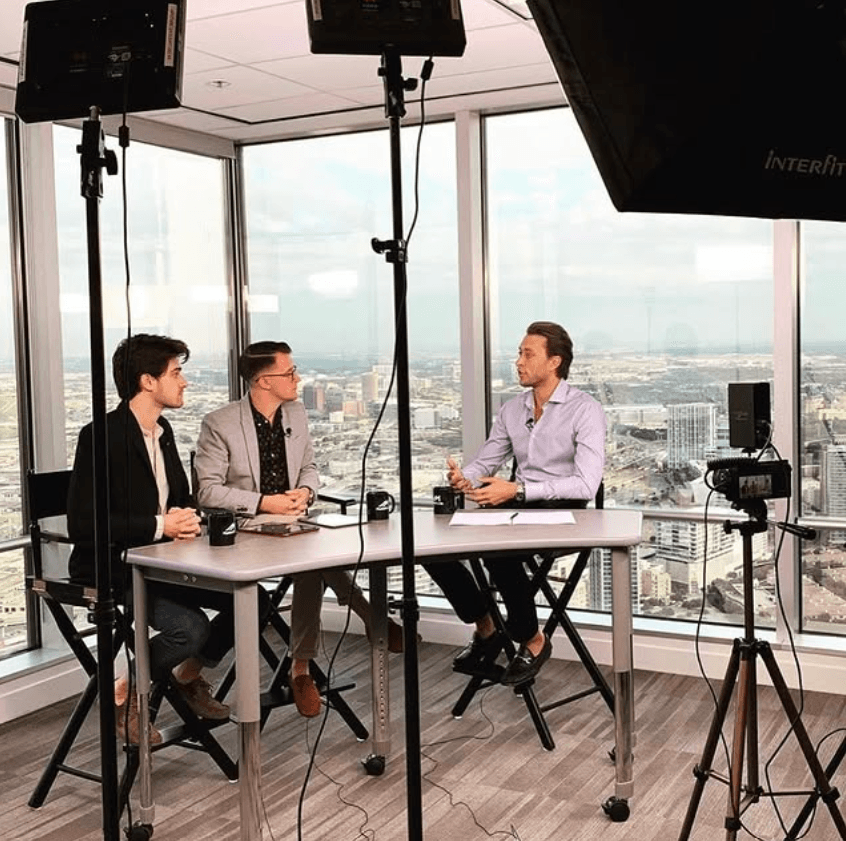
In parallel I got asked to host a podcast series which eventually evolved into my current show “Tuesdays with Morrisey” which hosts conversations with authors, entrepreneurs, and thought leaders, and has grown to host conversations which some of my favorite thinkers of all time, including Steven Pressfield and Daniel Pink.
At the family office, I got really interested in how established businesses were being impact by technology and got the opportunity to lead sales and marketing as Chief Growth Officer at Shipshape, a venture backed tech startup in Austin.
I spent 4 years building at Shipshape before joining my current firm which focuses on buy-side M&A advisory services for investment firms and portfolio companies. I really enjoy learning about new industries and helping people navigate complex scenarios, and this environment gives the opportunity to do that.
Occasionally, I’ll help some smaller businesses navigate growth, changes and exit planning, and I’m most proud of the worldview I’ve developed and my ability to connect the activities we do in work and life to a deeper sense of meaning, and share that with the people I interact with to hopefully enrich their experience.
We often hear about learning lessons – but just as important is unlearning lessons. Have you ever had to unlearn a lesson?
Growing up and into early adulthood I put a lot of emphasis on intellect and “figuring out” the right answers. Through the education system and my background in finance and accounting, I also absorbed the idea that whatever I was doing, I had to do it all on my own. I’ve seen other people live out this belief and I think it is one of the reasons so many organizations struggle to build real collaboration.
Over time I’ve learned that wisdom often means being able to hold multiple conflicting truths in your hands at the same time. It means letting go of black and white answers, trusting yourself enough to take steps forward without complete information, and being comfortable asking for help.
When I entered the working world I was surprised by how much there still was to figure out, and I’ve realized that the most important thing is to be someone who can work well with different kinds of people and develop points of view that evolve over time.
I’ve also come to understand the difference between success and fulfillment. Like many others, I’ve experienced how hollow success can feel at times and that these episodes do not always lasting happiness.
I did a podcast with Gay and Katie Hendricks, authors of The Big Leap, who I consider to be the original conscious leadership power couple. I distill the lessons from that episode as saying that the core fruits of the human experience are creativity, authenticity, and love, and the inputs to those fruits are presence, ownership, wonder, honesty, and courage.
To me, these innate traits that we can bring with us anywhere we go, bring much more lasting value and fulfillment than our material possessions, experiences and successes.
Can you talk to us about your experience with selling businesses?
I recently helped sell a 7-figure home services business in Texas. The owners started the business 15 years ago doing custom landscape design and build work for homes in the area, with a specialty in eco-landscapes and central texas landscapes.
I was introduced to the clients through a mentor and friend of mine who knew their parents from childhood.
It is always is a meaningful experience to help people navigate a complex scenario that they otherwise wouldn’t be fully equipped to handle, and to help them achieve the largest financial payout of their lives.
Selling a business can be a very personal and emotional experience that requires planning to make sure the business is positioned well for prospective buyers.
One of the things we did in this sale was bring in a part time GM to operate the business to expand our buyer pool to include individuals and groups that wanted a more passive opportunity.
We also spent a lot of time with our final group of buyers creating a personal connection as the transition period of a business sale is a collaborative partnership, and beyond that the sellers are passing their legacy to their new buyers.
The biggest advice I would give prospective sellers is to think about it ahead of time, have conversations with relevant groups to learn about your exit opportunities, and don’t try to do it all by yourselves.
Contact Info:
- Website: https://substack.com/@adamhmorrisey
- Instagram: https://www.instagram.com/adamhmorrisey
- Linkedin: https://www.linkedin.com/in/adamhmorrisey/
- Twitter: @adamhmorrisey
- Youtube: https://www.youtube.com/@adamhmorrisey
- Other: TikTok -@adamhmorrisey
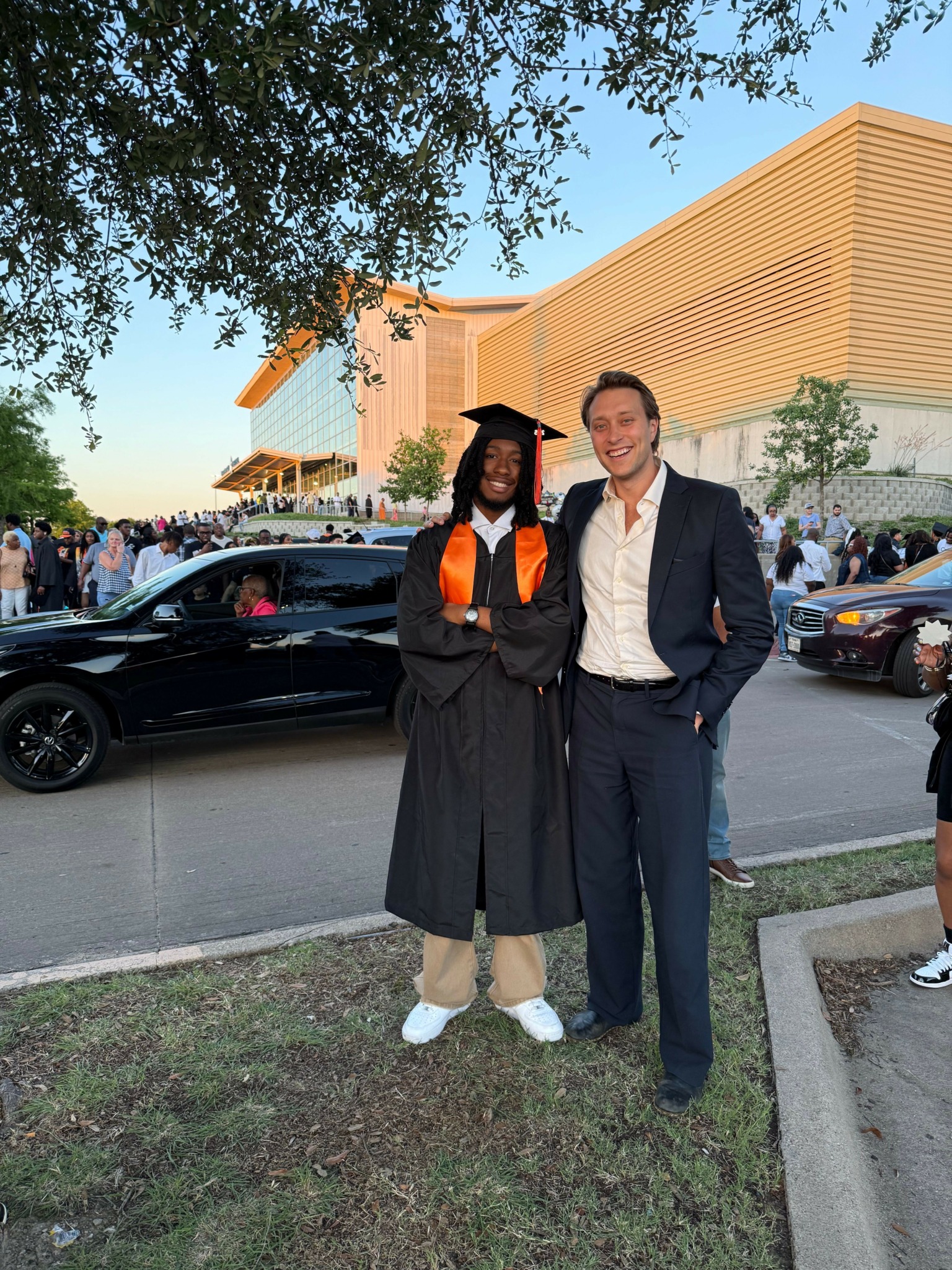
Image Credits
Bailey Toksoz, Essence Creative