

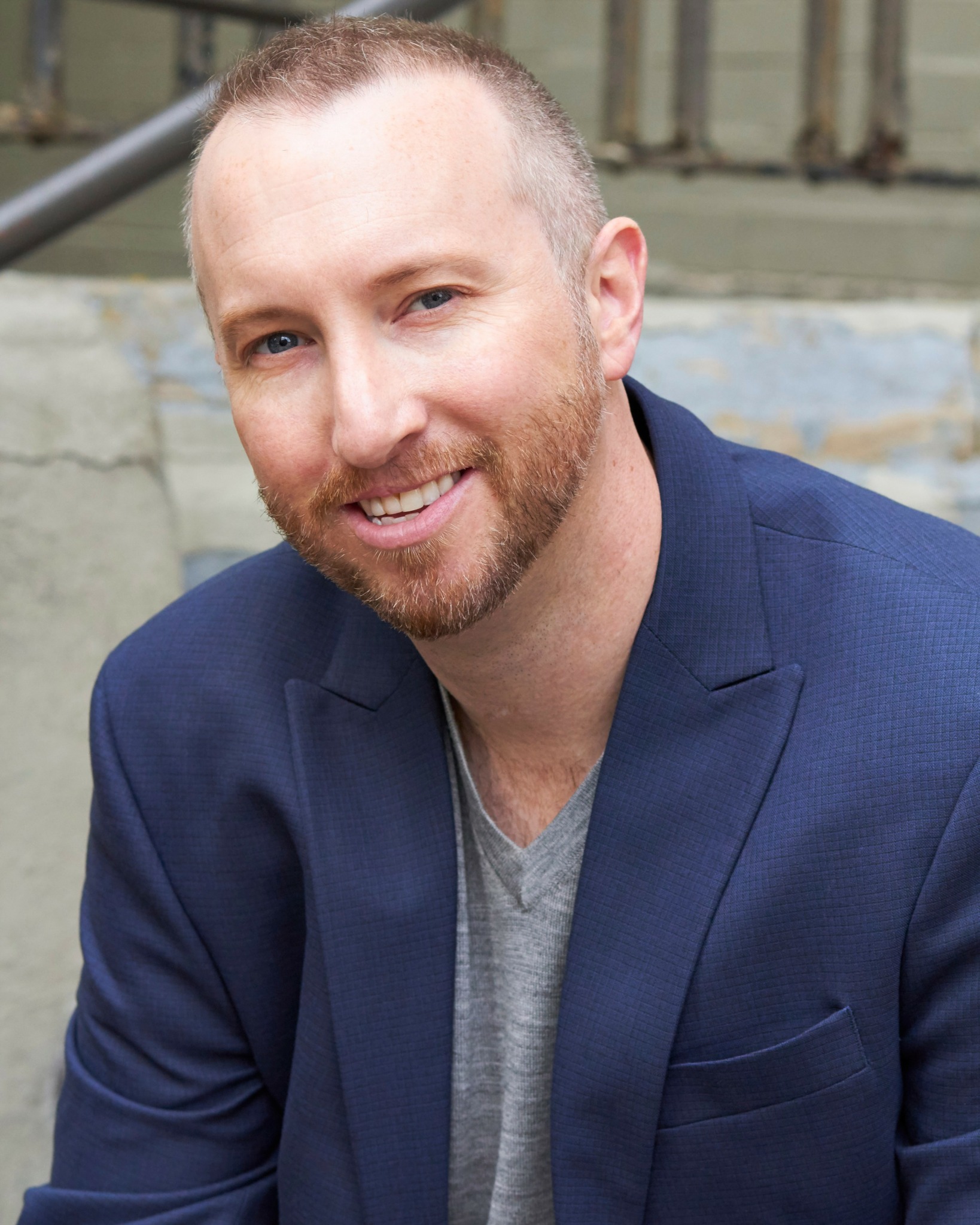

Alright – so today we’ve got the honor of introducing you to Adam Cates. We think you’ll enjoy our conversation, we’ve shared it below.
Adam, appreciate you joining us today. Earning a full time living from one’s creative career can be incredibly difficult. Have you been able to do so and if so, can you share some of the key parts of your journey and any important advice or lessons that might help creatives who haven’t been able to yet?
The pathway for freelance artists is not easy for anyone, regardless of talent level. Getting a creative career started in the first place can be one of the most difficult aspects. I began my career primarily as a professional dancer in stage productions. Those who spent their childhood in rigorous dance training know that finding any level of success and recognition requires strong work ethic, an ability to bear physical pain, full commitment of one’s heart despite the inherent rejections, sacrificing holidays and other life moments, and there should be great artistic talent involved, of course. While dance itself is for all bodies, a career in dance is certainly not for everyone. It’s hard, unforgiving work.
Like many young adult performing artists, I pursued a bachelor’s degree to boost my training and skills, began the audition process, and took summer stock, theme park, and small professional gigs. I moved to New York City at age 22 with my Equity card in hand and a dream to perform on Broadway. I had the survival jobs (temping, retail, office work, etc.) and kept auditioning weekly, booking some good contracts along the way. These were regional and touring contracts that might last a few weeks or months, but ultimately put me back into the audition pool with great frequency. The grind was real. Surviving in New York was rough, financially and emotionally. I was nowhere close to making a full-time living from my creative work as a performer.
I identified myself as a musical theatre and commercial dancer and my narrow vision reflected that role when I defined what full-time creative work should be. The reality of my full-time performance pursuit in New York looked like some gigging with mindless survival jobs on the side, scraping by month to month to makes ends meet. My reality was that working full time as a creative was not going to be tied to performance alone—I had to challenge the narrow definition I had made for myself.
Outside of performance, I was getting offers to teach dance to young people. I had always taught on the side for fun but hadn’t at first considered teaching as a source of “creative income.” It was just something I enjoyed doing, making “gas money” on the side. The more I began focusing on it, however, the more teaching work I began finding in between performance contracts. Teaching gave me more than studio time, passing along knowledge to eager young people. It provided opportunities to explore choreography, work as an adjudicator in the national competition scene, make a variety of industry connections, and become a better dancer myself. Soon, I also began accepting offers to assist other creatives, learning how to direct and manage others in rehearsal while also building shows. Instead of staying narrowly focused on just one goal as a performer, I consciously began walking through the doors of creative opportunity as they presented themselves. I never knew where they would ultimately lead, but it didn’t matter. I was networking. I was exploring the variety of my skill set. I was applying my work ethic. I was gaining institutional knowledge. I was laying the foundation for what was to come later in life even though I couldn’t see a clear future.
My schedule of work very quickly began to look different from one year to the next. Using my skills at organization and keeping in touch with the network of industry professionals I had built, I would cobble together a series of performing contracts, teaching opportunities, weekend judging gigs, event managing, choreography for children’s dance studios, assisting seasoned choreographers, assisting casting directors at auditions, and more. What I no longer had to do was office temp, cater, babysit, wait tables, retail, etc. I found myself on the road a lot, but I was earning a full time living in my chosen creative industry through a self-designed and vast web of freelance contracting. It worked for me. I won’t say living in New York got easier, but at least I was working in my field all the time. I could both be creative and be surrounded by creativity. Eventually, I did make my Broadway debut, but not in the way that I originally thought I would. Instead of being in the cast, I was helping to conceive and create the shows behind the table. The opportunities I took a risk in accepting as a young performer and the permission I gave myself to evolve my vision led to accomplishing my goals in ways I never dreamt of as a kid.
Performance contracts always come to an end by industry design; regardless of talent, performance jobs do not provide long-term job security at any level—even network TV series go on hiatus and Broadway shows close. Making a full time living as a creative requires that you assess your skill sets, remain incredibly organized, challenge your comfort level, and think outside of the box using a heightened sense of self-awareness. Earning a living full-time as a creative might not be tied to one single expression of your artistry. We have to be both flexible and multi-faceted. If the pandemic taught us anything it is that diversifying our economy is key—that goes for your personal finances as an artist too. Expect that you’ll have income from multiple sources.
What is the definition of being “a creative?” That’s up to you to define for yourself, but don’t be afraid to expand your definition like I did. There may be different mediums to express your creativity. I’ve seen talented performers take on side hustles as photographers, graphic designers, and even window dressers in department stores that have proven lucrative, stable, artistically fulfilling, and flexible enough to continue taking performance contracts. Don’t be afraid to explore the adjacent roles that also support the creativity of others—from assisting to administrative work. You may discover better ways to boost the support for your own creative endeavors in the process. Expanding your skill set in your desired creative field will only lead to more opportunity. As one of my great Broadway mentors taught me, it’s all for credit!
Creative thinkers who also have strong work ethic and follow-through bring a lot to the table. Employers recognize this value. A willingness to roll up your sleeves in a collaborative spirit is a gift to any workspace. Ultimately, if you find yourself dreaming of full-time creative work but seem stuck in a rut, consider that it may be a rut of your own design. The time to take a risk is now. Start trusting your talent, building new skills, expanding your industry knowledge, and walking through the doors of opportunity that the universe puts in your path – you never know where those doors might lead.

As always, we appreciate you sharing your insights and we’ve got a few more questions for you, but before we get to all of that can you take a minute to introduce yourself and give our readers some of your back background and context?
I have experienced the incredible journey of what it means to be a full-time working artist firsthand. I have a background as a director, choreographer, playwright, creative director, educator, producer, public speaker, and performer with credits including Tony Award-winning Broadway musicals, television, opera, national tours, concerts, film, regional and commercial theater, and more. Across my two decades based in New York City, I taught for multiple universities and arts institutions as an adjunct professor, guest artist-in-residence, and guest lecturer, holding an MFA in Interdisciplinary Arts. My self-help book “The Business of Show” has been a best seller among young, aspiring adult performing artists for over a decade. I am presently the Director of Community Engagement for the Pioneer Center for the Performing Arts in Reno, NV and continue to freelance across the US and abroad as an educator and theatre director.
What do you find most rewarding about being a creative?
The most rewarding aspect of being an artist is the community of wonderful humans who have come into my life because of it.
Can you tell us about a time you’ve had to pivot?
Like many of my fellow theatre makers, the pandemic forced a great pivot in my life. I was just finishing my MFA and was looking to make a life change in that time period anyway. The pandemic closed the theatre industry for a year and a half, providing me more than enough time to find what my next steps would be. At the beginning, I had no idea it would lead me back to my hometown into a position created for me at the largest performing arts center in our region. I now spend my days using my institutional knowledge and skill sets to create opportunity for and develop artists in the same city that raised and helped me develop as a young artist. And I still work in the Broadway community as our theater is a local presenter of Broadway touring productions. By walking through a door of opportunity (not knowing where it would lead), I landed into one of the most fulfilling jobs of my entire career.
Contact Info:
- Website: https://www.adamcates.com
- Instagram: @adamcnyc
- Facebook: https://www.facebook.com/AdamCatesChoreo
- Linkedin: https://www.linkedin.com/in/adamcates/
Image Credits
Benjamin Rivera Photography, New York City
(second photo is personal, no credit required)