

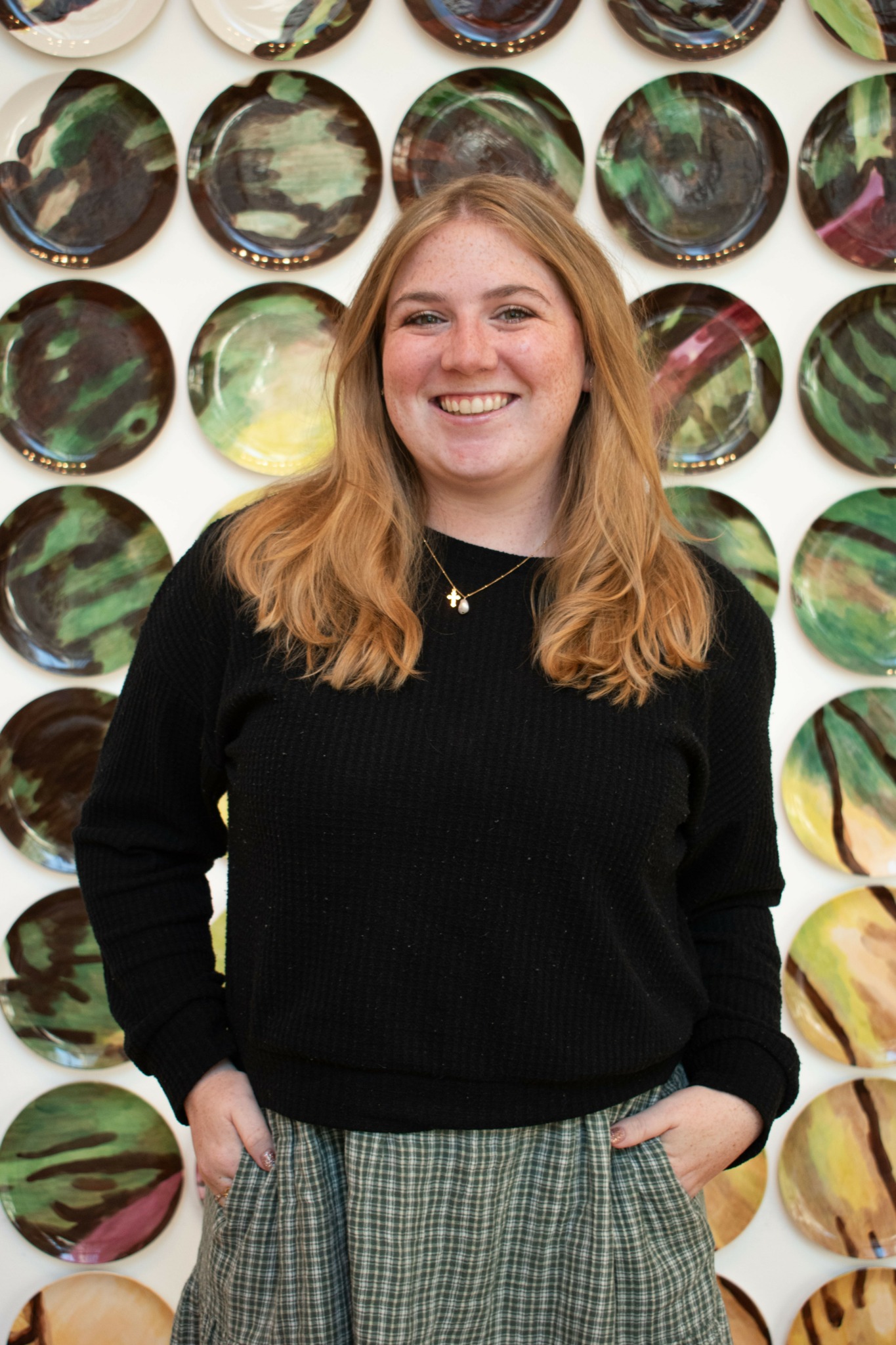

We were lucky to catch up with Abigail Boylen recently and have shared our conversation below.
Abigail, thanks for joining us, excited to have you contributing your stories and insights. Can you talk to us about how you learned to do what you do?
I have always had a passion for art, and if I sit down and think about when I first started to pursue art, I can track it back to an after-school art club that I begged my parents to let me be a part of. The club focused mainly on painting, which for ten year old me was like a dream come true. From that point forward, I fell in love with painting. Fast forward to high school, I finally got to take a painting class, and this also drove my curiosity for the medium further. At this point, I knew I wanted to pursue art as a career. After earning my BFA with a concentration in painting, I feel like I’ve reached a point in my art where I possess many of the skills I need to be able to continue to push my art to my highest potential.
I feel the most essential skills I learned came from practicing in various mediums. Each medium presents its own unique set of challenges and limitations, but by working with watercolors, oils, and acrylics, I found I was able to transfer my skills from each medium to the others. For example, while acrylics dry much faster, because I learned to blend with watercolors and oils I already had the skills I needed to do the same in acrylic. Watercolors and oils were much more challenging for me, but because I took the time to learn those mediums, by the time I go to working in acrylics I had a solid foundation to painting in general.
I found the biggest obstacle that stood in the way of learning more was access to materials. When I was in college, it was easy to explore new media and techniques because I easily had access to all the necessary materials. However, now post-grad, I have to be the one to provide those materials, which can cause a strain on exploration. While it can be challenging, I still try and find every opportunity I can to try new mediums or materials when presented the chance.
Abigail, before we move on to more of these sorts of questions, can you take some time to bring our readers up to speed on you and what you do?
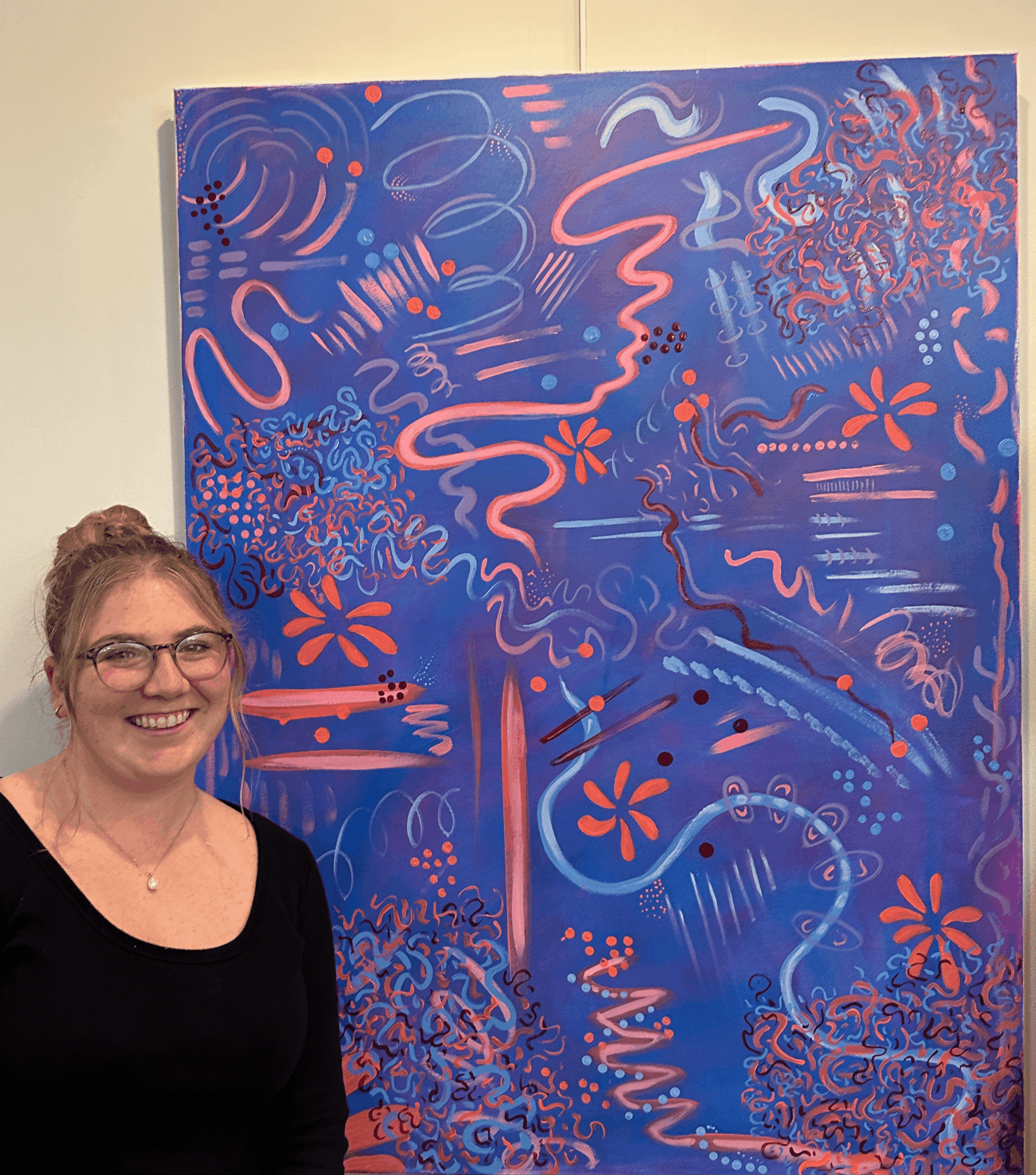
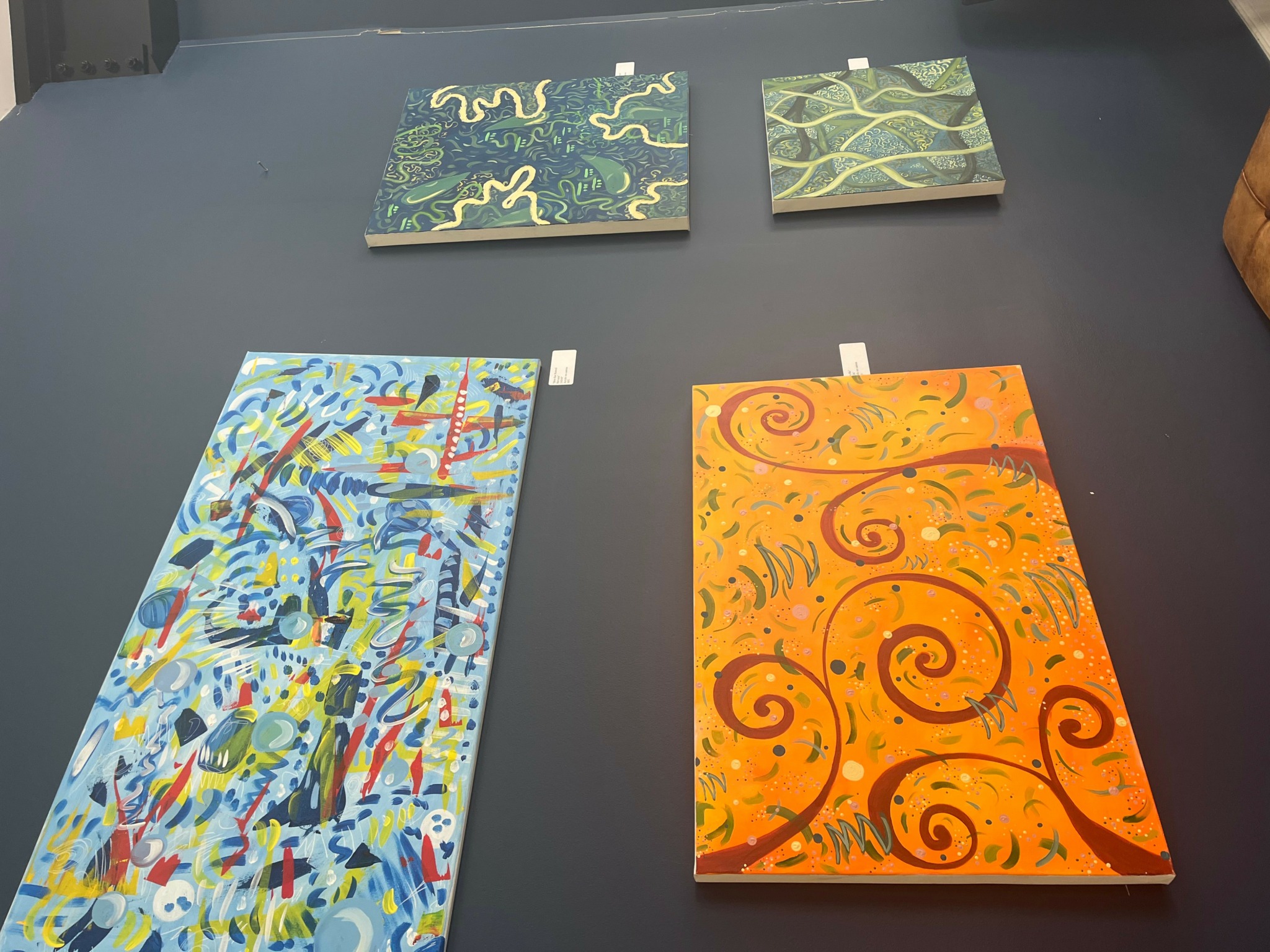
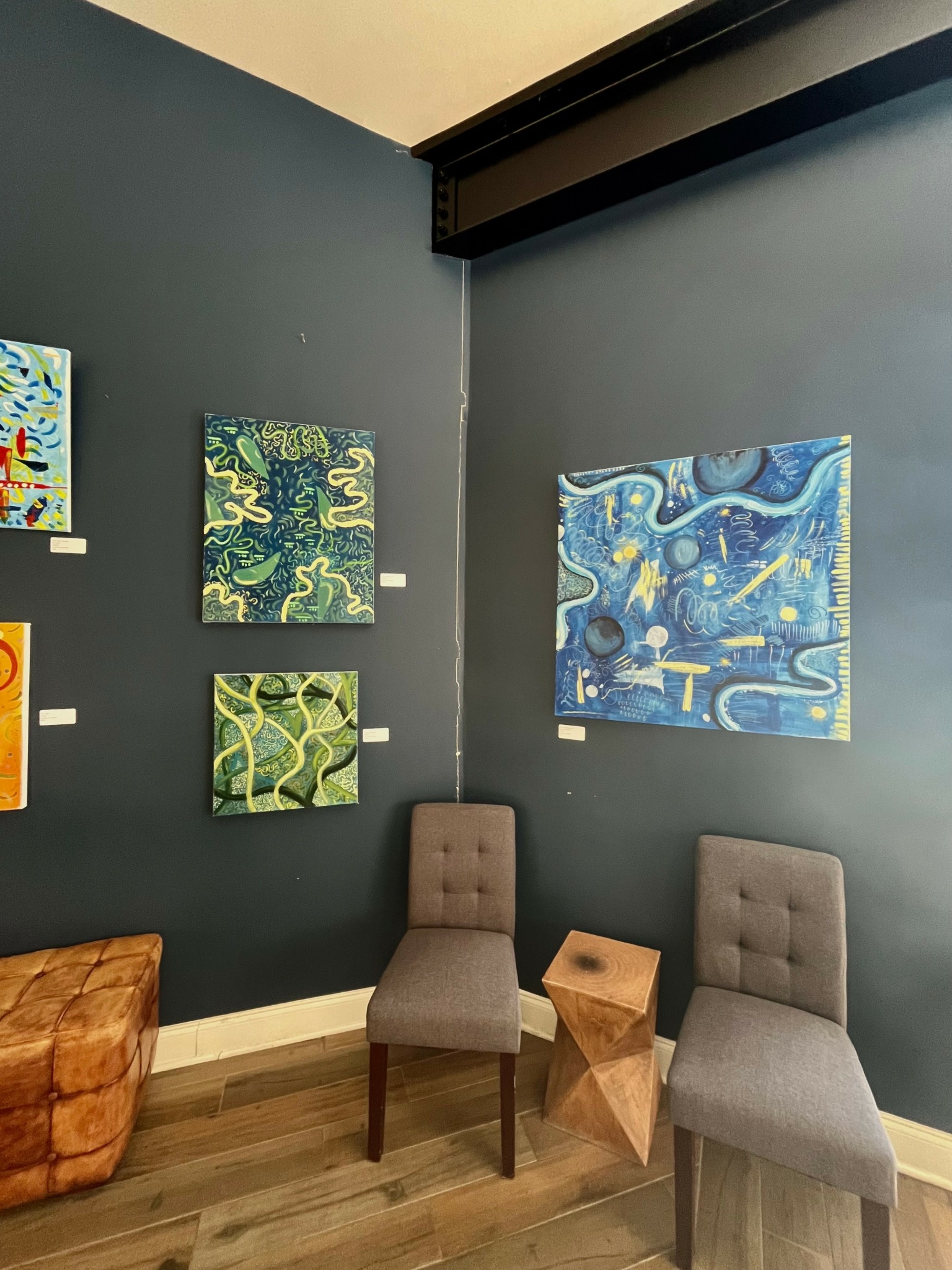
My art is primarily focused on my synesthetic experience with music. What started as my senior thesis for college has continued to grow into an ongoing body of work. For those unfamiliar with synesthesia, it is the psychological phenomenon where one experiences a cross in senses. I experience a cross in sight and sound, which allows me to visualize music and then paint my visual experience. The work I create is primarily non-objective and emphasizes color, shape, and movement to convey the music it represents.
Recently, I have been most proud of my drive to continue creating in my post-grad life. Since graduating with my BFA 6 months ago, I have managed to have my art on display consistently. It has been motivating to know that there are people in the world who enjoy my art, and it helps drive me to continue creating. When I have moments of doubt or am facing a creative block, I think about how far I’ve come in just a few months and how far I will go in the coming months.
Is there mission driving your creative journey?
My driving mission in my creative journey currently is to eventually be a full-time working artist. While I don’t fully have a grasp on what that looks like for me yet, it is my ultimate goal. There are so many ways to pursue art as a full-time job, and the options can be overwhelming. As of right now, I plan to go back to school for my Master’s degree in hopes of opening up teaching opportunities, as well as research opportunities.
What do you find most rewarding about being a creative?
The most rewarding aspect of being an artist for me is having the opportunity to create art that resonates with others. As I grow my social media presence and share my art, not only do I find other artists on a similar journey, but I’m also able to make connections with people who may not be artists but appreciate art and enjoy my work from a perspective that I don’t have. I love being able to share my work and learn how others interpret it. Working in abstract form allows there to be a lot of interpretation with my work. While it is all based on music, if the music isn’t present while someone is observing the work, it can change how someone views the piece. Some people don’t understand my work, or they have questions, which is understandable and encouraging. The way I interpret a piece is not going to be the same as someone else’s, but when others share their interpretations and opinions, it allows me to have a new perspective. I thrive on feedback because it helps me to be able to create work that resonates with a larger audience.
Contact Info:
- Website: https://www.abigailboylenart.com/
- Instagram: @abigailboylenart
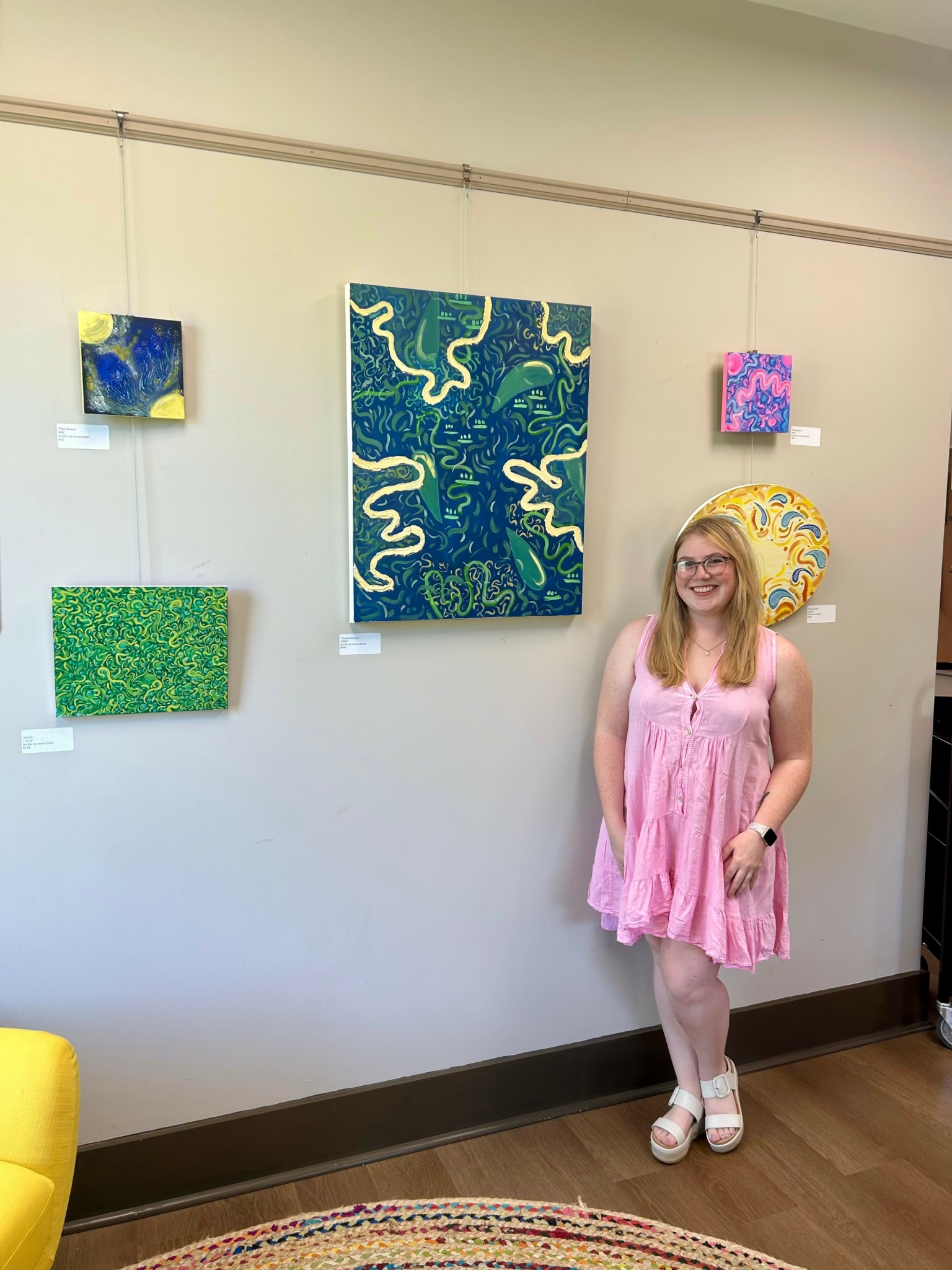
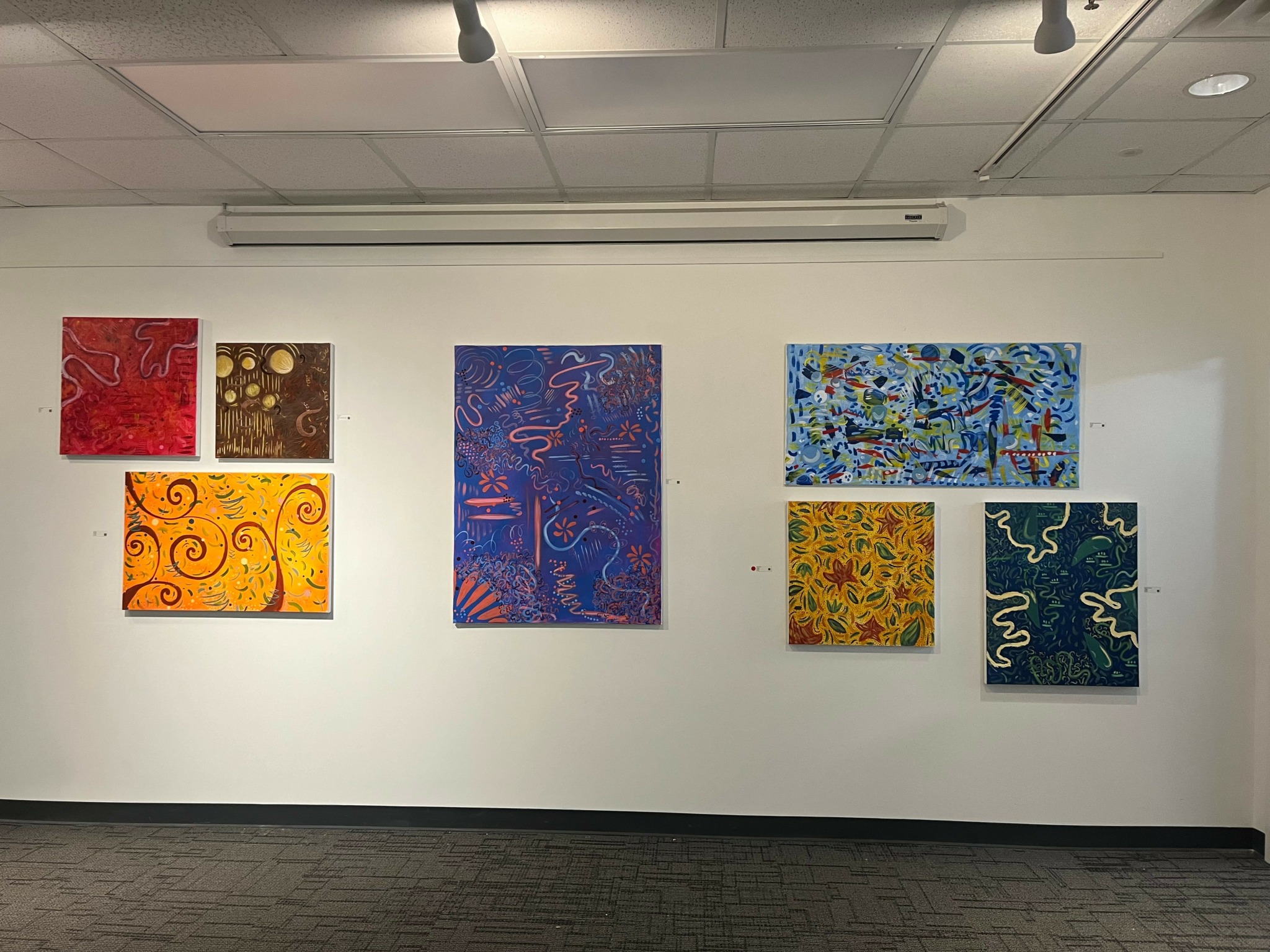
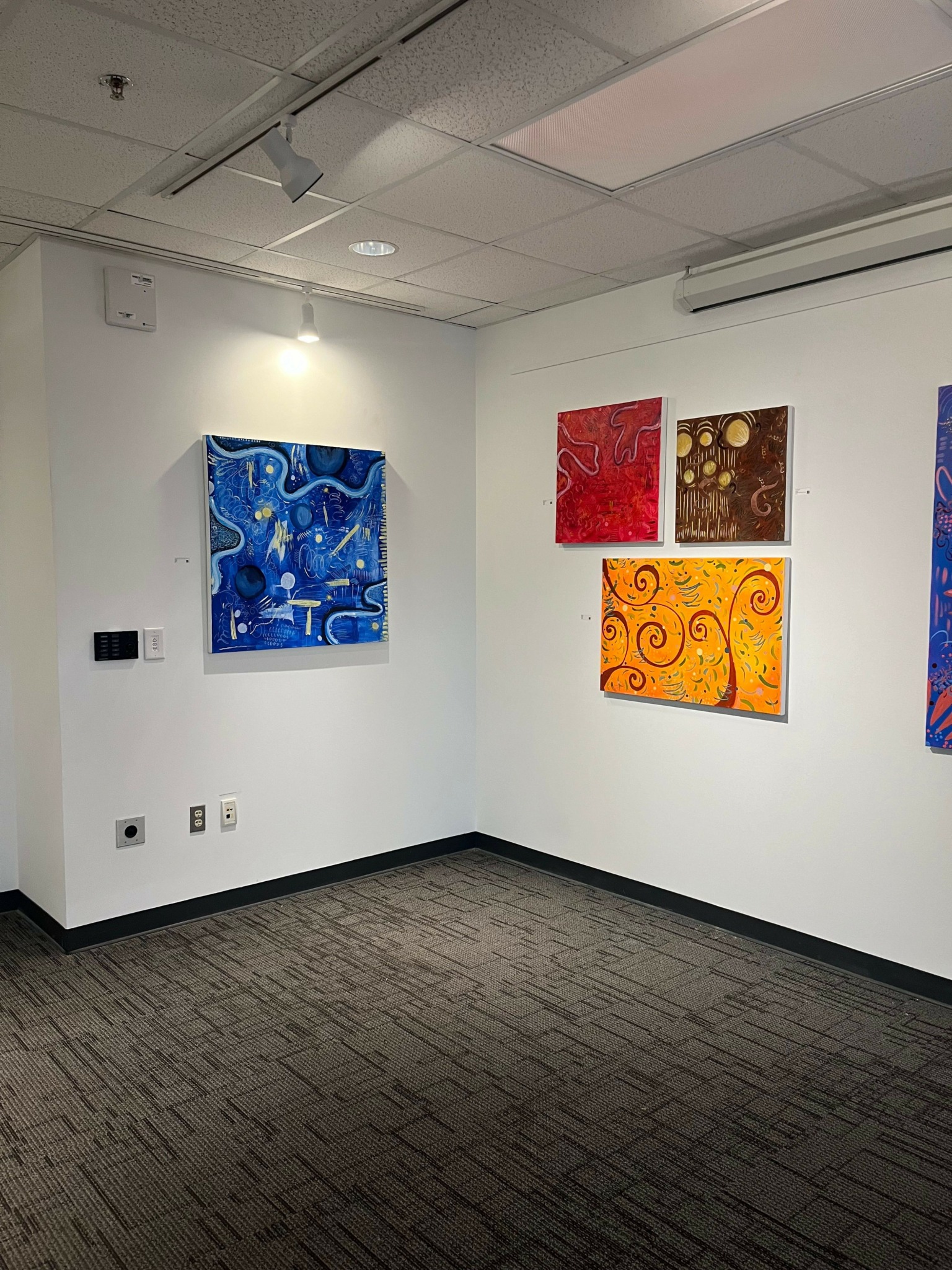
Image Credits
Arabella Brown