
We recently connected with Abhilash and have shared our conversation below.
Hi Abhilash , thanks for joining us today. When did you first know you wanted to pursue a creative/artistic path professionally?
The precise moment I knew I wanted to pursue a creative path professionally wasn’t a sudden flash, but rather a gradual realization that crystallized with a particular article I stumbled upon. Growing up in a small town in India, films were my escape, my window to different worlds. Weekends were sacred, dedicated to whatever movies were telecast on national television, as easy access to films like we have with Netflix today simply didn’t exist then. I’d eagerly await those moments, completely absorbed by the stories unfolding on screen.
It was during this time that I picked up a local animation magazine – a rare find in my town – and inside, there was an article that focused on the VFX crew behind a film. Until then, I’d always thought about the actors and the director, but this piece opened my eyes to an entirely new dimension of filmmaking: the magic makers who crafted the impossible. It detailed their work, showing how they brought fantastical creatures to life, created epic landscapes, and enhanced every scene with visual wizardry.
Reading that article, a profound sense of excitement washed over me. It wasn’t just about watching movies anymore; it was about being part of making them. The idea that I could contribute to that wonder, that I could use my creativity to help tell those stories, felt like a revelation. I remember feeling a surge of happiness at the thought of working for movies. That was it. That was the pivotal moment when the abstract fascination solidified into a concrete desire to turn this passion into a profession. Even though I knew it would be an uphill battle to convince my family, who didn’t see working in films as a “proper job”, that article ignited a fire in me that I couldn’t extinguish. It was the first time I truly understood that my love for films could be more than just a hobby – it could be my life’s work.
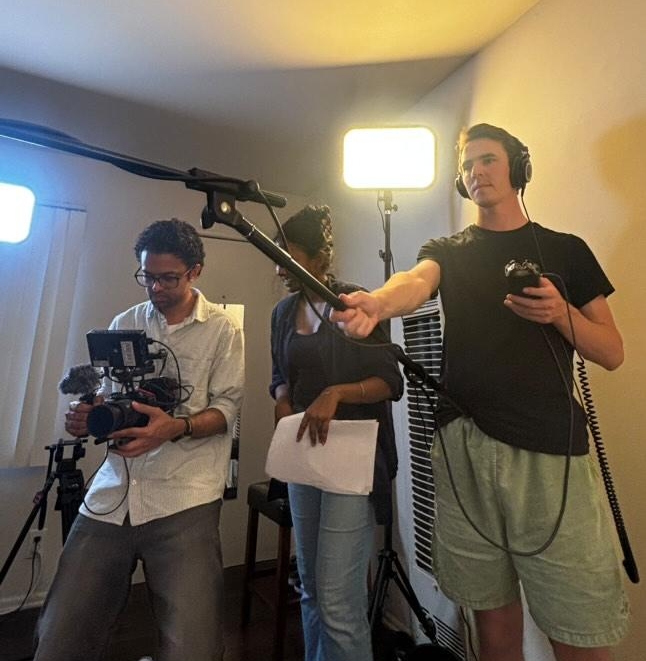
Abhilash , love having you share your insights with us. Before we ask you more questions, maybe you can take a moment to introduce yourself to our readers who might have missed our earlier conversations?
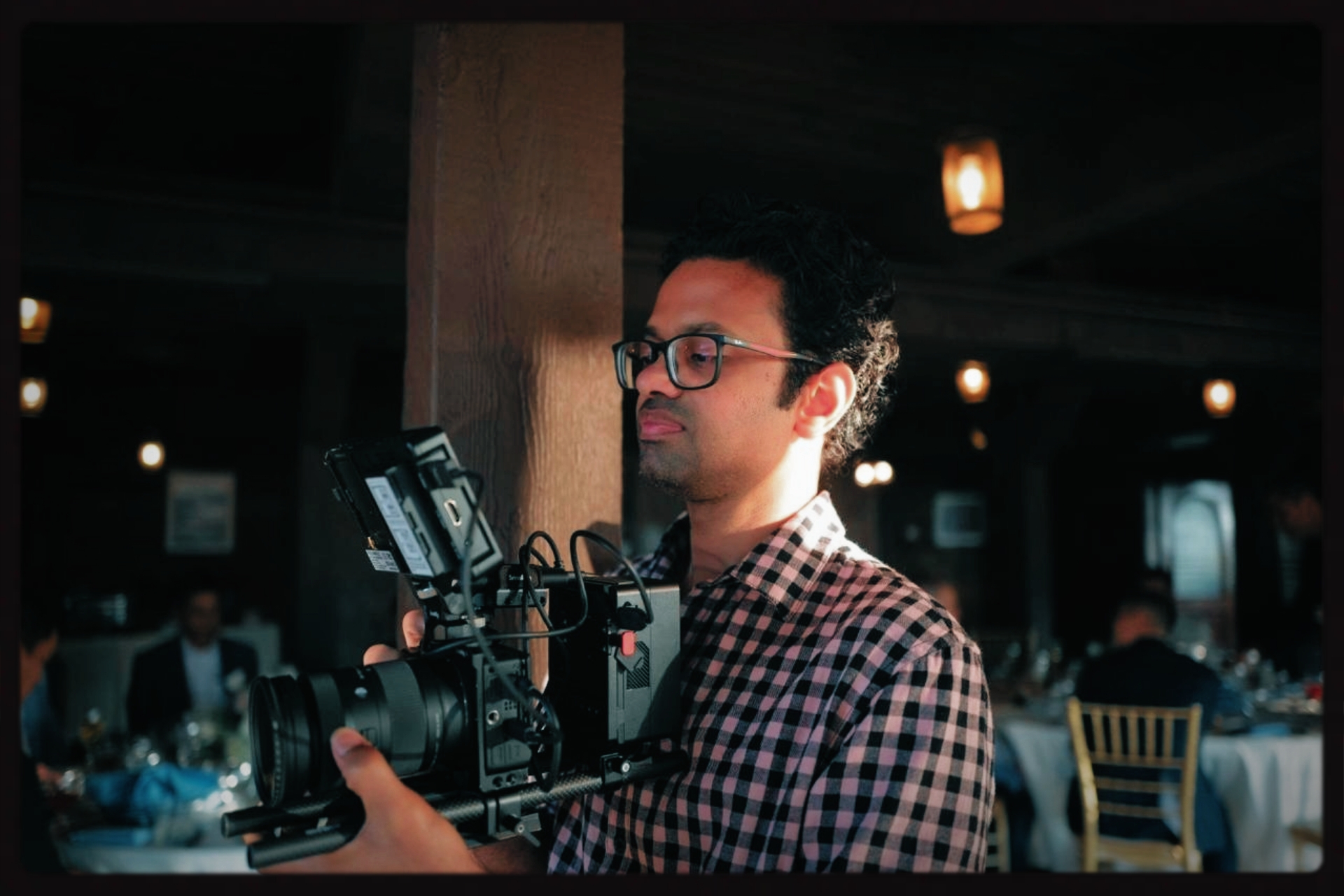
I’m a freelance cinematographer & Visual Effects Supervisor currently based in Los Angeles, with a journey into filmmaking that’s been as unconventional as it has been rewarding. My story began in a small town in India, where the magic of cinema captivated me from a young age.
My Path into Filmmaking-
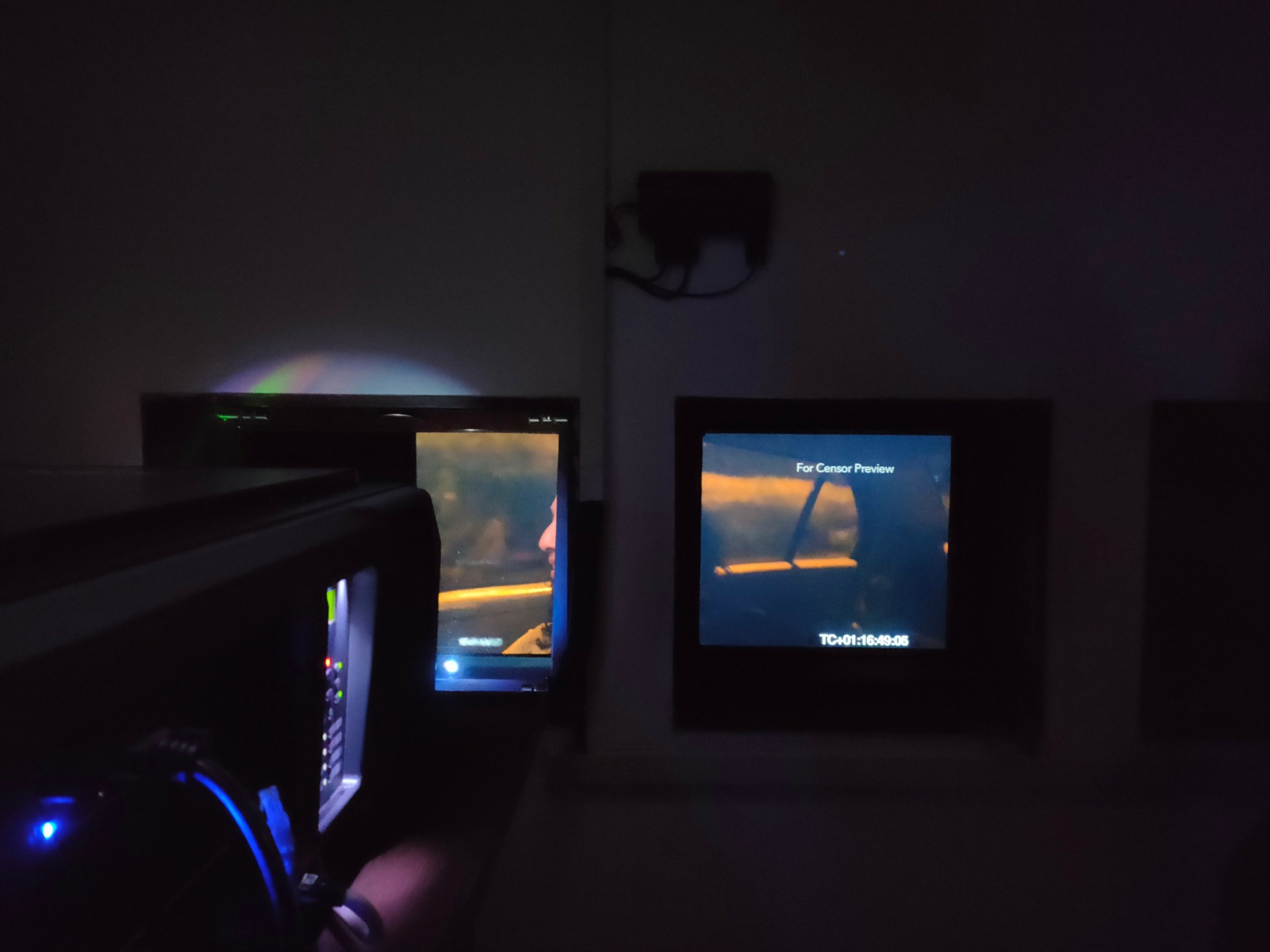
The road was anything but smooth. As an indie VFX artist and entrepreneur, I wore many hats. From tirelessly pitching for projects to meticulously overseeing their execution and final delivery, it was a constant balancing act. A significant challenge was identifying and retaining talented artists who could consistently deliver high-quality work within often tight deadlines. Juggling both the creative vision and the managerial responsibilities demanded immense energy. I honed my skills by working with some of the leading visual effects companies in India, gaining invaluable experience. Fueled by an entrepreneurial spirit, I eventually took a leap of faith and established my own VFX studio. Our talented team had the privilege of contributing visual effects to a diverse range of popular films, including In Time, Vishwaroopam, Lootera, and Jal.
What I Do and What Sets Me Apart-
Today, as a freelance Cinematographer, I bring a unique blend of technical expertise and artistic vision to visual storytelling. I specialize in creating evocative moods and enhancing narrative through lighting and camera movement. My extensive background in VFX gives me a keen understanding of how on-set work will integrate seamlessly with post-production, leading to more efficient and impactful results. I’m known for my collaborative spirit, my ability to quickly adapt to different shooting environments, and my dedication to understanding and amplifying the director’s vision.
What I believe truly sets me apart is the unusual trajectory of my career. Having experienced the filmmaking process from the perspectives of a VFX artist, a studio owner, and a producer, I possess a holistic understanding of the craft. This multifaceted background allows me to approach cinematography with a broader perspective, anticipating challenges and finding creative solutions that serve the overall narrative. My cross-cultural experiences, from my early life in India to my current work in the diverse landscape of Los Angeles, also enrich my visual language and my ability to connect with stories from different backgrounds.
What I’m Most Proud Of-
One of the achievements I’m most proud of is the National Film Award we received for the VFX work on the movie Jal in 2014. It was a profound validation of our team’s hard work and creativity. Beyond that, I find immense satisfaction in seeing a story come to life through the lens, knowing that my contribution helps emotionally connect with the audience. My journey also led me to co-produce two independent films, Nirmal Anand ki Puppy (released on Prime Video) and Danny goes aum (awaiting release), both directed by the talented indie filmmaker Sandeep Mohan. Without big-name stars, securing distribution for these films was challenging, but seeing Nirmal Anand ki Puppy reach an audience was incredibly rewarding.
What I Want You to Know-
For potential clients, followers, and fans, I want you to know that my work is driven by a deep-seated passion for visual storytelling and a commitment to excellence. My diverse background means I bring a unique problem-solving approach to every project, always striving for the most impactful visual outcome. I’m not just operating a camera; I’m an artist who understands the entire filmmaking pipeline, from concept to final delivery.
My ultimate goal is to make my own movies, weaving together all the experiences and skills I’ve gathered. I’m always looking for compelling stories and collaborative opportunities where my vision and expertise can help bring narratives to life.
Feel free to connect if you have a story to tell, or if you’re curious to learn more about my work!
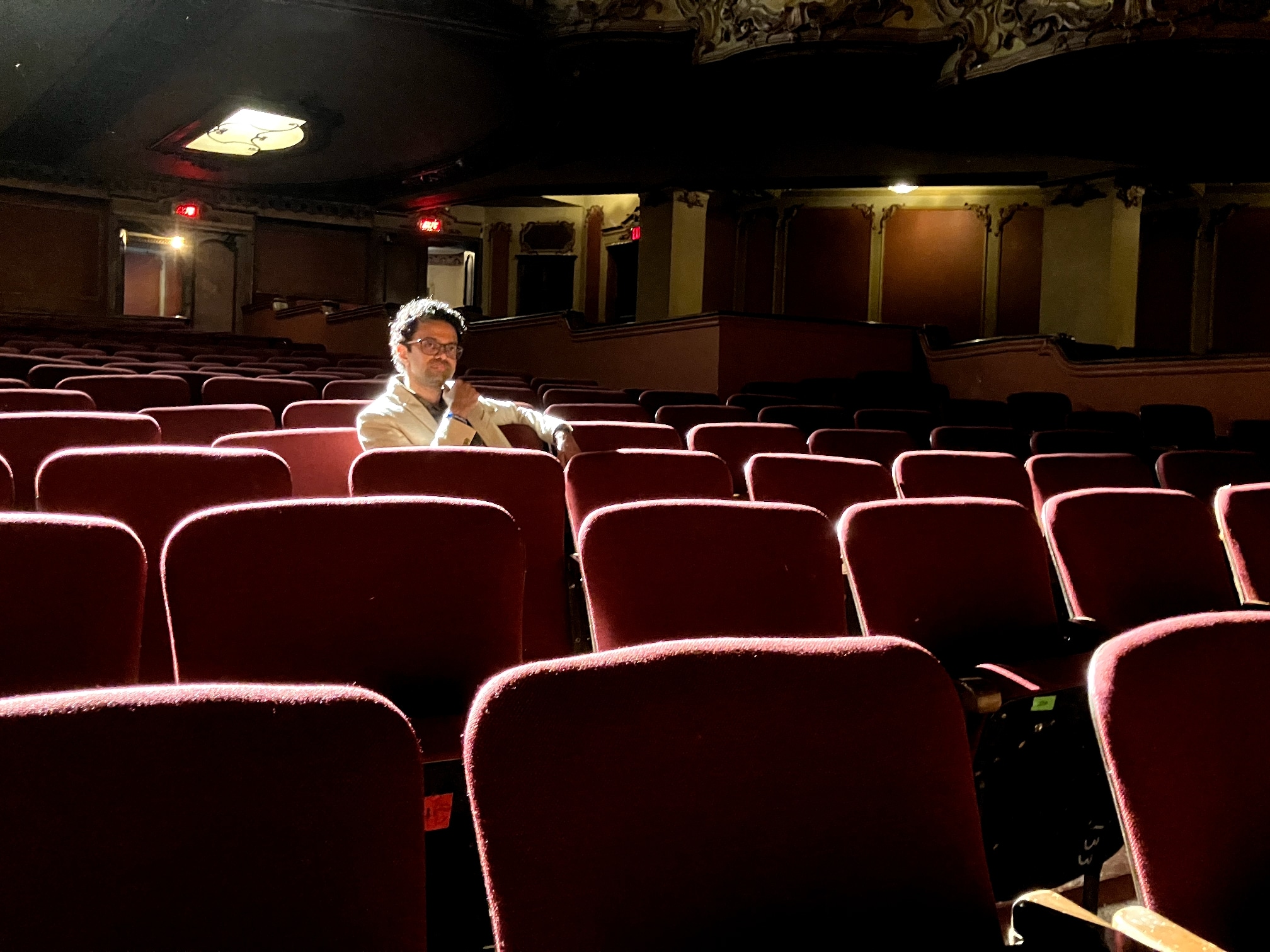
What can society do to ensure an environment that’s helpful to artists and creatives?
Financial and Structural Support
First and foremost, consistent and diverse funding is crucial. This means increasing public funding and endowments for the arts, recognizing that culture is as vital as infrastructure. We need to encourage a broader base of private philanthropy, making it easier for individuals and smaller organizations to contribute. Exploring innovative models like crowdfunding or even Universal Basic Income pilots for artists could provide much-needed stability. Critically, we must ensure fair compensation for artists’ work, time, and intellectual property, challenging the pervasive idea that artists should work for “exposure” rather than fair pay.
Education and Appreciation
Secondly, integrating arts education from early childhood is fundamental. The arts shouldn’t be an afterthought in schools; they are essential for developing creativity, critical thinking, and emotional intelligence. Beyond formal education, society needs to cultivate a deeper appreciation for the arts by promoting arts literacy, encouraging engagement with diverse art forms, and helping people understand the immense value artists bring. Providing accessible mentorship and skill development programs also helps aspiring creatives navigate their professional journeys.
Community and Collaboration
Thirdly, fostering community and collaboration among artists is vital. This includes establishing affordable artist hubs and co-working spaces where creatives can connect, share resources, and collaborate. Supporting local art initiatives and public art installations not only beautifies communities but also creates direct opportunities for artists to engage with their audiences and build local pride. Facilitating networking and peer support can combat the isolation that often accompanies creative work.
Technological Empowerment and Fair Play
Fourth, we must leverage technology responsibly. While digital platforms offer incredible reach, it’s imperative to ensure fairer digital revenue models so artists receive equitable compensation from streaming and online sales. Providing artists with access to affordable, advanced creative tools and software empowers them to explore new mediums and push creative boundaries.
Shifting Societal Perceptions
Finally, a fundamental shift in societal perceptions is necessary. We need to move beyond the romanticized “starving artist” stereotype and recognize the significant economic and cultural contributions of the creative economy. Artists are professionals whose work deserves respect and fair compensation, just like any other industry. Actively celebrating and promoting diverse artistic voices from all backgrounds will ensure a richer, more representative, and truly dynamic creative ecosystem for everyone.
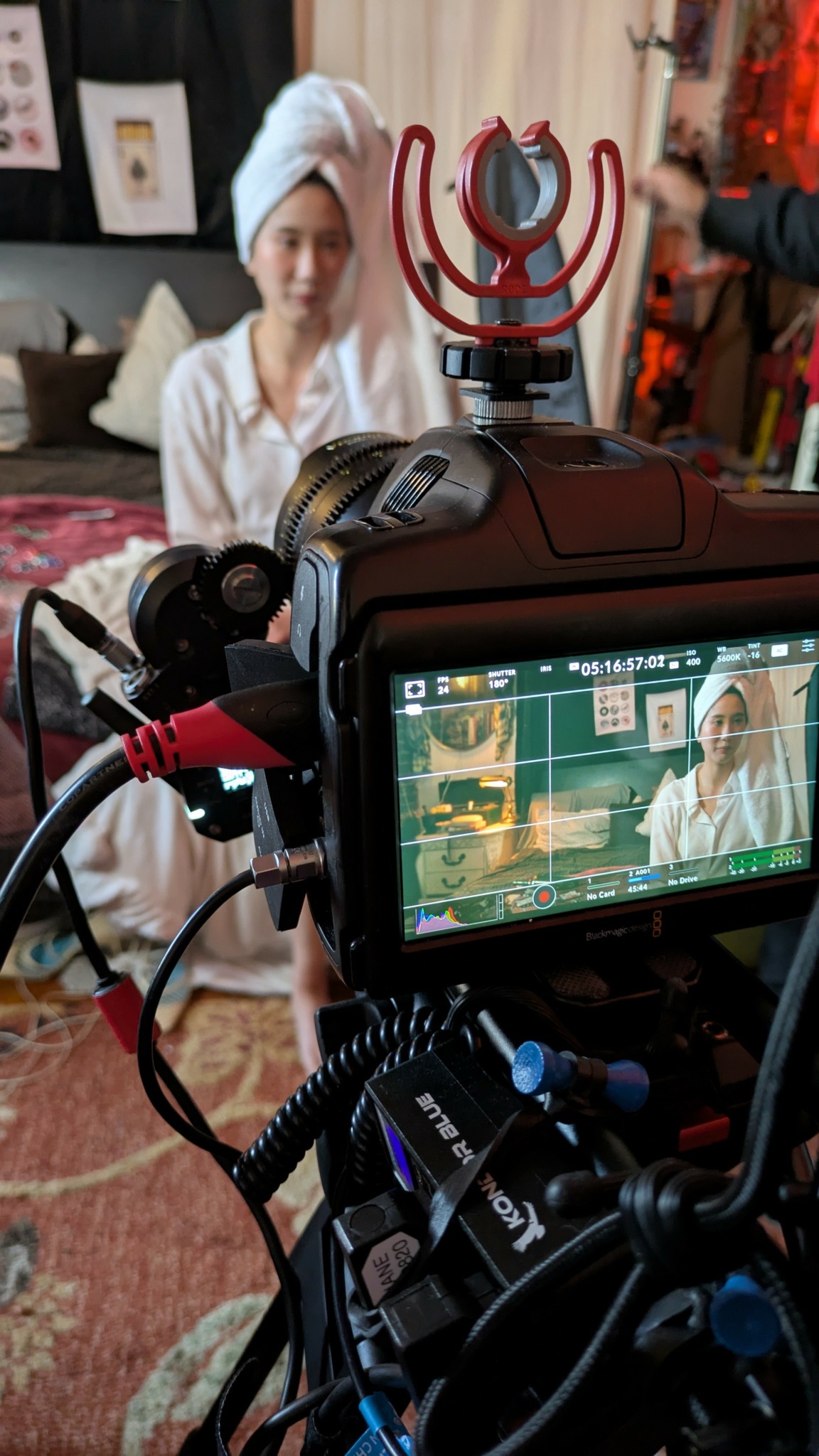
For you, what’s the most rewarding aspect of being a creative?
The Power of Connection and Transformation
For me, the most rewarding aspect of being an artist or creative is undoubtedly the power to connect with others on a deeply emotional level and to transform something intangible into a tangible experience. It’s about taking an idea, a feeling, a fleeting moment, and shaping it into a piece of work – whether it’s a visual effect, a film scene, or an entire story – that resonates with someone else.
In my journey, from meticulously crafting visual effects to framing a shot as a cinematographer, the ultimate payoff isn’t just seeing the finished product. It’s the knowledge that what I’ve helped create has moved someone, sparked an emotion, or offered a new perspective. When I think about the VFX work on Jal that earned us a National Film Award, or an indie film I co-produced that found its audience on Prime Video, the reward wasn’t the accolade itself, but the confirmation that our work reached out and touched people.
There’s a unique satisfaction in seeing a story come alive through the lens, knowing that my contribution helps build a bridge between the creator’s vision and the audience’s heart. It’s a shared experience, a moment of understanding or wonder, that transcends language and culture. This ability to evoke feeling, to tell a story that makes someone laugh, cry, or simply ponder, is what makes every challenge and every late night worth it. It’s the profound joy of contributing to the human experience through art.
Contact Info: