

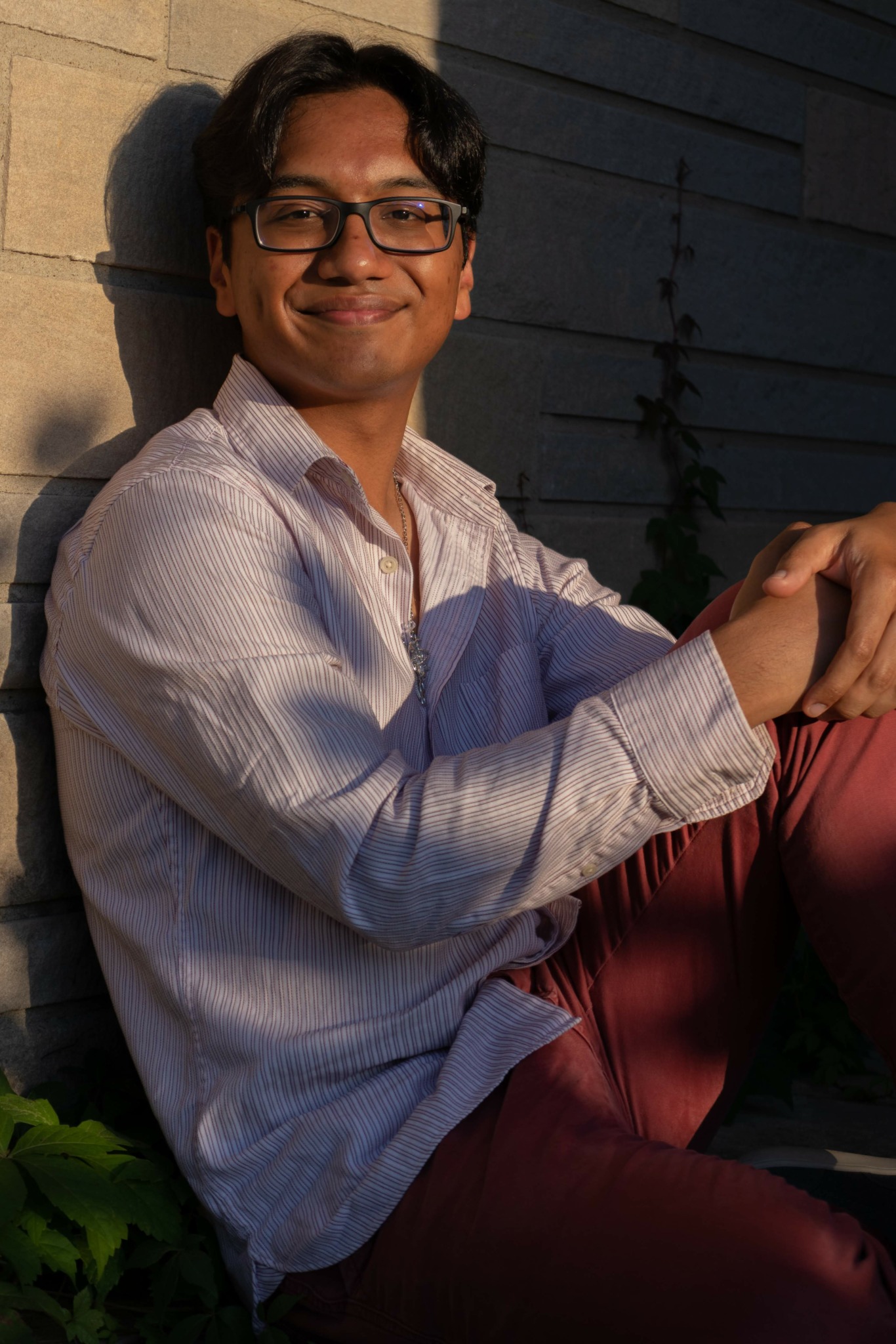

Alright – so today we’ve got the honor of introducing you to Abhik Mazumder. We think you’ll enjoy our conversation, we’ve shared it below.
Abhik, thanks for joining us, excited to have you contributing your stories and insights. We’d love to hear about a project that you’ve worked on that’s meant a lot to you.
The most meaningful project I’ve worked on in my life so far has been my sophomore album, entitled “Into the West.” This album was an exploration into my relationship with my inner child as well as the natural world around me. I formulated the idea for this album when I was struggling with the burden of being overworked, and these internal relationships were what grounded me, both artistically and spiritually, at the time. In my quest against demoralization wrought by the career hustle/grind, I realized that the core of who I am would always lie in who I was as a kid, and that it was incredibly important not to lose sight of those traits in the midst of constant change and action. “Into the West” dips into the types of media that impacted me the most as a child – namely fantasy – and pays tribute to them while also communicating my yearning for childhood sensibilities as a grown adult. I worked with 43 different collaborators on this album, from fellow musicians to visual artists to poets, so it really felt like a collective ode to the need for childhood whimsy in our current society. In addition to writing 10 pieces of original music for this project, I also recorded 4 renditions of others’ work that I cherished: a neo-medievalist take on the Beatles’ “Eleanor Rigby,” a fun instrumental noodle on “Oo-de-Lally” from Disney’s animated Robin Hood, a movement of a Chopin sonata, and an intimate cover of Annie Lennox’s end credits song from Lord of the Rings (the album’s title track). The making of this album was particularly special because for the first time, I wrote my own lyrics for some of the songs, and composed direct tributes to beloved movies and TV series, such as “Theme for Beregond,” “The Magic Clockwork,” and “The Little Teal House,” which pay homage to Lord of the Rings, the BBC’s Merlin, ABC’s Once Upon a Time, and Michel Hazanavicius’ The Artist.
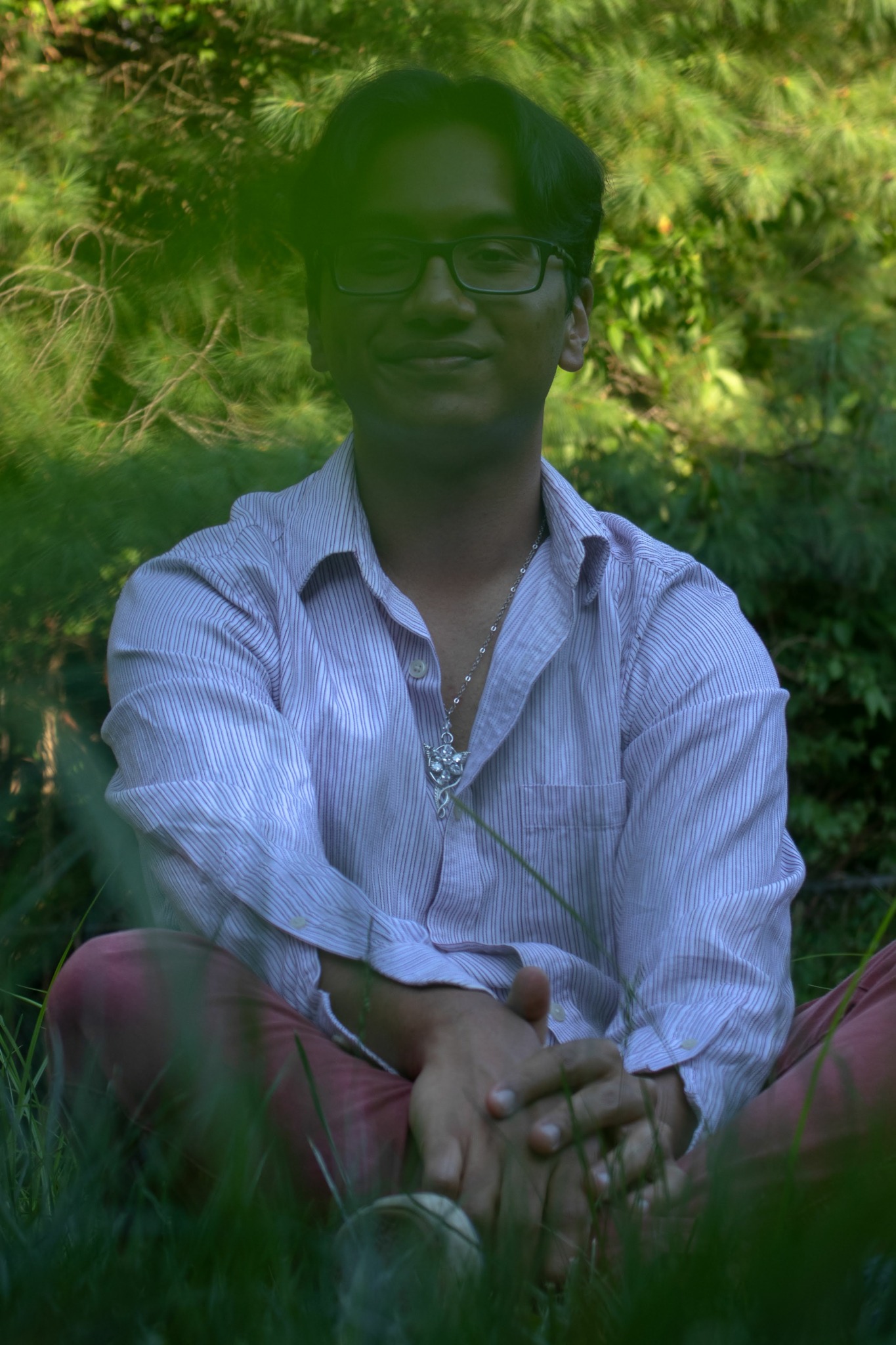
Abhik, before we move on to more of these sorts of questions, can you take some time to bring our readers up to speed on you and what you do?
I am a musician who enjoys playing, writing, arranging, teaching, and directing in many different genres, including classical, soul, folk, jazz, gospel, lofi, funk, and classic rock/pop. I got into music from an extremely early age, expressing interest in being a guitarist as a toddler, and started taking piano lessons right after I turned 4. From that point on, piano remained a constant in my life. I’ve always had a somewhat complicated relationship with my craft because a lot of the musical work I did was dictated by others and not myself, but throughout those challenges I have still always felt a deep love for music itself. I think what sets me apart from most musicians is my willingness to confront why I do what I do and make sure to do it on my own terms, because I know what it feels like to not have the chance to decide that for yourself. Whether that looks like not working with certain people in the industry, taking time off, or choosing to only work in certain mediums, I am big on making my work gratifying and purposeful rather than becoming a gun for hire. In terms of the feeling and subject matter of my music, I generally like subtlety and introspection, but sometimes I do like to venture into music that feels more out-there and social. At the moment, I’m listening to all sorts of different artists, from Oasis to the Corries to Ramin Djawadi to Burna Boy, and all of these influences are finding their way into my work one way or another. This is how I always like to operate.
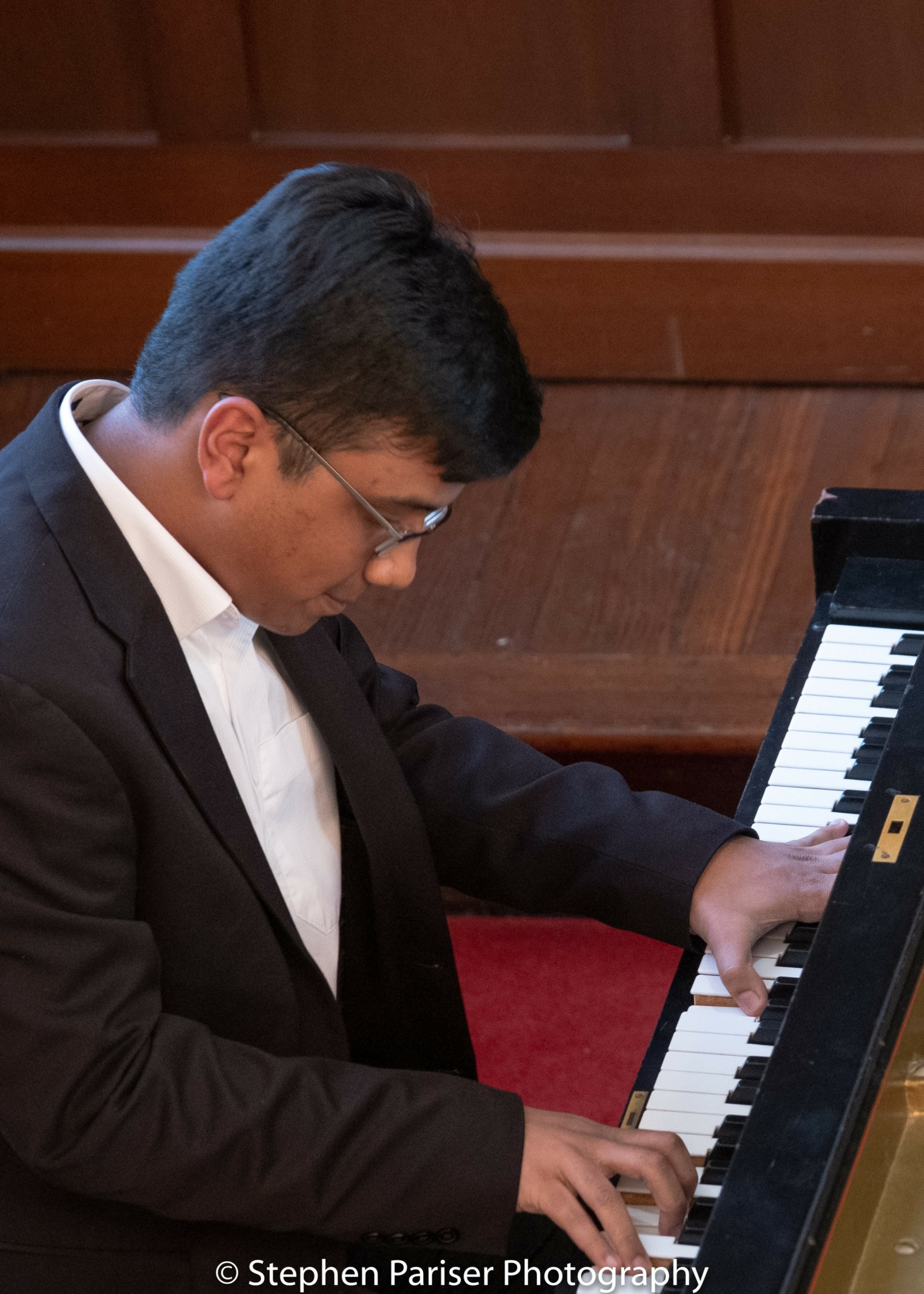
How can we best help foster a strong, supportive environment for artists and creatives?
In today’s world of never-ending quick stimulation, I think the biggest thing missing is the willingness to immerse oneself fully and really pay attention. Be intentional about how, where, and why you consume art, and you’ll find that your appreciation for it will be far more meaningful and important to you. Though this might not directly solve the financial problems the arts faces today, I think this larger shift in society’s approach to the arts as a whole would ensure more consistent and long-standing funding for creatives and their initiatives, rather than the unsustainable big-money trend-based model we have now, which only benefits a very lucky few and doesn’t last long.
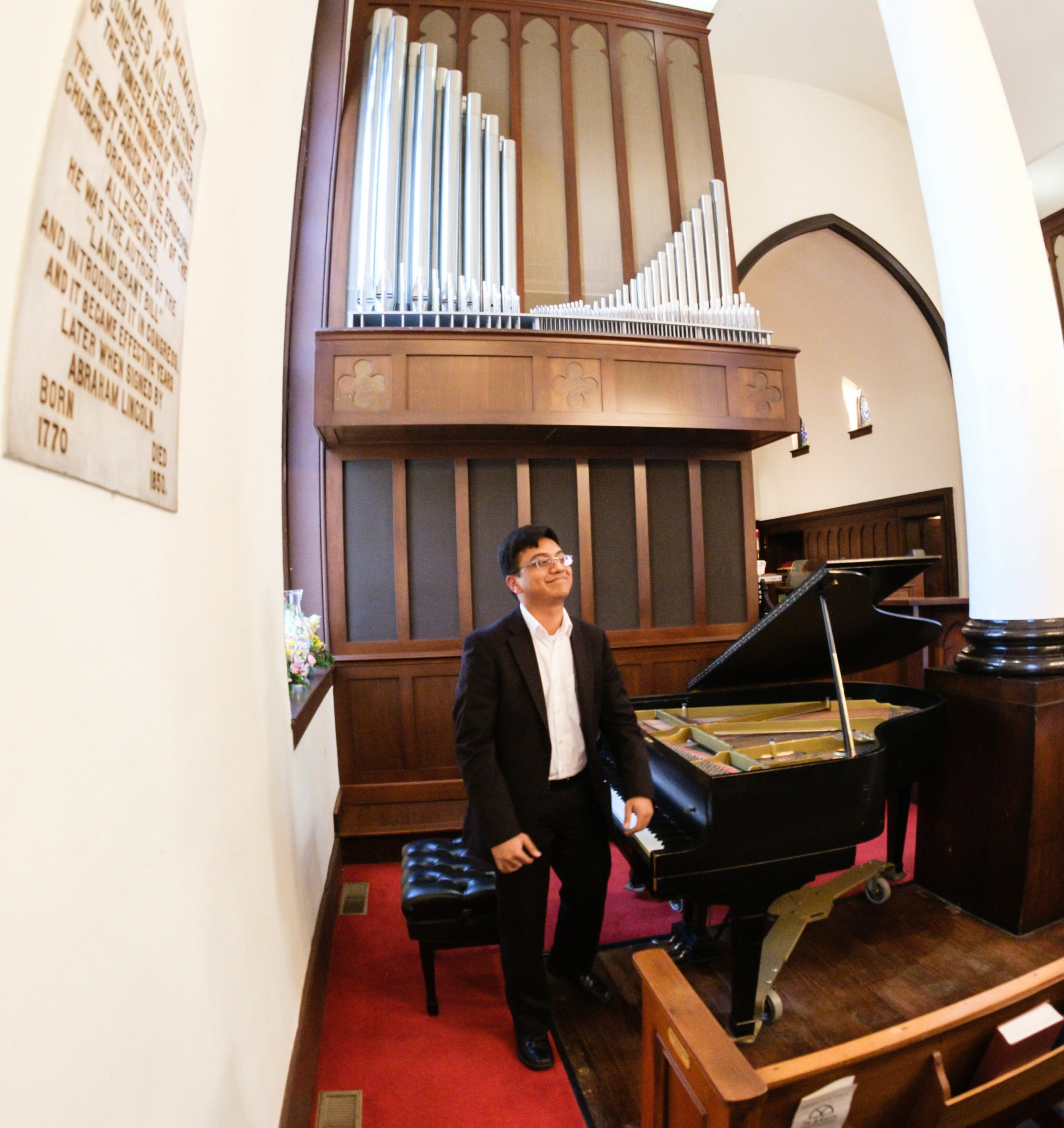
What’s the most rewarding aspect of being a creative in your experience?
By far the best part of being an artist and creative is seeing the impact of your work on audiences. There is nothing quite like knowing that something you poured your heart into spoke deeply to another person who may not even know anything else about you. To me, this highlights the timelessness and universality of the human experience, and it’s incredibly moving to know that that exists. Engaging with art unites us as a people and a species, which I believe is something we fundamentally need in order to be happy.
Contact Info:
- Website: https://abhikmazumder.com
- Instagram: https://www.instagram.com/_the_mad_artist/
- Youtube: https://www.youtube.com/channel/UCZDIw6pUPrCAi7KbBFjBEDA/featured
Image Credits
Abby Malala, Stephen Pariser