
We’re excited to introduce you to the always interesting and insightful Abby Porter. We hope you’ll enjoy our conversation with Abby below.
Abby, looking forward to hearing all of your stories today. What was it like going from idea to execution? Can you share some of the backstory and some of the major steps or milestones?
FINS didn’t actually even start as a business plan… It started underwater!
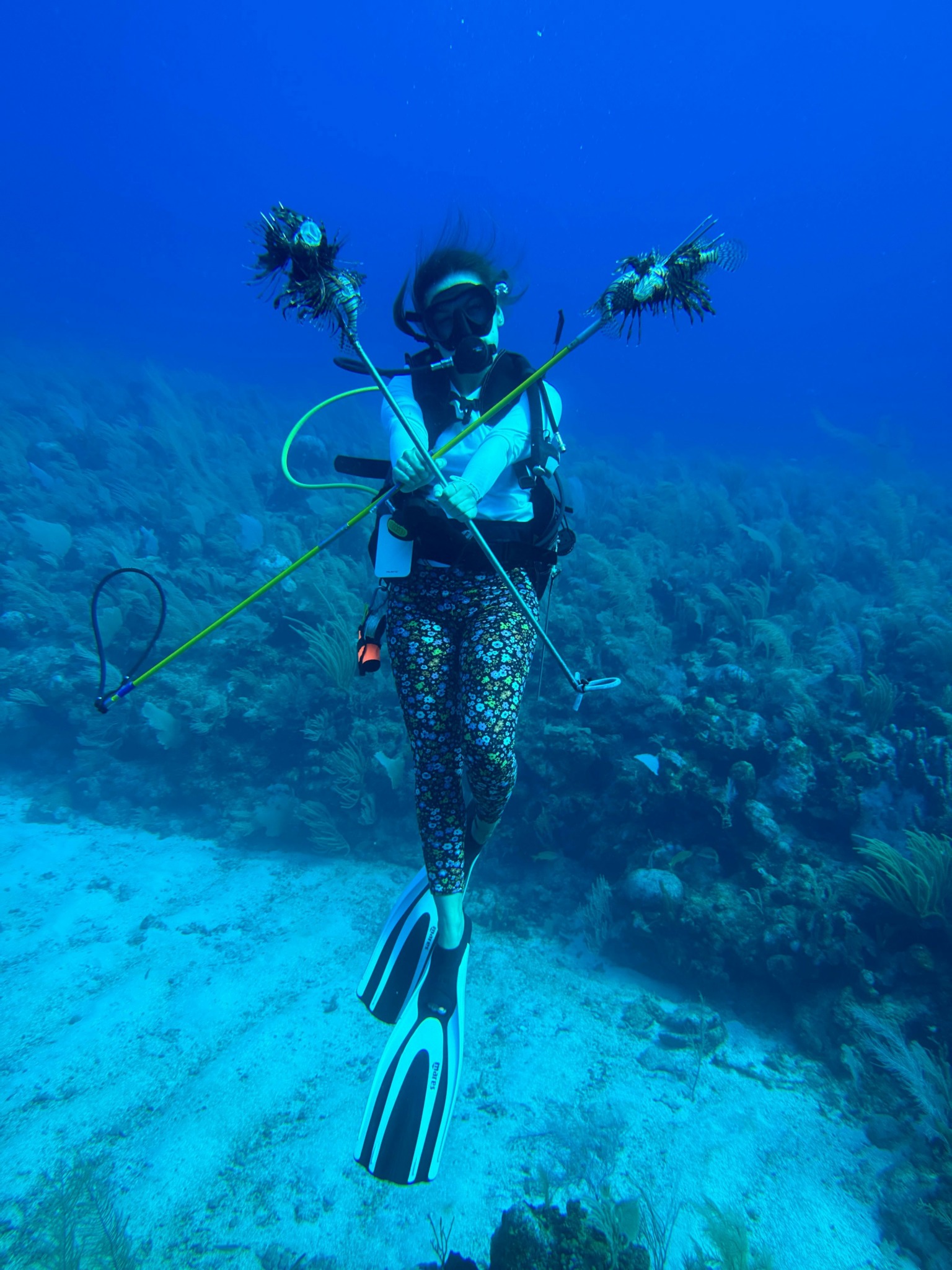
Years ago, we were spending long days diving on the Belize Barrier Reef and seeing invasive Lionfish everywhere. Juvenile fish disappearing. Reefs getting quieter. We were already removing lionfish as part of conservation work, but it felt endless. You take fish off the reef in the morning, and by the next week they’re back.
The real shift happened on the island we work from.
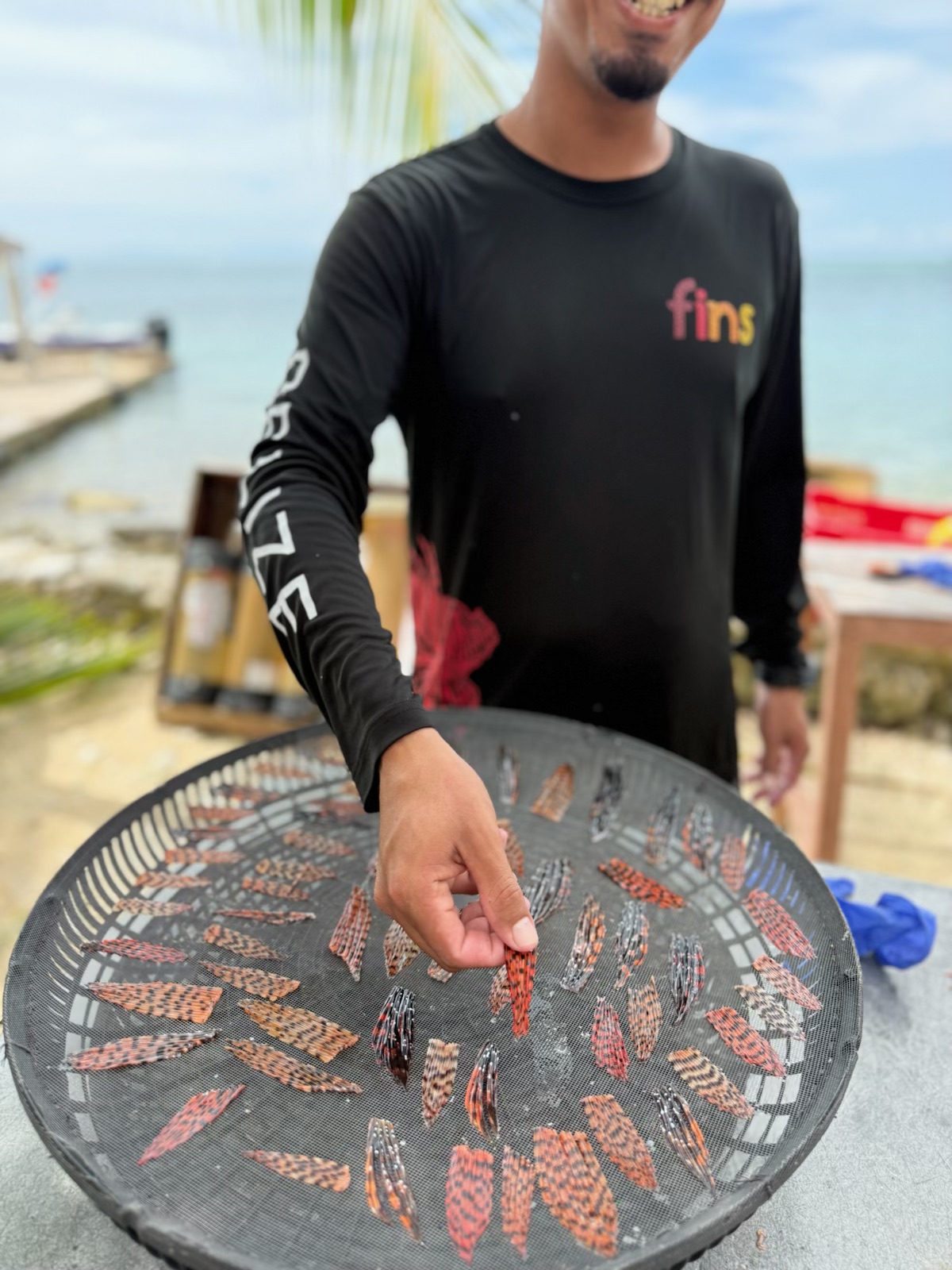
After dives, we were filleting lionfish and clipping spines for safety. Piles of fins and skin were headed for the waste pile. That was the moment the question hit us. If we’re asking people to care about this problem, why are we throwing away the most beautiful part of the fish?
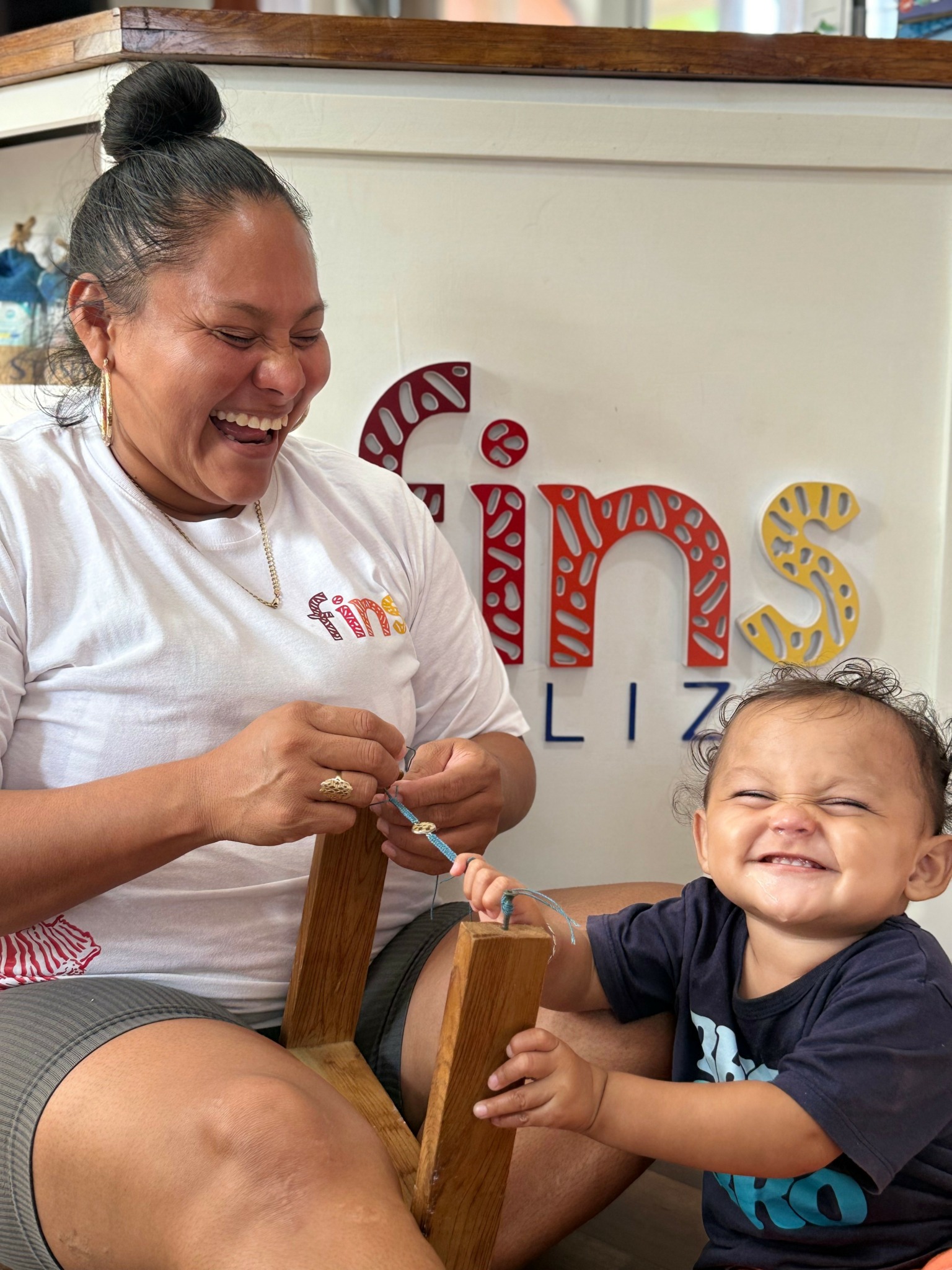
The very next day, we started experimenting. Drying fins. Cleaning spines. Braiding cord by hand. The first pieces were rough, but they told a story you could hold. This fish came off the reef and removing them mattered.
From there, things moved fast and very slow at the same time.
In the first few months, we focused on learning. What parts of the lionfish could be used. How to clean and cure them properly. How to explain the conservation story accurately. We tested pieces with friends and divers who had just come out of the water. Their feedback shaped our story.
The next step was figuring out how to do this responsibly. We needed permits, local partners, and a clear separation between conservation work and commerce. That meant registering FINS Belize as a for-profit, while building a nonprofit arm, FINS Foundation, to support education and conservation directly. That structure took time, paperwork, and a lot of conversations with advisors.
At the same time, we were still diving. Still removing lionfish. Still teaching guests how to do it safely. Jewelry was never the point on its own. It was a tool to fund removal dives, spark conversations, and draw people into protecting Belize’s coral reefs.
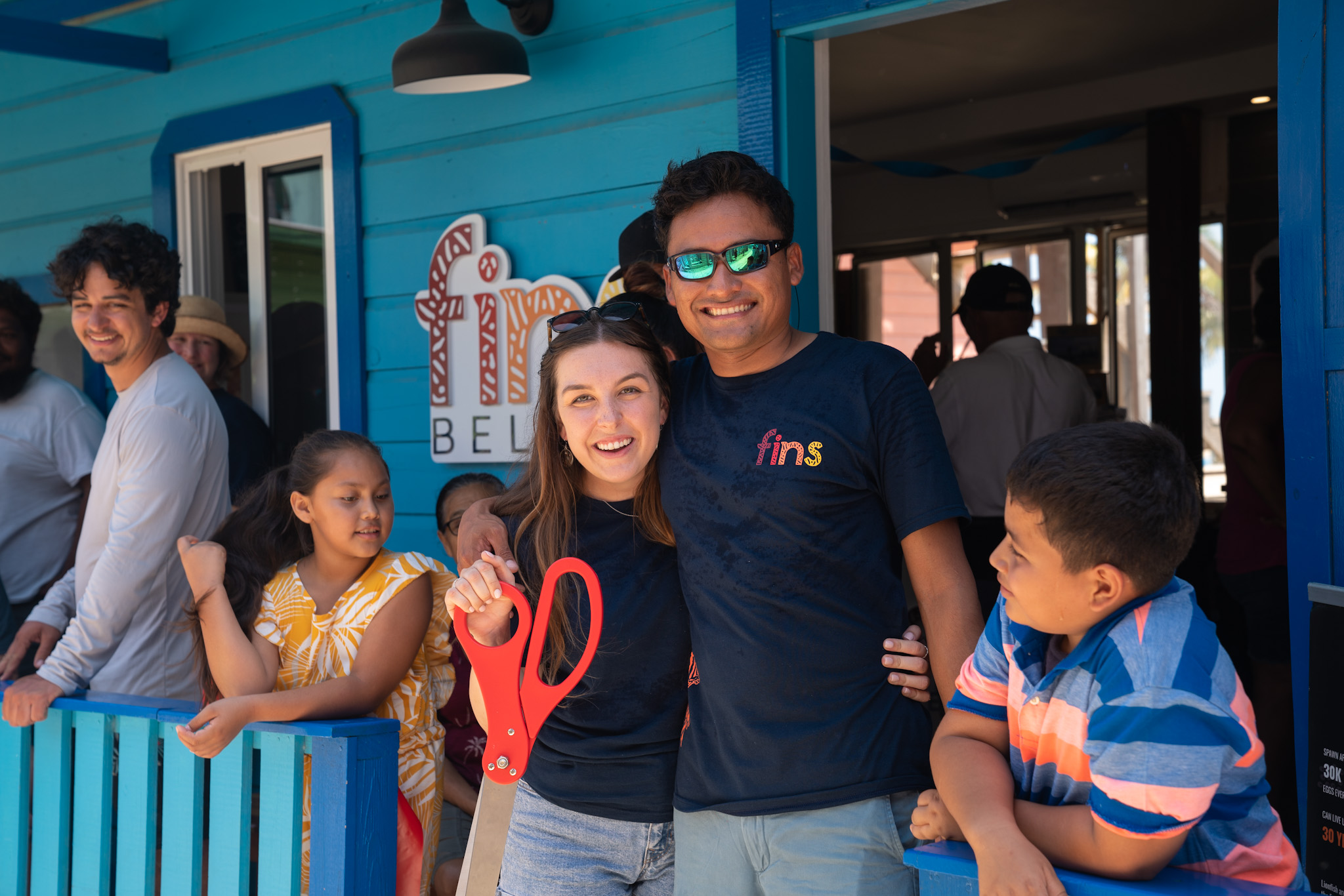
Opening the flagship storefront in Placencia was a turning point. Suddenly the story wasn’t just told to divers on our small island. Travelers walking by stopped, picked up our pieces, and asked, “What is this made from?” That question opened the door to invasive species, reef health, and why Belize matters globally.
The launch didn’t feel like a single day. It felt like stacking small pieces together. Dive. Learn. Test. Listen. Build. Repeat.
Today, FINS exists because we refused to let the solution end at the surface. We wanted every lionfish removed to create impact above and below the water, and to prove that conservation can be hands-on, honest, and economically viable for local communities.
Abby, before we move on to more of these sorts of questions, can you take some time to bring our readers up to speed on you and what you do?
FINS was started for marine science, conservation, and respect for Belize’s reefs and coastal communities.
Years of working as dive professionals and conservationists on the Belize Barrier Reef gave us a visual into what’s actually happening underwater. We weren’t visiting the reef occasionally. We were living and working on it. Day after day, we watched invasive lionfish spread, native fish populations drop, and reef balance shift.
Lionfish removal is one of the few reef interventions that works immediately. The problem is scale. It’s labor-intensive, expensive, and often relies on short-term volunteer participation. We saw a gap and asked a different question: How do you make conservation financially viable, locally rooted, and something people want to participate in long-term?
That question was answered with FINS.
What we do today spans three connected areas. Conservation-driven dive experiences. Lionfish byproduct jewelry and goods. Education and community programs through FINS Foundation.
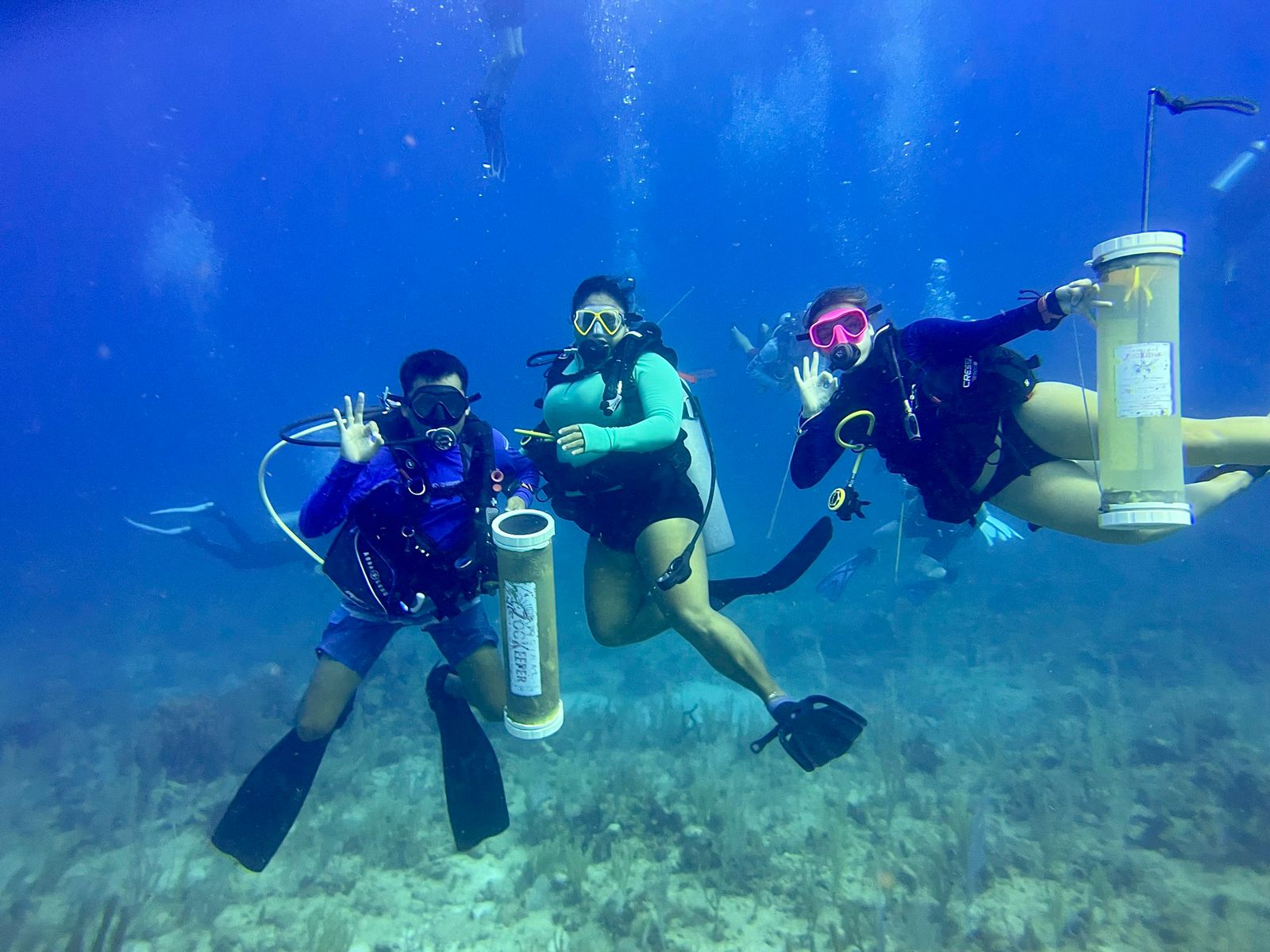
On the tourism side, we lead and coordinate marine conservation diving experiences where guests actively remove invasive lionfish, collect data, and learn how reef systems actually function. This is not passive eco-tourism. Participants are trained, supervised, and contributing to real mitigation work while diving some of the most pristine reefs in southern Belize.
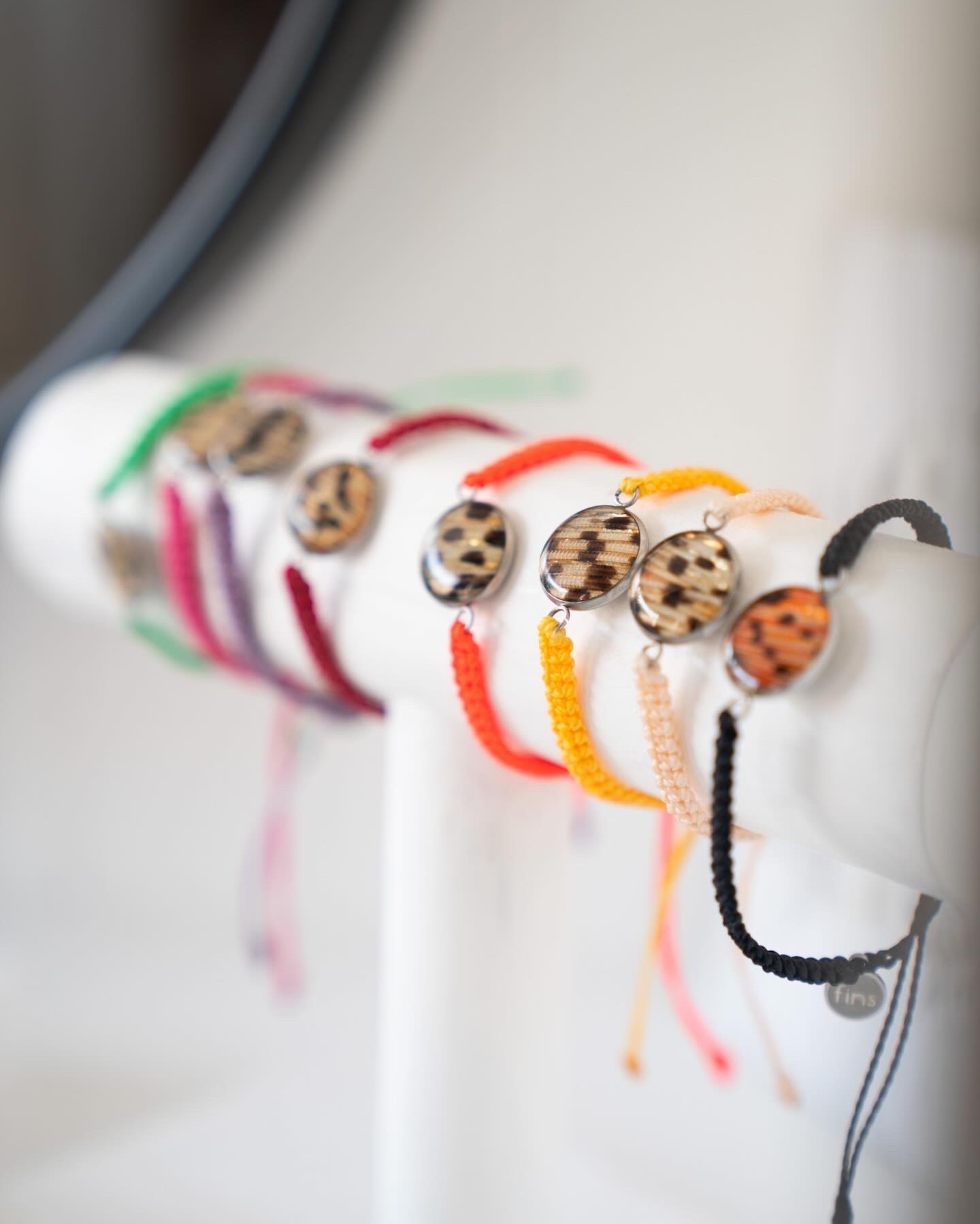
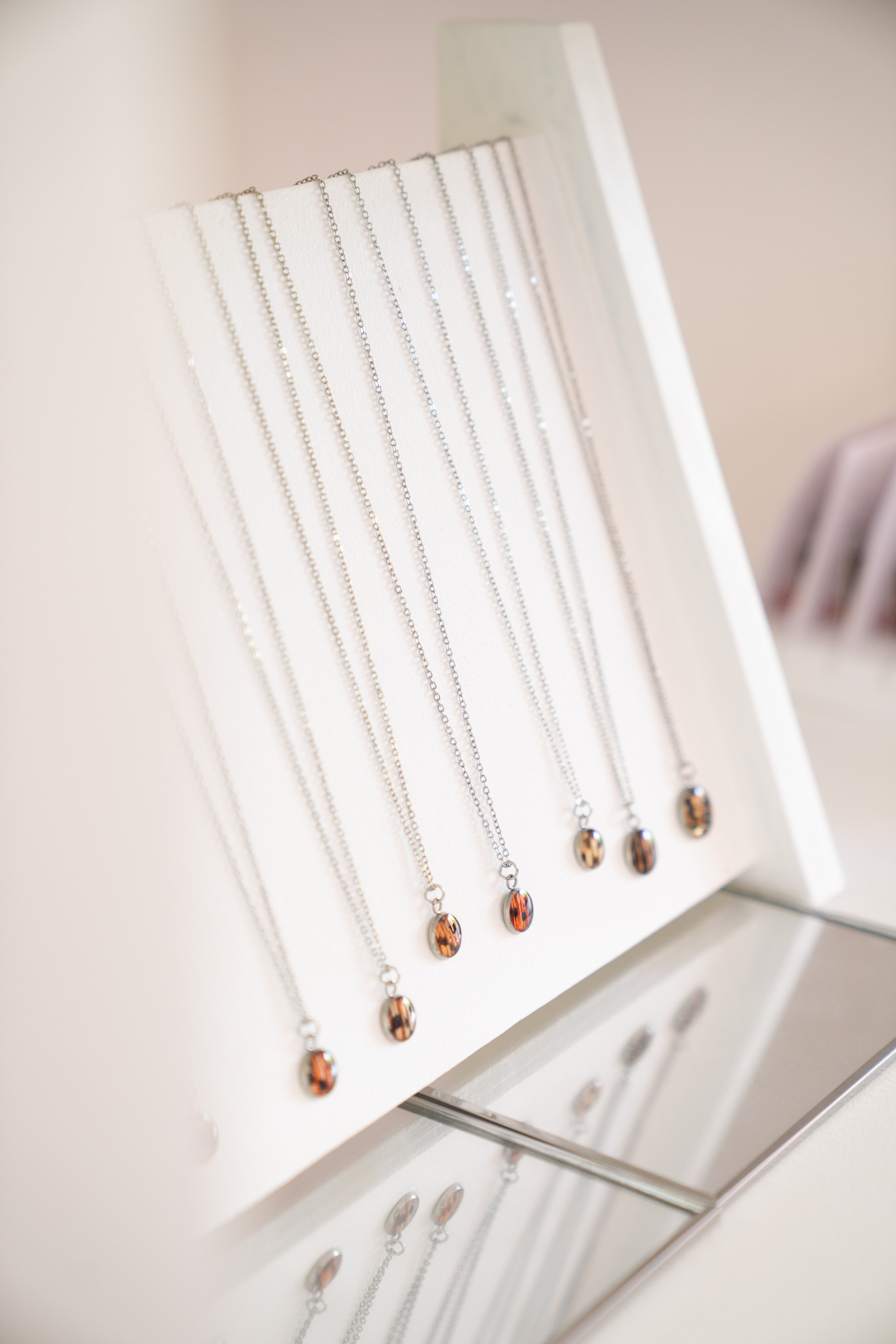
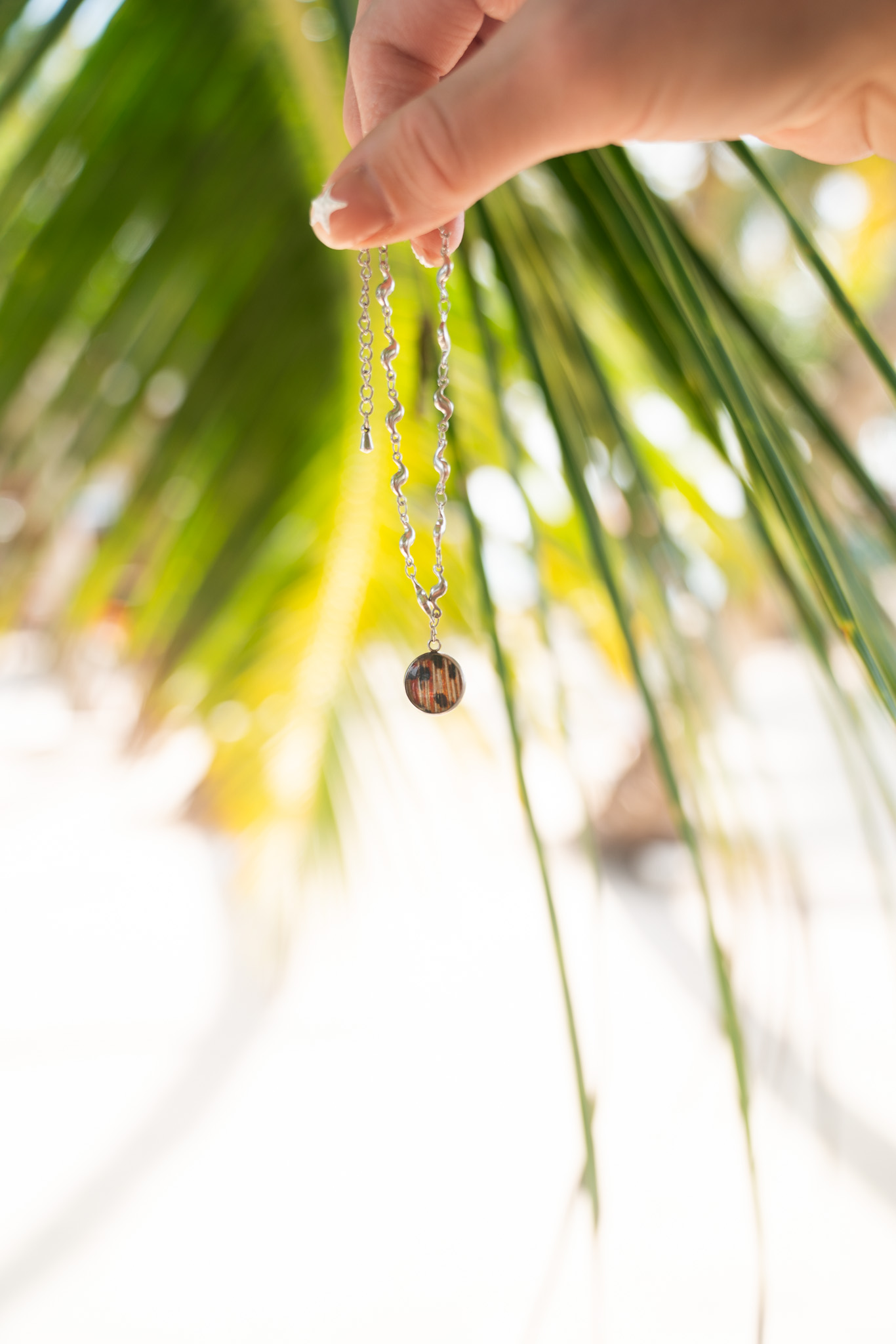
On the product side, we create jewelry from invasive lionfish fins and spines that would otherwise be discarded. Every piece starts underwater with a verified removal. The products fund continued removals and serve as a tangible reminder that conservation doesn’t stop when you leave the ocean. It continues in daily life and conversations back home.
Through FINS Foundation, we expand that impact into education. Youth programs, school outreach, and hands-on learning initiatives like Camp OAR introduce the next generation to marine conservation, career pathways, and stewardship. Education is how reef protection becomes long-term, not just reactive.
What sets FINS apart is integration.
We don’t treat conservation, tourism, and commerce as separate lanes. They are designed to support each other. Dive trips fund removals. Jewelry funds education. Education creates future advocates and local leaders. The model is practical, transparent, and built to scale without losing integrity.
We’re also deeply proud of how locally grounded the work is. Leadership, guides, and partners are Belizean-led or Belize-based. We work with established conservation organizations, licensed tour operators, and community stakeholders, and we’re careful not to overstate impact or promise what we can’t deliver.
What we’re most proud of is that FINS invites people into the solution in a real way. Guests aren’t told to care. They’re shown how to act. Customers don’t just buy a product. They fund work protecting Belize’s coral reefs. Supporters don’t donate into a black box. They can see where removals happen, who is trained, and how funds are used.
The main thing we want people to know is that conservation doesn’t have to feel distant, academic, or hopeless. When it’s done honestly and hands-on, it can be empowering, measurable, and human.
That’s what FINS is building. A model where protecting Belize’s coral reefs is something you can participate in, wear, share, and stand behind.
How did you put together the initial capital you needed to start your business?
We didn’t actually start FINS by raising money. We bootstrapped it from the start.
In the beginning, there was no outside capital, no investors, and no safety net. We worked other jobs, saved what we could, and put every extra dollar back into the business. Then we did it again. And again.
For years, the model was simple and hard. Save and reinvest. Save and reinvest. We didn’t pay ourselves. Any revenue that came in went straight back into materials, permits, equipment, rent, and the unglamorous basics you need just to keep moving forward.
That approach forced discipline early. Every decision had to matter. We learned how to do things ourselves before outsourcing. We tested small instead of scaling fast. We waited until systems worked before adding complexity. There was no room for extra spending or shortcuts.
Bootstrapping also kept the mission intact. Because we weren’t answering to investors, we could make decisions that prioritized protecting Belize’s coral reefs over fast growth to turn profit. If something didn’t align with conservation, community, or long-term impact, we didn’t do it, even if it looked profitable on paper.
It took years longer than it would have with outside funding, but it built something durable. By the time FINS officially launched, the work was already happening. The systems were tested. The relationships were real. The impact wasn’t theoretical.
For other founders and creatives, the biggest lesson is this. Bootstrapping is slow, but it teaches you exactly what your business actually needs to survive. It strips away anything unnecessary and forces a clear mission. And when you finally stand on solid ground, you know every inch of how you got there.
What do you think helped you build your reputation within your market?
Our reputation grew because we talked to people early and often, and we weren’t afraid of collaboration or competition.
From the beginning, we shared the idea openly. We talked to dive operators, conservation groups, shop owners, fishers, and other small businesses. We explained what we were trying to build, asked questions, and listened. Those conversations came before any formal launch, branding, or press. Relationships came first.
We never approached the work with a scarcity mindset. Conservation isn’t a zero-sum game, and neither is small business. Instead of worrying about competition, we chose to work with others who care about protecting Belize’s coral reefs. That meant supporting businesses that align with our values, cross-promoting, sharing knowledge, and looking for ways everyone could benefit.
Being open created trust. People saw that we weren’t trying to take over space or claim ownership of ideas. We were trying to contribute something useful. Over time, that openness turned into partnerships, referrals, and long-term support.
We were also consistent. Talking wasn’t just pitching. It was staying in touch, following through, and being present even when there was nothing immediate to gain. That consistency mattered more than any marketing strategy.
What we learned is that reputation isn’t built in isolation. It’s built through relationships, collaboration, and a willingness to grow alongside others instead of competing against them. Especially in small, value-based markets, people remember who shows up with respect and who is willing to build together.
Contact Info:
- Website: https://www.finsbelize.com
- Instagram: https://www.instagram.com/finsbelize/?hl=en
- Facebook: https://www.facebook.com/finsbelize
- Youtube: https://www.youtube.com/@FINSBelize