



We’re excited to introduce you to the always interesting and insightful Abbigail Graupner. We hope you’ll enjoy our conversation with Abbigail below.
Alright, Abbigail thanks for taking the time to share your stories and insights with us today. One of the things we most admire about small businesses is their ability to diverge from the corporate/industry standard. Is there something that you or your brand do that differs from the industry standard? We’d love to hear about it as well as any stories you might have that illustrate how or why this difference matters.
A hard but true fact is that coffee is an extractive, colonialistic crop. It would not exist without the access of cheap (cough*cough* stolen *cough*cough) land that allowed for mostly foreign producers to grow large quantities on a base of cheap labor (cough*cough* indentured servants, if not straight up slavery *cough*cough*). While some historical practices that make the stomach nauseous have faded out, the structure of the coffee industry remains nearly the same as it was 200 years ago. Even today, coffee is almost always exported from producing countries as raw seeds and sent to consuming countries where they are processed into a usable form through roasting. This transformation from a raw seed to a consumable product is where the price jumps from around $1.91 per pound of green bean to, on average, $30, which means that bulk of the value generated from coffee sales never returns to the country of origin.
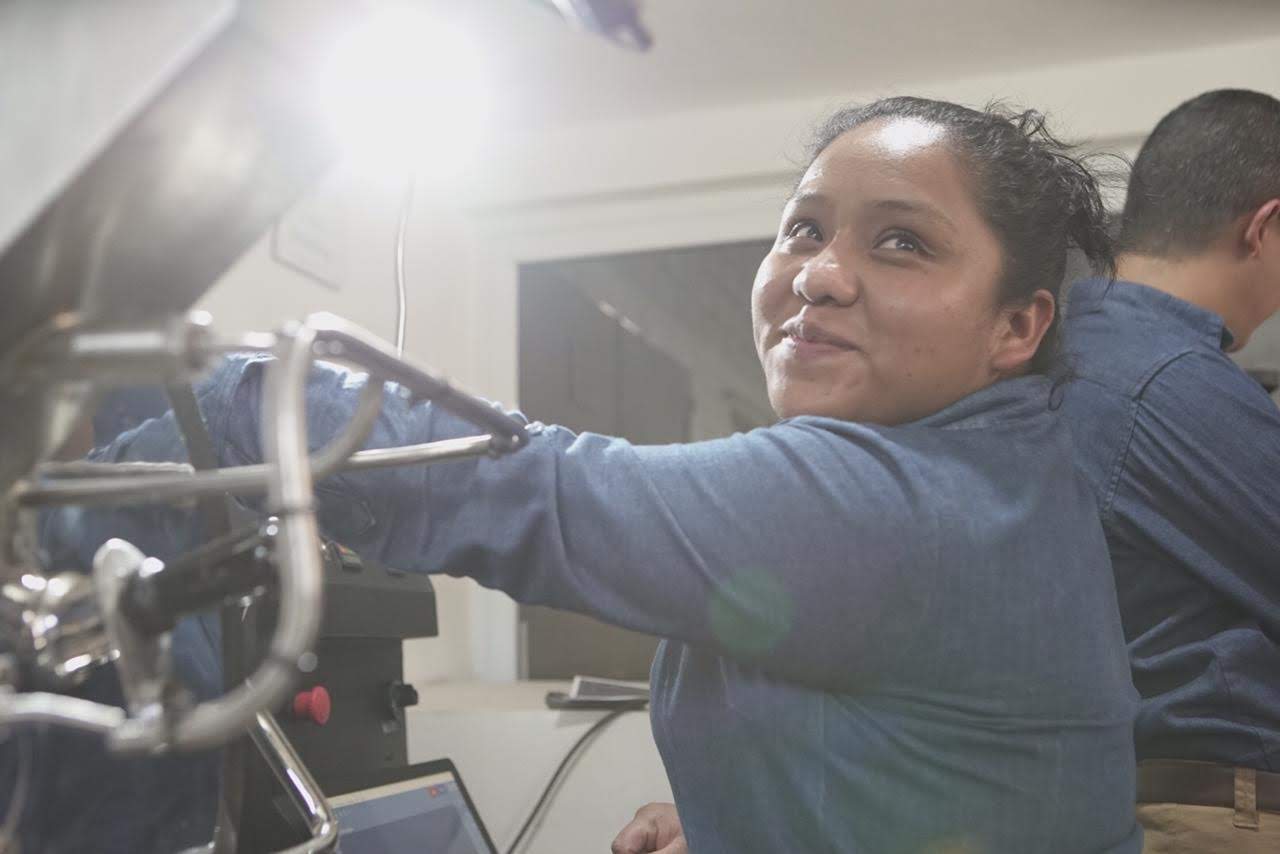
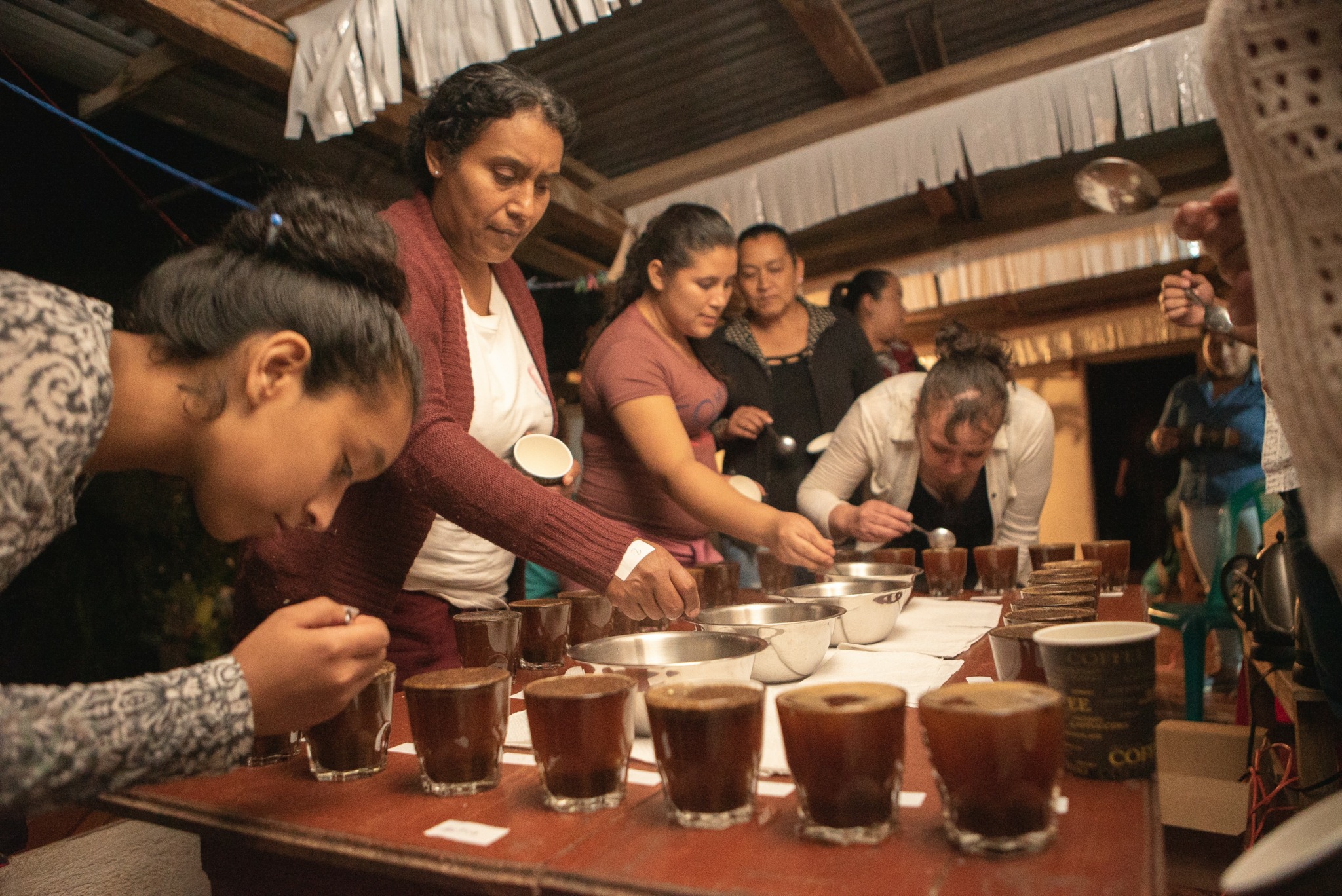
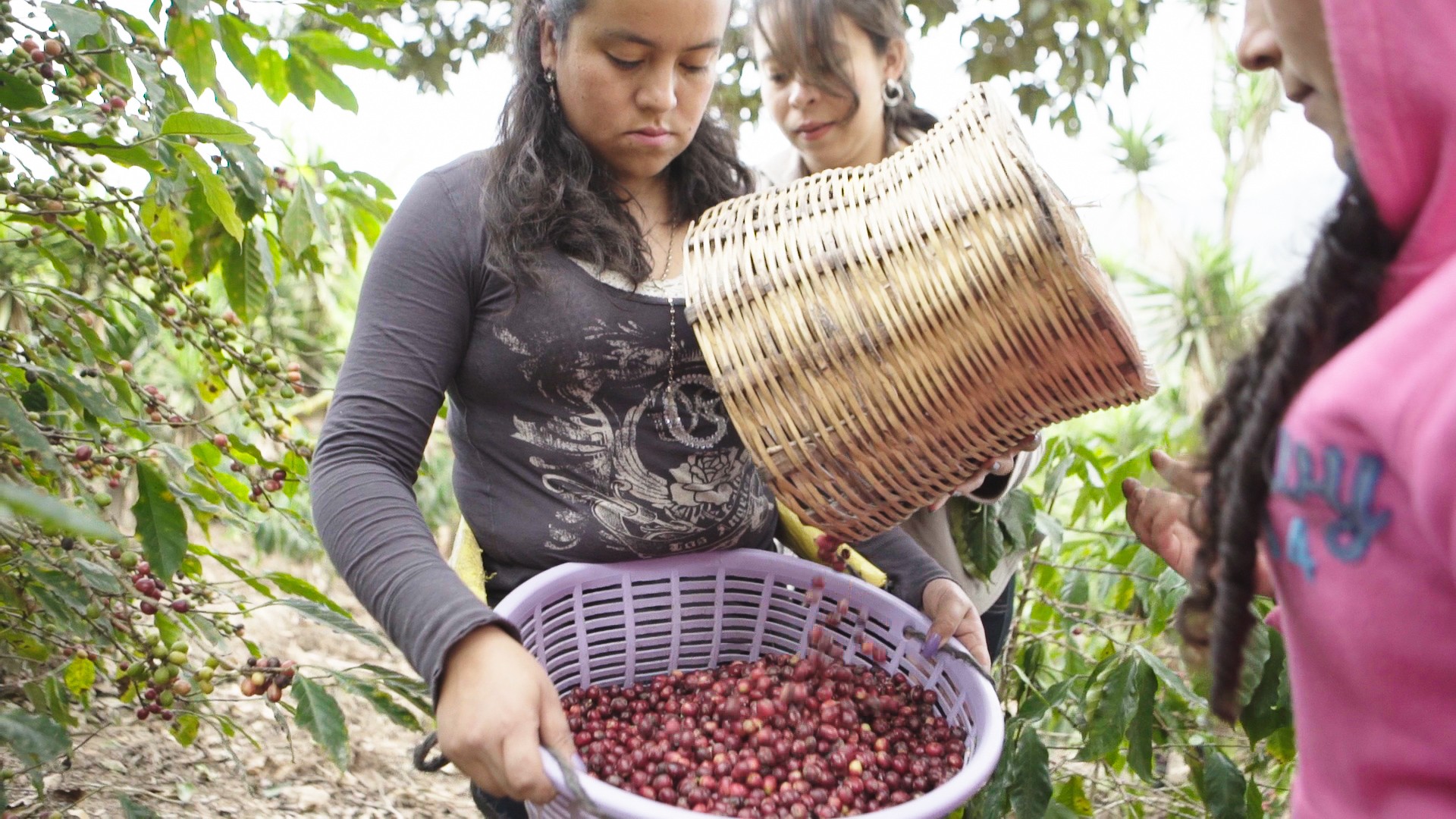
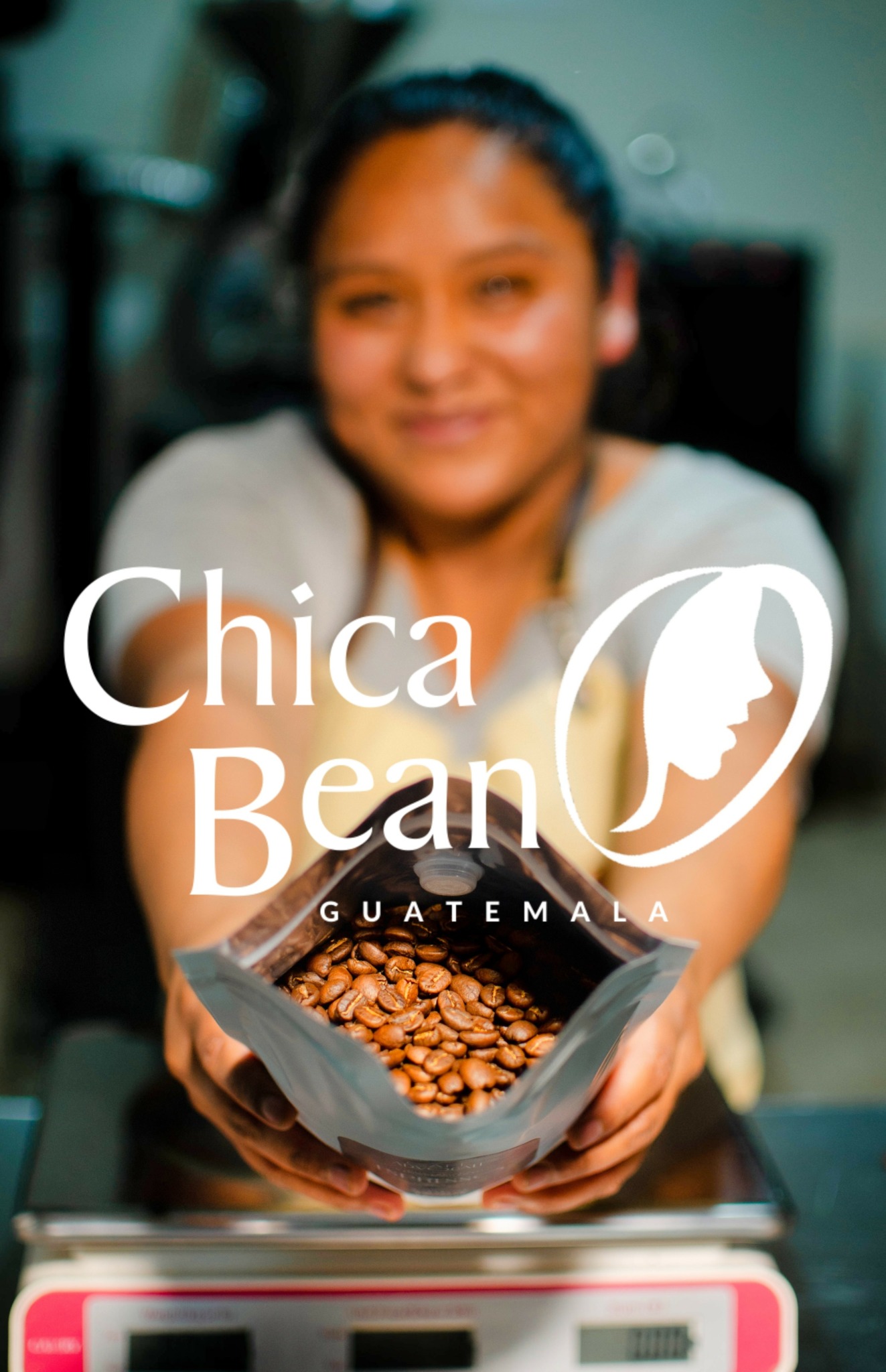
Chica Bean turns this model on its head by roasting the coffee at the source in Guatemala. This approach keeps 95% of the value in the hands of the producing community, offering higher farmgate prices (the amount that farmers actually put in their pockets) to farmers and creating professional opportunities within Guatemala. The company is powered by women at every stage—from the farms to the roastery. In fact, Chica Bean’s coffee is roasted by Guatemala’s first female Roast Master, Evelin Tupul. This commitment to keeping the entire process in-country while upholding international standards of quality not only elevates the economic standing of those involved but also delivers coffee to consumers that is as fresh as it is impactful.
Abbigail, love having you share your insights with us. Before we ask you more questions, maybe you can take a moment to introduce yourself to our readers who might have missed our earlier conversations?
My own journey into the coffee industry was… unexpected, to say the least. Like many people, I loved coffee—the warmth, the social lubrication—but, born and raised in rural Arkansas, I never considered the complexities behind the cup or even where it came from. After finishing a traditional 27-month education focused Peace Corps service in Mongolia, I fled the cold for another Peace Corps service, this time a short 11-month Response project with the Ministerio de Agricultura and their Rural Extension agents in the Land of Eternal Spring: Guatemala. My community was based in the mountains high above the magical Lake Atitlán, where I worked and lived with coffee producers. This was my introduction to the industry, through the perspective of small producers. This experience opened my eyes to the stark realities of the coffee industry—an industry where the most vulnerable, the smallholder farmers, were often left with the least.
That revelation planted the seed for what would become a life-altering commitment. After leaving the Peace Corps, I found a job in logistics for a Guatemalan flower company, learning the ins and outs of importing and exporting. However, I soon found myself drawn back to coffee. This time, it was through a conversation with Josue Martinez, my former boss in the flower company, and his wife, Alene Martinez-Seiler, my former manager in Peace Corps. Together, the two had recently founded Chica Bean as a way to support Josue’s mom, a small coffee producer who, like so many others, couldn’t make her farm financially viable in the current industry. They proposed an idea that aligned perfectly with my passion for women’s empowerment: to join them in building a coffee company that not only delivered high-quality beans and was powered by women, but also challenged the way the industry had been run for generations. I took the leap, and that’s how I found myself at the helm of Chica Bean, determined to rectify the rules of the coffee trade.
The story of coffee is hundreds of years old, but Chica Bean isn’t just about perpetuating that story—it’s about rewriting it. We are a Guatemalan-based company that does more than roast coffee; we keep the heart of coffee where it belongs. Our beans are grown, harvested, and roasted by women in Guatemala. And the value? It stays right here. We’re not just exporting coffee; we’re exporting a new way of thinking about the coffee industry—one that challenges the traditional supply chain and keeps 95% of the financial value within the community of origin.
The coffee lover’s dilemma has always been the same: how to find a cup that tastes great and aligns with their values. At Chica Bean, we’ve simplified that equation. We deliver coffee that’s as fresh as it is ethical—roasted at origin and shipped directly to the U.S. within days. No more mystery about where your coffee comes from or who’s behind it. With us, it’s not just about consumption; it’s about connection, from the strong women behind every seed straight to your mug.
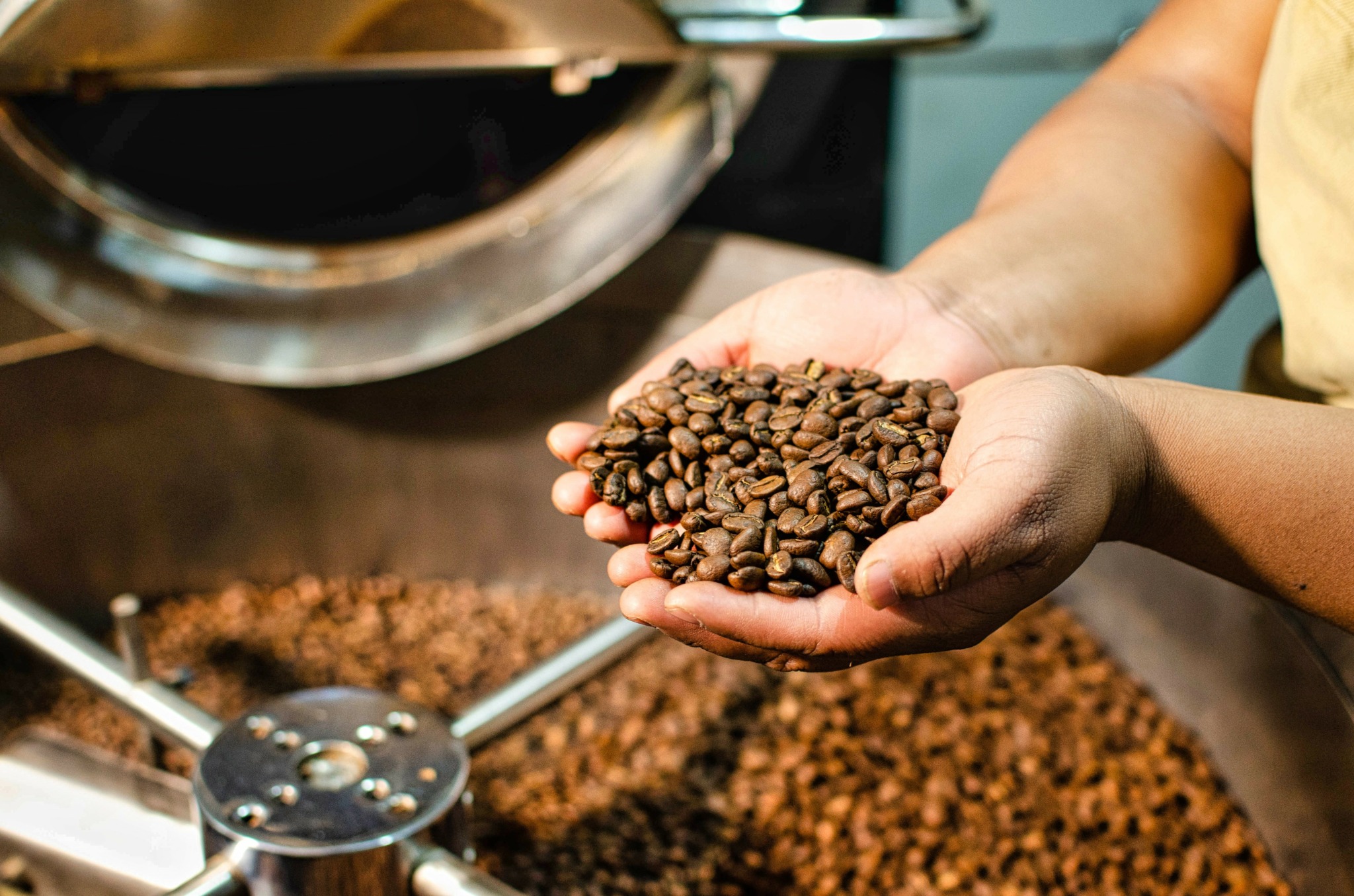
If you examine the coffee industry, you’ll notice a pattern: the farther a bean travels before it’s roasted, the less value the original producer has. At Chica Bean, we reverse that model. We roast at origin. The beans never leave Guatemala until they’re ready to brew, which means that quality and transparency is no longer a exception but a guarantee. And the value? It stays here, benefiting the women who work tirelessly to produce it.
The other crucial element is empowerment—particularly for women. Our Roast Master, Evelin Tupul, didn’t just become the first female Roast Master in Guatemala by accident. It was a deliberate effort to ensure that women, often overlooked in the coffee supply chain, have a seat at the table. Evelin’s rise from being a nanny to becoming one of the most skilled roast masters in the country tells you everything you need to know about what makes Chica Bean different. It’s not just about roasting great coffee; it’s about giving people the tools to control their own stories.
Sometimes, a company’s impact can be measured in numbers or awards, and we have those too. Being named one of the top 10 best international coffee companies by The Wall Street Journal’s BuySide is a proud moment for us. But the true measure of our success is found in stories like Evelin’s. Or in the way our direct-to-consumer model connects people across borders—freshly roasted coffee from Guatemala, in the hands of U.S. coffee lovers within a week.
We’ve broken down barriers not just in the coffee industry, but in the lives of the women we work with. Evelin, now training other women to roast, is living proof of what happens when opportunity meets talent. As are the female producers that we work with that are now able to provide for their families without looking for alternatives like immigration. It’s these stories of transformation that fuel our work.
The coffee industry, much like many others, is shaped by unseen forces—historical patterns, logistical confinements, economic structures, cultural norms. At Chica Bean, we recognize those forces, but we don’t accept them as immutable. Our values—dignity, empowerment, quality, and sustainability—are our way of pushing back against those invisible dynamics. We believe that coffee can be a tool for social change, that every cup can be more than just a fleeting moment of pleasure. It can represent a commitment to a different kind of economy, one where women are empowered, communities thrive, and neither quality nor humanity is sacrificed for profit.
At the core of Chica Bean are our 3 Pillars of Empowerment: Economic, Educational, and Practical. These aren’t just buzzwords; they’re the foundation of everything we do. By ensuring that women are paid just prices, given access to education and training, and supported in making their own decisions, we’re not just running a business. We’re creating lasting change.
In the end, Chica Bean is about more than just coffee. It’s about challenging the way things have always been done and showing that, sometimes, the best solutions are the simplest—keeping the heart of coffee where it belongs, with the people who produce it. And every time someone enjoys a cup of Chica Bean coffee, they’re not just tasting great coffee. They’re tasting the future of the coffee industry—one that’s fairer, more sustainable, and deeply connected to the people who make it all possible.
What’s been the best source of new clients for you?
Getting people to our website and turning them into customers has been one of our biggest challenges. There’s this assumption in the e-commerce world that if you have a great product and make it accessible online, it will just start selling itself. But the reality, as we’ve learned, is quite different. Even with a fully functional, secure site boasting all the bells and whistles, we’ve struggled to get people into our e-commerce store. Running things from our office in Guatemala makes things complicated as it confuses geotargeting protocols, sending our messages largely to local residents even when we adjust settings to aim at US audiences. What has truly worked for Chica Bean is building partnerships with like-minded businesses, communities, and organizations. Our most valuable clients come from those who not only love coffee but also care about the values behind it—the conscious decisions that make even a simple cup of coffee an act of doing better.
This has led us to collaborate with coffee shops that share our story, and offices that want to offer a more meaningful brew to their employees and visitors. But our best source of new clients has come through collaborations with nonprofit organizations, particularly those with ties to Guatemala or a focus on women’s empowerment. These partnerships are so powerful because they connect us with communities that already share our values. To make it mutually beneficial, we donate 10% of every sale that originates from these collaborations back to the organizations. It’s a win-win relationship that has led to deep, lasting connections.
For example, our partnership with Tree 4 Hope, an organization that supports Guatemala’s first bilingual STEAM school for girls—Hope Academy—has been transformative. Located in the same village as our roastery, the collaboration was a natural fit. Beyond fundraising, we created an internship program where Hope Academy’s 5th and 6th graders spend two years learning the ins and outs of coffee production and business development at Chica Bean. By the end, they create their own Chica Bean sub-brand, which we sell on our website, with all profits going back to the girls to support their continued education. It’s not just theoretical learning but an opportunity to create a real product and earn tangible compensation. Contributing to these girls’ growth has been one of the most rewarding aspects of my work.
Do you sell on your site, or do you use a platform like Amazon, Etsy, Cratejoy, etc?
From the outset, we knew that if Chica Bean was going to thrive, we needed access to the U.S. market. As a company based in Guatemala working with specialty coffee, it was clear that the local market, though growing, wasn’t yet mature enough to support our model. Guatemala has long been a country where the best coffee is exported, leaving behind the lower-quality beans for local consumption. This is partly due to the limited disposable income in the country and a general culture that prioritizes export over local appreciation of the “good stuff.” While pockets of specialty coffee culture are emerging, especially in tourist hubs like Antigua, the domestic market remains small. And for us to pay producers fairly, we needed to tap into a market where people understood and valued the price of specialty coffee—namely, the U.S.
E-commerce quickly became our go-to solution, but it came with significant hurdles. First, creating an e-commerce site was no small feat, especially considering Guatemala’s lack of e-commerce laws. It’s a bit like the Wild West—no payment platforms are willing to connect with Guatemalan bank accounts due to the absence of regulation. So, to sell online, we needed a U.S. bank account. Fortunately, both Alene and I are U.S. citizens, which allowed us to open an LLC in the States alongside our Sociedad Anónima in Guatemala. This dual structure essentially lets us act as our own importer and distributor. It’s an enormous privilege, one many Guatemalan businesses simply don’t have.
Logistics, however, posed an even bigger challenge. Guatemala doesn’t have a national mailing system—about eight years ago, the postal service went on strike, and the government decided it wasn’t necessary. That leaves businesses like ours to figure out how to ship products without the infrastructure most e-commerce companies rely on. With our background in the flower export industry, Josue and I asked ourselves a simple question: if it’s possible to ship delicate flowers from Guatemala to the U.S., why not bags of coffee? We approached our contacts, collaborated with UPS, and ultimately created a direct, door-to-door logistics system that delivers in an average of 4 days. Our coffee leaves our roastery with the final customer’s address on it, cutting out multiple layers of middlemen. The result is a streamlined supply chain with just three stops: our producers to Chica Bean’s roastery to the customer. This stands in stark contrast to the typical 8 to 16 steps in most coffee supply chains, allowing us to deliver freshness, traceability, and more value directly to the people who grow the coffee.
While platforms like Amazon certainly offer exposure, they also introduce another layer of middlemen, taking a significant cut of profits. Given our lean and efficient process, adding Amazon’s fees just doesn’t make sense for us—or for our customers. The challenge, however, has been driving traffic to our website and converting visitors into buyers. Being based in origin can throw off algorithms, and even when we invest in paid advertising, many of the clicks come from within Guatemala, which doesn’t help us grow our U.S. audience. It’s a constant balancing act, but we’re proud of the strides we’ve taken and the just business model we’ve created. As a social enterprise, we’re driven by the belief that as we grow, so does our community—and that’s the reason that we will keep going, sí o sí, para adelante.
Contact Info:
- Website: https://chicabean.com/
- Instagram: https://www.instagram.com/chicabeancoffee/
- Facebook: https://www.facebook.com/ChicaBeanCoffee
- Linkedin: https://gt.linkedin.com/company/chicabean
- Youtube: https://www.youtube.com/channel/UCdvEiyHHl2jopAaoqUE-Tpw
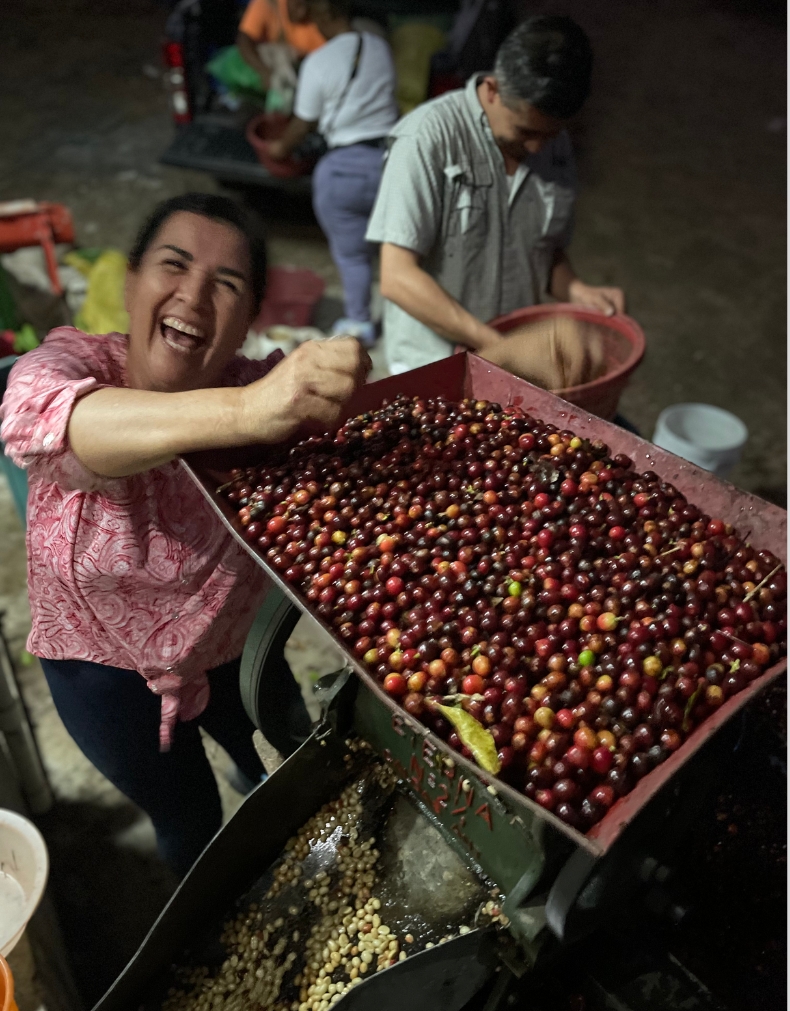
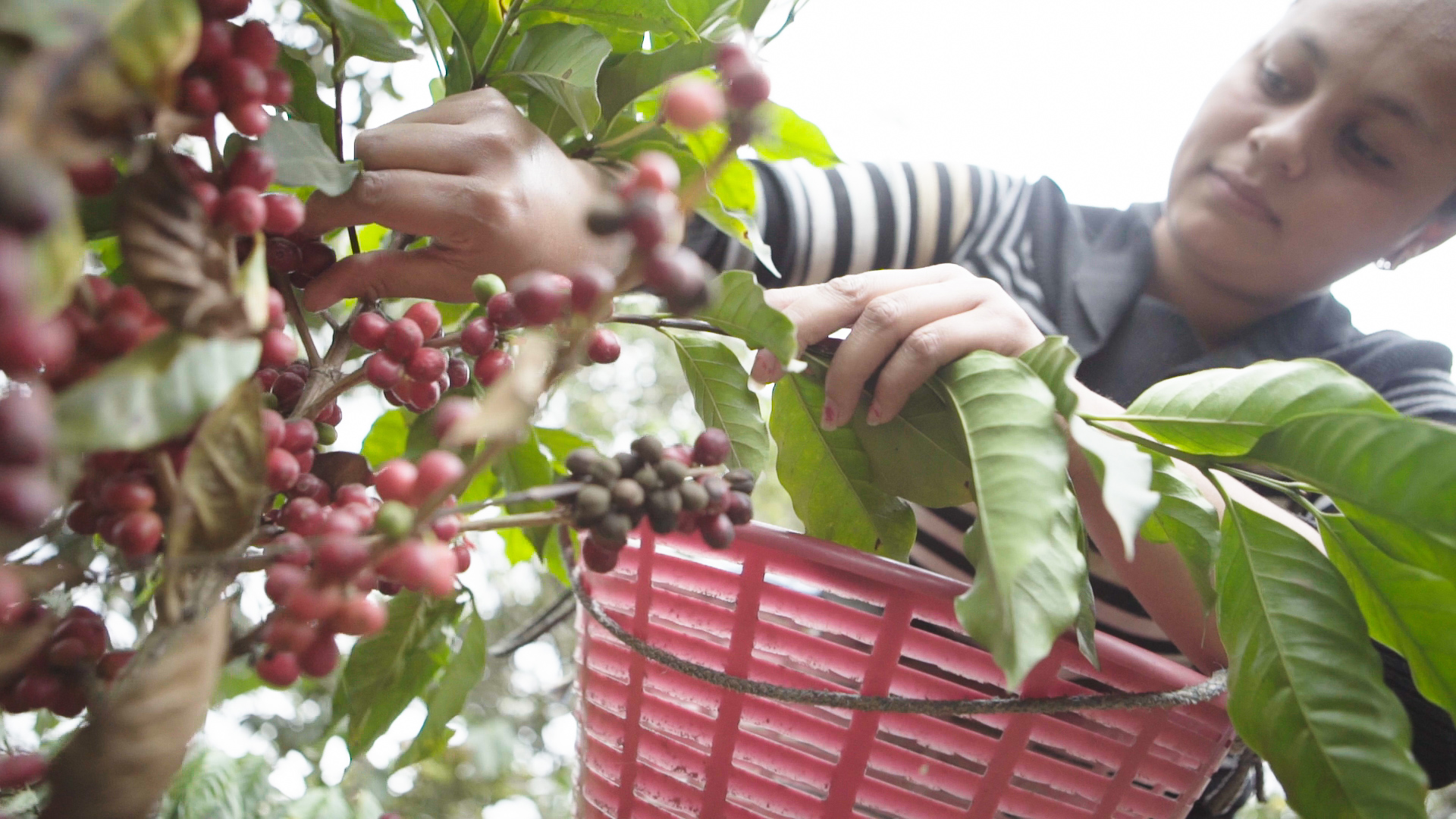
Image Credits
Chica Bean