
We caught up with the brilliant and insightful Abbe Minor a few weeks ago and have shared our conversation below.
Abbe, looking forward to hearing all of your stories today. Have you been able to earn a full-time living from your creative work? If so, can you walk us through your journey and how you made it happen? Was it like that from day one? If not, what were some of the major steps and milestones and do you think you could have sped up the process somehow knowing what you know now?
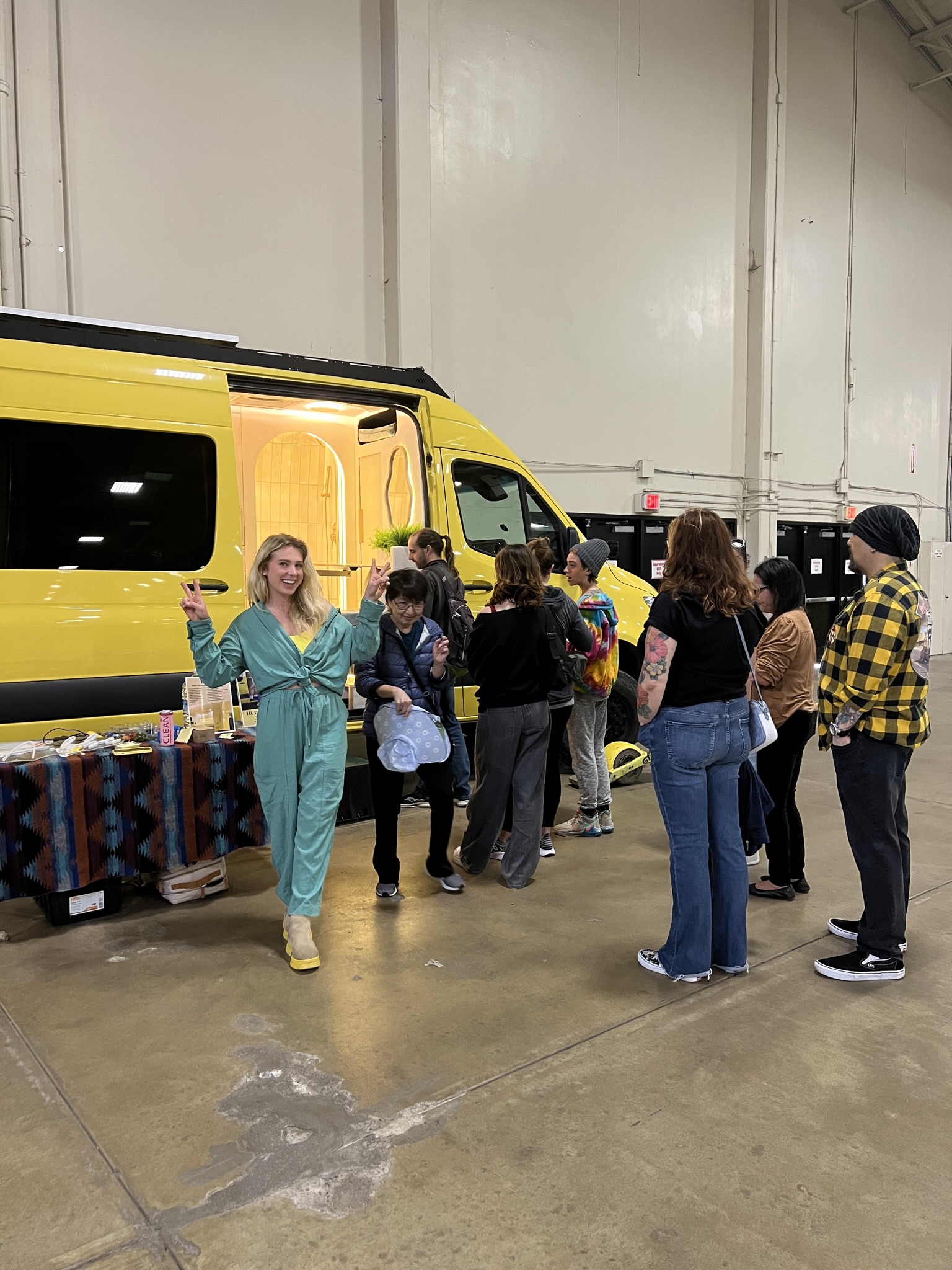
I never set out to make a full-time living from my creative work—it just happened organically. I grew up on a campground, where I was always drawn to small-space design and renovation. From a young age, I learned how to work with power tools by helping renovate campers. When I went to college, my plan was to pursue real estate investing and flip houses, but that changed when I bought my first van. I wanted to travel the country, so I converted the van myself, and when I finished, I realized just how much value I had created.
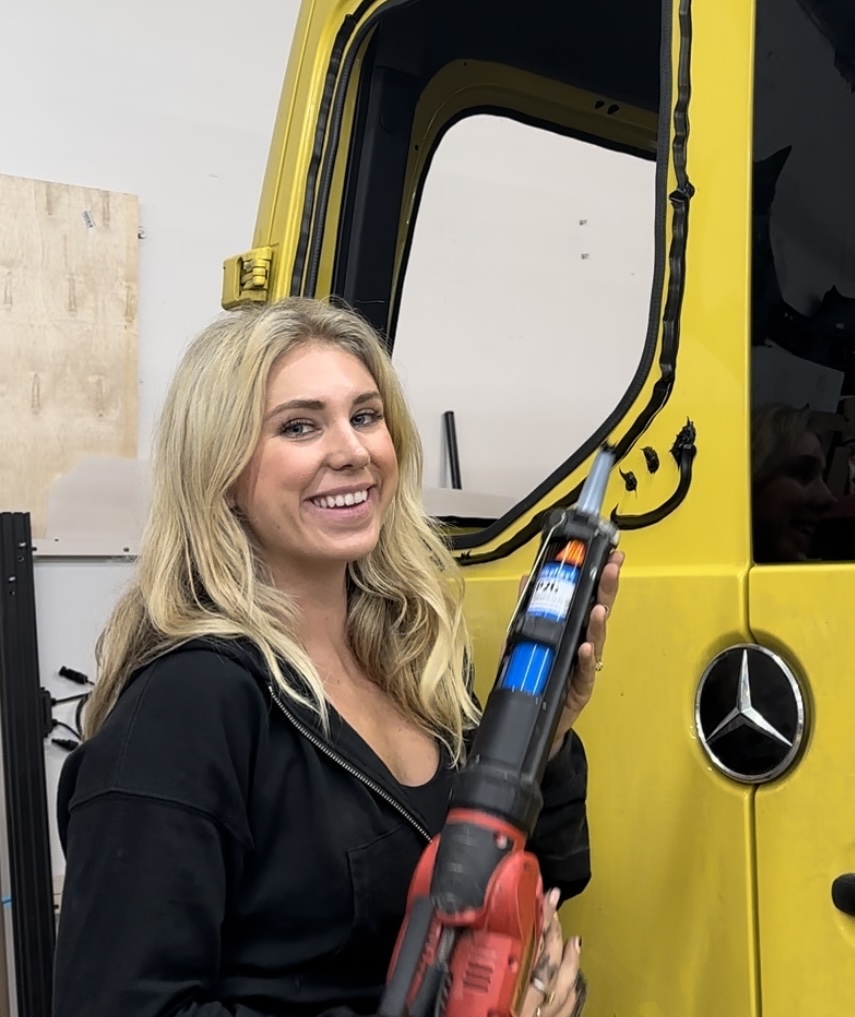
Seeing the opportunity, I bought another van, built it out, and sold it for a profit. Then I did another, and another. Before I knew it, I was making a full-time income just from flipping vans. My most recent project—a big yellow Sprinter—went viral online, which opened up another income stream through Instagram. Brand deals started coming in, and my business evolved into something much bigger than just flipping vans. Now, my income is multi-faceted. I design vans, consult on projects, have a royalty deal with a van-building company that sells my design, and still flip vans when I want to.
Looking back, I don’t think I could have sped up the process because I wasn’t even trying to make a career out of it at first. But what I did do—without realizing it—was follow what excited me, build real skills, and stay open to new opportunities. Ultimately, sharing my story on media was the turning point of scaling my business and opening up my whole world. Having the following I do feels like having money in the bank, which gives me freedom to continue experimenting and following my passions instead of feeling pressure.
Great, appreciate you sharing that with us. Before we ask you to share more of your insights, can you take a moment to introduce yourself and how you got to where you are today to our readers.
I’m Abbe Minor, a designer, content creator, and entrepreneur in the van-building space. I grew up on a family-run campground in Connecticut, where I learned to renovate small spaces and work with power tools at a young age. I originally planned to flip houses, but when I bought my first van to travel, I realized how much value I had created after building it out. That led me to flip another, then another, and soon I was making a full-time living from van building. Over time, my business evolved into something much bigger than just flipping vans.
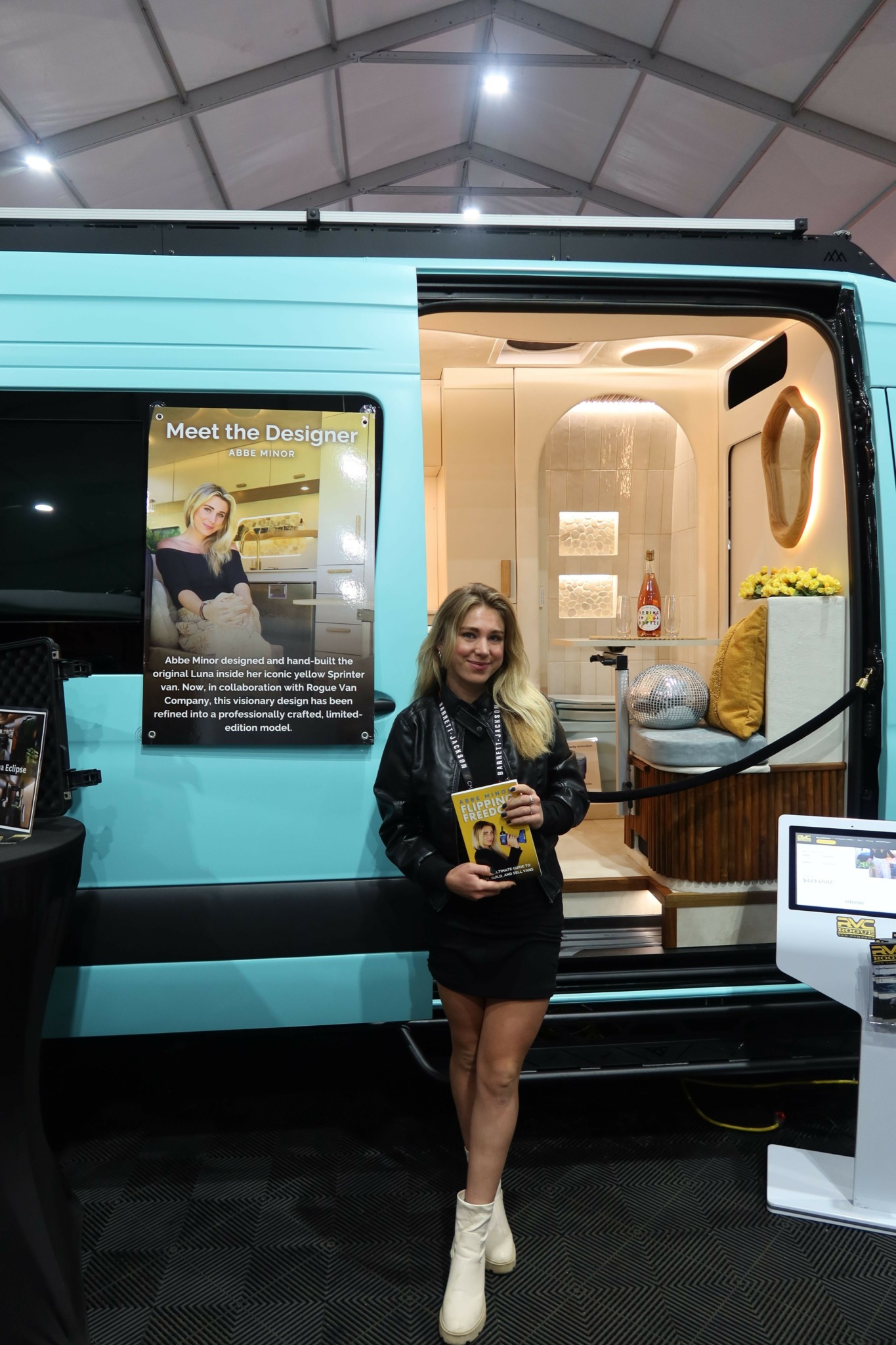
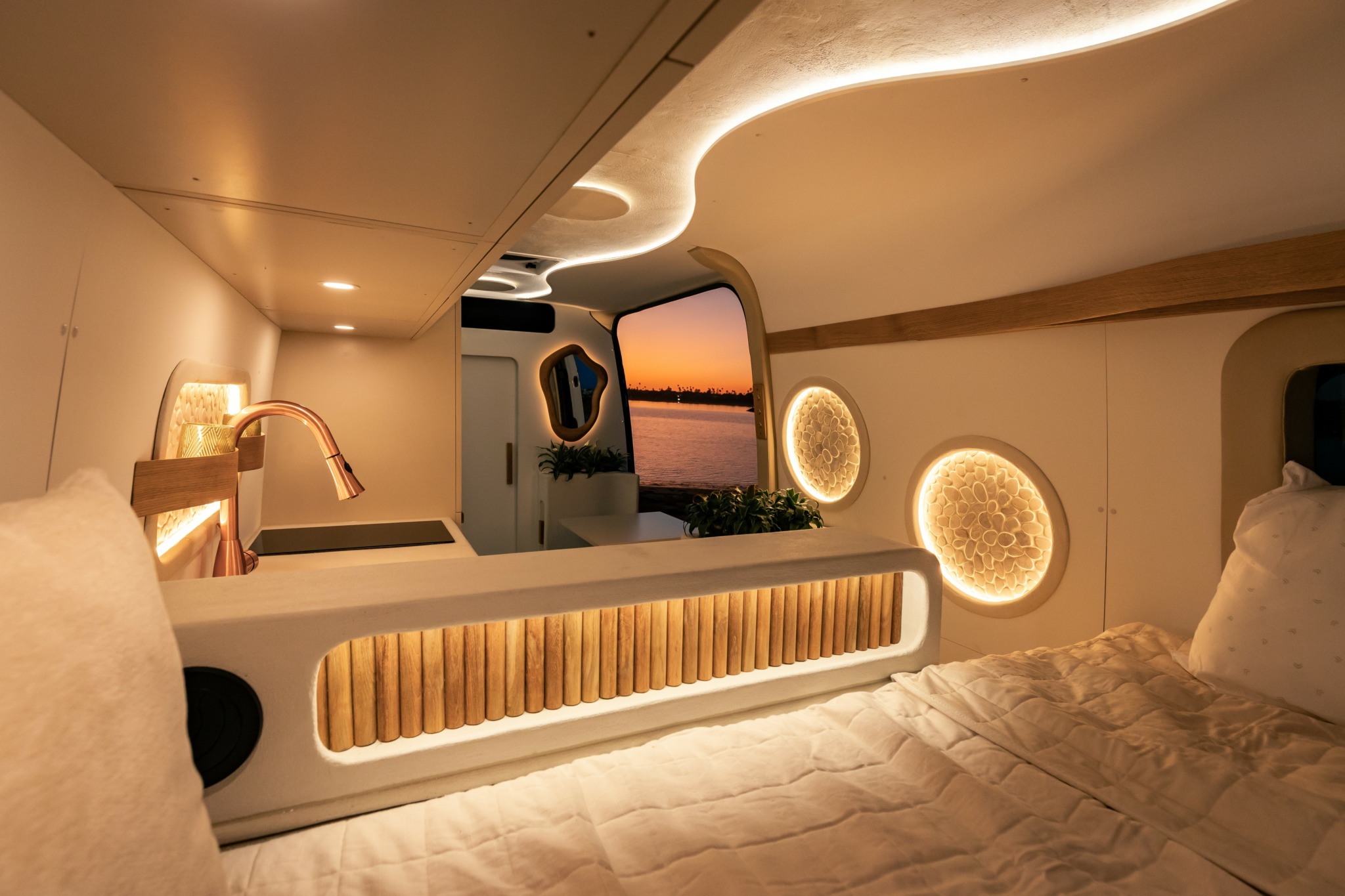
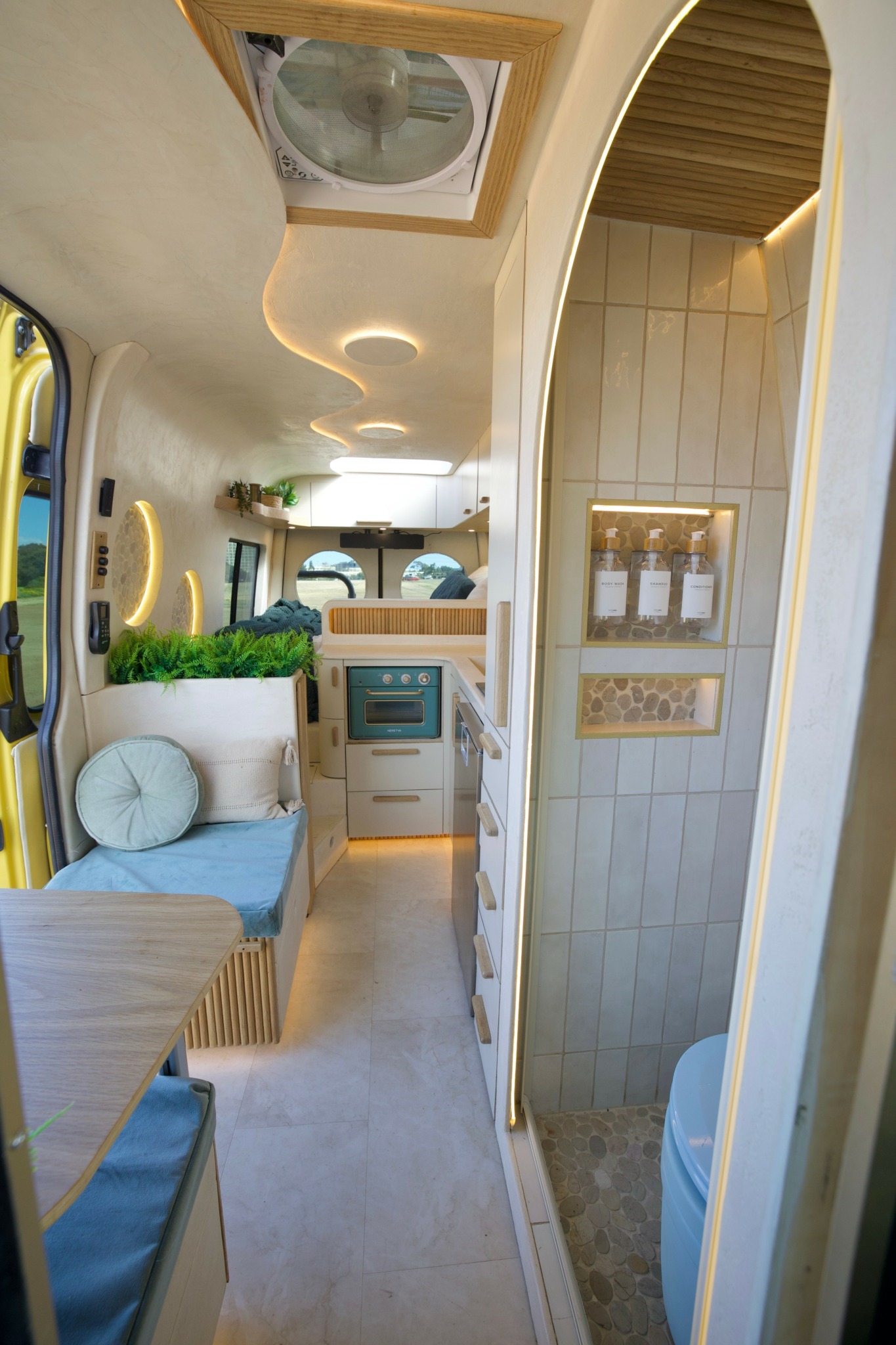
Now, my work is multi-faceted. I design luxury, boutique-style camper vans that blend functionality with artistry, creating serene, intentional spaces that feel like a sanctuary on wheels. My flagship design, the Luna van, is sold through a van-building company under a royalty deal. I also consult on van builds, do custom design work, and still flip vans when it makes sense. In addition to my hands-on work, I share my work through fun videos via Instagram, TikTok, and YouTube with hundreds of thousands of followers on Instagram interested in van building and my lifestyle. This past year, I published my book, Flipping Freedom, which is a comprehensive guide to buying, building, and selling vans, combining my personal journey with strategic insights on maximizing return on investment.
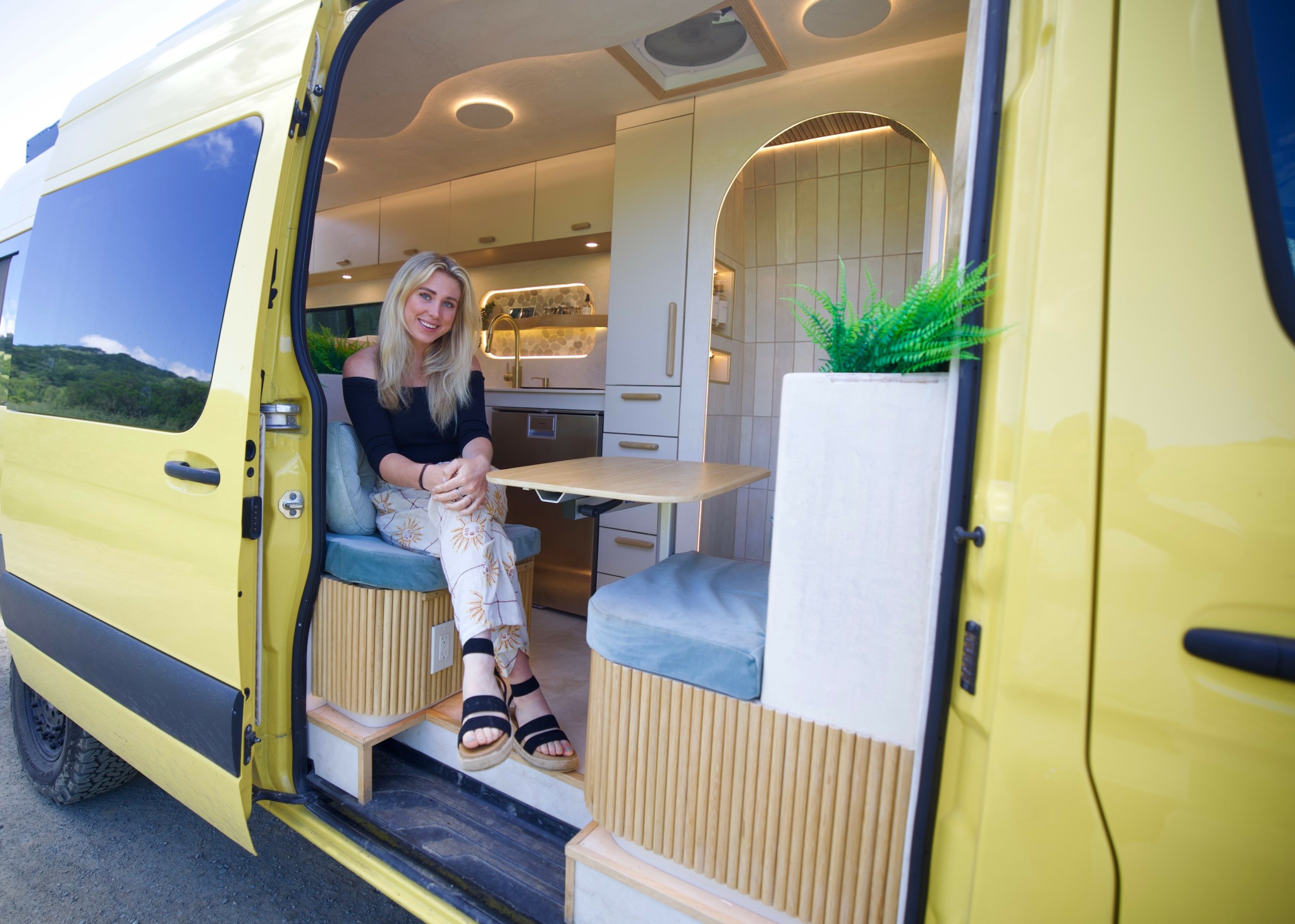
What sets me apart is my ability to merge design, craftsmanship, and business strategy. I don’t just build beautiful vans—I create high-value, marketable builds that sell. I also approach van building differently than most, focusing on efficiency, intentionality, and balancing cost with resale potential. My designs feature soft lines, curves, and an open, airy feel that contrast with the boxy, utilitarian look of most conversions.
Beyond design, I’m passionate about creating freedom—both for myself and others. Whether it’s through my builds, my content, or my book, my goal is to show people how to turn creativity into opportunity. I want my work to inspire others to think outside convention, take risks, and design a life that excites them.
Can you share a story from your journey that illustrates your resilience?
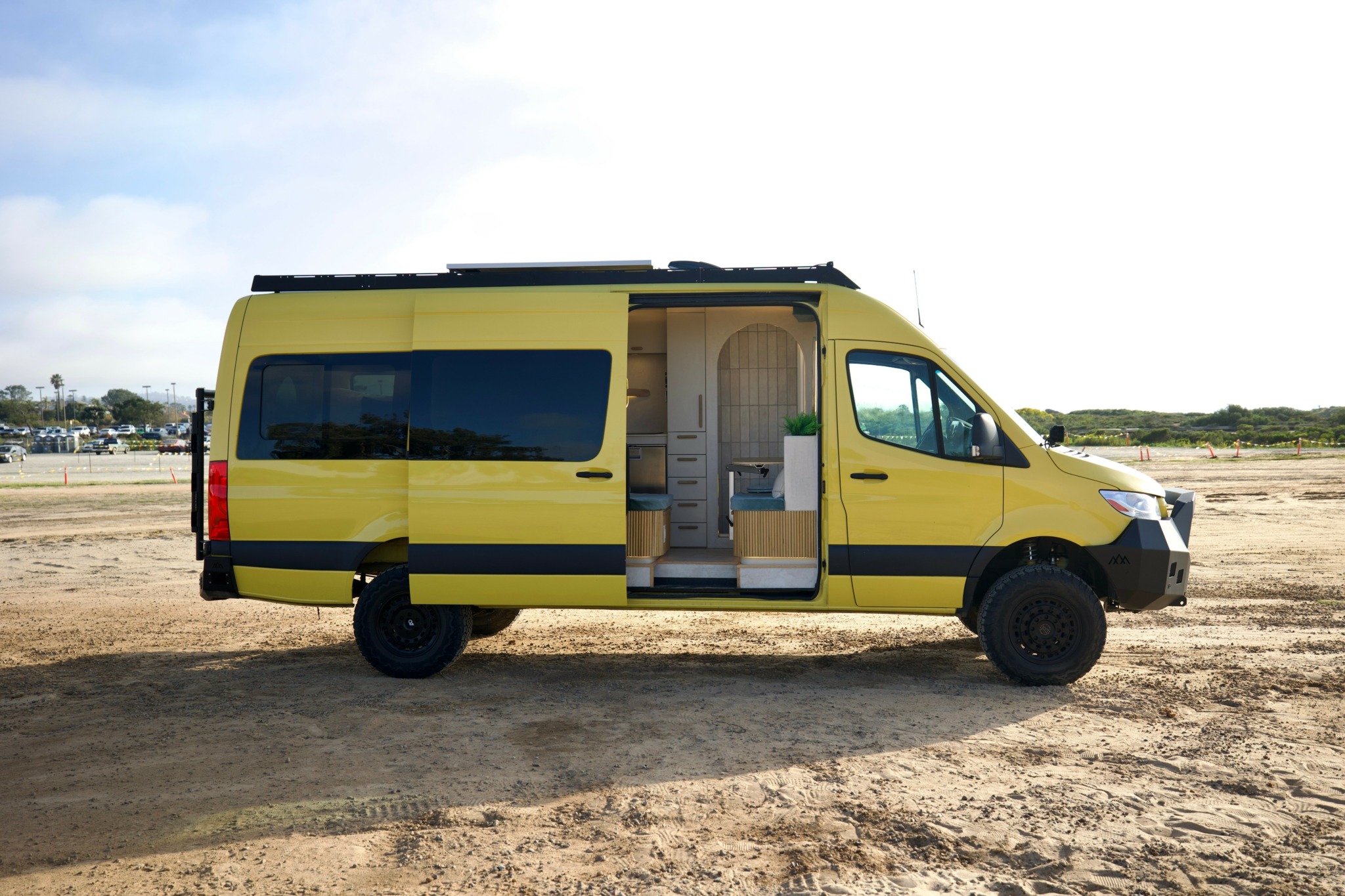
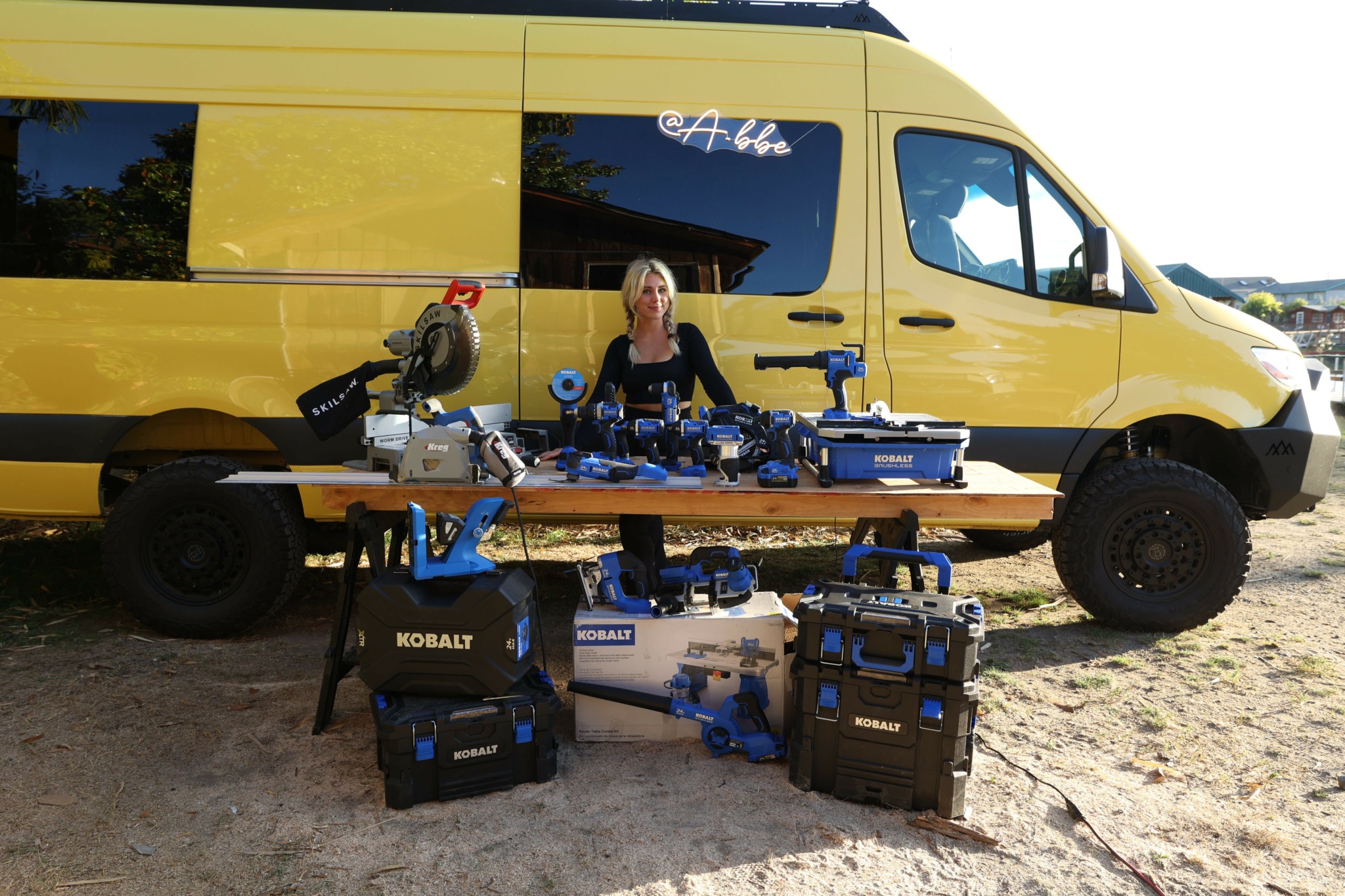
One of the most defining tests of resilience in my journey was building my big yellow Sprinter van—the one that ultimately went viral. It took me across three different locations, each with its own challenges, and pushed me to my limits physically and mentally.
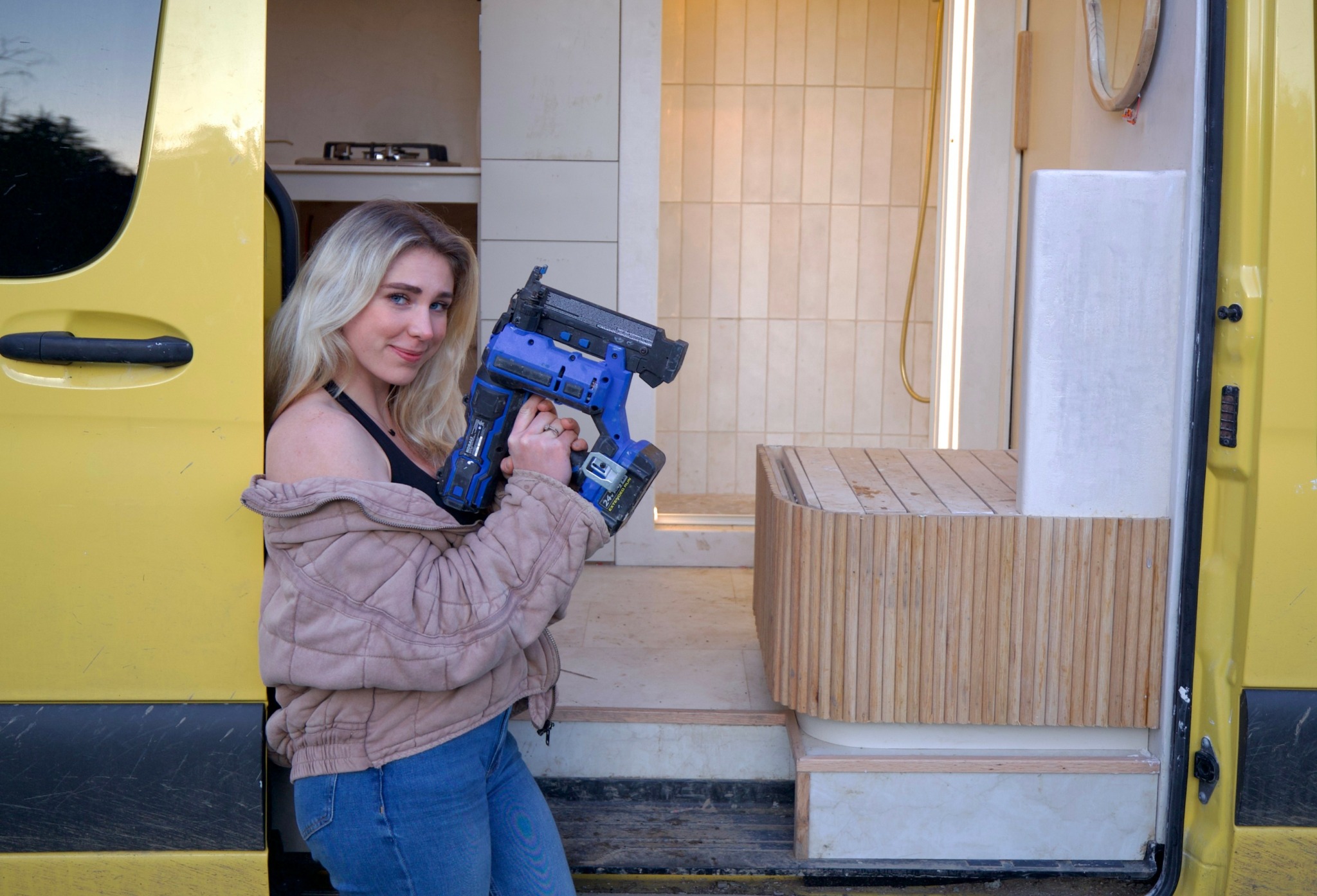
I started the interior build in Washington out of a small shed with a makeshift workbench that I broke down every night. Approaching the winter, the temperatures hovered around 40°F for weeks with incessant rain — I’d work long days until I could barely feel my fingers. Eventually, the conditions became too difficult, so I moved the build to a ranch in the Bay Area, where I worked for another eight months. Even there, rainstorms would roll through, soaking my workspace. I’d be outside in four layers of clothes, working 10+ hours a day to make progress.
Despite the weather, I often thought to myself that there was nothing in the world I’d rather be doing. I kept chipping away, knowing that every challenge was just part of the process. When the van was finally finished I took a step back and realized how crazy I was. I worked in isolation for nearly a year solely focused on this project. It’s been over a year since I finished and I still look at some of the details in the build and reminisce on how insane I was in the thick of that build.
We often hear about learning lessons – but just as important is unlearning lessons. Have you ever had to unlearn a lesson?
A lesson I had to unlearn was my deep-rooted frugality—a mindset I had carried with me since childhood. Growing up on a family-run campground, I was raised to see money as something to be stretched, preserved, and spent only when absolutely necessary. My parents, though they taught me the importance of investing, were incredibly cautious with their spending, pinching pennies and prioritizing essentials. That perspective shaped how I approached my early van builds.
When I built my first van, I spent only $14,000 all-in. Every decision revolved around keeping costs low, repurposing materials, and avoiding any unnecessary expenses. It worked—I flipped that van for a great return. On my second build, I allowed myself a slightly bigger budget but still only spent $18,000, yet I managed to increase my profit. This became my way of operating: invest as little as possible and maximize returns. It was efficient, it was safe, and it reinforced my belief that being frugal was the smartest path to success.
But as I gained more experience, I realized that if I wanted to crack into the big leagues and start making real money, I had to rethink my relationship with spending. The vans I was flipping were profitable, but they weren’t breaking into the luxury market or turning heads at the highest levels. I saw that the builders selling six-figure vans weren’t just skilled—they were willing to spend to create something truly top-tier.
That realization set me on a gradual shift. With each new build, I allowed myself to invest a little more, understanding that spending wisely—not just cheaply—was key to scaling. But it wasn’t until my big yellow Sprinter that I fully let go of my scarcity mindset. This time, I wasn’t just building to flip—I was building to make a statement. The van itself was already the most expensive I had ever purchased, and I poured in nearly $120,000, more than double what I had ever invested in a single build.
It was a leap of faith, but the results proved it was the right move. The investment repaid itself in unforeseen ways. It went viral, bringing me brand deals, reputation, a partnership with a professional van building company, and opportunities far beyond a single sale. Letting go of my ingrained frugality wasn’t easy, but it was necessary. I had to stop seeing money as something to hold onto and start seeing it as a tool—one that, when invested intentionally, could yield far greater returns than I ever imagined.
Contact Info:
- Website: https://www.abbeminor.com/
- Instagram: https://www.instagram.com/a.bbe
- Facebook: https://www.facebook.com/AbbeRoseMinor?mibextid=wwXIfr
- Youtube: https://youtube.com/@abbeminor?si=z0MDppyiUU4e8zHc
- Other: https://www.tiktok.com/@abbeminor?_t=ZP-8uK6maR9JOR&_r=1