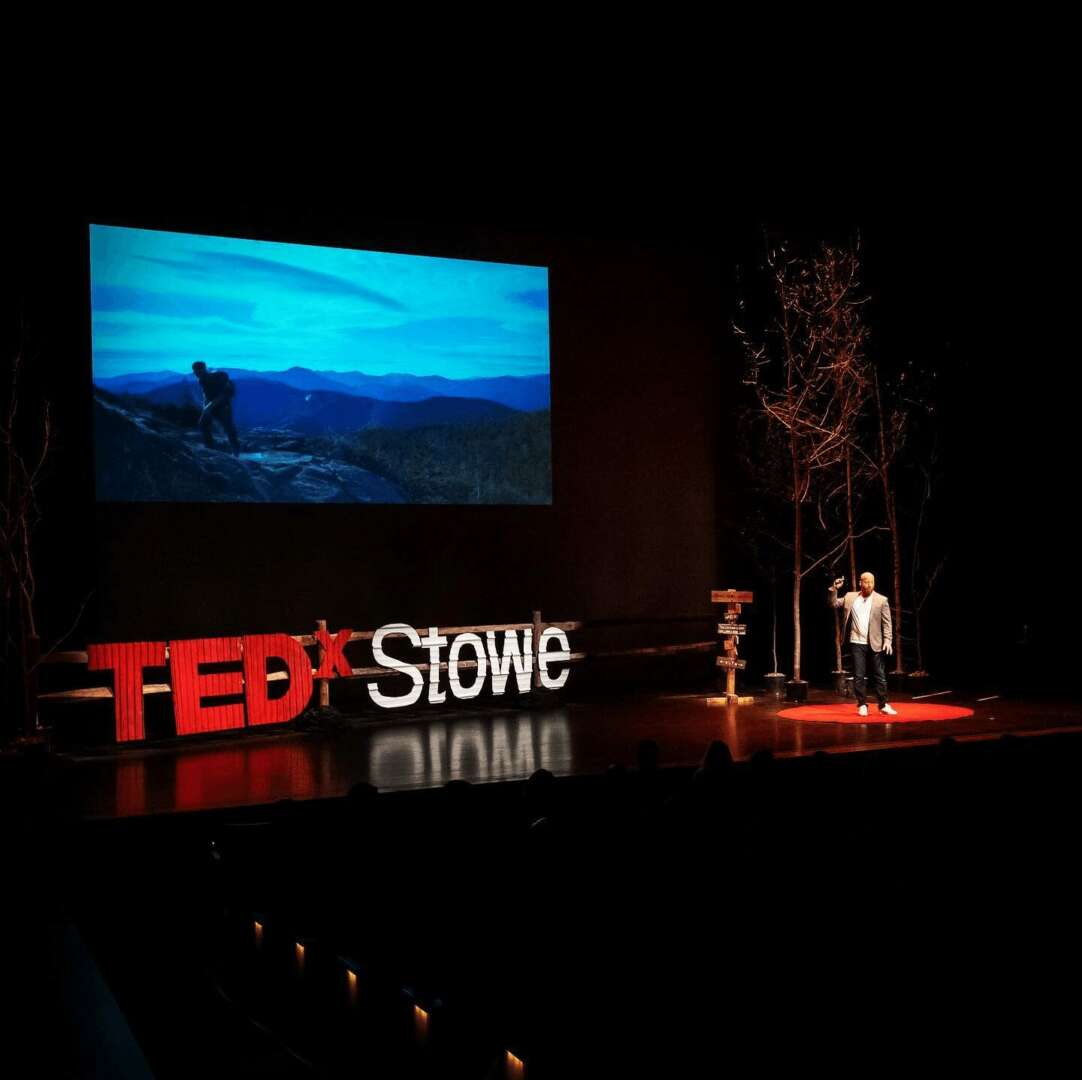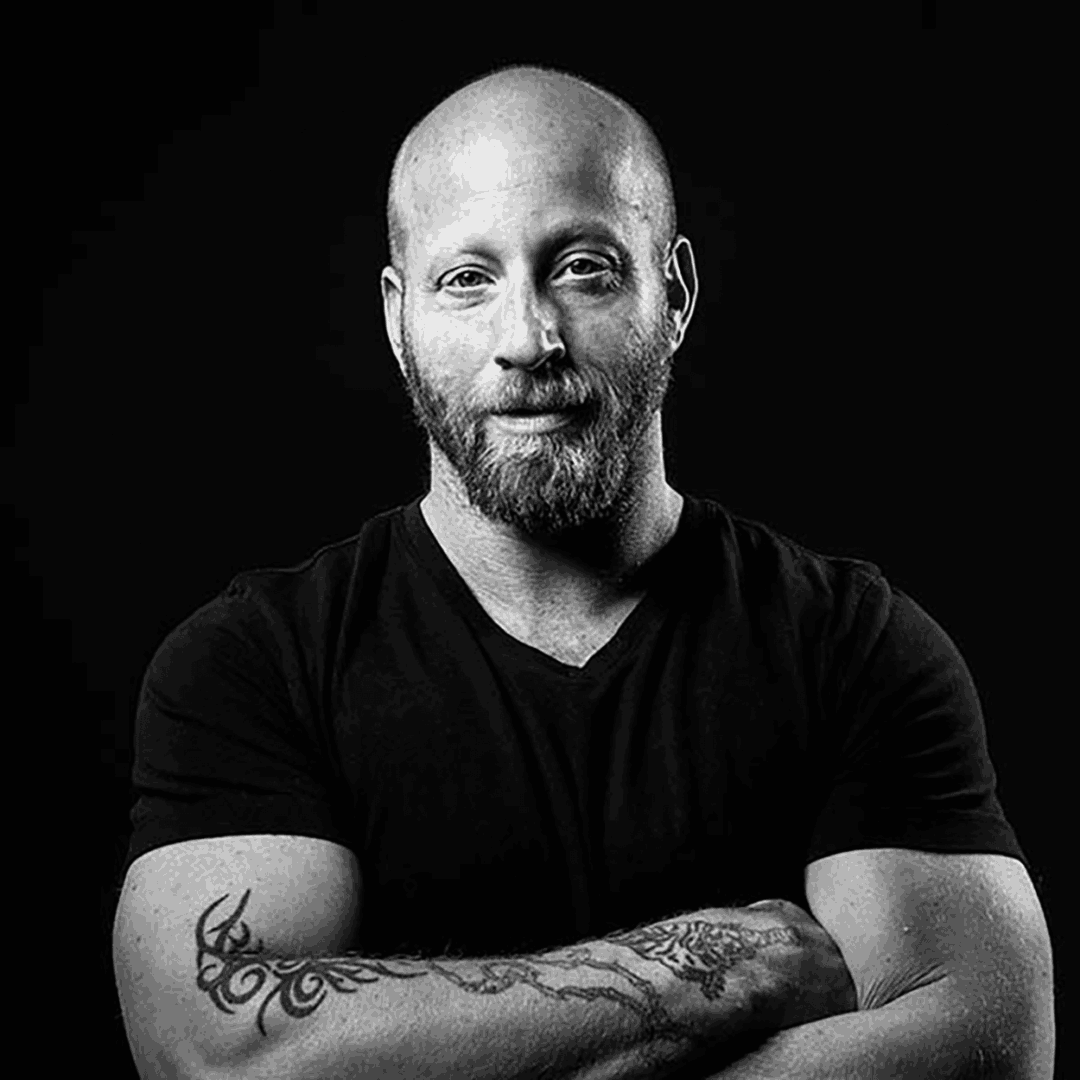

Alright – so today we’ve got the honor of introducing you to Aaron Wisniewski. We think you’ll enjoy our conversation, we’ve shared it below.
Aaron, thanks for taking the time to share your stories with us today We’d love to hear from you about what you think Corporate America gets wrong in your industry and why it matters.
We spend war chests of capital to market and distribute terrible products and we wouldn’t have to if we made better products.
Take beverages for instance because that’s a big part of our business; Have you ever bought a drink because you’ve been getting masterfully-crafted social media ads about it, been bombarded with convincing UGC about it, and when you finally see it on the shelf in a beautifully designed can, you take it home only discover it tastes fucking awful? And you think, why? Why couldn’t such a successful company make something taste better?
Well they could, but they don’t. Here’s why:
1) They don’t have to. The marketing works. With enough marketing dollars behind a brand, you can push it into the market and have some success (at least initially). But without great taste, there’s no loyalty which means the CAC continues to go up, margins plummet, the first place they look is to cut costs and the quality of ingredients and the taste suffers more.
2) They don’t know how. Making something delicious is actually really hard. Its even harder to make something delicious that can appeal to EVERYONE. because taste is subjective, often a product that “offends no one” is more effective from a growth perspective instead of one that “wows some or most people.”
3) it’s not a priority in the company DNA. We see this a lot, especially when when outside capital gets involved. Flavor and sensory experience becomes an afterthought and then when it gets outsourced, there’s no vision or passion driving the outcomes.
One of the most common questions we get from prospective beverage clients is “we want to be like [insert brand name drink] but actually taste good.”
Our position is that since taste, smell, and flavor are so deeply connected to the emotional, memory, and unconscious decision making centers of the brain, making a product smell and taste as amazing as it looks or sounds is one fo the smartest investments brands can make to ensure loyalty and longevity. There’s a million reasons someone will by something for the first time but only one reason they will buy it again and again.
Awesome – so before we get into the rest of our questions, can you briefly introduce yourself to our readers.
I’m obsessed with creating products and experiences that have smell and taste at their core. I think this obsession started really young which landed me in the restaurant industry at the possibly illegal age of 13. From there I went to culinary school, studied food science, became a chef, then a sommelier, and also a bartender. Throughout this whole journey, my lens for my career and the world was using the art and science of smell and taste to make better drinks, better food, and better experiences for my guests but I was limited by the tools i had, the resources available, and demand for weird stuff so I left the hospitality world for the flavor and fragrance industry; the $100B industry that almost no one has ever heard of. They make everything from toothpaste, to the flavor of Doritos, to the smell of your favorite perfume and they are known to be at the bleeding edge of smell and taste science and innovation. INSANE amounts of money and resources go into innovation at these flavor & fragrance companies but what i discovered is that the result is mostly just more cheap shampoo and soaps for multinational corporations and I wanted to have more fun than that.
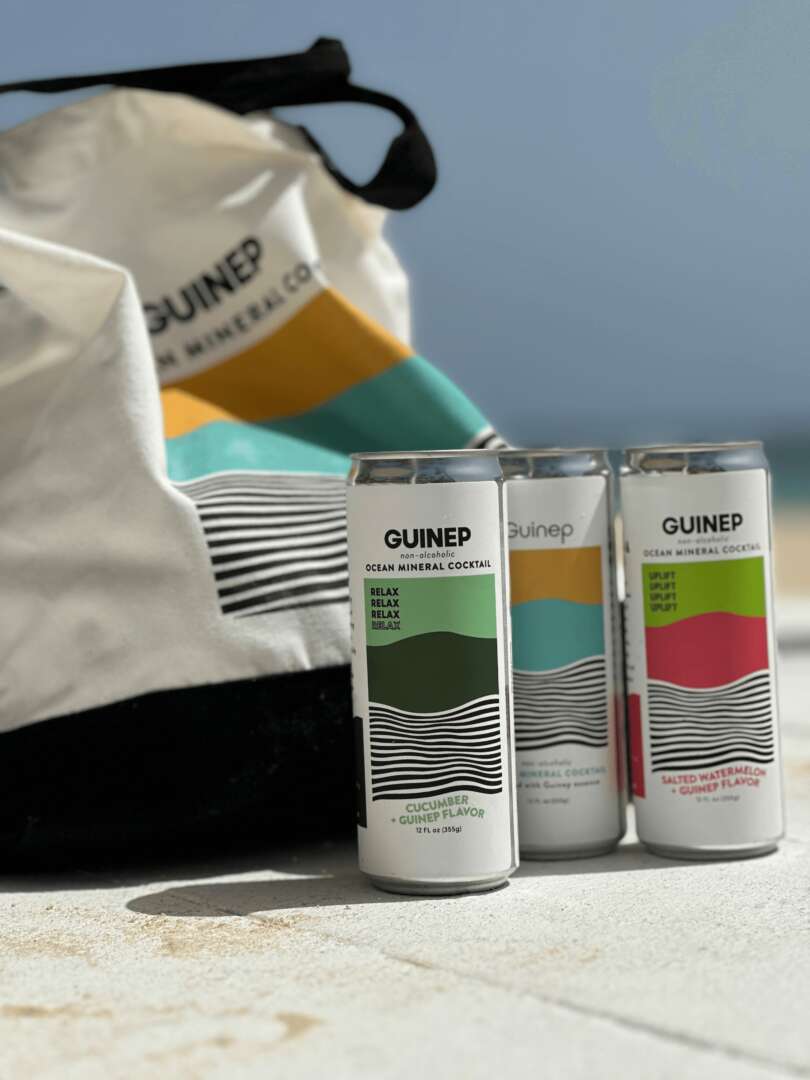
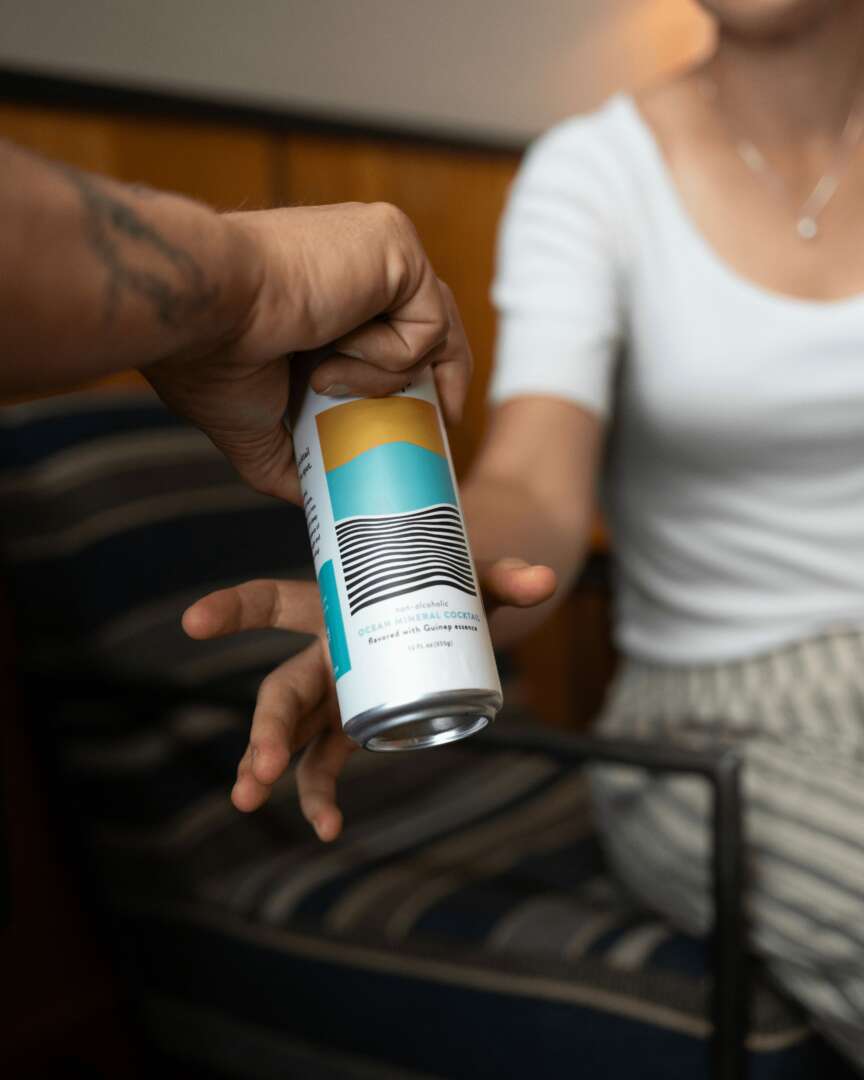
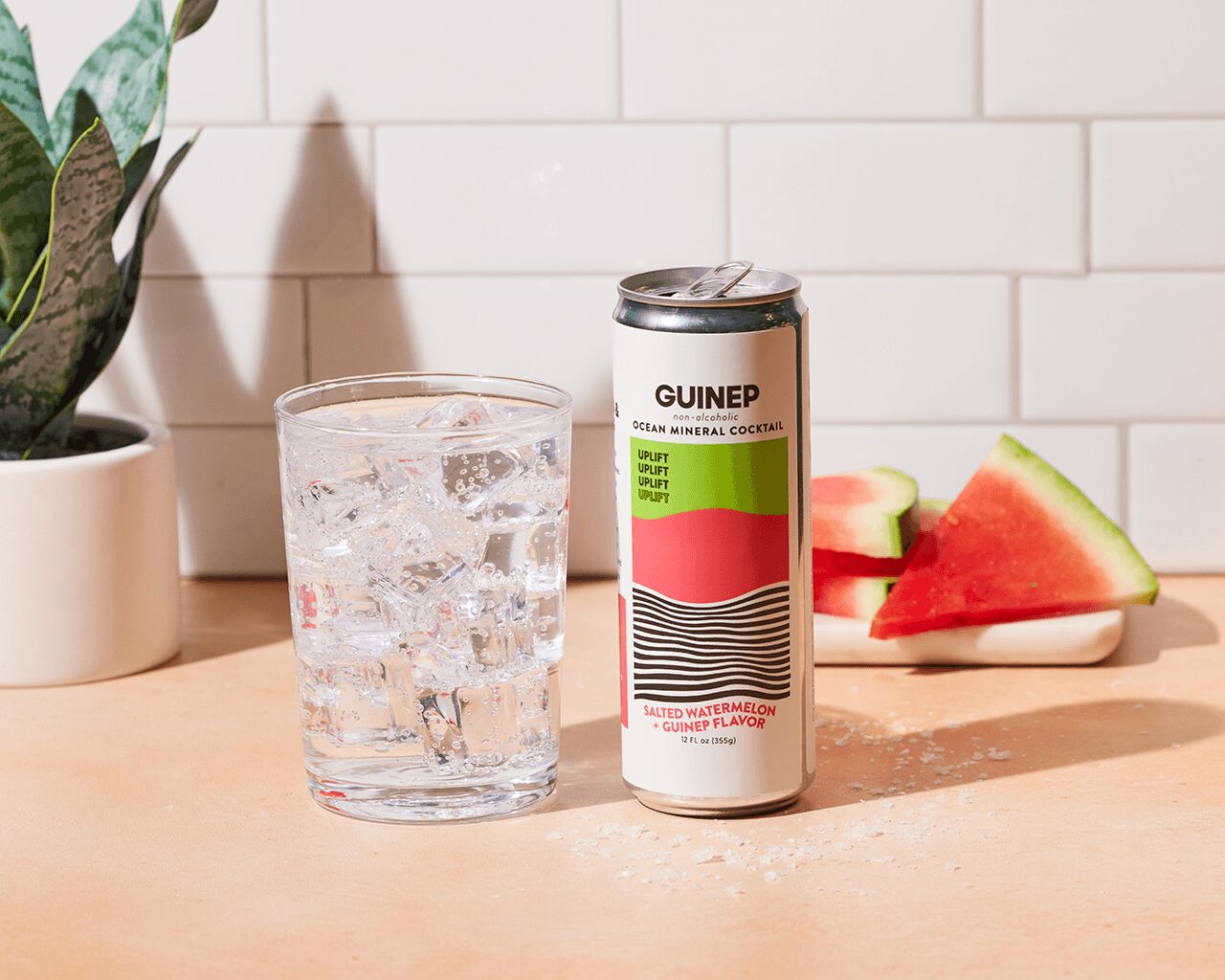
So in 2012 i started Alice & the Magician as as answer to the problems with traditional flavor and fragrance companies. We were small and scrappy and we served small scrappy companies with great ideas and we used our expertise to help bring those ideas to life. We had a framework for innovation that was based on creative chaos, sensory stimulation, and providing crave-able utility. It didn’t work right away but we found our path through trial and error and A&M became the foundation for all the other business and creative ideas I’ve had the privilege of being a part of over the last 12 years. We have created scent technology, immersive experiences, body care, energy mouth sprays, cocktail aromatic mists, vape replacements and lots and lots and lots of beverage formulas. In fact, beverage formulas have become kind of our bread and butter and in 2023 we launched our own non-alcoholic cocktail brand called Guinep and have been using it as a tool to support low and no alcohol lifestyle and create more inclusive spaces and communities for people who want to drink less or not at all. Including Guinep, three successful companies have been launched from the ideas that started at Alice & the Magician and as we grow and evolve we hope to launch more, work with even more incredible people, and continue to make more uncommon, unforgettable products and experiences that people fall in love with.

What’s been the most effective strategy for growing your clientele?
Word. Of. Mouth.
Of course we do all the traditional marketing and advertising tactics that have been around for a zillion years. Stuff like SEO, social media, paid ads etc. We don’t do a ton of it but it is part of our regular activity. And I’m sure we’re ok at it but definitely not great. Most of our growth has always come from word of mouth. Not because it was our strategy but because we really care about doing two things really, really well.
1) To borrow a phrase from Seth Godin, “Make something remarkable.” That is our goal every time we create something. Either for ourselves or for a client. If the product is really good, it IS the marketing. Every business and industry has their toolkit that they use, our is taste and smell. Which is lucky because our brains are wired to respond intensely and emotionally to positive tastes and smells so if we can assemble things in a way that provokes a response of wonder, or joy, or curiosity, than we have succeeded. We’re a small team so everyone has a hand in (and a say in) what goes out that door and no one is going to sign off on product unless it is a unanimous “this is fucking awesome.”
2) the second thing is that we make people feel seen. We listen intently and with deep empathy when we first meet them and throughout the process of working together. Usually people come to us with small pieces of a vision but its incomplete. If we are able understand their deeper needs, take those few puzzle pieces and then hand them back a fully completed puzzle the captures the essence of their vision even before they have been able to visualize it themselves, THAT’S what we live for. If we can create that moment together with a client, they will tell everyone they know and mostly likely, that will lead to more business.
We often hear about learning lessons – but just as important is unlearning lessons. Have you ever had to unlearn a lesson?
Conventional wisdom says there is a formula for success. I thought that everyone else, especially those who appeared more successful than me, knew something that i didn’t. And if I could know what they knew, it would open the door to success for me too. I spent YEARS talking to consultants, mentors, other business owners, and running in circles trying to find the “roadmap to success” before I finally realized that every single persons path to success is unique and you’ll only find it by the long, tedious, journey of execution. In my experience, success is most likely equal parts grit. and luck. But the longer you persist, the more you put yourself in luck’s way.
Its not that people don’t have insight to offer, they do. I still read constantly, listen to podcasts, waste hours on tiktok, and pick the brains of anyone who will put up with me. But if i’m honest with myself, quite often I’m doing those things instead of what I should be actually doing, which is doing the hard thing i don’t want to do and probably failing at it. Every day my to do list has 99 unimportant things and 1 critical thing and my brain wants to do the 99 silly things first because the important thing is scary and failing is scary.
I didn’t learn this in one moment. It emerged slowly over time and after many years of listening to everyone else instead of trusting my intuition. Trusting your intuition can feel like making big decisions based on your horoscope at first but I realized that intuition isn’t a magical, made-up thing. Its the result of millions of tiny data points, each one too small and insignificant on it’s own for your conscious mind to notice, but together they form powerful insight that no one else in the world but you has.
Contact Info:
- Website: www.aliceandthemagician.com. www.drinkguinep.com. www.ovrtechnology.com
- Instagram: @aliceandthemagician @drinkguinep @ovrtechnology
- Linkedin: https://www.linkedin.com/in/aaronwisniewski/