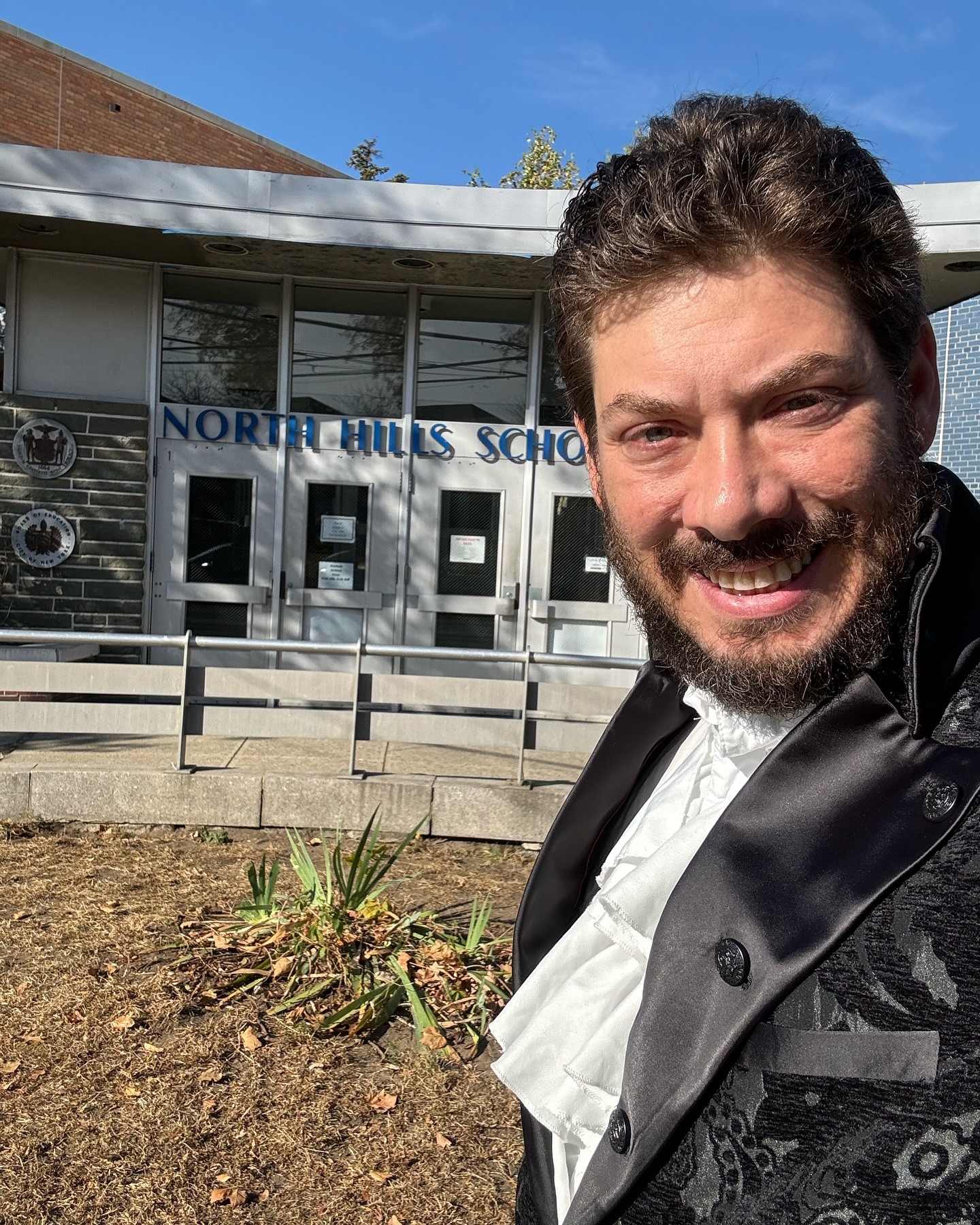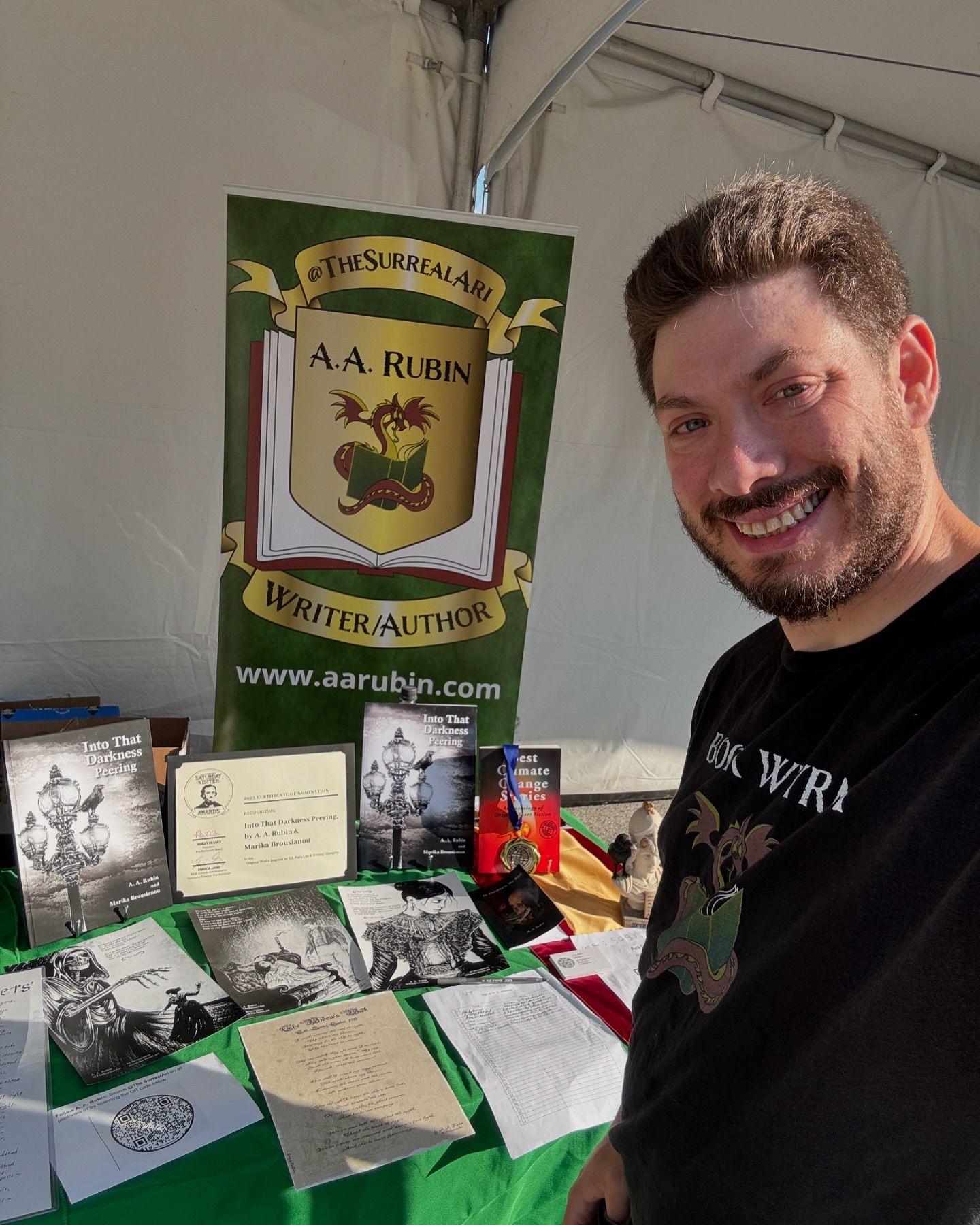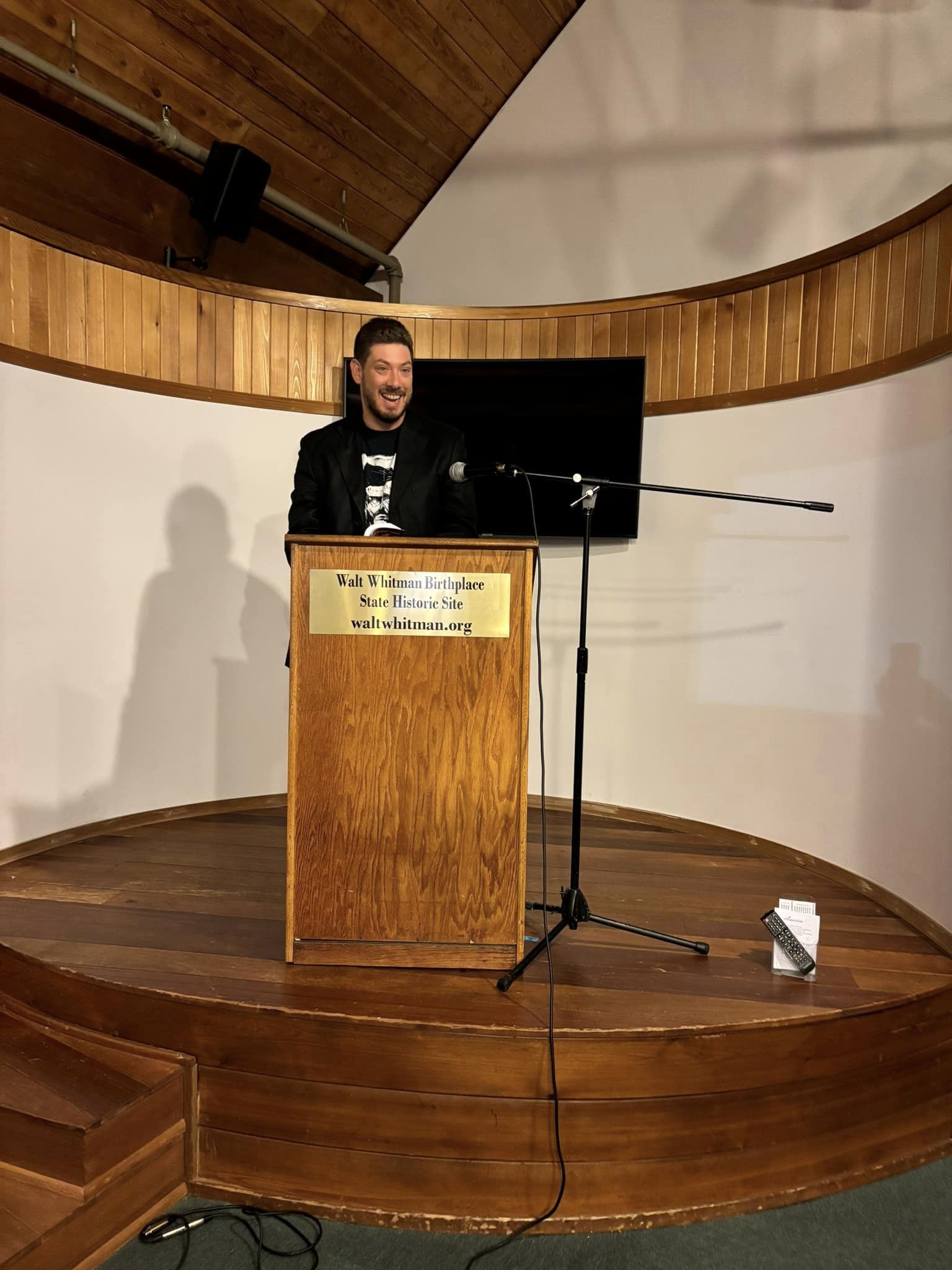

We were lucky to catch up with A. A. Rubin recently and have shared our conversation below.
A. A., thanks for joining us, excited to have you contributing your stories and insights. Learning the craft is often a unique journey from every creative – we’d love to hear about your journey and if knowing what you know now, you would have done anything differently to speed up the learning process.
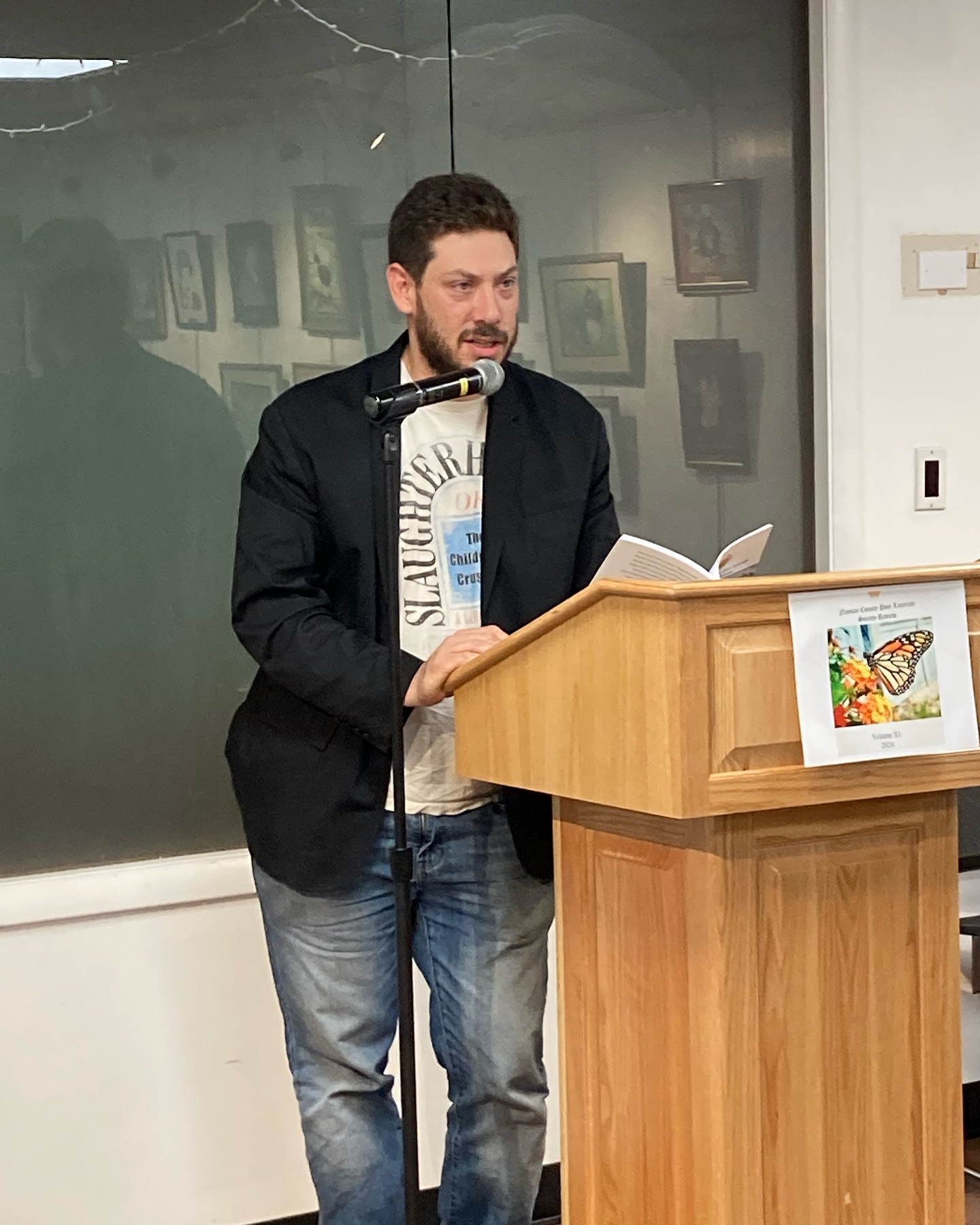
When I started college, I thought I was going to be a political science major. About halfway through, I was dissatisfied with this choice, and, since I had wanted to be a writer since I read the Lord of the Rings in seventh grade, I switched to a writing/literature major. The classes were, generally, done in the workshop model, which, looking back, I do not think is the the best way to teach writing, but which did force me to write and get feedback from my peers about my stories. I think it is important to find a creative community with whom you can share your writing. Getting feedback is important, but what is even more important is being around other creative people. The energy of a creative community cannot be underestimated. In a society were creativity is looked down upon, where conformity and uniformity rule, it is important to find the people who appreciate your unique brand of individuality and creativity. Today I am part of many creative communities, including professional organizations like SFWA and th HWA, as well as Comic Book School and the poetry community in Long Island. Interacting with other writers across mediums and genres helps inspire me to create my own unique stories. Too many writers pigeonhole themselves into one genre or medium too early.
I found that reading is the best preparation for writing. I am often inspired by the books I read. I read not only to enjoy, but also with an author’s eye, looking for techniques and structure which I can use in my own projects. My years as a high school English teacher helped me learn how to break down a piece of writing into its elements and techniques, and to learn to use these techniques and strategies in my own writing.
I also think it’s important to look for inspiration widely. Don’t just look for advice within your own subject area, medium, or genre. I’ve found that craft advice from visual artists, such as painters, has been at least as helpful to me as advice from writers. Joan Miro’s book “I Work Like a Gardener” validated my own creative process moreso than any book I read by an writer. Look for success stories in all of the creative fields, not just the ones in which you work.
Lastly, I think there are too many writing rules. The cottage “writing advice” industry promotes a set of rules that I find restrictive. This was a big obstacle for me early on because, according to the experts, I was “writing wrong,” It was only when I realized that nearly all of these rules were broken by many famous and successful writers, that I was able to thrive. I cover these so called ruled and the way they have been broken by successful writers often on my blog, which you can find at www.aarubin.com.
Awesome – so before we get into the rest of our questions, can you briefly introduce yourself to our readers.
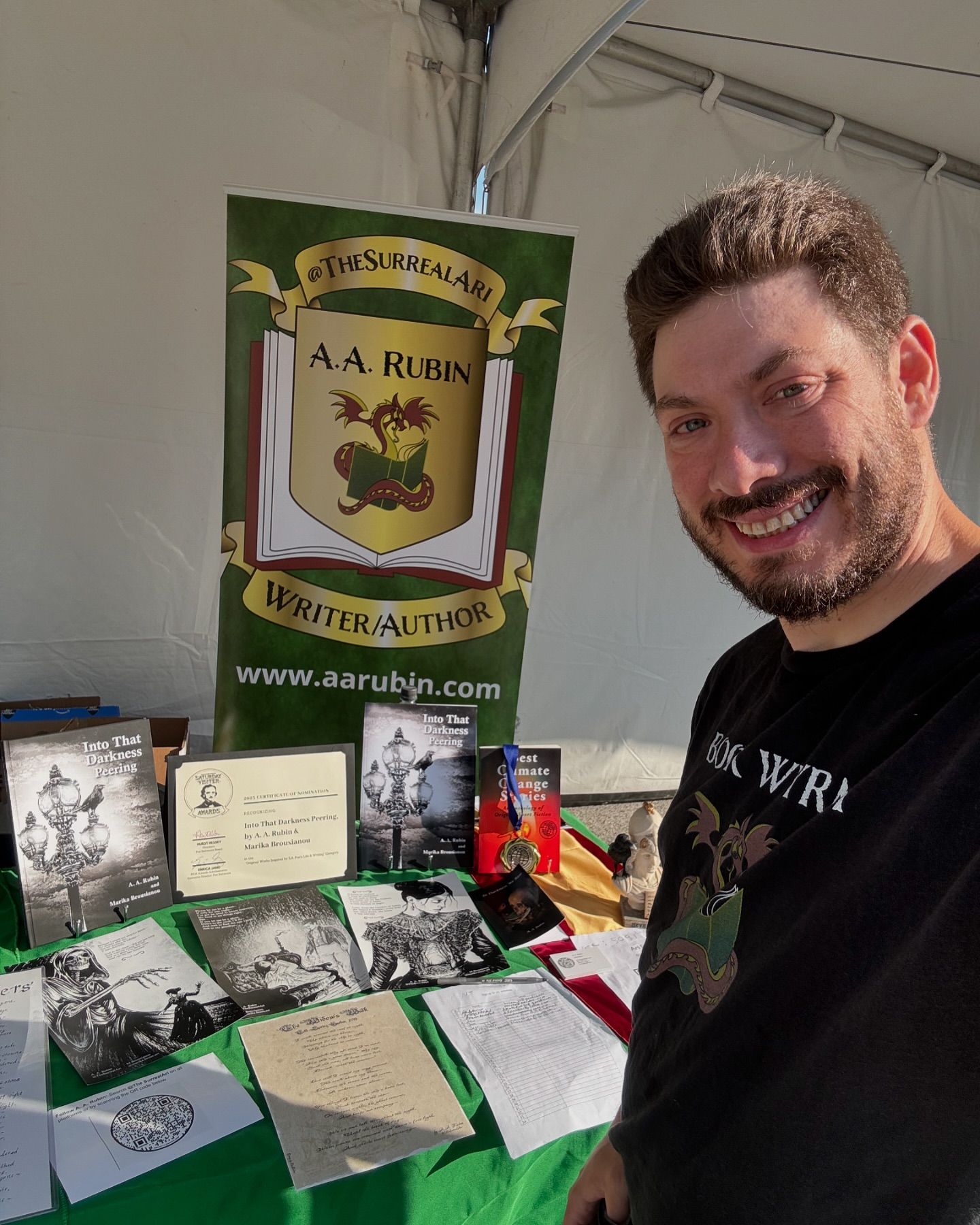
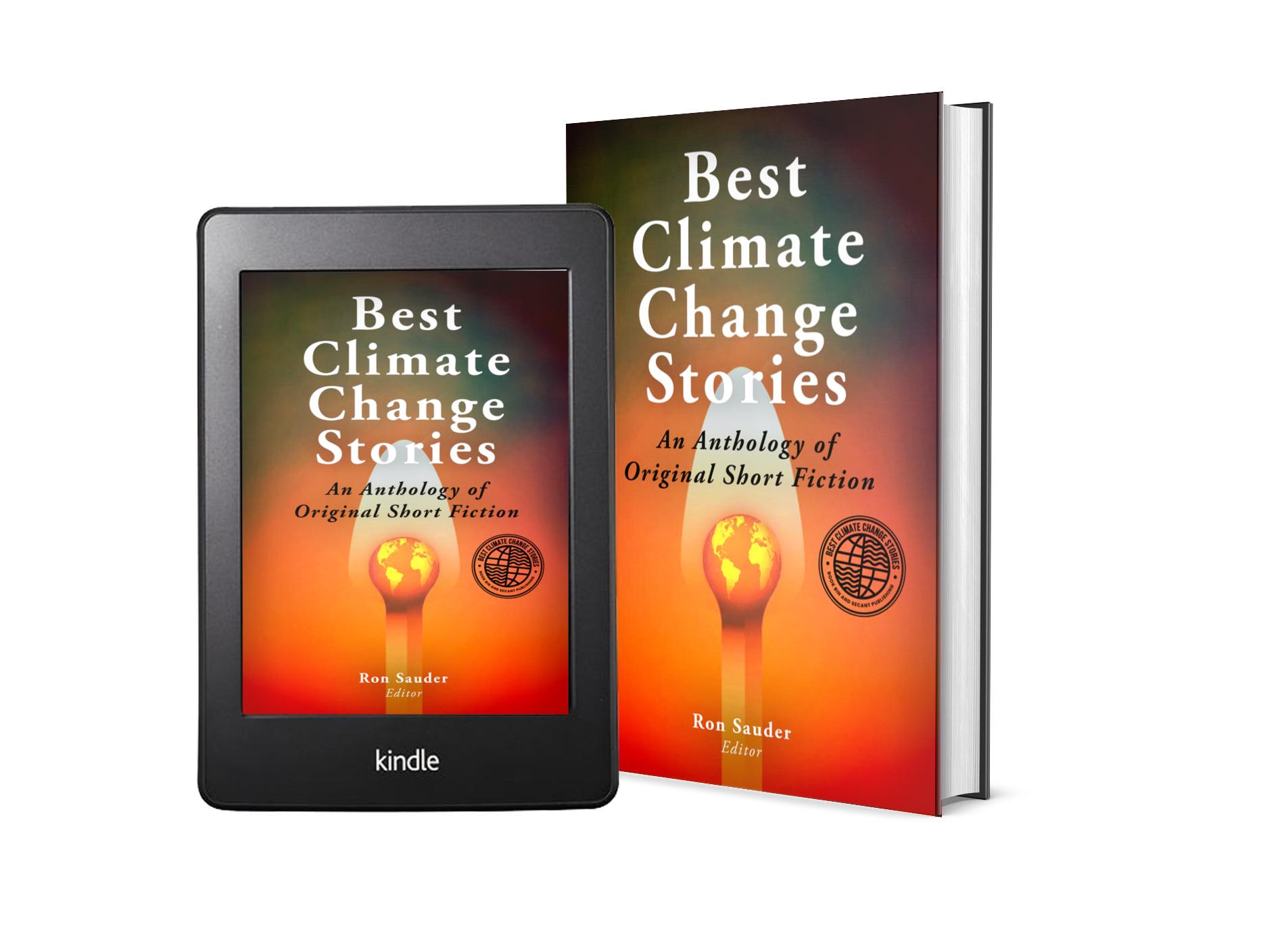
I am a writer who writes across genres and mediums, with work ranging from comic book to formal poetry, from literary fiction, to science fiction and fantasy, and (almost) everything in between. I might write a funny speculative piece in the style of Douglas Adams or Terry Pratchett, and then write a gothic horror in the style of Edgar Allan Poe. I don’t pigeonhole myself into one genre or medium, which makes my stories more diverse in style in tone than many other writers.
Regardless of what I write, there is an authenticity to my work reflective of the research and reading I’ve done over the years. Much of my work is based on older stories and tropes to which I try to give a new spin, and I hope the authenticity and knowledge of the source material shines through to the reader.
I am also an editor and educator, with many years of classroom experience. I am not only able to correct, suggest, and give advice, but to do so in a way that helps my clients learn and understand how to improve their own writing and storytelling.
Is there mission driving your creative journey?
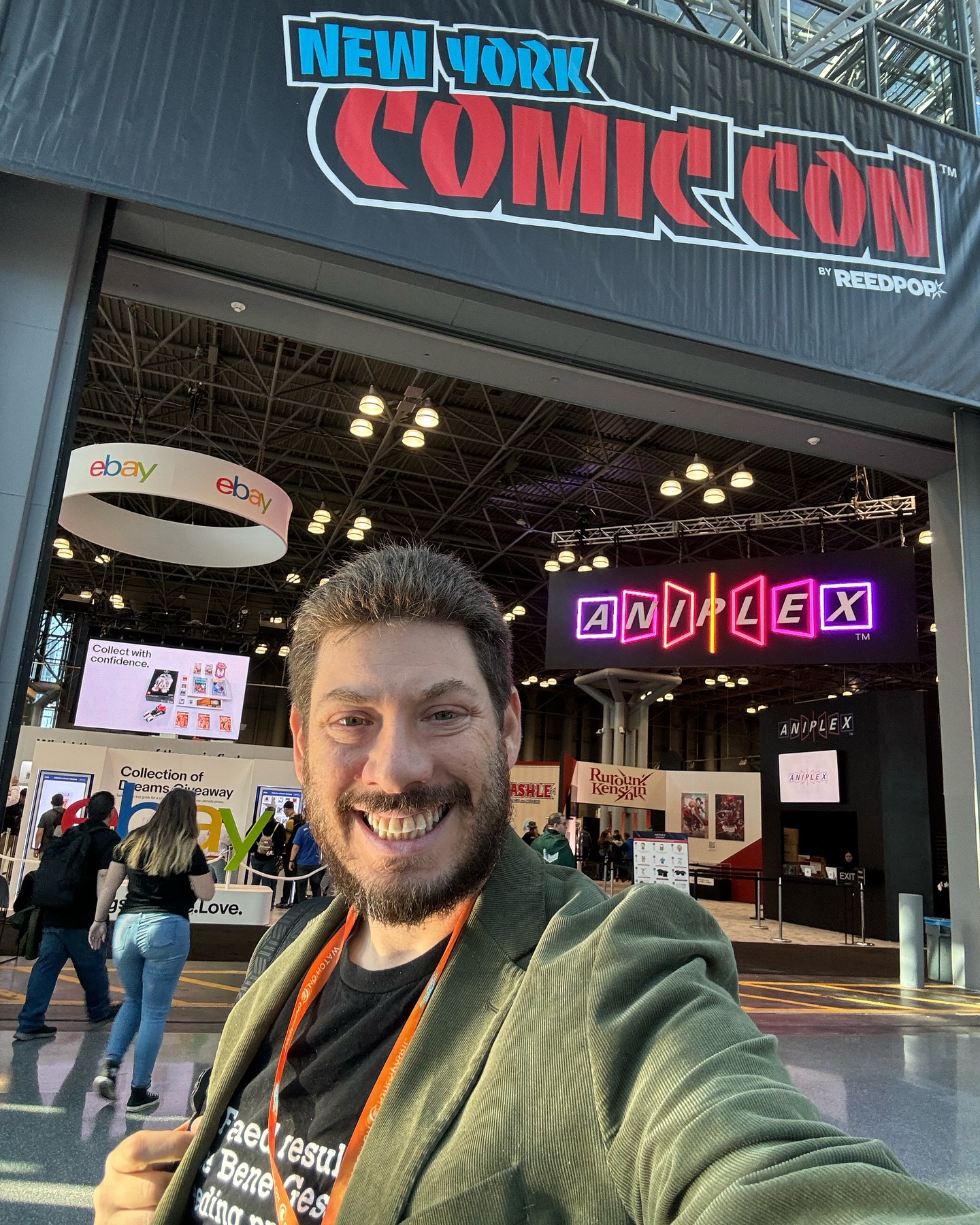
One of my goals as a writer–and indeed as a creative person in general–is to break free from the general conformity of the accepted conventions with the creative arts generally, and in fiction writing specifically.
The cottage writing industry, which extends from the way writing is taught in grade school, to panels at conventions, trade publications, all the way down to social media snippets and blog posts, promotes one way of writing. There are certain convention which one must follow in order be successful, and certain rules a piece of writing must follow in order to be publishable, according to the vast majority of sources which are available to a young or aspiring writer. This, of course, is nonsense.
There are many different processes which lead to writing success (or indeed success in any field). For every writer who engages in massive amounts of world building, like JRR Tolkien, there is a C.S. Lewis who just sits down and writes. For every careful editor like a Truman Capote, there is a stream of conscience writer like Jack Kerouac who is just as famous and successful.
This observed fact is not only true of the process, but the product as well. For every Earnest Hemmingway or Dashiell Hammett (short, simple sentences, active verbs); there is a William Faulkner (long, complex sentences) 0r Salman Rushdie (many adverbs and other modifiers).
So why are young writers taught only to write in certain ways? I think the answer is twofold:
1. There are certain techniques which are easier to teach to people who are not writers or in a limited amount of time. They lend themselves to Teachers College workshop model mini-lessons and to social media snippets. Education is done in soundbites, which lead to things that are simple and easier to explain, rather than things which require depth and time to really learn. But creative processes are not one-size-fits all. They take year–often lifetimes–to develop, even if some of the successful strategies don’t fit into to the limited space of blog post, tweet, or 10 minute mini lesson.
2. Many people present advice as rules when they are just conventions of tastes. What’s popular, or on trend now might not be in a few years or even a few months. There’s a reason we still read the classics (and continue to remake them) even though they don’t follow the conventions of what’s being taught now. Charles Dickens and Emily Bronte knew how to write great literature. We should be looking beyond the conventions of taste into what actually made the story successful. Watchmen is considered the greatest graphic novel of all time, but if you submit a comics script to an editor based on a nine panel grid, you will be rejected right away. The inconsistencies do not make a lot of sense when you really think about about it. This might also be why truly innovative writing often coms from outside the mainstream culture. Writers from groups who grew up in a different tradition are often unbound by the mainstream conventions of so-called good taste which frees them to write authentically, or at least write from a different set of conventions so their books are often more unique.
What it comes down to is if you write like everyone else, your writing will read like everyone else’s.
I want my writing to be unique and different, and to help others find their own unique voices as well
Are there any books, videos or other content that you feel have meaningfully impacted your thinking?
The Tao of Gung Fu, by Bruce Lee is a book which collects many of Bruce Lee’s lesson’s on the martial arts. Many of my other answers in this interview talk about breaking with conformity and finding my own path to success, which is exactly what Bruce Lee did in the martial arts. In the face of thousands of years of tradition and history, Lee questioned why things were done the way they had always been done, and when he assessed his tradition critically, he found that the old ways often did not make sense.
Lee advocates for breaking tradition, for finding an authentic path, but also for testing one’s ideas and methods in the real world to see what works. In this way, his work–all of his work–has been a huge inspiration for me, and I think this book, which contains his philosophical writings, would be most helpful to non-martial artists.
The martial arts in general have been a huge influence on my life as well. I’ve been practicing for over 30 years in a variety of styles, and have trained in JKD, Bruce Lee’s art, since 2010.
Contact Info:
- Website: https://www.aarubin.com
- Instagram: instagram/thesurrealari
- Facebook: https://www.facebook.com/thesurrealari
- Linkedin: https://www.linkedin.com/in/a-a-rubin-18a56bb8/
- Twitter: https://twitter.com/thesurrealari
- Other: https://bsky.app/profile/thesurrealari.bsky.social
https://flow.page/aarubin
https://www.threads.net/@thesurrealari