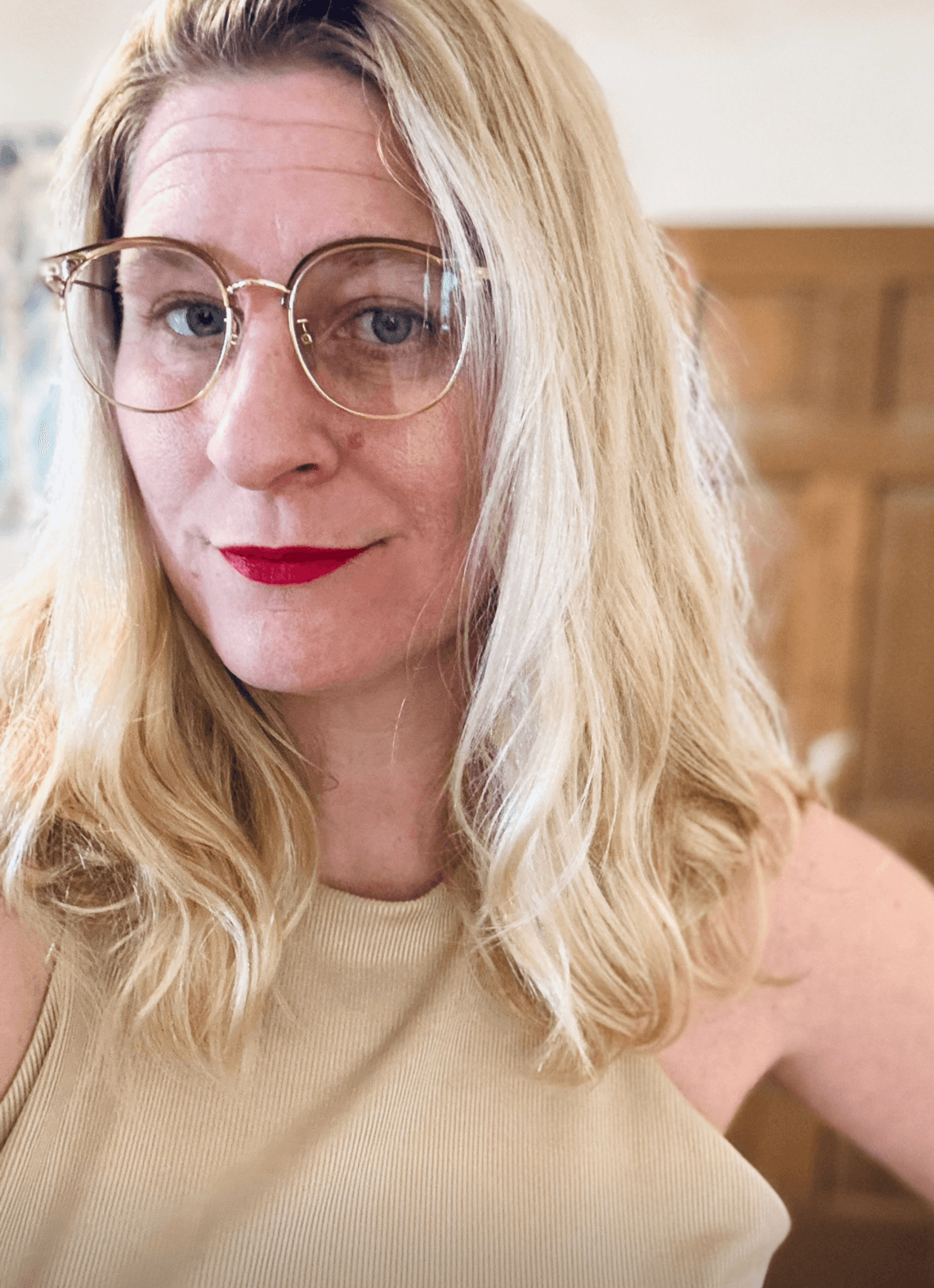
Today we’d like to introduce you to Lindsey Dominguez
Hi Lindsey, so excited to have you with us today. What can you tell us about your story?
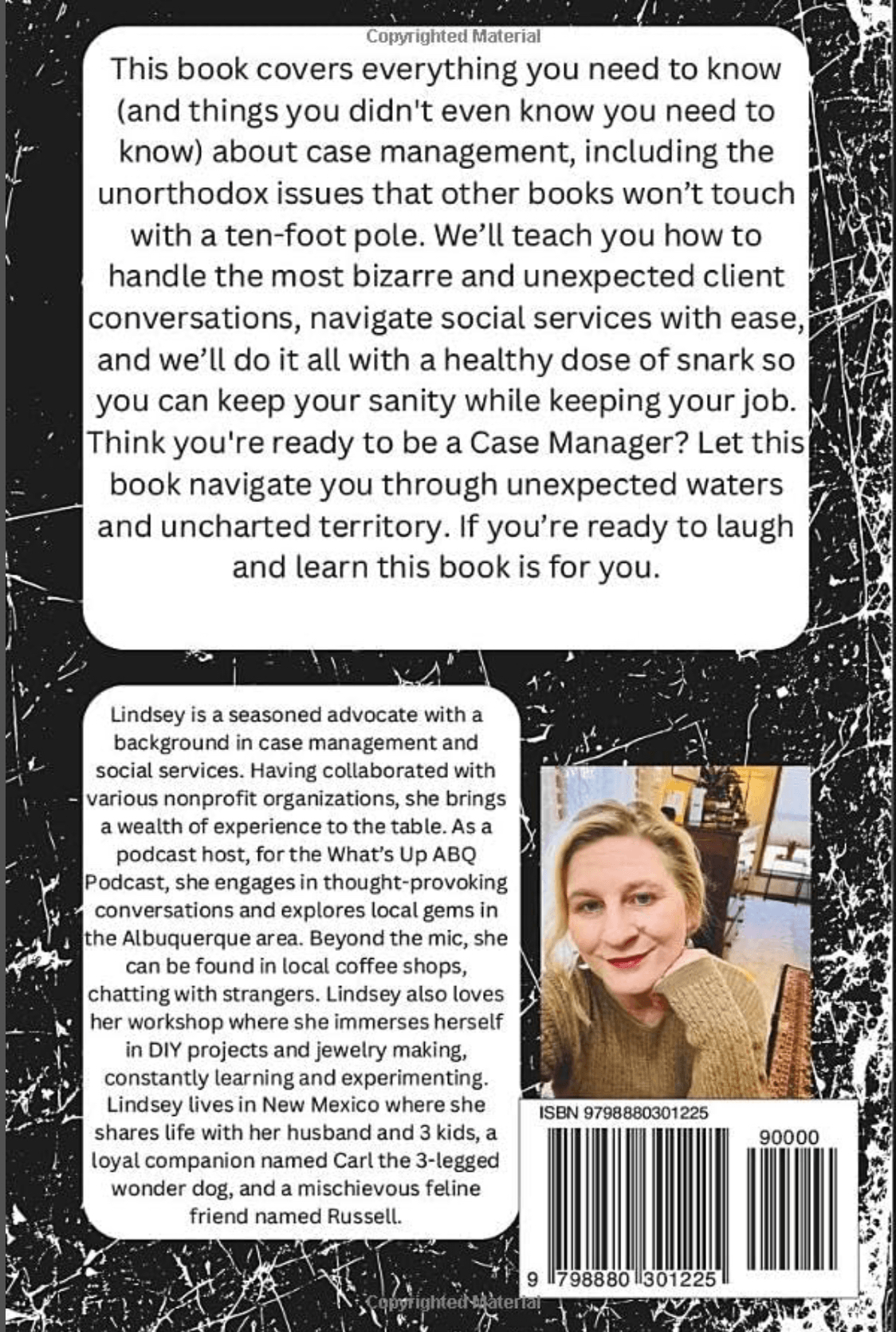
I decided to write a book after many years of being a case manager. I hit the point of burnout, as many in the field do, and realized that my experiences told a story. Case Managers like me in the field didn’t really have any “unofficial guide” regarding the things they don’t tell you about being in Social Services or about working with lots of people with lots of colorful issues. On a particular day when it was tough, I took my laptop out on my lunch break and started hammering it out. My colleagues also shared quirky and interesting things with me about their time in the field as well and that’s kind of where the idea for my book “Case Closed: A Snarky Guide to surviving Case Management” started.
We all face challenges, but looking back would you describe it as a relatively smooth road?
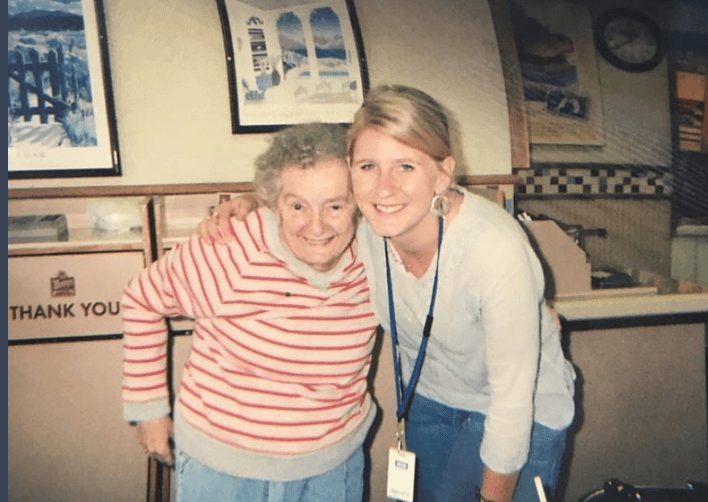
Ha! Smooth, definitely not. Working with people, especially people who are struggling or in demographics with a lot of stigmas and stereotypes is messy. Humans in general are messy. When you add in mental health issues or substance abuse, lack of stability or employment etc. you are in for a bumpy ride working with clients. My caseload was never boring. The good days were really good, but the bad days were extremely tough sometimes. There were days I would wonder why I was still in it. To do this kind of work, you have to be a little quirky yourself, I think, to get through the hard days. A sense of humor doesn’t hurt either. In the beginning I struggled a lot with navigating different services, knowing resources and learning what types of boundaries to set with different types of clients. I was fairly young when I started so it really was trial by fire. The hardest parts of the job are loss, when a client passes away, seeing somebody walk away from help and the fact that you never truly leave this type of work at work. It comes home with you and you lose a lot of sleep.
Thanks for sharing that. So, maybe next you can tell us a bit more about your work?
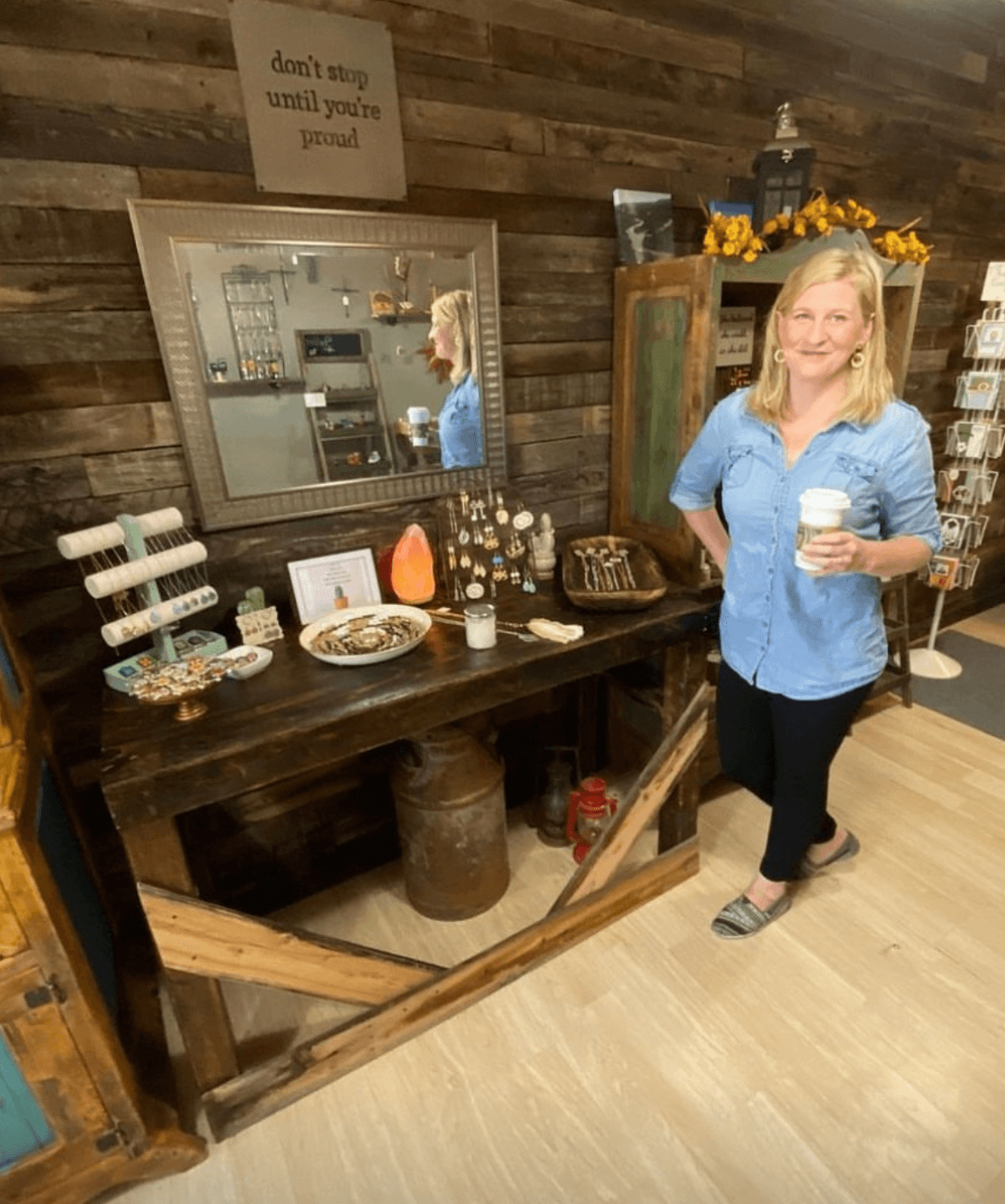
After a leaving Case Management last year, I focused on finishing my book which was really cathartic for me. It allowed me to process my experiences from my time in the field and the secondary trauma that type of work can bring. I took a year to slow my pace and focus on getting to know myself again, not as a case manager, but as an individual. I think like a lot of people, being in Social Services can easily default to that title as your identity after so long and I wanted to really be intentional about this next phase of life. I chose to focus on things that bring me joy. I make jewelry and sell it here at a local coffee shop in Albuquerque, so I am diving more into that and expanding my creative side. I also started teaching myself to flip furniture and I really love it. It’s truly just taking time to learn who I am now. I am proud of my time in Case Management and I know that I impacted people, hopefully for the better. I am proud that I can say that. I think what sets me apart from others is my ability to talk to anybody. Being a Case Manager taught me how to speak to different people at different levels in different parts of life. Ironically I have noticed that flipping furniture reminds me of working with broken people. Some furniture pieces get tossed aside and people pay no attention because they are broken or not appealing, but if you see the potential in a piece, you can do the work and make it something useful and beautiful again. It’s the same when you invest in people. It sounds so cheesy to say that, but the irony isn’t lost on me.
As for creative endeavors now…
I am currently working on my second book, which is a children’s book and hoping to have it completed sometime before January.
My jewelry and creative portfolio is called Jules & Riley Creative Co. (named after my Irish twins).
Before we let you go, we’ve got to ask if you have any advice for those who are just starting out?
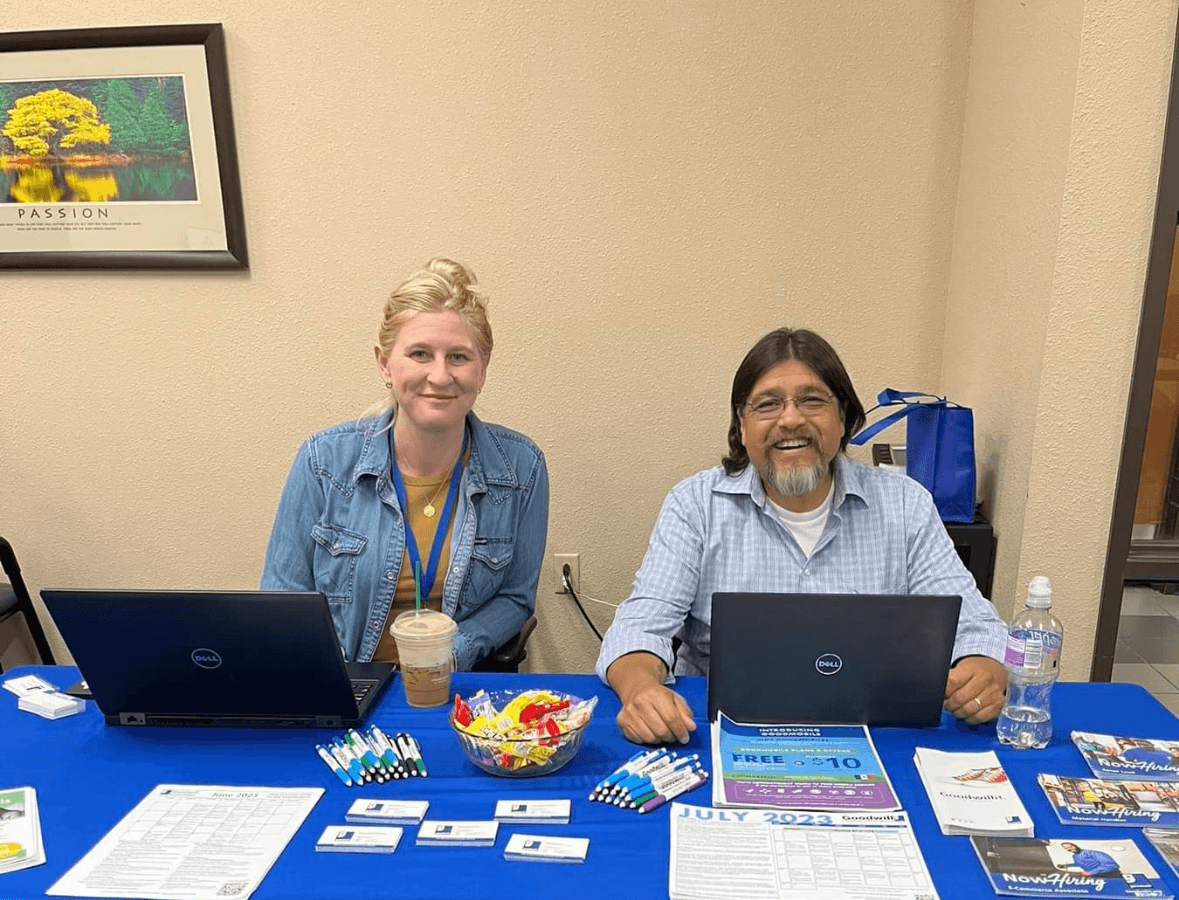
Advice for Case Managers starting out? Jump in. Ask the questions, find a mentor and pick their brain. Be ready for curve balls because you will deal with plenty of them, but they will make you so resilient later on. I wish I would have known as a new Case Manager that you will only get better at it the longer you try. It’s easy to give up on the hard days, but the longer you stick things out, the more knowledgeable you will be, and its a skill set not everyone has. Case Managers forget that not everyone knows how to navigate different services like we do and those things are valuable. During COVID, I helped so many people from friends to neighbors navigate things like SNAP benefits to assistance applications. Those skills are transferable forever and the more you learn at the beginning of your career, the more of a wealth of knowledge you will carry in the long run.
Contact Info:
- Website: https://lyndzi28.wixsite.com/my-site
- Instagram: https://www.instagram.com/julesandriley_jewelry/
- Other: https://www.amazon.com/stores/Lindsey-Dominguez/author/B0CW2LRDBX?ref=sr_ntt_srch_lnk_1&qid=1720840244&sr=8-1&isDramIntegrated=true&shoppingPortalEnabled=true