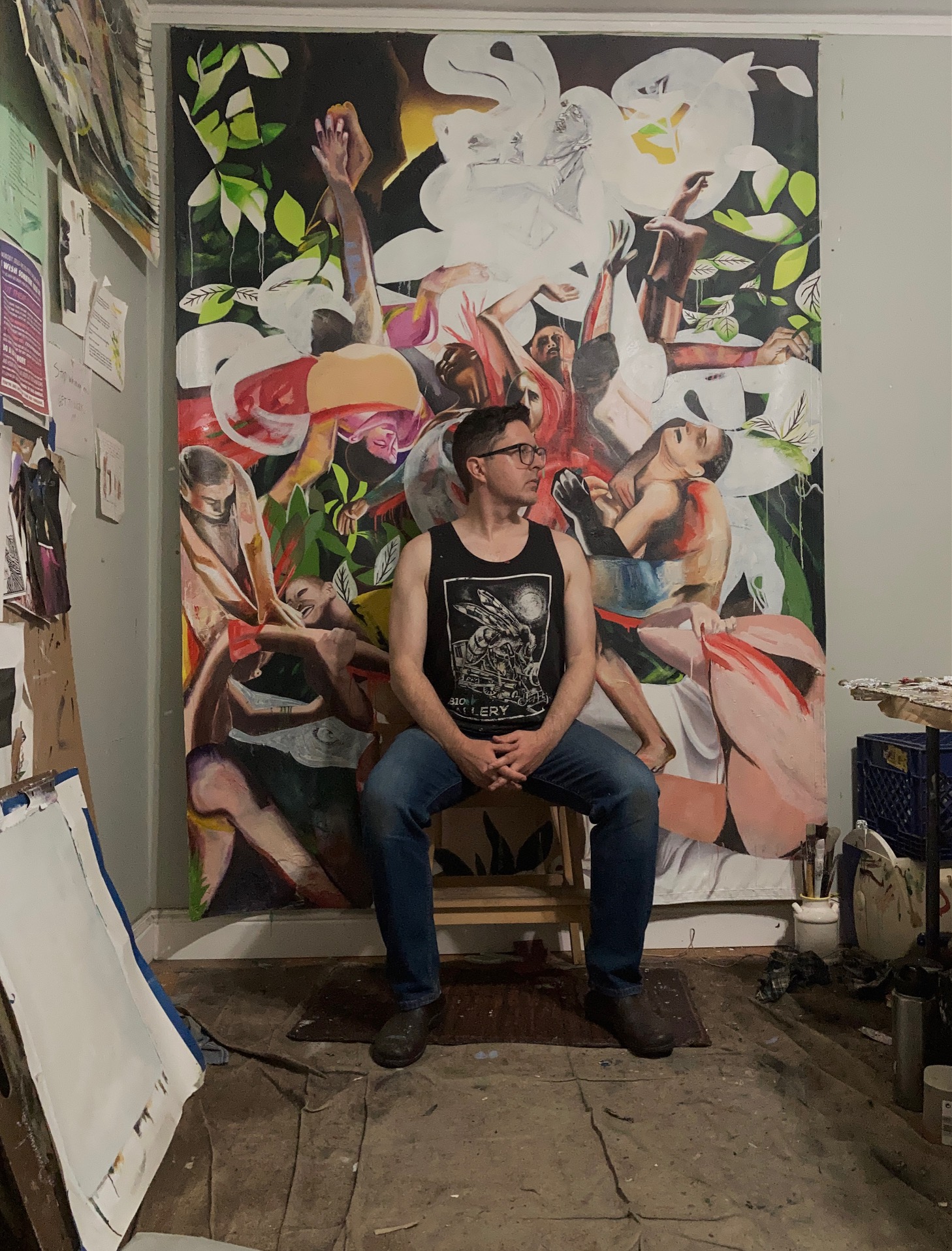

Today we’d like to introduce you to Jeff Musser.
Hi Jeff, please kick things off for us with an introduction to yourself and your story.
I was probably 12 or 13 years old when I was enrolled in beginning art class when as a freshman in high school. The teacher, who I still talk to by the way, asked me to stay after class the same day I started. She brought out a few of my drawing I turned in for the days assignment and asked me point blank, “Did you do these?” I said, “Of course.” She paused with this puzzled look on her face, then she furrowed her eyebrows and said, “Draw these two again from scratch. I will give you five minutes.” I sat at a desk, recreated the drawings, with time to spare and returned them to her. She looked at them, looked at me, then looked at the drawings again. “Ok tomorrow don’t come to this class and go see this advisor. I am going to put you in my advanced class. Don’t worry about the scheduling, we will fix that.” As I left that classroom, I knew that I was going to be an artist. I didn’t know quite yet how or what kind of artist I was going to be, but I just knew.
I attended The School of the Art Institute of Chicago from as an undergraduate painting major. Because of how classes are structured, students at SAIC are allowed to declare a major, and still take classes outside of their focus. This allowed me to take experimental classes in performance, time-based media, sculpture, and critical writing classes that encouraged risk-taking and institutional critique.
While I loved the professors who pushed me to make work that explored my racial multitudes and increased my knowledge of art history beyond the Western Canon, SAIC did not provide me with the knowledge about how to run or maintain a successful studio practice post-graduation. I didn’t want to stop painting, but in order to pay off my student loans and live a somewhat normal life, I put my brushes aside, and crammed three years’ worth of graphic design classes into my last two semesters.
My first job upon graduation was designing nationwide advertising campaigns for Disney, McDonald’s, and Twentieth Century Fox for a now defunct brand marketing advertising agency in Chicago. The job paid very well, but I was creatively miserable, and didn’t paint or draw for two years. So when the rumor of layoffs within the agency started to circulate in early 2002, I greeted the gossip with hope. When the layoffs became reality, I was suddenly free to pursue my love of painting.
Alright, so let’s dig a little deeper into the story – has it been an easy path overall and if not, what were the challenges you’ve had to overcome?
It has not been a smooth road at all. The first year after leaving the Ad Agency was very challenging financially. I juggled several part time jobs at bars and restaurants to pay rent and purchase art supplies. Had I not been eligible for and received public assistance in the form of food stamps, I would not have been able to eat three meals a day. Despite the hardships, I felt freer and strangely more secure than I did when I was gainfully employed. Once I regained momentum with my painting practice, I quickly started to exhibit around Chicago. Even though I am in a much better place financially now, and I am painting regularly, it’s still challenging. The self-doubt and the comparing myself to others via social media takes its toll. I go back and forth between “This is what I am meant to do. This feels right,” and “I have totally wasted my life. I should burn everything, and I should find a tall building to jump from.”
As you know, we’re big fans of you and your work. For our readers who might not be as familiar what can you tell them about what you do?
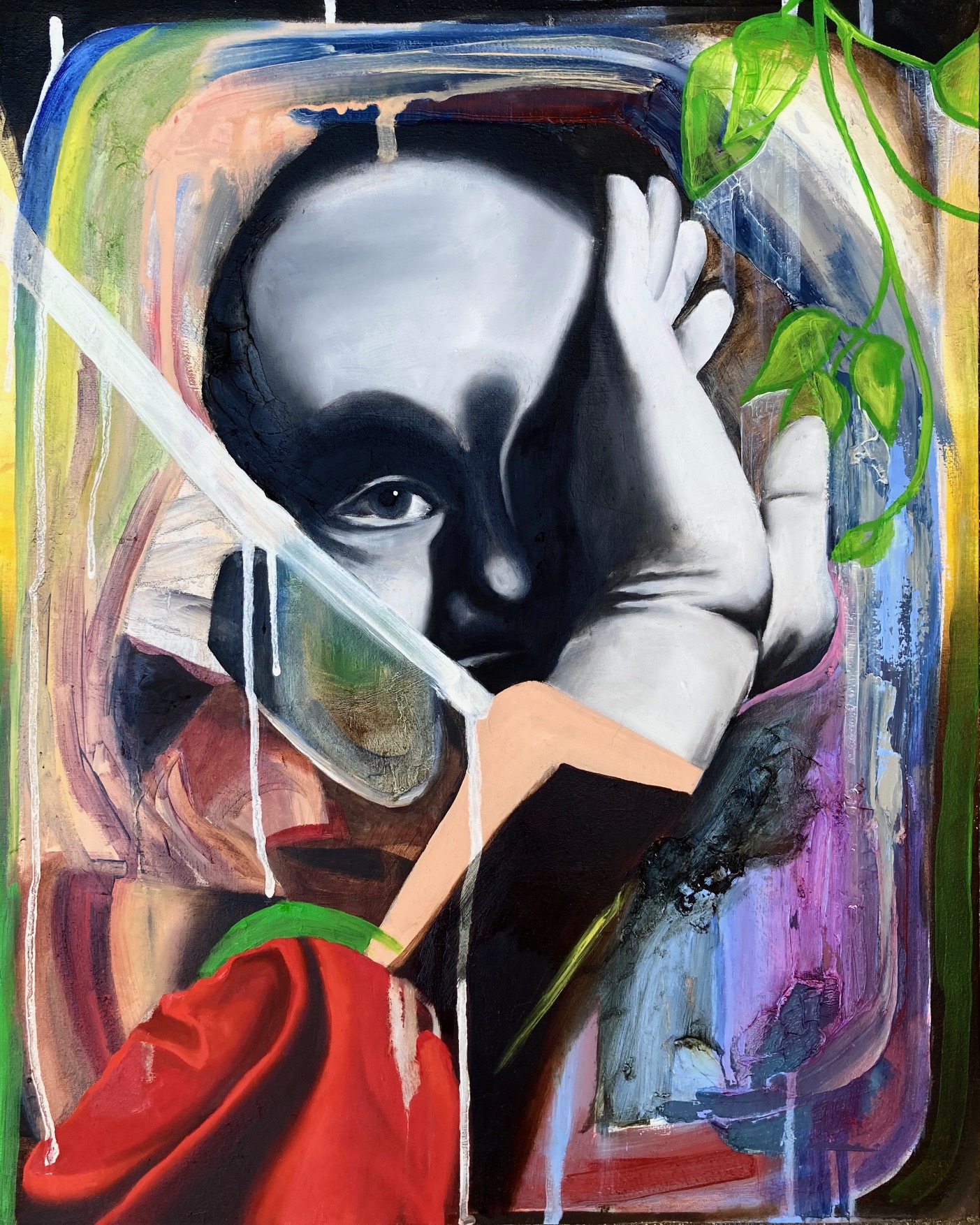
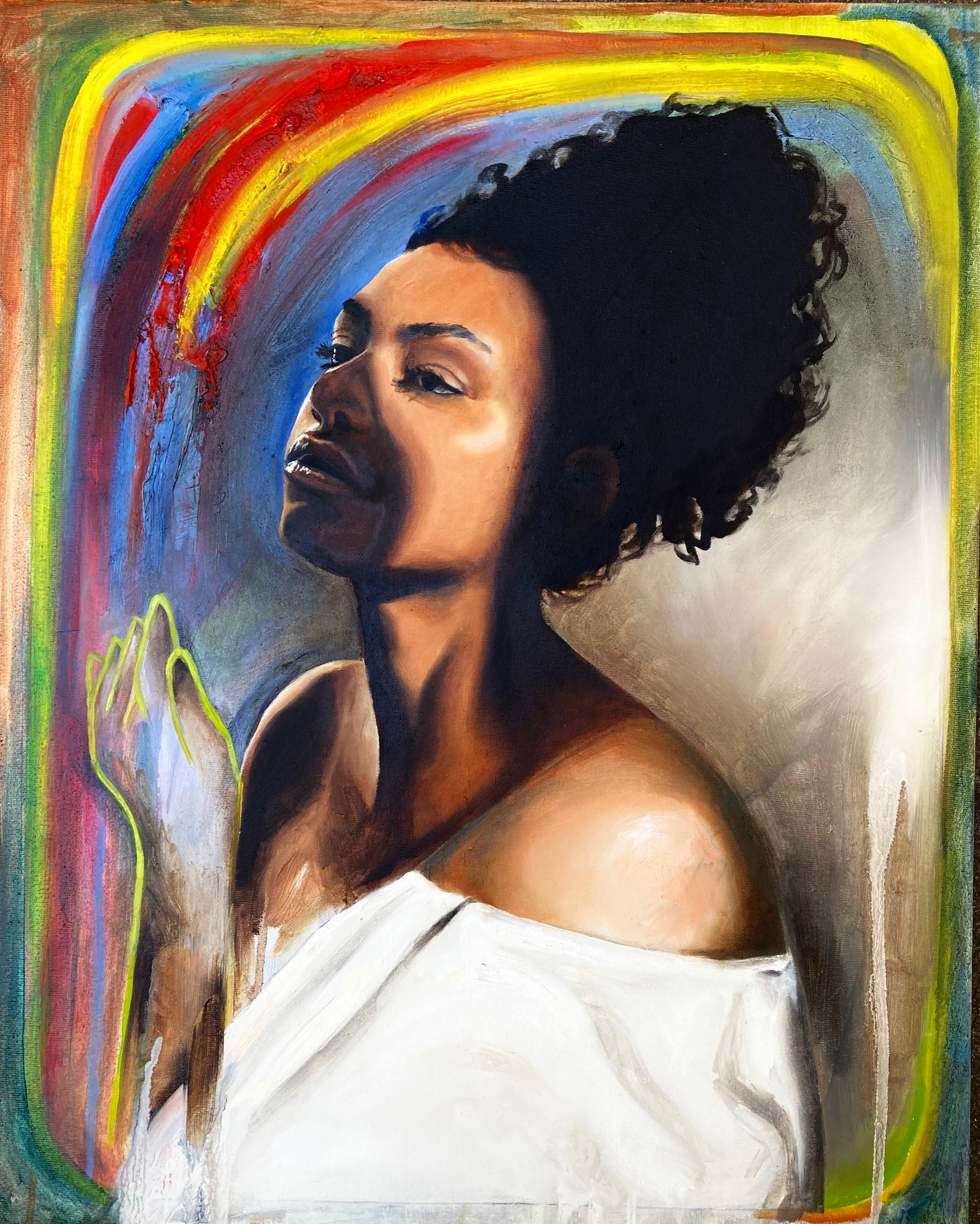
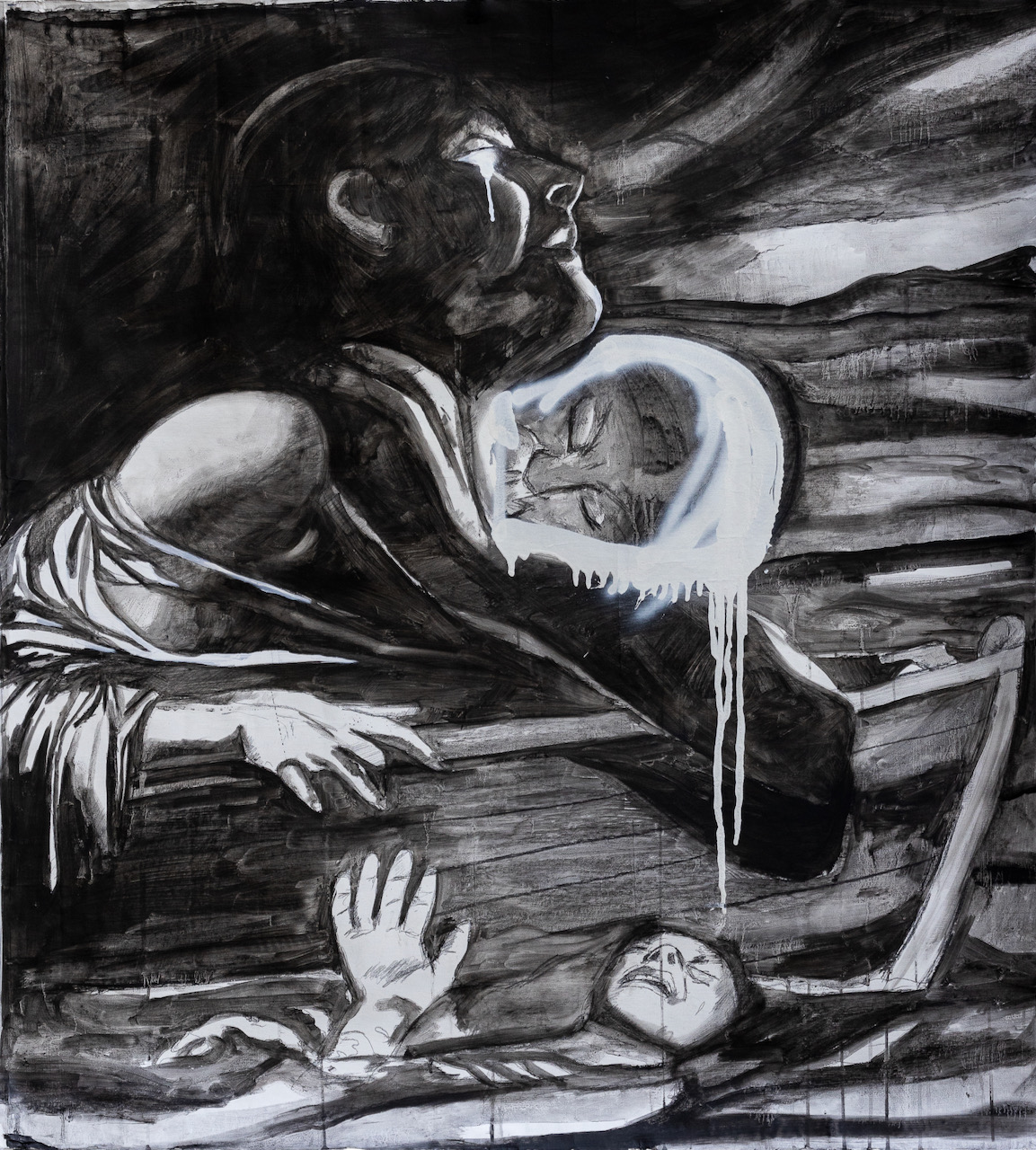
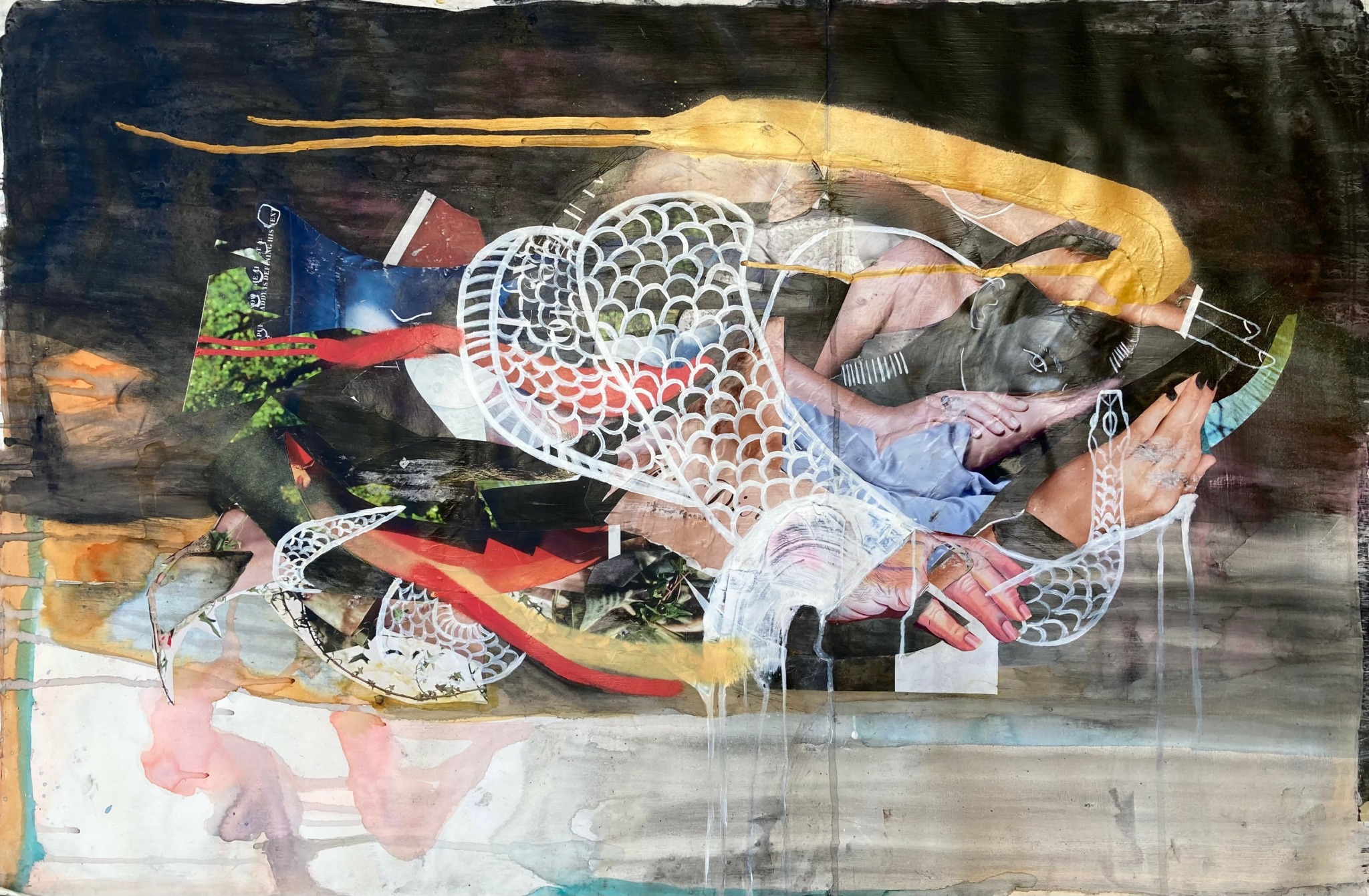
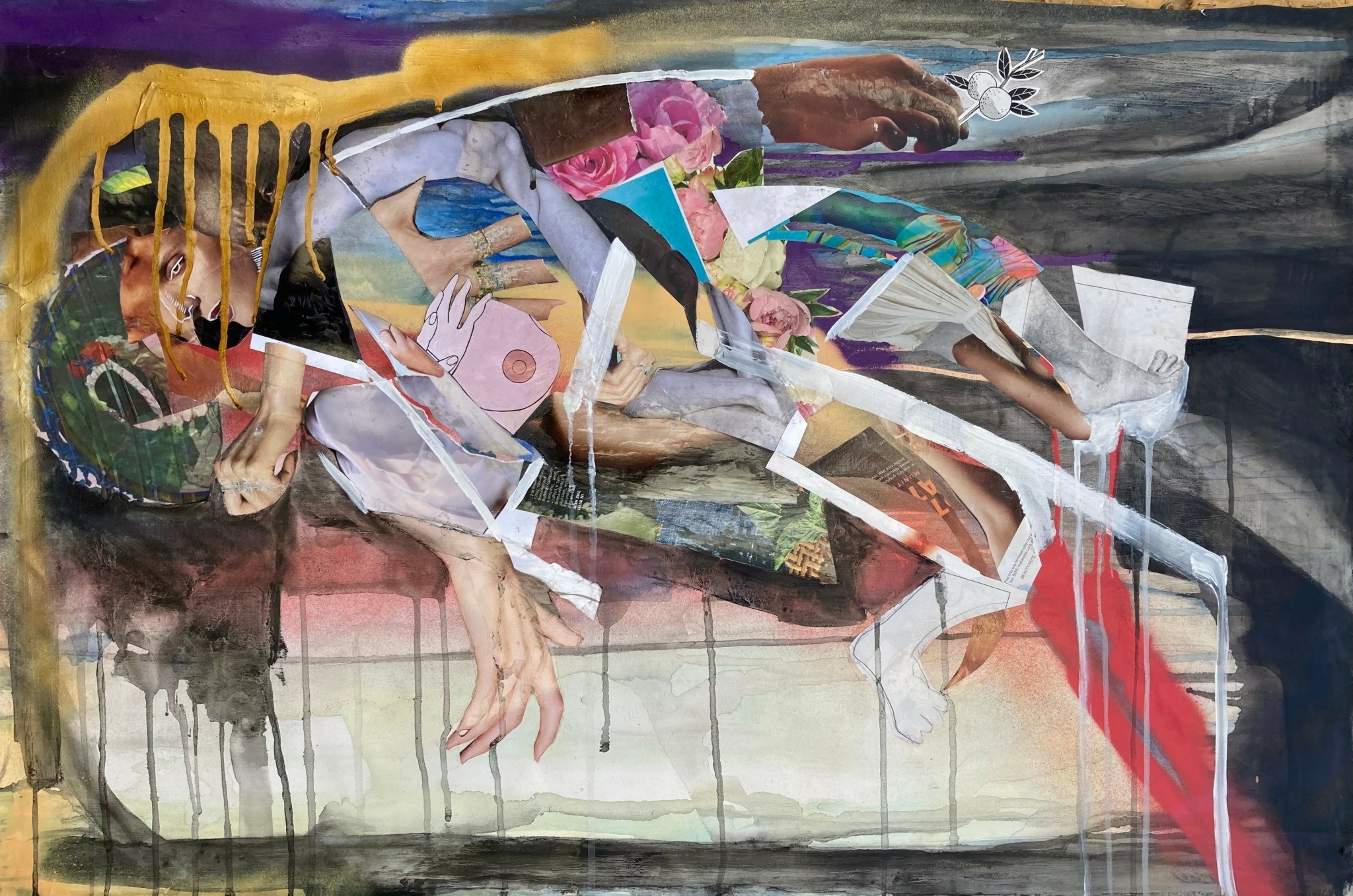
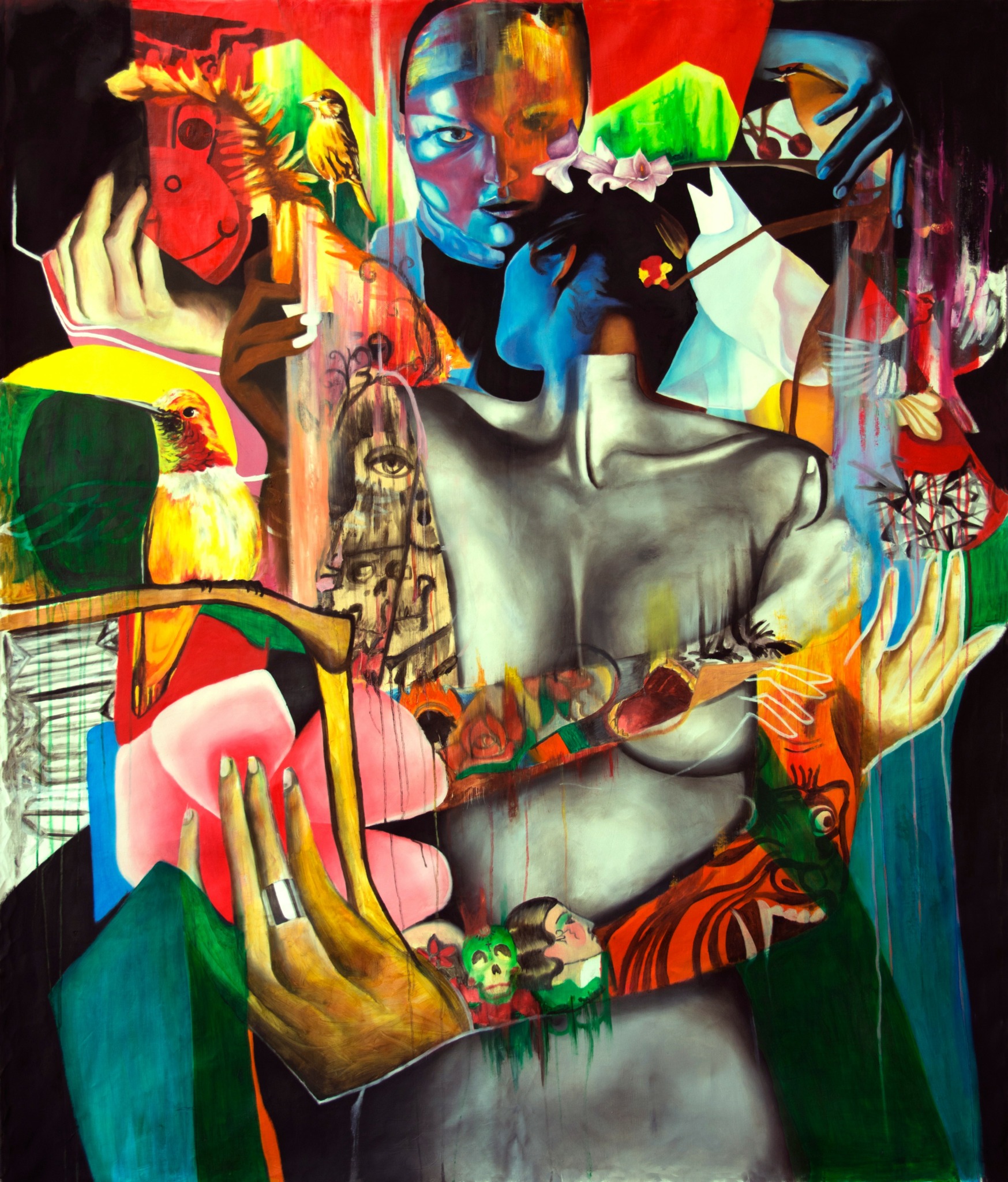
My art practice is a combination of painting, drawing, collage, and intense historical research. In the last few years there has been a new element of social practice where I actively engage with people outside my studio and outside the traditional gallery/museum space. But I wouldn’t quite call myself a “social practice” artist.
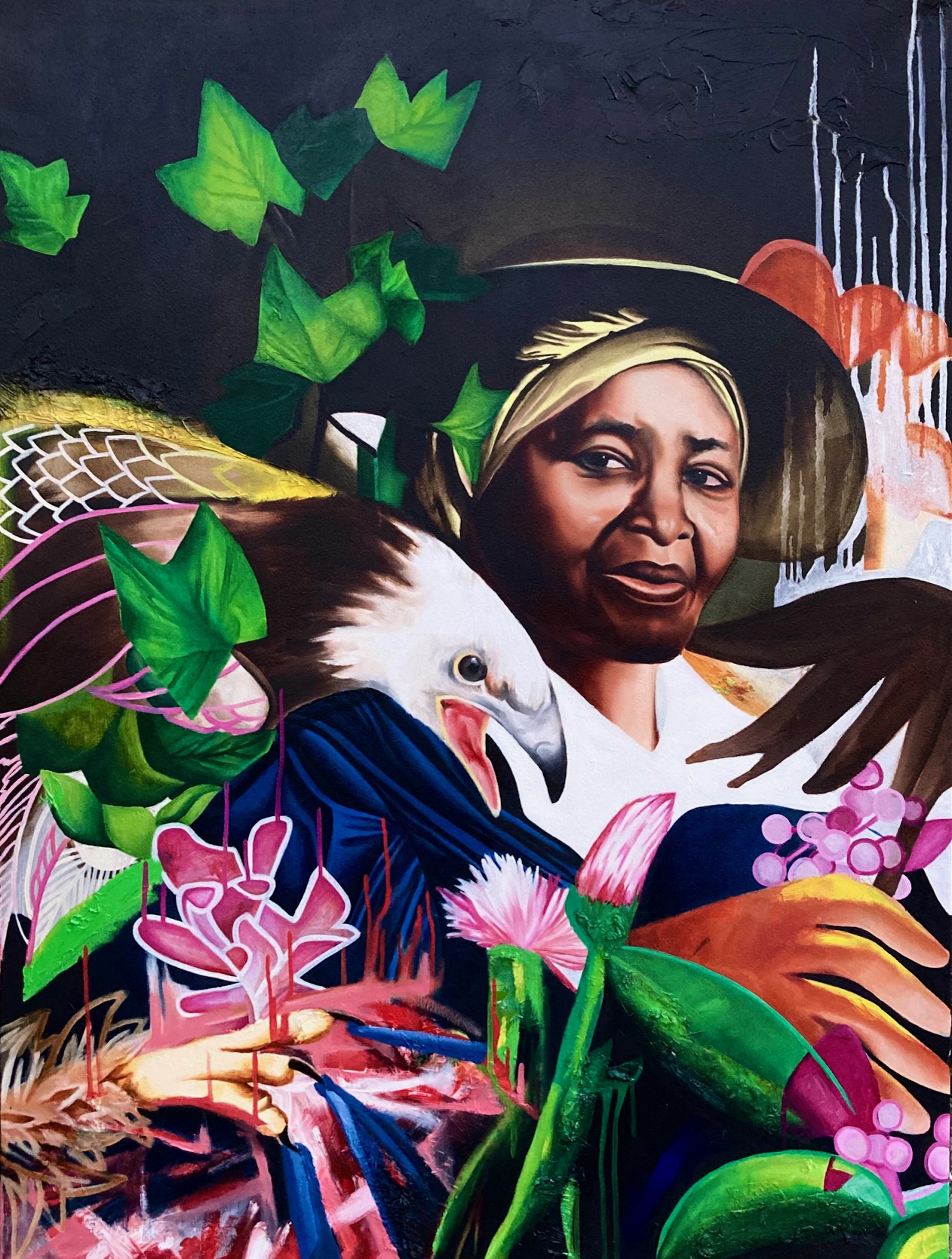
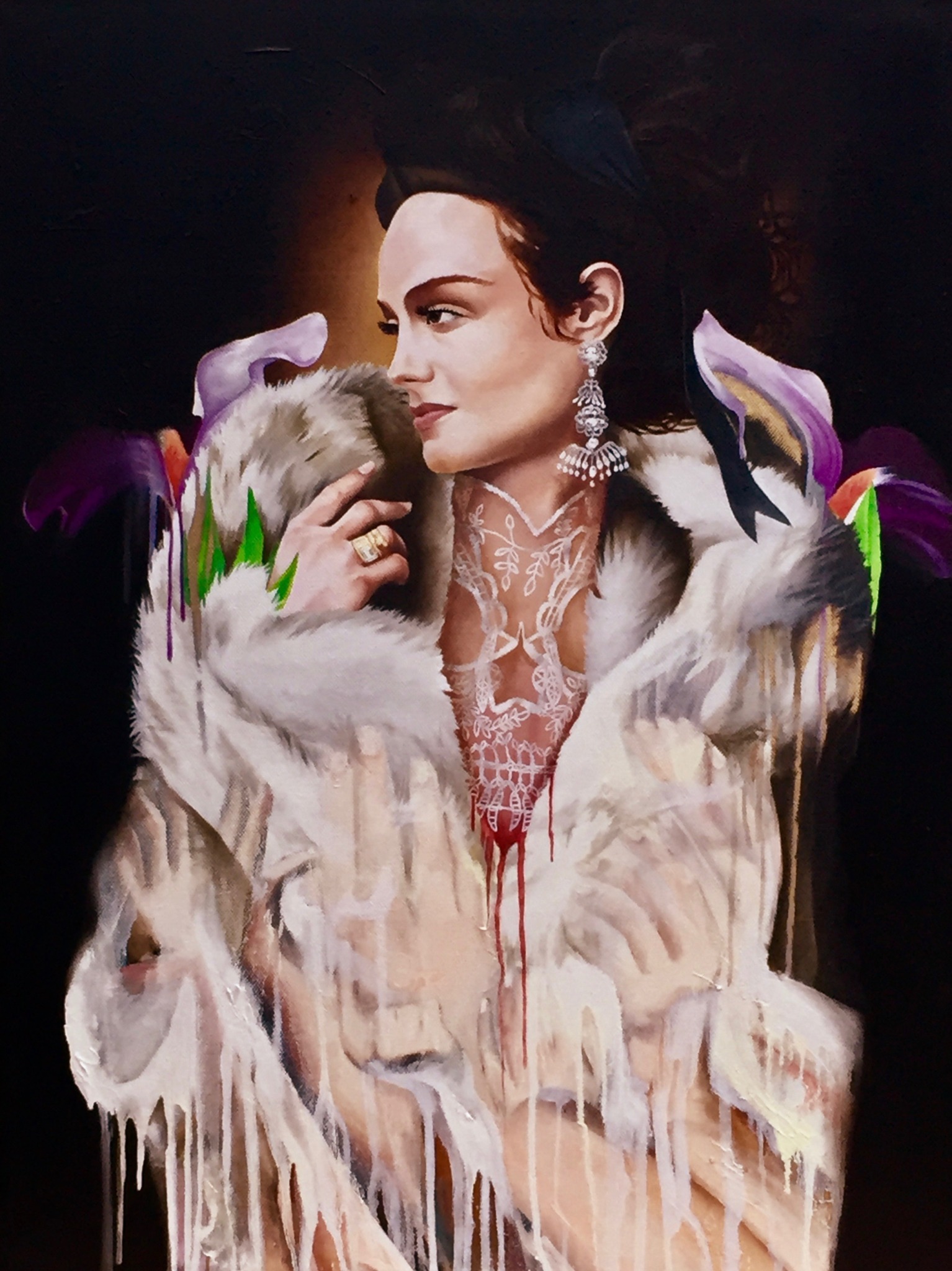
My painting style has changed a lot over the years, but narrative figurative painting has always been at the core of my practice. For over ten years, I have made work addressing, exploring, and challenging issue of race, particularly the white identity as it pertains to race and privilege.
When I am making work about a particular time in history, say late 18th Century Colonial America, I have a specific idea in mind, there is a particular goal to get to. I then sketch out the composition, build it with collage and drawing, add & subtract until I get something I want to paint. I will also intentionally leave blank spaces in the composition so I have to solve it while I am painting. I like to have a plan when I work, but also have to leave space for improvisation. This often creates a lot of frustration when I am in the studio and I cant in the moment figure out how to fix the problem I have created for myself…but problem solving in the moment keeps me sharp.
Alright so before we go can you talk to us a bit about how people can work with you, collaborate with you or support you?
Say hello through Instagram or through my studio manager David. His contact information is on my website.
Contact Info:
- Website: https://www.jeffmusser.com
- Instagram: https://www.instagram.com/jeff.musser.art/
- Facebook: https://www.facebook.com/JeffMusserArtPage