

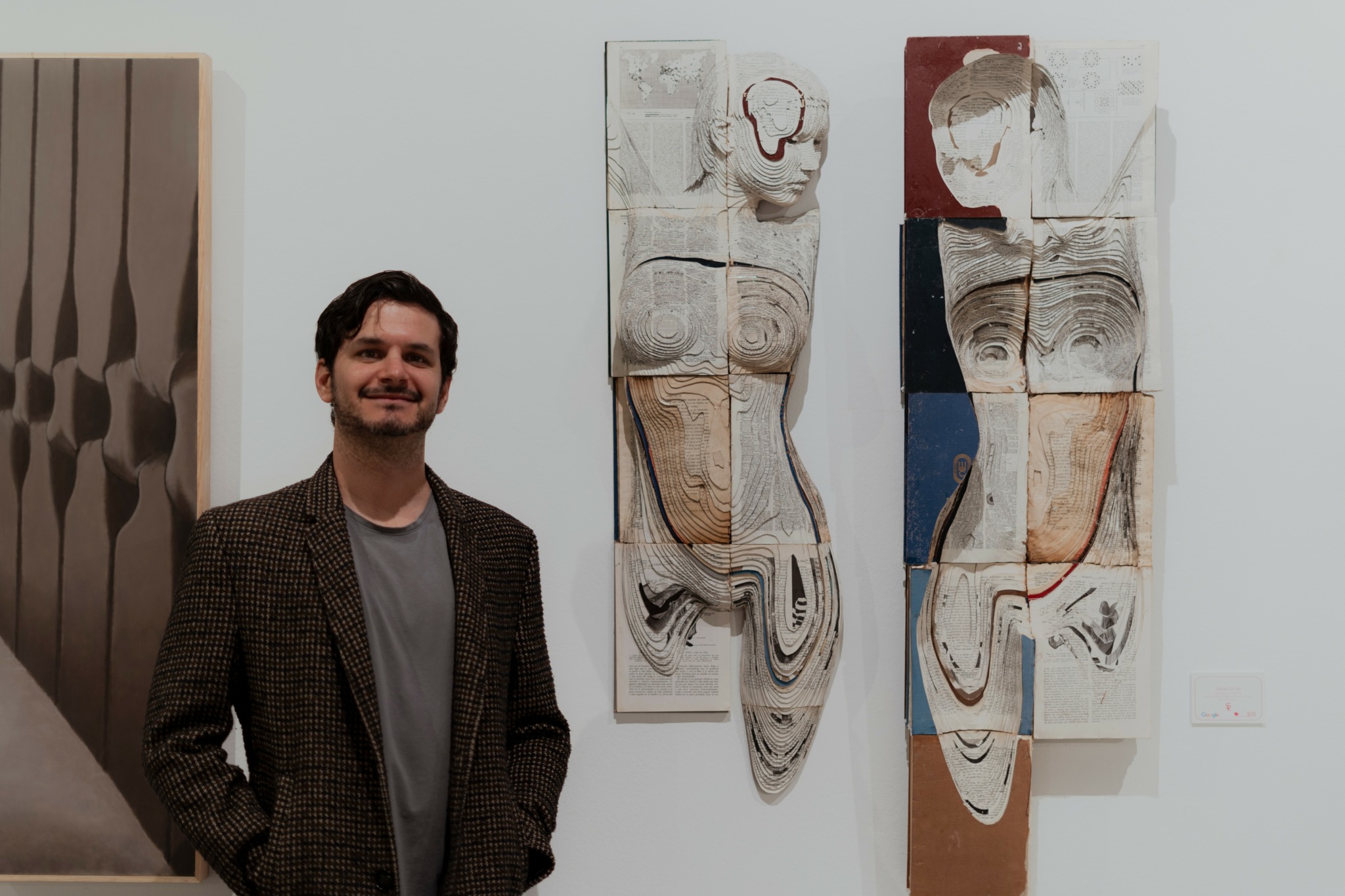

Today we’d like to introduce you to Alejandro Pantin Gil
Hi Alejandro, so excited to have you with us today. What can you tell us about your story?
It all started when I helped my grandparents move and collect their entire library. Over the years, they had gathered magazines, old travel guides, yellow pages, etc., which are now useless and a hassle to get rid of. I had recently seen a movie where a girl created stories with silhouettes (of mountains, icebergs, situations, etc.) carved inside old thick books. As my task was to dispose of all these books, I came up with the idea of recycling these beautiful but forgotten books to create my own stories within them.
This led to interesting results as I made my first works, more as a fun hobby, where I made topographical cuts, representing some type of story with human-scale figures, similar to those I used in my architectural models. From this, I created Egyptian tombs, houses, hidden lakes, and caves. One day, I had the idea to create a face inside the book, where you would least expect to find a face when you opened the first page. However, my first attempt, using the technique I had developed for the previous works, did not result in an anatomically correct shape. This is because achieving the volume of a face from a 2D plane is difficult. Therefore, I thought to combine the 3D volumetric software I learned in architecture to visualize the work before carving the book, so I could avoid mistakes and achieve more precision in my future pieces.
And so, with each piece I made, I gradually improved my technique, leading to what I am currently doing, which has resulted in a more consolidated art project. Thanks to the help of my friends and acquaintances, who notify me whenever they see forgotten books on the streets, I can go pick them up, clean them, restore them, and give them a new life.
Alright, so let’s dig a little deeper into the story – has it been an easy path overall and if not, what were the challenges you’ve had to overcome?
My beginnings in architecture and art go back to when I was little and enjoyed painting and building my designs with Lego pieces. While studying, I was part of a group of students who conducted structural architectural interventions at the university. After graduating, I was hired by the AGA office, where we participated in the project for productive neighborhood housing, which involved living in an area of extreme poverty for six months and building 15 houses with designs tailored to each family, teaching that a home is not just for living, but also for producing, adapting to their talents and motivations. Later, due to the country’s economic situation, it wasn’t sustainable to continue working as a professional, so I decided to try my luck in the USA to raise money to pay for my master’s degree in Spain, since I had an opportunity for a visa and work. Once I was living in Spain, I realized that being employed as an architect took up too much of my time to carry out my own architectural and artistic projects, so I decided to resign and fully dedicate myself to my art project, which consists of rescuing forgotten books from the streets and giving them a new life by turning them into sculptures.
Alright, so let’s switch gears a bit and talk business. What should we know about your work?
As a sculptor, my work focuses on transforming discarded books, those whose information has become obsolete, into unique pieces of art. Through recycling, I give new life to these forgotten pages, exploring the intersection between literature and sculpture.
I am interested in exploring the book as a medium and its expressive possibilities through three-dimensionality. I use a topographic technique borrowed from architecture, creating hand-cut curved sections in the pages that, through layers, recreate anatomical forms reminiscent of Greco-Roman female figures, bringing volumes to life.
Furthermore, the work presents a two-way intervention between the sculpted object and the way the content of its pages, colors, and paragraphs interacts with the artwork, challenging the traditionally understood book format, adding to and enriching its final appearance.
Finally, by delving into discarded books, I seek to question our relationship with information and technology in the digital age. By rescuing obsolete books and turning them into artistic objects, I reflect on the transience of information and the importance of preserving and appreciating traditional means of communication in an increasingly digitized world.
Any advice for finding a mentor or networking in general?
Every person you meet in this bussiness its a posible mentor for you, other artist with different journeys can provide insights that can motivate or change your point of view on how to do things. Its hard to trust everybody but clicking wit someone that its vibe do you do take risks and gorw toguether its ideal.
Contact Info:
- Website: https://www.pantingilart.com
- Instagram: @pantingil.art
- Facebook: https://www.facebook.com/alejandro.pantin
- Youtube: @alejandropantingilart8

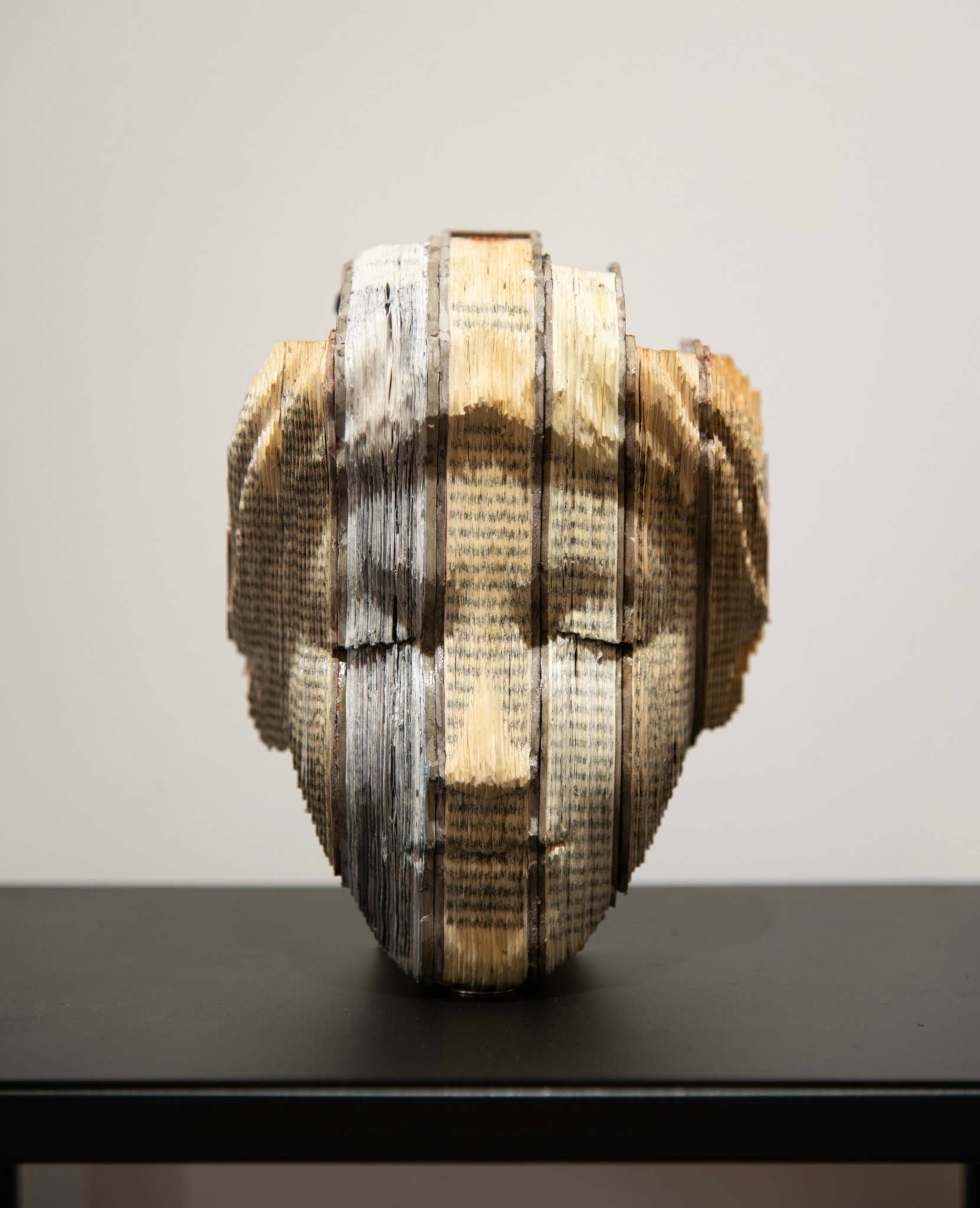
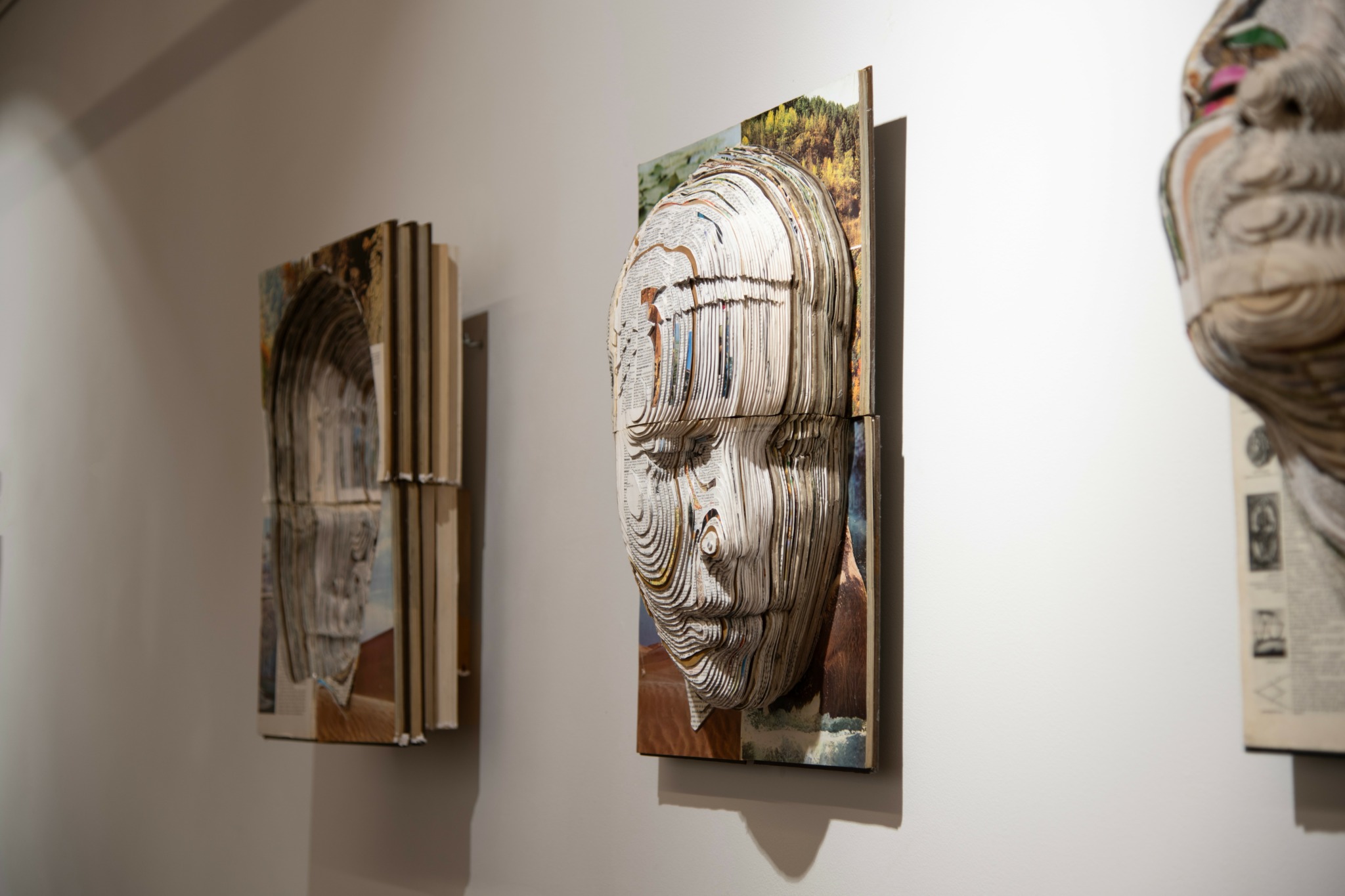
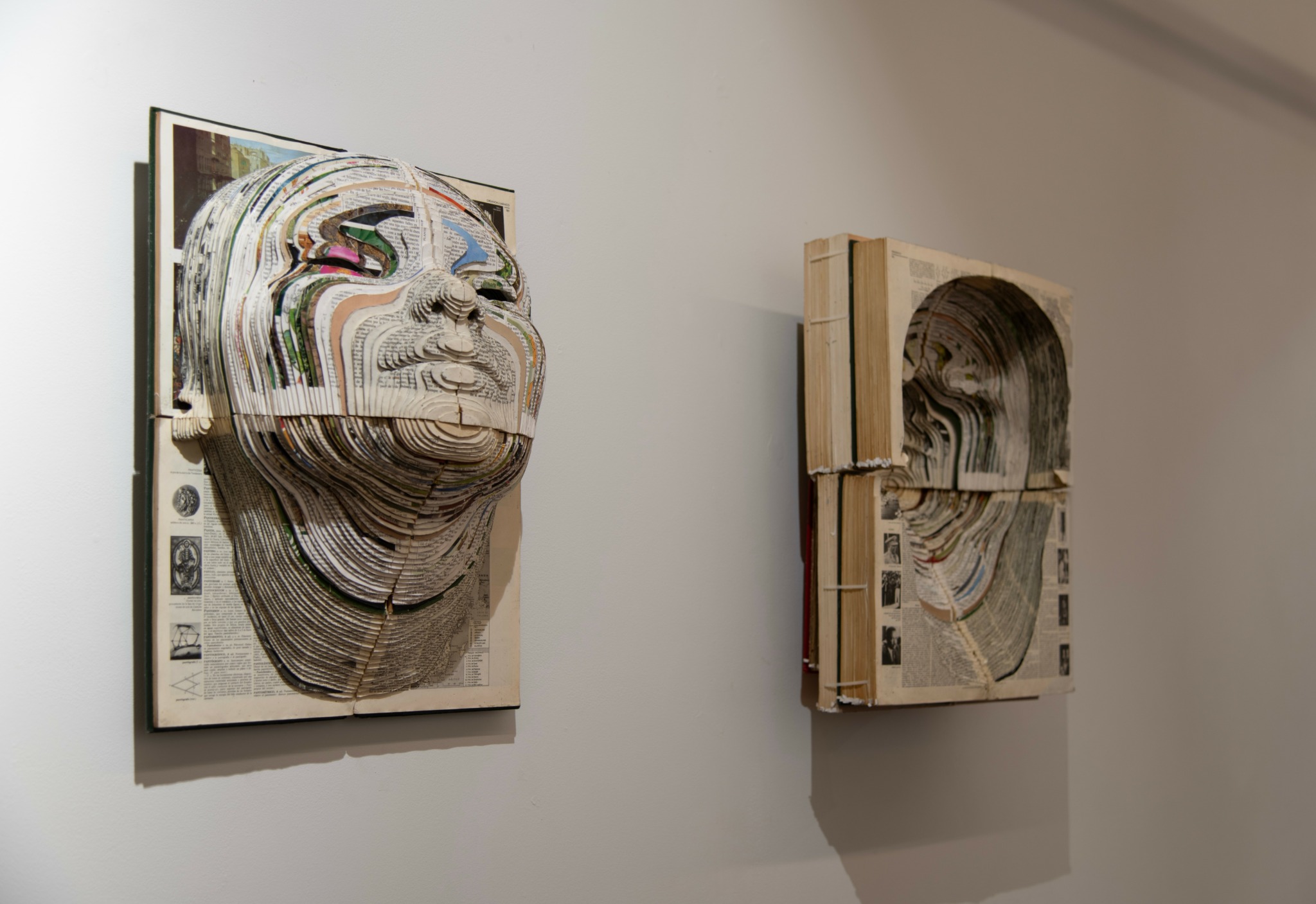
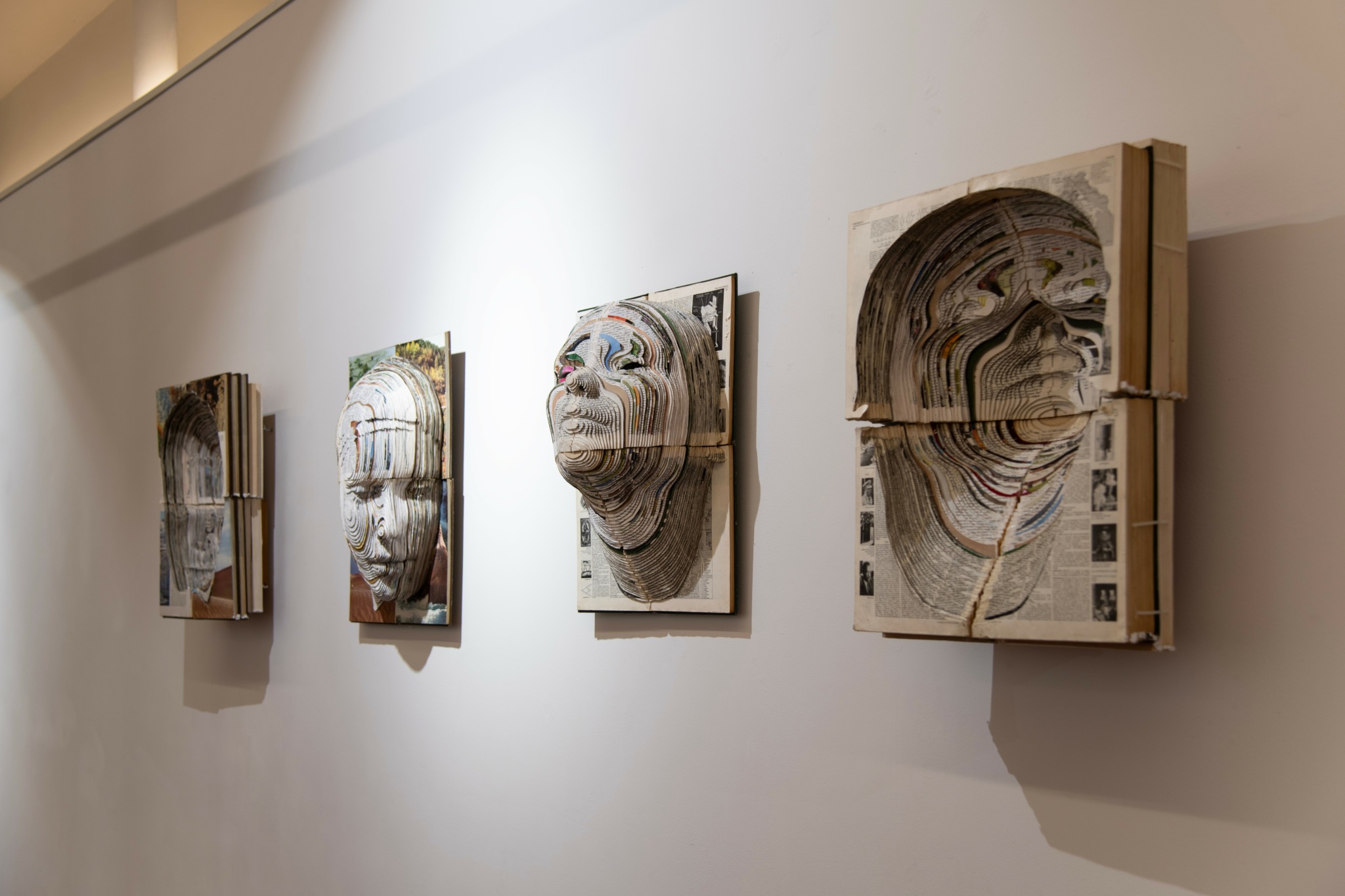
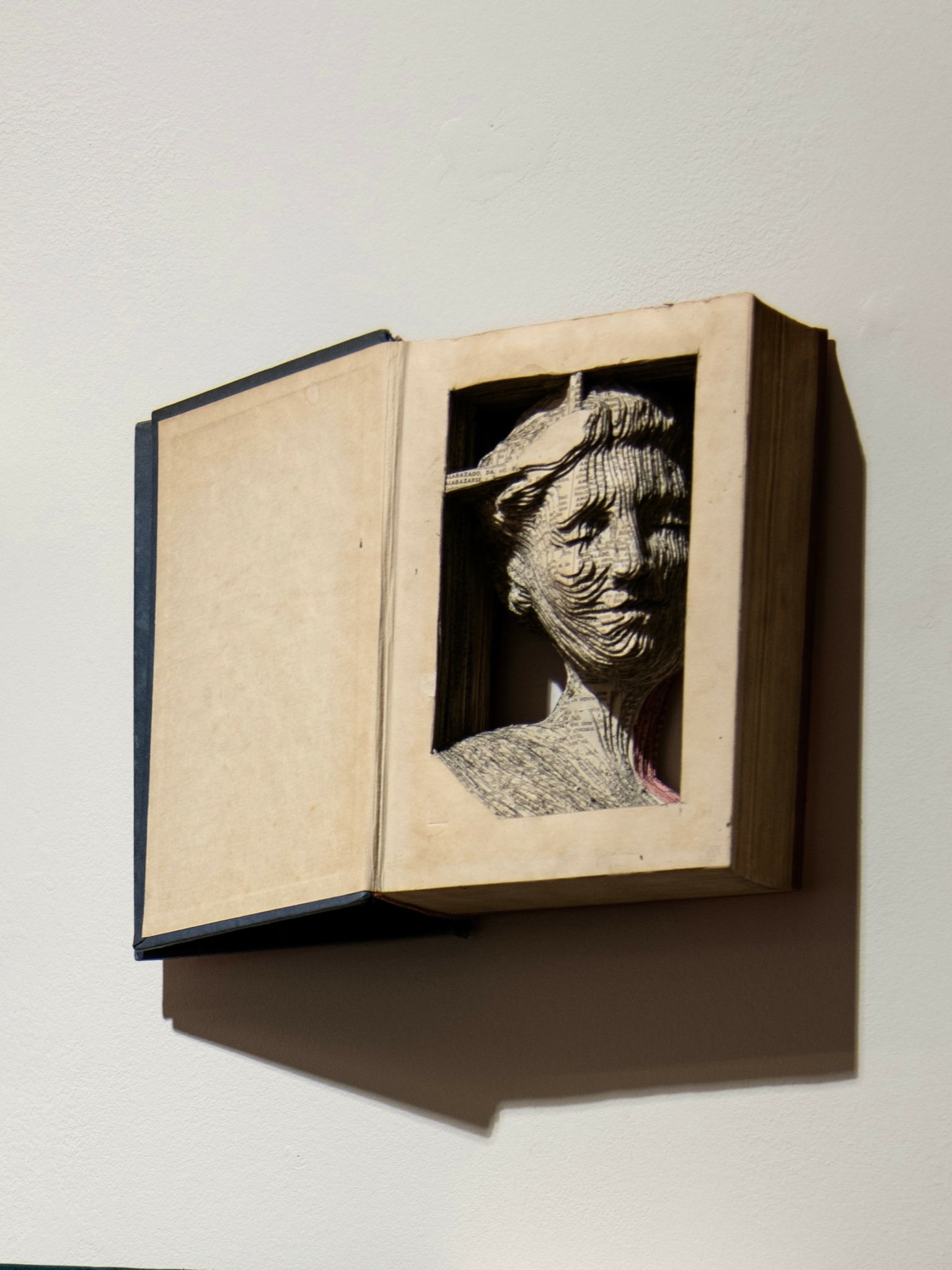
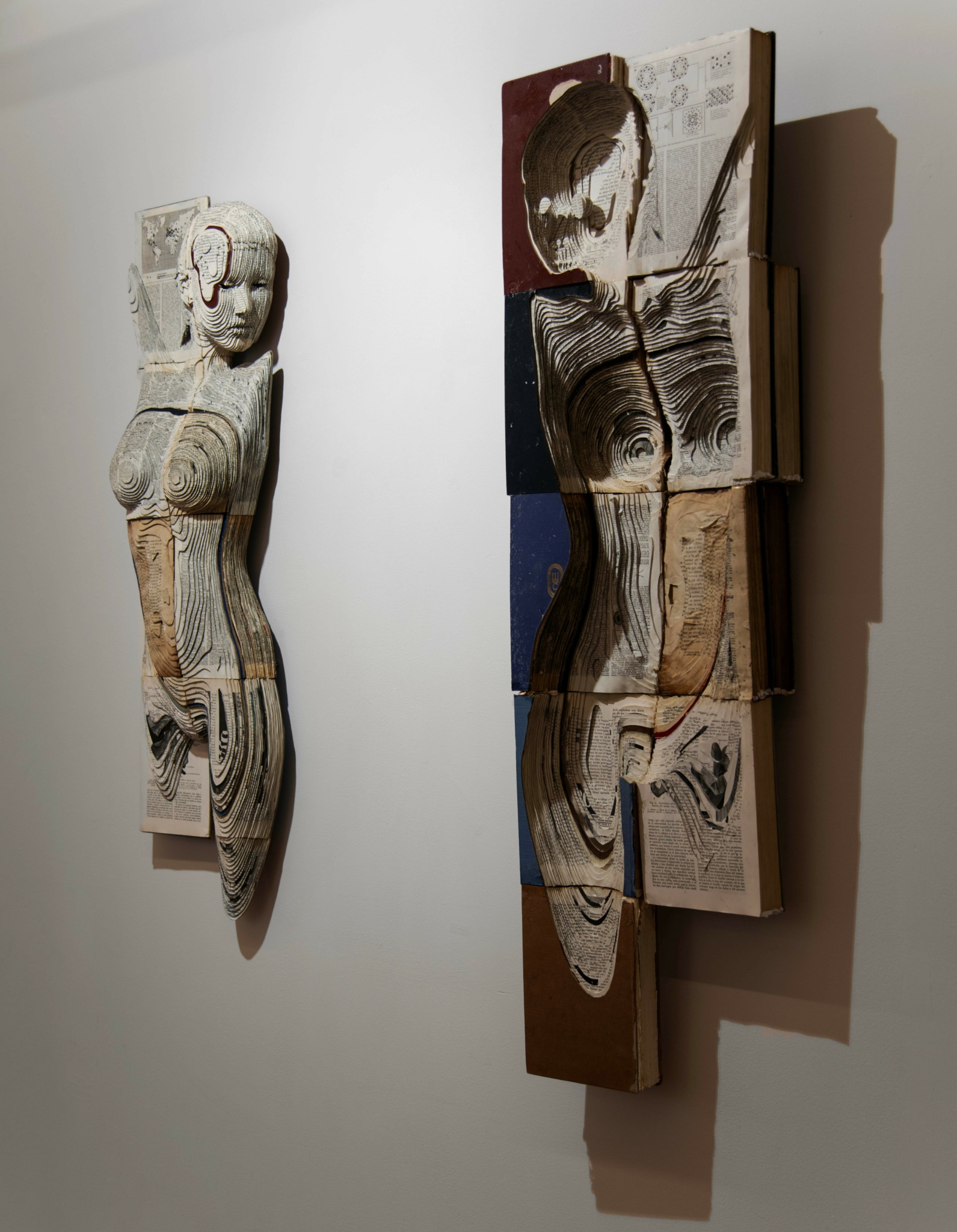
Image Credits
Alex Nowiczewski
Enola Gil