

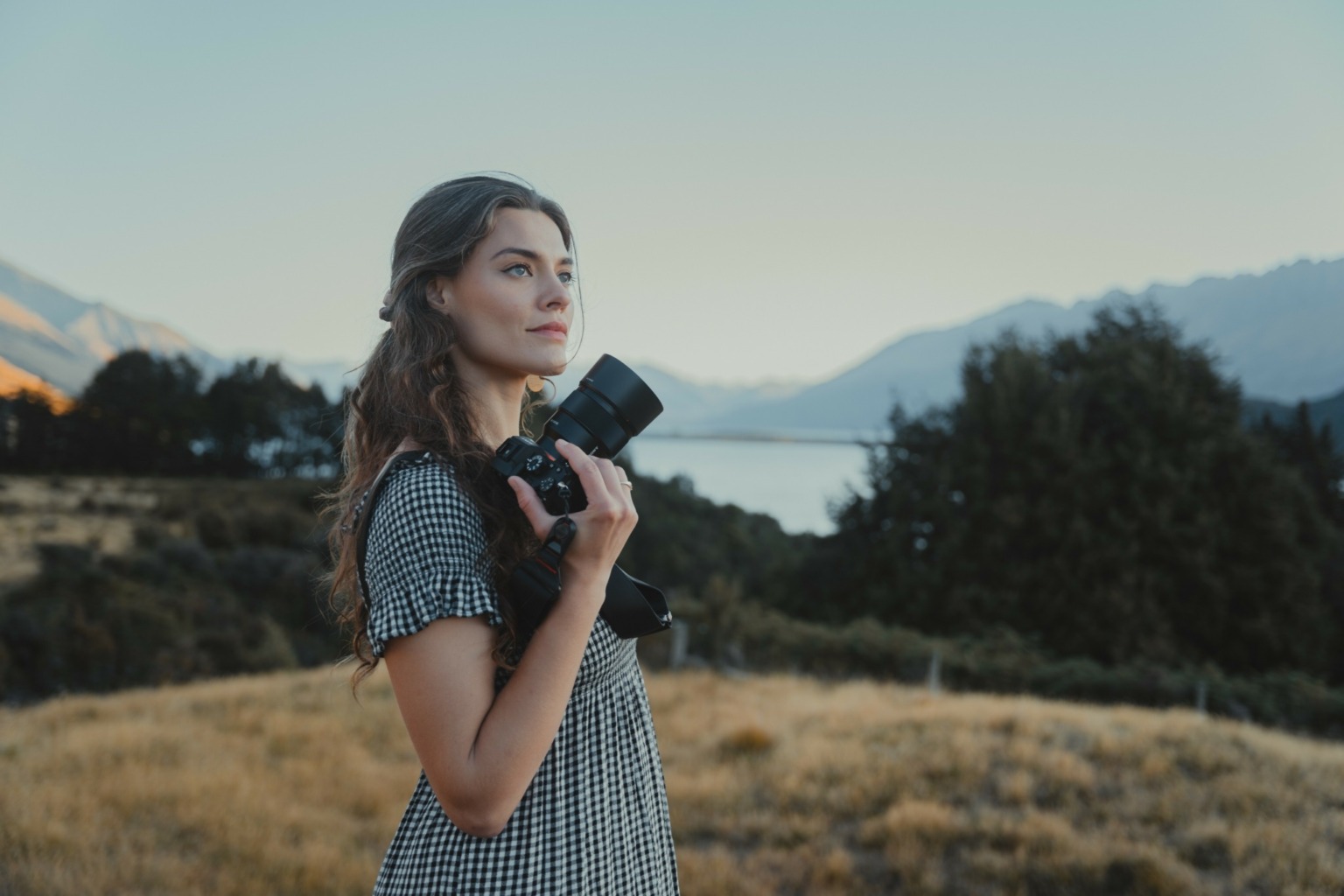

One of the most daunting aspects of pursing a creative or artistic career for many aspiring artists is not knowing how to learn the craft. So, we asked some very talented artists and creatives to talk to us about how they learned their crafts and we hope their stories will help you in your journey.
Ira Ingber
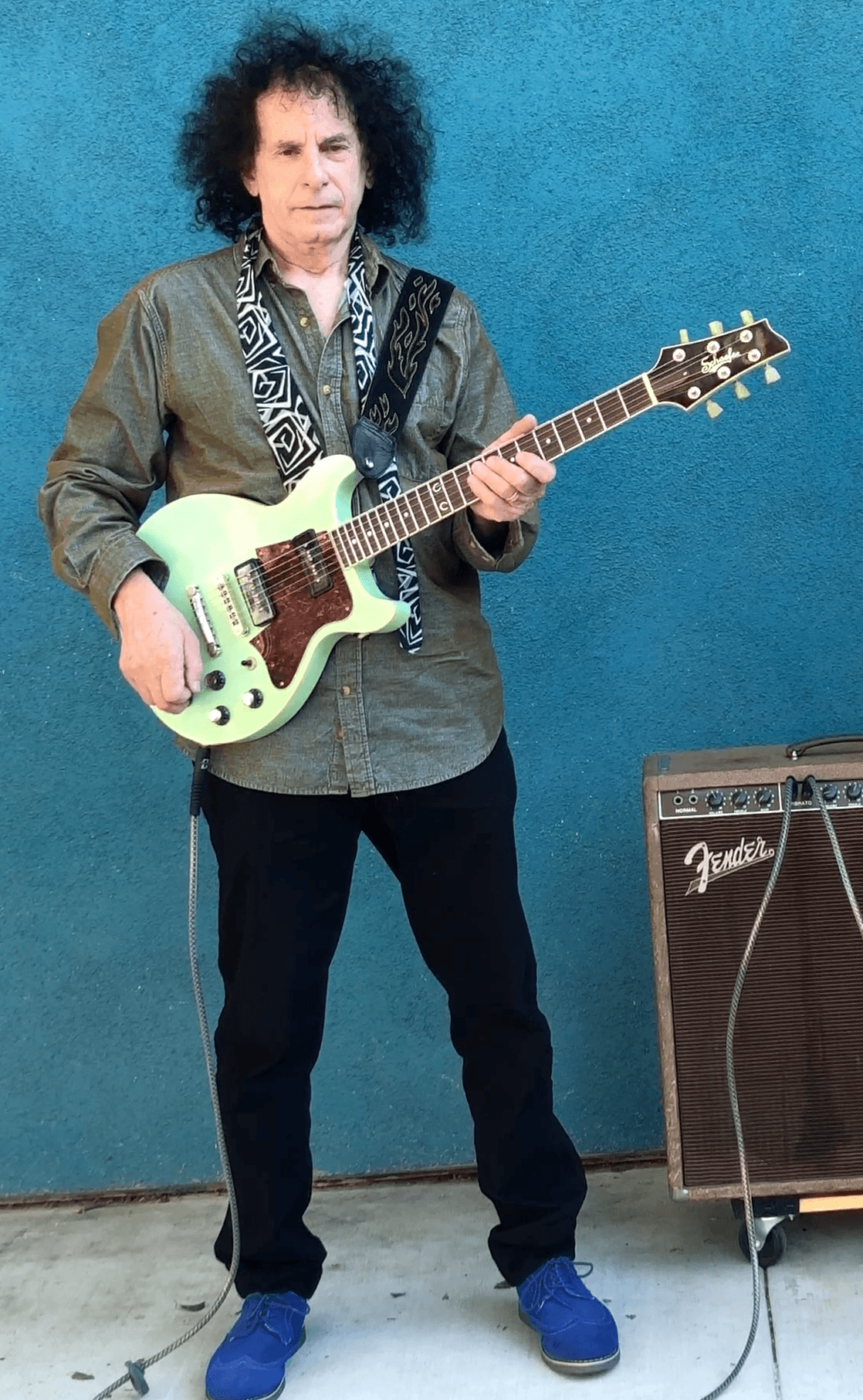
I was mentored by my brother. If I had professional music lessons, and learned to read music early on things would have progressed more quickly. Read more>>
Sassan Saffari
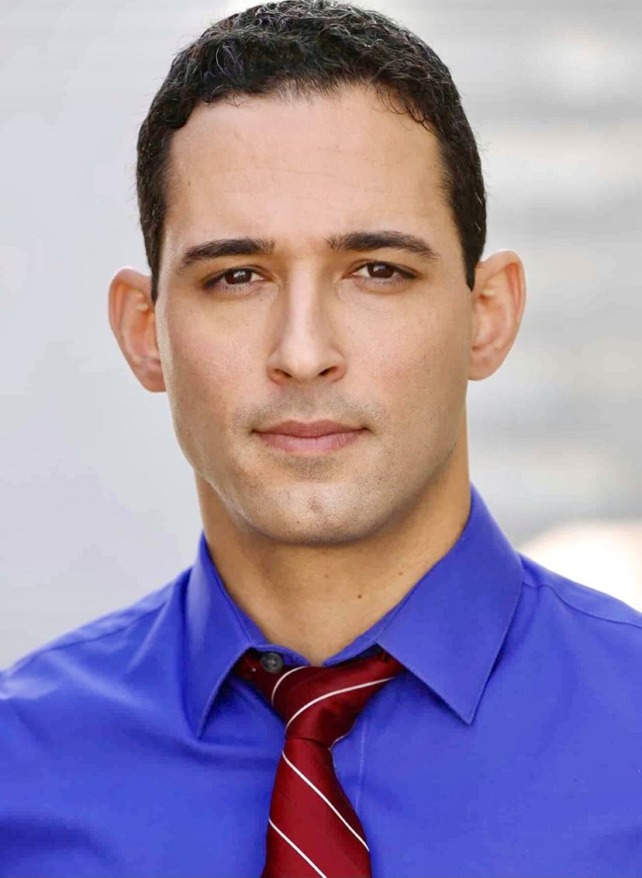
My journey into the arts began long before any kind of formal training. It started with my grandmother, Edith Conklin Weaver. I always say her full name when I speak about her…because I want her legacy to live on. She was a painter and a poet, and her home was a sanctuary of creativity and imagination. I actually compiled a book of her poems, a homage called The Given Word. I’d love to share it to the world someday. Her poetry is truly Shakespearean. Read more>>
Katherine Leidlein
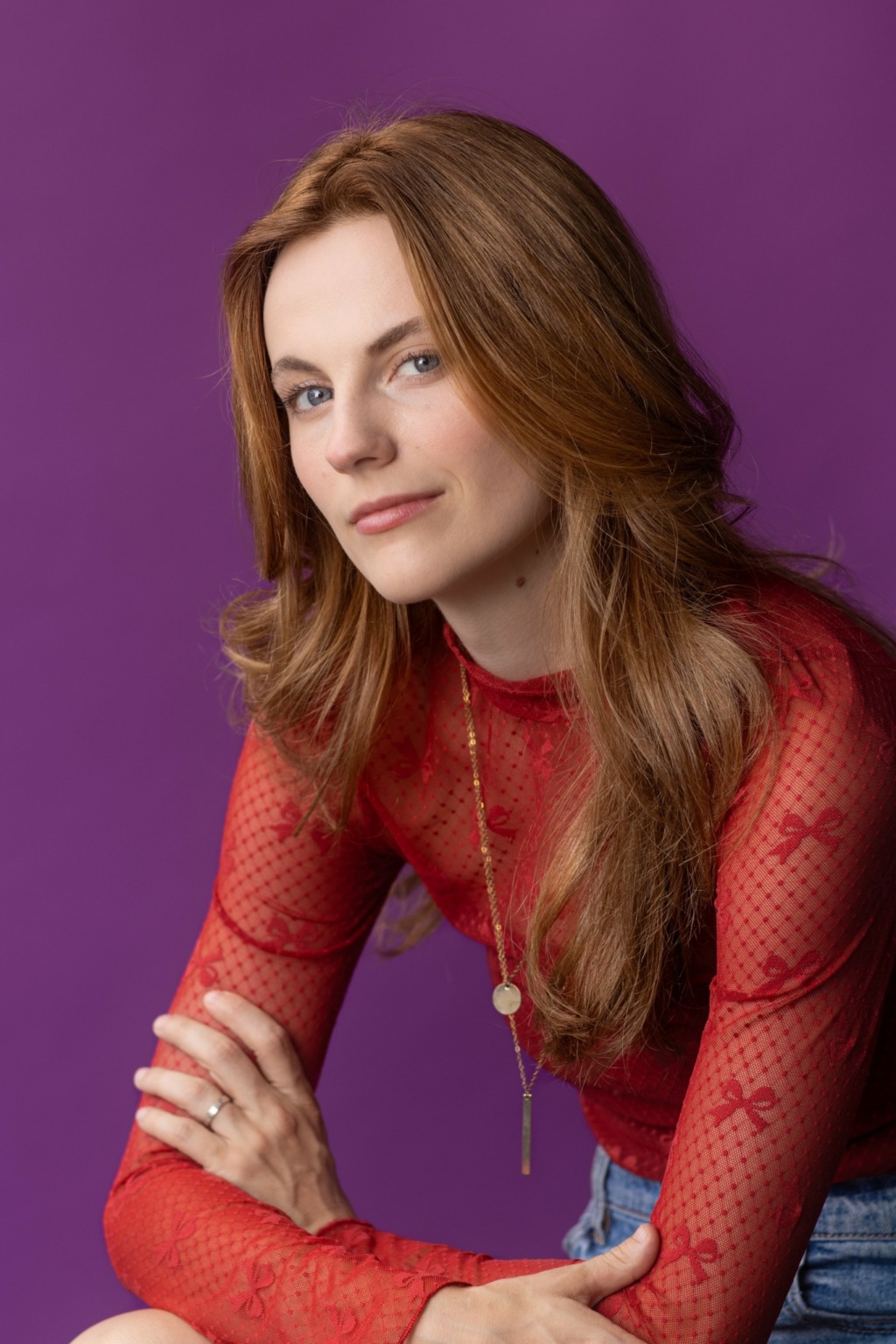
I love this question because I love talking about the craft of acting. Everyone approaches it differently, and even my own process changes from project to project. Even day to day. I actually started in opera—I studied music in college—but I kept hearing the same feedback: ‘You’re such a strong actor.’ At the time, I wanted to be the best singer, but looking back, those moments were the first clues that my real strength was storytelling. Eventually, a director suggested I try musical theatre, which led me to the equity theatre in San Antonio and, then I decided I would live in New York for two months and try it out. See how the industry responded to me and I got a callback for the national tour of Les Mis after my 3rd audition, which felt really crazy at the time but became a huge motivator for me to move to the city and become an actor. Read more>>
Rennato Nunez
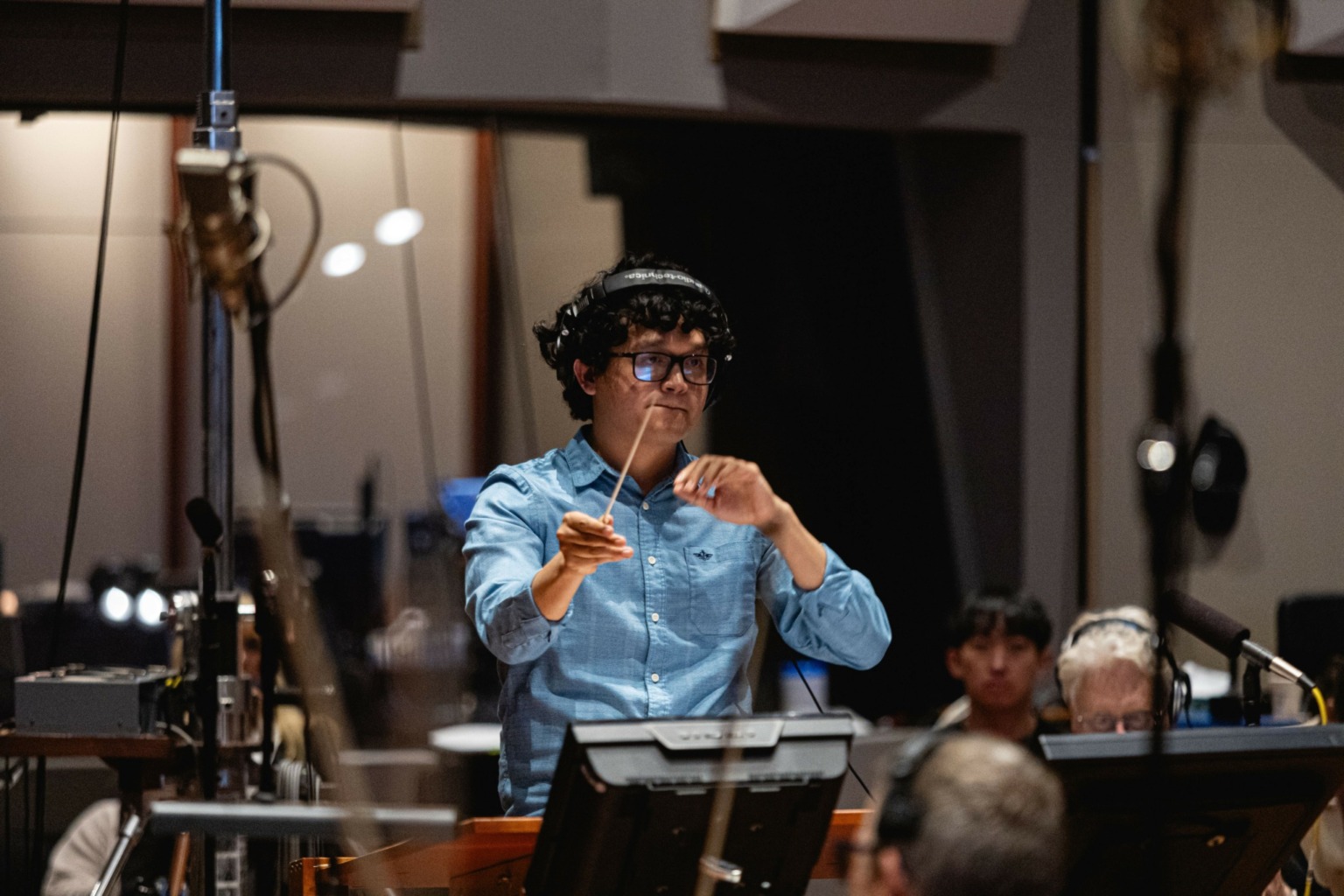
My passion for music started when I was 7, as a lead singer in the choir of my school. After that, I spent my childhood years in love with films like Star Wars and video games like The Legend of Zelda. I never thought about it, but spending years singing and memorizing melodies and details from music I loved as a kid was an amazing first step as a creative. After that, I took my craft as a film music composer more seriously. Studying theory, multiple instruments, and arranging books and classics. I would say I could define my learning process by immersing myself in the music and artistic minds I love. Read more>>
Mike Callahan
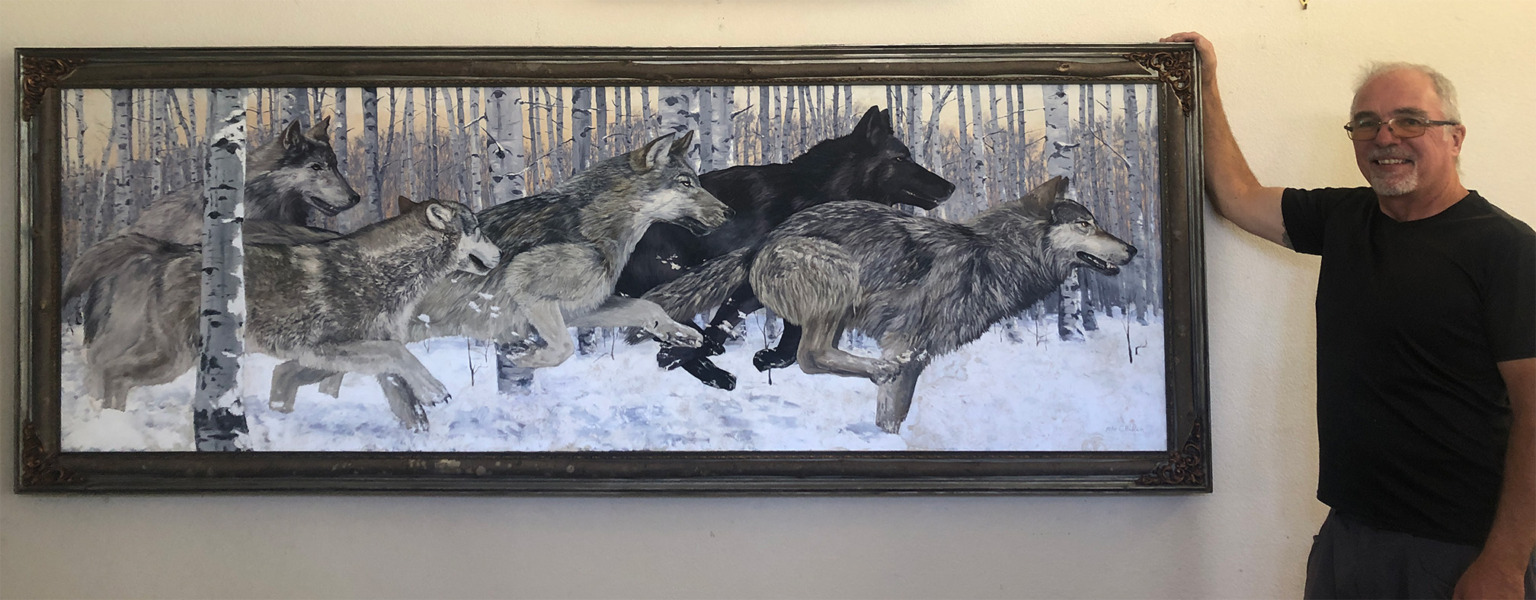
I used to say I was self-taught, but after years of continuous learning, I’m convinced that’s not very accurate. I think self-educated may be a better way to describe it, meaning I pulled principles and techniques from very masterful artists to the extent that they shared that information. Otherwise, I would study what I admired in their work and tried to emulate it to some degree. In the process of focused trial and error, I would make discoveries of things I liked and could make work and things I didn’t care for so much. Over the years, those workable things were honed and eventually a style, my style, developed and became recognizable as such. Read more>>
Non Kuramoto

I’ve wanted to live on stage for as long as I remember. I even joke that I gained consciousness on stage – my first step to stardom was as at barely two years old, singing the infamous “I Love You” song from Barney at my pre-school “concert” (or whatever you call unleashing a bunch of toddlers onto a stage with a full sound and lighting rig for some high production value home-videos). Read more>>
Hana Liu
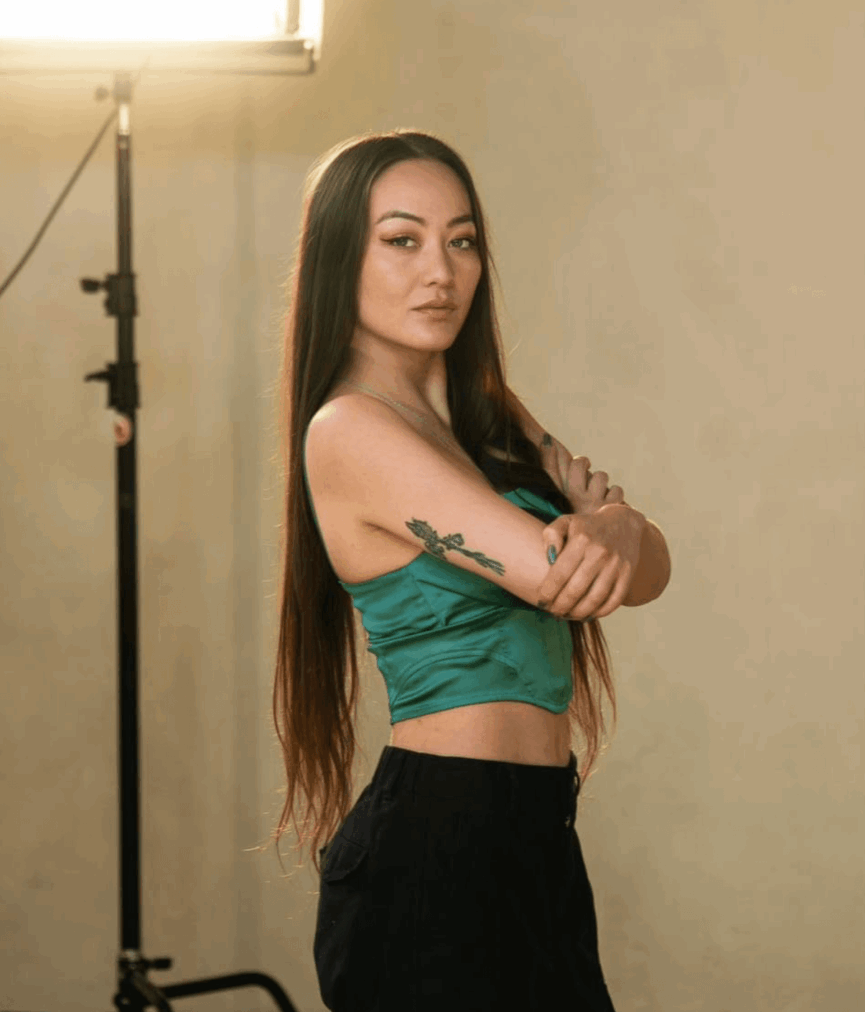
Learning to act and write came from over a decade of training — mostly in creative classes that integrated acting with writing and directing. I started taking acting classes between the ages of 6 and 8, then returned to it more seriously around 13 years-old. The early years were all about pushing past the fear of being seen — stumbling through awkward readings, cringing at the sound of my own voice while watching playback, and getting comfortable with being deeply uncomfortable. Read more>>
Kiev Morales
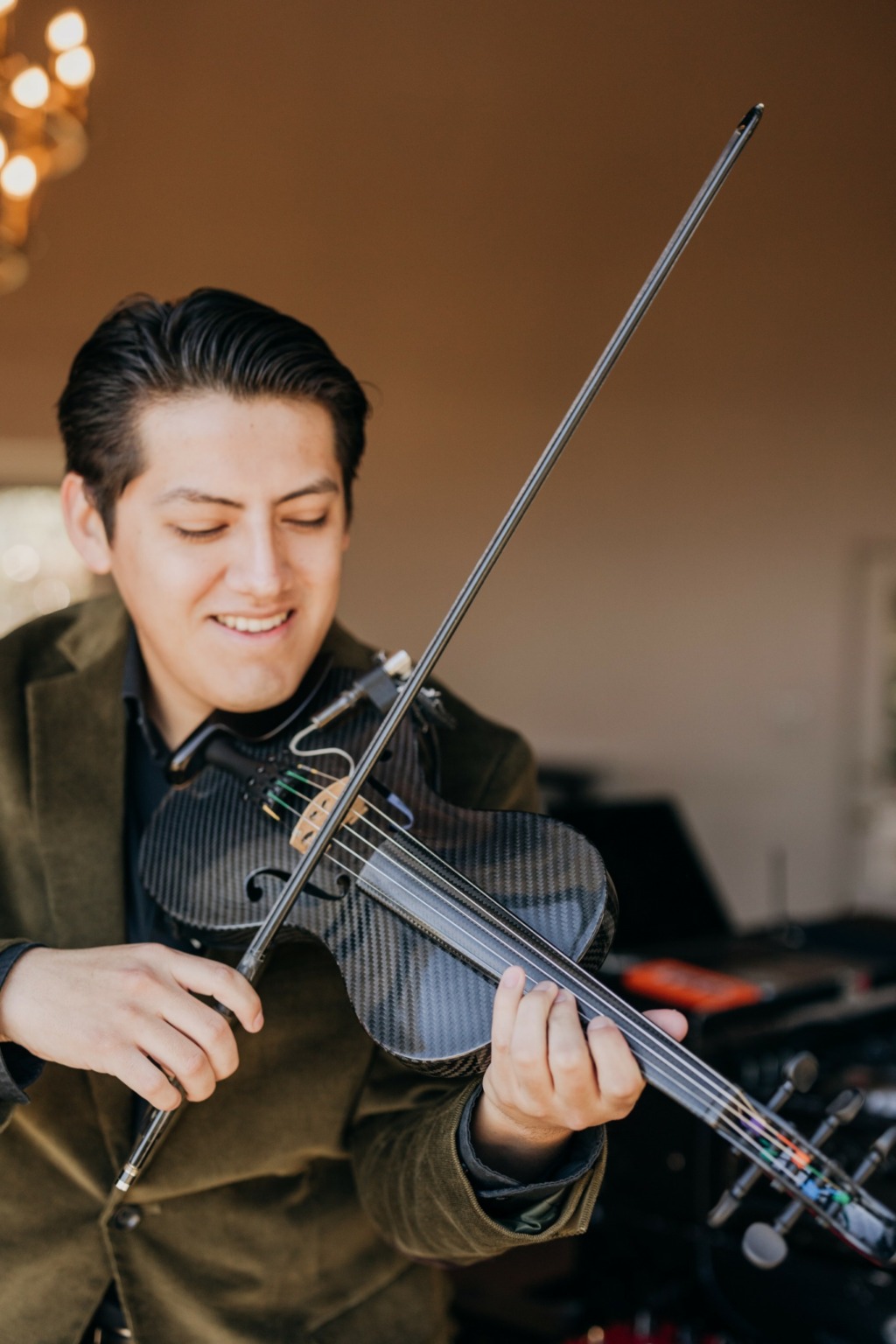
I learned what I do now by watching others around me both for techniques and performance. Whether it’s other performers, or even YouTube videos, access to other styles was always within reach for me to observe and apply to my craft. Knowing what I know now, I would have definitely street performed at an earlier age than I originally started. It would have been a perfect playground to start putting my new abilities to the test. I believe the skills that were most important to me were the ability to include my audience in my performance rather than just perform for myself in my own head space. Read more>>
Christina Hornyak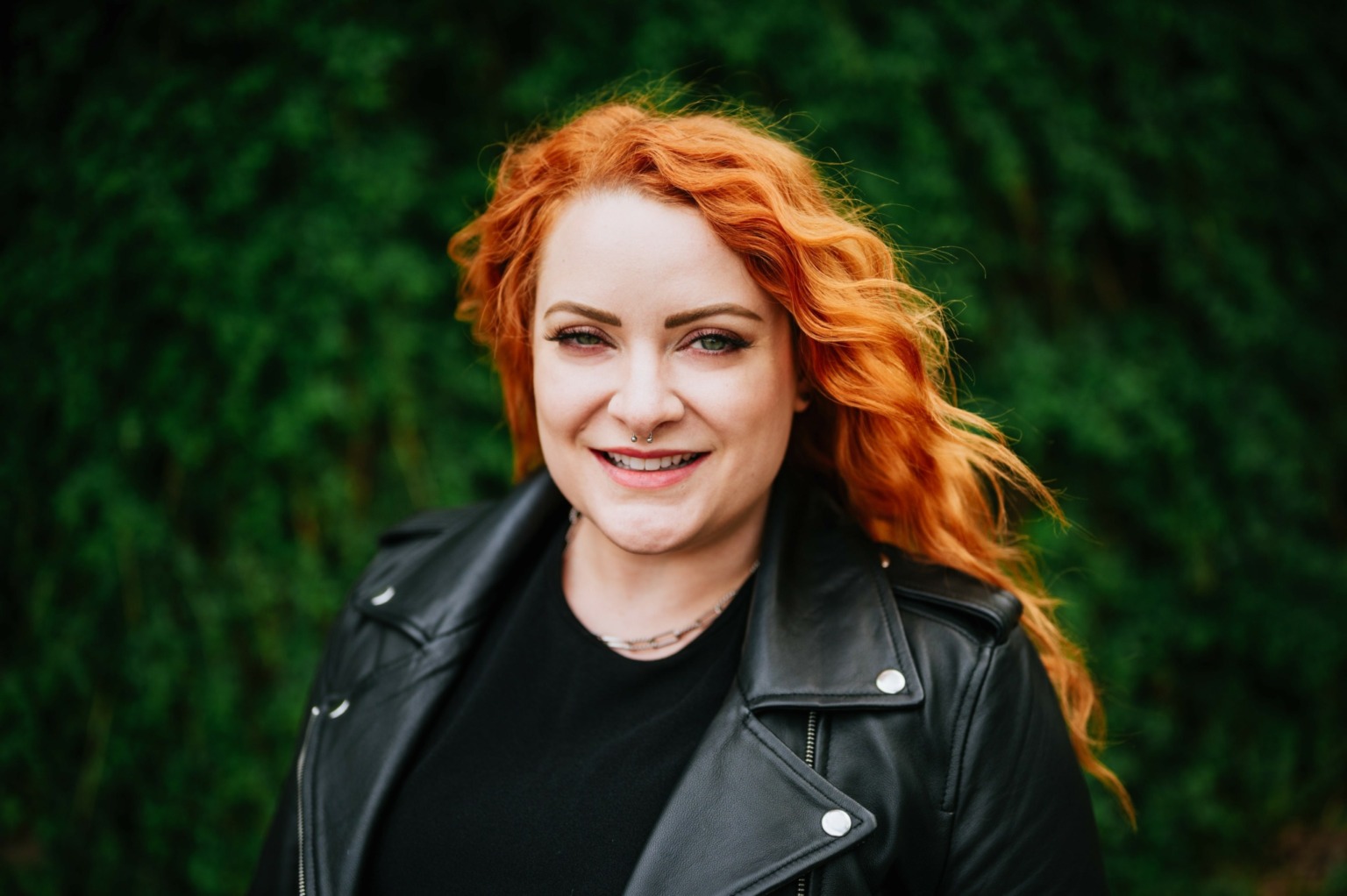
I’m primarily self-taught, with support from school art classes. I started winning Crayola art competitions as young as eight, but growing up in a rural area where art wasn’t seen as a “real job” limited my access to guidance early on. If I’d had more direction and support, I could have developed faster. Thankfully, I had art teachers who recognized my drive and helped me explore different mediums and techniques, which allowed me to grow by experimenting until I found what I truly loved. Read more>>
Linda Purrs

When I was younger, in my 30’s I had a desire to learn how to play the guitar. I wish I had taken lessons to learn properly, but I just learned some basic chords to some songs. From that, the oddest thing happened. I started writing songs. I didn’t desire to write songs, they just came to me. The music and the words came to me at the same time. I almost didn’t know what to do with it. Read more>>
Robert Gaulke
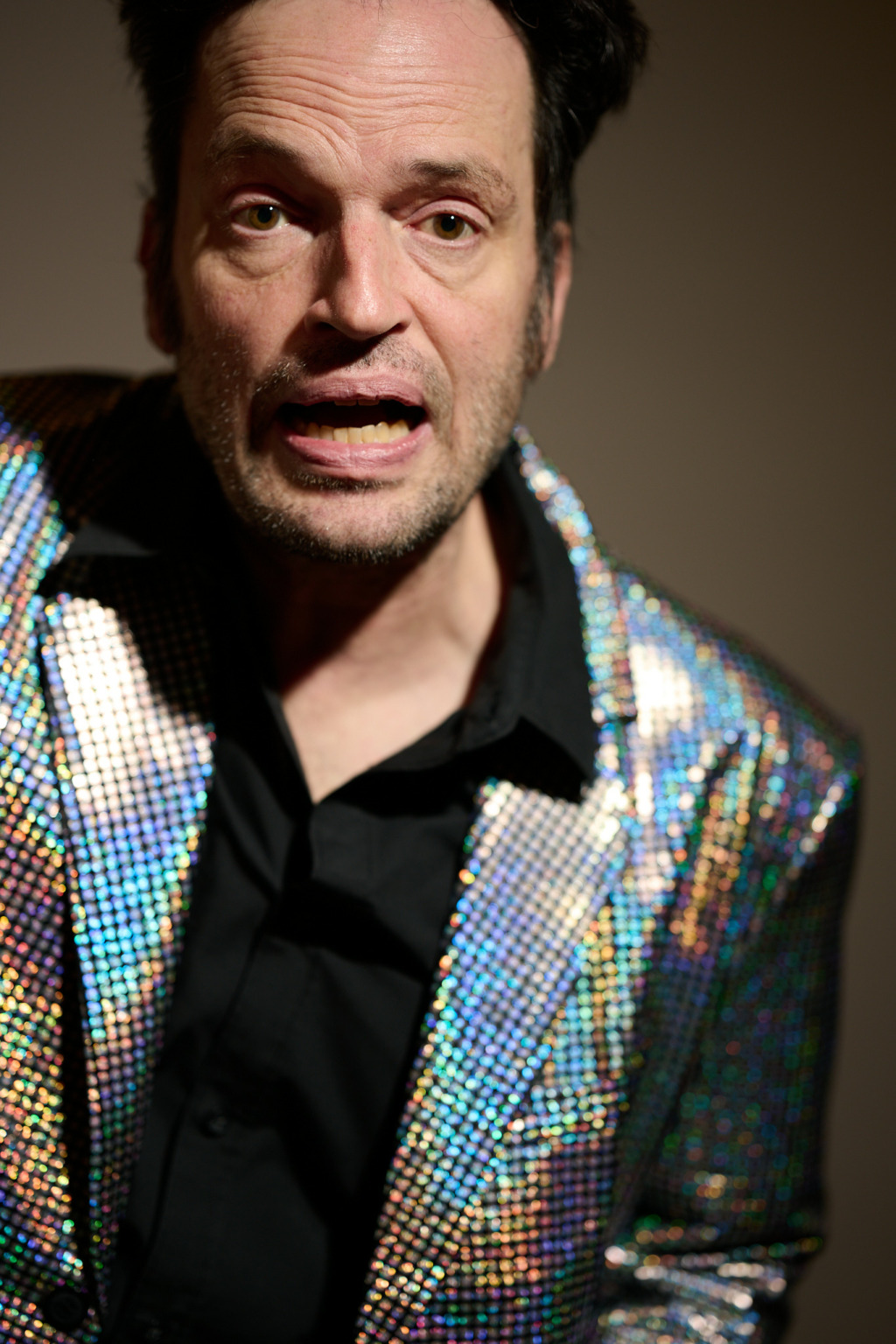
The first challenge was strictly ontological: what do I want to do with music? I really didn’t know how I wanted to approach music when I started out. There’s an inevitable trial and error process that feels very humiliating when you’re young. All I knew when I was a kid was that music and songs seemed like the best thing in the world and wouldn’t be great to be in The Beatles. I struggled with learning an instrument and finding my voice as a songwriter. My father was a classical musician and my brother wanted to be Eric Clapton, so it took me years to understand that songwriting was a different animal from becoming a virtuosic musician. They don’t teach poetry at Berklee School of Music. The most essential skill seemed to be guiding one’s curiosity through colossal errors of reasoning. Read more>>
LINDA ANDERLE
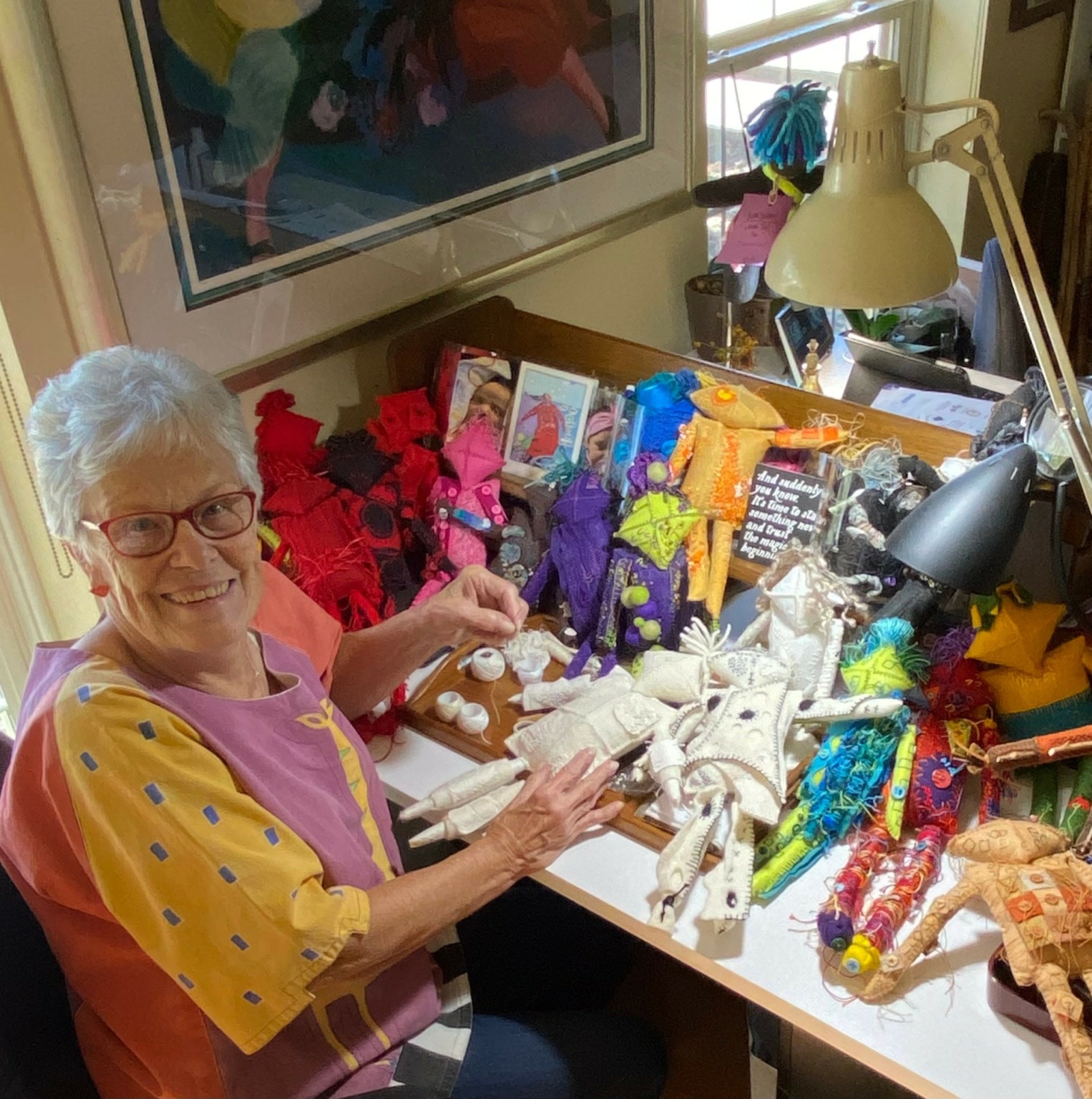
Learning to be creative in general was at my mother’s side and having the encouragement and support to just “do it”. From cooking and setting a table, making flower arrangements and using a needle and thread, doors were always open. I have taken classes, workshops and gone to lectures and visited museums and art shows for decades. I took/take notes and photos for inspiration for my “to-do someday” project list. Learning to do any creative endeavor is doing it. Doing it over and over and over. Adjusting, adapting and repeating. Learning is gathering the materials, arranging the pieces, staring at the materials and waiting. It is rearranging and beginning. It is learning when to stop or continue. Everyday is learning, the process does not end. Read more>>
Moe’najah Spencer
My name is Moe’najah Spencer, I go as MØE in the music world. Everyone who knows me knows I am a badass. I am confident and most of the time independent. I don’t care what other people think and I never let anyone bring me down. However it wasn’t always this way. My mother died when I was six years old. That day started a chain of events that would change the course of my life forever. My father was a drug addict and an alcoholic. He would have parties and all kinds of gangster people over at the house. I was concerned for my safety. I knew now that my mom was gone that he had taken free rein to do whatever he wanted. Read more>>
Zondra Lee
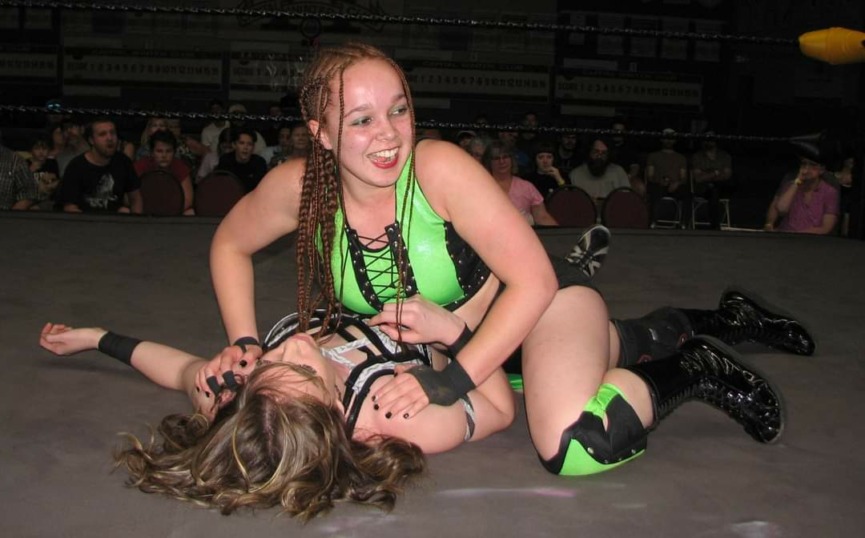
I learned professional wrestling the same way how anyone would learn something. I went to a school. I then pursued learning more after being taught the basics. However getting there was not as easy as I had thought it out to be. Read more>>
Beth DeVitry
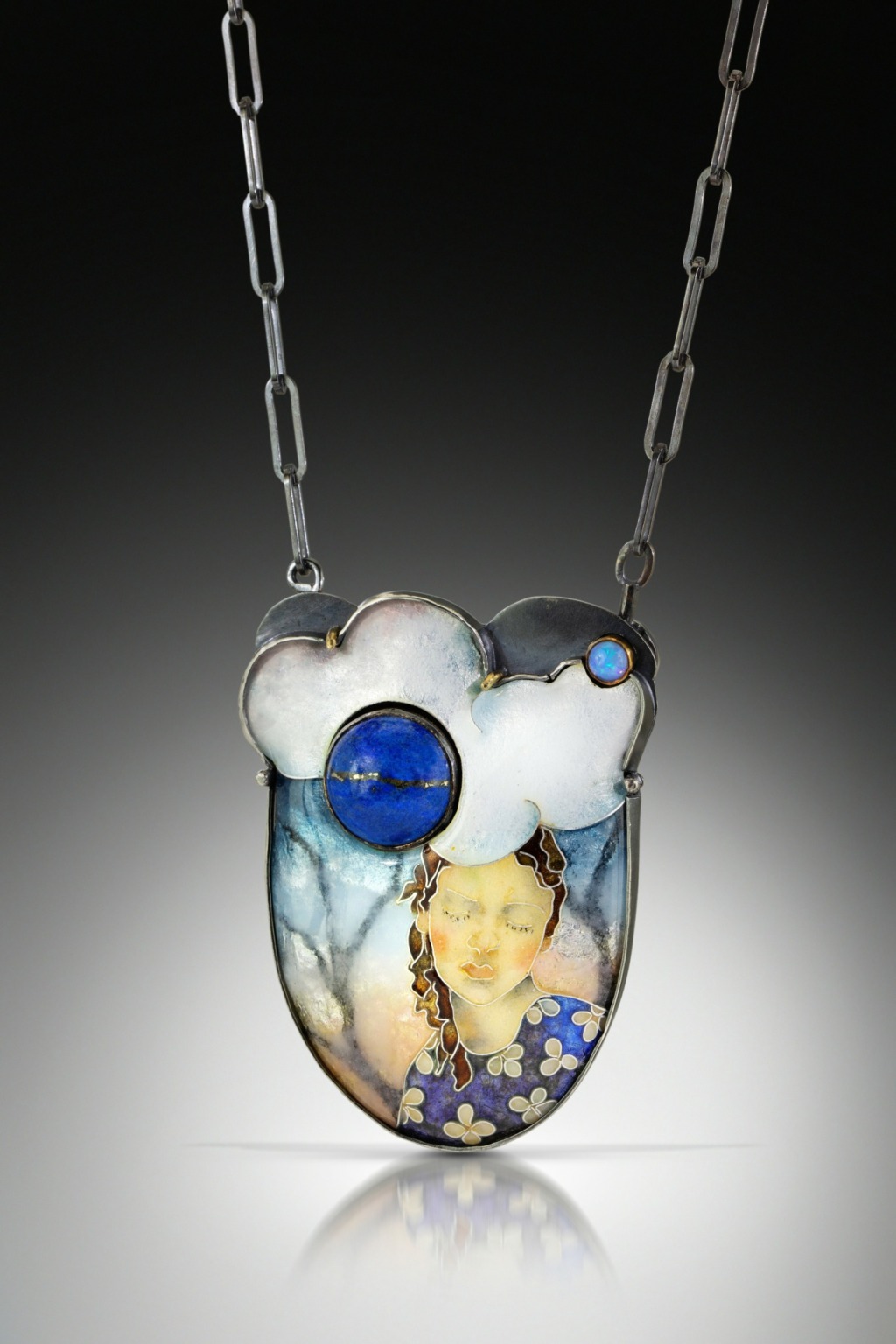
I earned my Fine Arts degree at Maryland Institute College of Art in Baltimore, At the time I was working in watercolor and oils. After college I started an apprenticeship with a goldsmith in Washington DC and started creating my own designs. I did this for many years, learning various techniques such as stone setting, engraving, wax carving and repair. I worked for a fine jewelry store in Lancaster County for 25 years, designing, creating and repairing jewelry for clients. About 10 years ago, a dear friend and fellow metalsmith gave me a box of enamels. I started playing around with them and was smitten. Read more>>
Vega Foster
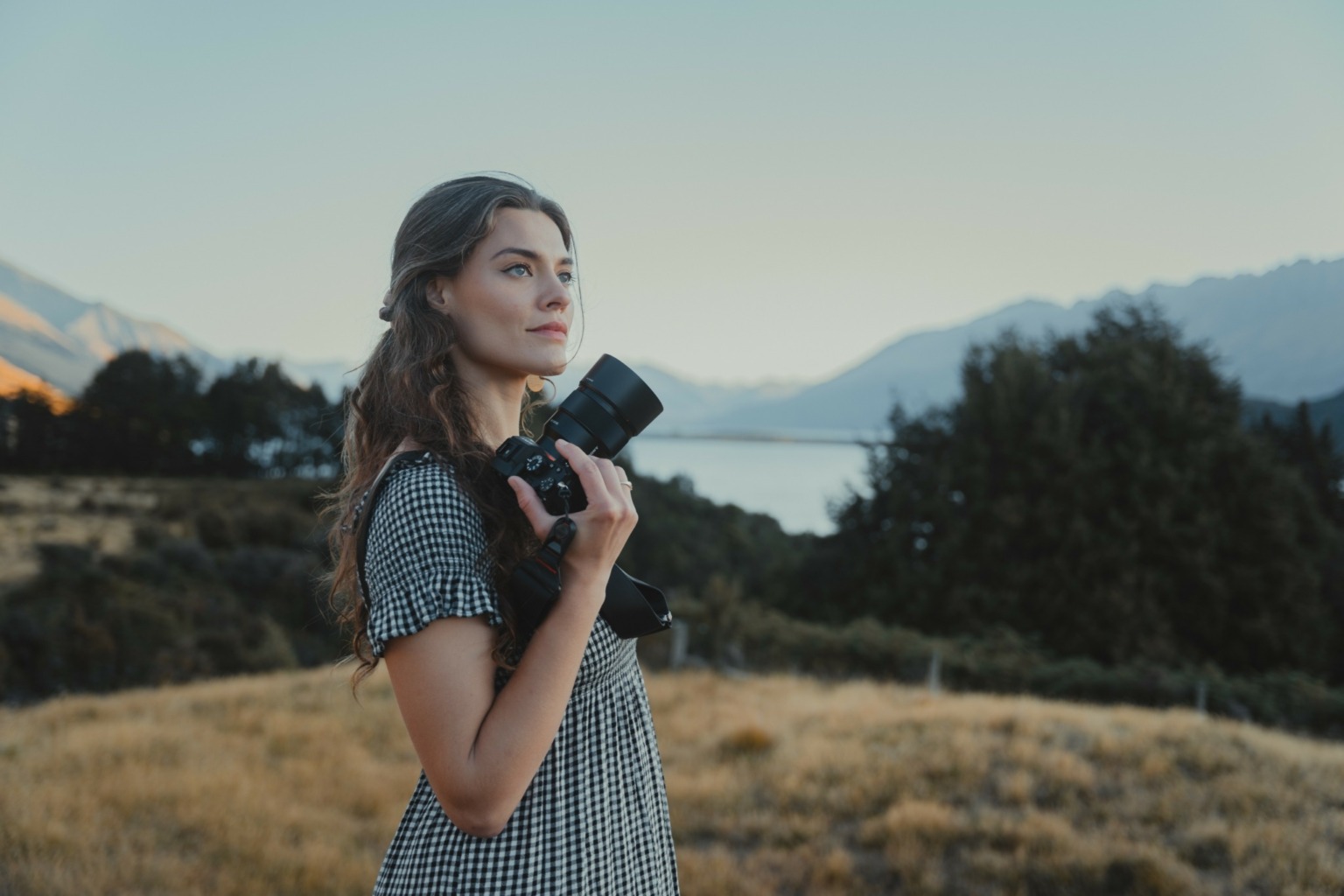
I’m entirely self-taught — just me, a camera, a lot of trial and error, and way too many late nights on YouTube. The first subjects I ever really tried to photograph were the cardinals and chickadees in my backyard. They were quick, unpredictable, and honestly kind of bossy — but they taught me patience, timing, and how to actually pay attention to what I was doing. Read more>>
Holly Broadway
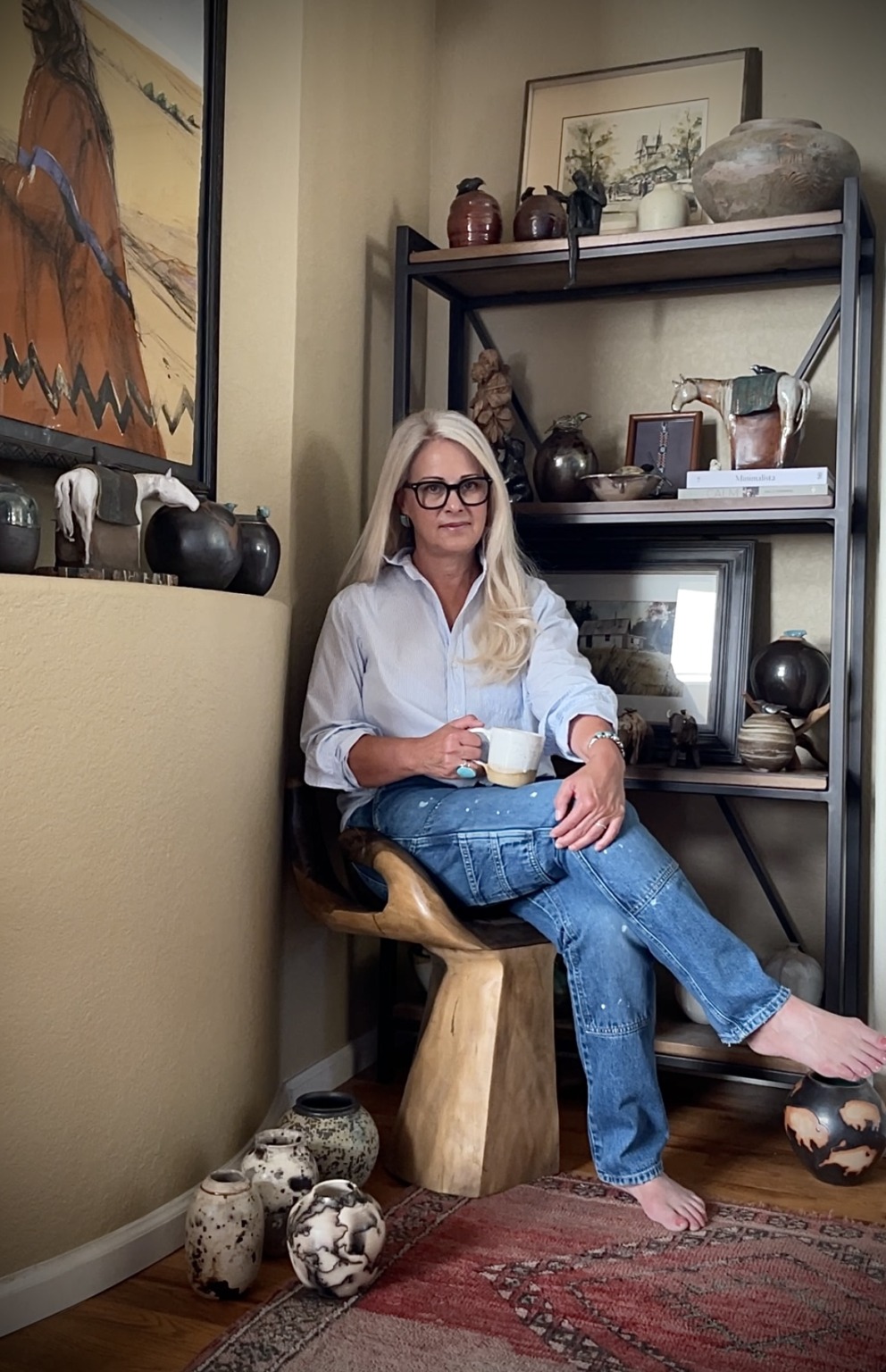
The most essential skills in pottery and ceramic art are practice, patience, and a passion for the craft. Few things are as rewarding as seeing a finished piece that turns out beautifully, but some of the greatest lessons come from failures, which every ceramic artist experiences. It’s important to learn from each success and setback and not to get discouraged! A vessel can crack during the drying process if it dries too quickly or unevenly. Read more>>
Emily Sayre
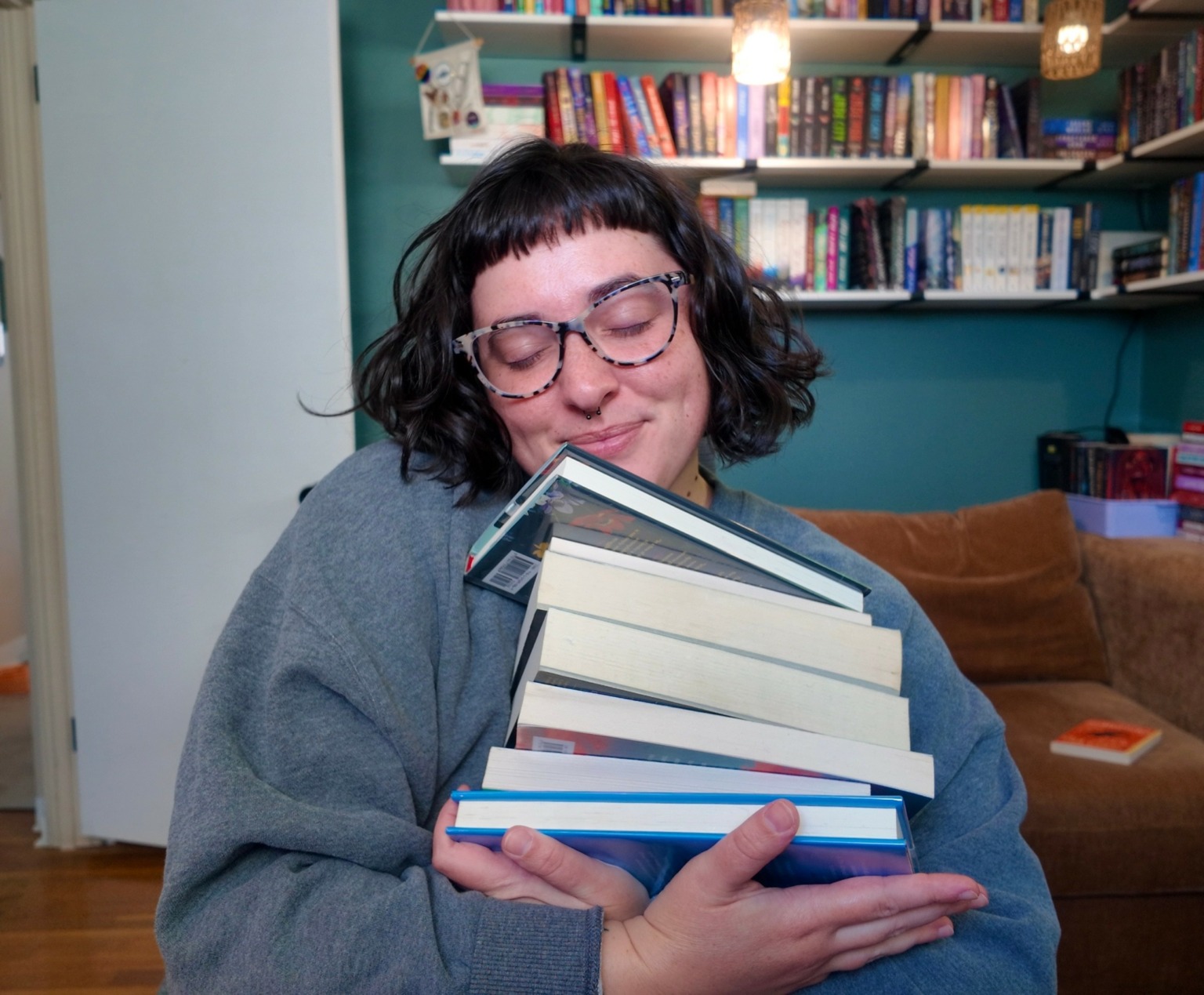
With regard to the online book community, there’s no directions for how to navigate it or “set-in-stone” way forward. It’s a very creative space that allows for nuance and specificity when creating your content! Most of what I’ve learned has been in real-time. I used to create content that I thought other people would like and wanted to see, rather than making the content that I enjoy consuming and watching. And I think you can really see the enjoyment amplified in my content now versus when I first started posting online. I hope my passion comes across the screen! Read more>>
Nancy Ingersoll
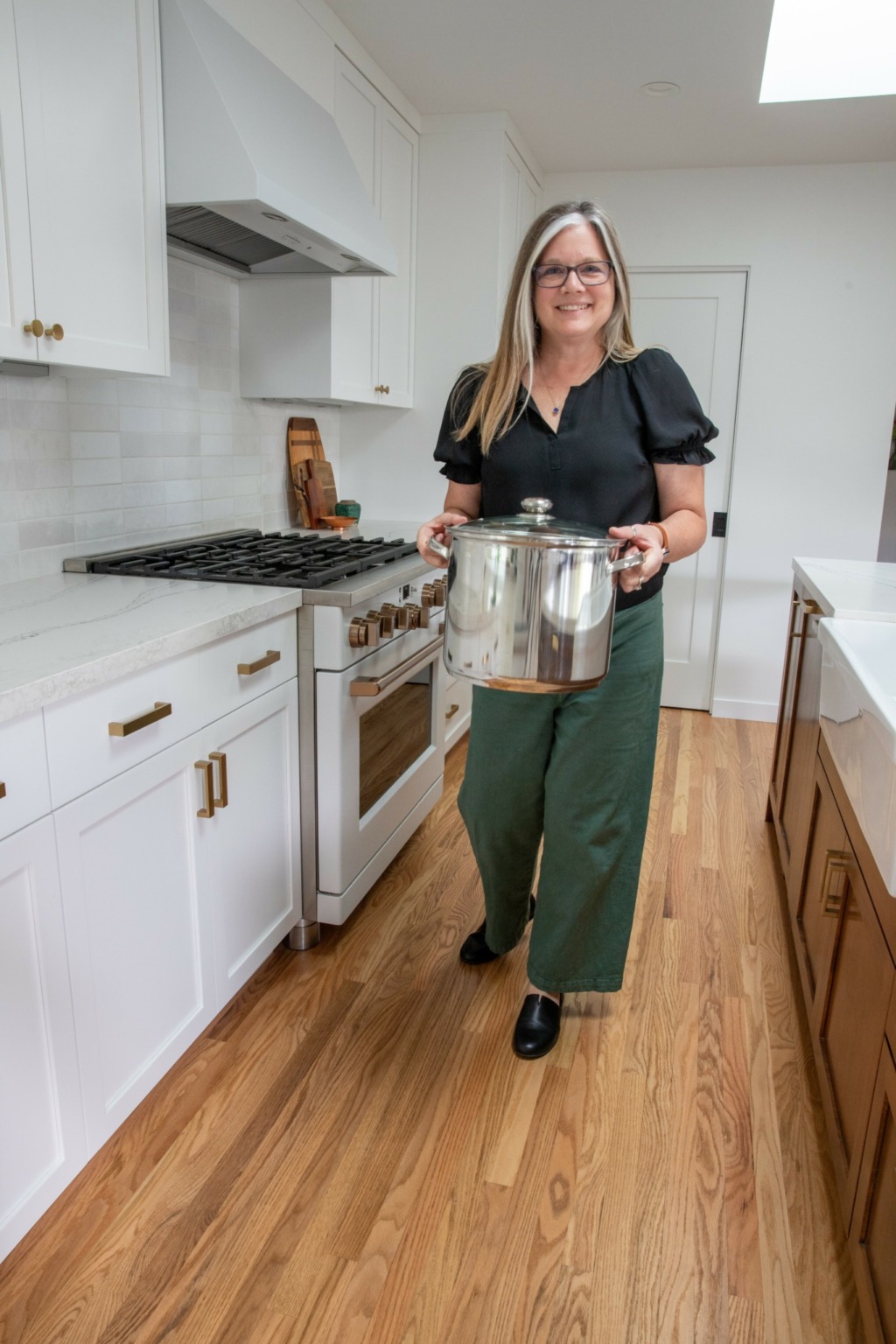
The foundation of my work as a food and product photographer began at San Diego State University, where I took Graphic Arts and Photography classes as part of my Bachelor of Arts degree. At first, I just signed up for courses that sounded fun—and I’m so glad I did, because it gave me a wide creative toolkit instead of forcing me into a niche too early. Read more>>
Isaiah Regisford
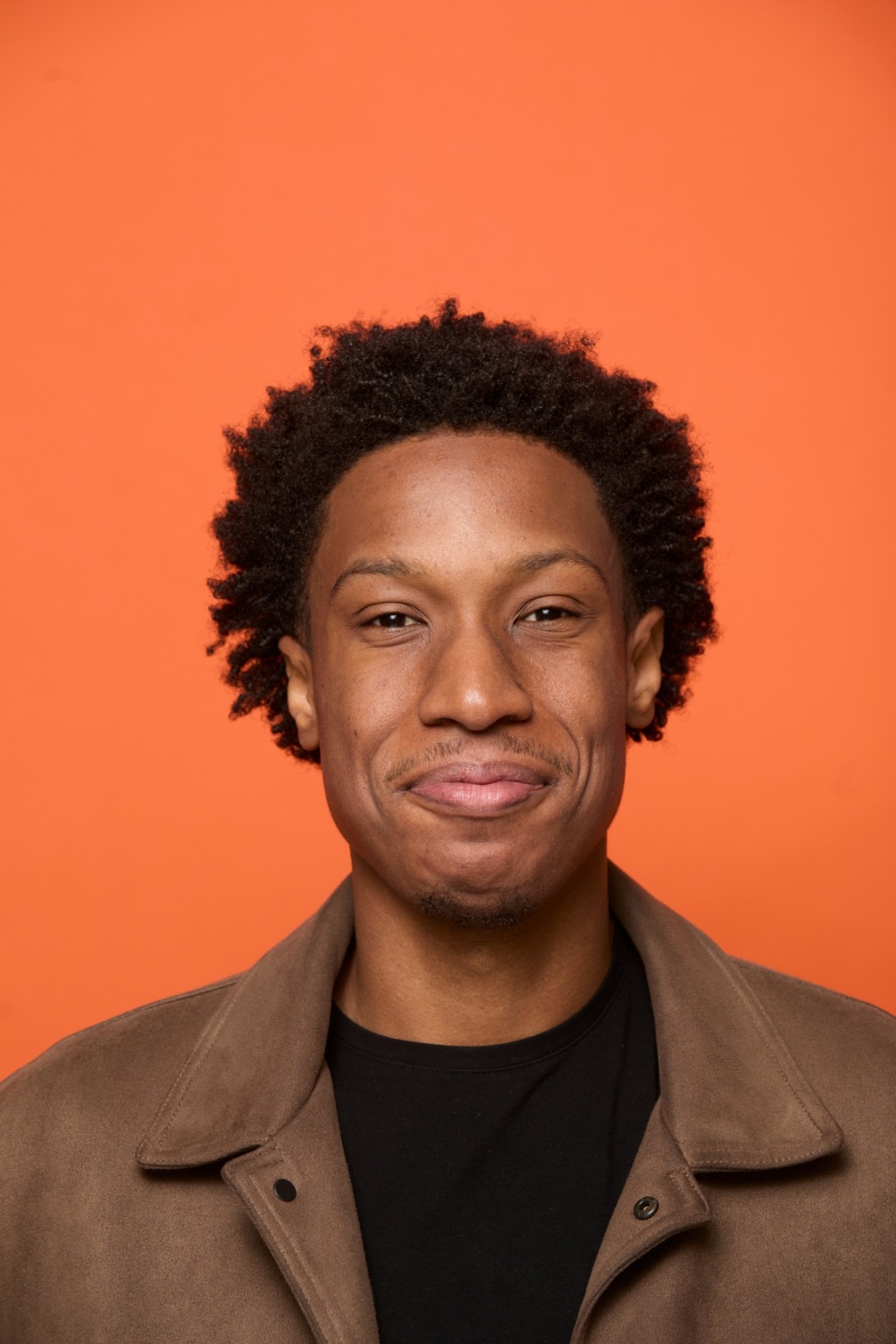
As a person on the Autism Spectrum growing up I’ve always had a hard time understanding nuance, until I got into voice acting classes and learning and understanding characters nuances. Even in taking classes in the beginning was challenging and I had learn about my own process and my brain in how I process things in general. The thing that helped me the most from my Amazing Voice Acting mentor Julie Maddalena taught me to ask questions and getting curious about your characters and so much more and I was able to let her know about my struggles of putting myself into the character shoes. Read more>>
ATRIEL
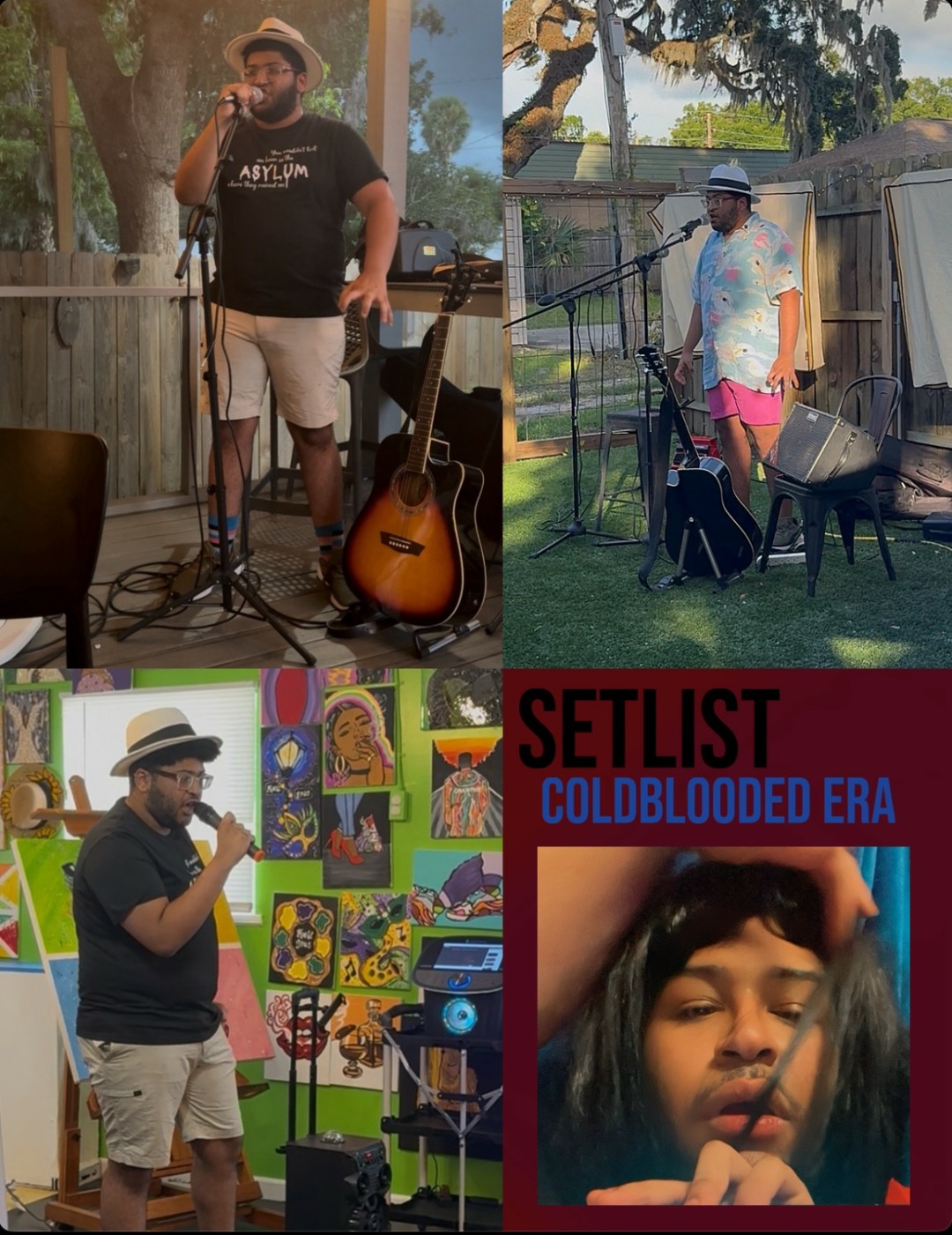
I think I am better vocally in some ways now than I was before, I also think that I have improved my editing skills when it comes to YouTube content but also with the course of my music. I am also constantly working on new ways to improve even more which is why I am taking some time to perform live at different venues and really hone in on what parts of making music I like the most so I can figure out what music it is that I really like making. Read more>>
Jordan Wallace
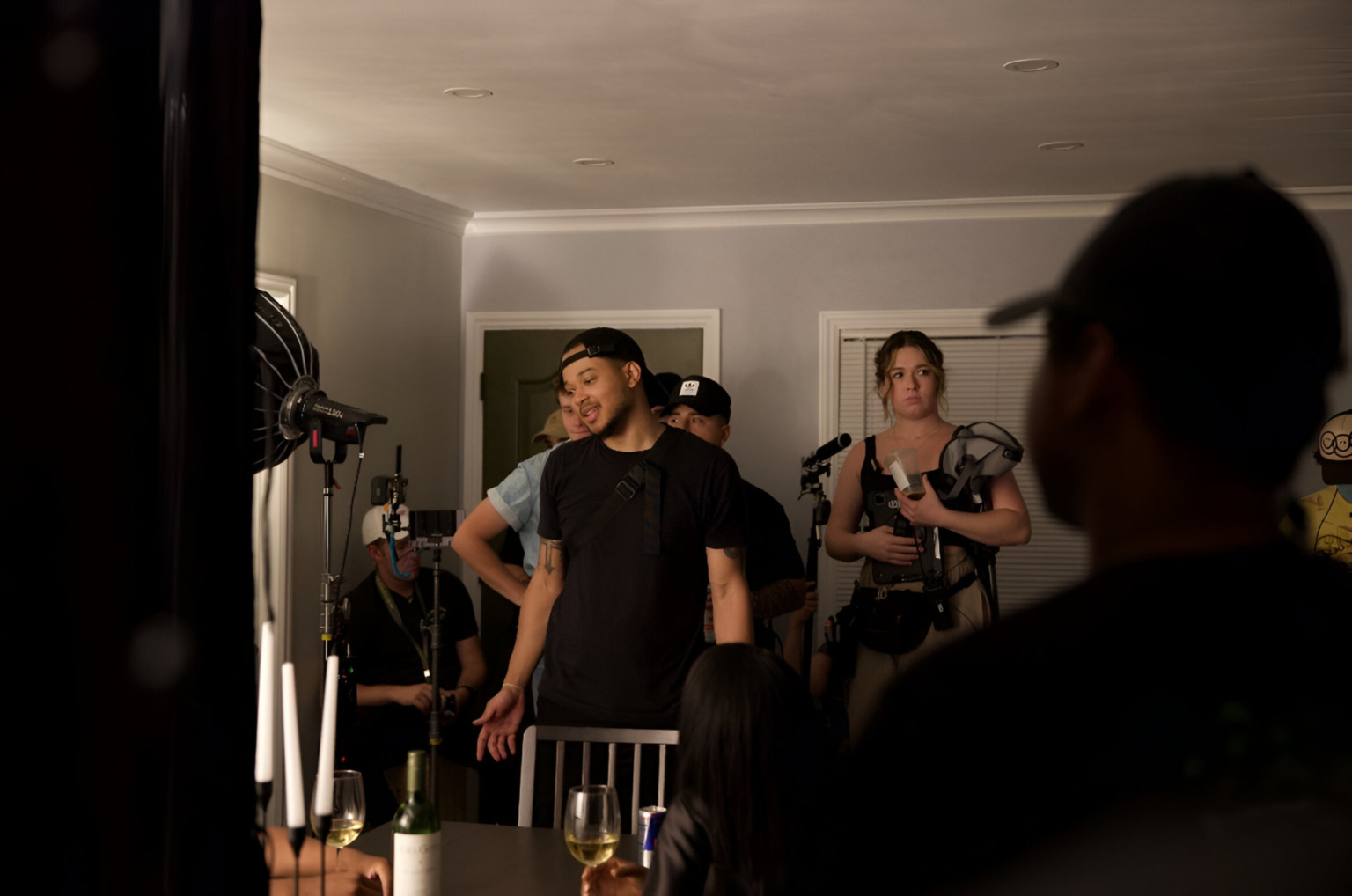
I’ve always had a pretty good understanding of what makes a good story through many years of watching movies, but it wasn’t until I enrolled in film school that I began to truly understand cinematic structure. I always compare it to someone who has a favorite car, then they learn how to build it from scratch. What helped me the most in the beginning was repetition. The more you work at something, the better you’ll get. This is both with writing and directing, although directing involves a lot more multitasking and learning on the spot. This can present many obstacles on set, the biggest being time. There’s never enough, which I’ve learned to love since many great ideas come when your back is against the wall. Read more>>
Valentino Vladimírov
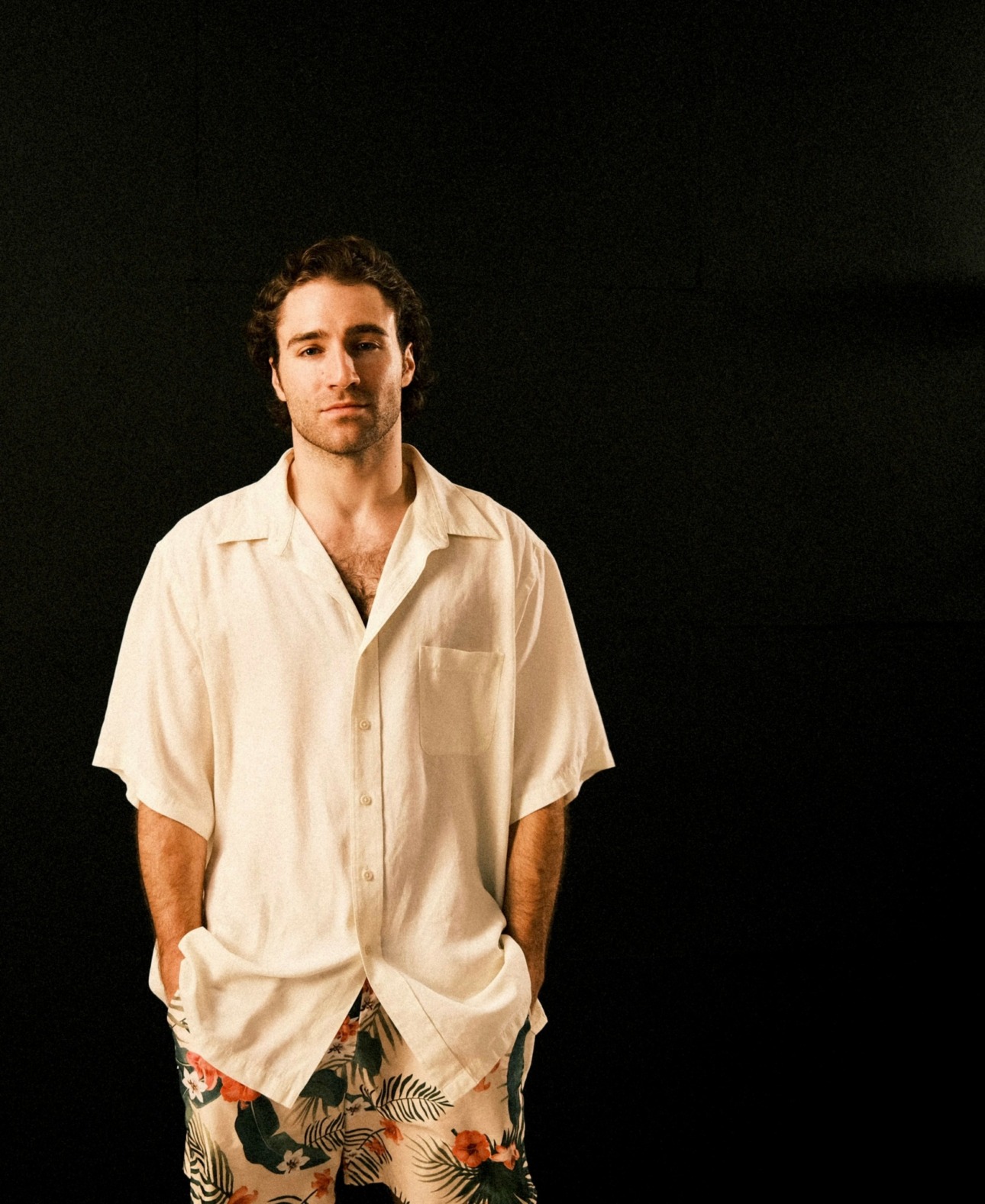
The way I learn(ed) most of the time is through trial and error. I think curiosity is a big part of it, learning to allow yourself to be vulnerable, and letting go of expectations & finding the joy in the process.
Knowing what I know now, I don’t think I couldn’t have done much more to speed up the process, but I could have found more time for rest and self-care, which could have probably sped up the process. So maybe I should have done less? Read more>>