

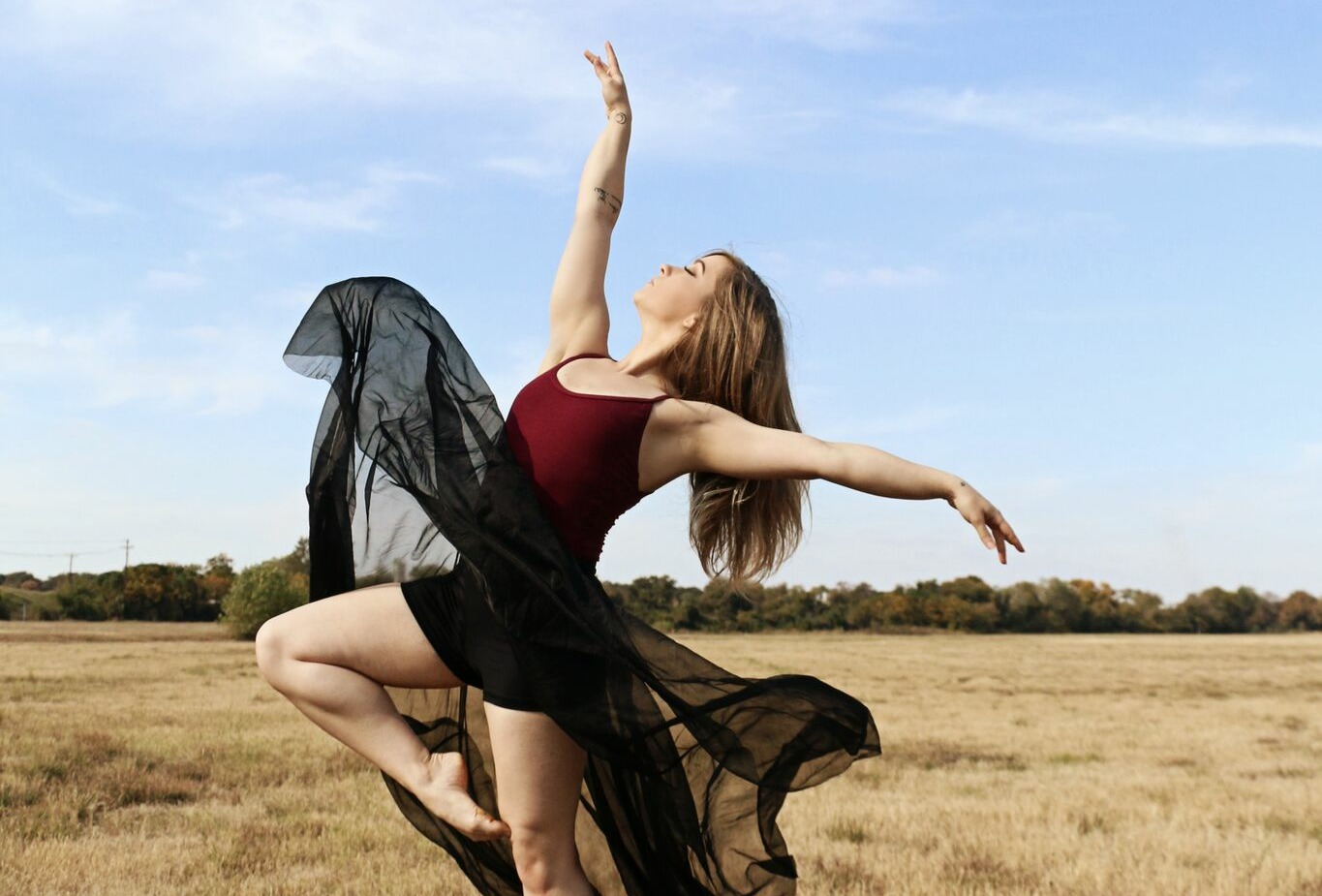

Often there is no book or course to learn how to do what you want to do – so how artists and creatives overcome such challenges? How have some of the most talented artists and creatives in the community managed to learn their craft?
Fastmoneyquan
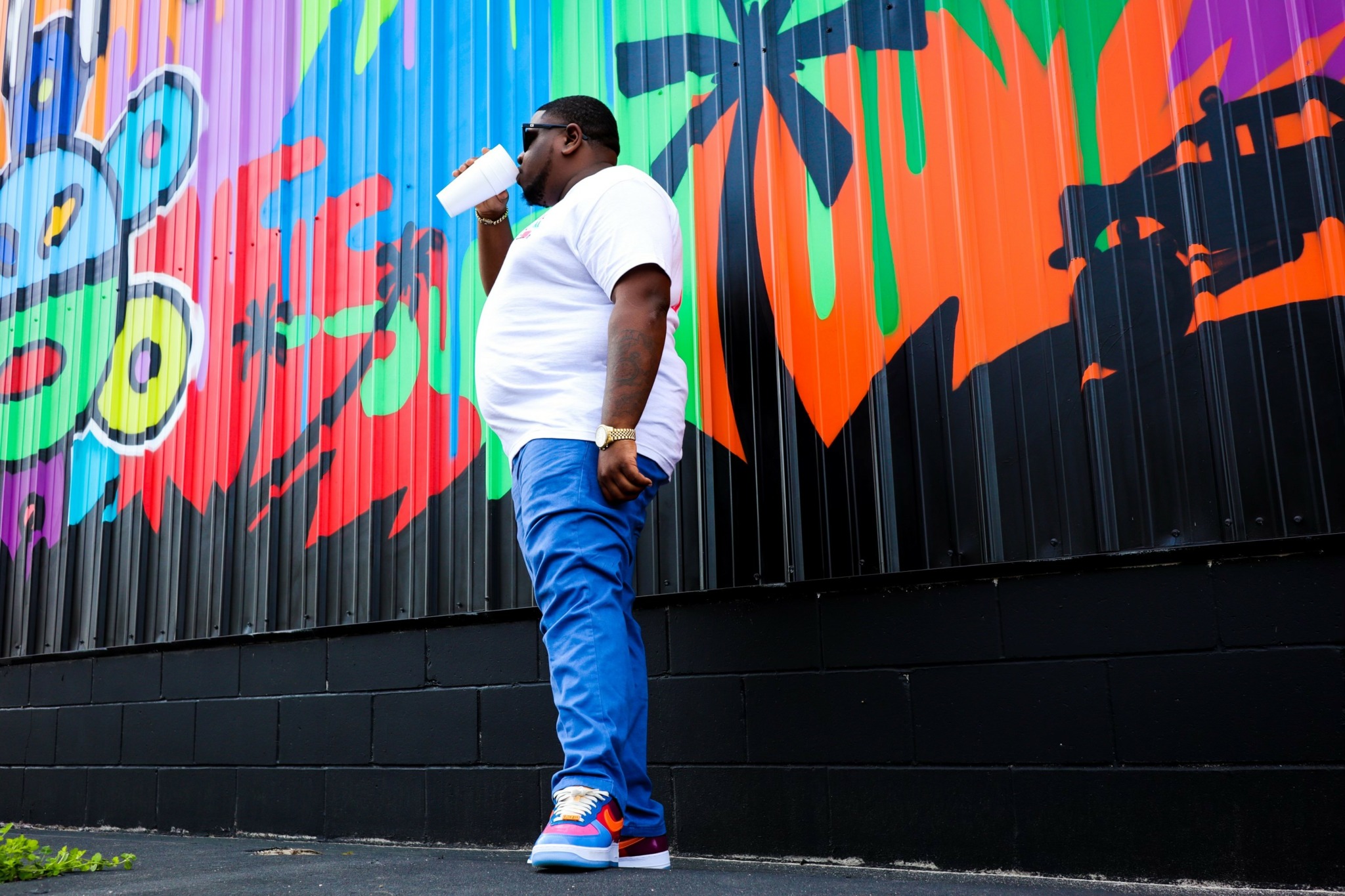
At 17 I recorded my first song titled “Yo Mans” featuring 2 of my friends and later dropped it on my SoundCloud account which it did great, the support was CRAZY! So I capitalized off of that momentum and started recording solo tracks. I’m not going to lie the songs I recorded they were pretty good during that era. I honestly recorded a song every single day the more I recorded the better I noticed I was becoming. The better I became the more serious I started to take my craft. Read more>>
Anna Peck
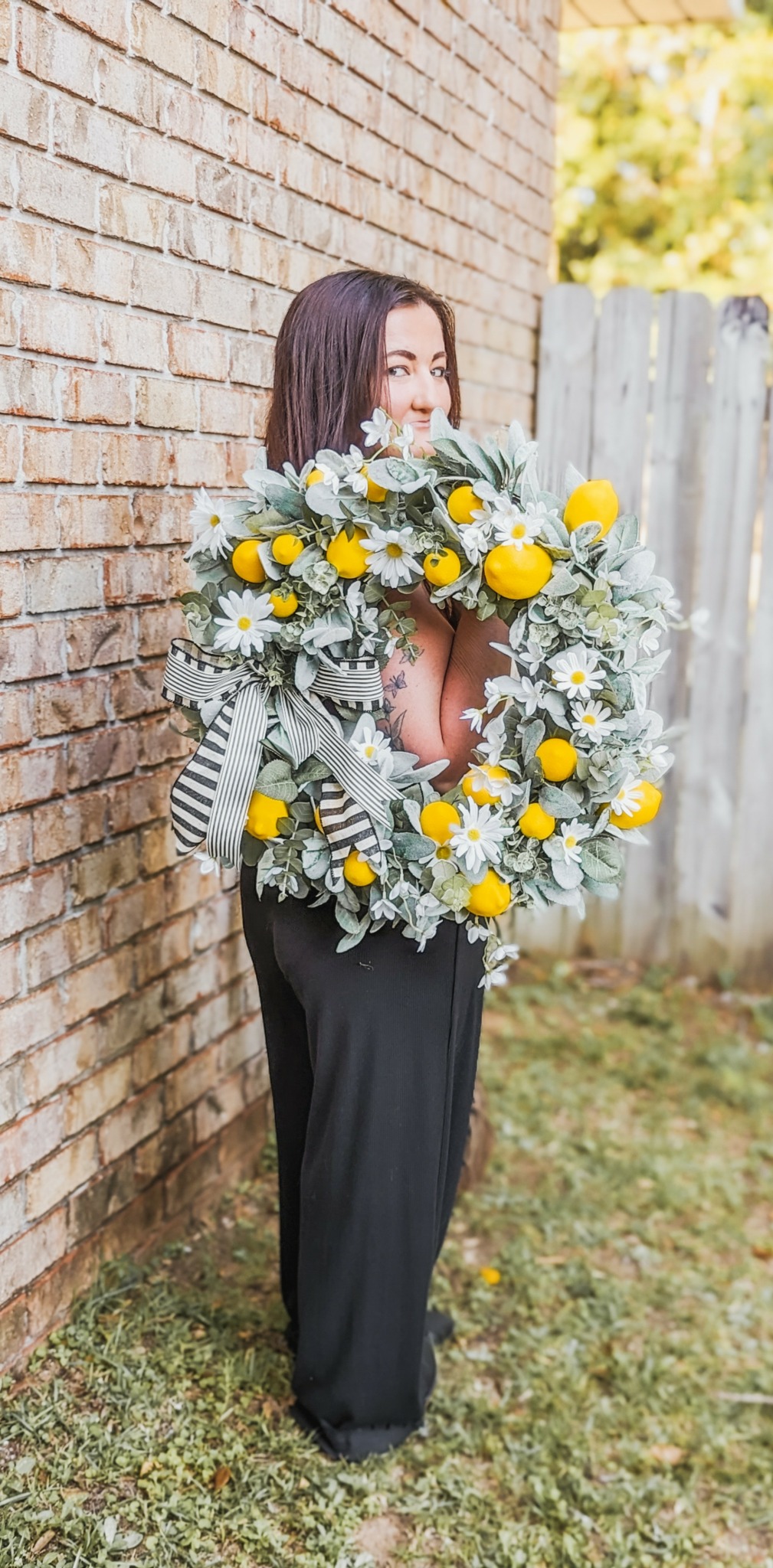
I’ve always been semi crafty even has a kid, And when it comes to wreaths it’s been a teach myself kind of journey. I watched many YouTube tutorials when I first started, I would watch the videos then go buy the supplies I needed and went home to just play and see what I could do. What’s so funny is when I started doing wreaths, I was scared of doing floral designs they intimidated me alot. But then one day I got a custom order for a cotton & greenery wreath and this was when the farmhouse look was just coming out and trending. I made that wreath and she loved it, so I posted it on my personal Facebook and well that post blew up. I’ve grown alot since then as a person and a creator I have learned that quality is way more important then quantity. If you make a mistake or get knocked down, you brush yourself off and get back up! No matter how many times it takes. That’s the learning curve of it all. Read more>>
Robert Dobson
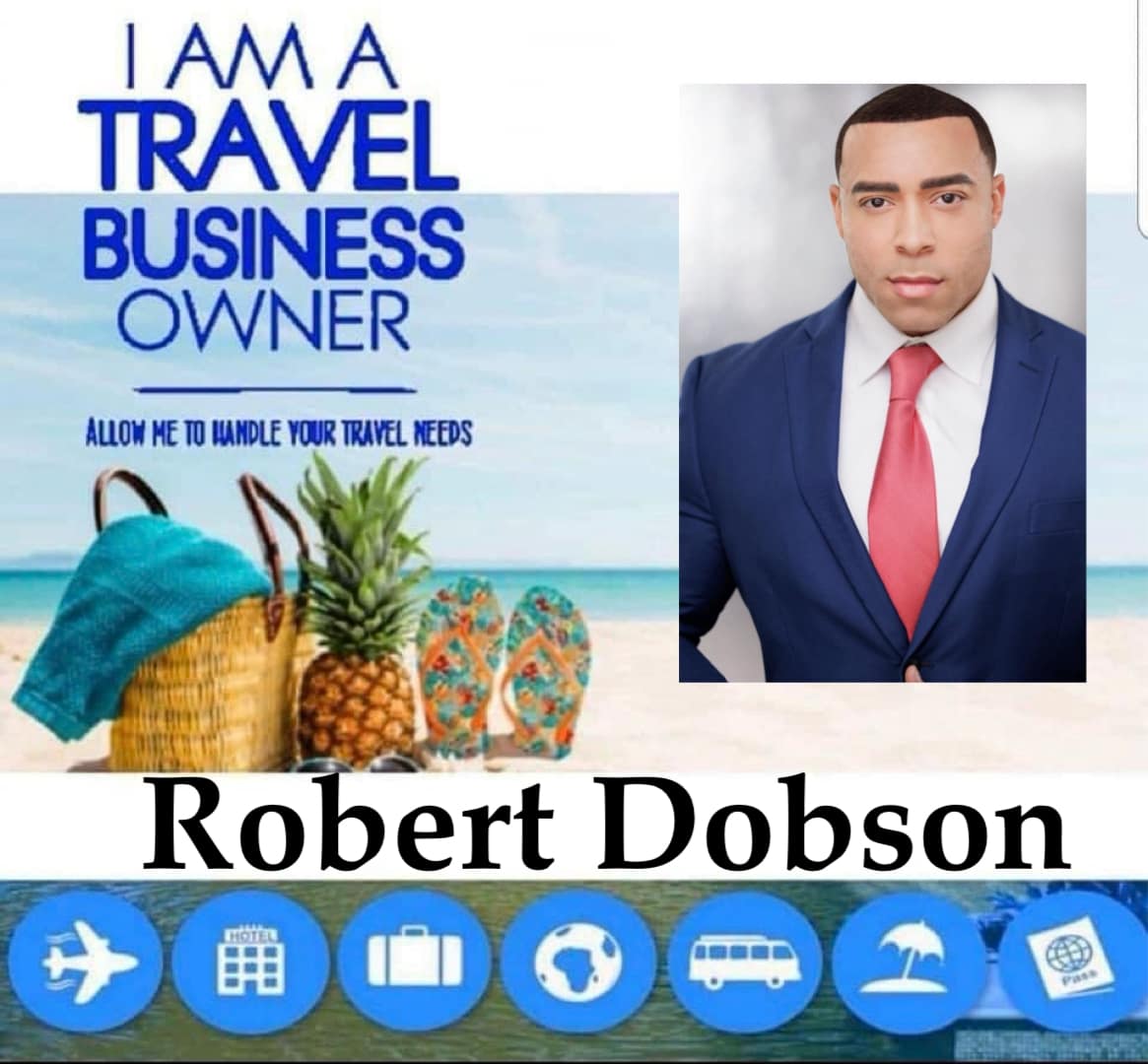
I wanted to write a short film. I got the idea from a very well known artist at a Christmas party back in 2018. I was like what should I do to make it in the industry and I was told to create my own story. So I did. I researched how to make a short film. I did not go to film school but I did know people who did and requested their input. I used an on line template and started writing my script. It was all of what I felt about my own experience and placed it from pen to paper. If I had more money or went to school sure these resources would definitely improve my outcome but I enjoyed the process and learning on my own and I produced a pretty good product. This is also for the one hour one man show I wrote and traveled to my home state of North Carolina to perform in front of non other that people who knew me well like my family and others in my home town. Its very challenging to write about yourself but I pulled through and “The Beginning” was born. I performed three nights in a row and after many critiques and hundreds of changes, my feedback from my mentor, coach, and those that came and those that heard about it through the radio announcements or by ear were pretty good. Another piece of my own work under my belt. It really feels good. Read more>>
Joseph Dibartolo
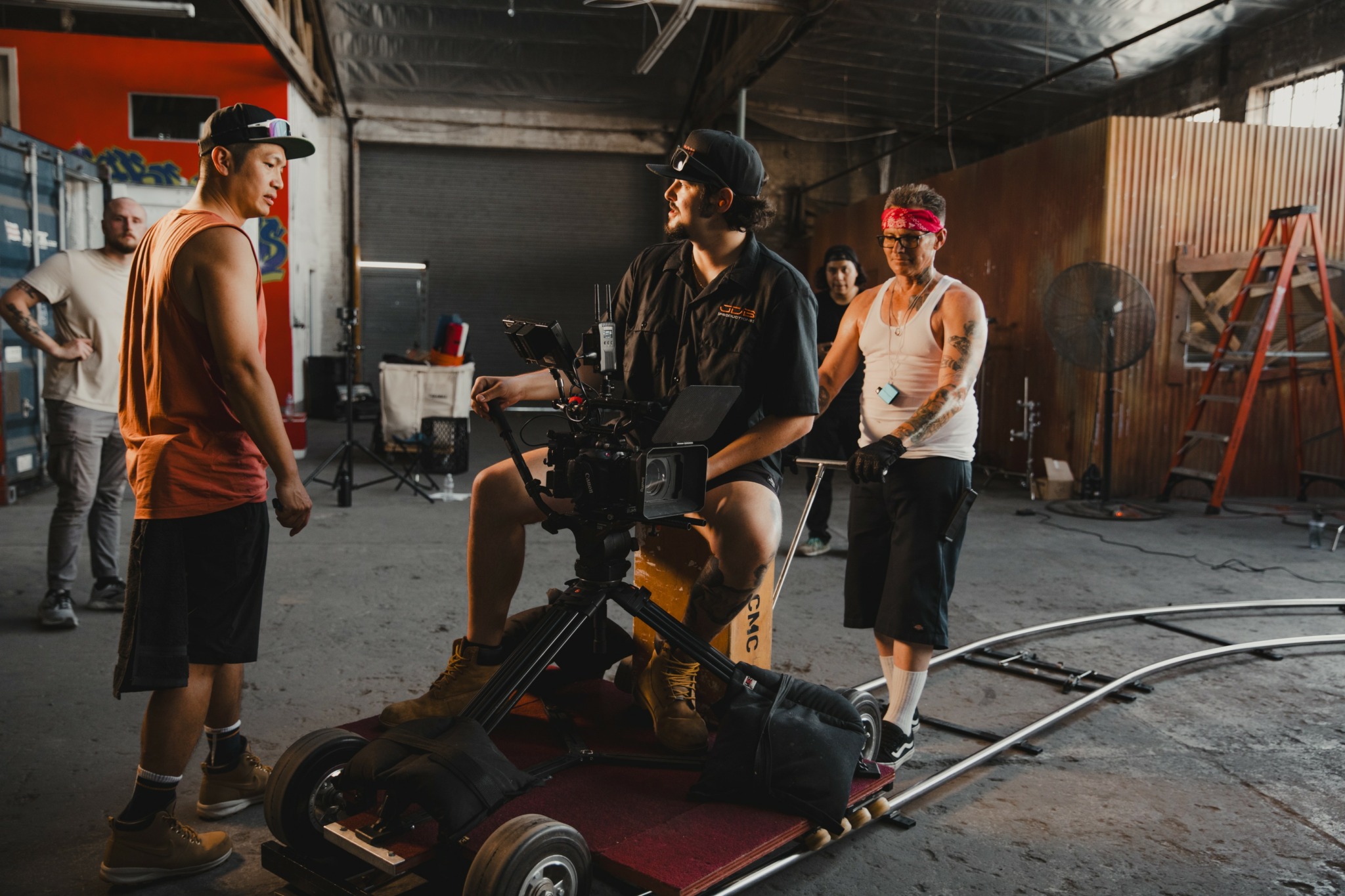
I learned to become the refined filmmaker I am today by studying the people I worked with and always soaking up information. Early in my career, I had many “trial by fire” opportunities that helped me improve my technical and leadership skills. Continuously studying and researching film pieces that resonate with me artistically has been a great way to discover best practices to apply in the field. Throughout my career, I have consistently explored outside of my comfort zone. Doing so has propelled my career as both a director and director of photography, giving me a distinct style that defines my work today. Taking creative risks in this industry can be challenging without a strong support system. Luckily, I have been surrounded by incredibly loving and talented filmmakers since the early days of my career. They have dedicated time to mentor, guide, and encourage me along my journey. This support has allowed me to step into leadership roles with confidence throughout my career so far. Read more>>
Jim Cooper
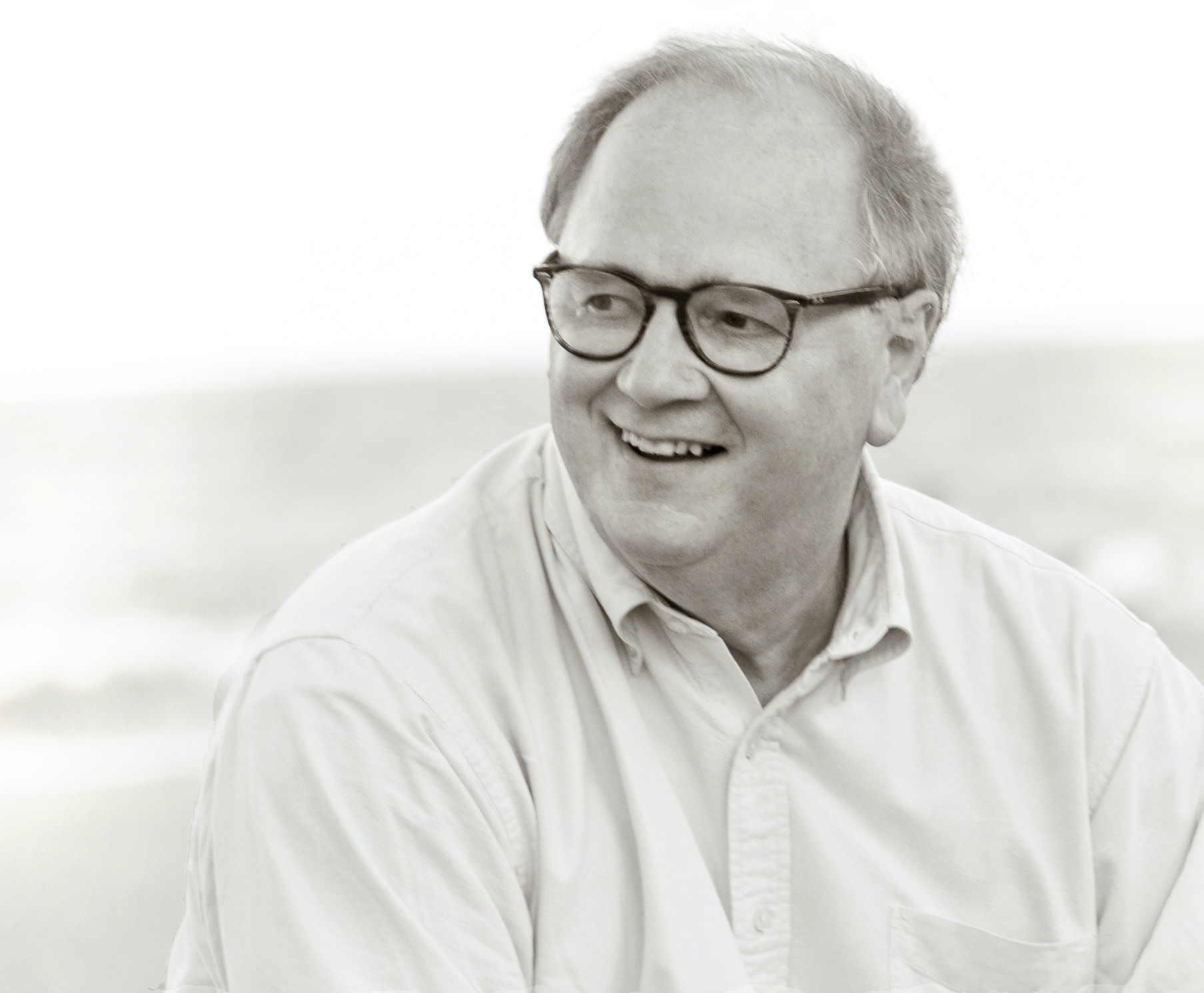
Writing: The essential action to learn the craft of writing is to write. Daily. Yes having a coach, taking courses and attending writing conferences is also needed but it wasn’t until writing every day became part of my life that things started happening. I was fortunate to be coached by Rachel Simon (Riding The Bus With My Sister) after meeting her at a writer’s conference. The biggest obstacle is my own negative voice and self-doubt – imposter syndrome if you will. Read more>>
Benjamin Keagle
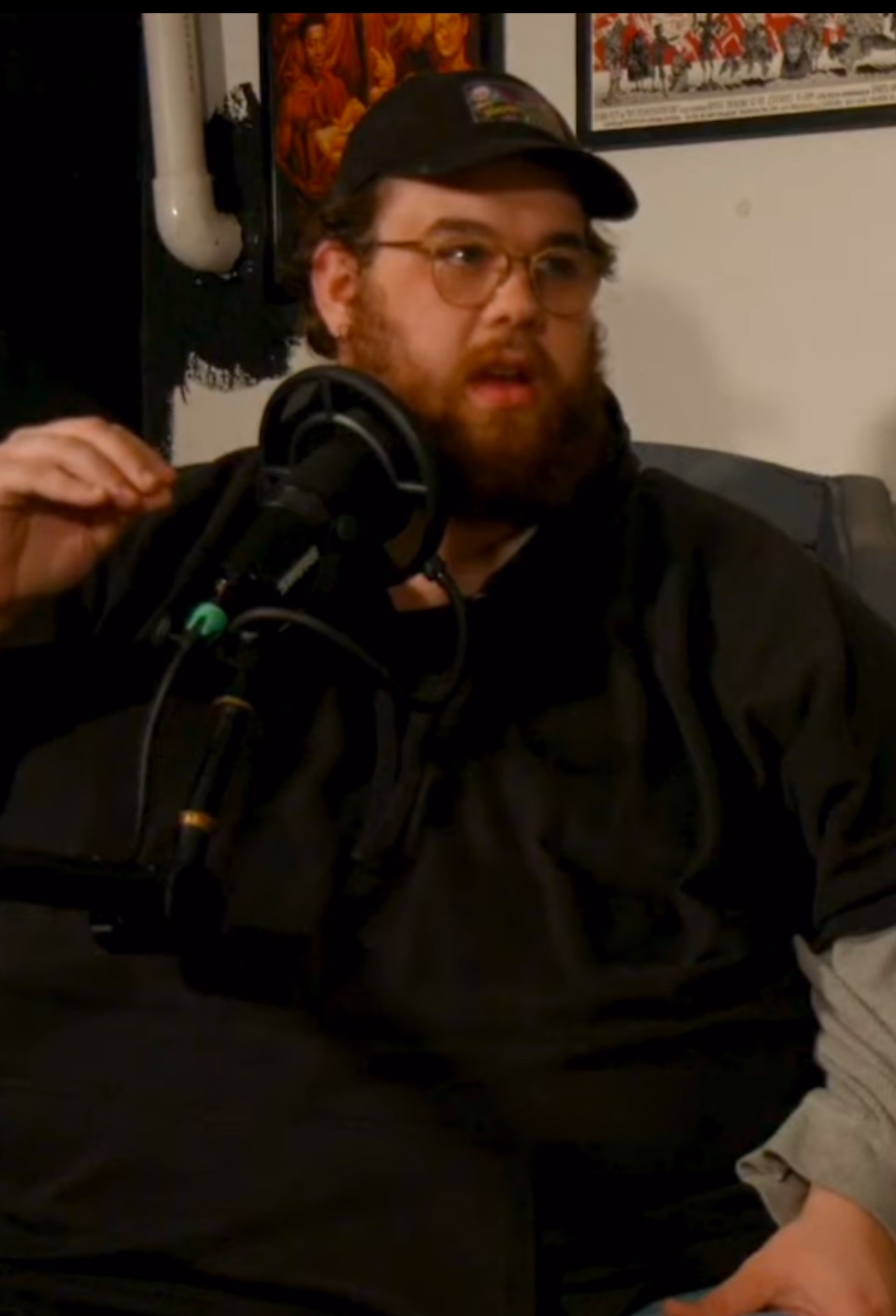
So, I personally have it kinda lucky. I went to school for Video Production and in doing so I had some great on hand experiences learning audio production as well as studio production. The hardest part was actually implementing what I had learned. How could I create a professional studio with no real racecourses. I started out with nothing more than an old condenser mic and a small Tascam Field recorder, both of which I had from my freelance days. From there I upgraded to a better mic and chose to record in my closet! It was then that I realized I needed better equipment. I saved up enough money to get a used mixer, and an audio interface. Here is where my eagerness really took over. While playing around with the new equipment I made a foolish error and never plugged in my mic. I thought to myself, “Oh no this is the end. I can’t even get this right”, but after a few more attempts I found the best routine to make sure everything is good to go! Read more>>
Melanie Curry

I have experience in several mediums including watercolor, pastels, and metal clay, but when the Covid lockdowns became a reality I was eager to find something new to work with. I saw several posts by artists using paper to ‘paint’ a collage, creating realistic pieces with paper that intrigued me. I had to do all of my research online (lockdown!) however, I gleaned enough information to begin getting my fingers covered in glue just like when I was five! Read more>>
Alexis Donn

When I decided I wanted to pursue music I was twenty years old and going into my junior year at the University of Notre Dame. I had been very shy about my singing and writing, doing both pretty privately except for a handful of talent show performances in high school that took me a lot of nerve to do. I knew no one in the industry, knew no one else that was pursuing music, didn’t know how to play an instrument, and didn’t have any technical training or knowledge of music theory. I had just secretly known it’s what I’d always wanted to do and I’d gathered just about enough courage to give it some sort of try. Read more>>
Inga Khurieva
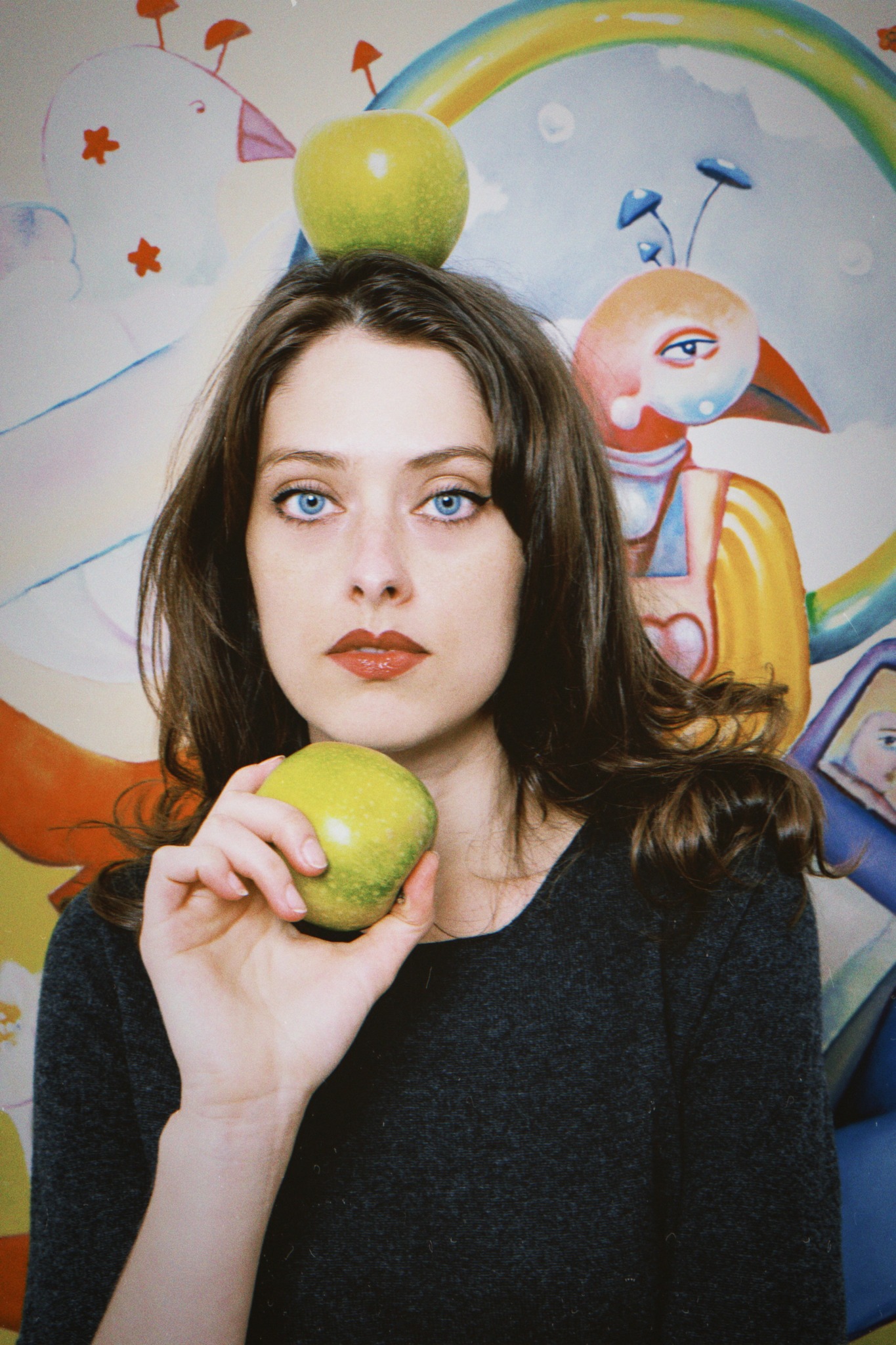
I was staying at my friend’s place once and while he was gone I sketched 3 faces on his vision board that he uses for meetings and such. When I visited him again three weeks later I saw that he didn’t erase the drawing. I asked him why he kept it and he said that he likes that every time he looks at these faces his mind creates different stories and scenarios about people portrayed. He said it is fun for him. Read more>>
Melody Ybarra
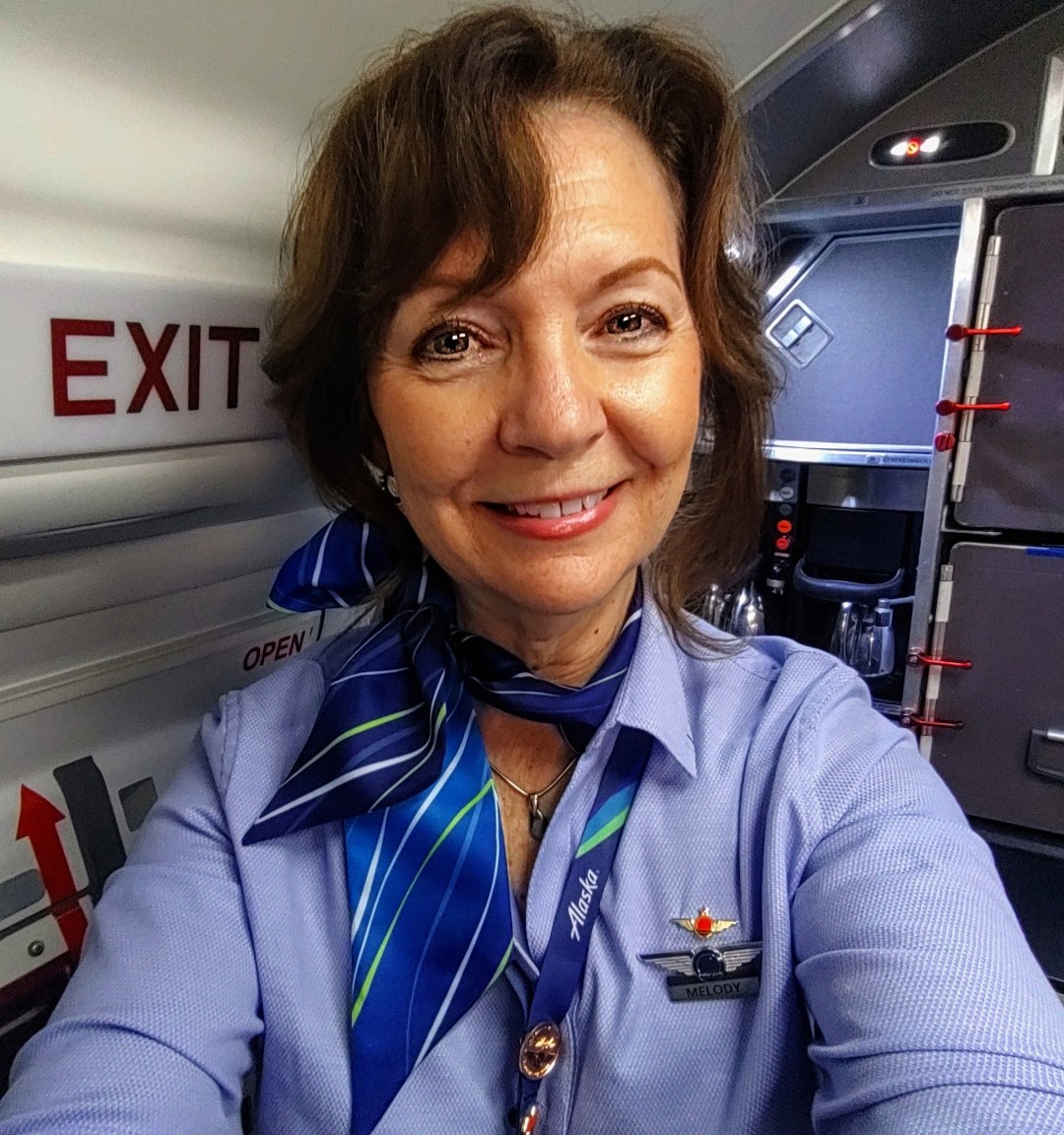
My initial interest in photography began in high school. I took an elective course in all things related to photography. This process included not only the physical use of the camera, but all aspects of film development and the creation of the photos in physical form. My parents moved during my final year of high school and the new school allowed me to set up a dark room and take photos of the student body for the year book. Read more>>
Jim Frazer
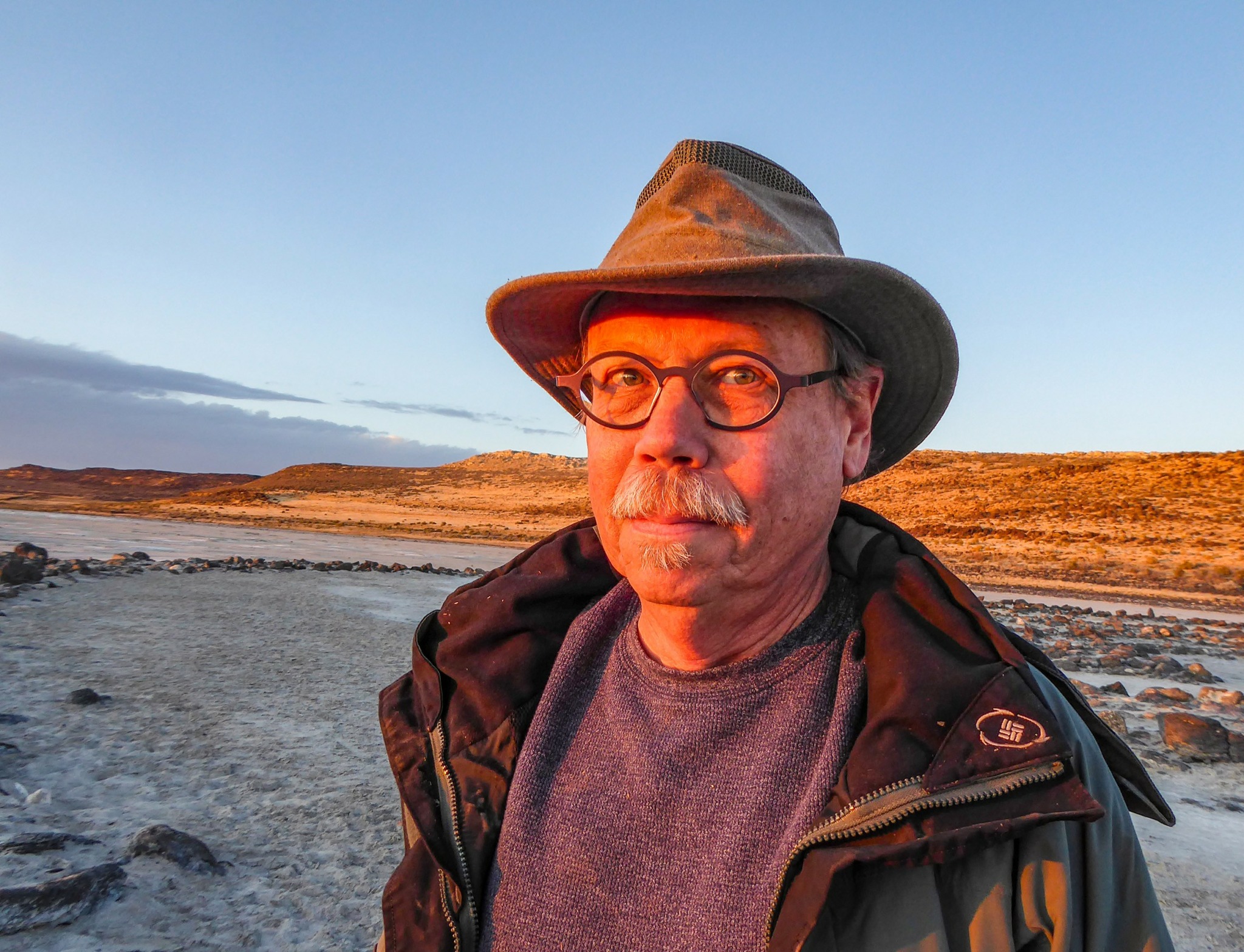
I have found that learning to do what I do is a continuous process that will keep going as long as I do. I first started to learn photography while working a summer job at a science lab. When I got back to school in the fall, I found that there were no photography courses offered. There was a student group that had a darkroom and I learned a lot from those that were using the darkroom. I sought out teachers at other schools nearby who did offer photo courses. I did everything I could to immerse myself in the world of art and photography so that several years later when it was time to apply to grad school for photography, I was ready. Read more>>
Drake Aasen

I am still very much in the process of making this passion of mine a full-time career. I am not there yet, but I have come far enough to be able to look back and see a long list of triumphs and failures and I am grateful to be able to even say that much. To pursue this career is to constantly be learning and I think that is one of the main things that keeps me so invested in it. Read more>>
Dáisha Evans
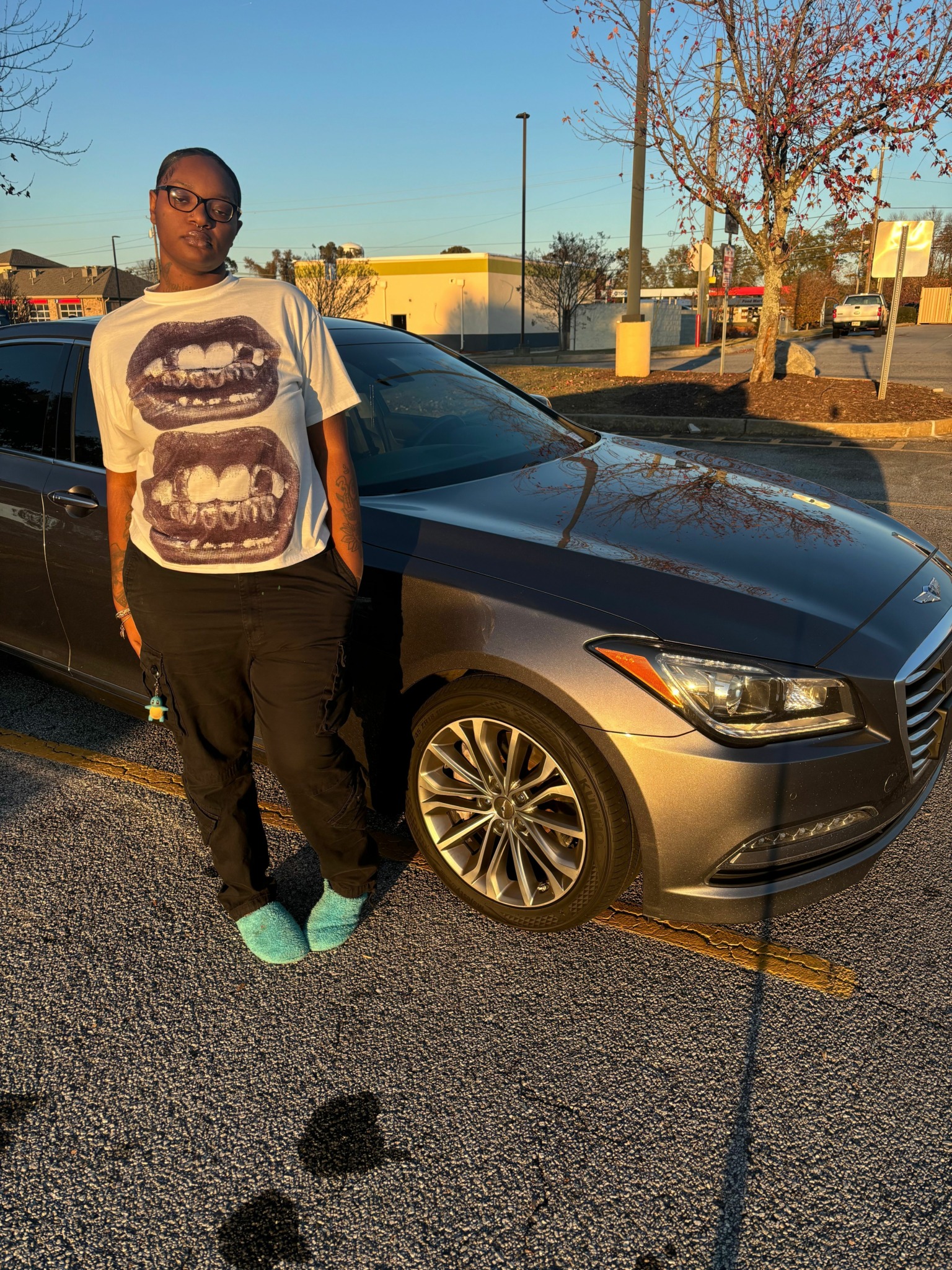
I had to start treating it like a real skill I wanted to pursue for my career. It went from a hobby or passion to a career. I’d have to say my most valuable asset is my creativity. Read more>>
Sarap Fresh
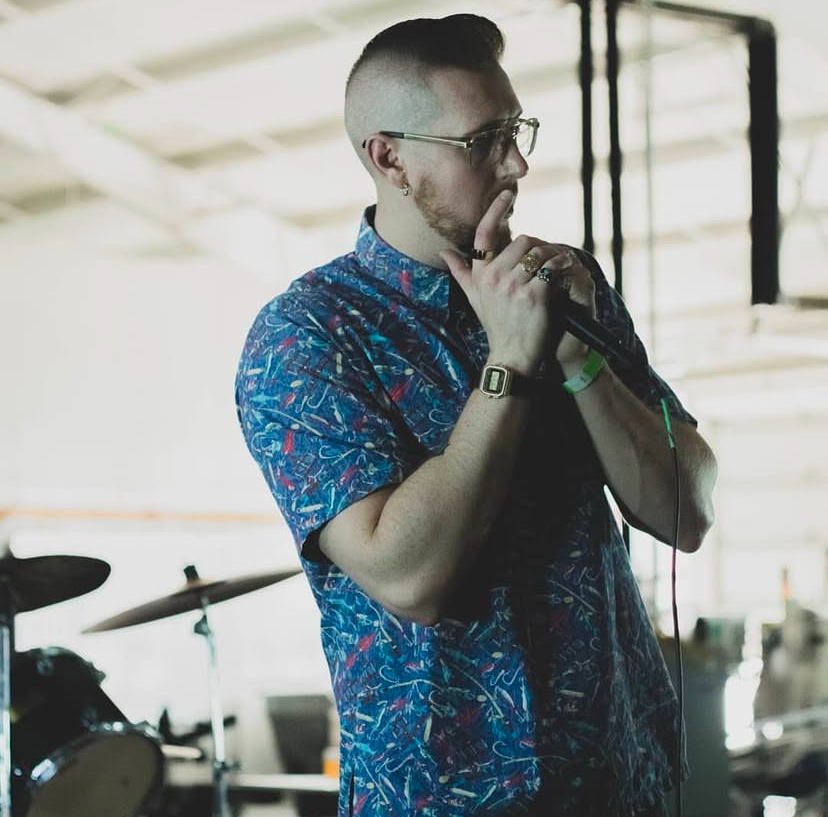
I learned how to rap by first and foremost being a fan of the craft. The next step was to realize I had a desire to do it and take action. Many people have desires, but fail to act, these desires can show up as clues such as envy or criticism. I learned to become aware of my desires and push through the fear toward tacking action. Less thinking more doing, overthinking can leave you in a paralyzed state of inaction, which is fueled by fear based thinking about the future. In hind site it’s silly, because no one knows the future, there is only now so act. Read more>>
Aaron Johnson
I’m a completely self-taught woodworker. As much hassle and heartache as it would’ve certainly saved me to study under a master furniture maker, I was just deluded and stubborn enough to think I could figure out furniture making with patience and wits. I’m not too sure how much of either of those things I really have, but 10 years later, I’ve got a catalogue of furniture to show my progress, and there’s certainly a significant jump in craft from the first piece of furniture I ever built to my latest. Read more>>
Manteneh Koroma
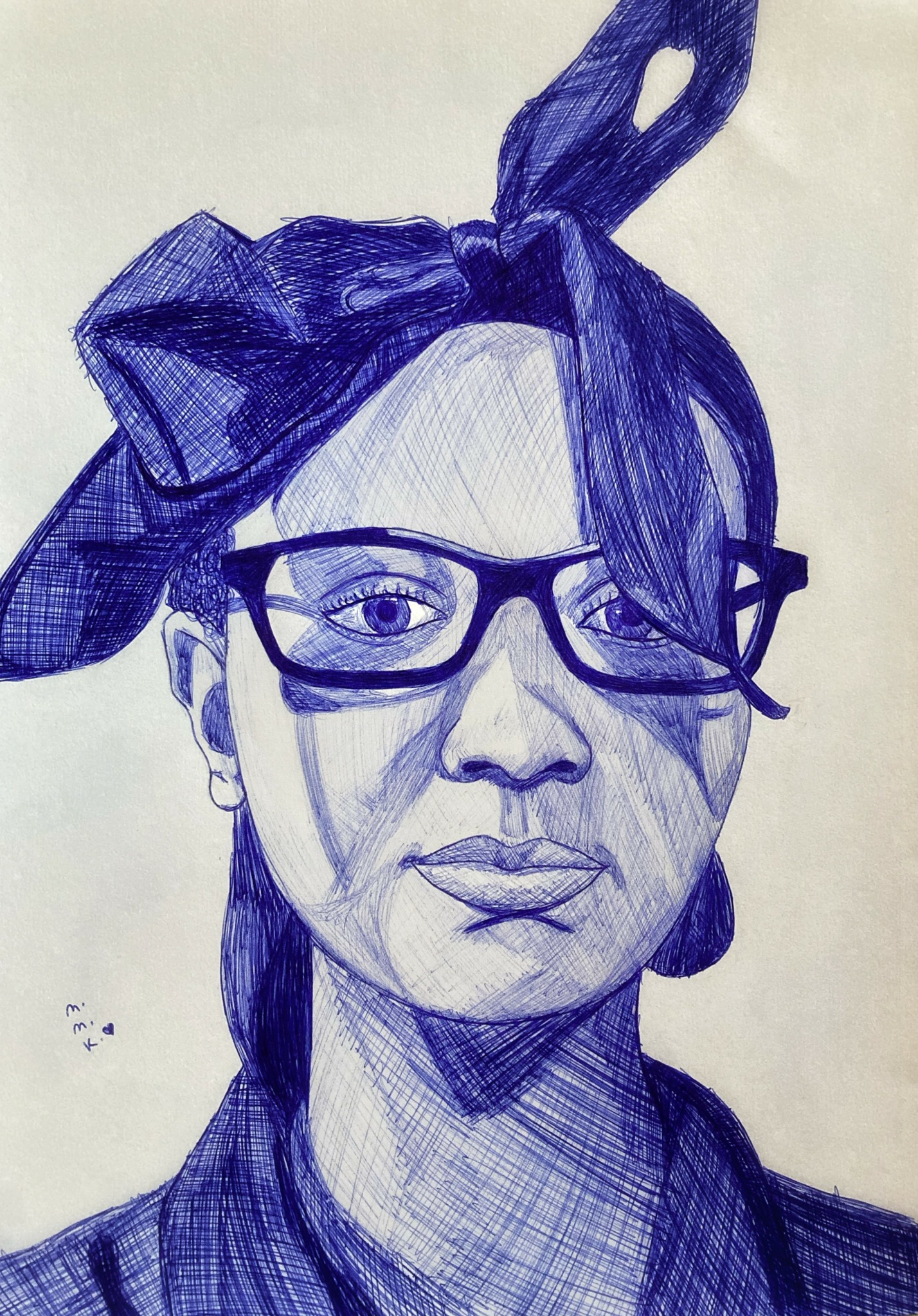
Throughout my life, I have always drawn and wanted to educate myself on drawing fundamentals and various skills related to the creative arts. However, once I got to middle and high school, I could branch out and teach myself specific modes of art like animation and video editing. Most of the knowledge I use today can be attributed to the Minneapolis College of Art & Design and what I learned there. However, I am still learning new skills like sewing and diving deeper into animation and design principles. Read more>>
Yuxiao Zhu
My journey of learning has been a blend of formal education and self-exploration. From a young age, I trained in academic painting, which provided a solid foundation in fine art forms. During my master’s studies, I explored the potential of mixed media, focusing on metalwork and wearable art. Techniques like press forming, soldering, casting and hand-painting became essential tools to express ideas beyond the limits of a single medium. Read more>>
Sam Perakis
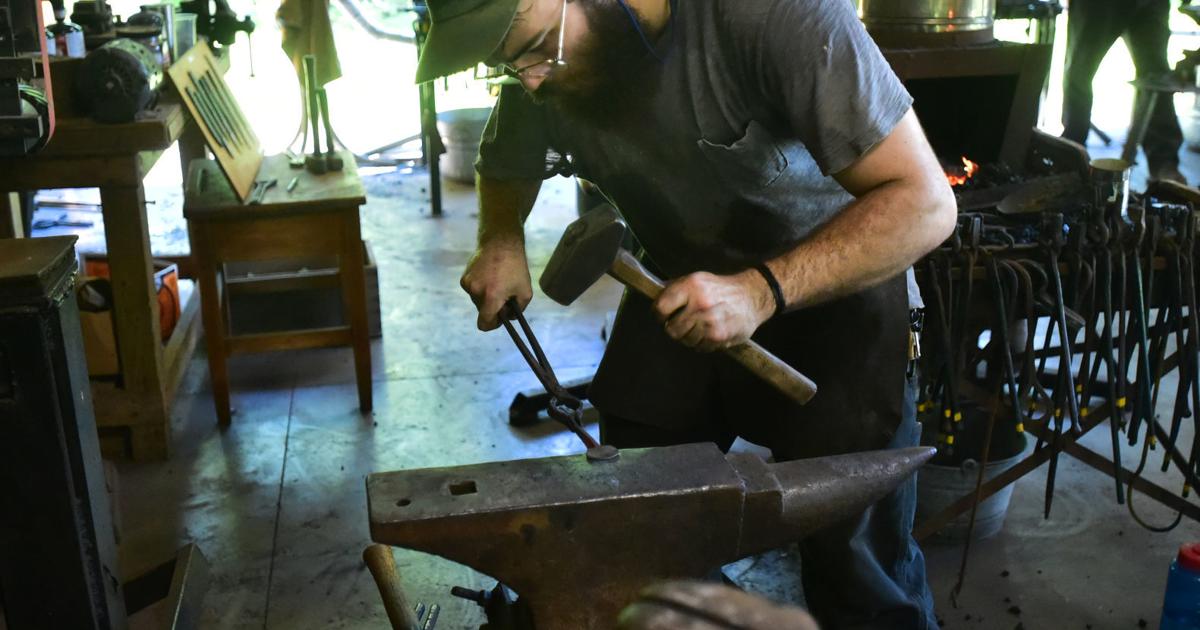
I got started in blacksmithing because I wanted to learn woodworking with hand tools. I was in college and didn’t have any money for tools, so I figured I could make my own. I got on YouTube and quickly fell into a blacksmithing rabbit hole from which I still haven’t emerged! I was self-taught for a couple years but quickly found my local blacksmithing organization: New England Blacksmiths. After I got connected with the local community, things took off. Like a lot of people my age, Read more>>
Jesse Johnson

10,000 hours like everyone says. I regret nothing about my process and honestly wouldn’t change it. My biggest advantage was deciding at 16-years-old that 10 years was an acceptable timeframe for reaching the level of mastery I aspired to. By the time i was a senior in high school, I decided I wanted a label of my own and wanted to do so the independent way. I told myself that producing instrumental music for vocalists would be my bread & butter, but I would also need to learn quite a bit about each department over time. Read more>>
Dj Kevanator
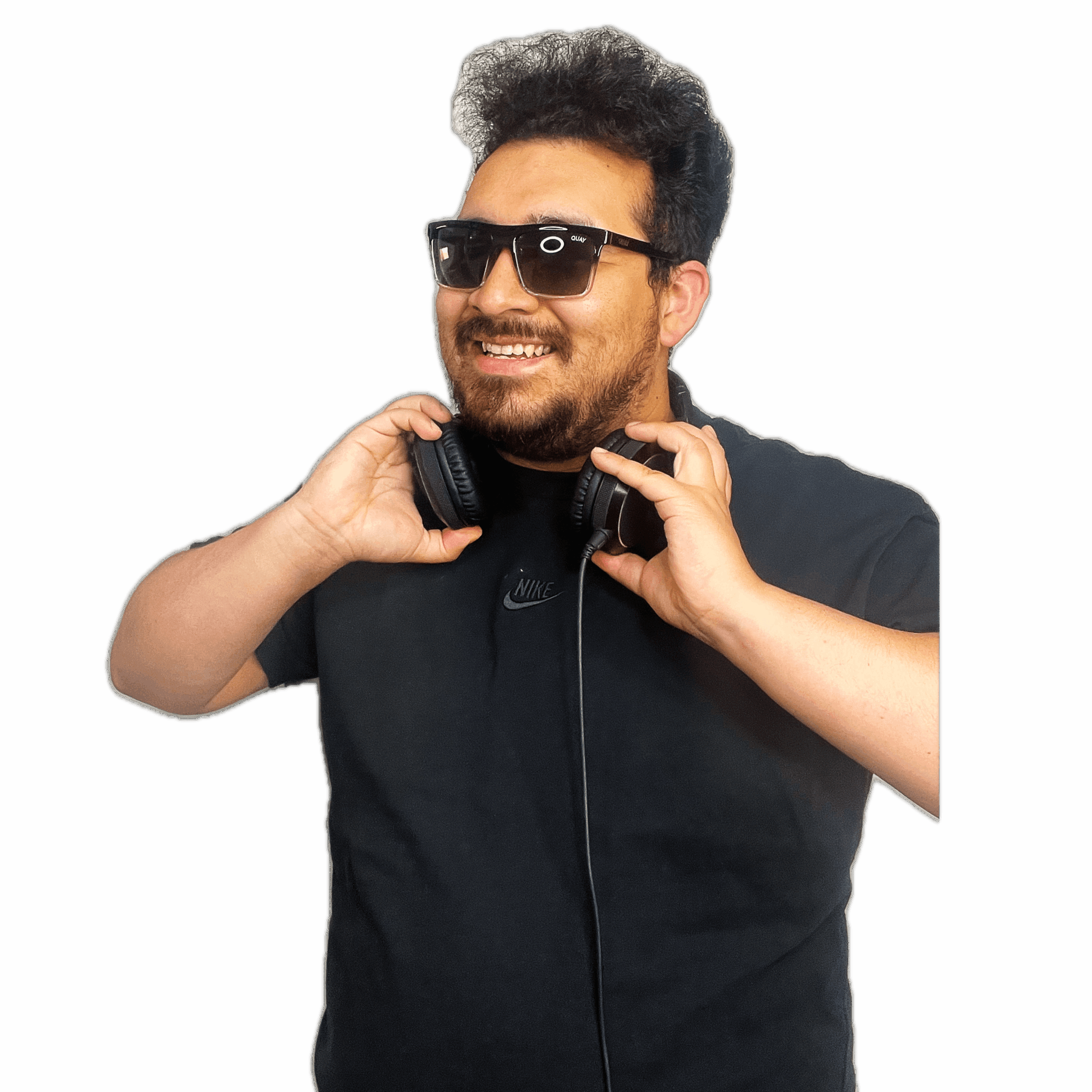
I learned the basics of how to DJ when I decided one day to download and try a program called VirtualDJ! I remember seeing someone post a video of how they did their song transitions on there and I was like, wow that looks cool, let me try it! I remember being so intrigued by it and started to mess around with song transitions and learning the basics. What really took it to the next level was when I finally bought a physical DJ controller. It was really cool using the knowledge I learned from practicing it digitally and actually using buttons and faders to transition between songs. Practicing and learning your controller is definitely essential so you can know what to do if something goes wrong or so you can learn new tricks! Around the time I got into DJing, I also got into Music Producing. At first, I was messing with GarageBand and make songs and beats using the samples that was inside of the program. Read more>>
Krista Carson

Dance has found its way to me constantly throughout my life. At an early age, my aunt started her own dance studio & company that I grew up a part of. Eventually, I took a break in my teen years before magically finding my way back in high school. From there, it’s been a beautiful journey filled with so many inspiring people that continued to pave the way. I don’t think there’s really a secret to speed up the learning process. You can train day in & out your whole life, but something has to click inside of you first before you can truly grasp what it means & feels like- & I really think a lot of that comes with time & age. For essential skills, I’d say above all else that discipline comes first, but ultimately, you really need a lot of patience & understanding. With & of yourself, your body, your environment, & so much more. Embracing humility & staying humble keeps the work honest, & makes the process that much more authentic & impactful. Without diving too deep, I’d say external obstacles that stood in the way of learning & opportunity lie in judgement & politics- being in a very particular, relatively tight-knit & visual field, adversity isn’t obscelete. Internally however, we’re always our own worst critic, & sometimes we stand in our own way. Read more>>
Jacinda Mclaughlin
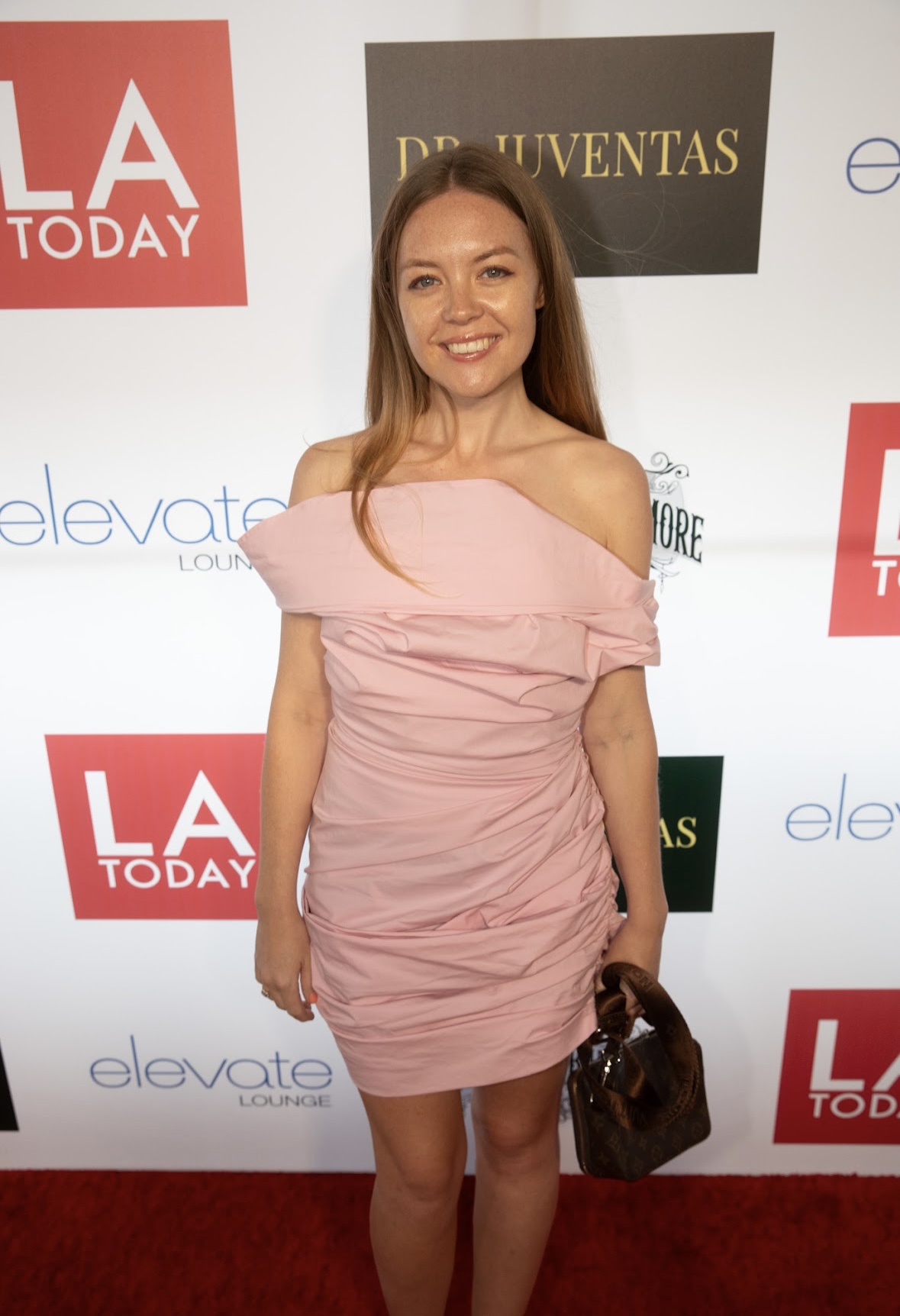
I first got into acting through music. As a child I was a singer in a choir and busked with my violin. I started playing drama games in choir and loved them, I used the money from busking to get my first acting headshots. I started studying acting by going to short courses offered by larger institutions. Then when I spoke to a casting director and said this was a career I wanted to pursue he suggested I commit to full time study to really develop my skills. He suggested some good acting schools. I chose 16th street in Melbourne, Australia and relocated from Brisbane to Melbourne, it was the best decision. In hindsight I would have done this earlier. I had initially auditioned for a university but didn’t get in, I waited years before thinking about returning to study and I got into 16th street on my first audition. My advice would be if you love it, just do it. Don’t wait for the one institution to accept you, there are many amazing schools and tutors around that might see what the others didn’t. The thing I left acting school with was a toolkit of many different techniques, a deeper understanding of myself and my craft and a solid process that has supported me in the industry. Read more>>
Alec Bewkes

I’ll start off the way most interviews do, by quoting Doctor Strange. How did I learn to do what I do? “Study and practice, years of it.” I have a bookshelf full of screenwriting books that I’ve read over and over again. They collectively add up to a few thousand pages, so it felt kinda silly to keep pouring through all of them every time I started a new script. Over the years I slowly distilled them into this study guide that’s roughly 90 pages, and its become my little secret weapon. Obviously hindsight is 20/20, but I spent a long time just ‘writing from the hip’ so to speak instead of learning the craft. While I believe a healthy balance between intuition and craft is essential to good writing, I do think if I’d studied a bit more it would have sped up my learning process. For me, fear has always been the biggest obstacle of learning more. There’s a little voice inside my head that’s worried I’ll finally learn something that makes me realize I’ve been doing it all wrong. Like what if I read an article that says the worst thing you can possibly do in an interview is start off by quoting Dr. Strange? Read more>>
Isaiah Wallis
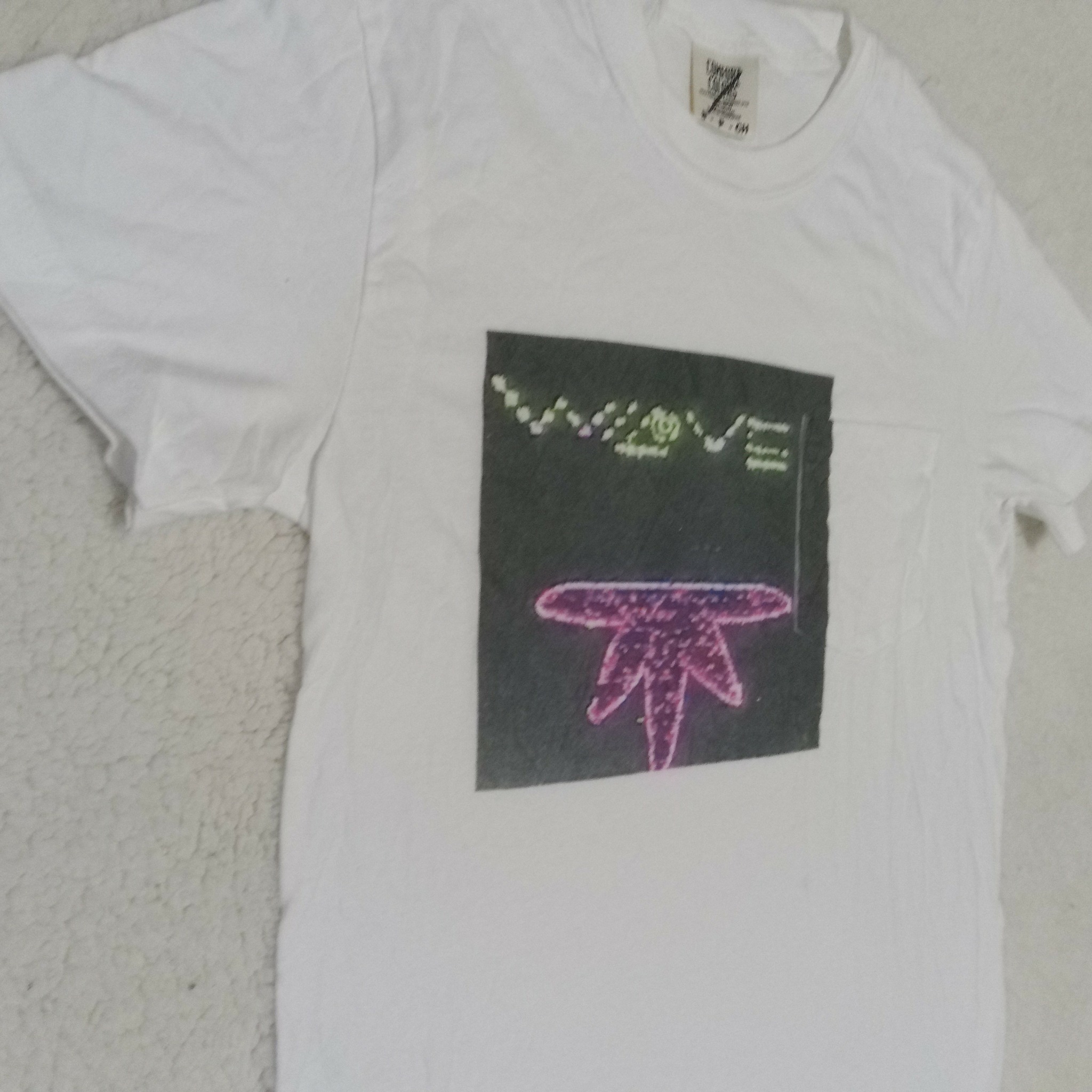
I learned to make clothes by making clothes and studying clothes. I’m still learning because it’s not easy and there’s a lot you can do. I focused on reconstruction and textile decorations as the center of my garment production process so that’s one of the best ways to understand what I do. I wish I would have known what materials to use from the beginning because that’s one of the most important parts of my process. Developing washes for garments and designing style lines and silhouettes Read more>>
Nick Luis
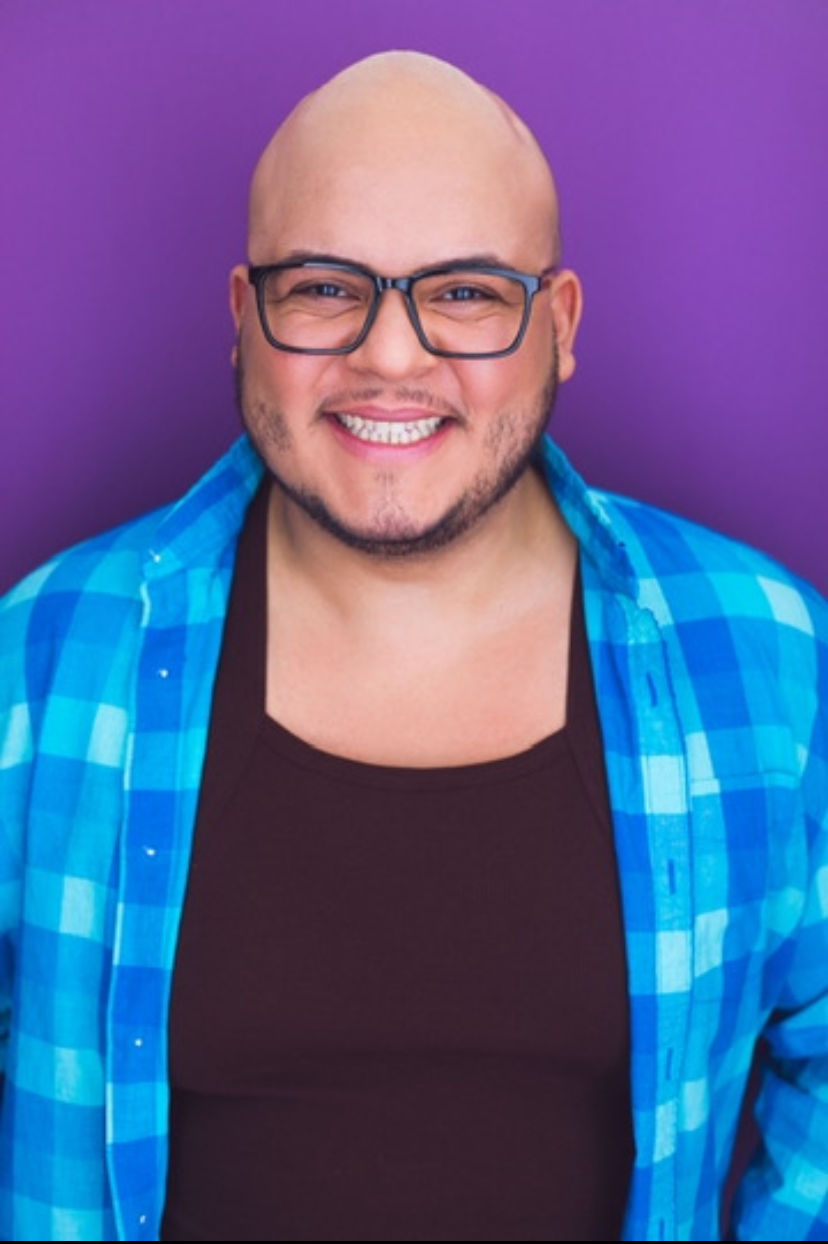
It all began when I turned 20 and joined the Barrow Group Theater School in midtown Manhattan. I studied for about 2-3 years taking all sorts of acting classes. I even learned how to produced through my student showcase at the end of 2015. During my time there I learned the business both on and off the stage, it was an experience I took with me and supported my career till this day. I am very grateful and fortunate for those experiences because I believe that I have learned everything I needed to learn in its divine timing and everything happens when it is suppose to happen. I did want to start acting classes at 18, but it took me awhile to find the perfect acting school to attend and I honestly thought I was running out of time, but taking a step back, reflecting and looking at the bigger picture I think the process was specifically meant for me. Read more>>
Hrisheek Panchmatia
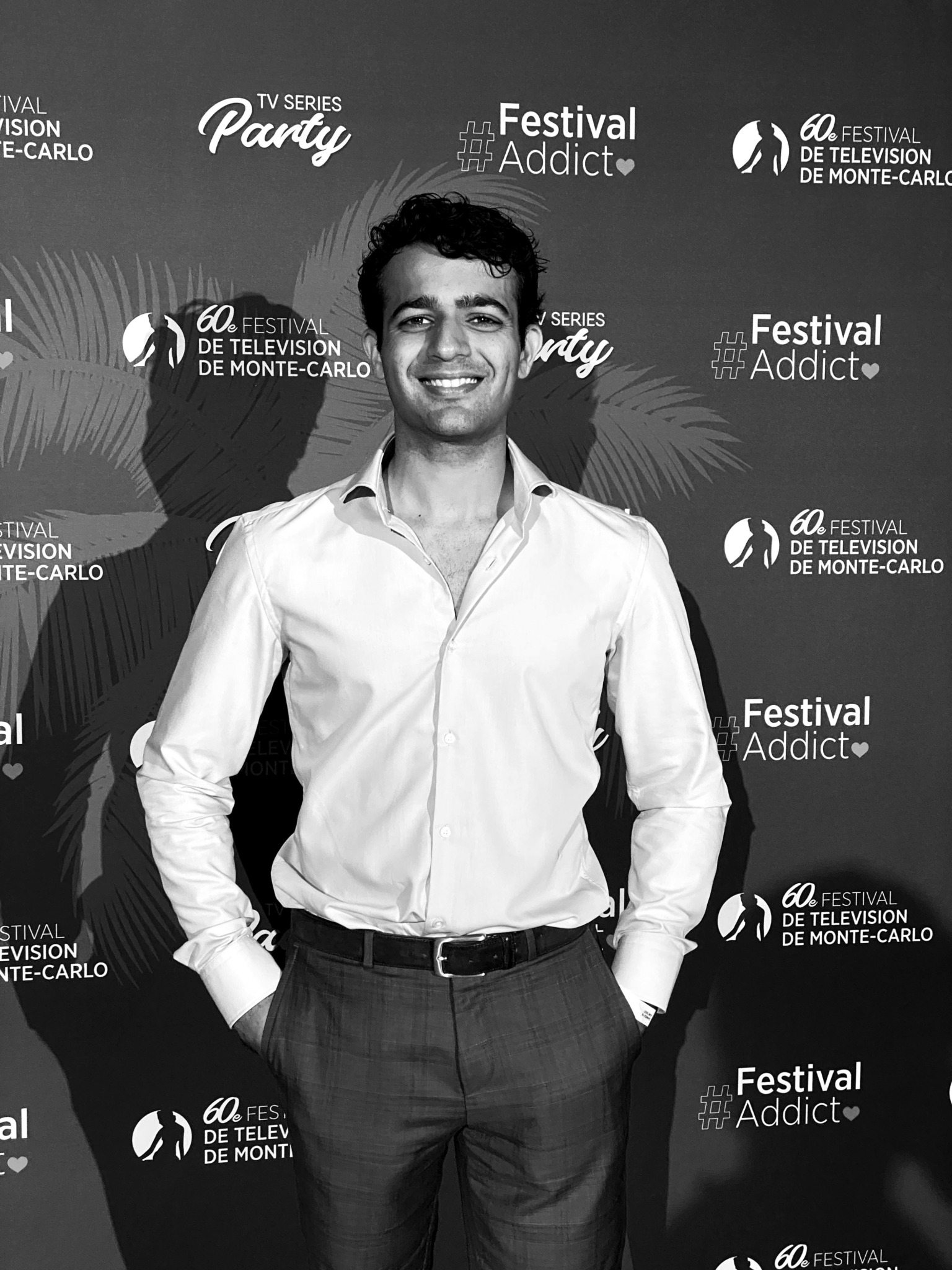
I did a Producing Program which gave me a lot of technical knowledge about what goes into the job of being a Producer and making it in the Entertainment Industry. I think practical experience definitely speeds up the learning process as often times being on set is vastly different than how filmmaking is taught and so by having more real-life experience one can make better use of their classes and really get into the mindset of how they would use this theory on a day to day basis. Read more>>
Relentless Jay
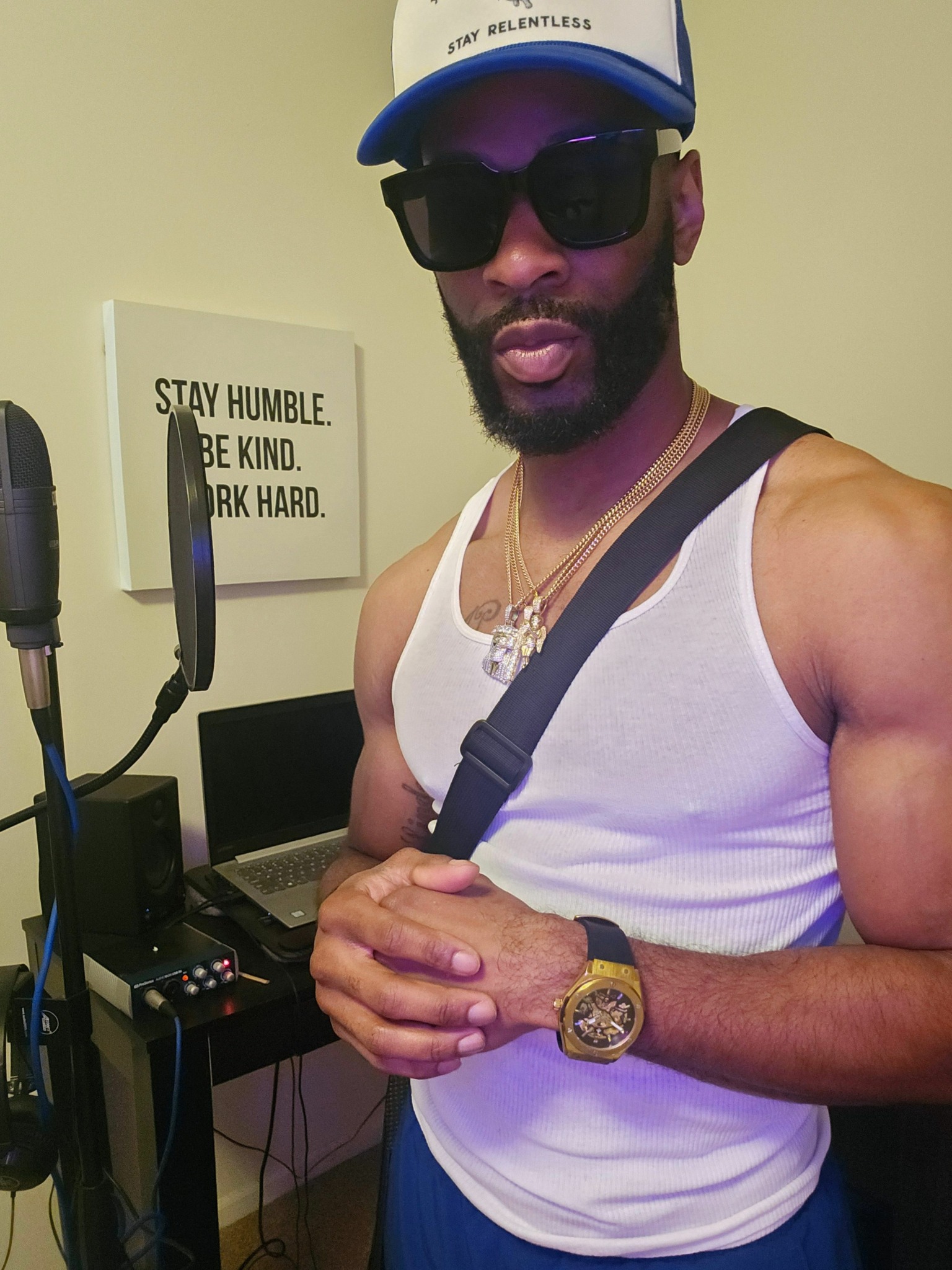
I feel like both making music and designing both came naturally. When I was a kid, I always had music playing in my head. When I listened to music, it was like I could “process” music from the instruments used to the drum patterns of the songs. With designing, I’ve always had an artistic mind and gravitated towards drawing comic book like figures. I would start drawings and wouldn’t finish them for a few days because I was always adding details. I felt I was striving for “the perfect masterpiece”. Read more>>
Fredy Salguero
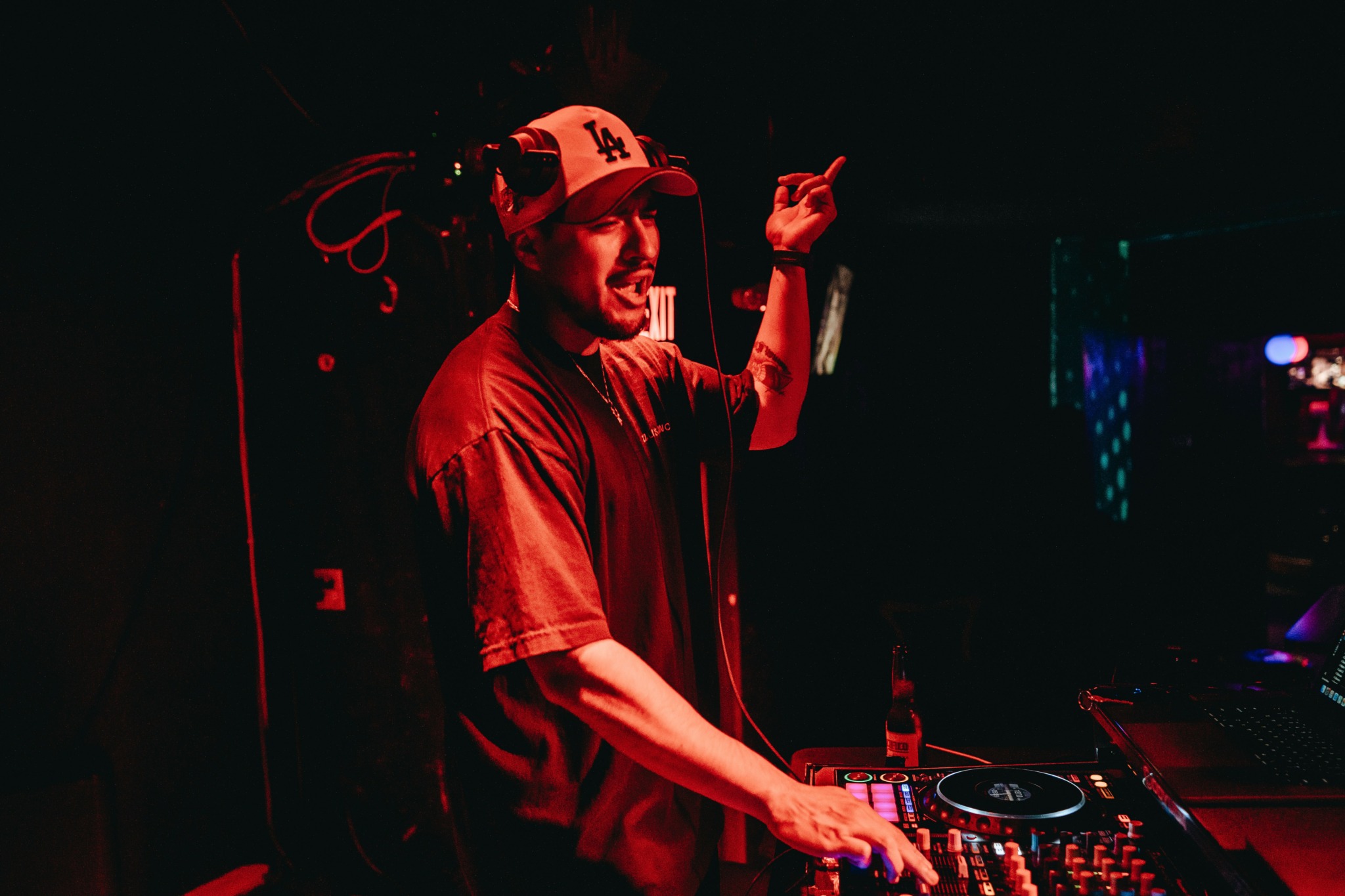
In 2019, I bought my first DJ controller, a small DDJ 400 by Pioneer DJ. I found it on offer up for a decent price, so I pulled the trigger. From my first big rave back in EDC LA 2010, I was always fascinated by the sonic control the DJ’s had. I fell in love with the music and the journey DJ’s took us on. So after 9 years of participating, I decided to learn that craft. I attempted to teach myself without any guidance just by playing around with Rekordbox and the controller, however, I figured it wasn’t the best way for me to improve. YouTube University, was the biggest support I found. Specifically, an account called, Club Ready DJ, that was run by instructor Andrew from Australia. I invested in his online course program after viewing hours of his free videos and that really propelled me to learn different mixing skills and the fundamentals of being a DJ. Read more>>
Bradley Kahabka
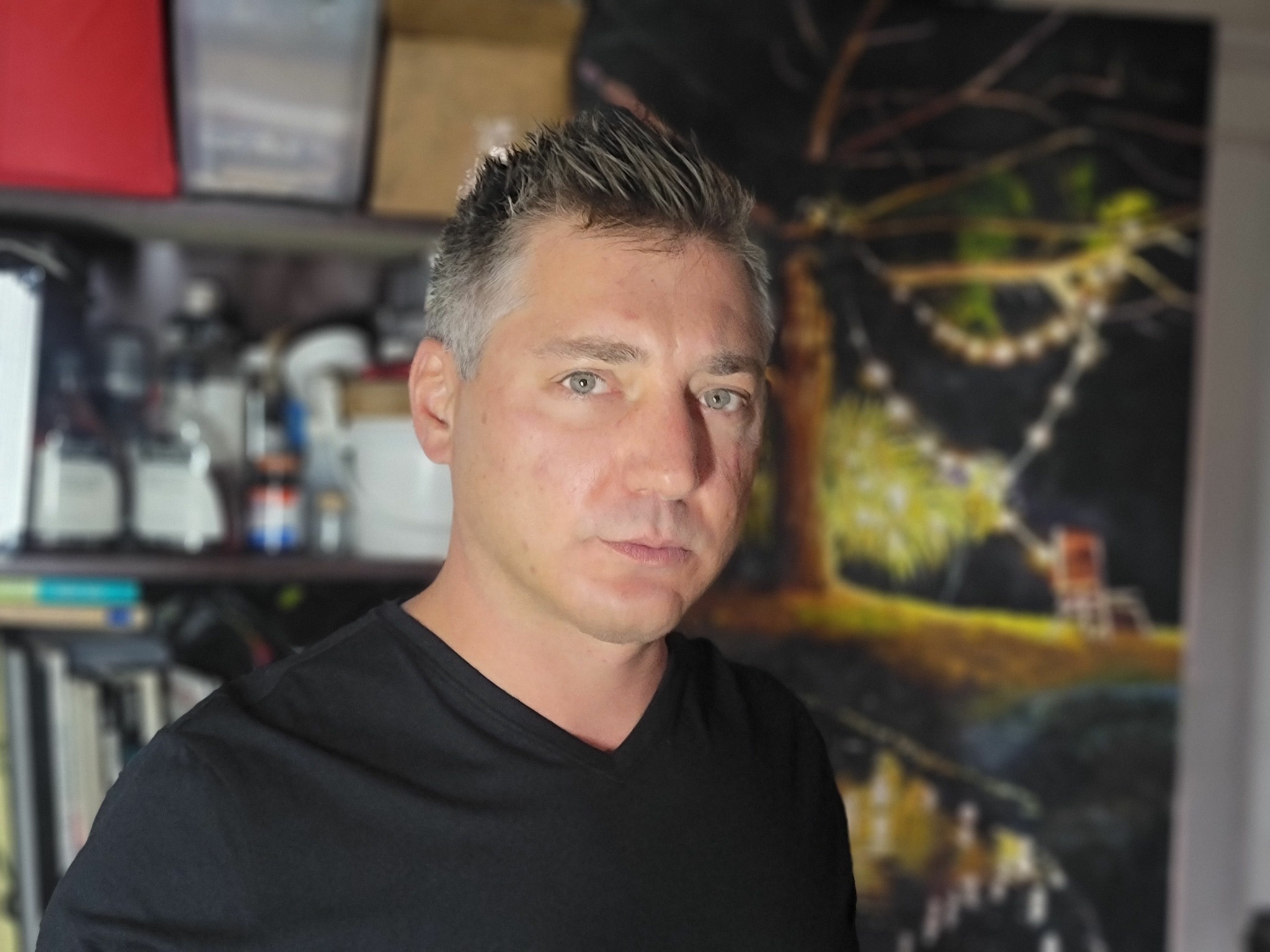
Right now my full time job is as a Luthier making instruments. I went to Cal State Long Beach and completed a BFA in drawing and painting with a minor in sculpture, and all of those skills have helped me greatly in my craft. The work of a modern luthier is complex and demanding, there are a lot of skill sets involved. Especially since I run the USA Custom shop, I’m not just making simple instruments, I make one of a kind functional art pieces really. Funny enough I never took any woodworking classes or really did any woodworking of any kind before this job, but many of the mold making and sculptural aspects of my schooling have come into use during this time. It has helped me greatly that I’ve got a mechanical background fixing cars and motorcycles and have taken some engineering classes in the past. A lot of my work has CNC machining involved, and a lot of jigs and custom tools I’ve had to make on my own that fit my personal design aesthetics and dimensions. There is a certain aspect of being an artist that is all about problem solving and thinking outside of the box which has helped me tremendously in this kind of work. Using laser and CNC machines in perhaps untraditional ways and just thinking from an upside down/inside out perspective which is how a lot of sculpture and mold making is approached, being able to think 3 dimensionally. Read more>>
Big Sexy Berrywhite
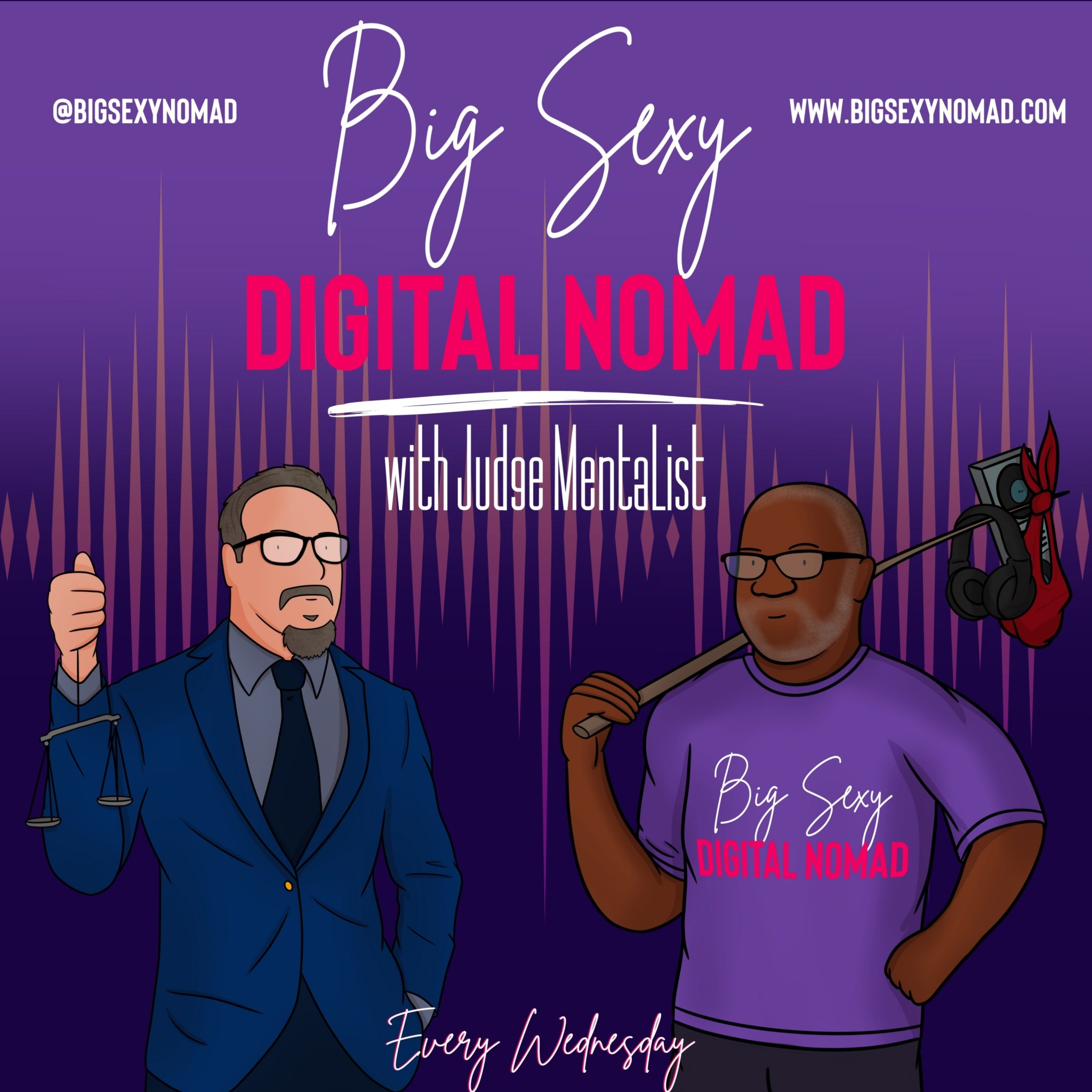
I started podcasting by accident. I had no idea how to do it. Luckily, my co-host had done a podcast prior to ours so I piggybacked his knowledge and figured it out. We have hosted on a few platforms until we landed on the best fit (so far) for our content. We learned thru trial and error and that was definitely… a way. Better would have been to research and inquire from fellow podcasters. Read more>>
Andrew Vogt
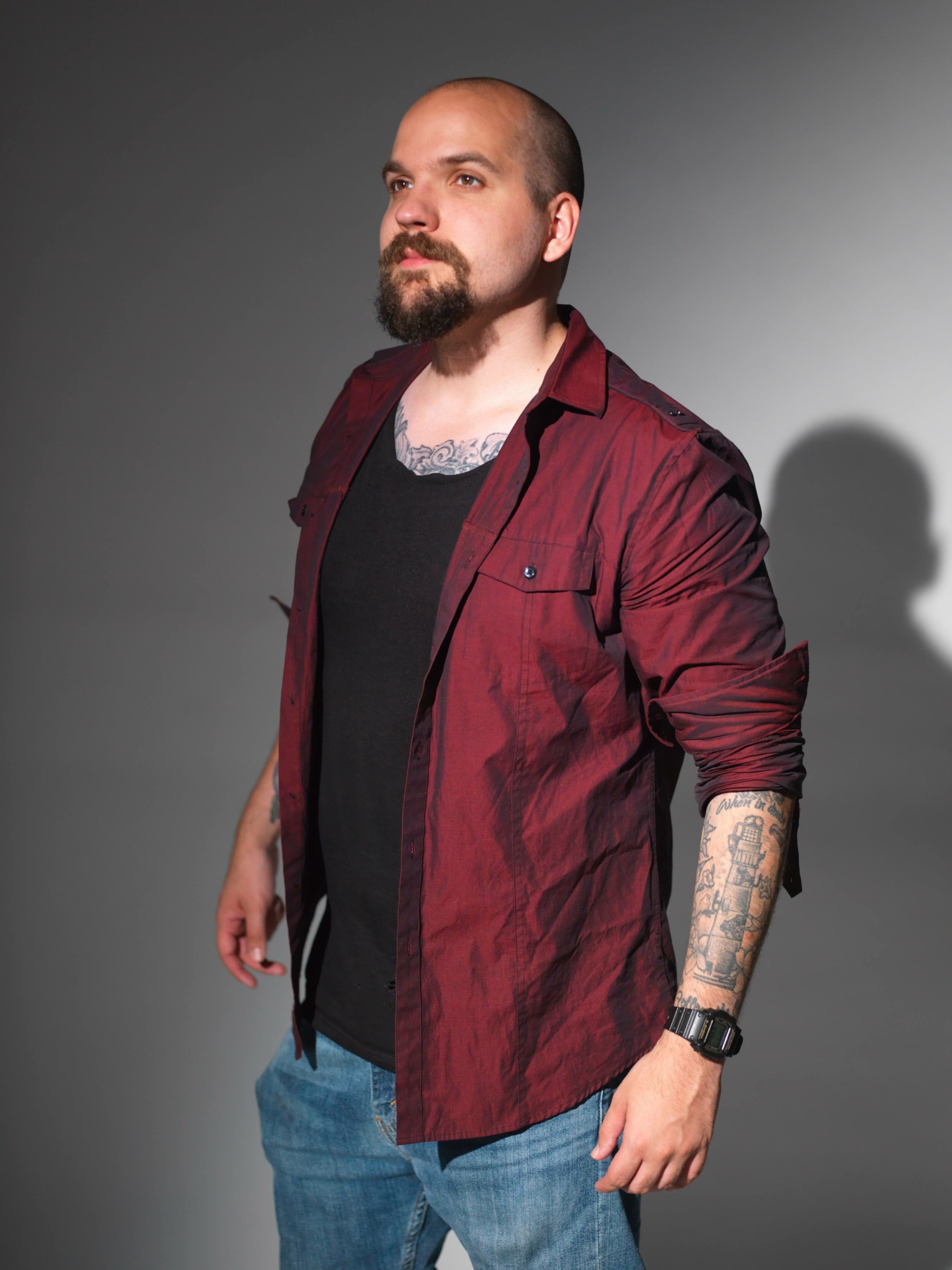
Mostly self-taught by always shooting as much as I can (which leads to a significant amount of happy accidents to learn from), had a couple people show me intial fundamental settings like the exposure triangle framing etc, going to photography meet ups, always mixing it up by shooting in different scenarios, locations, etc, and learned online vicariously through a ton people. If I get stuck on something I google it. Read more>>
Emily Murray
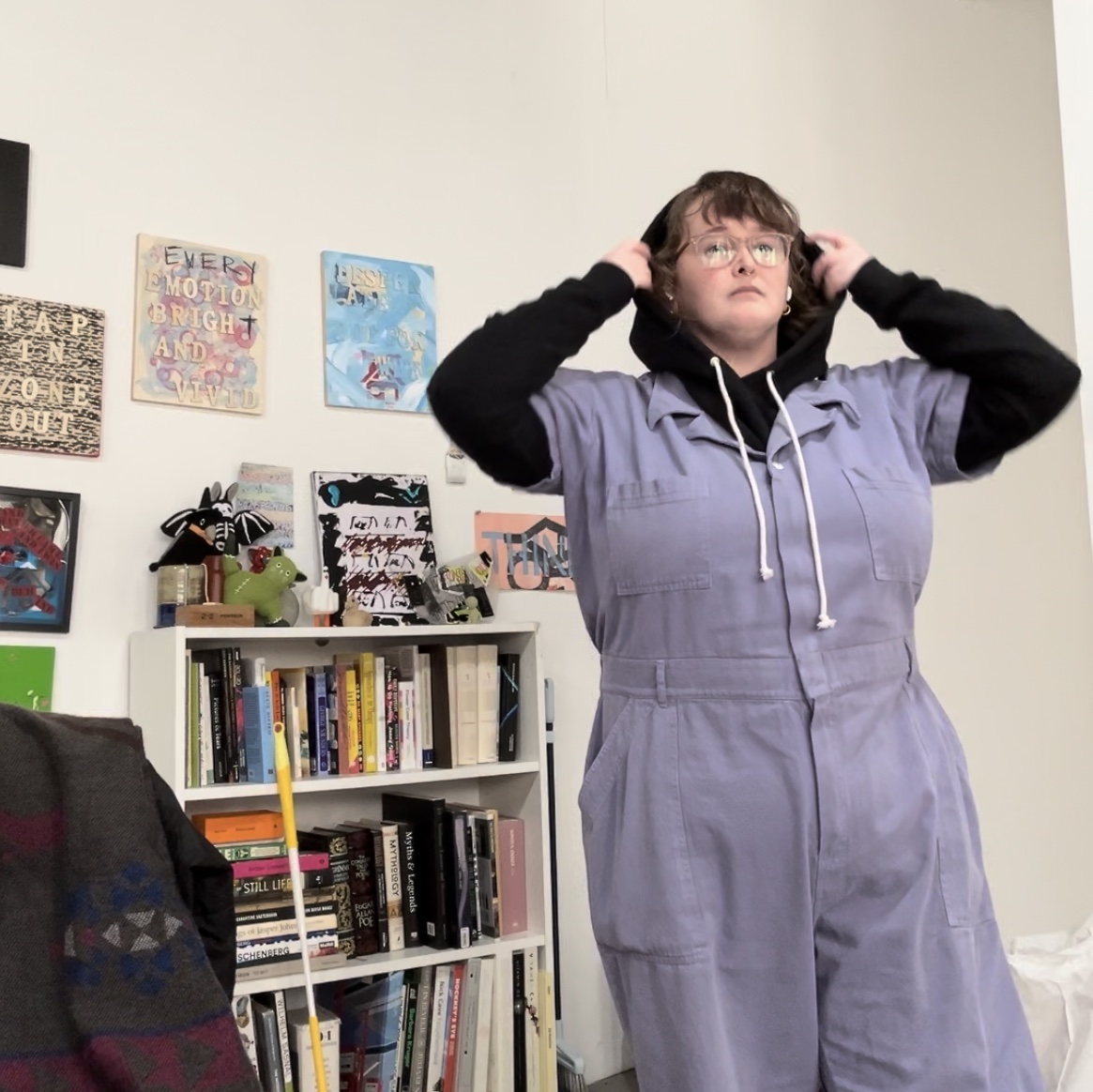
I went to school for fine art. I majored in Painting and minored in Art History in undergrad and just recently earned my MFA in Studio Art. In the undergrad program I was in, we applied into BFA and it was an additional 30 units and I earned most of those extra units in printmaking and drawing classes. I definitely could have spent more of my free time drawing and painting and researching, and I think even now I could bare to spend more time on it, but I also think that’s an easy answer. I could’ve spent more time actually doing, rather than just thinking about doing, but I’m proud of how far I’ve come so far. In both educational environments, I learned a lot about community and talking to people, purely in the sense of making personal connections. I think knowing how to talk and interact with people is an essential skill and has helped me a lot in building community. Read more>>
Lexie Harrell
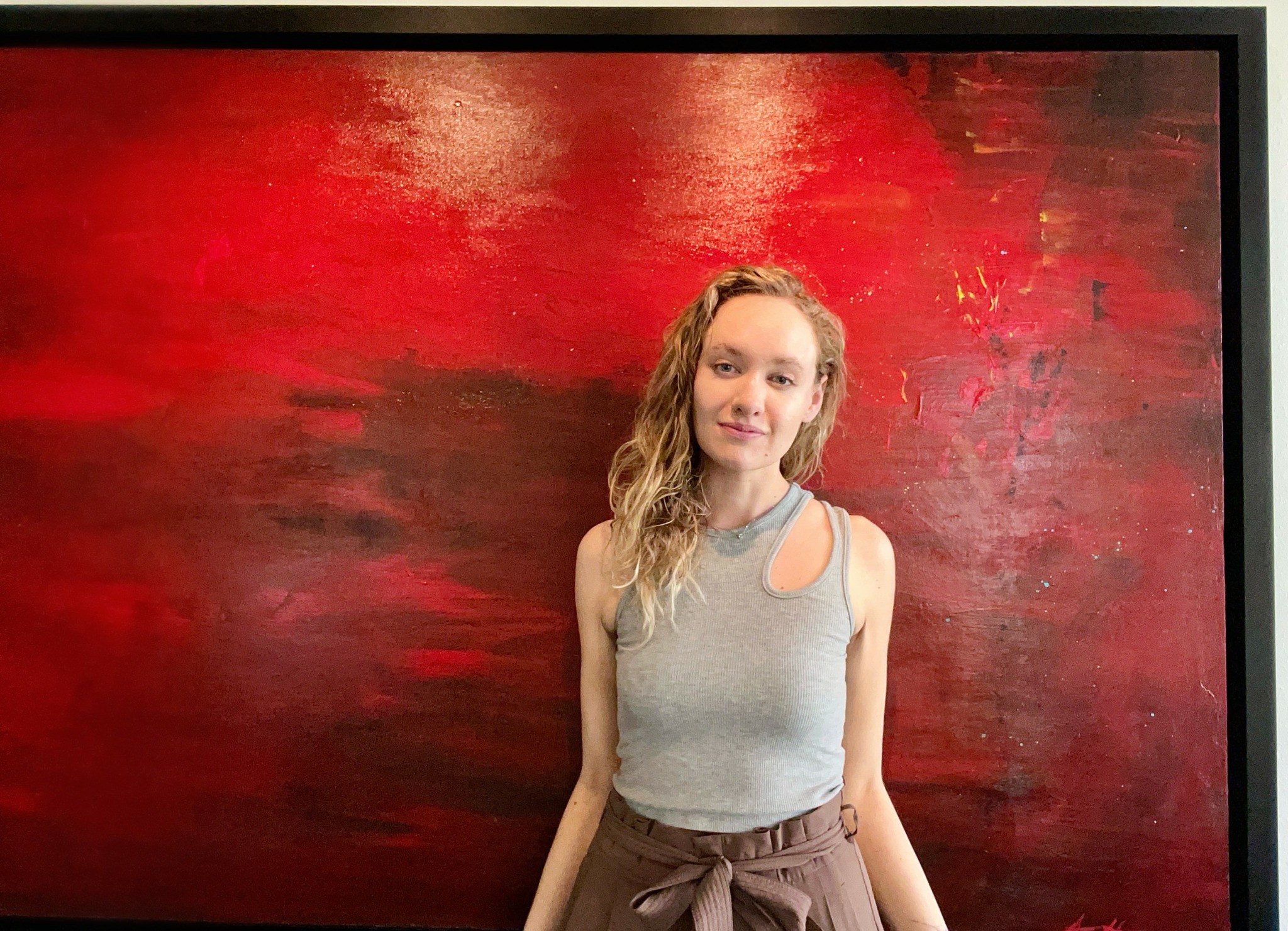
I began with the traditional route of going to art school. I loved the figure drawing and painting classes the most, as well as any other classes where we were given the freedom to simply sit for hours and draw or paint, with a professor occasionally coming around to tell us what was working and what wasn’t. I loved copying old master’s work to learn their techniques. I loved filling in my sketchbooks. But the theory always slowed me down. I knew that studying art history was important, but I always much preferred making art to writing about it. I gradually developed a deep interest and respect for art history, but that initial disinterest hindered my education a bit. Read more>>
Traye Revere
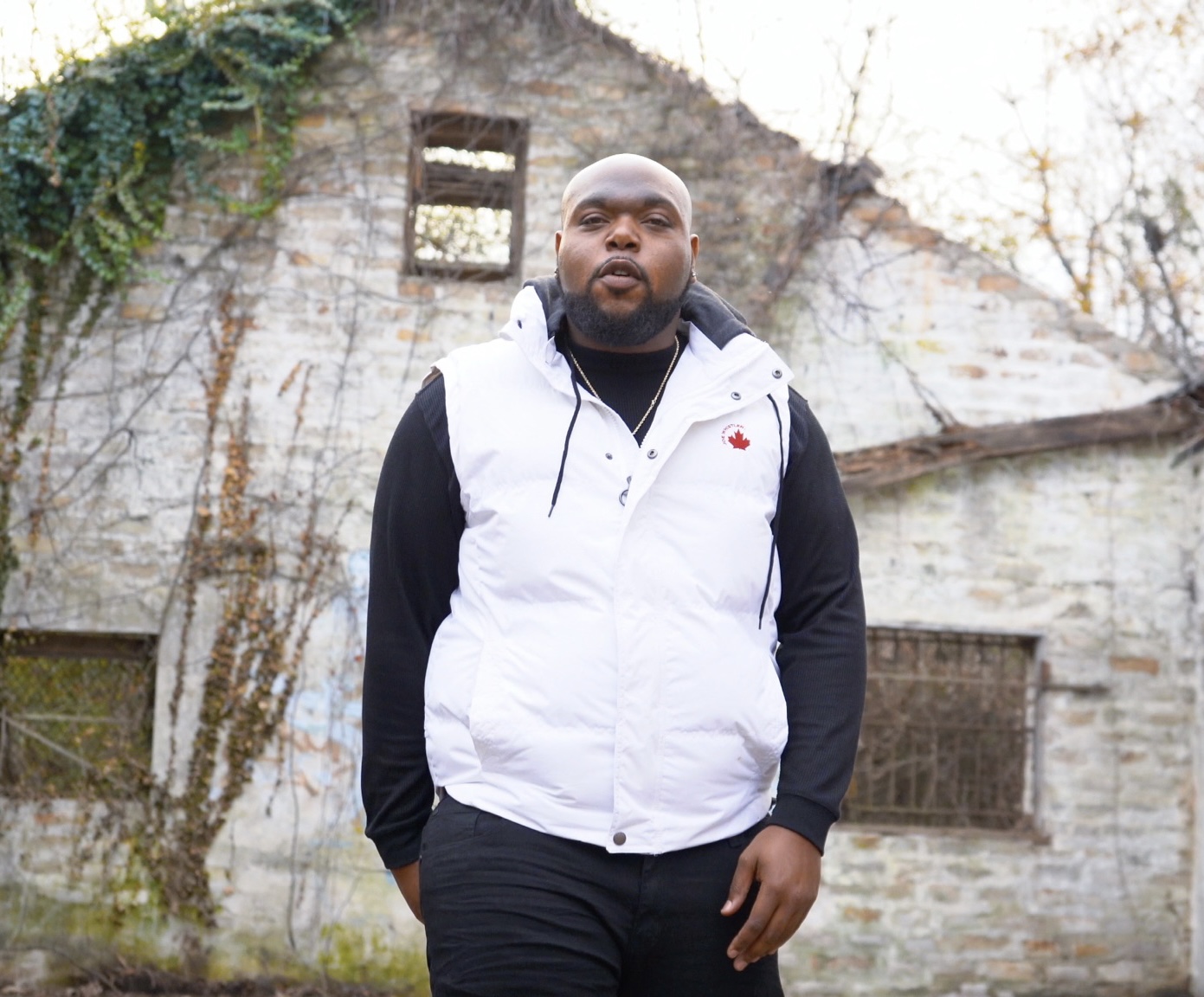
I started out like a lot of producers just experimenting. Growing up in Atlanta, I was surrounded by a deep music culture, from trap to R&B, so inspiration was everywhere. I taught myself the basics using software like FL Studio and Logic Pro, watching other producers, and reverse engineering beats from my favorite producers. Over time, I connected with other creatives, shadowed engineers in studios, and got hands-on experience working with artists. Learning in a city like Atlanta meant soaking in the energy of its sound and collaborating with people who push the culture forward. Read more>>
Chris Luther
My father had a guitar and every once in a while my brother and I would pull it out of the attic and try to learn songs by ear. My dad new a few songs and would show us various picking patterns and chords. One day the guitar never went back into the attic. I grew up listening to music of all kinds. I had records and tapes started to build a collection of my own. I remember my first tape was a band called “Sha-na-na”, which featured rock and roll and doo wop revival group from the late 1960s. My parents had an incredible record collection of Popular music including Jazz, Folk, Blues, Motown, Country and Rock. Some of my first favorites were Richie Valens, the Beatles, Elvis Presley, Buddy Holly, Hank Williams, Peter Paul and Mary, The Mamas and the Papas and the Kingston trio. We would spend hours listening to records, talking about the artists and reading the liner notes. My dad always had National Public Radio (NPR) on in the car. Still to this day I love listening to classical while I am driving around the city. I became a good listener with a well rounded collection of music and that led to a great appreciation. In grade school I remember on celebration day, which was like a music and singing class, I could not get music out of my head. The melodies would stick in my mind and I would constantly hear them in my mind. Read more>>