



The number one thing we hear from entrepreneurs and artists and creatives when we ask them about their education is about how irrelevant it was to their story. Sure, some folks had wonderful educational experiences, but for many their experiences left them feeling ill prepared for life and their careers. So, we wanted to create a space for folks to share their experiences and ideas for how we can improve our educational system.
Suneet Bhatt
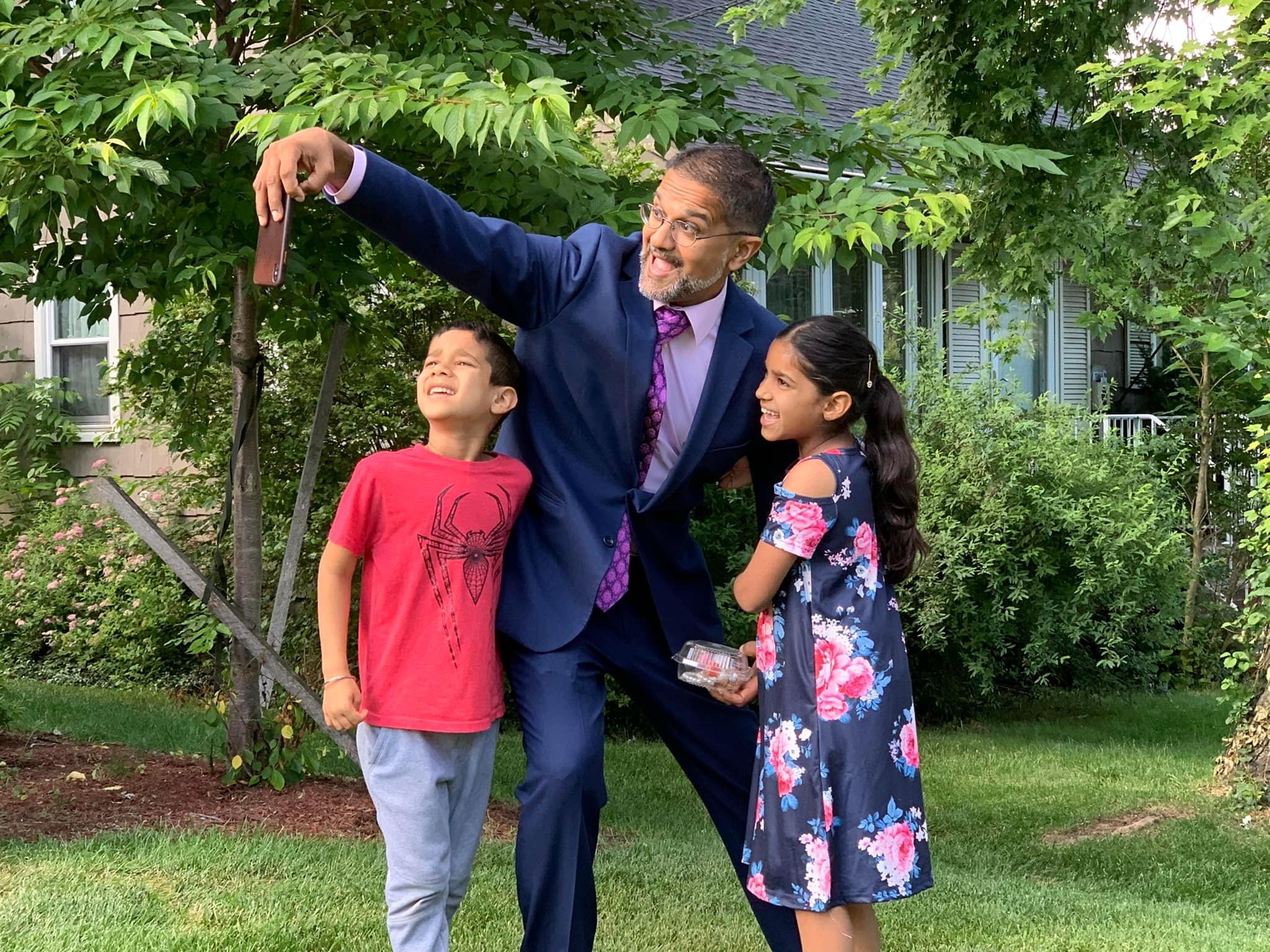
I love this question, because what I would change about the education system is what I am currently changing about the education system as a “Professor of Purpose” at Rutgers University. Our greatest responsibility to the next generation is to equip them with a greater level of self-awareness, worth and value, so they feel confident standing atop the two major technological transformations that will underpin their lives: interconnectedness, which has made the world smaller, and augmented intelligence, through the evolution of AI, which will has the ability to make us all smarter, more productive, and more capable of realizing our grandest dreams. The work we’re doing at Rutgers University is at the forefront of embracing that responsibility. Read more>>
Marcella Cianfano
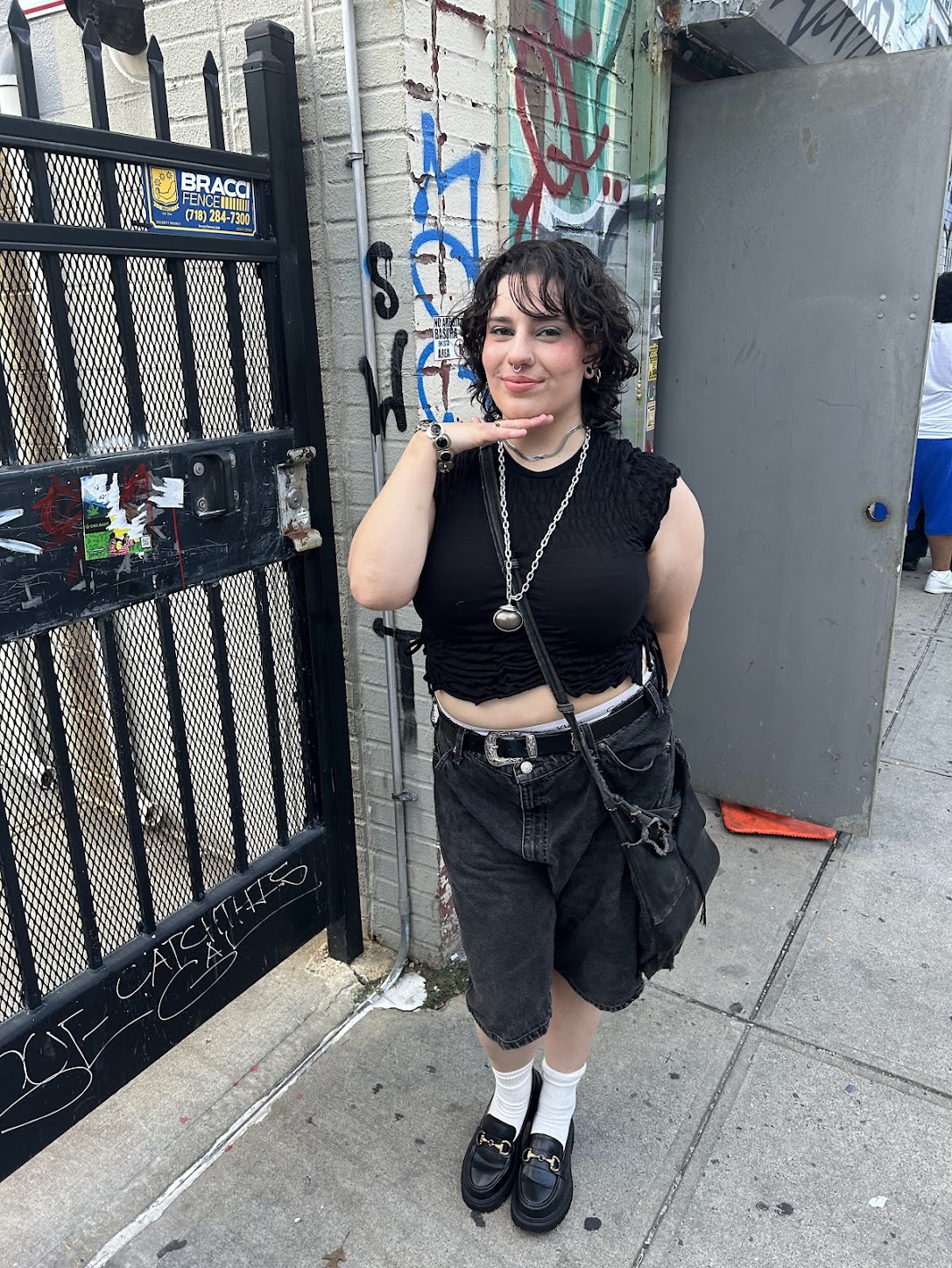
This is such an important topic, and there’s a lot to unpack. Our experiences with the education system are shaped by factors like where we grew up, socioeconomic status, and access to resources, so it’s hard to make a one-size-fits-all assessment. Personally, I attended public schools that placed a strong emphasis on academics. Many parents in my community pushed their kids to excel, sometimes to an extreme. There was immense pressure to succeed, with the ultimate goal often being Ivy League schools or “stable” careers like medicine or engineering. While this focus on achievement sounds positive, it often came at the expense of individuality. Many students had creative passions but felt forced into more “practical” career paths. Read more>>
Chris B

One significant alteration I’d advocate for within the education system is a heightened emphasis on vocational training and trades education. Currently, the system is heavily skewed towards preparing students for four-year colleges and white-collar professions. This one-size-fits-all approach overlooks the immense potential and value of skilled trades. In my role as the service manager for a pool service company, I see first-hand the demand for skilled tradespeople. These roles, crucial for the functionality of our everyday lives, are often undervalued by the mainstream education narrative. Yet, they offer fulfilling careers and are indispensable in the job market. There is a growing skills gap in the trades sector as an aging workforce retires, which is not being adequately filled, partly due to the lack of emphasis on trades in education. Read more>>
Hilary Bilbrey
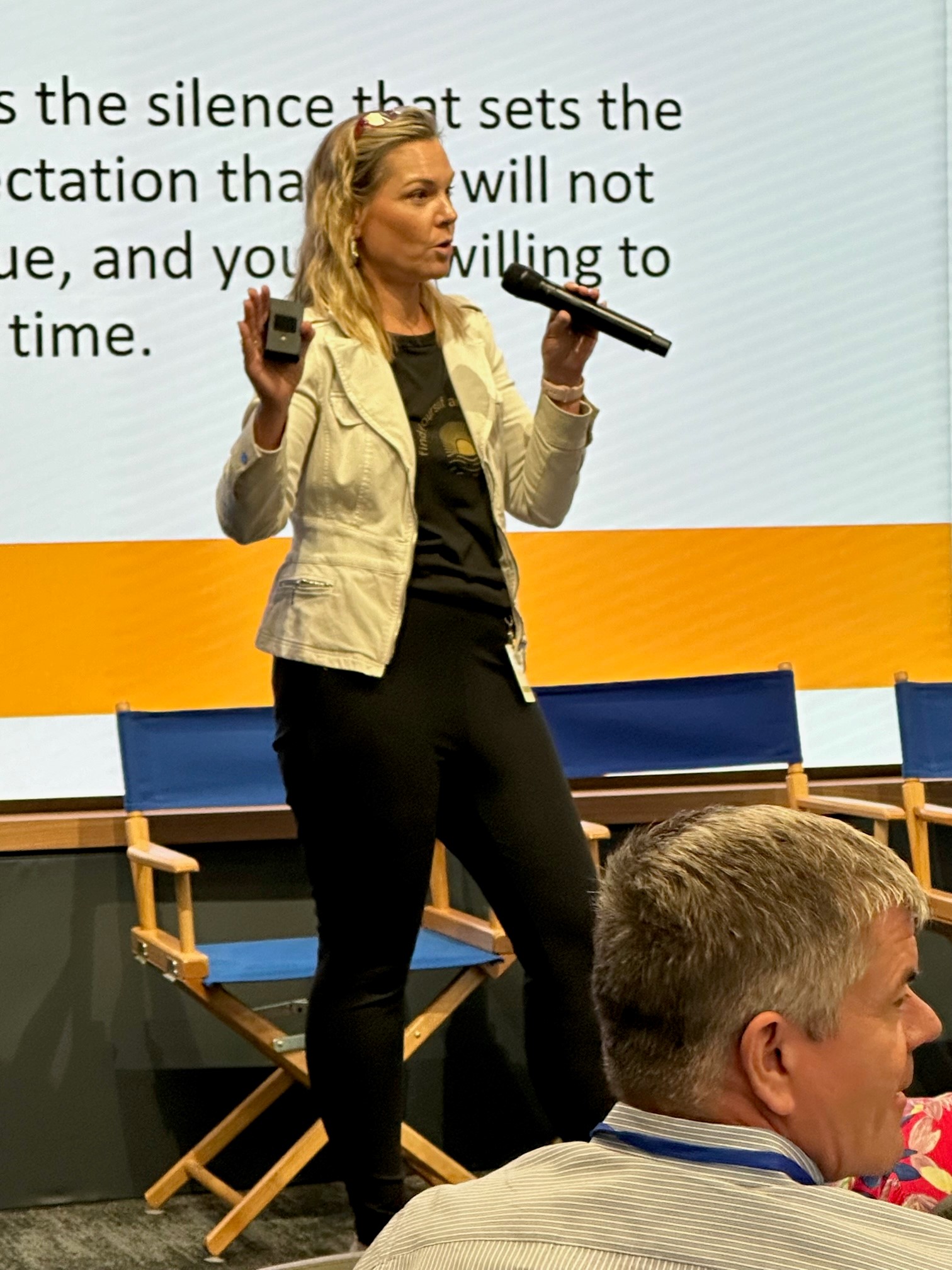
The traditional education system, with its focus on memorization and rote learning, has remained largely unchanged for decades. Yet, the world our students are stepping into has transformed dramatically. With nearly infinite information at their fingertips, thanks to technology, students no longer need to memorize facts—they need to know how to access, apply, and evaluate information in meaningful ways. Tim Elmore’s concept of “artificial maturity” highlights this gap. While young people today have unparalleled access to knowledge and tools, many lack the life experiences necessary to contextualize that knowledge or apply it beyond the immediate task at hand. This creates a generation that may appear informed but struggles with critical thinking, problem-solving, and emotional resilience. Read more>>